
The Passengers
John Marrs
Average Goodreads rating4.1
- Multiple Perspectives
- Psychological Thriller

We independently select and recommend books. Purchases made through our links may earn us a commission, at no extra cost to you. Prices and availability are set by each retailer.
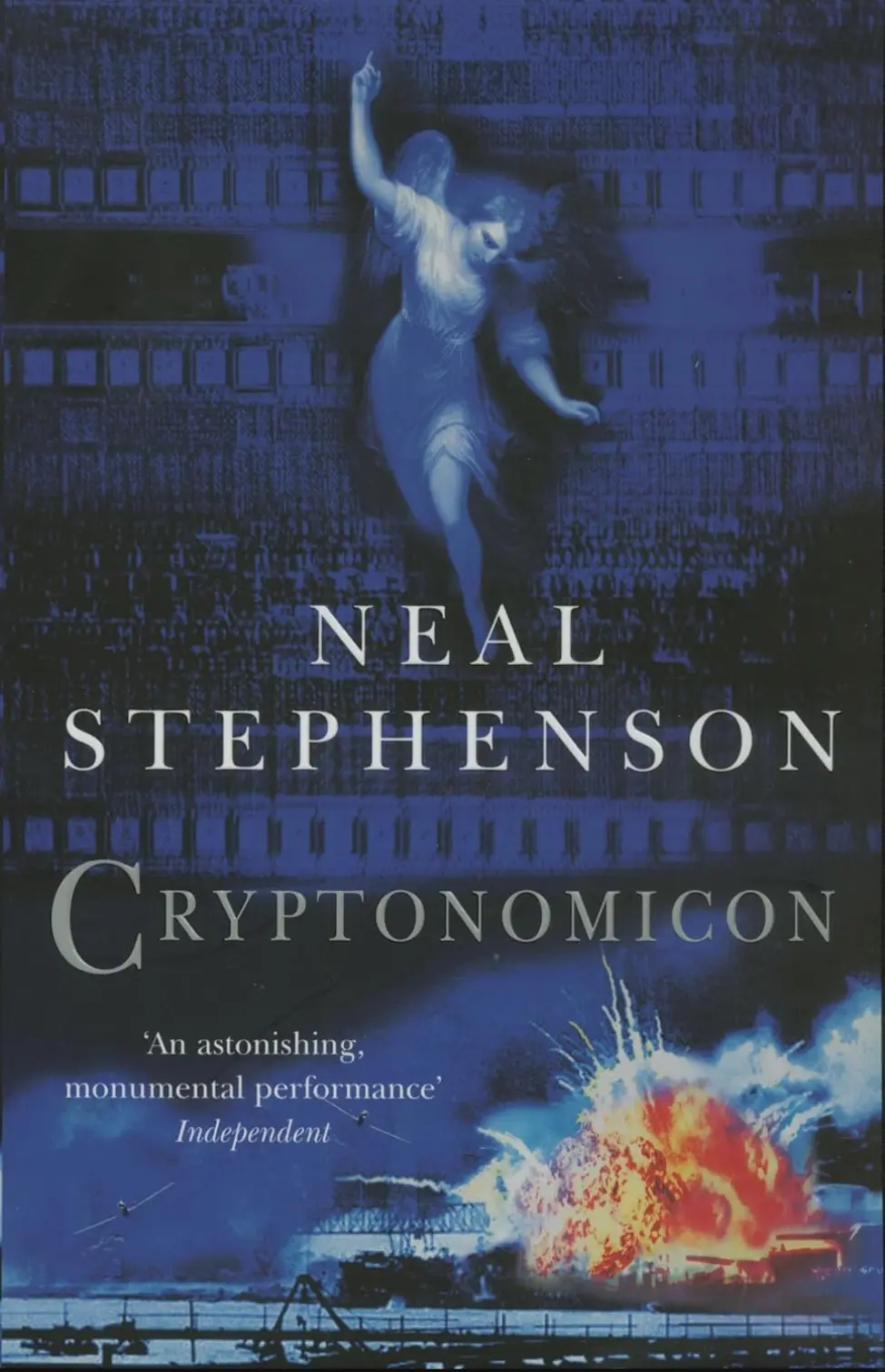
Cryptonomicon by Neal Stephenson alternates between WWII codebreakers and 1990s tech entrepreneurs, exploring cryptography's role across eras. This dense 900+ page novel delivers mathematical concepts, computing history, treasure hunts, and Stephenson's encyclopedic detail.
Cryptonomicon is Neal Stephenson's 1999 novel that established his reputation for massive, intellectually ambitious works blending historical depth with technical rigor and philosophical inquiry. Alternating between two timelines - WWII-era codebreakers working to crack Axis encryption whilst hiding their success, and 1990s tech entrepreneurs building a data haven in Southeast Asia - the 918-page tome explores cryptography, information security, computing history, gold, and how the control of information shapes wars, economies, and power structures across generations. Through meticulous research, pages-long technical explanations, and characters who think as much as they act, Stephenson crafts his most accessible "difficult" novel - demanding patience whilst rewarding readers seeking science fiction (and historical fiction) that trusts their intelligence and doesn't simplify complex ideas for easy consumption.
The WWII timeline follows multiple perspectives centered around codebreaking: Lawrence Pritchard Waterhouse, a mathematical genius and cryptanalyst working with Alan Turing's team whilst later joining a secret unit tasked with using decrypted intelligence without revealing to the Axis that their codes are broken; Bobby Shaftoe, a Marine whose missions serve the larger deception, protecting the secret that Enigma has been cracked by creating plausible alternative explanations for Allied successes; and various historical and fictional figures navigating the intersection of mathematics, warfare, and the birth of modern computing.
Stephenson uses the WWII sections to explore cryptography's fundamentals - how codes work, why they're vulnerable, the cat-and-mouse game between codemakers and codebreakers - whilst depicting the human costs. Waterhouse and his colleagues can't simply use their decrypted intelligence; they must calculate how much knowledge to act on without making the Germans realize Enigma is compromised. Every life saved through decoded warnings might risk revealing the secret, whilst allowing deaths to preserve the deception carries moral weight the codebreakers must bear.
The 1990s timeline follows descendants and connected characters: Randy Waterhouse, Lawrence's grandson, a tech entrepreneur helping build a "data haven" in the fictional Sultanate of Kinakuta, where information can be stored free from government surveillance; Avi Halaby, Randy's business partner navigating the politics and financing; and various players whose interests in the data haven connect to WWII-era gold supposedly hidden in the Philippines and the cryptographic systems needed to secure digital information in the emerging internet age.
Stephenson uses the modern sections to explore contemporary (for 1999) issues: encryption as civil liberty, governments seeking to control cryptography through regulations like the Clipper chip, the cypherpunk movement advocating for strong encryption, and how the internet creates opportunities for information freedom whilst also enabling surveillance. The data haven concept - creating jurisdictions where digital information enjoys protection from government interference - explores tensions between privacy and control that remain relevant decades later.
The two timelines connect through bloodlines, buried gold, cryptographic puzzles left behind, and thematic parallels between WWII's physical warfare and the 1990s' information warfare. Characters in both eras grapple with how cryptography shifts power - from nations hiding military secrets to individuals protecting privacy from overreaching governments.
Stephenson's characteristic tangents explain everything from the mathematics underlying encryption algorithms to the engineering of computing hardware, from the logistics of moving gold to detailed descriptions of eating Cap'n Crunch cereal. These digressions serve worldbuilding and thematic purposes - understanding cryptography's technical reality matters for appreciating the characters' challenges - but require patience from readers expecting conventional pacing.
Supporting characters include historical figures like Alan Turing (depicted with respect), various military and intelligence personnel, tech industry figures, and family members whose relationships span decades connecting the timelines.
Themes of information as power, cryptography shaping warfare and freedom, how secrets are kept and revealed, mathematics and computing's evolution, buried treasures (literal gold and hidden information), and generational connections run throughout.
The ending weaves timelines together whilst setting up The Baroque Cycle trilogy.
John Marrs
Average Goodreads rating4.1
Richard Bachman & Stephen King
Average Goodreads rating4.3
V. E. Schwab
Villains, book 1
Average Goodreads rating4.2

Suzanne Collins
Hunger Games, book 3
Average Goodreads rating4.6

Blake Crouch
The Wayward Pines Trilogy, book 3
Average Goodreads rating4.4

Neal Shusterman
Arc of a Scythe, book 1
Average Goodreads rating4.5
Still Looking?
Further down our similarity list, but still sharing tropes and genres with this book.

Cormac McCarthy
Average Goodreads rating4.4

J. P. Delaney

Lionel Shriver
Average Goodreads rating4.1
Neal Stephenson is a renowned sci-fi author known for dense, intellectually ambitious novels. Celebrated for Snow Crash and Cryptonomicon, he crafts sprawling narratives blending technology, history, philosophy, and meticulous research with encyclopedic detail.
Books, series and tropes by Neal StephensonCryptonomicon
Buy from Amazon (opens Amazon in a new tab)Occasional emails with new recommendations, series news and trope round-ups.