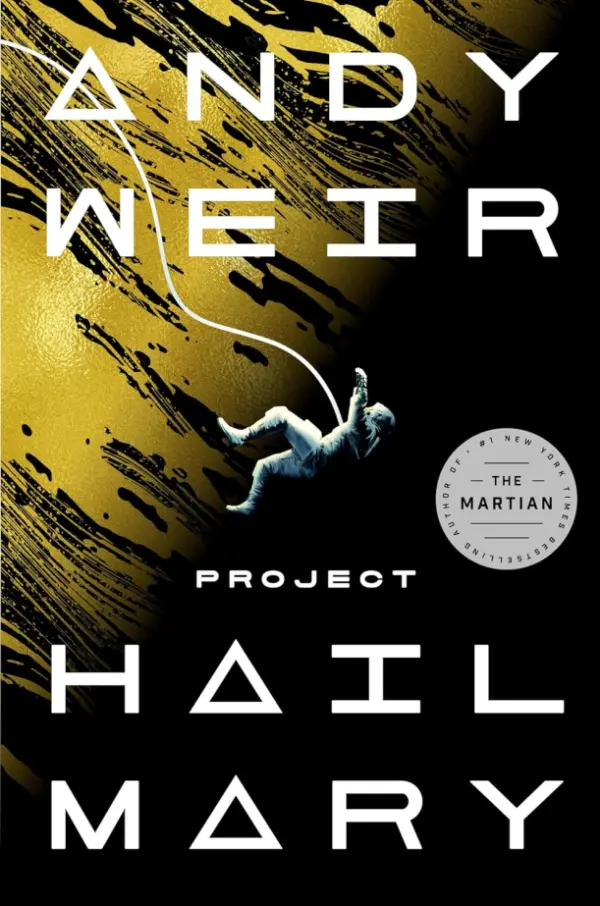
Project Hail Mary
Andy Weir
Average Goodreads rating4.6
- First Contact with Alien Species
- Memory Loss

Book trope · 2 books
Something is coming — or already here — and it threatens not just a city, a kingdom, or a civilisation, but every living thing. The extinction-level event trope places characters inside a scenario where the stakes are as large as they can possibly get: total annihilation.
More about the Extinction-Level Event tropeUpdating books…
2 books found
Andy Weir
Average Goodreads rating4.6
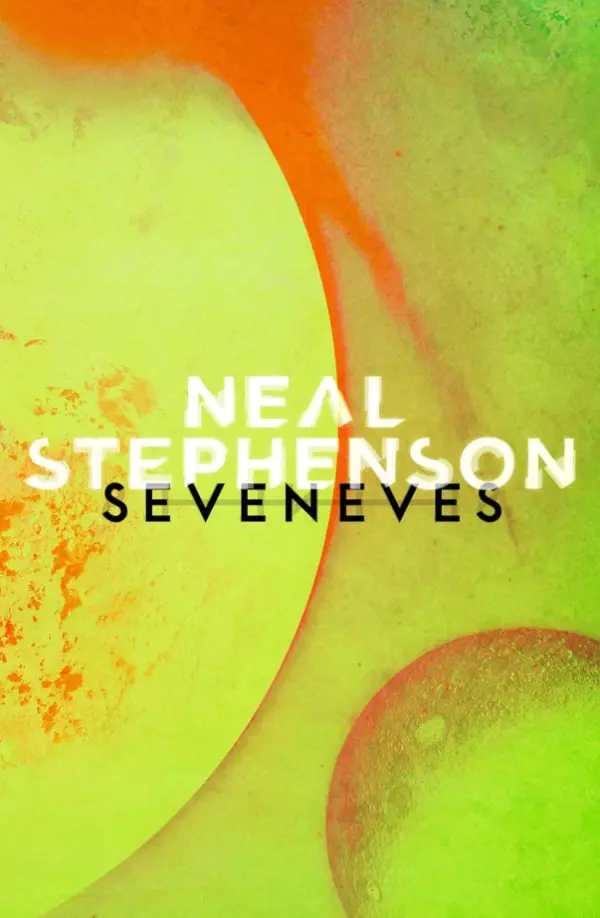
Neal Stephenson
Average Goodreads rating4.2
Tropes that share the most books with Extinction-Level Event
Something is coming — or already here — and it threatens not just a city, a kingdom, or a civilisation, but every living thing. The extinction-level event trope places characters inside a scenario where the stakes are as large as they can possibly get: total annihilation. Whether the threat is cosmological, supernatural, magical, or wrought by human hands, the story asks its characters (and its readers) to reckon with a scale of loss that is almost impossible to hold in the mind all at once.
It's a trope that appears across fantasy, science fiction, and their many hybrids, and it tends to attract writers who are interested in more than just spectacle. Yes, the world might end. But the real question the best of these stories ask is: what does a person choose to do, and who do they choose to become, when nothing after this moment is guaranteed?
The key characteristic isn't just scale — it's irreversibility. A war can be stopped. A tyrant can be overthrown. An extinction-level event cannot be simply undone if the heroes arrive too late. That finality changes the texture of every scene it touches. Urgency becomes constant. Small moments of rest or tenderness feel precious rather than slow. The ticking clock isn't a device bolted onto the plot; it's baked into the world's bones.
Characters in these stories are often forced to confront what survival actually means. Saving a remnant? Buying time? Going down fighting? The moral and philosophical weight can be considerable, and the best stories in this category lean into that discomfort rather than resolving it too neatly. There's a particular kind of grief that runs through extinction-level narratives — not just for what has already been lost, but for what will never exist if the worst comes to pass.
The threat itself takes many forms. Ancient prophecies foretelling cosmic destruction are a staple of high fantasy, where the event has often been centuries in the making. In darker secondary-world fiction, the extinction may already be underway — civilisations crumbling, magic dying, species disappearing — and the protagonists are racing to understand why before the process completes itself. Science-fantasy and speculative fiction tend toward more mechanical threats: failing suns, ecological collapse, engineered plagues, or entities from beyond the known universe whose motives are entirely alien.
Romance subplots are surprisingly common in this trope, and they work precisely because of the stakes. When the world might end tomorrow, connection becomes both more desperate and more meaningful. The emotional intensity that extinction-level narratives demand pairs well with the heightened feeling of romantic tension, which is probably why so many readers who lean toward fantasy romance find themselves drawn to stories with this scale of catastrophe underpinning them.
There's something clarifying about a story set at the end of everything. Real life rarely offers such clean moral urgency. The extinction-level event strips away the noise and leaves characters — and readers — with only the questions that actually matter: what do you protect, what do you sacrifice, and what does it mean to hope when hope seems unreasonable?
These stories can be exhausting in the best possible way. They demand full attention and full emotional presence. When they land, they tend to land hard — the kind of reading experience that sits with you for months, not days. The world nearly ended. Or it did end, and something grew in its place. Either way, you were there for it.
Occasional emails with new recommendations, series news and trope round-ups.