The Three-Body Problem
Liu Cixin
The Three-Body Problem, book 1
Average Goodreads rating4.1
- Systemic Injustice
- Plot Twists

Book trope · 26 books
Hidden hierarchies, coded languages, rituals performed behind closed doors — the secret society trope is built on the electrifying premise that somewhere beneath the surface of the ordinary world, a group of people share knowledge, power, or purpose that the rest of us are never meant to know about.
More about the Secret Society trope2 are tagged with Secret Society individually. The others belong to a series tagged with it, which doesn’t mean every book in it features the trope, so they’re marked “Matched via its series”.
Updating books…
26 books found
Liu Cixin
The Three-Body Problem, book 1
Average Goodreads rating4.1
Alex Michaelides
Jennifer L. Armentrout
Lux, book 1
Average Goodreads rating4.1
Matched via its series
Holly Black
The Charlatan Duology, book 1
Average Goodreads rating3.6
Matched via its series
Jennifer L. Armentrout
A Wicked Trilogy, book 1
Average Goodreads rating4.2
Matched via its series
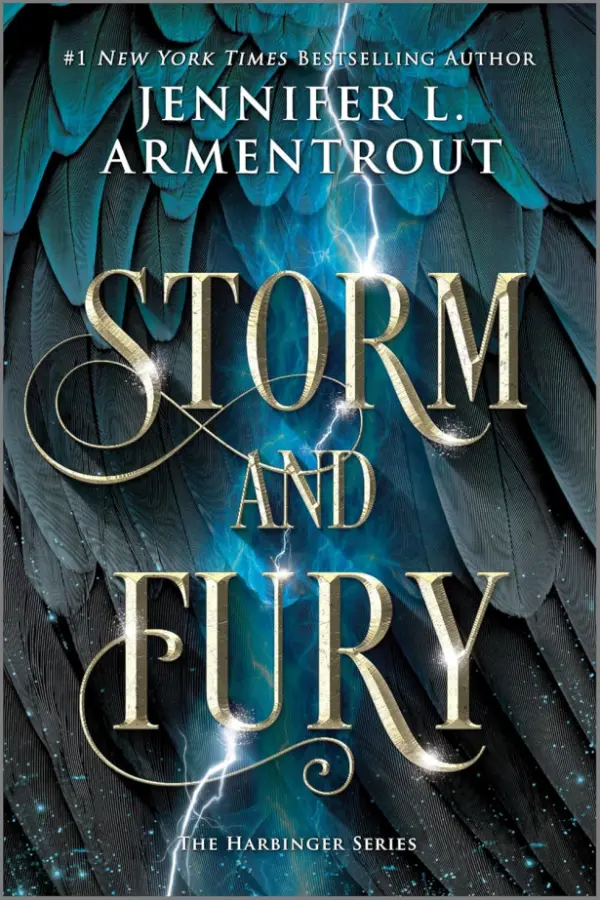
Jennifer L. Armentrout
Harbinger, book 1
Average Goodreads rating4.3
Matched via its series
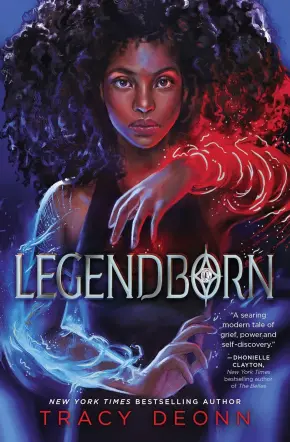
Tracy Deonn
The Legendborn Cycle, book 1
Average Goodreads rating4.5
Matched via its series
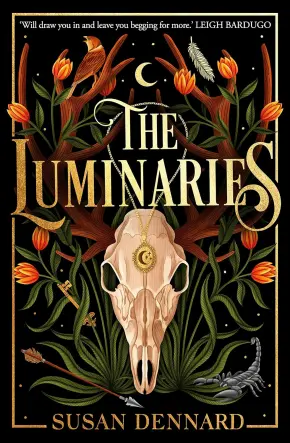
Susan Dennard
The Luminaries, book 1
Average Goodreads rating4.3
Matched via its series

Leigh Bardugo
Alex Stern, book 1
Average Goodreads rating4.3
Matched via its series

Olivie Blake
Atlas, book 1
Average Goodreads rating4.0
Matched via its series
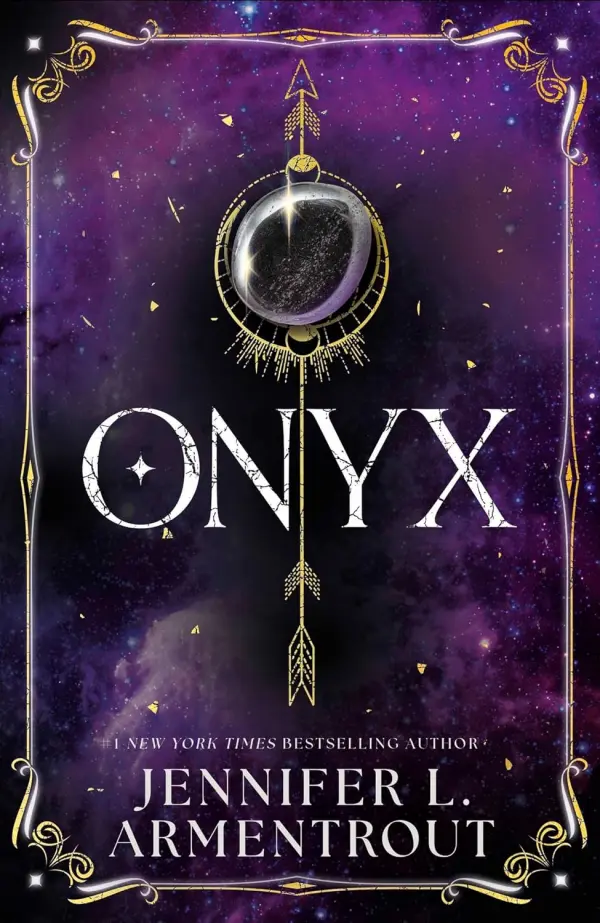
Jennifer L. Armentrout
Lux, book 2
Average Goodreads rating4.1
Matched via its series
Jennifer L. Armentrout
Lux, book 3
Average Goodreads rating4.2
Matched via its series
Jennifer L. Armentrout
Lux, book 4
Average Goodreads rating4.3
Matched via its series
Jennifer L. Armentrout
Lux, book 5
Average Goodreads rating4.2
Matched via its series
Jennifer L. Armentrout
A Wicked Trilogy, book 2
Average Goodreads rating4.3
Matched via its series
Jennifer L. Armentrout
Harbinger, book 2
Average Goodreads rating4.4
Matched via its series
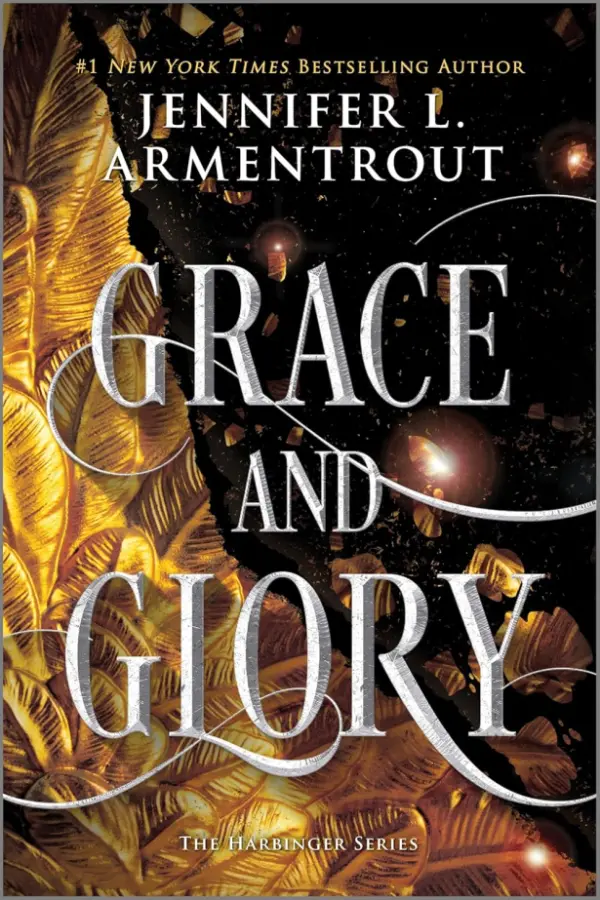
Jennifer L. Armentrout
Harbinger, book 3
Average Goodreads rating4.4
Matched via its series
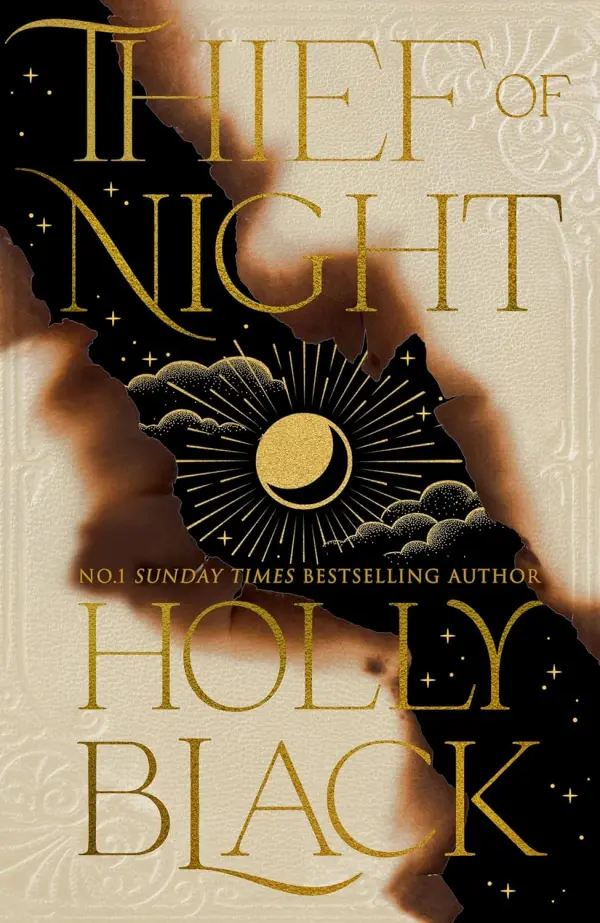
Holly Black
The Charlatan Duology, book 2
Average Goodreads rating4.0
Matched via its series
Tracy Deonn
The Legendborn Cycle, book 2
Average Goodreads rating4.5
Matched via its series
Tracy Deonn
The Legendborn Cycle, book 3
Average Goodreads rating4.4
Matched via its series
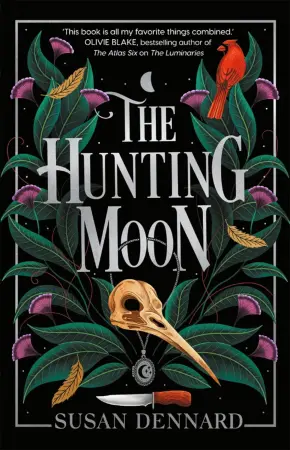
Susan Dennard
The Luminaries, book 2
Average Goodreads rating4.4
Matched via its series
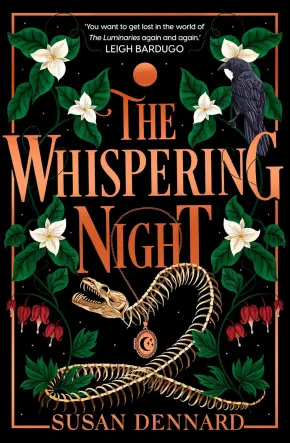
Susan Dennard
The Luminaries, book 3
Average Goodreads rating4.5
Matched via its series
Jennifer L. Armentrout
A Wicked Trilogy, book 3
Matched via its series

Leigh Bardugo
Alex Stern, book 2
Average Goodreads rating4.4
Matched via its series

Olivie Blake
Atlas, book 3
Average Goodreads rating3.4
Matched via its series

Olivie Blake
Atlas, book 2
Average Goodreads rating3.1
Matched via its series
Tropes that share the most books with Secret Society
Hidden hierarchies, coded languages, rituals performed behind closed doors — the secret society trope is built on the electrifying premise that somewhere beneath the surface of the ordinary world, a group of people share knowledge, power, or purpose that the rest of us are never meant to know about. Whether it's a centuries-old order of mages, a council of immortals, or a clandestine network of assassins operating inside a glittering court, the appeal is immediate. Somebody knows something you don't. And finding out what that is drives the story forward.
The trope spans fantasy, paranormal romance, dark academia, and gothic fiction with remarkable ease. It works because it plays on something fundamentally human: the suspicion that there are layers to reality, that the powerful protect their secrets, and that initiation into those secrets changes a person irrevocably.
A secret society story almost always hinges on discovery. The protagonist — often an outsider, an accidental witness, or a reluctant recruit — begins to peel back those layers. That process of uncovering is where the tension lives. Readers get to experience the thrill of revelation alongside the character, piecing together rules, hierarchies, and histories that the society has spent generations concealing.
Loyalty is another pressure point the trope exploits beautifully. Membership typically comes with oaths, marks, or sacrifices that bind characters to the group even when they begin to question it. The cost of leaving, or of exposing the truth, gives the narrative real stakes beyond whatever external conflict is unfolding. Relationships inside secret societies are loaded — trust is never a given, betrayal is always possible, and the intimacy of shared secrets can tip quickly into something romantic or deeply dangerous.
In fantasy, secret societies are often ancient institutions — magical guilds, shadowy brotherhoods, or underground resistance movements operating beneath an oppressive regime. The society itself might be noble in origin but corrupt in practice, which opens up rich territory for moral ambiguity and disillusionment arcs.
In paranormal romance, the secret society tends to be a supernatural community hidden inside the human world: vampire courts, werewolf packs with strict internal governance, or witch covens bound by old law. Here the trope does double duty, providing both worldbuilding scaffolding and a source of romantic tension — particularly when the heroine discovers she has ties to the society she never expected, or when the brooding love interest turns out to hold a senior rank within it.
Dark academia fiction has made particularly fertile use of the trope in recent years, transplanting it onto elite schools and universities where secret student orders mix intellectual obsession with ritual, rivalry, and moral compromise. The gothic atmosphere suits it perfectly.
There's something irresistible about stories that insist the world is bigger and stranger than it appears. Secret society narratives promise exactly that. They reward curiosity, punish complacency, and almost always force their protagonists — and their readers — to confront uncomfortable questions about who gets to hold power and what they do to keep it.
The best examples of the trope don't let the secret stay glamorous for long. Once you're inside, the cracks show. That gap between the seductive idea of the society and its messy, morally compromised reality is where the most interesting fiction lives. You came for the mystery. You stayed because getting in was only the beginning.
Occasional emails with new recommendations, series news and trope round-ups.