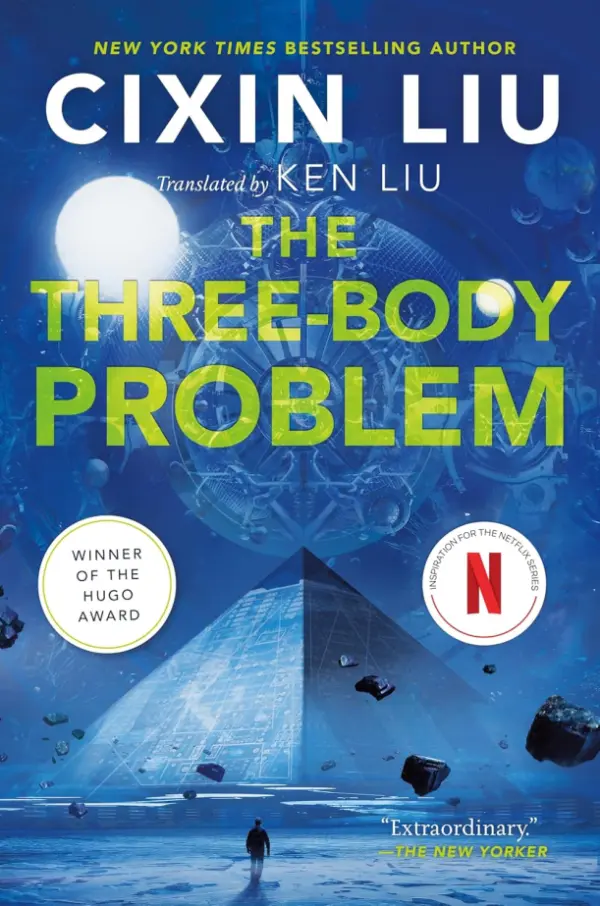
The Three-Body Problem
Liu Cixin
The Three-Body Problem, book 1
Average Goodreads rating4.1
- Secret Society
- Plot Twists

Book trope · 17 books
Some stories aren't about a single villain with a grudge. They're about something far harder to fight: a whole structure built to keep certain people down.
More about the Systemic Injustice trope5 are tagged with Systemic Injustice individually. The others belong to a series tagged with it, which doesn’t mean every book in it features the trope, so they’re marked “Matched via its series”.
Updating books…
17 books found
Liu Cixin
The Three-Body Problem, book 1
Average Goodreads rating4.1

Tana French
Cal Hooper, book 1
Average Goodreads rating3.8
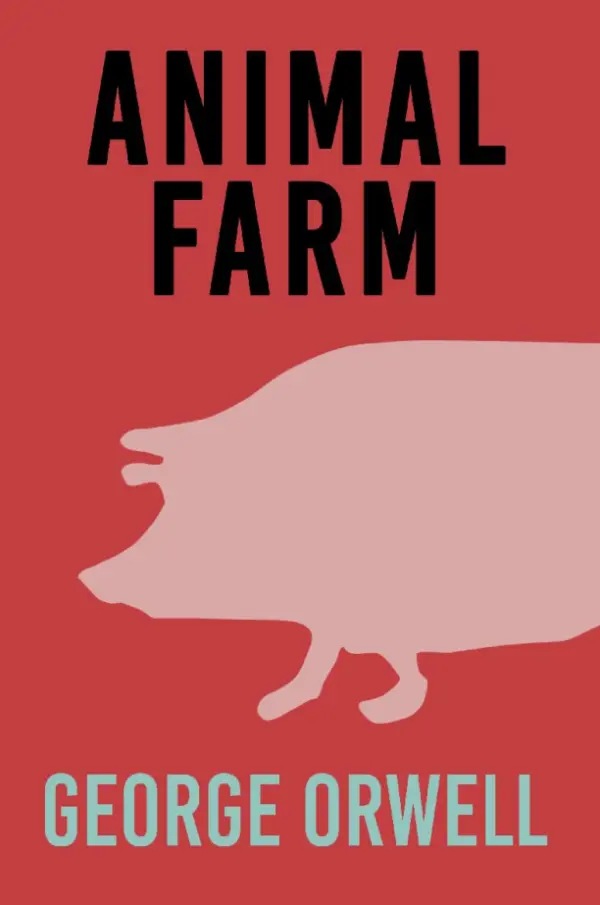
George Orwell
Average Goodreads rating4.6

M. L. Wang
Average Goodreads rating4.4
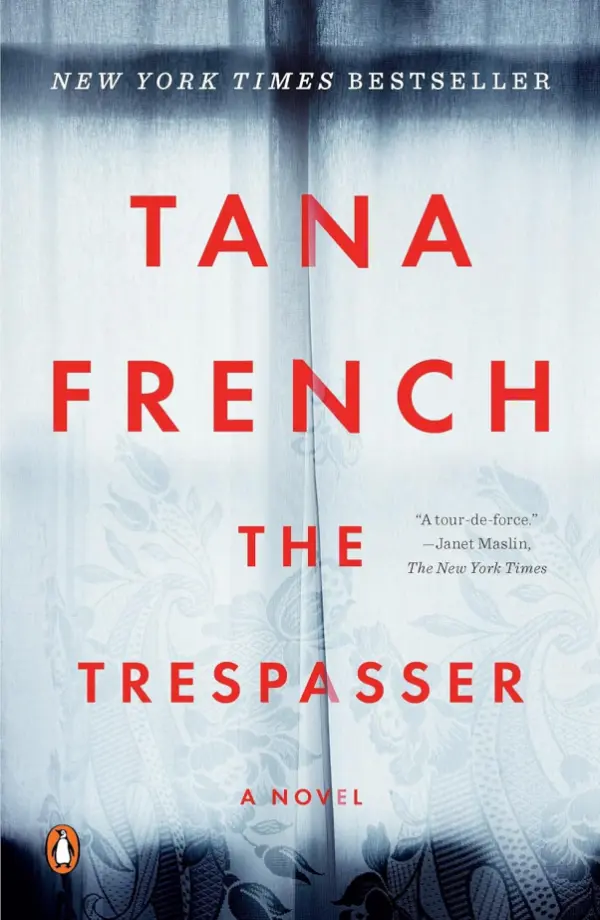
Tana French
Dublin Murder Squad, book 6
Average Goodreads rating4.0
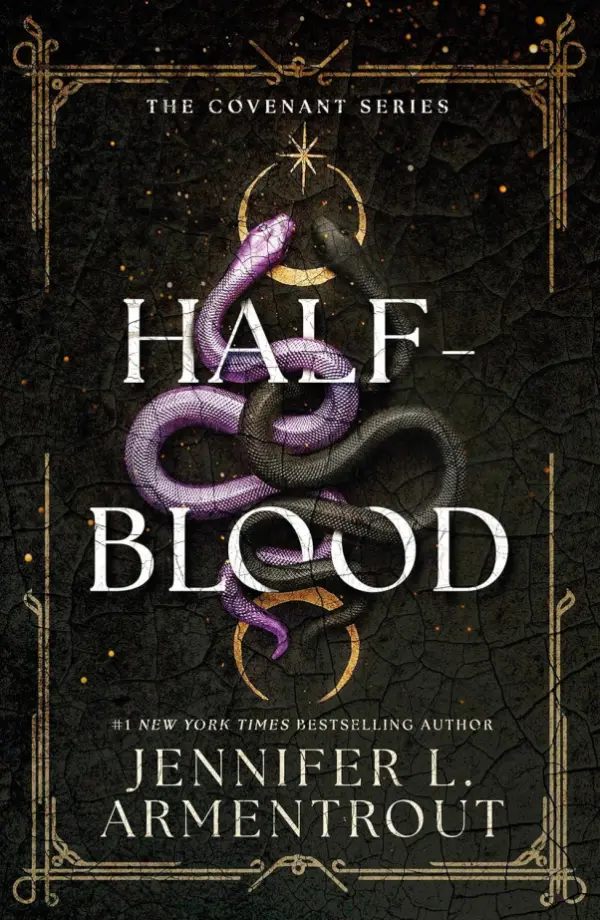
Jennifer L. Armentrout
Covenant, book 1
Average Goodreads rating4.1
Matched via its series
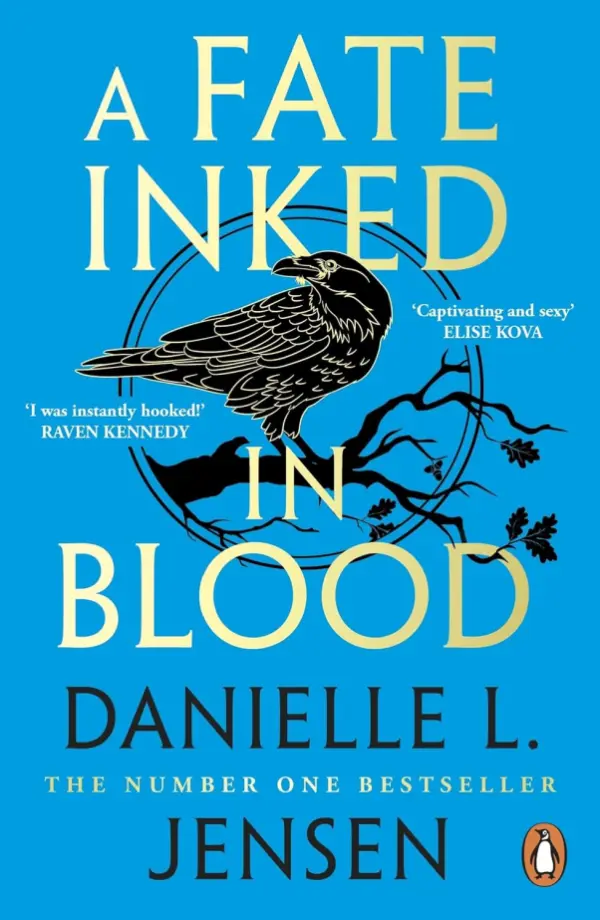
Danielle L. Jensen
Saga of the Unfated, book 1
Average Goodreads rating4.2
Matched via its series

Evan Winter
The Burning, book 1
Average Goodreads rating4.4
Matched via its series
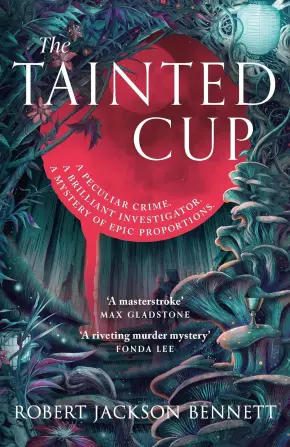
Robert Jackson Bennett
Shadow of the Leviathan, book 1
Average Goodreads rating4.6
Matched via its series
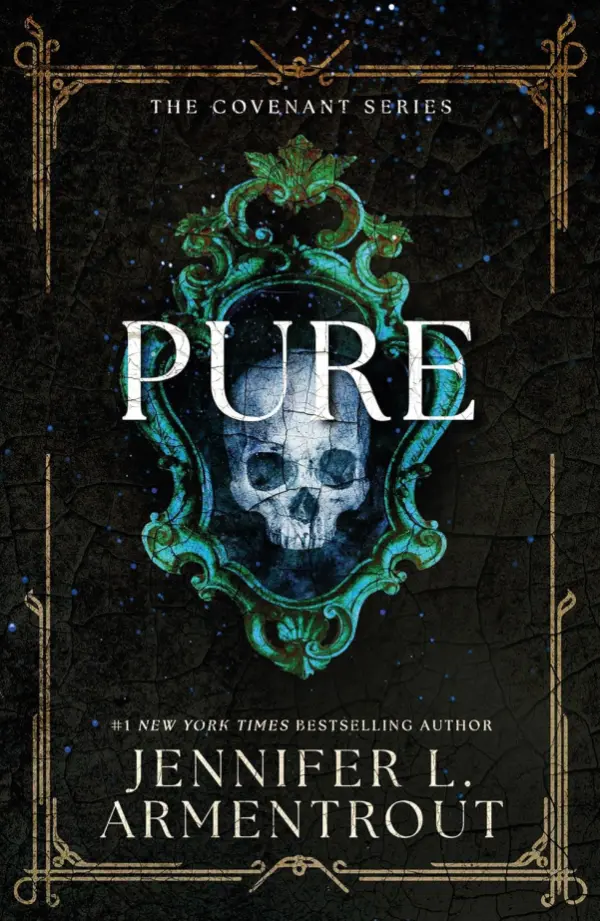
Jennifer L. Armentrout
Covenant, book 2
Average Goodreads rating4.1
Matched via its series
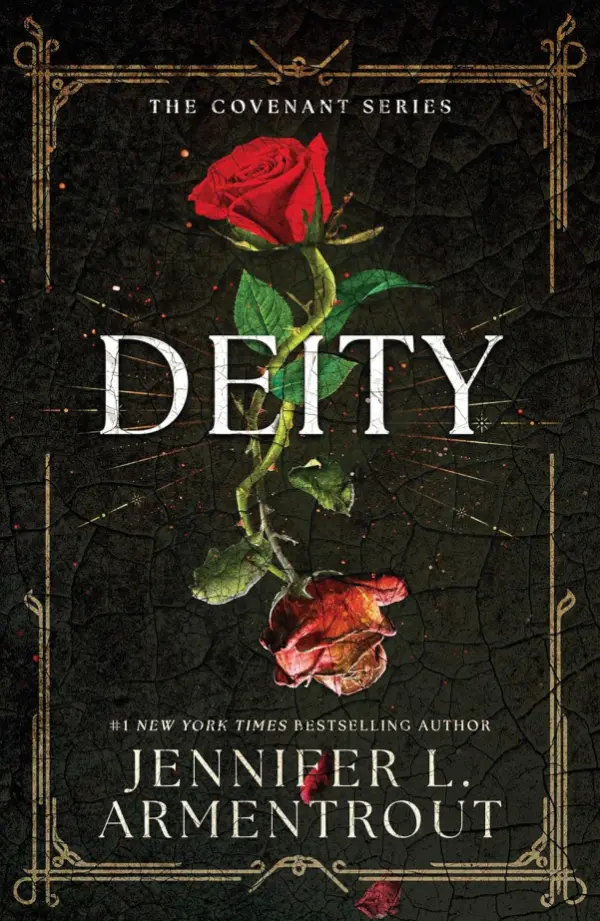
Jennifer L. Armentrout
Covenant, book 3
Average Goodreads rating4.2
Matched via its series
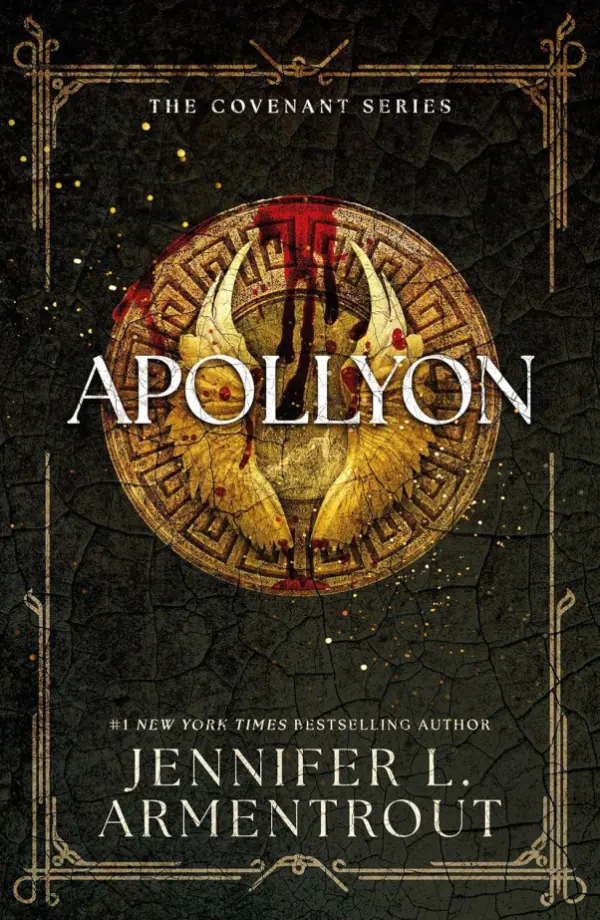
Jennifer L. Armentrout
Covenant, book 4
Average Goodreads rating4.3
Matched via its series
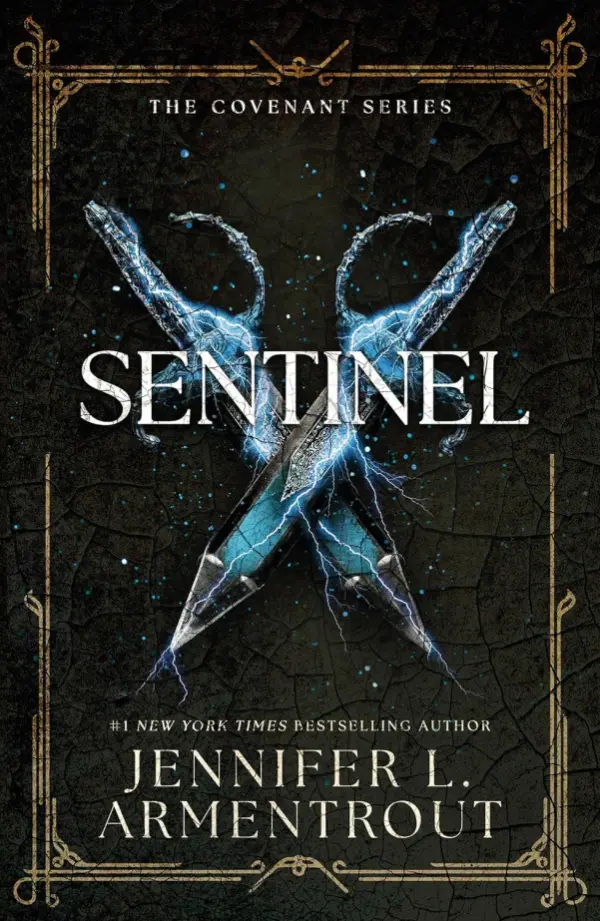
Jennifer L. Armentrout
Covenant, book 5
Average Goodreads rating4.4
Matched via its series

Danielle L. Jensen
Saga of the Unfated, book 2
Average Goodreads rating4.3
Matched via its series

Evan Winter
The Burning, book 2
Average Goodreads rating4.5
Matched via its series
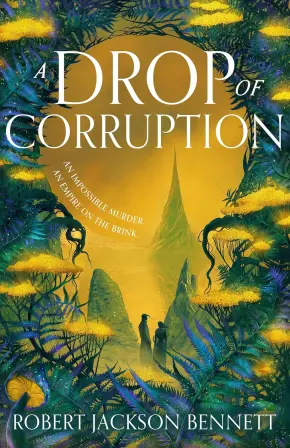
Robert Jackson Bennett
Shadow of the Leviathan, book 2
Average Goodreads rating4.7
Matched via its series
Robert Jackson Bennett
Shadow of the Leviathan, book 3
Matched via its series
Tropes that share the most books with Systemic Injustice
Some stories aren't about a single villain with a grudge. They're about something far harder to fight: a whole structure built to keep certain people down. The systemic injustice trope places the true antagonist not in one person but in the laws, hierarchies, institutions, and unspoken rules that a society has organised itself around. The enemy has a throne, a bureaucracy, a centuries-old tradition — and it doesn't need a face to do its damage.
Fantasy and romance readers are drawn to this trope because it mirrors something real, even when the setting is entirely invented. Caste systems built on bloodline or magic type, courts that criminalise poverty, guilds that lock out anyone born on the wrong side of the city wall — these fictional structures carry genuine emotional weight. When a protagonist pushes back against them, readers feel it.
The key distinction is scale. A corrupt king can be deposed; a corrupt kingdom is another matter entirely. Stories built around systemic injustice show characters navigating rules that were designed without them in mind — or, worse, designed specifically to exclude them. The injustice isn't an accident or an aberration. It's the point.
Characters in these stories often face a particular kind of exhaustion. They're not just fighting enemies; they're fighting disbelief. Other characters tell them the system is fair, or necessary, or simply the way things are. Part of the dramatic tension comes from the protagonist having to prove, again and again, that the problem isn't in their head. That friction between lived experience and official narrative gives these stories a texture that pure good-versus-evil plots rarely achieve.
The trope appears across a wide spectrum of tones and genres. In epic fantasy, it often underpins entire world-building frameworks — magic systems that double as class structures, or racial hierarchies enforced by ancient law. In romantic fantasy, it frequently creates the external conflict that complicates a relationship: two people who might love each other freely if the world around them allowed it. In darker, grittier fantasy, the injustice may never be fully resolved, and the story is about survival within it rather than triumph over it.
Some versions focus on characters who benefit from the system and are slowly forced to reckon with that fact — a different kind of story, and an uncomfortable one, but no less compelling. Others follow those who have been crushed by the system from the start and find ways to carve out agency anyway. Revolutionary narratives sit at one end of the scale; quieter stories of daily resistance sit at the other.
Fantasy, at its best, takes the invisible and makes it visible. Systemic injustice is one of those forces that can feel abstract in the real world — diffuse, unnamed, argued over endlessly. Fiction can crystallise it. Give it a law. A decree. A gate that only opens for certain people. Suddenly it's legible, and so is the courage it takes to challenge it.
Readers return to these stories not despite the difficulty at their core, but because of it. There's a particular satisfaction in watching someone refuse to accept the answer they've been given about their own worth — and the genre has never been short of readers hungry for exactly that.
Occasional emails with new recommendations, series news and trope round-ups.