
The Road
Cormac McCarthy
Average Goodreads rating4.4
- Survival and Resilience
- Post-Apocalyptic

Book trope · 7 books
Existential danger is the trope of stakes so enormous that survival itself — of a person, a people, a world, or reality as it's known — hangs in genuine doubt.
More about the Existential Danger trope1 is tagged with Existential Danger individually. The others belong to a series tagged with it, which doesn’t mean every book in it features the trope, so they’re marked “Matched via its series”.
Updating books…
7 books found
Cormac McCarthy
Average Goodreads rating4.4
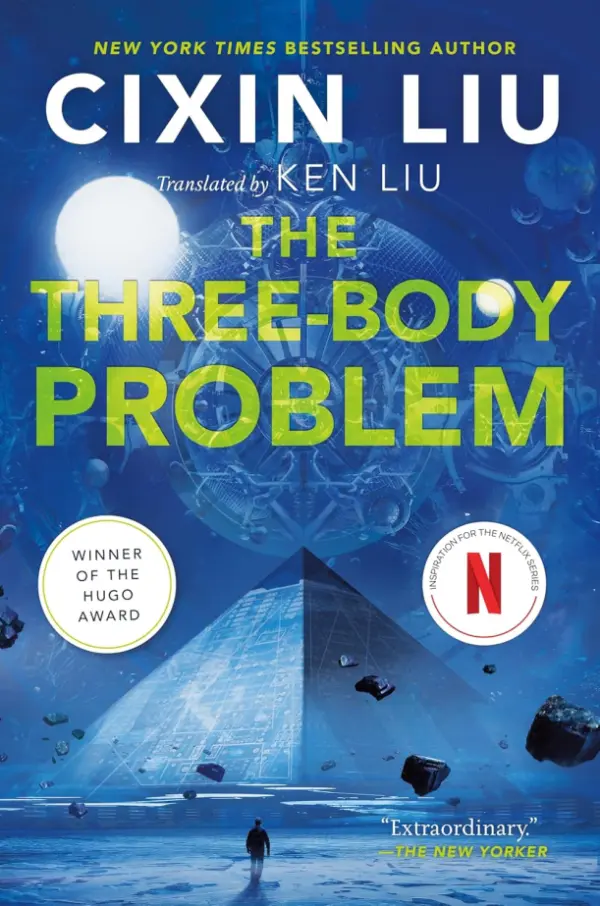
Liu Cixin
The Three-Body Problem, book 1
Average Goodreads rating4.1
Matched via its series

Megan O'Keefe
The Protectorate, book 1
Average Goodreads rating4.1
Matched via its series
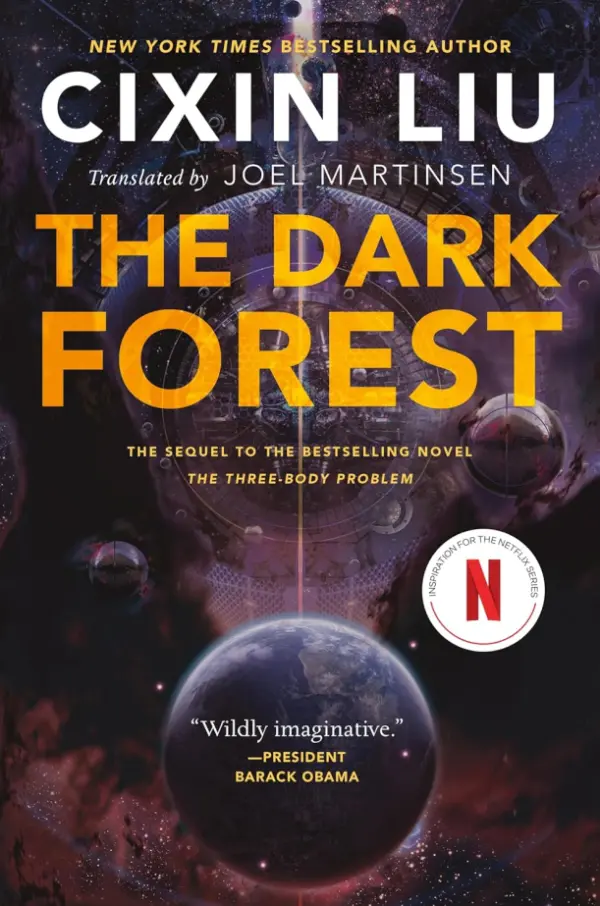
Liu Cixin
The Three-Body Problem, book 2
Average Goodreads rating4.4
Matched via its series
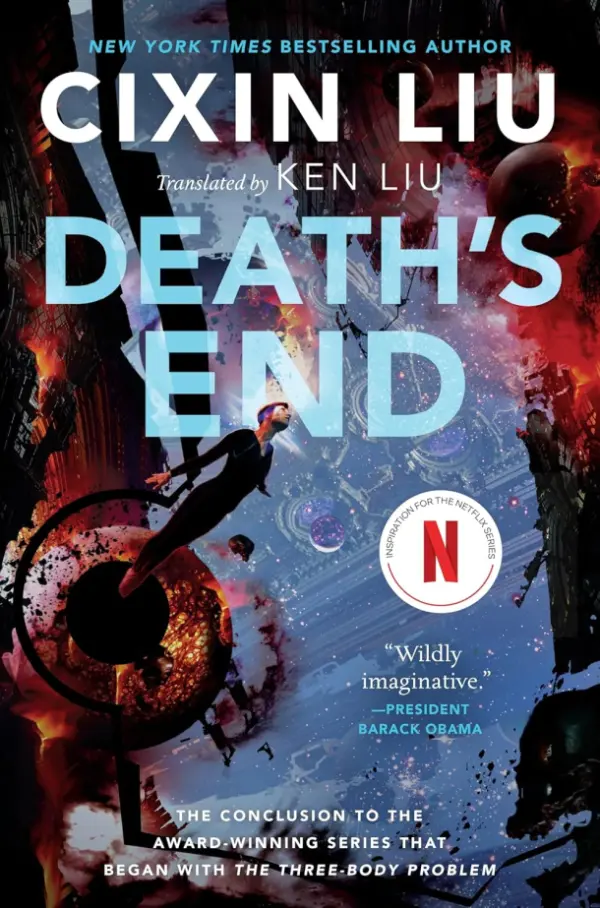
Liu Cixin
The Three-Body Problem, book 3
Average Goodreads rating4.4
Matched via its series

Megan O'Keefe
The Protectorate, book 2
Average Goodreads rating4.4
Matched via its series

Megan O'Keefe
The Protectorate, book 3
Average Goodreads rating4.4
Matched via its series
Tropes that share the most books with Existential Danger
Existential danger is the trope of stakes so enormous that survival itself — of a person, a people, a world, or reality as it's known — hangs in genuine doubt. This isn't a villain threatening one city or a rival plotting to steal a throne. The threat operates at a scale where failure means erasure: civilisations wiped out, magic permanently extinguished, timelines collapsed, species annihilated. Everything the characters love, and everything the reader has come to care about, sits on the edge of absolute loss.
It's one of the most emotionally potent forces a story can deploy. When the danger is truly existential, every scene carries weight. Even quiet moments — a character sleeping, a conversation over a meal — become charged, because readers understand what those small human things are up against.
The key distinction is irreversibility. A kidnapped heir can be rescued. A burned village can be rebuilt. Existential danger cannot be undone if the protagonists fail — and the narrative makes that cost feel real rather than theoretical. The threat tends to be ancient, vast, or systemic: an eldritch force waking after millennia, a prophecy counting down to cosmic collapse, a plague engineered to end all magic, a war that will shatter the boundary between worlds.
Crucially, this trope works best when the characters themselves grapple with the scale of it. It's not enough for readers to understand the stakes intellectually. The best existential danger stories force characters to confront what it means to fight for something so much larger than themselves — and to keep fighting when the odds are genuinely impossible.
There's a particular thrill in fiction that dares to make the ending uncertain at this magnitude. Romance readers drawn to fantasy often find that existential danger sharpens every emotional beat: the love story becomes more urgent, the sacrifice more devastating, the reunion more earned. When two characters find each other against the backdrop of potential annihilation, the intimacy hits differently.
For readers who love epic fantasy and dark fantasy especially, this trope satisfies a hunger for genuine consequence. It signals that the author isn't playing it safe — that the world built across hundreds of pages could genuinely not survive. That tension is addictive.
Existential danger takes many forms depending on genre and tone. In high fantasy, it often manifests as an ancient evil reasserting dominance over a world that has forgotten the last time it nearly fell. In romantasy, it frequently runs parallel to a central love story, with the two threads converging so that personal salvation and universal salvation become inseparable. Dark fantasy tends to lean into the horror of scale — the creeping realisation that the threat is already closer, and larger, than anyone understood.
Some stories use existential danger as their central engine from page one. Others build to it slowly, widening the lens across a series until what began as a personal quest reveals itself to be something far more cosmic. Either approach, when handled with care, produces the same effect: a reader who genuinely doesn't know if the world will still be standing by the last page.
When it works, existential danger doesn't just raise the stakes — it makes you feel, viscerally, what there is to lose.
Occasional emails with new recommendations, series news and trope round-ups.