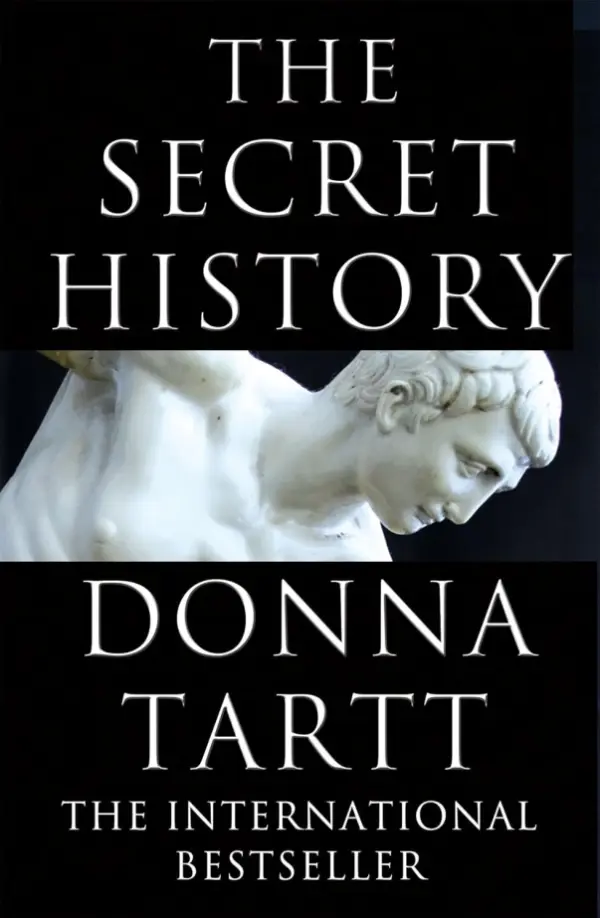
The Secret History
Donna Tartt
Average Goodreads rating4.1
- Coming of Age
- Morally Grey Characters

Book trope · 29 books
At its core, the moral dilemma trope places a character at a crossroads where every available choice carries a cost. Not a simple decision between right and wrong, but a collision between two rights, or two wrongs, where no path is clean.
More about the Moral Dilemma trope9 are tagged with Moral Dilemma individually. The others belong to a series tagged with it, which doesn’t mean every book in it features the trope, so they’re marked “Matched via its series”.
Updating books…
29 books found
Donna Tartt
Average Goodreads rating4.1
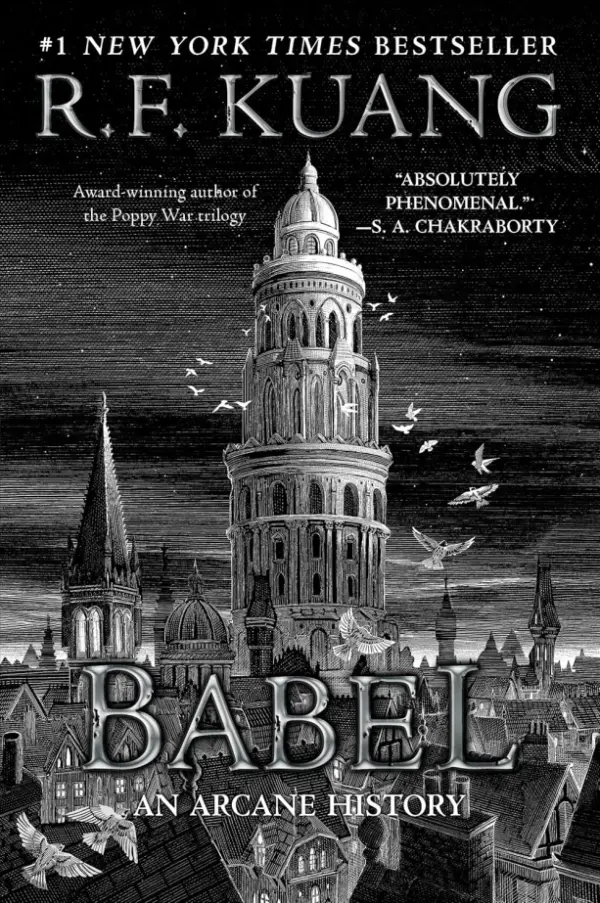
R. F. Kuang
Average Goodreads rating4.2
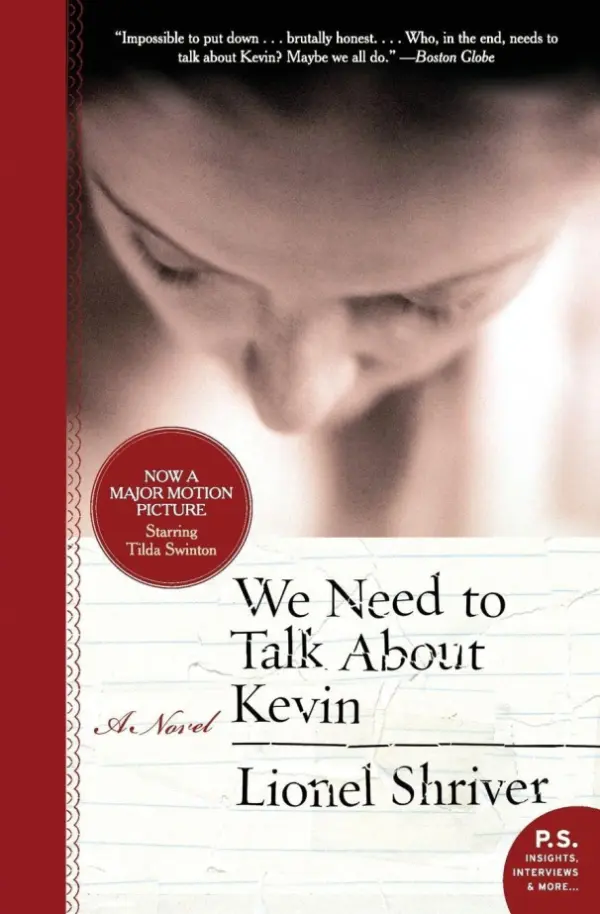
Lionel Shriver
Average Goodreads rating4.1
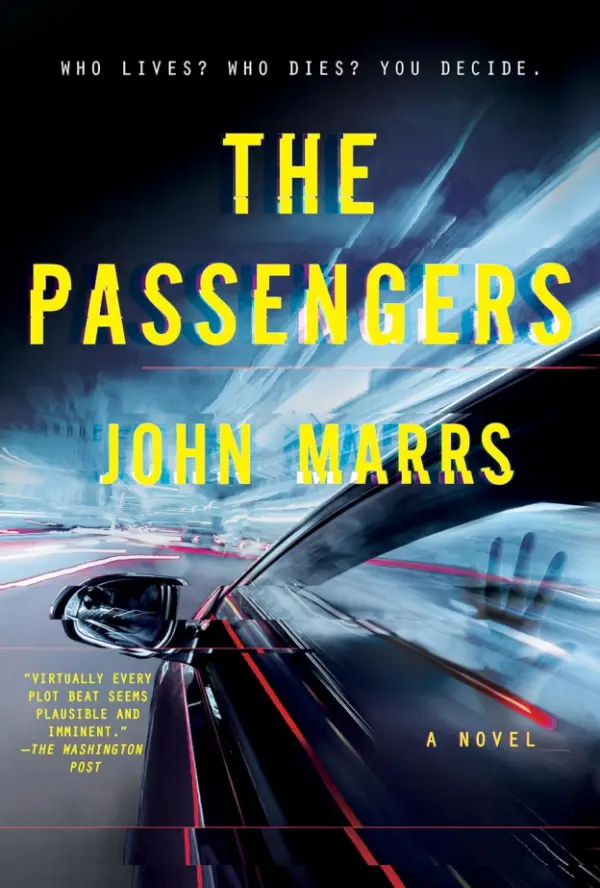
John Marrs
Average Goodreads rating4.1
Blake Crouch
Average Goodreads rating4.4
Emily St. John Mandel
Average Goodreads rating4.1
Shari Lapena
Christina Lauren
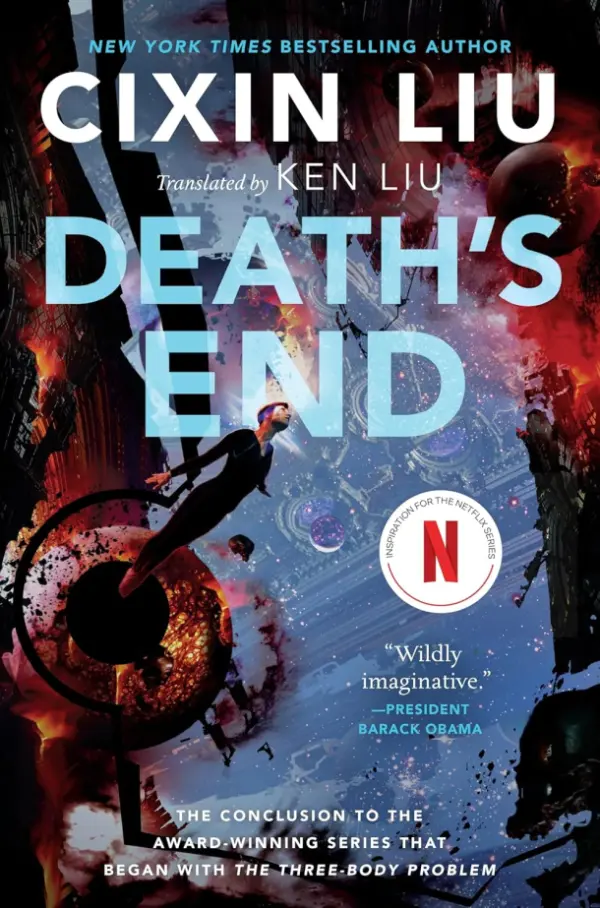
Liu Cixin
The Three-Body Problem, book 3
Average Goodreads rating4.4
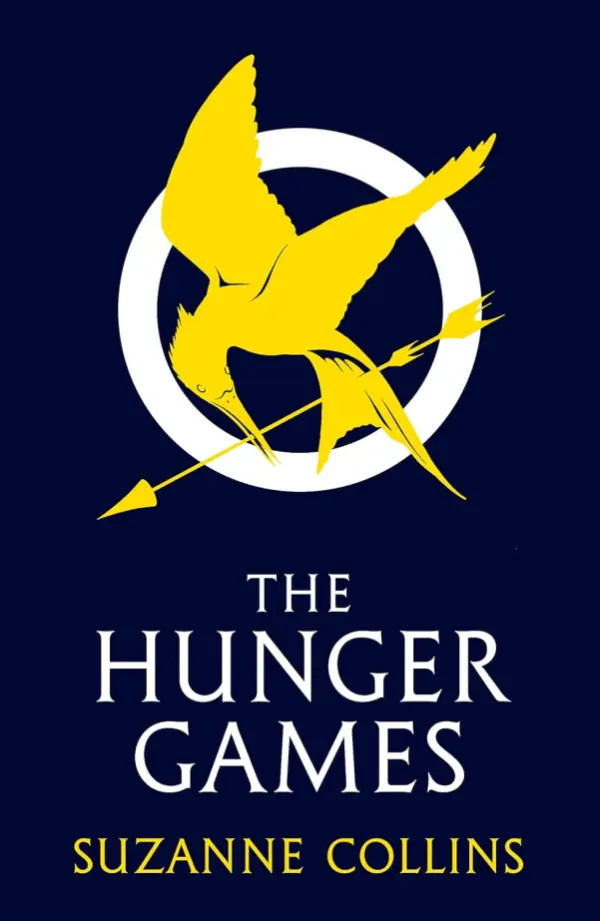
Suzanne Collins
Hunger Games, book 1
Average Goodreads rating4.7
Matched via its series
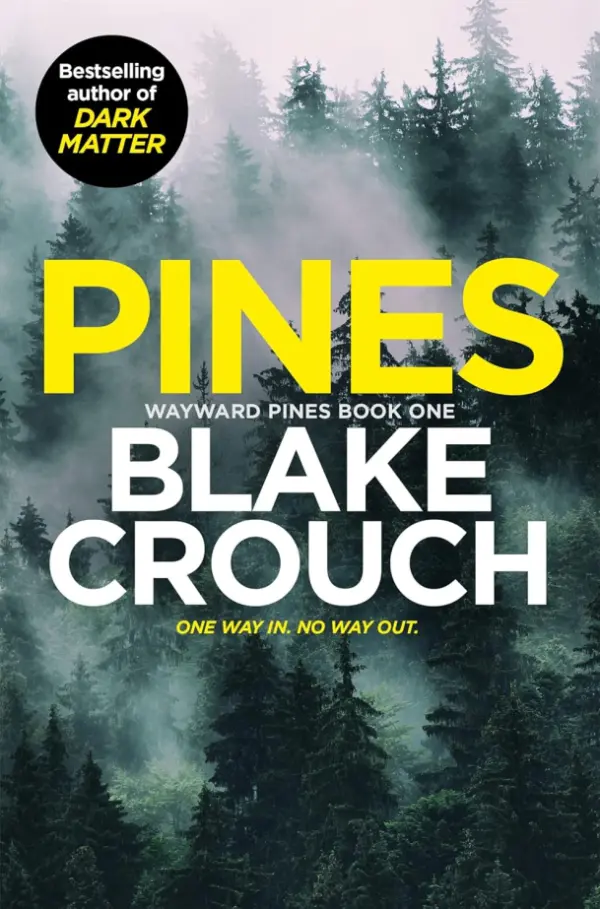
Blake Crouch
The Wayward Pines Trilogy, book 1
Average Goodreads rating4.1
Matched via its series
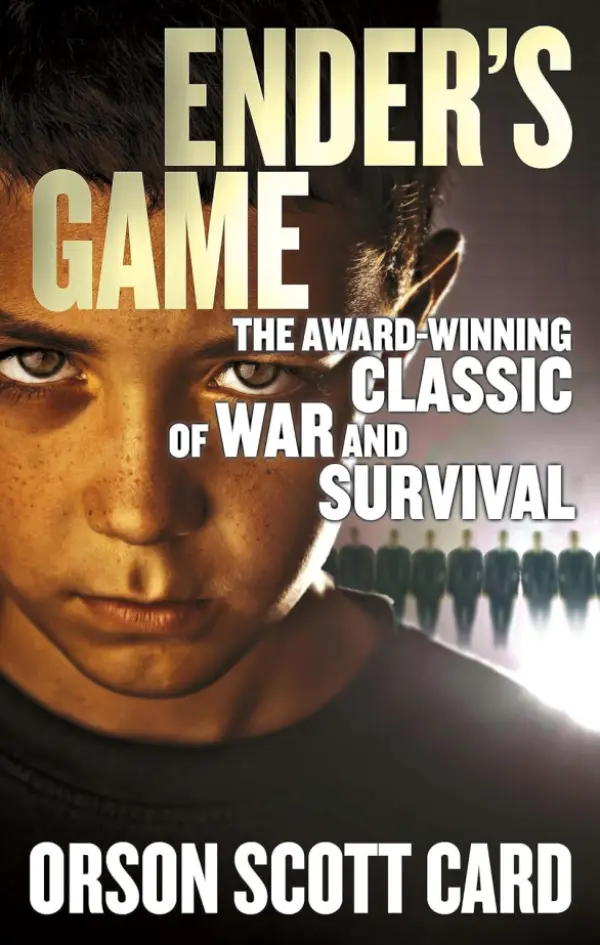
Orson Scott Card
Ender Quintet, book 1
Average Goodreads rating4.5
Matched via its series
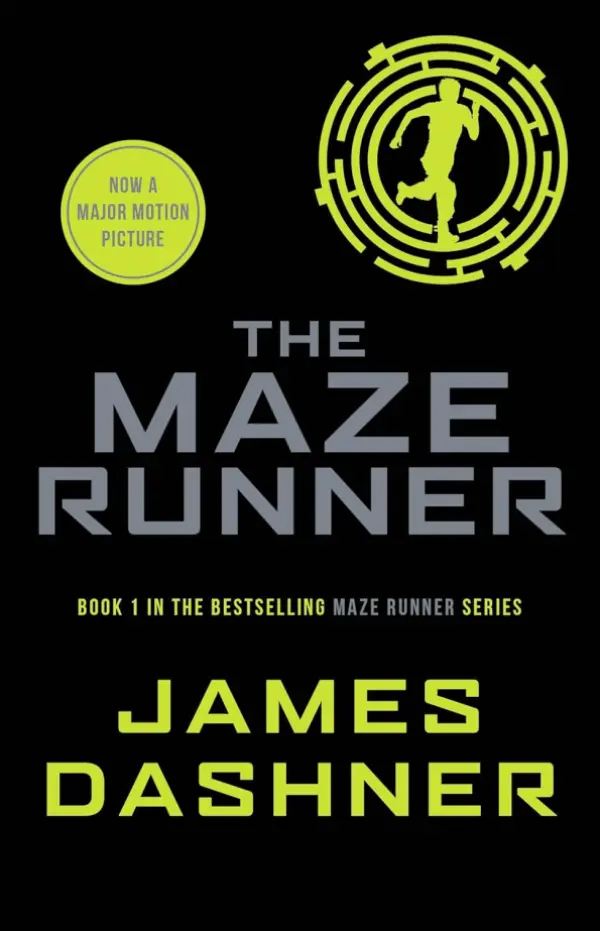
James Dashner
The Maze Runner, book 1
Average Goodreads rating4.5
Matched via its series
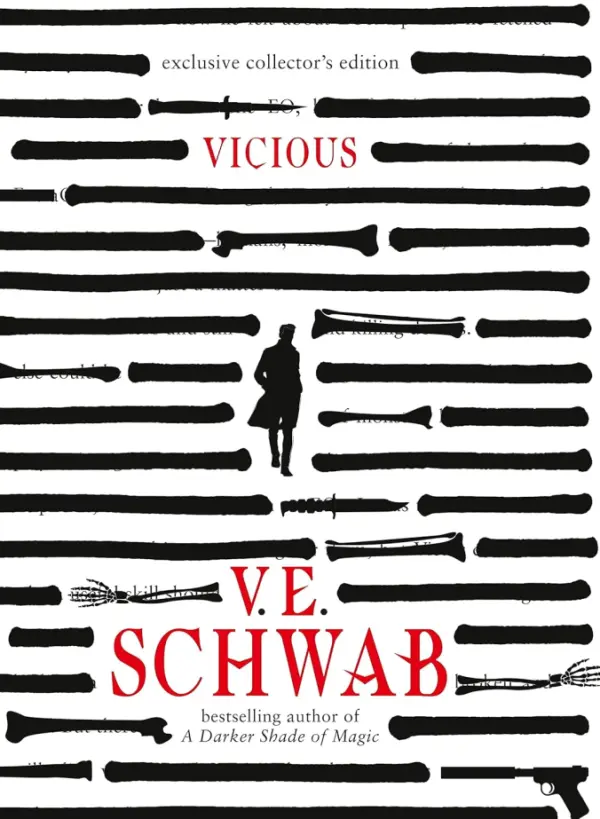
V. E. Schwab
Villains, book 1
Average Goodreads rating4.2
Matched via its series

James Islington
Hierarchy, book 1
Average Goodreads rating4.7
Matched via its series
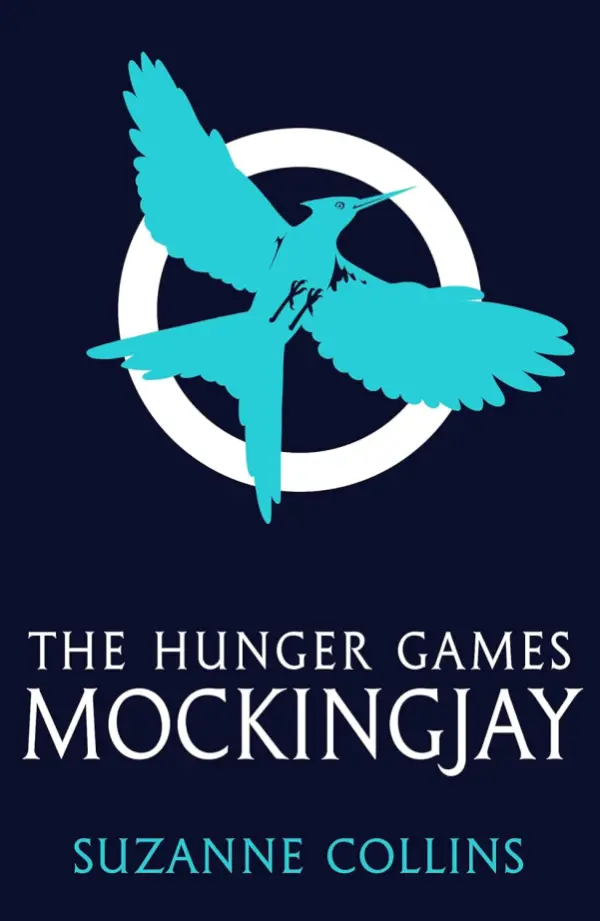
Suzanne Collins
Hunger Games, book 3
Average Goodreads rating4.6
Matched via its series
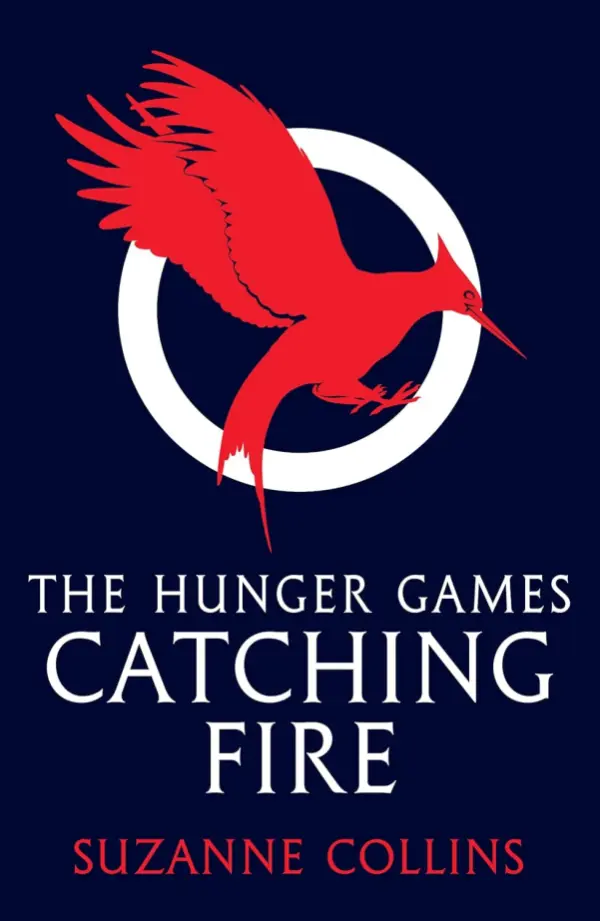
Suzanne Collins
Hunger Games, book 2
Average Goodreads rating4.7
Matched via its series
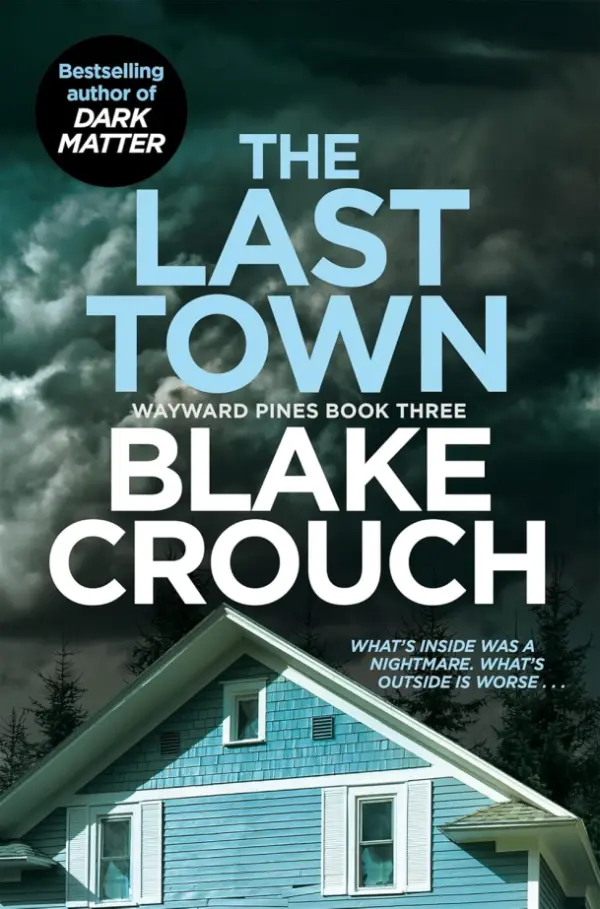
Blake Crouch
The Wayward Pines Trilogy, book 3
Average Goodreads rating4.4
Matched via its series
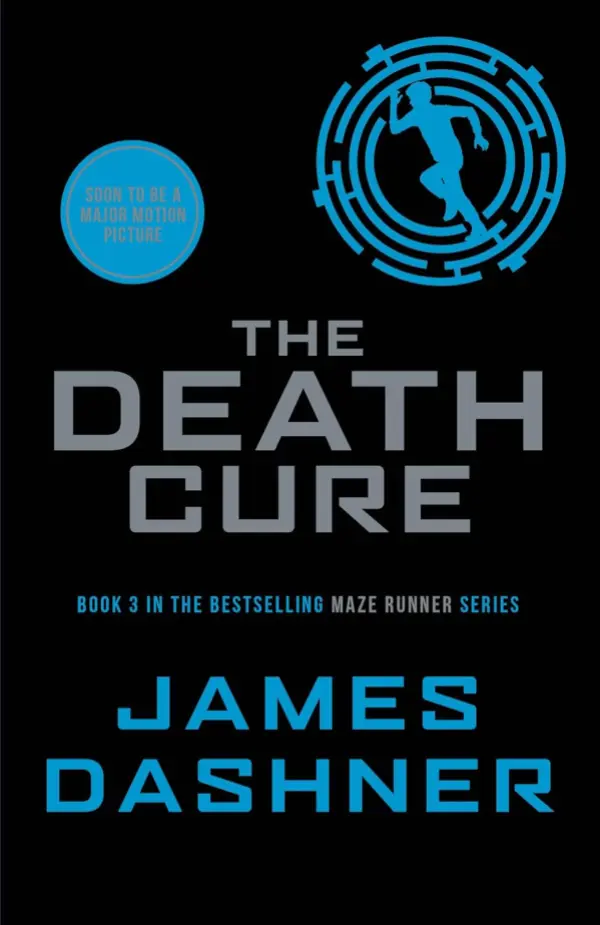
James Dashner
The Maze Runner, book 3
Average Goodreads rating4.4
Matched via its series
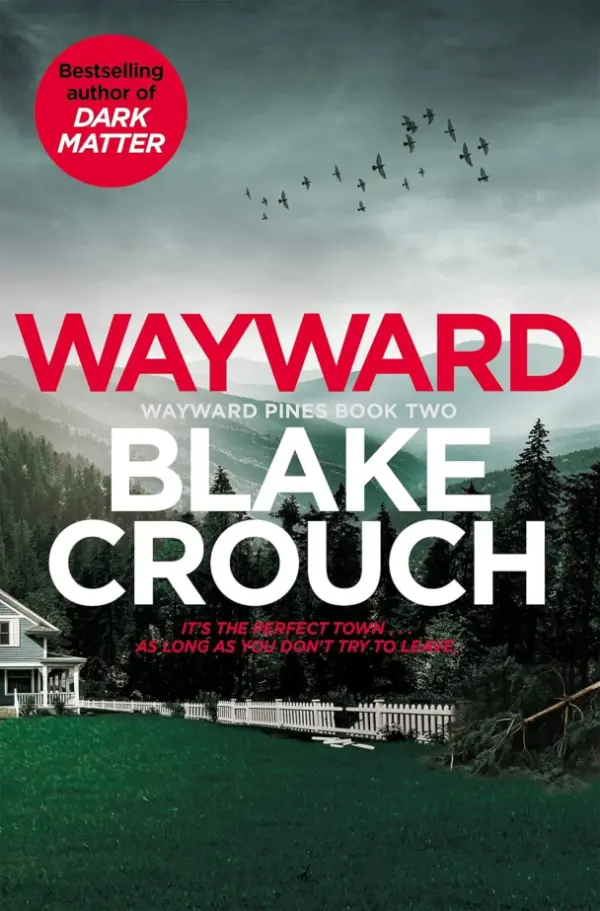
Blake Crouch
The Wayward Pines Trilogy, book 2
Average Goodreads rating4.4
Matched via its series
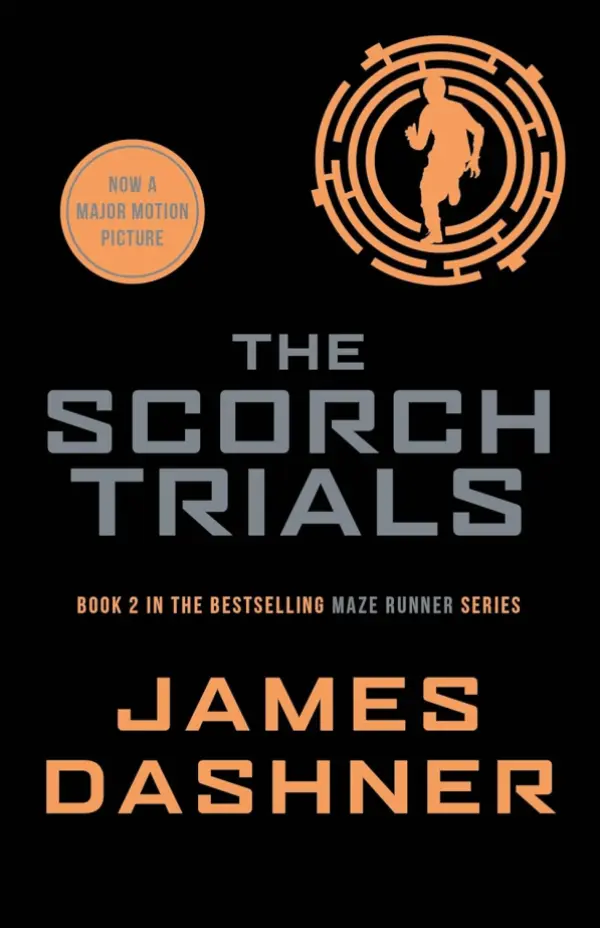
James Dashner
The Maze Runner, book 2
Average Goodreads rating4.4
Matched via its series
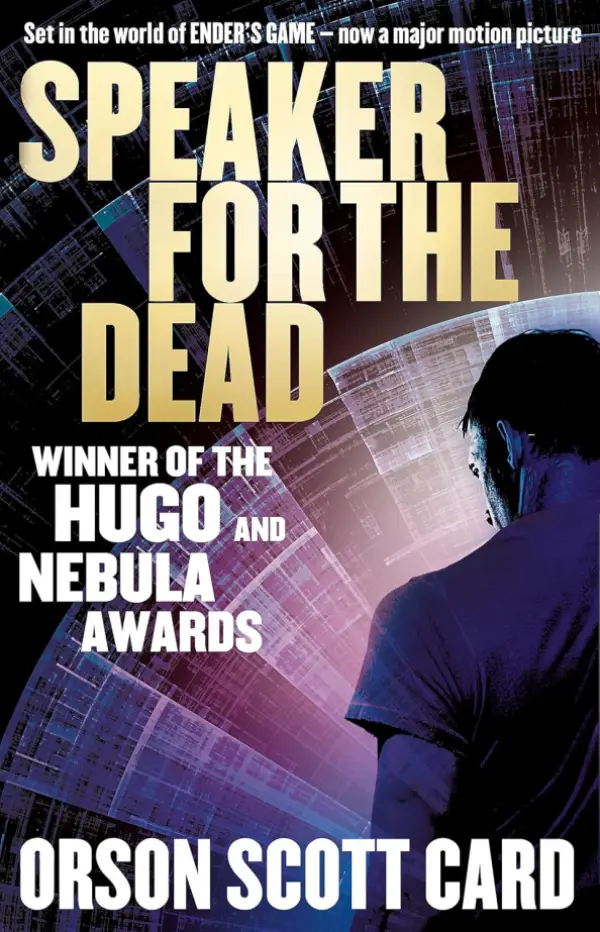
Orson Scott Card
Ender Quintet, book 2
Average Goodreads rating4.5
Matched via its series
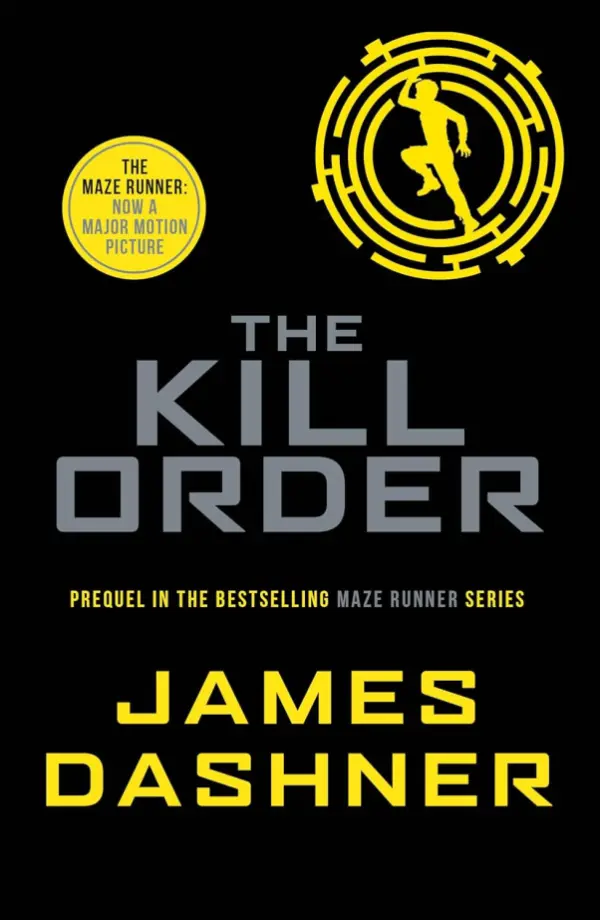
James Dashner
The Maze Runner, book 4
Average Goodreads rating4.4
Matched via its series
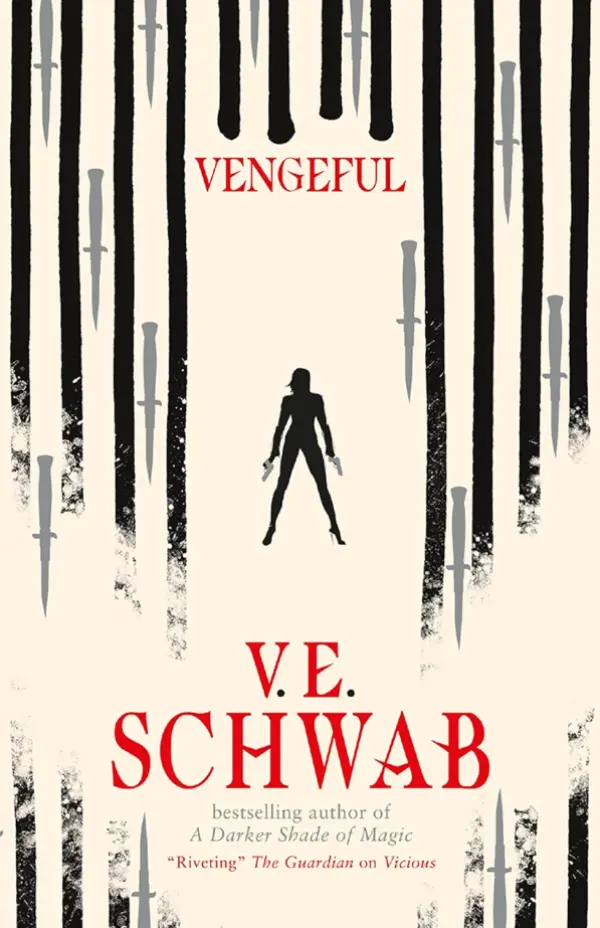
V. E. Schwab
Villains, book 2
Average Goodreads rating4.4
Matched via its series
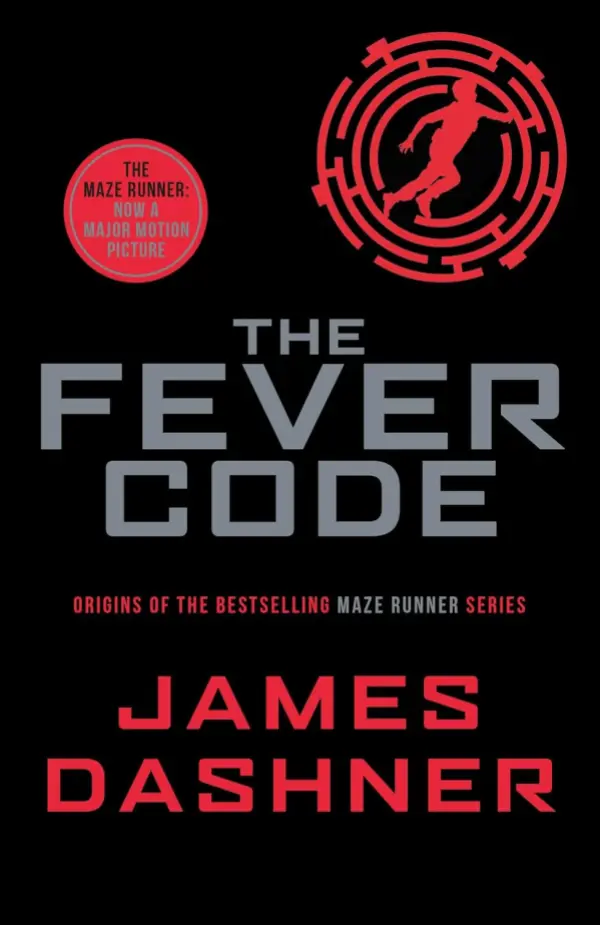
James Dashner
The Maze Runner, book 5
Average Goodreads rating4.7
Matched via its series
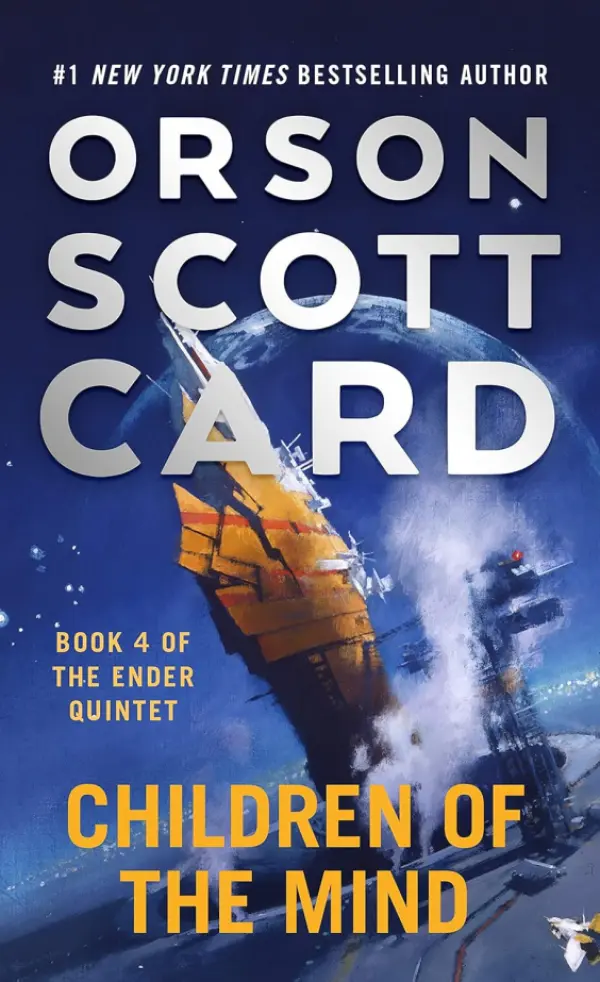
Orson Scott Card
Ender Quintet, book 4
Matched via its series
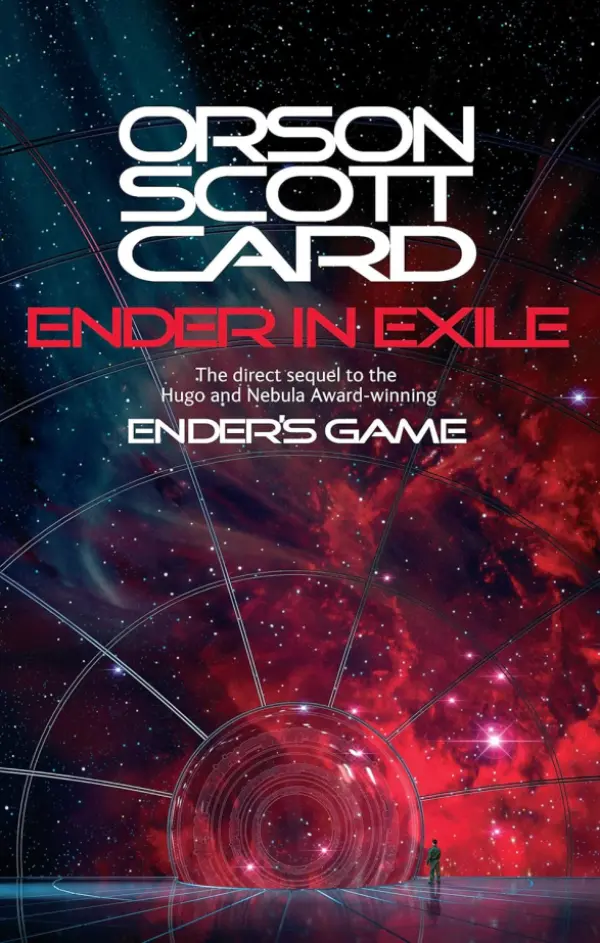
Orson Scott Card
Ender Quintet, book 5
Matched via its series

James Islington
Hierarchy, book 2
Average Goodreads rating4.7
Matched via its series
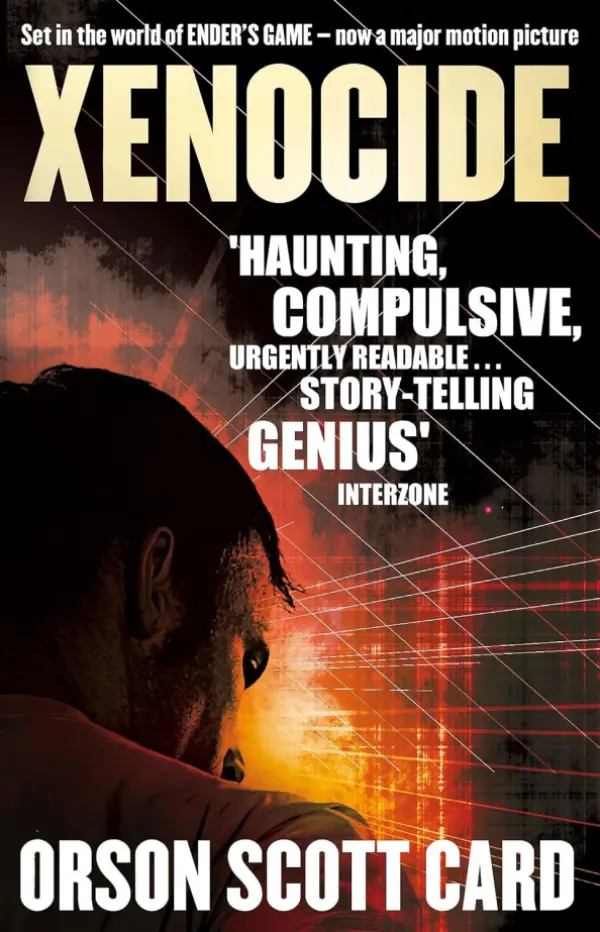
Orson Scott Card
Ender Quintet, book 3
Matched via its series
Tropes that share the most books with Moral Dilemma
At its core, the moral dilemma trope places a character at a crossroads where every available choice carries a cost. Not a simple decision between right and wrong, but a collision between two rights, or two wrongs, where no path is clean. The tension isn't in whether the character will act — it's in what acting will mean for who they are.
Readers are drawn to this trope because it refuses easy answers. A well-constructed moral dilemma mirrors the kind of impossible situations real people face, scaled up into fantasy kingdoms or romantic stakes. It forces characters to reveal themselves under pressure, and forces readers to ask: what would I do?
The crucial ingredient is genuine conflict between competing values. A character who must choose between saving one person they love and saving many strangers. A ruler who can end a war through a single act of cruelty. A protagonist who discovers the truth would destroy someone innocent. Strip away any of the genuine stakes and it becomes a false dilemma — the character has an obvious right answer and simply hasn't seen it yet. True moral dilemmas don't have obvious right answers.
Character interiority matters enormously here. The best versions of this trope live inside the character's head, in the rationalising and second-guessing and grief that surrounds the decision. The choice itself is often less memorable than the person making it.
In fantasy, moral dilemmas frequently hinge on power: the protagonist has the ability to do something catastrophic, and the question is whether the ends justify the means. Magic systems lend themselves beautifully to this — what if the only way to use the power is to do harm? Political fantasy raises dilemmas of loyalty and governance, where personal morality clashes with the needs of a kingdom or a cause.
Romance brings its own flavour. Here the dilemma is often relational: telling the truth versus protecting someone. Choosing personal happiness versus duty to family, community, or a prior promise. These smaller-scale conflicts carry enormous emotional weight precisely because the stakes feel intimate rather than world-ending.
There's also the retrospective variant, where a character has already made a morally compromising choice before the story begins. Their dilemma becomes whether to live with it, confess it, or try to undo it — a structure that turns the weight of the past into present tension.
Stories built around moral dilemmas tend to linger. They don't resolve into satisfaction the way action plots do, because the emotional accounting never quite balances out. A character might make the best possible choice in an impossible situation and still carry the damage. That refusal to tidy things up is, in its own way, a mark of a story that takes its readers seriously.
If a book has left you staring at the ceiling at midnight, replaying a character's decision and arguing with their logic, the moral dilemma trope is almost certainly why.
Occasional emails with new recommendations, series news and trope round-ups.