
Scythe
Neal Shusterman
Arc of a Scythe, book 1
Average Goodreads rating4.5

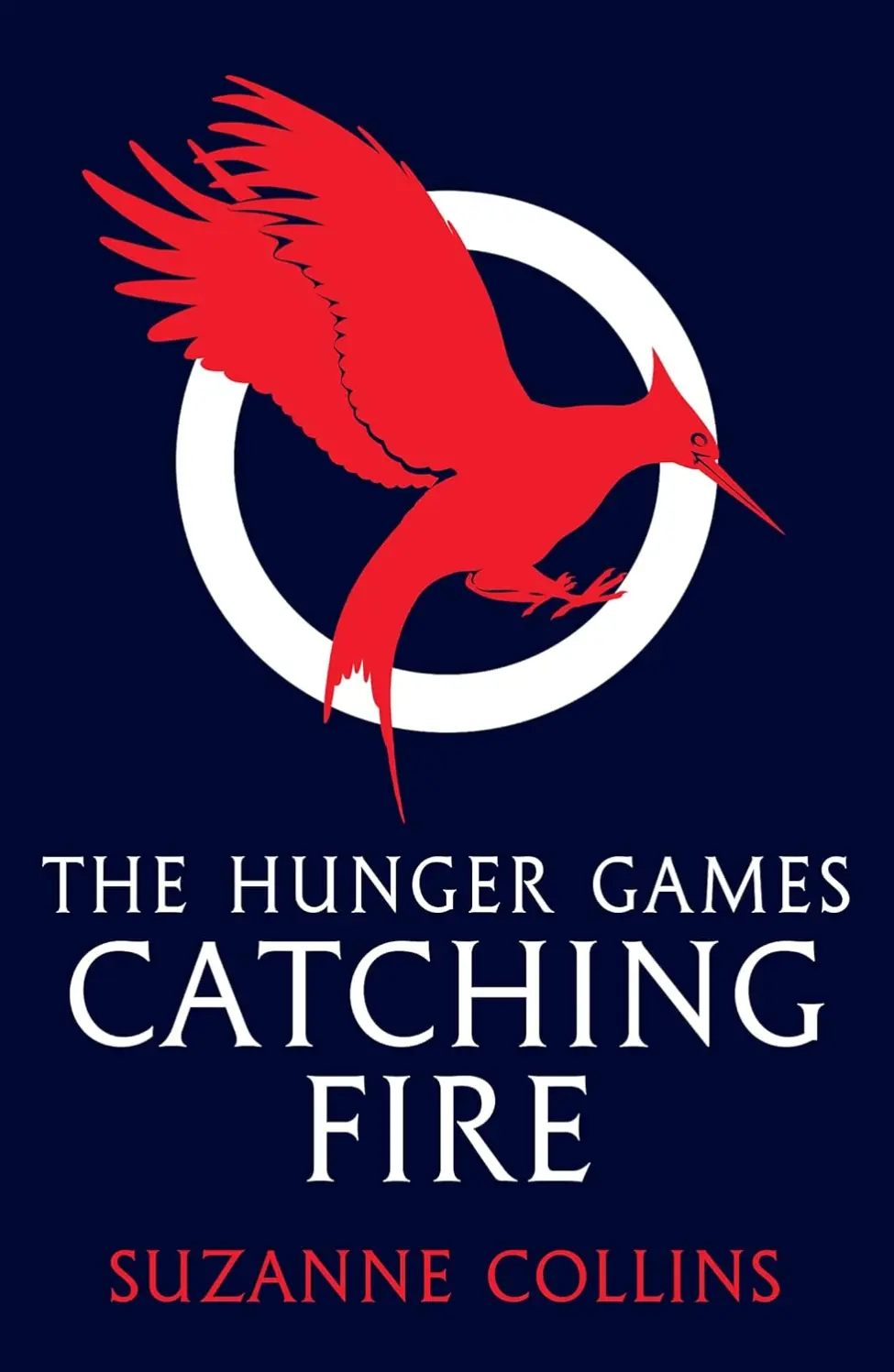
Book 2 in Hunger Games
We independently select and recommend books. Purchases made through our links may earn us a commission, at no extra cost to you. Prices and availability are set by each retailer.
Catching Fire by Suzanne Collins raises the stakes of The Hunger Games as rebellion ignites, propaganda tightens its grip, and survival becomes political warfare.
Tagged on the series as a whole, so not every book will feature each one.
Catching Fire by Suzanne Collins is the second novel in The Hunger Games series, expanding the story from personal survival to nationwide resistance. Where the first book exposed the brutality of the arena, this installment examines the consequences of defiance - and how symbols can be as dangerous as weapons in an authoritarian state.
Following their victory in the Hunger Games, Katniss Everdeen and Peeta Mellark are thrust into the Capitol’s spotlight as unwilling icons. Their survival has destabilised Panem, inspiring unrest across the districts. Collins explores power through symbolism, showing how a single act of resistance can ignite hope - and provoke ruthless retaliation.
A central theme of Catching Fire is control through fear and spectacle. The Capitol tightens its grip by manipulating narratives, staging appearances, and escalating punishment. The announcement of the Quarter Quell - a special edition of the Hunger Games designed to crush dissent - demonstrates how tradition is weaponised to reinforce authority. History is rewritten not to remember, but to intimidate.
The novel deepens its critique of media manipulation. Katniss is forced to perform a version of herself that serves the Capitol’s agenda, navigating a public persona that increasingly conflicts with her private values. Image becomes survival, and truth becomes liability. Collins highlights how authoritarian regimes use spectacle not only to entertain, but to rewrite reality.
Psychological fallout takes centre stage. Trauma from the first Games lingers, shaping every decision. Fear, guilt, and hypervigilance permeate the narrative, reinforcing Collins’ refusal to romanticise violence. Survival is no longer just about staying alive - it is about enduring the consequences of visibility.
As Katniss returns to the arena, the novel reframes the Games as political theatre rather than competition. Alliances are shaped by rebellion as much as survival, and trust carries revolutionary weight. The arena itself becomes a metaphor for systemic oppression: elaborate, beautiful, and lethal by design.
The scope of the story widens, introducing a broader cast of tributes and resistance figures. These relationships reveal the collective cost of oppression, transforming the narrative from individual struggle to shared defiance. Collins emphasises solidarity under threat, suggesting that rebellion is born not from ideology alone, but from shared suffering.
The prose remains lean and urgent, balancing action with emotional introspection. Collins maintains relentless pacing while allowing moments of grief and fear to land with impact. Every escalation feels earned - and ominous.
Catching Fire is ideal for readers who enjoy Science Fiction that blends dystopian tension with political commentary. Taut, unsettling, and emotionally charged, the novel marks the moment where survival becomes rebellion - and where the fire spreading through Panem can no longer be contained.

Neal Shusterman
Arc of a Scythe, book 1
Average Goodreads rating4.5
Stephen King & Richard Bachman
Average Goodreads rating4.3

Blake Crouch
The Wayward Pines Trilogy, book 1
Average Goodreads rating4.1
V. E. Schwab
Villains, book 1
Average Goodreads rating4.2

Cormac McCarthy
Average Goodreads rating4.4
John Marrs
Average Goodreads rating4.1
Still Looking?
Further down our similarity list, but still sharing tropes and genres with this book.
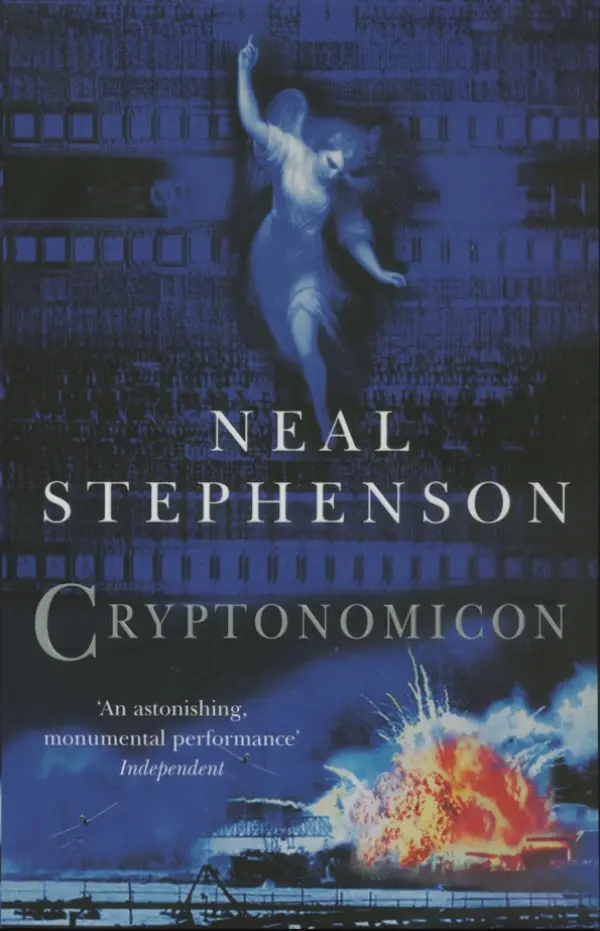
Neal Stephenson
Average Goodreads rating4.5
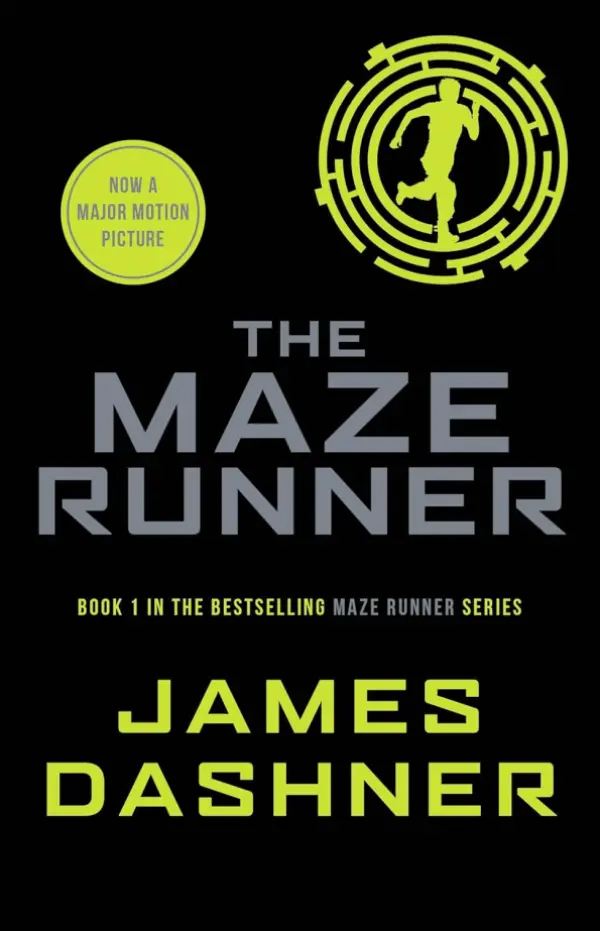
James Dashner
The Maze Runner, book 1
Average Goodreads rating4.5
Buy from Amazon (opens Amazon in a new tab)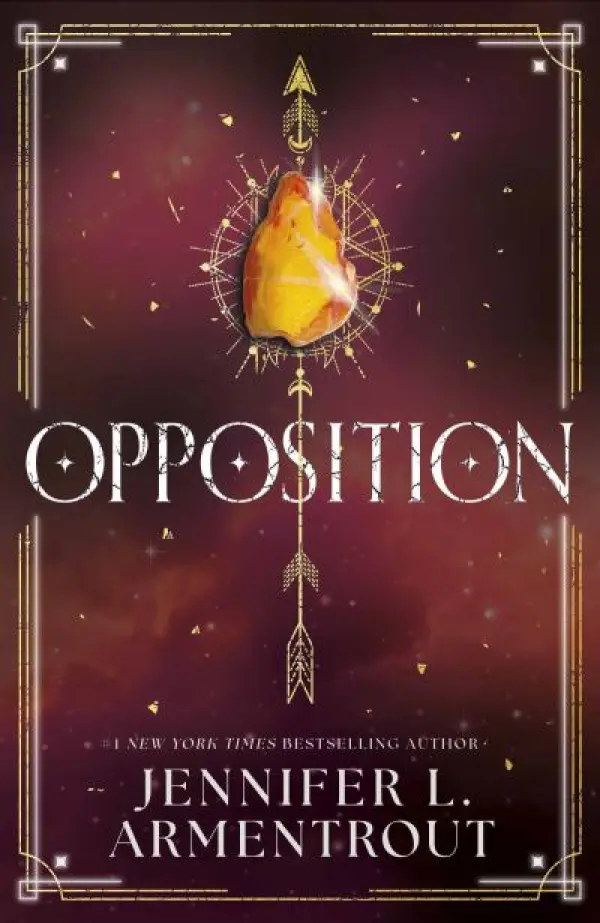
Jennifer L. Armentrout
Lux, book 5
Average Goodreads rating4.2
Suzanne Collins is a bestselling author known for dystopian science fiction that explores power, propaganda, and survival, most famously in The Hunger Games series.
Books, series and tropes by Suzanne CollinsCatching Fire
Buy from Amazon (opens Amazon in a new tab)Occasional emails with new recommendations, series news and trope round-ups.