
Pines
Blake Crouch
The Wayward Pines Trilogy, book 1
Average Goodreads rating4.1

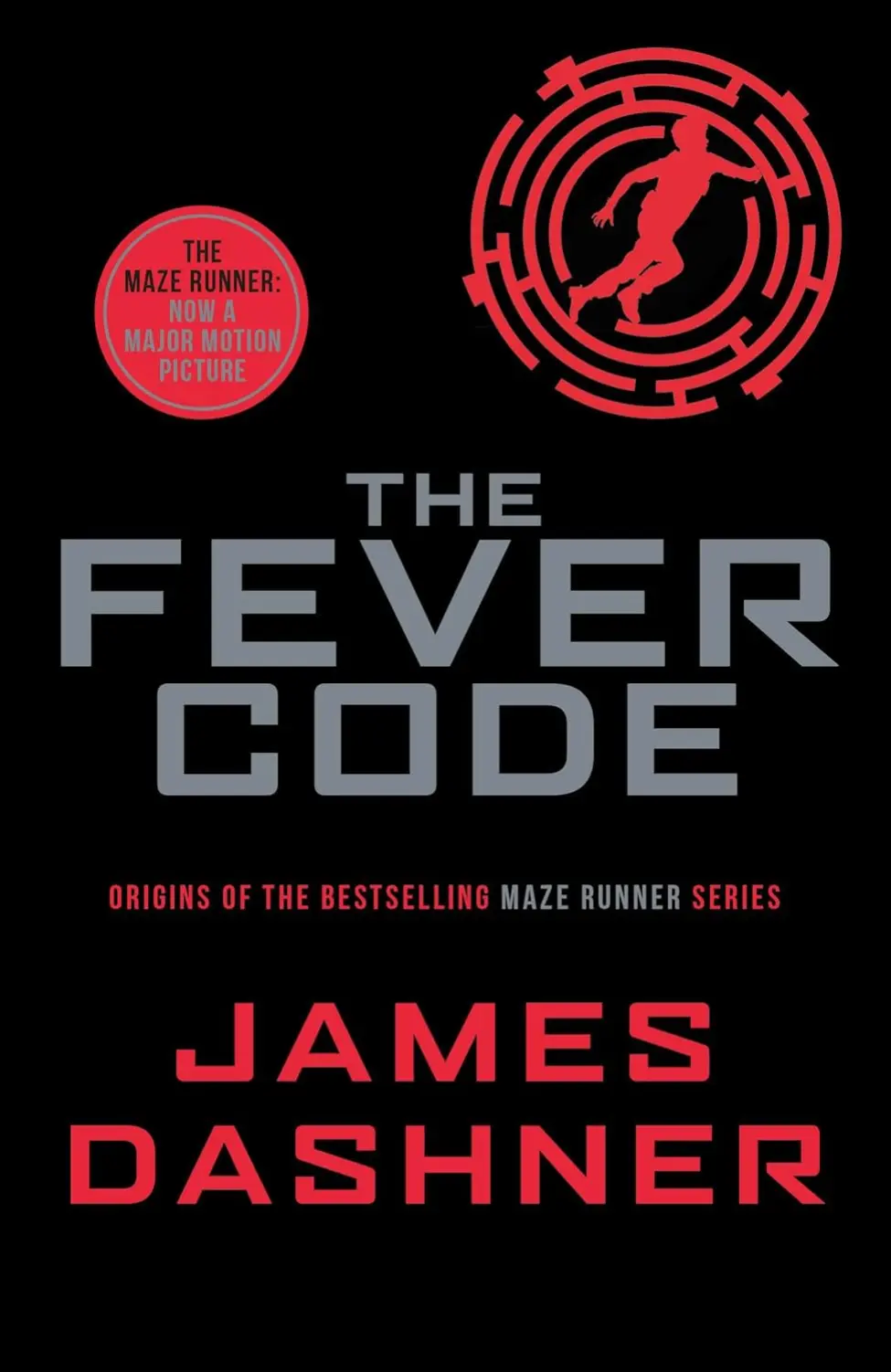
Book 5 in The Maze Runner
We independently select and recommend books. Purchases made through our links may earn us a commission, at no extra cost to you. Prices and availability are set by each retailer.
The Fever Code by James Dashner reveals the secret origins of the Maze, exposing memory manipulation, betrayal, and the true cost of WICKED’s experiments.
Tagged on the series as a whole, so not every book will feature each one.
The Fever Code by James Dashner is the second prequel to The Maze Runner series, offering the most direct insight yet into the creation of the maze trials and the moral compromises that made them possible. Positioned chronologically before The Maze Runner, the novel reframes the entire series by revealing what was lost - and deliberately erased - before the experiment began.
Unlike earlier entries, The Fever Code is set largely within the controlled environment of WICKED’s headquarters. Here, Dashner shifts focus from survival against chaos to systematic manipulation, showing how order itself can be weaponised. Young immune survivors, including Thomas and Teresa, are studied, trained, and quietly stripped of autonomy under the justification of saving humanity from the Flare virus.
A central theme of the novel is consent versus coercion. While the children are told they are helping to save the world, information is carefully restricted. Their choices are shaped by fear, obligation, and incomplete truth. Dashner exposes how authority manufactures compliance - not through overt violence, but through incremental moral erosion.
Memory manipulation takes center stage. Unlike earlier books where memory loss is a mystery, The Fever Code reveals it as a deliberate act of control. The decision to erase memories becomes the ultimate violation, severing identity in the name of data collection. Dashner asks whether intelligence, loyalty, or sacrifice has meaning when stripped of informed choice.
The novel also deepens the emotional stakes of the series. Relationships formed within WICKED are genuine, built on shared trauma and hope. When betrayal emerges, it is devastating not because it is unexpected - but because it feels inevitable within a system designed to reward obedience over empathy. Found community, once a source of strength, becomes a liability.
Dashner uses the clinical setting to contrast cold logic with human consequence. Experiments are discussed in detached language, masking the suffering behind them. This reinforces the series’ critique of ethical abstraction, where lives become variables and compassion is dismissed as inefficiency.
Stylistically, the novel maintains Dashner’s brisk pacing but allows more room for psychological tension. The horror is quieter here, rooted in inevitability rather than immediate danger. Knowing the outcome lends the story tragic weight, as readers witness characters walking willingly toward futures they will not remember.
The Fever Code is essential reading for fans of The Maze Runner series. It transforms the narrative from a survival thriller into a meditation on power, agency, and moral responsibility. Bleak, revealing, and emotionally charged, the novel underscores the series’ ultimate truth: the most dangerous maze is not built of walls, but of justifications.
Blake Crouch
The Wayward Pines Trilogy, book 1
Average Goodreads rating4.1

Neal Shusterman
Arc of a Scythe, book 1
Average Goodreads rating4.5

Suzanne Collins
Hunger Games, book 1
Average Goodreads rating4.7
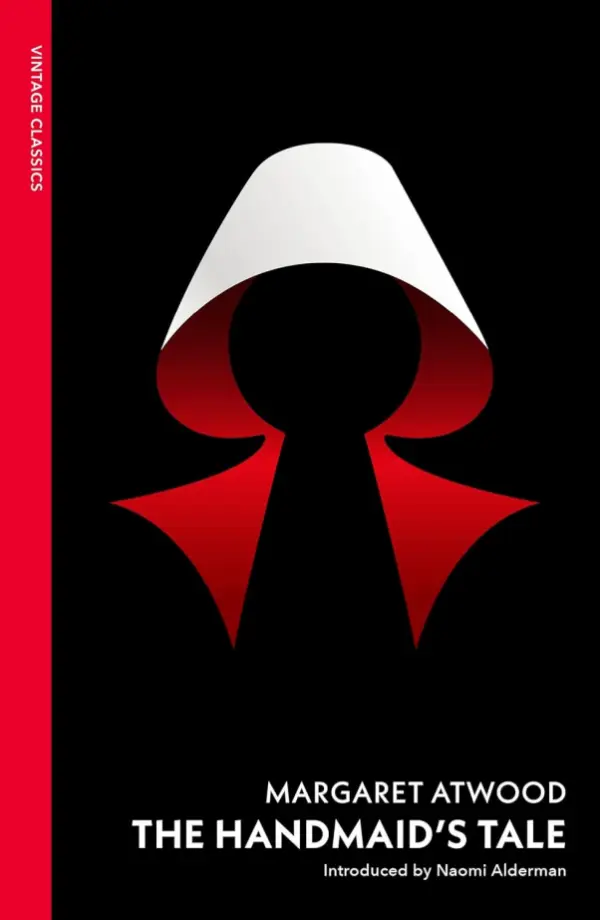
Margaret Atwood
The Handmaid's Tale, book 1
Average Goodreads rating4.4

Emily St. John Mandel
Average Goodreads rating4.2

Brandon Sanderson
Skyward, book 1
Average Goodreads rating4.6
Still Looking?
Further down our similarity list, but still sharing tropes and genres with this book.
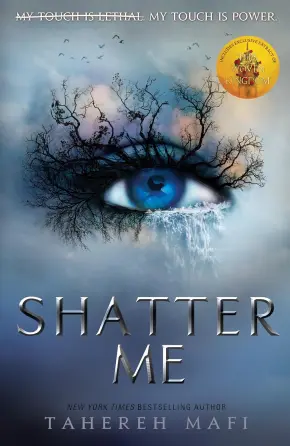
Tahereh Mafi
Shatter Me, book 1
Average Goodreads rating4.2
Buy from Amazon (opens Amazon in a new tab)
Jay Kristoff
LIFEL1K3, book 1
Average Goodreads rating4.3
Buy from Amazon (opens Amazon in a new tab)
Octavia E. Butler
Parable, book 1
Average Goodreads rating4.4
Buy from Amazon (opens Amazon in a new tab)James Dashner is a bestselling author of dystopian science fiction, best known for The Maze Runner, exploring survival, memory loss, and control in hostile worlds.
Books, series and tropes by James DashnerThe Fever Code
Buy from Amazon (opens Amazon in a new tab)Occasional emails with new recommendations, series news and trope round-ups.