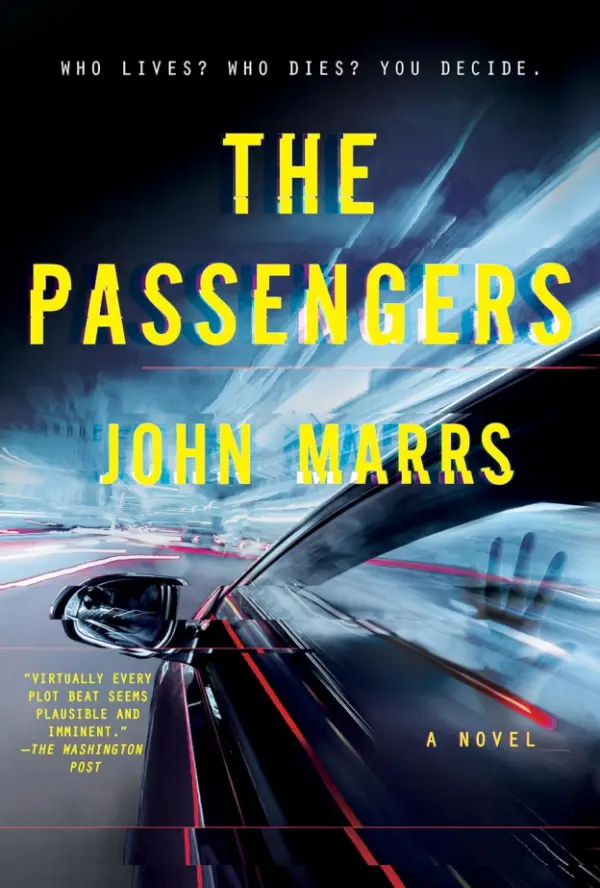
The Passengers
John Marrs
Average Goodreads rating4.1
- Multiple Perspectives
- Psychological Thriller

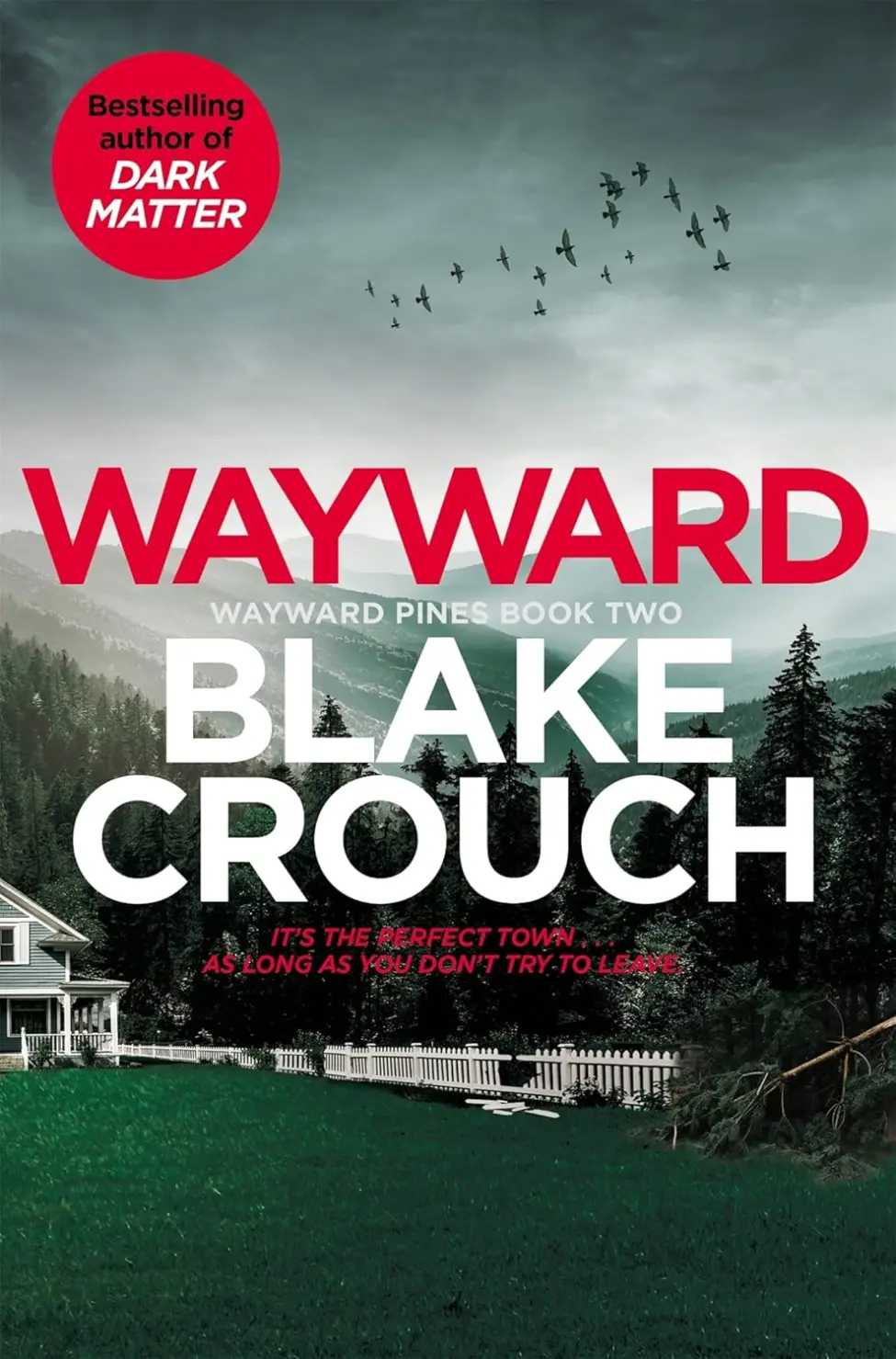
Book 2 in The Wayward Pines Trilogy
by Blake Crouch
We independently select and recommend books. Purchases made through our links may earn us a commission, at no extra cost to you. Prices and availability are set by each retailer.
Wayward by Blake Crouch intensifies the Wayward Pines nightmare as order fractures, truth spreads, and survival depends on absolute control.
Tagged on the series as a whole, so not every book will feature each one.
Wayward by Blake Crouch is the second novel in The Wayward Pines Trilogy, transforming the series from unsettling mystery into full dystopian science fiction. Where Pines revealed the terrifying foundations of the town, Wayward explores what happens when that truth begins to spread - and when control becomes the only barrier between order and extinction.
The town of Wayward Pines is built on rigid rules, enforced obedience, and carefully managed ignorance. In Wayward, those structures begin to crack. As residents awaken to the reality of their situation, fear replaces compliance, and stability becomes increasingly fragile. The novel shifts from claustrophobic paranoia to large-scale social collapse, examining how quickly civilisation unravels once trust in authority is broken.
At the heart of the story is the struggle between control and chaos. Leaders in Wayward Pines believe absolute authority is the only way to preserve humanity’s future. Their methods are brutal, calculated, and rooted in the belief that freedom is a liability. Crouch interrogates whether survival justifies tyranny - and whether people can remain human when stripped of choice.
A defining strength of Wayward is its focus on moral compromise. Characters are forced into impossible decisions: enforce cruelty or allow annihilation, obey orders or risk collective destruction. There are no clean answers, only trade-offs that leave permanent scars. Even those acting with good intentions contribute to escalating violence and fear.
The novel deepens its exploration of dystopian society and surveillance. Constant monitoring, public punishment, and enforced conformity are presented not as aberrations, but as logical outcomes of fear-driven governance. Crouch shows how easily extraordinary measures become routine - and how quickly people adapt to living without autonomy.
As the truth spreads, the psychological toll becomes central. Panic, denial, and rebellion coexist, creating volatile social dynamics. The town itself feels like a pressure cooker, where every revelation increases the likelihood of catastrophe. Crouch uses this tension to examine how communities respond to existential threat - not with unity, but fragmentation.
Pacing remains relentless. Short chapters and rapid escalation maintain momentum while allowing revelations to land with devastating impact. Unlike Pines, which relied on mystery, Wayward draws its suspense from inevitability - the sense that once the truth is known, collapse is unavoidable.
Violence escalates in scale and intensity. When order fails, it does so catastrophically, reinforcing the novel’s bleak perspective on civilisation’s fragility. Survival becomes less about hope and more about containment.
Wayward is ideal for readers who enjoy Science Fiction that examines power, fear, and control under extreme pressure. Dark, gripping, and deeply unsettling, the novel stands as the moral crucible of The Wayward Pines Trilogy, proving that once the truth is unleashed, there is no returning to safety.
John Marrs
Average Goodreads rating4.1
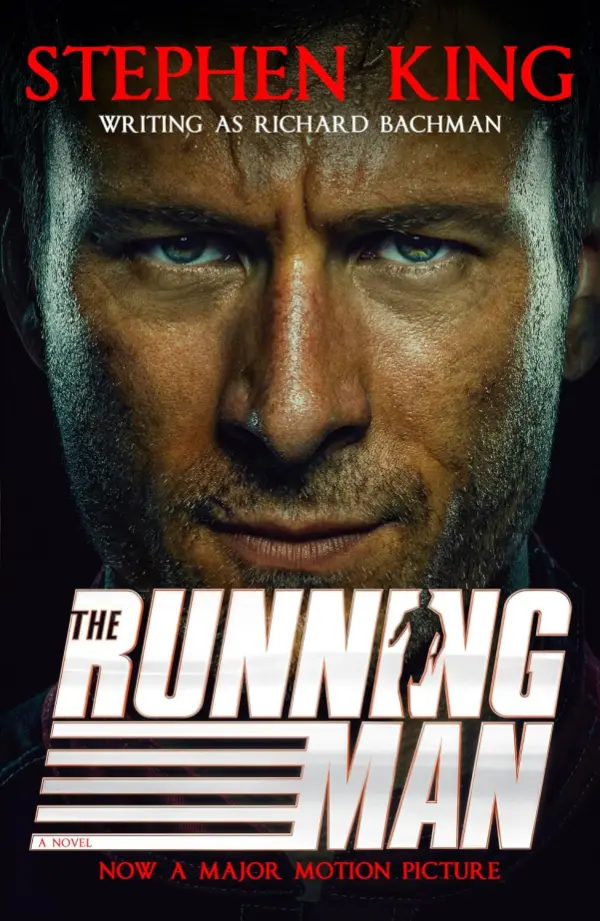
Stephen King & Richard Bachman
Average Goodreads rating4.3
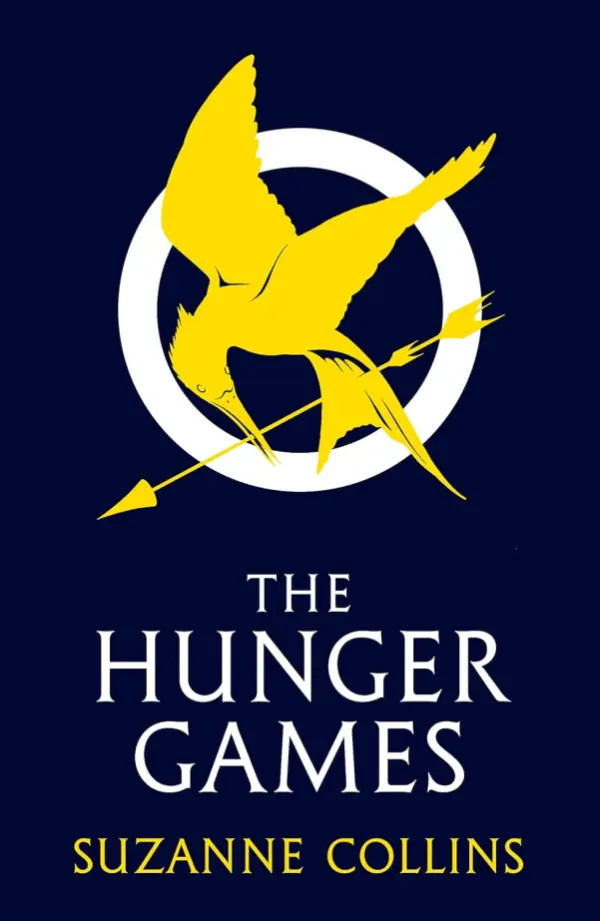
Suzanne Collins
Hunger Games, book 1
Average Goodreads rating4.7
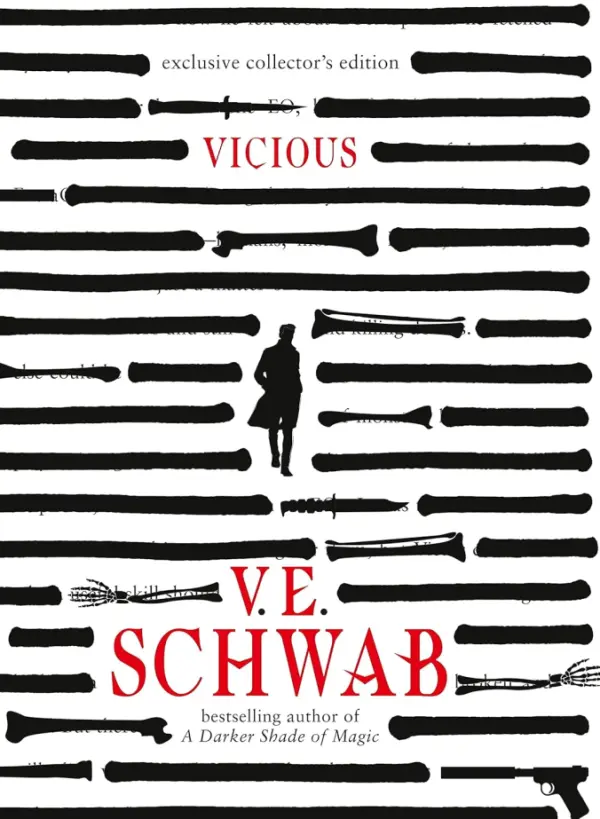
V. E. Schwab
Villains, book 1
Average Goodreads rating4.2

Neal Shusterman
Arc of a Scythe, book 1
Average Goodreads rating4.5

Cormac McCarthy
Average Goodreads rating4.4
Still Looking?
Further down our similarity list, but still sharing tropes and genres with this book.
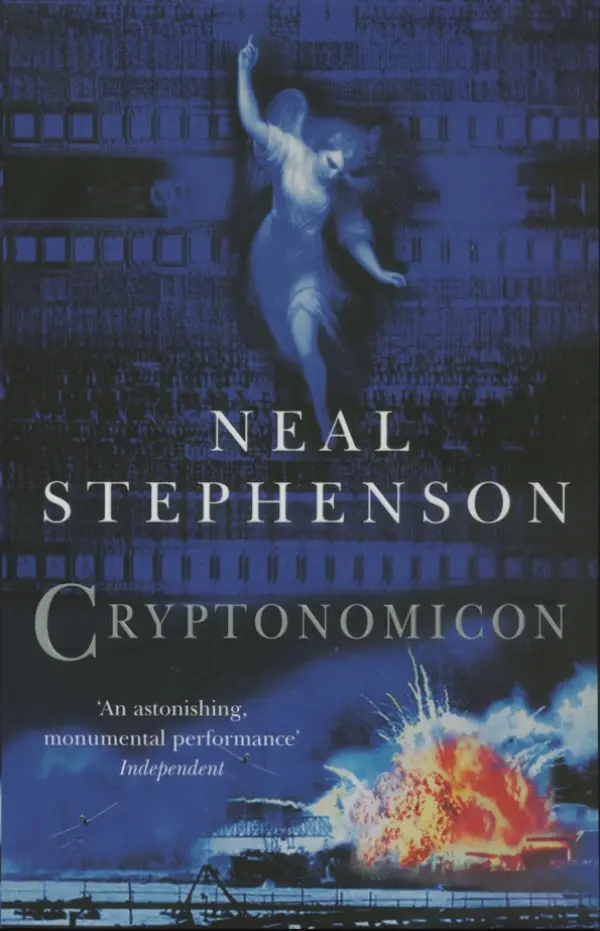
Neal Stephenson
Average Goodreads rating4.5
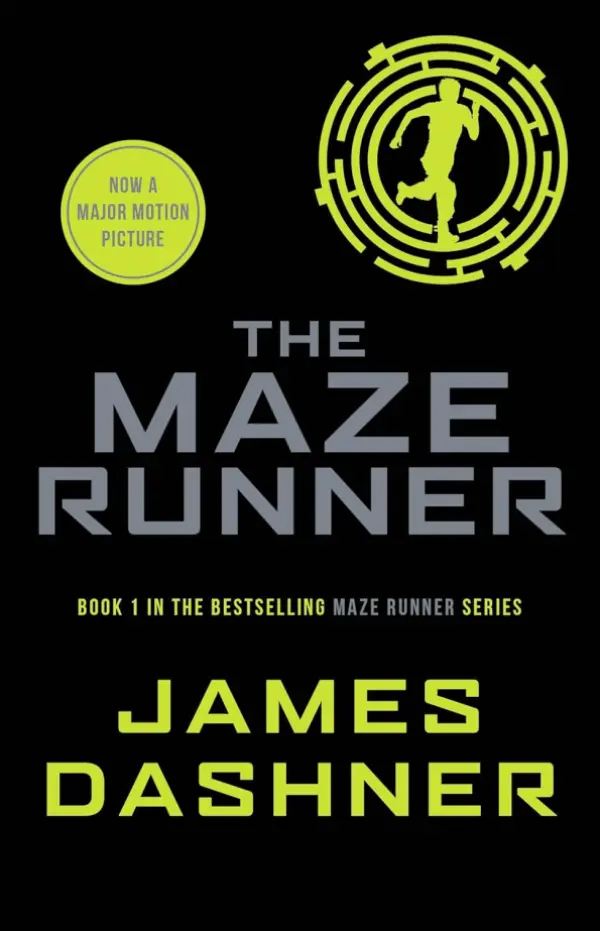
James Dashner
The Maze Runner, book 1
Average Goodreads rating4.5
Buy from Amazon (opens Amazon in a new tab)
J. P. Delaney
Blake Crouch is a bestselling author of high-concept thrillers and speculative fiction known for twisting reality, mind-bending plots, and emotional stakes tied to identity and memory.
Books, series and tropes by Blake CrouchOccasional emails with new recommendations, series news and trope round-ups.