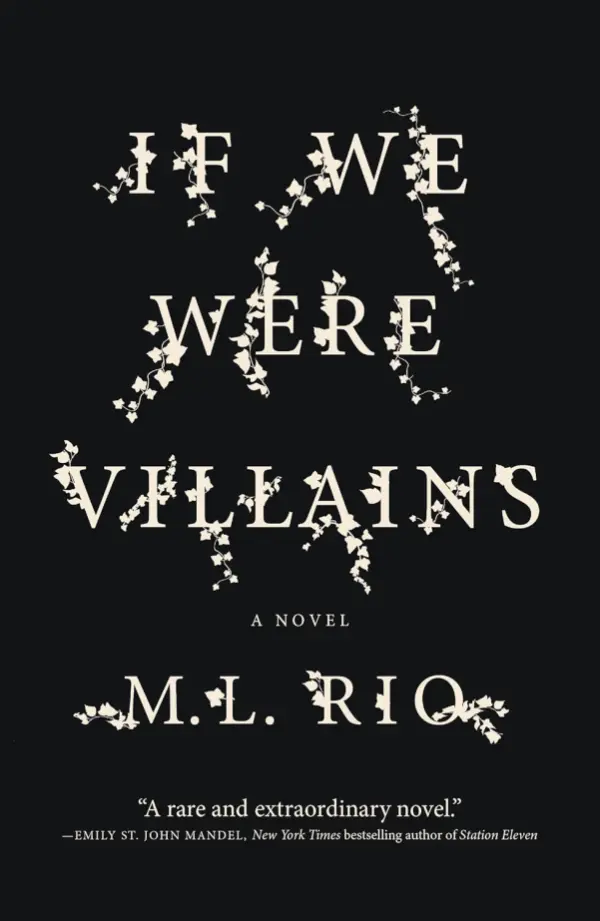
If We Were Villains
M. L. Rio
Average Goodreads rating4.1
- Coming of Age
- Morally Grey Characters

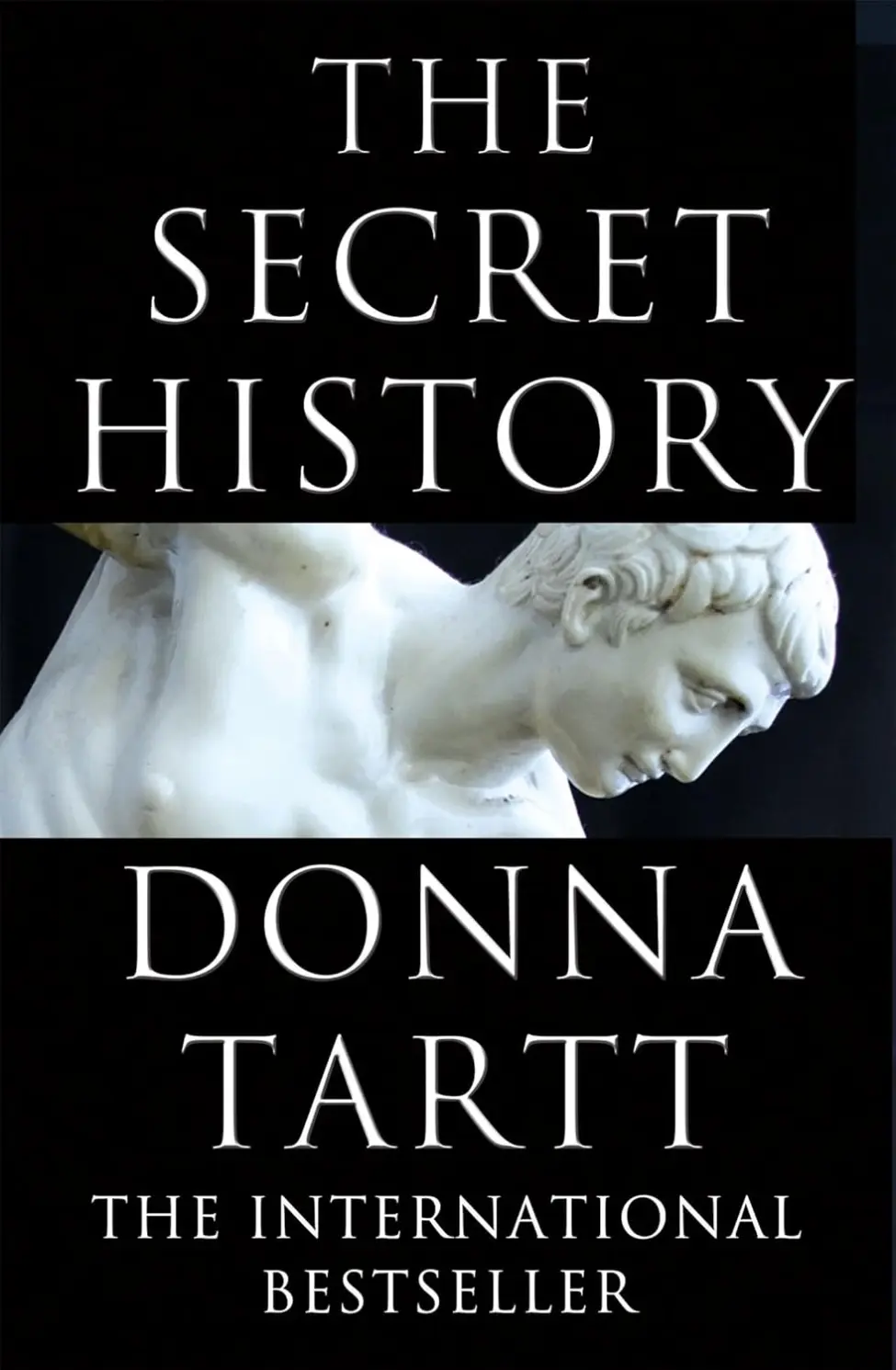
by Donna Tartt
We independently select and recommend books. Purchases made through our links may earn us a commission, at no extra cost to you. Prices and availability are set by each retailer.
The Secret History by Donna Tartt is a compulsive dark academia thriller set at a Vermont liberal arts college, where a group of Classics students' intellectual obsessions lead them inexorably towards violence and moral collapse.
The Secret History by Donna Tartt is a novel that begins with a confession. Before the first chapter has properly started, the narrator has told us that he and his friends killed someone. What the novel then proceeds to do - across more than six hundred pages of some of the most atmospheric, intellectually charged prose in contemporary American fiction - is explain how that became possible, and what it cost. It is a book about beauty and guilt and the seductive danger of elite institutions insularity, and it has not been out of print since its publication in 1992.
Richard Papen arrives at Hampden College, a small, rarefied liberal arts college in Vermont, as an outsider: a working-class Californian adrift in a world of East Coast privilege and Ivy League aesthetics, quietly desperate to belong somewhere. He is drawn, almost immediately, to a small group of Classics students who study exclusively under the eccentric and imperious Julian Morrow - a scholar who treats his handful of chosen students less like undergraduates and more like initiates into a private world of ancient Greek, moral philosophy, and the idea that beauty is its own justification. The group is tight, brilliant, and deeply strange, and Richard's coming of age is inseparable from his absorption into it.
What makes The Secret History so enduringly compelling is the quality of its unreliable narrator. Richard is sympathetic, observant, and constitutively self-deceiving - a young man so hungry for belonging that he accommodates what he sees and learns about his new friends far beyond the point at which a more self-aware person would have stopped. Tartt uses this with surgical precision: the reader is always slightly ahead of Richard, catching the implications of what he reports without fully processing, understanding what he is becoming before he does. It is a masterclass in dramatic irony that never tips into condescension - we understand Richard's choices even as we register their cost.
The dark academia atmosphere of Hampden and its Classics group is rendered with extraordinary sensory richness. Tartt's Vermont is cold, beautiful, and faintly unreal: a world of candlelit rooms, classical texts, and the particular kind of obsession and desire that flourishes when intelligent young people are left alone together with too many ideas and too few consequences. The group - Henry, Francis, the twins Charles and Camilla, and the ill-fated Bunny - are among the most vivid ensemble casts in recent literary fiction, each rendered with enough depth and specificity to feel genuinely alive, genuinely dangerous, and genuinely lost.
The moral dilemma at the novel's heart is not the murder itself but everything that surrounds it: the reasoning that led there, the rationalisation that made it feel not only possible but, in some terrible sense, coherent. Tartt is interested in the way that intellectual frameworks - aestheticism, Greek tragedy, the Nietzschean idea that certain people operate beyond ordinary moral constraints - can be used to dress up impulses that are far baser and more human. Her morally grey characters do not commit acts of evil in spite of their intelligence; they commit them in part because of it, and the novel's long, devastating aftermath traces the psychological cost of what they have done with unflinching precision.
The dark secrets that accumulate across the novel's two halves give The Secret History its particular quality of dread. This is not a thriller in the conventional sense - the suspense is not about what will happen but about how, and why, and what it will mean. The psychological thriller dimension of the book operates through character rather than plot mechanism, through the slow accumulation of knowledge and the creeping realisation of what the characters are capable of. The murder mystery is, in the most radical sense, inverted: we know the outcome from the first page and spend the rest of the novel understanding it.
The Secret History is widely credited with defining the dark academia subgenre, and its influence on subsequent fiction has been enormous. For readers coming to it for the first time, it is best entered with patience and trust - it rewards both, and it stays with you long after the final page.
M. L. Rio
Average Goodreads rating4.1
Tana French
Dublin Murder Squad, book 5
Average Goodreads rating3.8
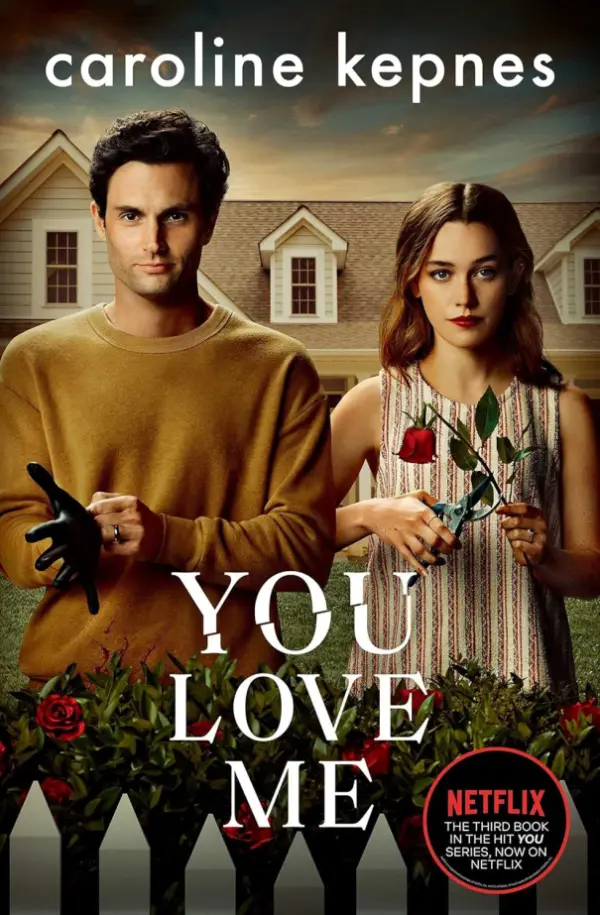
Caroline Kepnes
You, book 3
Average Goodreads rating4.3

Freida McFadden
The Housemaid, book 1
Average Goodreads rating4.5
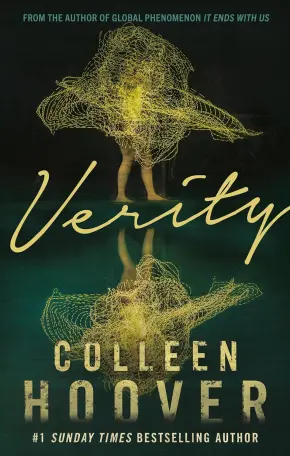
Colleen Hoover
Average Goodreads rating4.5
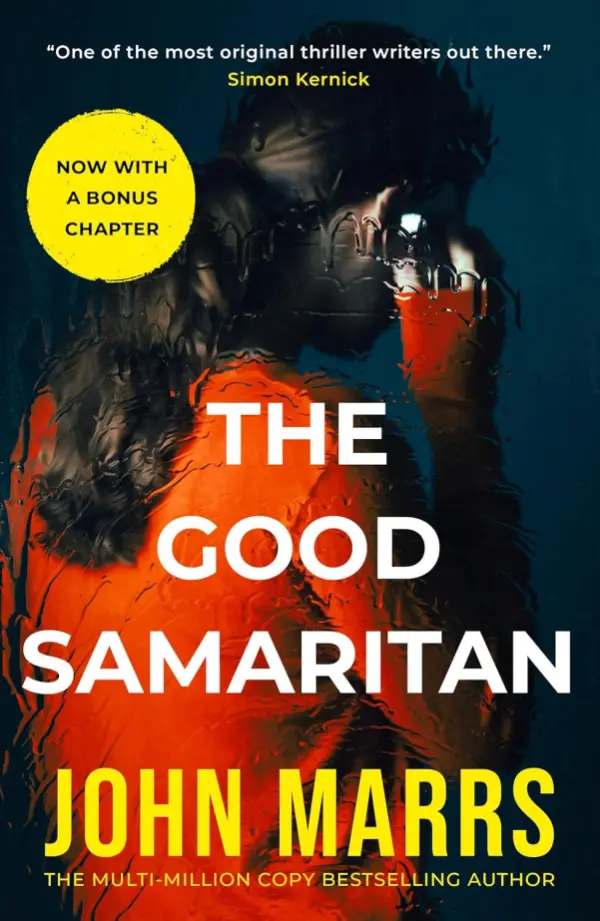
John Marrs
Average Goodreads rating4.1
Still Looking?
Further down our similarity list, but still sharing tropes and genres with this book.
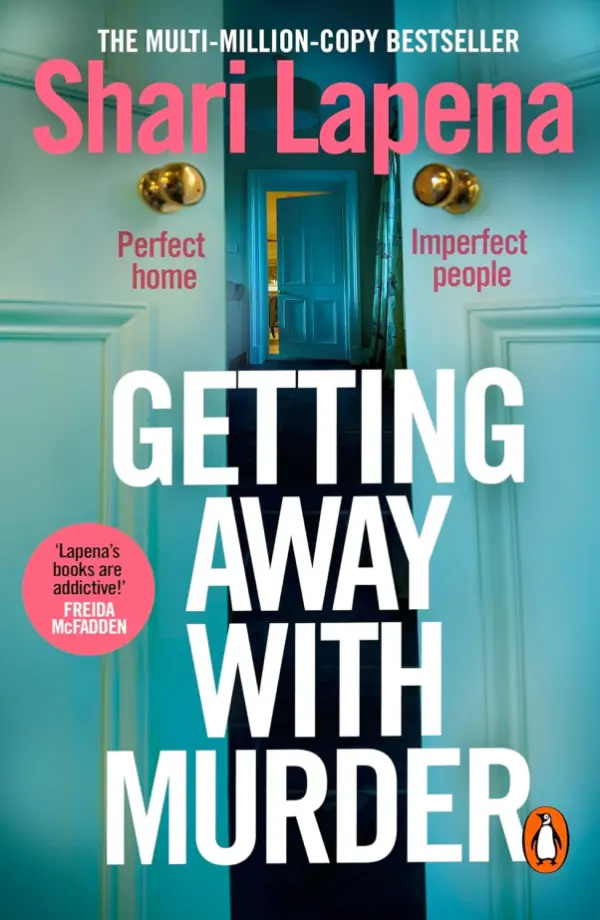
Shari Lapena
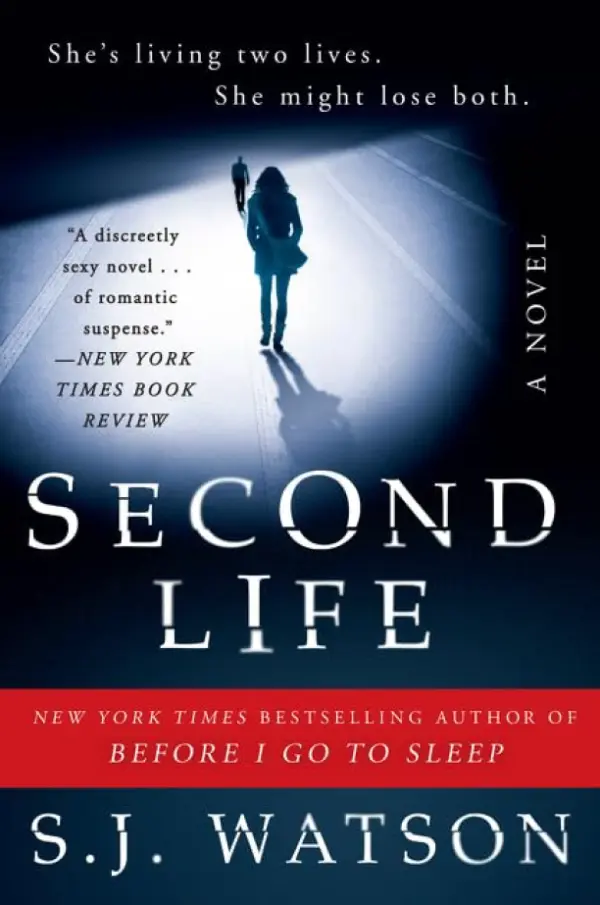
S. J. Watson
Average Goodreads rating3.3
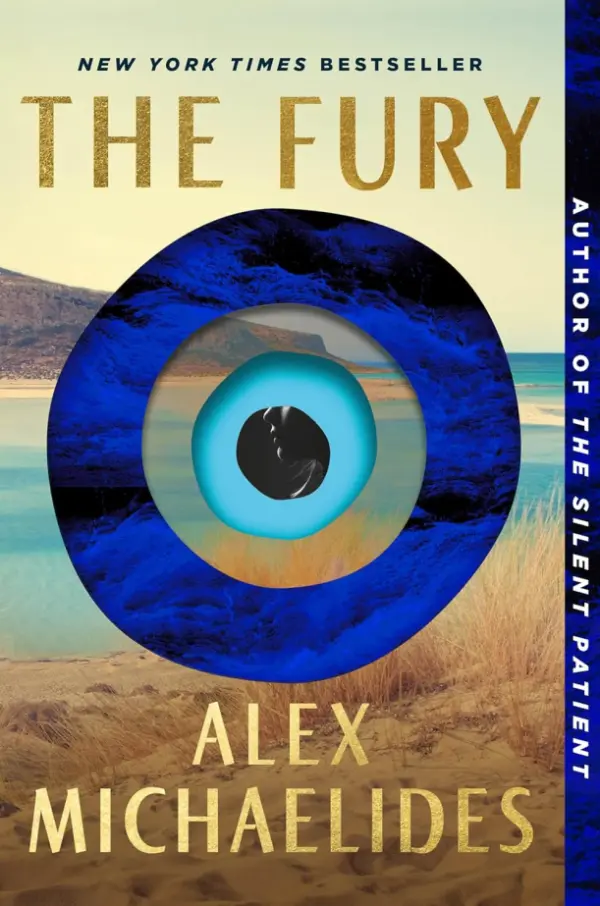
Alex Michaelides
Average Goodreads rating3.4
Donna Tartt is an American novelist known for richly atmospheric literary fiction. Her three novels - including The Secret History and The Goldfinch - are landmark works of dark academia, psychological depth, and moral complexity.
Books, series and tropes by Donna Tartt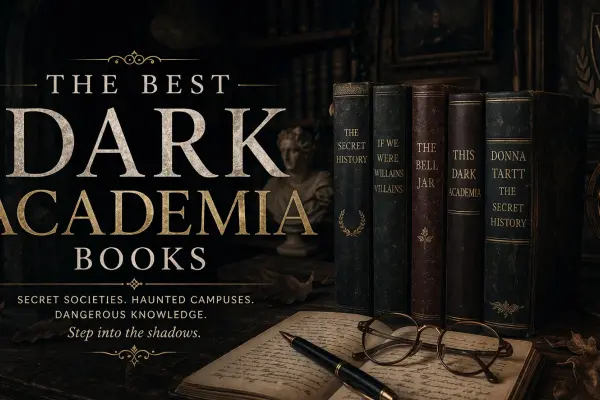
Candlelit libraries, secret societies, forbidden knowledge, and characters who are brilliant, beautiful, and utterly dangerous. The best dark academia books, from gothic classics to modern obsessions.
The Secret History
Buy from Amazon (opens Amazon in a new tab)Occasional emails with new recommendations, series news and trope round-ups.