Seveneves
Neal Stephenson
Average Goodreads rating4.2
- Time Travel
- Genetic Engineering

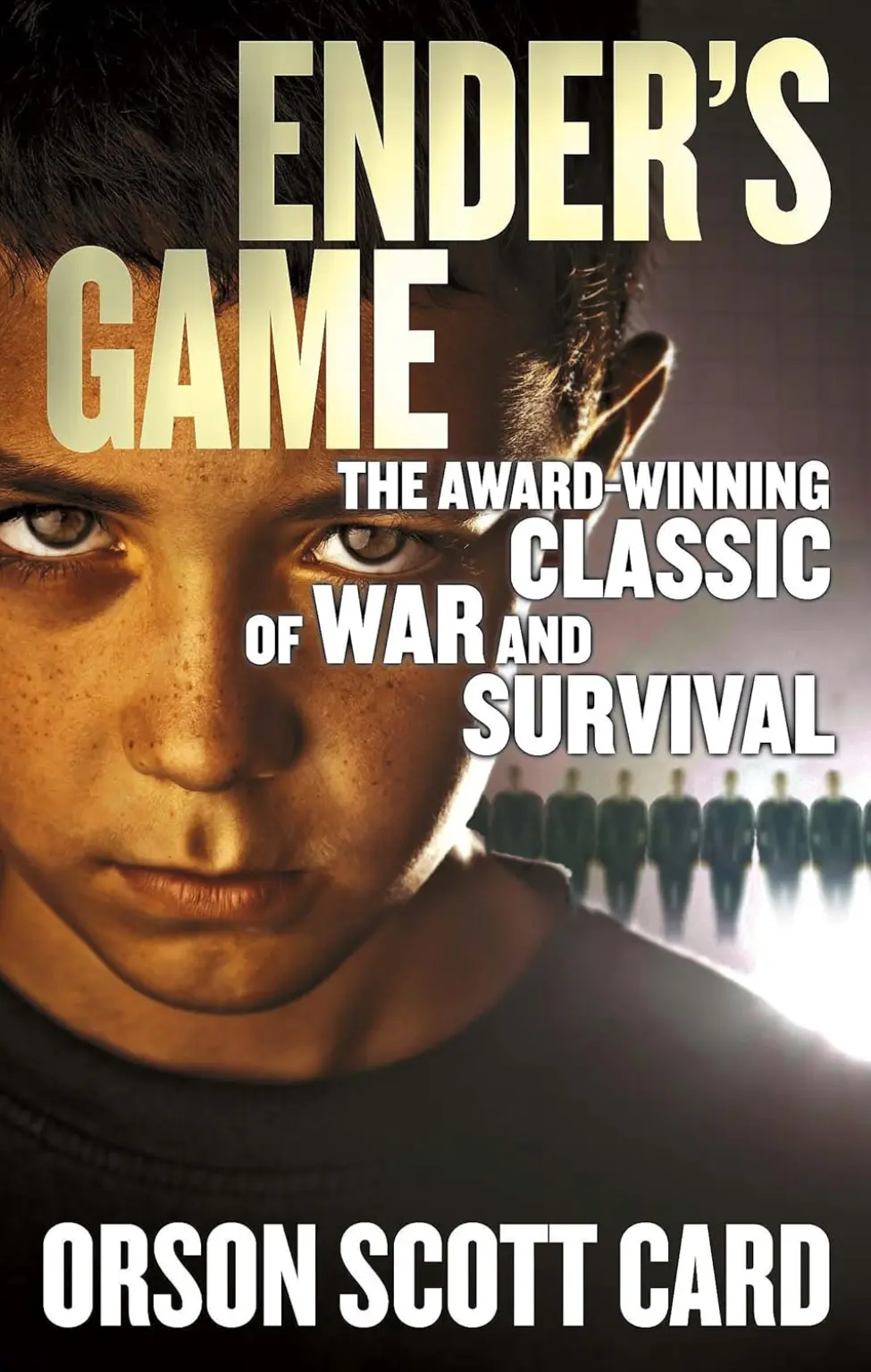
Book 1 in Ender Quintet
We independently select and recommend books. Purchases made through our links may earn us a commission, at no extra cost to you. Prices and availability are set by each retailer.
Ender's Game by Orson Scott Card follows six-year-old Ender Wiggin, recruited into a space battle school to train humanity's greatest commander. This landmark sci-fi novel explores child manipulation, empathy, and the devastating cost of war against alien enemies.
Tagged on the series as a whole, so not every book will feature each one.
Ender's Game is Orson Scott Card's 1985 landmark science fiction novel that revolutionized the genre by combining military strategy with profound exploration of empathy, childhood, and moral responsibility. Winner of both the Hugo and Nebula Awards, the novel follows child genius Andrew "Ender" Wiggin as he's recruited, manipulated, and trained to become humanity's greatest military commander - a journey that ultimately reveals the most devastating truth about what it means to truly understand your enemy. Considered one of science fiction's most important novels, Ender's Game has influenced military strategy, education theory, and countless subsequent authors.
The novel opens with six-year-old Ender Wiggin being monitored by Colonel Graff and General Stilson of the International Fleet. Humanity has survived two devastating wars against the Formics - an alien species whose biology and motivations remain deeply misunderstood. A third invasion appears imminent, and the military desperately needs a commander capable of defeating an enemy whose thought processes are fundamentally alien. Ender has been identified as potentially that commander.
After removing Ender's monitoring device (a prerequisite for acceptance into Battle School), Graff recruits the boy to a space-based military academy orbiting Earth. The selection process itself reveals Ender's character - when bullied by older boys, Ender responds with calculated, devastating violence, not from cruelty but from determination to end threats permanently. Card uses this moment to establish Ender's central conflict: he possesses both extraordinary empathy (understanding others deeply enough to predict and manipulate their behaviour) and extraordinary capacity for violence (using that understanding to destroy them).
Battle School employs elaborate war games where teams of children compete in zero-gravity combat chambers. Ender excels, his tactical brilliance becoming legendary. But Graff deliberately isolates him - manipulating situations to prevent Ender from forming lasting friendships, ensuring the boy remains desperate and driven. The psychological manipulation is brutal: Graff knows Ender's emotional devastation makes him perform better, and he exploits this ruthlessly.
Card reveals Ender's sisters Valentine and Peter simultaneously, showing how each sibling represents different aspects of humanity. Peter is pure manipulation and cruelty - everything Ender fears becoming. Valentine is pure empathy and compassion - everything Ender wishes he could be. Ender falls between them, capable of both destroying and understanding with equal depth. Their storyline, running parallel to Ender's space adventures, explores how children with genius-level intelligence navigate a world that doesn't understand them whilst subtly examining political manipulation and media influence.
As Ender progresses through increasingly difficult challenges, Card reveals the psychological toll of constant pressure. Ender's nightmares, his isolation, his growing self-loathing as he's forced into more violent scenarios - Card never lets readers forget this is a child being systematically broken and rebuilt as weapon. The moral questions accumulate: Is what Graff does to Ender justified by humanity's survival? Can the ends justify these means when the means involve destroying a child's innocence?
The novel builds to its devastating climax - Ender's "final exam," which Card reveals through a masterful narrative technique. The revelation forces readers to reconsider everything preceding it, examining what Ender has actually done versus what he believed he was doing. The truth about the Formics - revealed through Ender's own understanding of them - transforms the novel's moral landscape entirely.
Card employs third-person limited narration focused on Ender's perspective, creating intimate access to his thoughts whilst maintaining slight distance that allows readers to see what Ender can't. The prose is accessible and propulsive, balancing tactical sequences with character development and philosophical exploration.
What distinguishes Ender's Game is Card's refusal to simplify its moral questions. Humanity may be justified in defending itself, but the cost - destroying a child's innocence, committing genocide against a species that might not have been hostile - remains devastating regardless of necessity. Ender's understanding of the Formics - his empathy so deep he could have loved them whilst destroying them - becomes the novel's central tragedy.
Themes of empathy versus destruction, childhood manipulation by adults, the ethics of war and genocide, understanding versus judging, moral responsibility, and whether good intentions justify terrible actions run throughout.
The 2013 film adaptation starring Harrison Ford and Asa Butterfield brought the story to wider audiences, though Card's novel offers deeper philosophical exploration than the film achieved.
Neal Stephenson
Average Goodreads rating4.2
Blake Crouch
Average Goodreads rating4.4
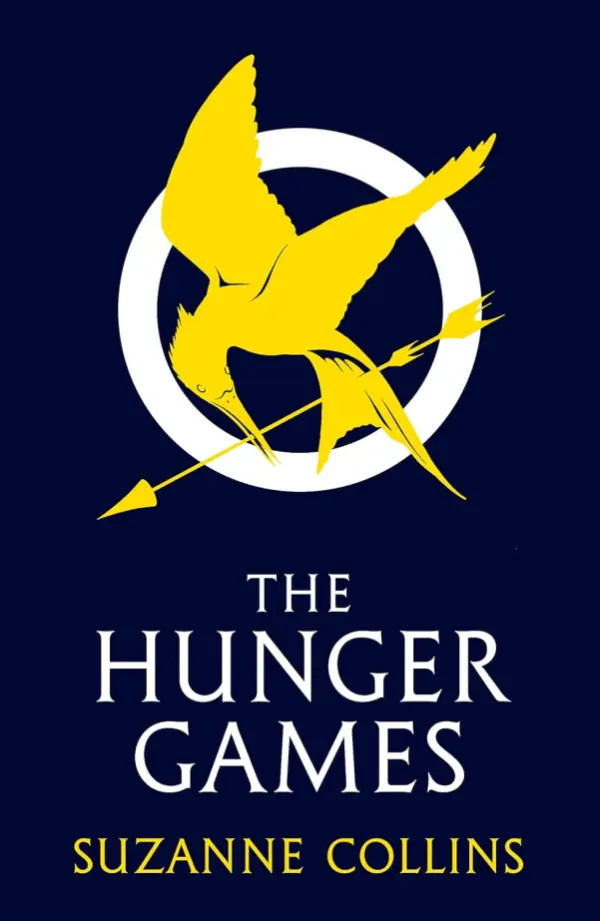
Suzanne Collins
Hunger Games, book 1
Average Goodreads rating4.7

Brandon Sanderson
Skyward, book 1
Average Goodreads rating4.6
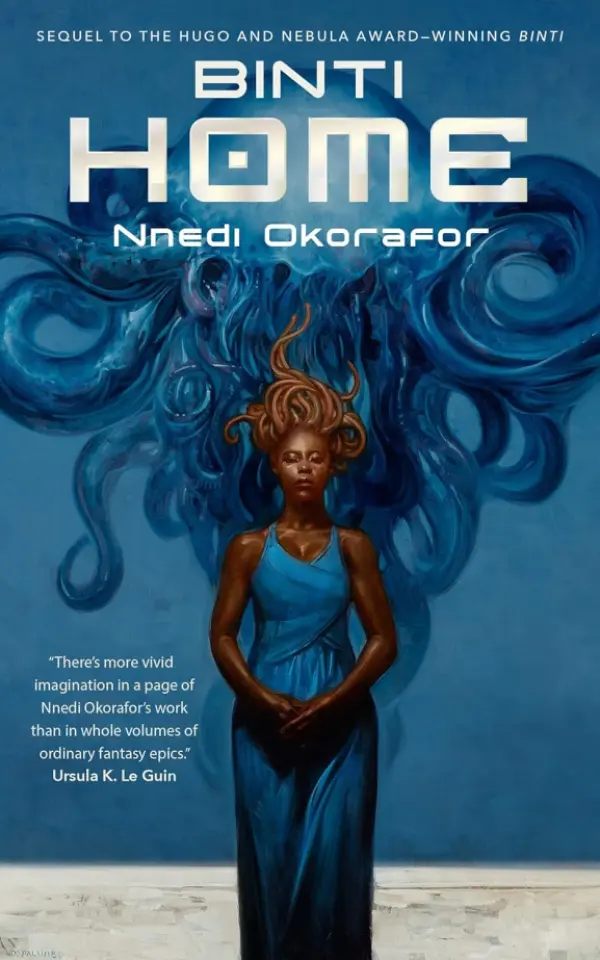
Nnedi Okorafor
Binti, book 2
Average Goodreads rating4.3
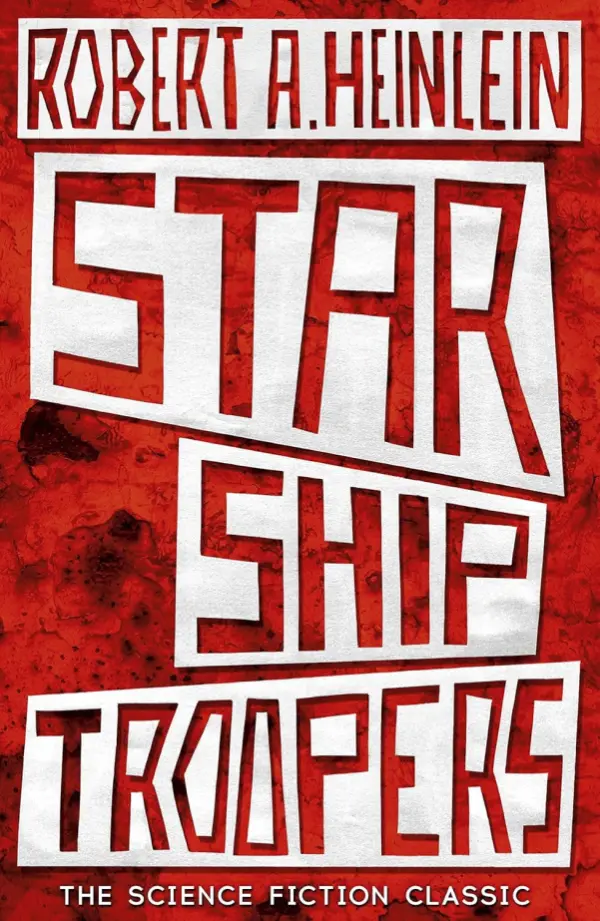
Robert A. Heinlein
Average Goodreads rating4.3
Still Looking?
Further down our similarity list, but still sharing tropes and genres with this book.
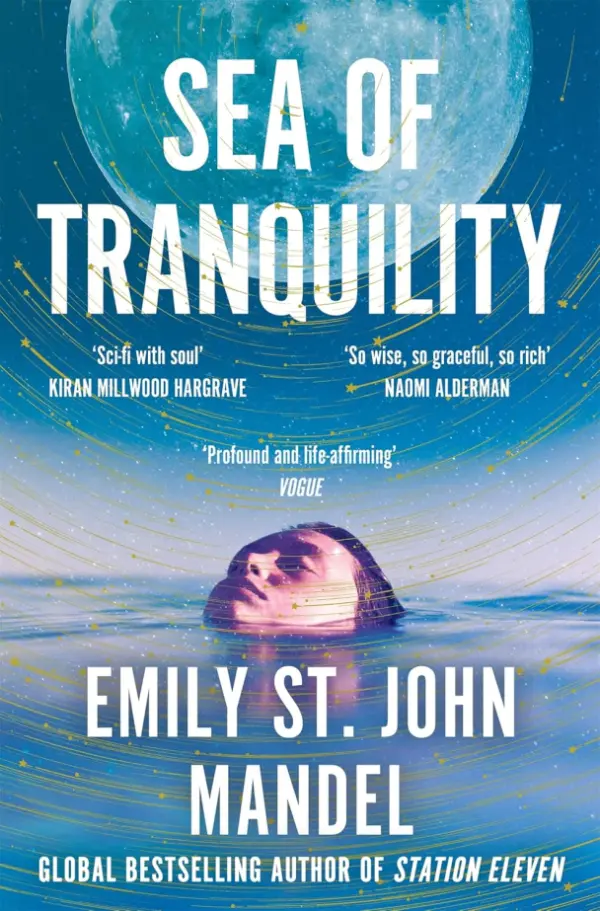
Emily St. John Mandel
Average Goodreads rating4.3
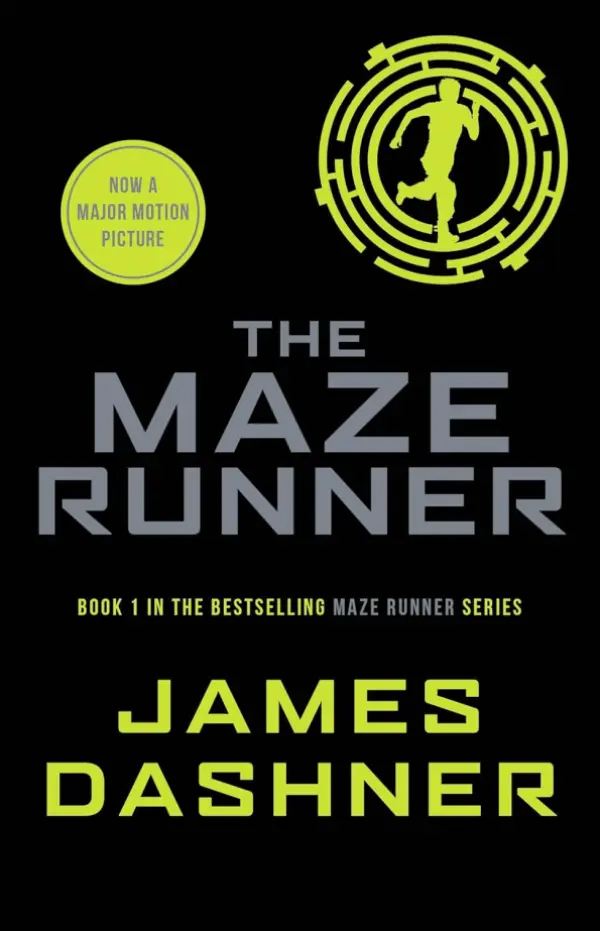
James Dashner
The Maze Runner, book 1
Average Goodreads rating4.5
Buy from Amazon (opens Amazon in a new tab)
Adam Silvera
They Both Die at the End, book 1
Average Goodreads rating4.5
Buy from Amazon (opens Amazon in a new tab)Orson Scott Card is a bestselling American author celebrated for science fiction and fantasy. Known for Ender's Game and Speaker for the Dead, he crafts thought-provoking stories exploring empathy, morality, family, and humanity's place in the universe.
Books, series and tropes by Orson Scott CardEnder's Game
Buy from Amazon (opens Amazon in a new tab)Occasional emails with new recommendations, series news and trope round-ups.