
The Push
Ashley Audrain
Average Goodreads rating4.0
- Domestic Suspense
- Dark Secrets

We independently select and recommend books. Purchases made through our links may earn us a commission, at no extra cost to you. Prices and availability are set by each retailer.
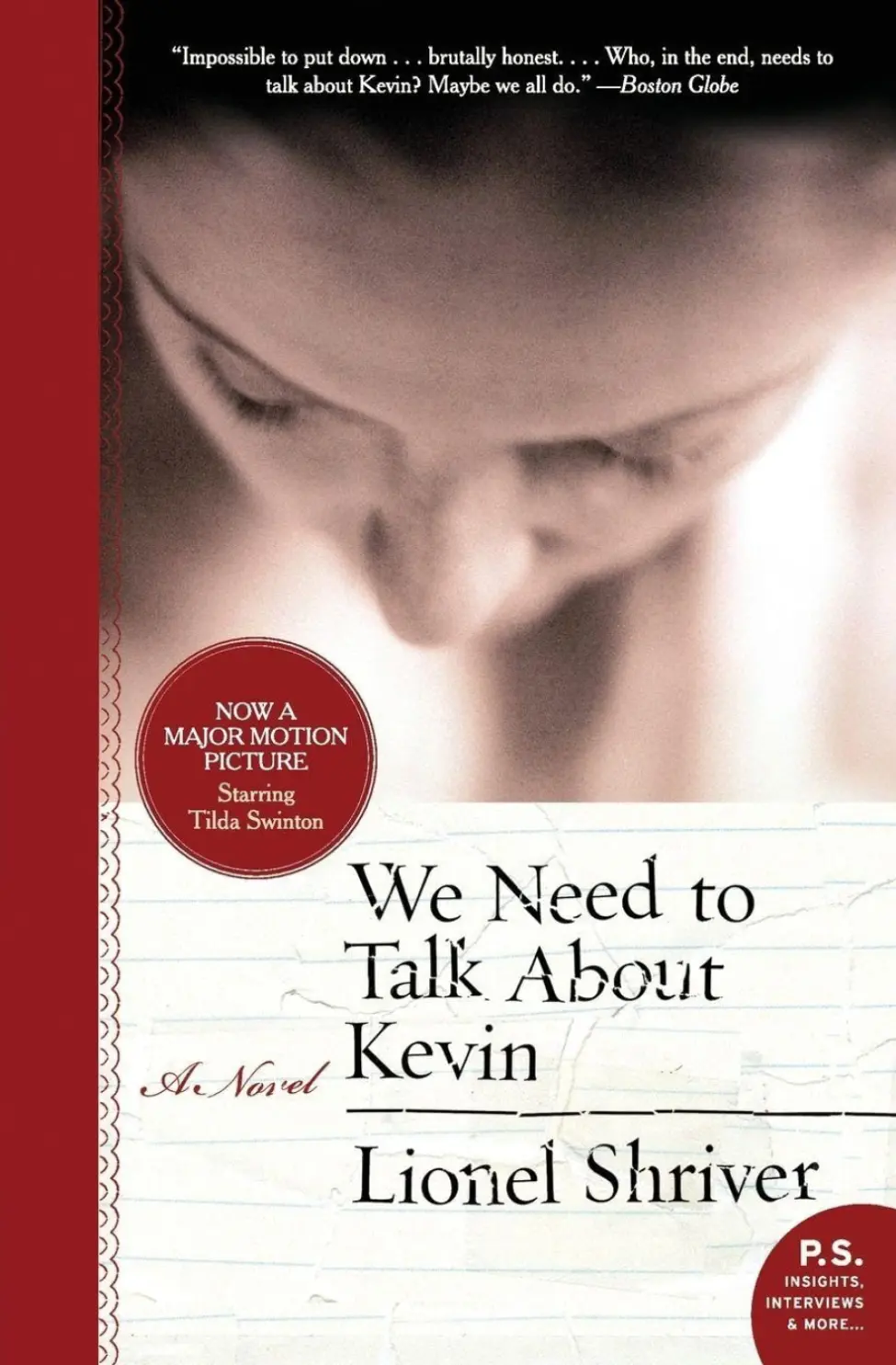
We Need to Talk About Kevin by Lionel Shriver is a literary thriller told through letters a mother writes to her estranged husband, working backwards through her son's childhood in the aftermath of a school massacre he committed at sixteen.
We Need to Talk About Kevin by Lionel Shriver is a standalone literary thriller published in 2003, winner of the 2005 Orange Prize for Fiction and one of the most discussed novels of the last two decades. Adapted into a 2011 film starring Tilda Swinton and Ezra Miller, it remains essential, deeply uncomfortable reading - a book that refuses to make anything easy, including the questions it's asking.
Eva Khatchadourian never felt entirely certain about becoming a mother. She agreed, and she had Kevin, and from the very beginning something between them refused to settle. Not post-natal difficulty, not ordinary first-time anxiety - something specific to the two of them, something Eva could never fully articulate to anyone who didn't already believe her. Kevin was impossible to reach, and impossible to love in the way she'd expected to love a child. Her husband Franklin saw none of it. He saw a normal boy who was inexplicably difficult with his mother, and he chose, again and again, to interpret Kevin's behaviour charitably rather than seriously. Two years after Kevin walked into his school with a crossbow and killed nine people, Eva is writing long, painstaking letters to Franklin - not to explain what happened, but to work backwards through everything that did, trying to figure out how much of it was her fault, and how much of it was always going to be Kevin.
What makes this such a singularly unsettling reading experience is the precision with which Shriver builds the Unreliable Narrator problem at the book's centre. Eva is the only account the reader has access to, and she's painfully aware of her own unreliability - aware that her lifelong ambivalence about Motherhood might have coloured every perception she has of her son, that the coldness she felt from him might have been a reflection of the coldness she showed him first. But she's also aware that this awareness can function as a trap: internalising guilt, softening suspicion, accepting the framing of a marriage where her consistent, specific concerns about Kevin were met with Gaslighting so casual it never needed to be deliberate. Shriver never resolves this. The novel holds both possibilities - that Kevin was always going to become what he became, and that Eva's failures as a mother shaped him into it - in genuine, uncomfortable suspension throughout.
The Multiple Timelines structure - Eva's present-day isolation in a community that considers her complicit, interwoven with long stretches of memory stretching back to before Kevin was born - builds a portrait of a marriage, a family, and a Family Legacy of quietly accumulated damage that lands harder than any single revelation could. The Moral Dilemma Shriver is pressing on is one that conventional thriller plotting can't accommodate: not "who did it" but "why does it matter who is to blame, and does the answer change anything at all?" The Existential Dread that saturates the novel is inseparable from this - the terror isn't the massacre, which the reader knows about from the first page, but the eighteen years of ordinary family life that preceded it.
The New York Times called it "dazzlingly structured," and the Guardian described it as one of the most unflinching novels written about the limits of parental love. Reception has been consistently divided along the line of how much readers are willing to trust Eva - those who read her as a woman processed out of her instincts by a culture that didn't take her seriously tend to find this devastating; those who read her as constitutionally unsuited to motherhood and unreliable about everything tend to find her exhausting. Both responses are, almost certainly, intended.
Ashley Audrain
Average Goodreads rating4.0
Laura Purcell
Average Goodreads rating3.9

Alice Feeney
Average Goodreads rating4.3
John Marrs
Average Goodreads rating4.0

J. P. Delaney
Average Goodreads rating3.7
Shari Lapena
Average Goodreads rating3.8
Still Looking?
Further down our similarity list, but still sharing tropes and genres with this book.
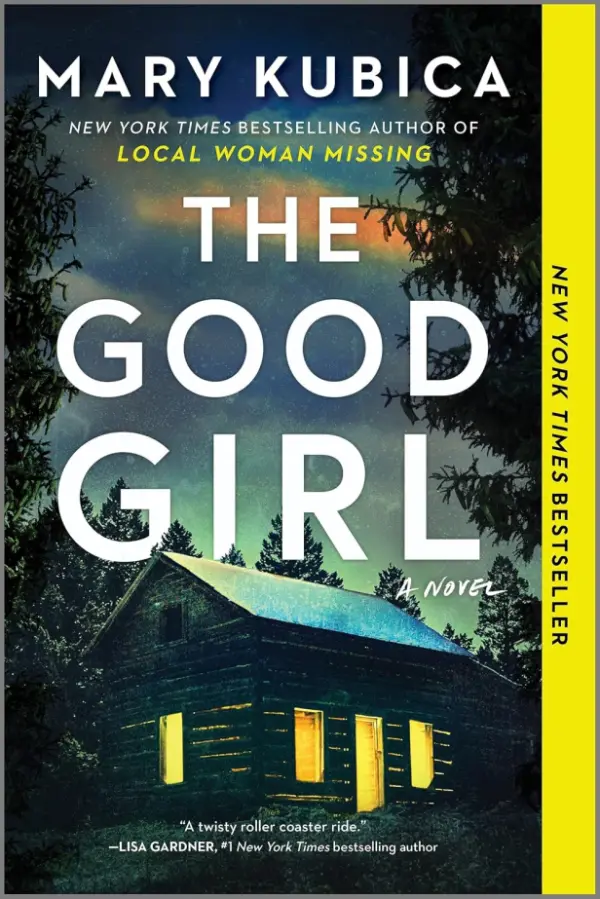
Mary Kubica
Average Goodreads rating3.8
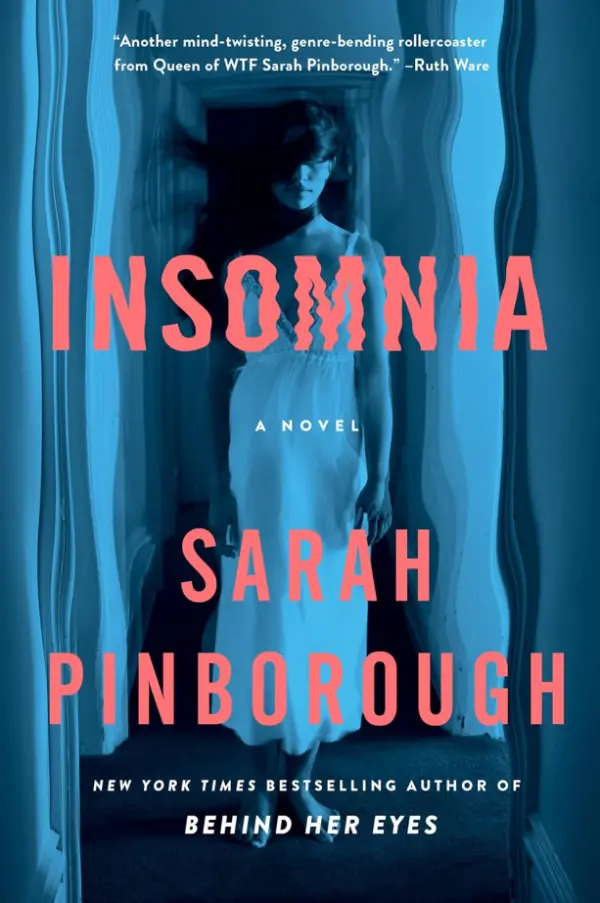
Sarah Pinborough
Average Goodreads rating3.7

Tana French
Dublin Murder Squad, book 3
Average Goodreads rating4.0
American author best known for We Need to Talk About Kevin, winner of the 2005 Orange Prize for Fiction. Known for sharp, provocative literary fiction.
Books, series and tropes by Lionel Shriver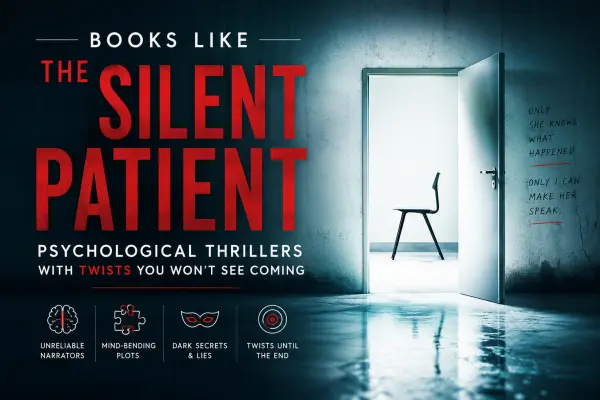
If The Silent Patient's twist left you reeling, discover 13 psychological thrillers with the same unreliable narrators, therapy-room tension, and gasp-out-loud reveals.
We Need to Talk About Kevin
Buy from Amazon (opens Amazon in a new tab)Occasional emails with new recommendations, series news and trope round-ups.