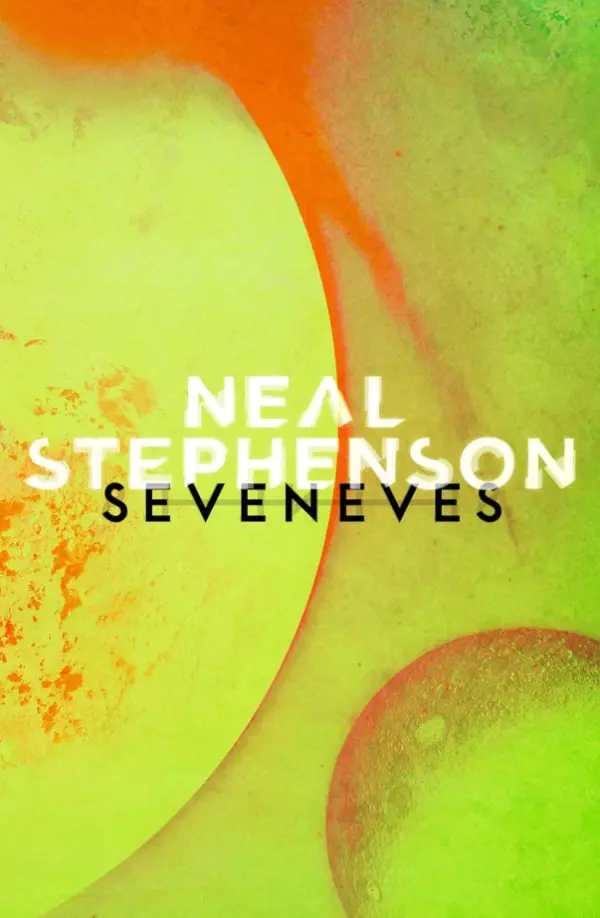
Seveneves
Neal Stephenson
Average Goodreads rating4.2
- Time Travel
- Genetic Engineering

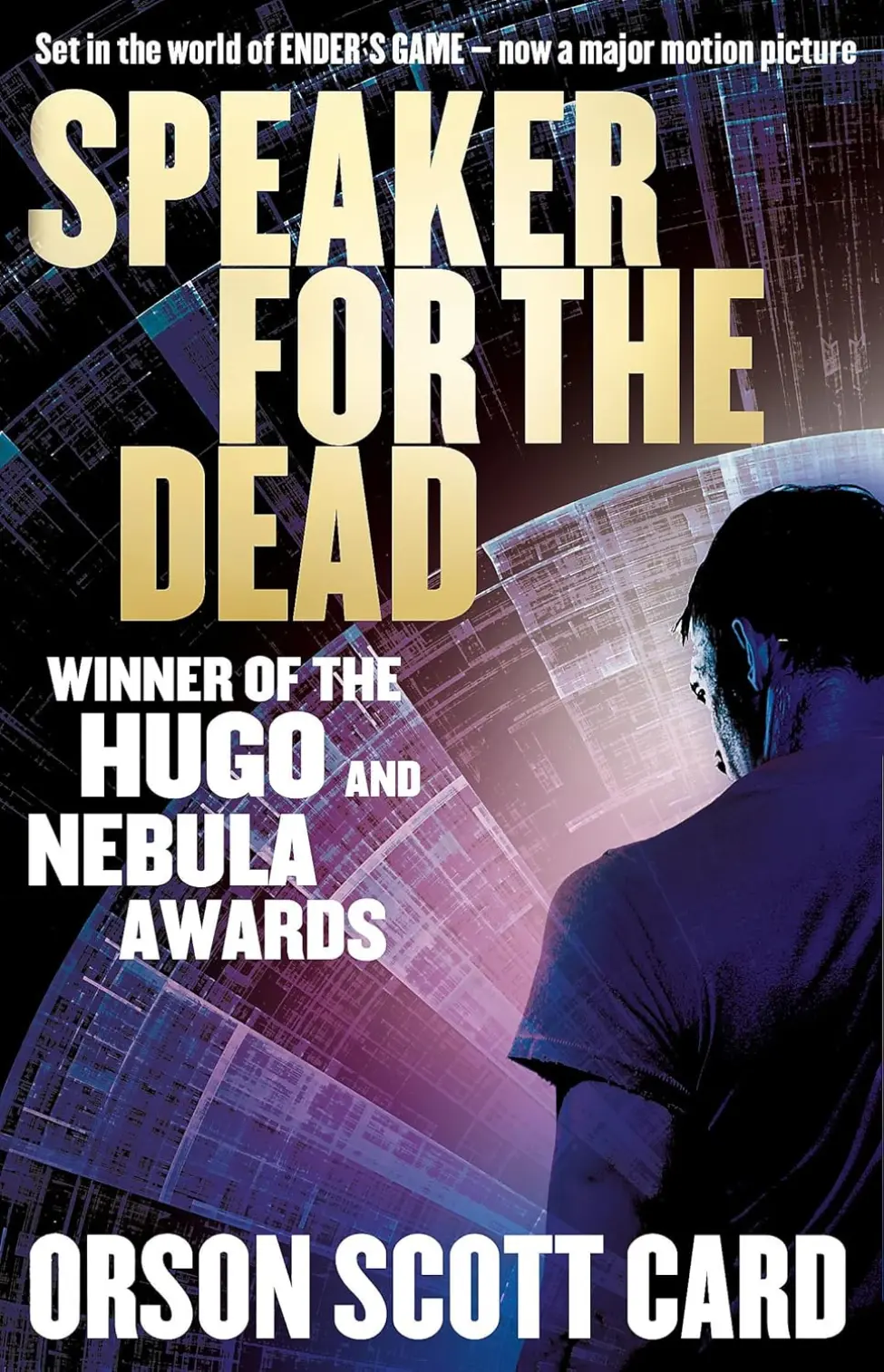
Book 2 in Ender Quintet
We independently select and recommend books. Purchases made through our links may earn us a commission, at no extra cost to you. Prices and availability are set by each retailer.
Speaker for the Dead by Orson Scott Card follows an older Ender Wiggin, now a Speaker for the Dead, called to a world where humans and an alien species coexist uneasily. This Hugo and Nebula-winning novel explores empathy, moral responsibility, and understanding across species.
Tagged on the series as a whole, so not every book will feature each one.
Speaker for the Dead is Orson Scott Card's 1986 masterpiece that won both the Hugo and Nebula Awards - the only novel besides Ender's Game to achieve this feat in consecutive years. Set 3,000 years after the events of Ender's Game, this profound novel transforms Card's universe from military science fiction into philosophical literary fiction, examining what it truly means to understand another being. Widely considered Card's greatest work and one of science fiction's most intellectually ambitious novels, Speaker for the Dead proves the genre can tackle moral philosophy, religious theology, and deep questions about consciousness whilst remaining emotionally compelling and accessible.
The novel opens with a devastating prologue: a young Pequeno (Piggy) named Pipo, a xenologist studying the alien species, is killed by them in a ritualistic ceremony involving the removal of his skin and organs. This shocking event - which occurred years before the main narrative - establishes the central mystery driving the plot and the fundamental misunderstanding between species that Card will spend the entire novel examining.
Andrew "Ender" Wiggin is now middle-aged, though biologically much younger - relativistic space travel between colonies slows his aging whilst decades pass on each world he visits. He's become a Speaker for the Dead, a profession he essentially created: someone called to speak the complete, unflinching truth about a deceased person's life at their funeral. Unlike eulogies that sanitize and idealize, a Speaker reveals everything - the good, the terrible, the complicated - believing that understanding a life honestly honours it more than comfortable lies.
Ender is called to Lusitania, a Portuguese Catholic colony where humans have coexisted uneasily with the Pequenos for decades. The colony's xenologists study the Pequenos whilst Catholic authorities demand the aliens be treated as beings with souls deserving moral consideration. When another xenologist is killed by the Pequenos in the same ritualistic manner as Pipo, Ender must speak for the dead whilst simultaneously unravelling the mystery of why the Pequenos kill humans who approach them in friendship.
Card builds the novel around multiple interconnected storylines. Novinha Mayer, the dead xenologist's colleague and the woman who called Ender, carries decades of guilt and trauma connected to Pipo's death. Her family - her sons, her complicated relationship with Ender, her Catholic faith - provides emotional grounding whilst exploring how grief and guilt shape lives across generations. Miro, her eldest son and xenologist, desperately wants to understand the Pequenos and feels the colony's cautious approach wastes precious opportunity.
The Pequenos themselves are Card's triumph - genuinely alien beings whose biology, culture, and worldview differ fundamentally from human understanding. Their ritualistic killing isn't cruelty but something far more complex, connected to their unique biology and reproduction. Card reveals this truth gradually, through Ender's investigation and the xenologists' research, building toward revelations that transform understanding of the species entirely.
The novel weaves Catholic theology throughout - Lusitania is devoutly Catholic, and Card explores how religious faith interacts with scientific discovery, moral philosophy, and the question of whether alien species possess souls. The theological discussions aren't decorative but integral to the plot and themes, examining how faith shapes moral perception and whether humanity's religious frameworks can accommodate radically different forms of consciousness.
Card's central argument - that true understanding requires empathy deep enough to love - runs through every element. Ender's ability to understand others (what drove his success in Ender's Game) becomes not weapon but moral imperative. Understanding the Pequenos means loving them, which means accepting they're fundamentally different whilst still deserving moral consideration. This theme extends to human relationships: Ender's Speaking for the Dead reveals how understanding people honestly, even uncomfortably, honours them more than comfortable ignorance.
The revelation about Pequeno biology - which won't be spoiled - transforms the novel's moral landscape. What seemed like murder becomes something entirely different when understood through alien biology and culture. Card uses this revelation to examine how humans project their own values onto others, assuming alien behaviour must follow human logic and morality.
Supporting characters add depth: Bishop Perreira representing institutional Catholic authority; the Hive Queen, last surviving Formic whom Ender has been nurturing since Ender's Game; and various colony members whose responses to the Pequenos reveal different approaches to understanding versus fearing otherness.
The novel's structure builds slowly, prioritizing character development and philosophical exploration over action. Card rewards patient readers with one of science fiction's most intellectually satisfying conclusions - a resolution that doesn't solve problems but transforms understanding of them.
Themes of empathy as moral imperative, understanding versus judging, religious faith and scientific discovery, guilt across generations, what it means to truly know another being, species interaction and moral consideration, and whether humanity can learn from past genocide run throughout.
Neal Stephenson
Average Goodreads rating4.2
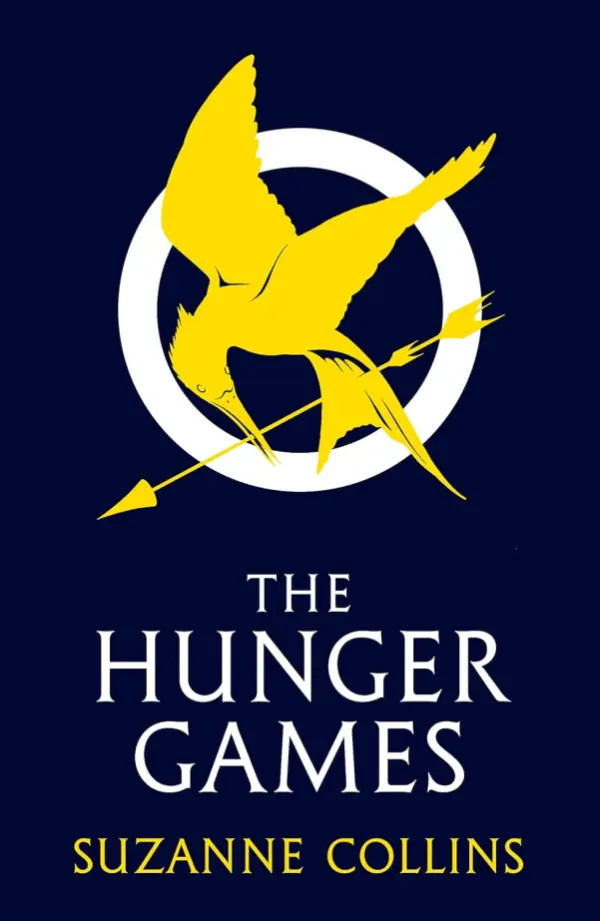
Suzanne Collins
Hunger Games, book 1
Average Goodreads rating4.7
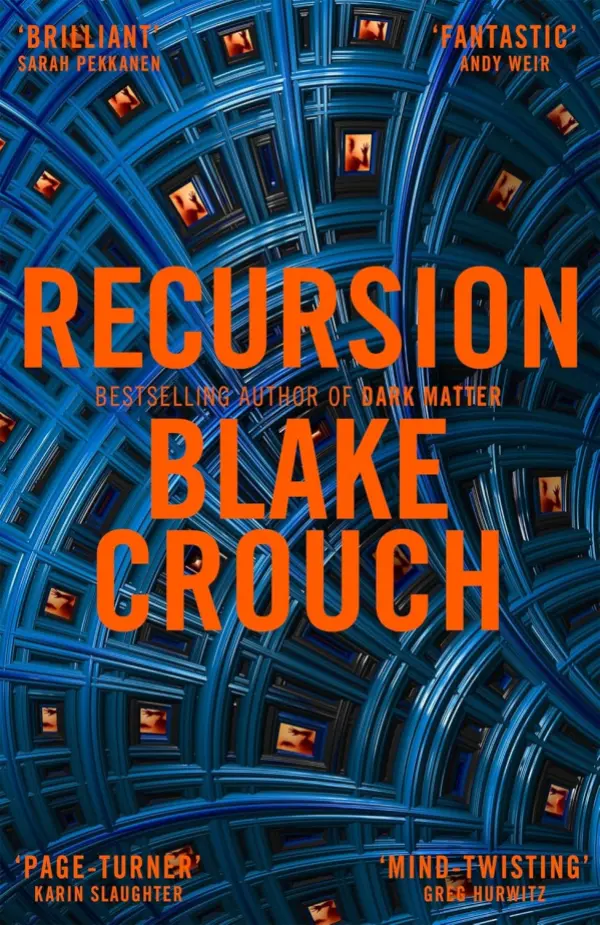
Blake Crouch
Average Goodreads rating4.4

Jay Kristoff
LIFEL1K3, book 1
Average Goodreads rating4.3

Adam Silvera
They Both Die at the End, book 1
Average Goodreads rating4.5

Christopher Ruocchio
The Sun Eater, book 1
Average Goodreads rating4.3
Still Looking?
Further down our similarity list, but still sharing tropes and genres with this book.

Neal Shusterman
Arc of a Scythe, book 1
Average Goodreads rating4.5
Buy from Amazon (opens Amazon in a new tab)
James Dashner
The Maze Runner, book 1
Average Goodreads rating4.5
Buy from Amazon (opens Amazon in a new tab)
Emily St. John Mandel
Average Goodreads rating4.1
Orson Scott Card is a bestselling American author celebrated for science fiction and fantasy. Known for Ender's Game and Speaker for the Dead, he crafts thought-provoking stories exploring empathy, morality, family, and humanity's place in the universe.
Books, series and tropes by Orson Scott CardSpeaker for the Dead
Buy from Amazon (opens Amazon in a new tab)Occasional emails with new recommendations, series news and trope round-ups.