
Scythe
Neal Shusterman
Arc of a Scythe, book 1
Average Goodreads rating4.5

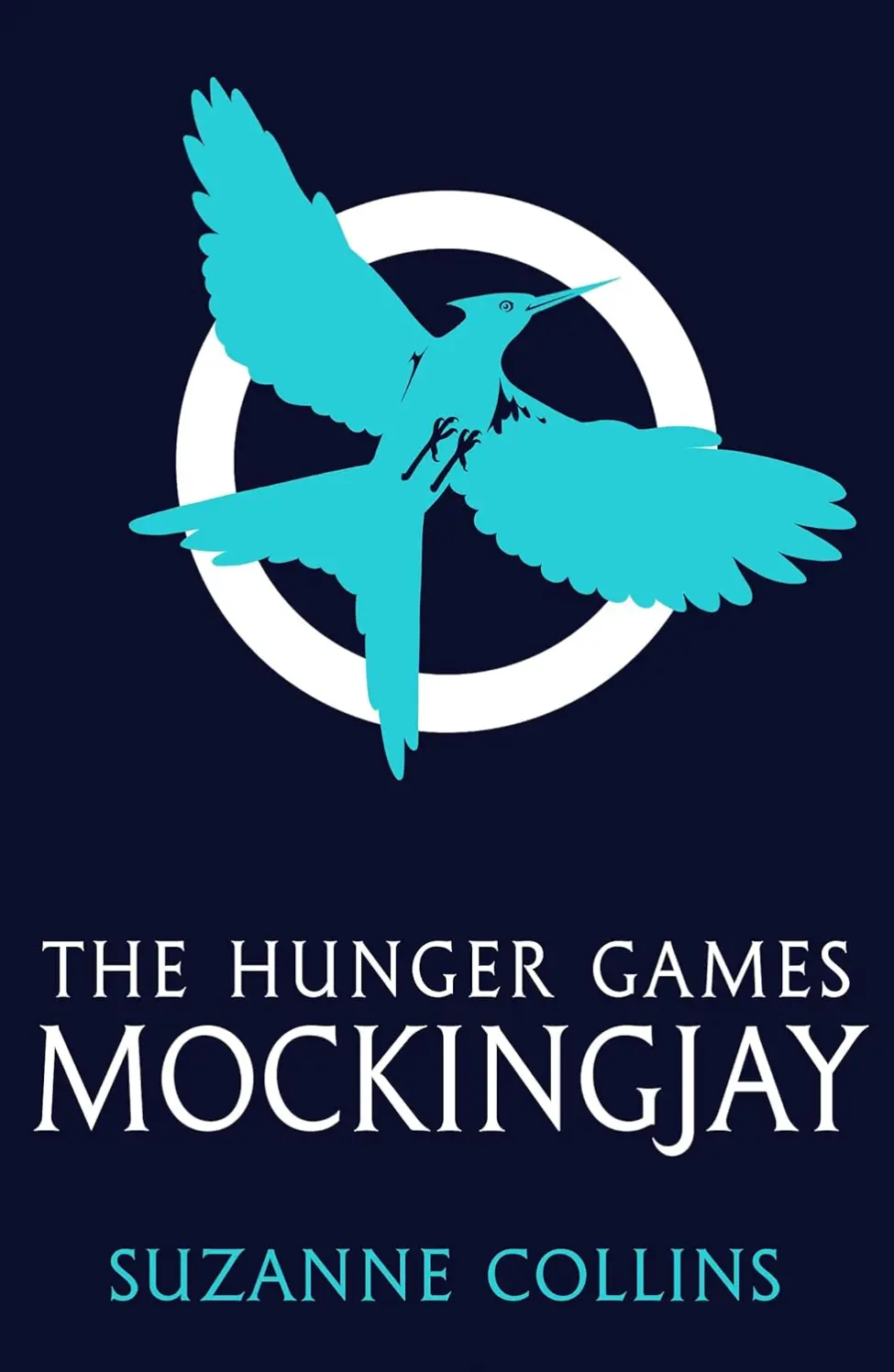
Book 3 in Hunger Games
We independently select and recommend books. Purchases made through our links may earn us a commission, at no extra cost to you. Prices and availability are set by each retailer.
Mockingjay by Suzanne Collins concludes The Hunger Games with a stark look at war, propaganda, and trauma - where survival gives way to moral reckoning.
Tagged on the series as a whole, so not every book will feature each one.
Mockingjay by Suzanne Collins is the final novel in The Hunger Games trilogy, delivering a sobering, unflinching conclusion to Panem’s descent into all-out war. Where the earlier books examined survival and symbolic rebellion, this installment confronts the aftermath - exploring how violence reshapes societies, movements, and the people caught within them.
Following the destruction of the arena and the revelation of organised resistance, Panem fractures into open conflict between the Capitol and the districts. Katniss Everdeen becomes the Mockingjay, a revolutionary symbol weaponised by the resistance. Collins interrogates propaganda and image-making, showing how rebellion mirrors the tactics of the regime it opposes. Katniss is no longer fighting to survive an arena; she is fighting to retain agency in a war that demands performance over truth.
A central theme of Mockingjay is the psychological cost of war. Trauma dominates the narrative. Characters struggle with post-traumatic stress, grief, and emotional numbness, challenging conventional depictions of heroism. Violence is depicted as chaotic and indiscriminate, eroding certainty and compassion alike. Collins refuses catharsis through spectacle, instead emphasizing loss and disillusionment.
The novel offers a sharp critique of power and moral compromise. Leaders on both sides justify manipulation and sacrifice as necessary for victory, revealing how easily ideals are corrupted by expediency. Collins dismantles simplistic good-versus-evil narratives, presenting war as a system that consumes ethics along with lives. Victory, when it comes, is hollow - measured against the cost paid by the vulnerable.
Media remains a pervasive force. Carefully staged broadcasts and scripted messages shape public perception, turning suffering into strategy. Katniss’s discomfort with this manipulation underscores the novel’s focus on consent and autonomy, highlighting how even resistance can strip individuals of choice.
Relationships are strained by fear and grief. Love becomes complicated by survival instincts and emotional exhaustion, and trust is repeatedly tested. Collins explores healing after violence, suggesting that recovery is uneven, private, and often incomplete. Hope, when present, is quiet and tentative rather than triumphant.
The prose is stark and controlled, mirroring the emotional landscape of the story. Collins’ restraint amplifies impact, allowing moments of devastation to resonate without embellishment. The pacing reflects the grind of warfare - long stretches of tension punctuated by sudden loss.
Mockingjay is ideal for readers who appreciate Science Fiction that confronts uncomfortable truths about conflict and power. Grim, reflective, and morally complex, the novel closes The Hunger Games with a powerful message: overthrowing tyranny does not end suffering, but choosing compassion afterward may prevent its return.
Neal Shusterman
Arc of a Scythe, book 1
Average Goodreads rating4.5
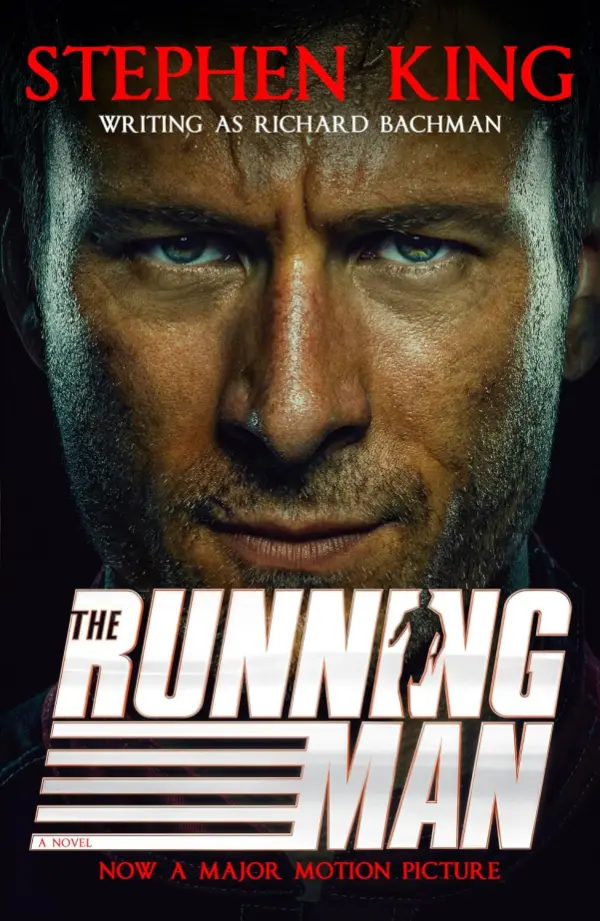
Stephen King & Richard Bachman
Average Goodreads rating4.3

Blake Crouch
The Wayward Pines Trilogy, book 1
Average Goodreads rating4.1
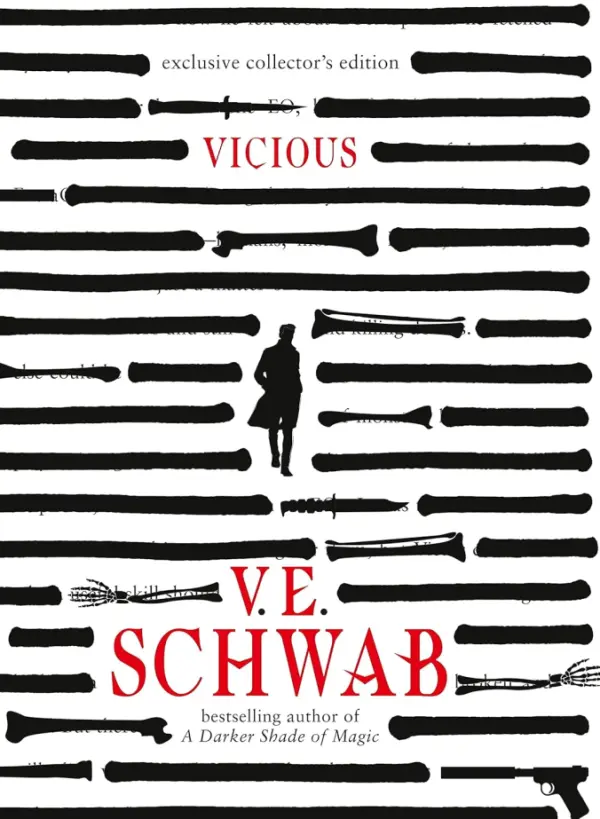
V. E. Schwab
Villains, book 1
Average Goodreads rating4.2

Cormac McCarthy
Average Goodreads rating4.4
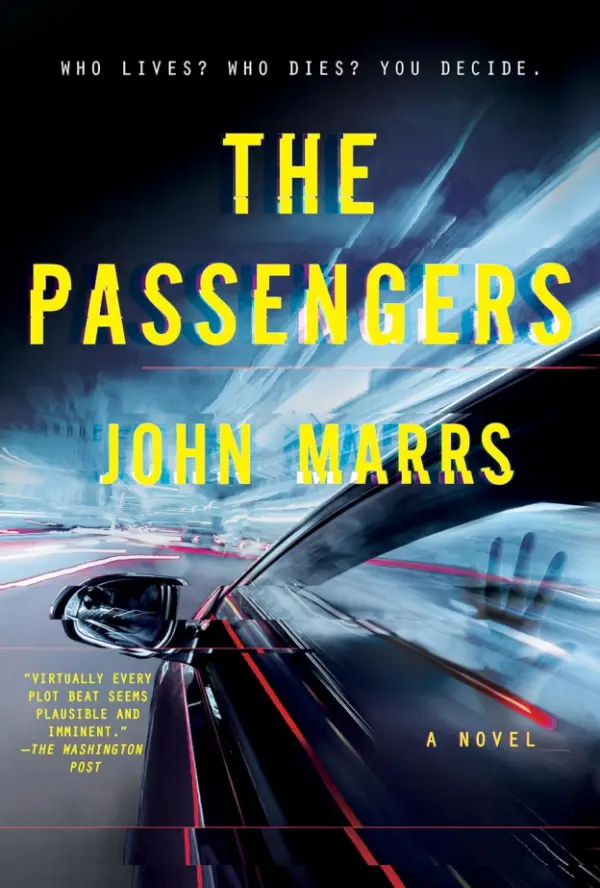
John Marrs
Average Goodreads rating4.1
Still Looking?
Further down our similarity list, but still sharing tropes and genres with this book.
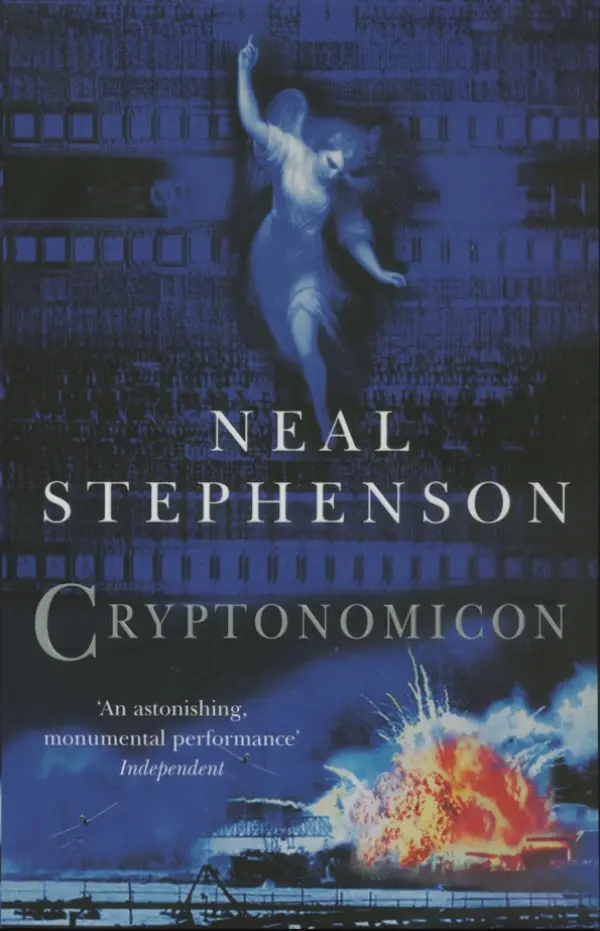
Neal Stephenson
Average Goodreads rating4.5
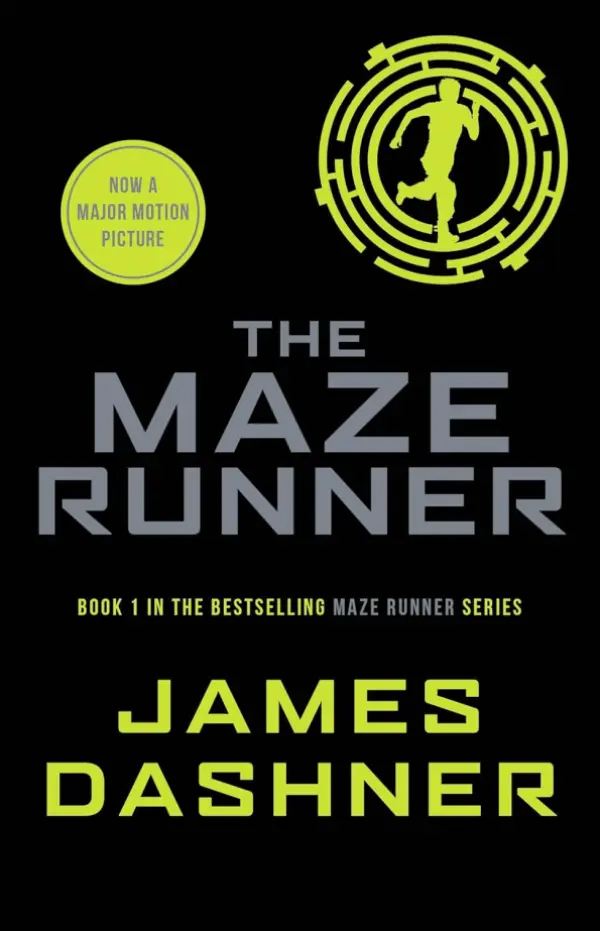
James Dashner
The Maze Runner, book 1
Average Goodreads rating4.5
Buy from Amazon (opens Amazon in a new tab)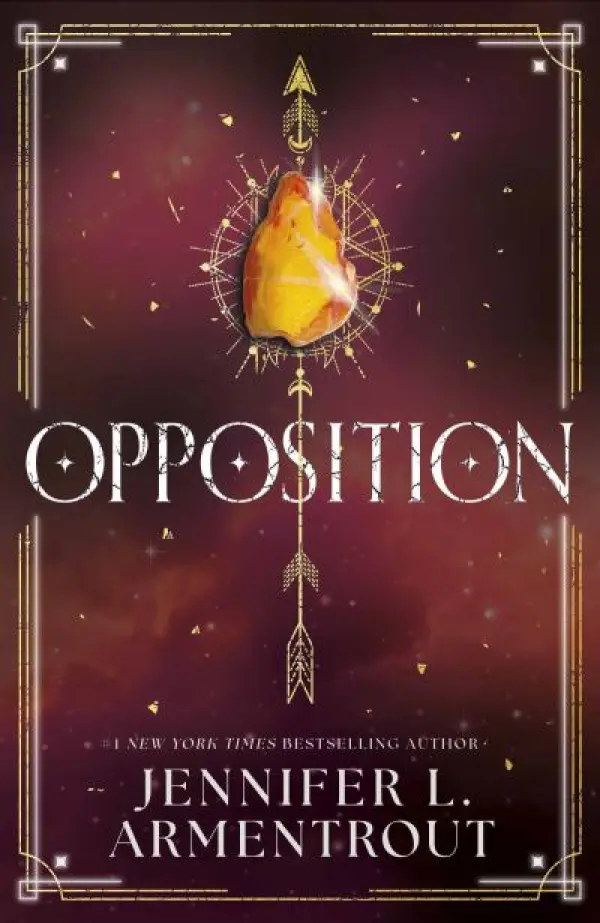
Jennifer L. Armentrout
Lux, book 5
Average Goodreads rating4.2
Suzanne Collins is a bestselling author known for dystopian science fiction that explores power, propaganda, and survival, most famously in The Hunger Games series.
Books, series and tropes by Suzanne CollinsMockingjay
Buy from Amazon (opens Amazon in a new tab)Occasional emails with new recommendations, series news and trope round-ups.