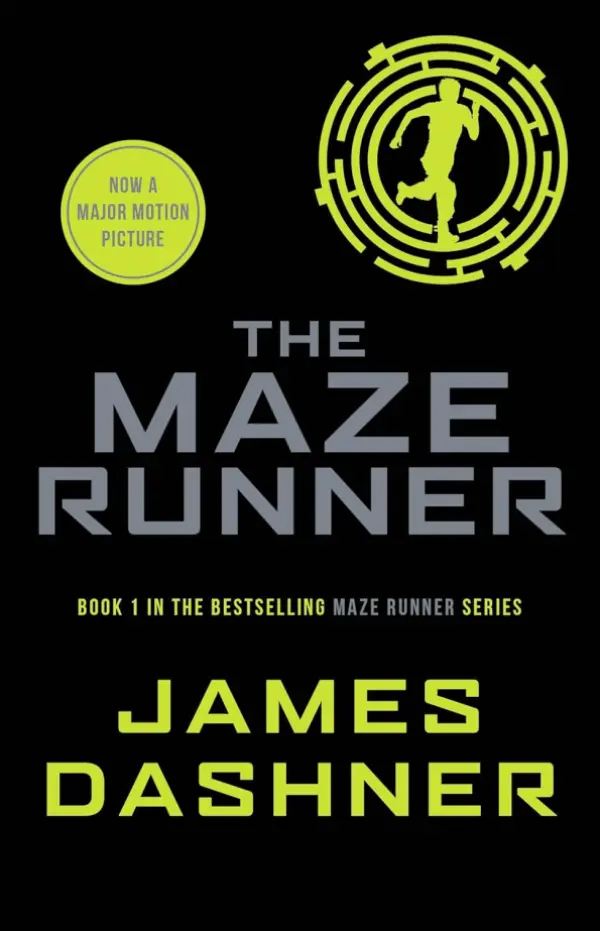
The Maze Runner
James Dashner
The Maze Runner, book 1
Average Goodreads rating4.5

We independently select and recommend books. Purchases made through our links may earn us a commission, at no extra cost to you. Prices and availability are set by each retailer.
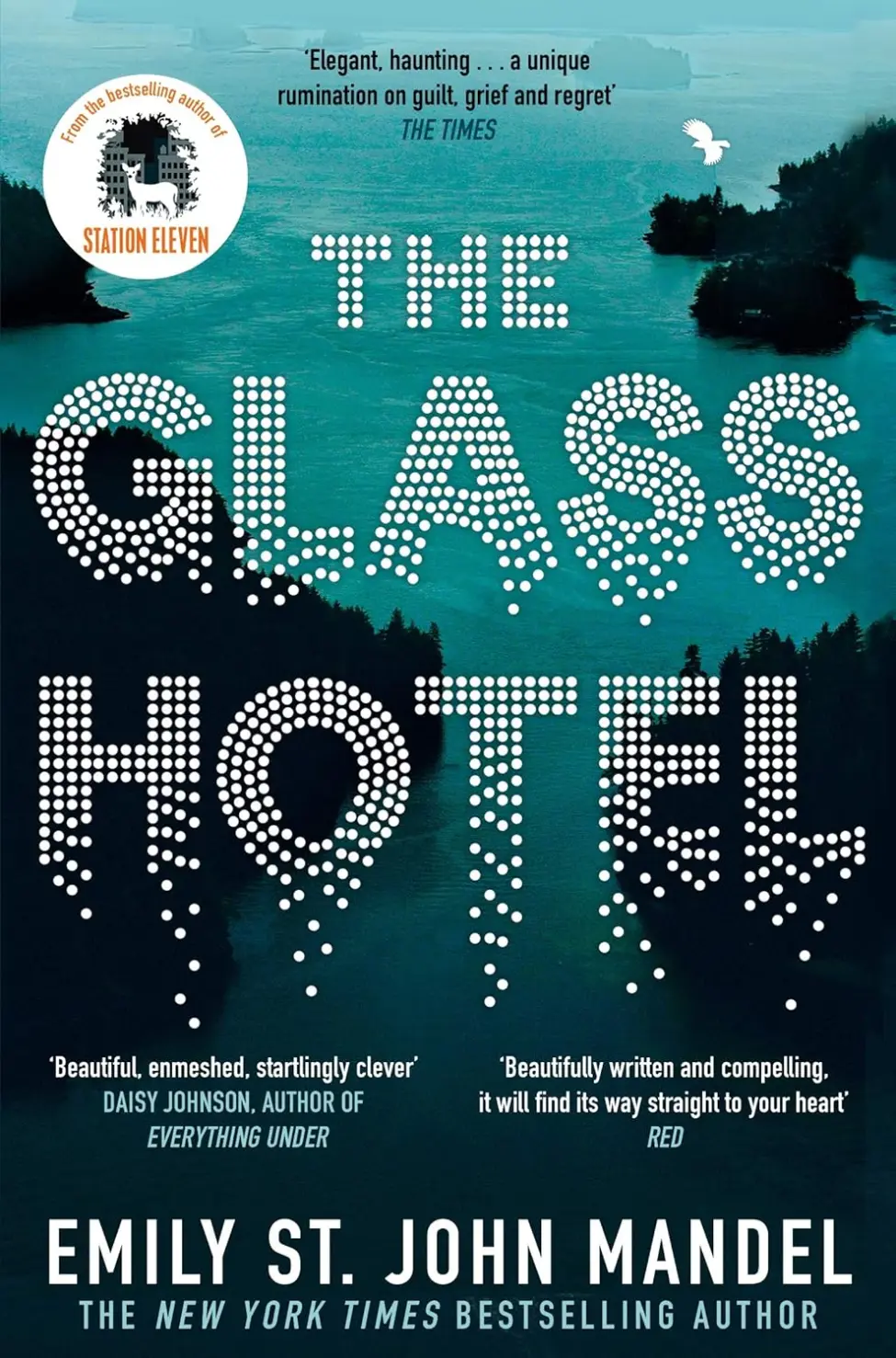
The Glass Hotel by Emily St. John Mandel is a literary thriller about money, guilt, and interconnected lives, spanning luxury, fraud, and quiet collapse.
The Glass Hotel by Emily St. John Mandel is a haunting work of literary Science Fiction and speculative fiction that examines greed, responsibility, and the unseen consequences of financial collapse. Moving fluidly across time and place, the novel connects a cast of characters whose lives intersect around a massive financial fraud, revealing how private choices ripple outward in unpredictable ways.
The story begins at a remote luxury hotel on Vancouver Island, a place of glass walls and ocean views that becomes both a literal and symbolic center of the novel. When a mysterious message appears - “Why don’t you swallow broken glass” - it foreshadows the moral reckoning to come. Mandel uses this moment to signal her central concern: the hidden costs of wealth and exploitation.
At the heart of the novel is a charismatic financier whose Ponzi scheme devastates countless lives. Rather than focusing on courtroom drama or sensational exposure, Mandel explores the aftermath - the quiet ruin left behind when money vanishes and trust collapses. Victims, perpetrators, and bystanders are all drawn into the fallout, blurring lines between innocence and complicity.
A defining feature of The Glass Hotel is its interconnected narrative structure. Mandel shifts between perspectives and timelines, following characters across continents and decades. These movements reveal how lives touch briefly and then diverge, linked by shared events even when relationships remain distant. The novel suggests that modern existence is shaped less by direct action than by invisible systems - financial, social, and technological.
Themes of guilt and moral responsibility run throughout the book. Characters grapple with their proximity to wrongdoing, questioning whether benefiting indirectly from corruption constitutes participation. Mandel resists simple judgments, instead presenting ethical ambiguity as a defining feature of contemporary life.
The novel also incorporates subtle speculative elements, including the concept of a “counterlife” - an imagined version of reality where different choices were made. These moments echo Mandel’s broader interest in alternate paths and memory, reinforcing the idea that identity is shaped as much by unrealised possibilities as by lived experience.
Mandel’s prose is restrained, elegant, and atmospheric. She excels at creating mood through small details: reflections in glass, the silence of the ocean, the isolation of life at sea aboard container ships. These settings underscore the novel’s emotional distance, emphasizing alienation within global systems.
While The Glass Hotel lacks overt apocalypse, it shares thematic DNA with Station Eleven. Both novels examine aftermath rather than catastrophe itself, focusing on how people adapt to loss - whether of civilisation or financial security. In this sense, the novel reads as a quiet study of collapse without spectacle.
The Glass Hotel is ideal for readers who enjoy Science Fiction and literary fiction that interrogate modern systems with subtlety and depth. Elegant, unsettling, and reflective, the novel asks a simple but devastating question: when systems fail, who truly bears the cost?
James Dashner
The Maze Runner, book 1
Average Goodreads rating4.5

Blake Crouch
The Wayward Pines Trilogy, book 1
Average Goodreads rating4.1
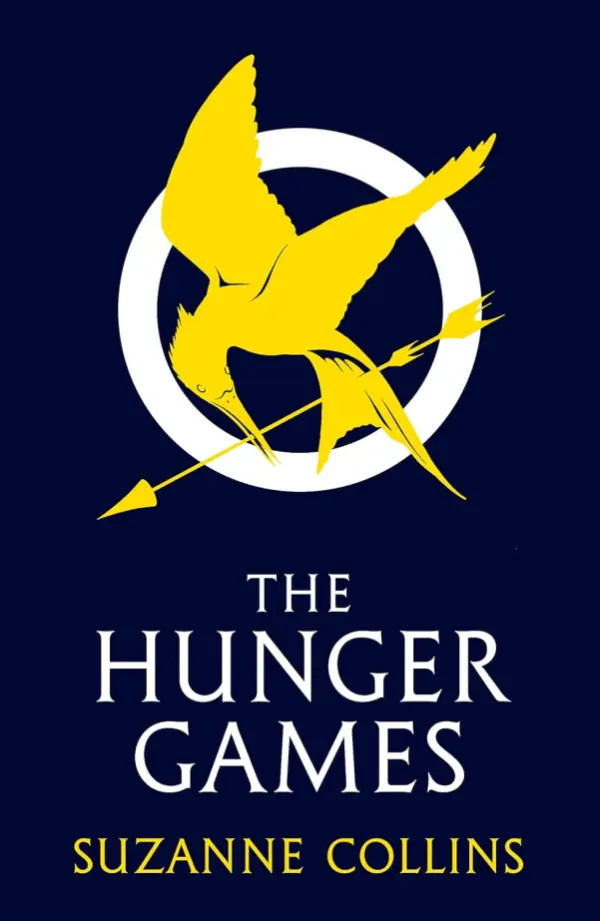
Suzanne Collins
Hunger Games, book 1
Average Goodreads rating4.7

Neal Shusterman
Arc of a Scythe, book 1
Average Goodreads rating4.5
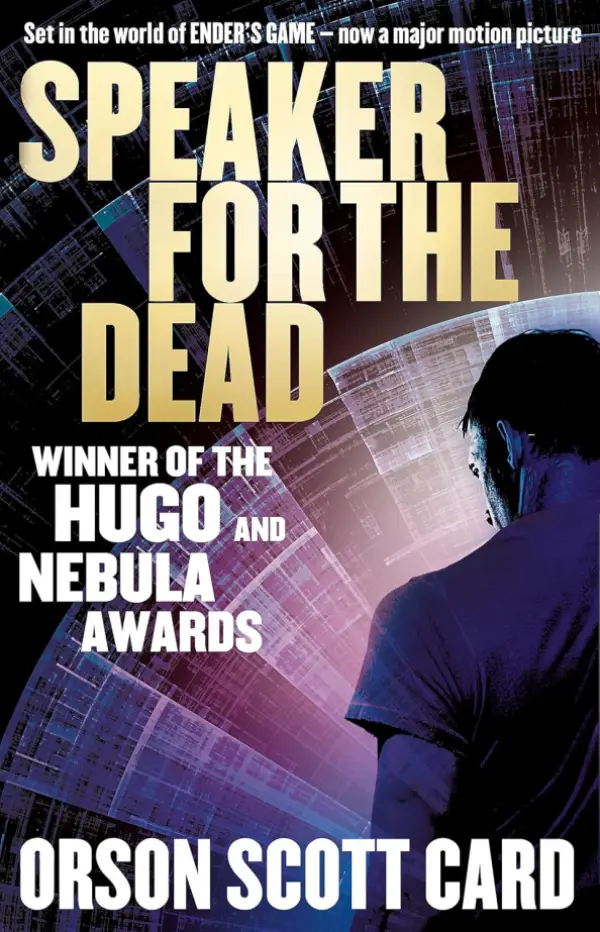
Orson Scott Card
Ender Quintet, book 2
Average Goodreads rating4.5

Agustina Bazterrica
Average Goodreads rating4.0
Still Looking?
Further down our similarity list, but still sharing tropes and genres with this book.
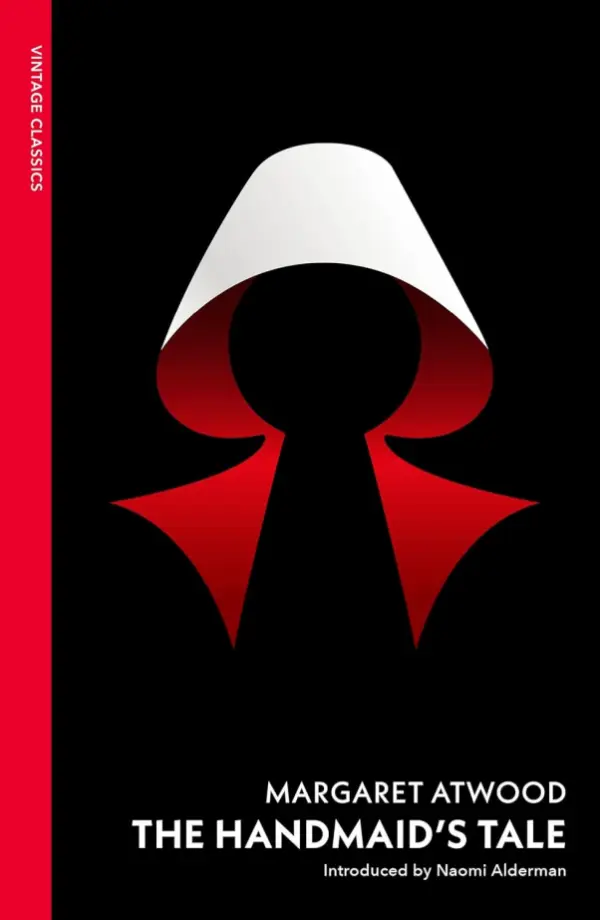
Margaret Atwood
The Handmaid's Tale, book 1
Average Goodreads rating4.4
Buy from Amazon (opens Amazon in a new tab)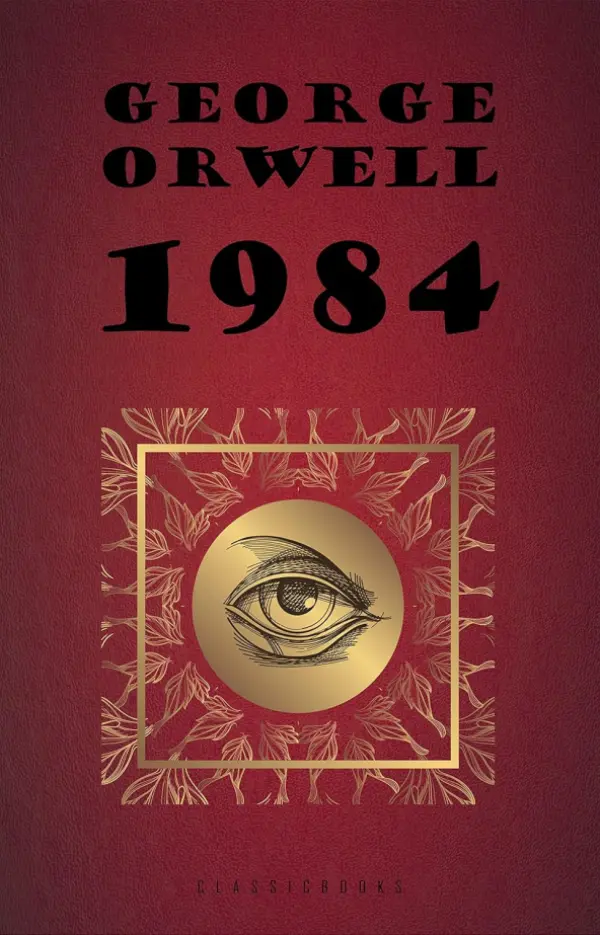
George Orwell
Average Goodreads rating4.4

Tahereh Mafi
Shatter Me, book 1
Average Goodreads rating4.2
Buy from Amazon (opens Amazon in a new tab)Emily St. John Mandel is an acclaimed author of literary speculative fiction, known for elegant, interconnected novels exploring art, memory, and survival.
Books, series and tropes by Emily St. John MandelThe Glass Hotel
Buy from Amazon (opens Amazon in a new tab)Occasional emails with new recommendations, series news and trope round-ups.