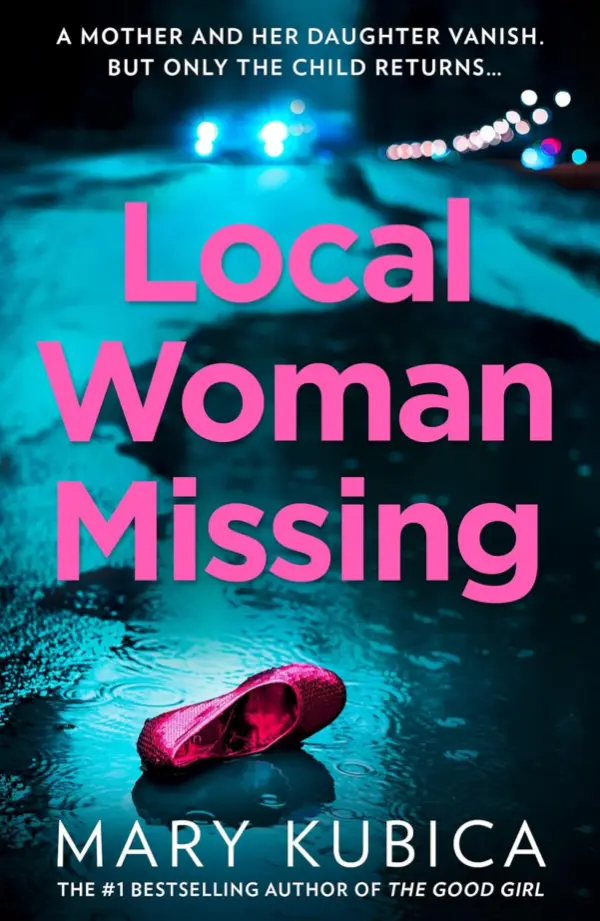
Local Woman Missing
Mary Kubica
Average Goodreads rating4.1
- Multiple POV
- Domestic Suspense

Book trope · 62 books
A twist ending is exactly what it sounds like — and yet describing it barely scratches the surface of what one actually does to a reader. It's a revelation in the final pages, sometimes the final lines, that recontextualises everything that came before.
More about the Twist Ending trope50 are tagged with Twist Ending individually. The others belong to a series tagged with it, which doesn’t mean every book in it features the trope, so they’re marked “Matched via its series”.
Updating books…
62 books found
Mary Kubica
Average Goodreads rating4.1
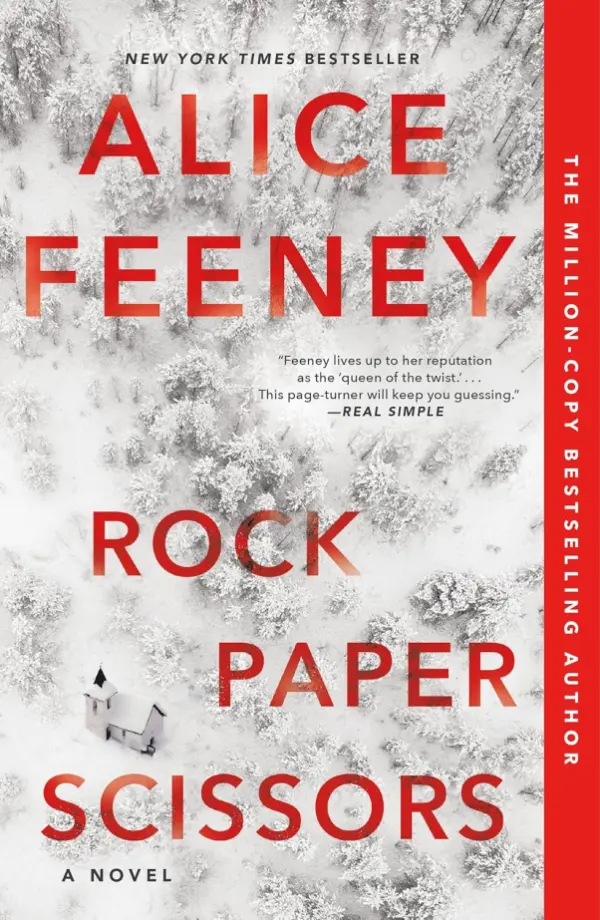
Alice Feeney
Average Goodreads rating3.9
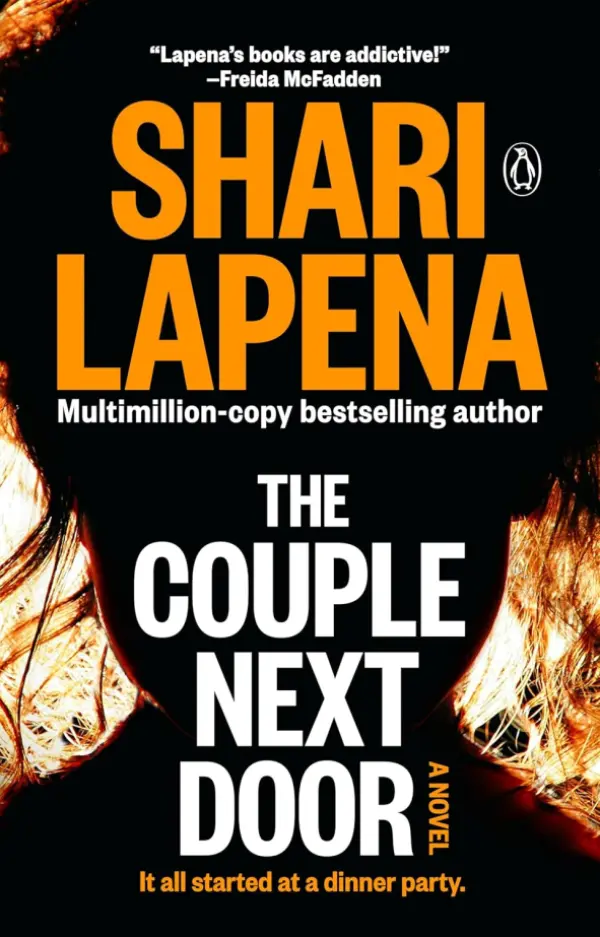
Shari Lapena
Average Goodreads rating3.8
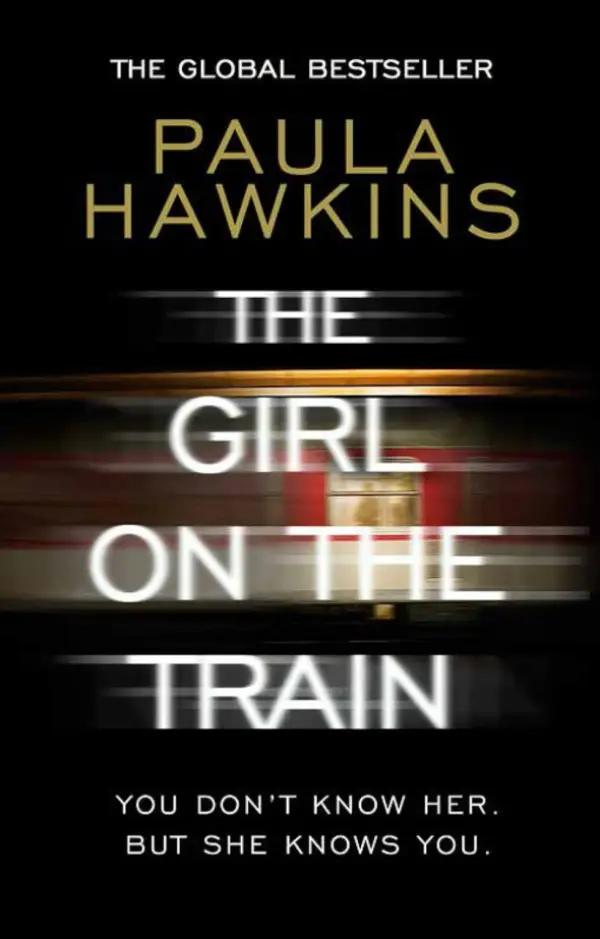
Paula Hawkins
Average Goodreads rating4.1
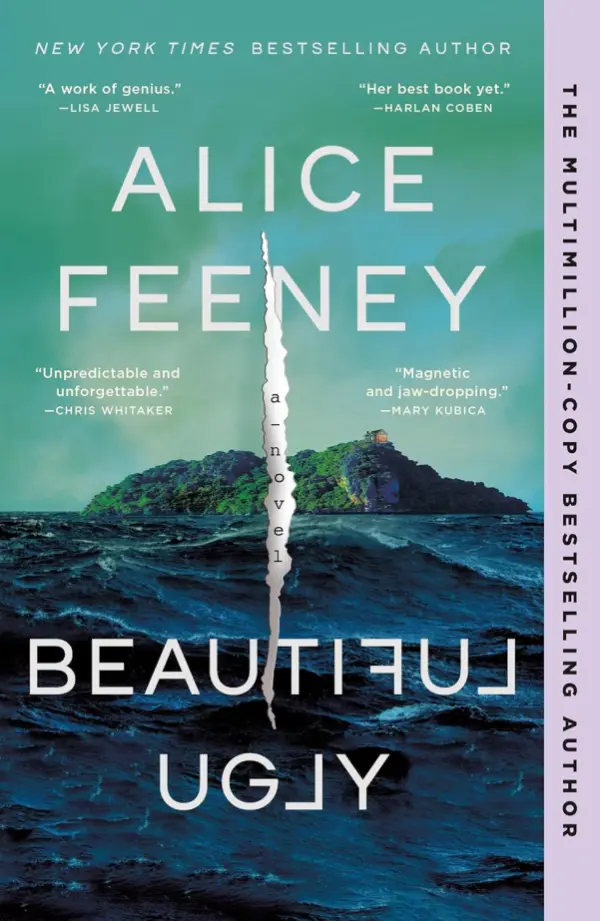
Alice Feeney
Average Goodreads rating3.6
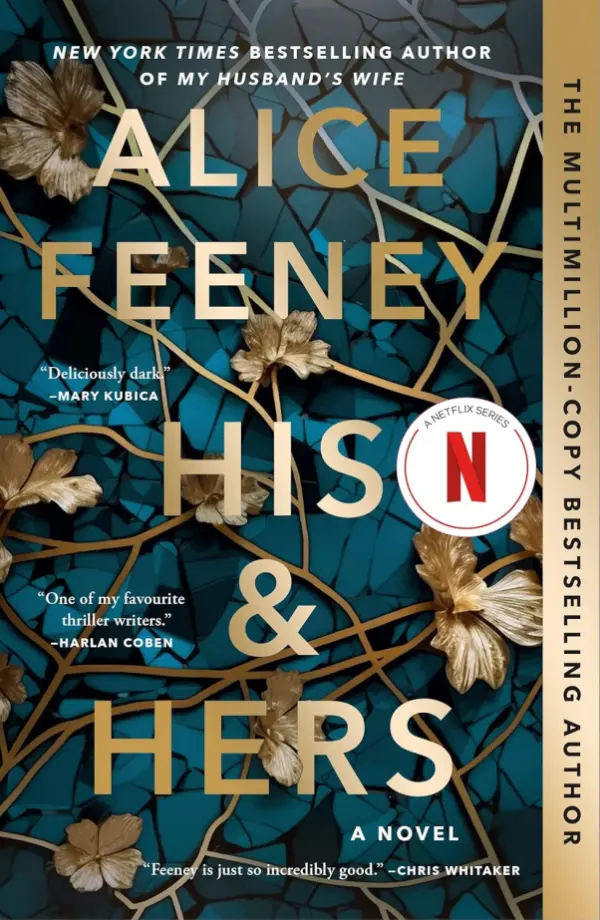
Alice Feeney
Average Goodreads rating4.1
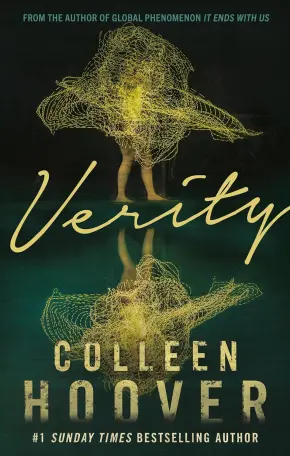
Colleen Hoover
Average Goodreads rating4.5
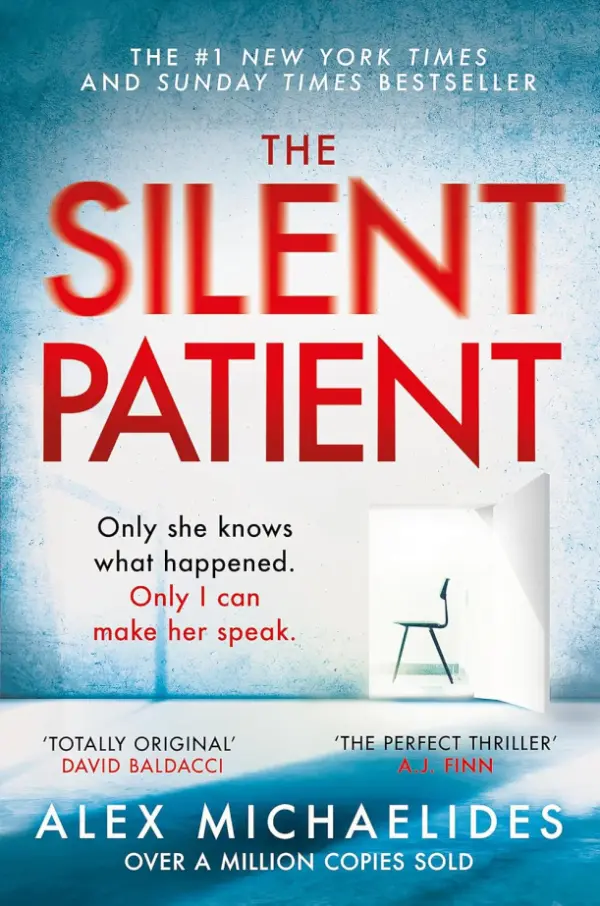
Alex Michaelides
Average Goodreads rating4.3
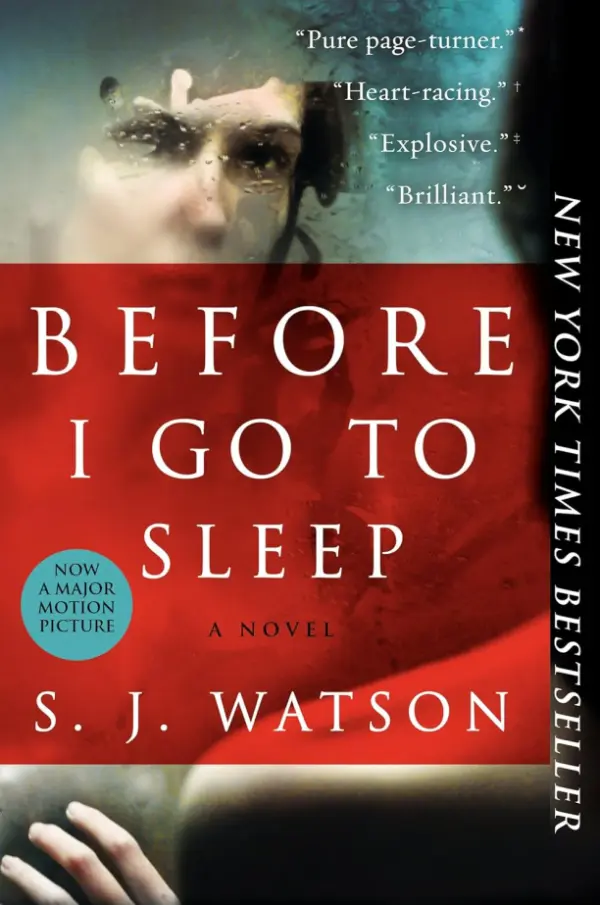
S. J. Watson
Average Goodreads rating3.9
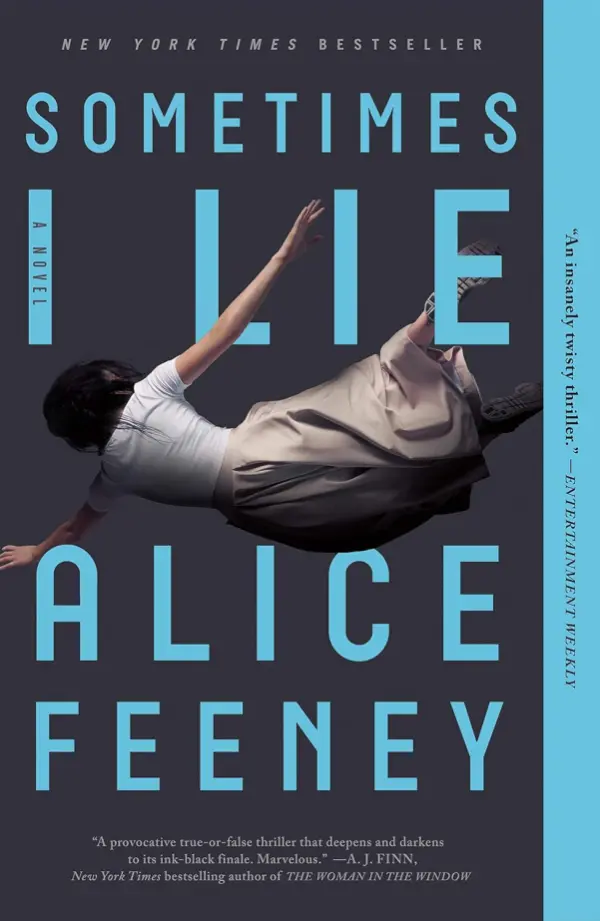
Alice Feeney
Average Goodreads rating3.7
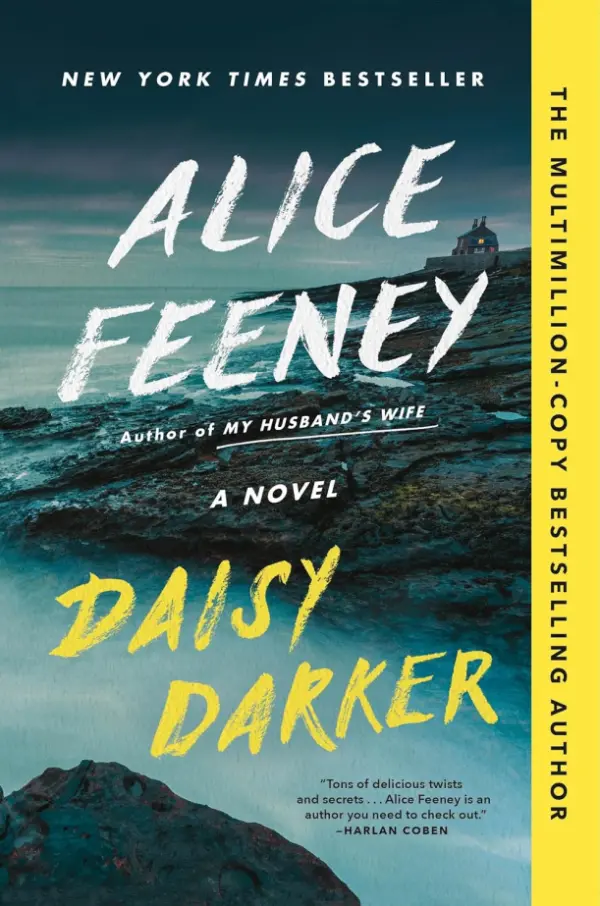
Alice Feeney
Average Goodreads rating3.8
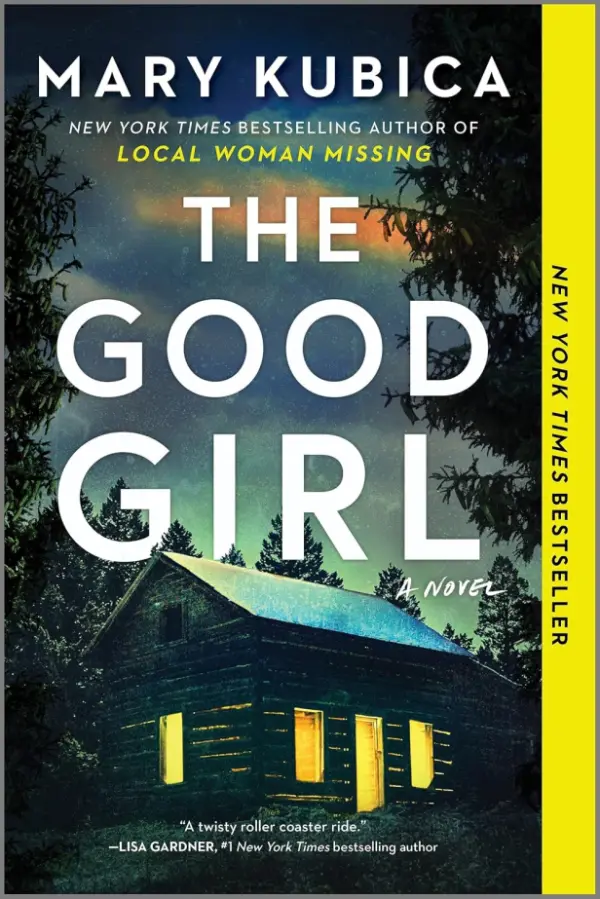
Mary Kubica
Average Goodreads rating3.8
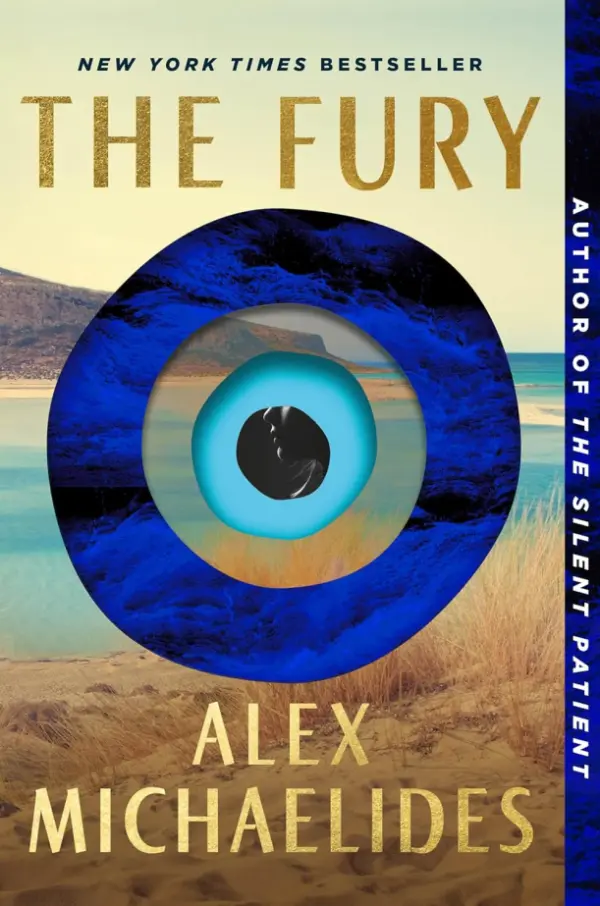
Alex Michaelides
Average Goodreads rating3.4
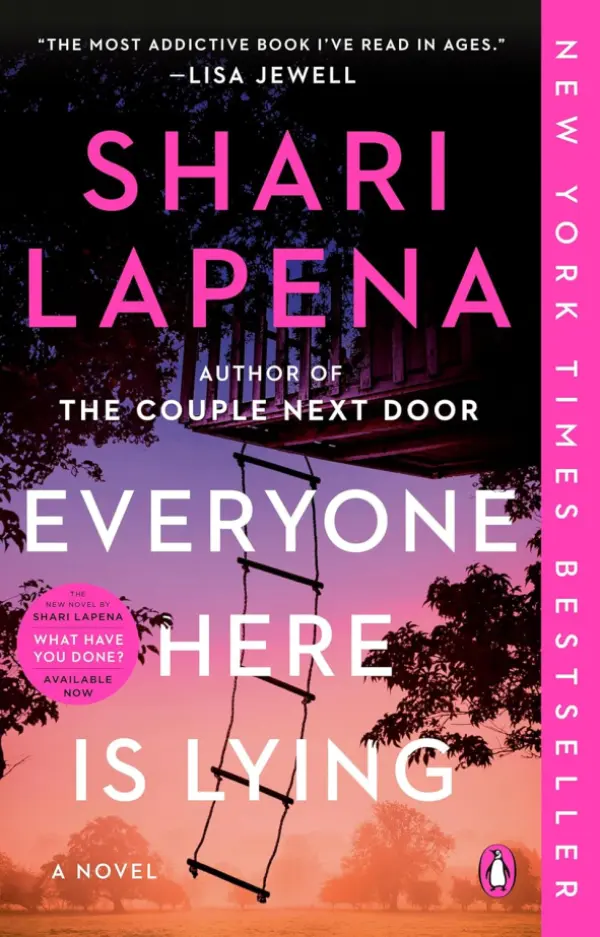
Shari Lapena
Average Goodreads rating3.8
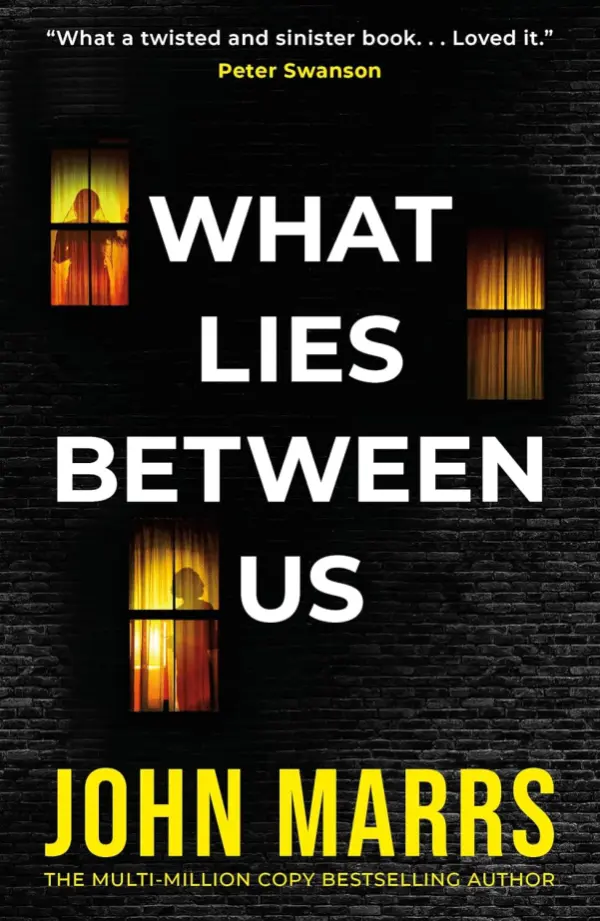
John Marrs
Average Goodreads rating4.0
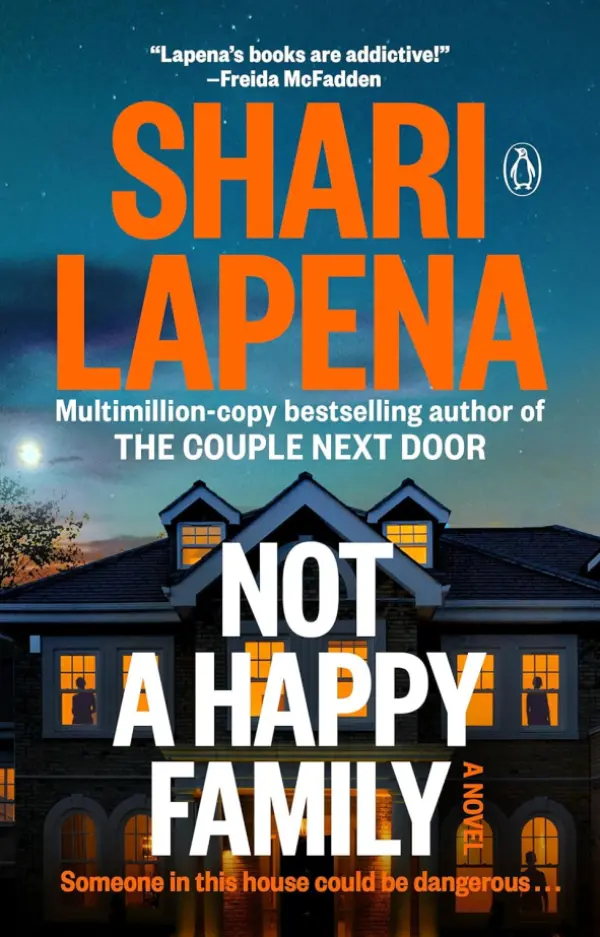
Shari Lapena
Average Goodreads rating3.8
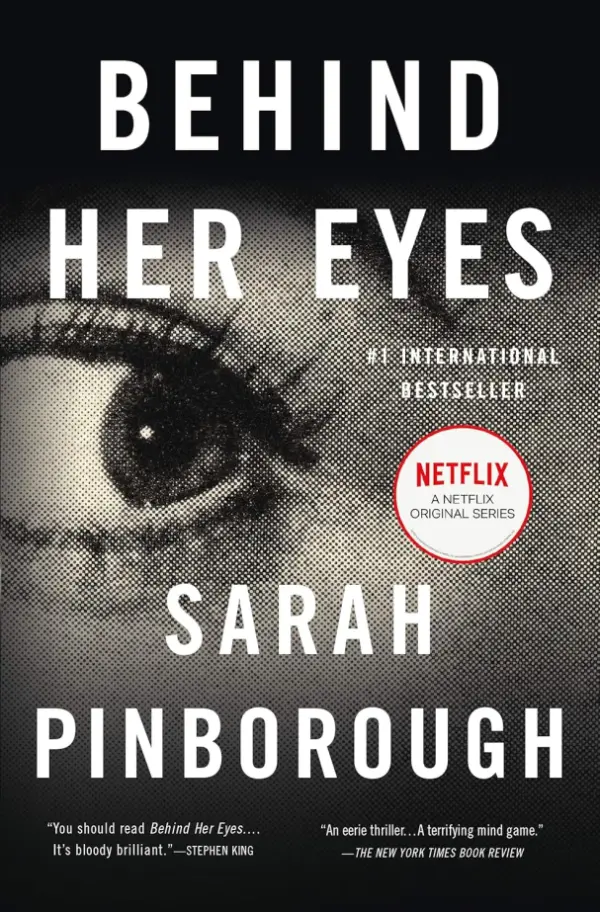
Sarah Pinborough
Average Goodreads rating3.8
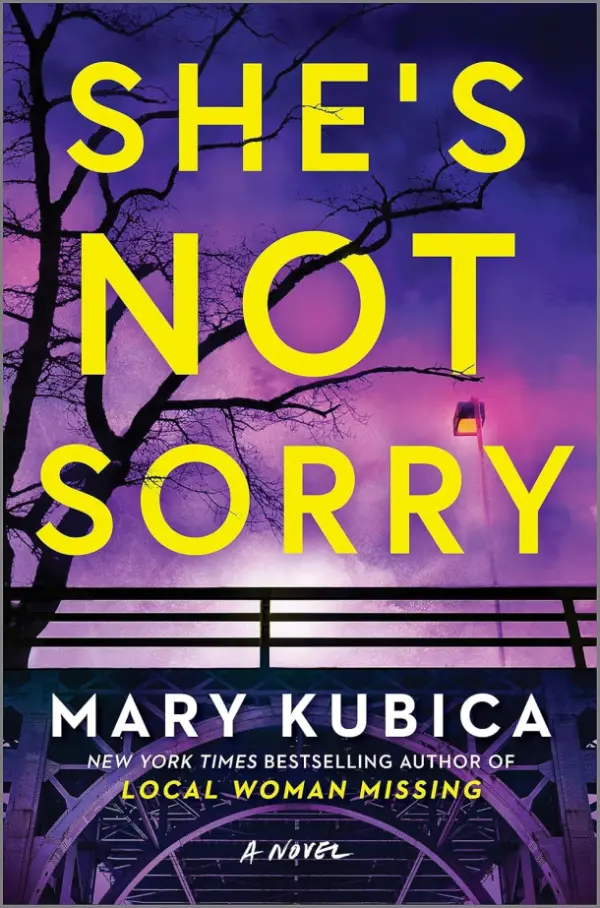
Mary Kubica
Average Goodreads rating3.8
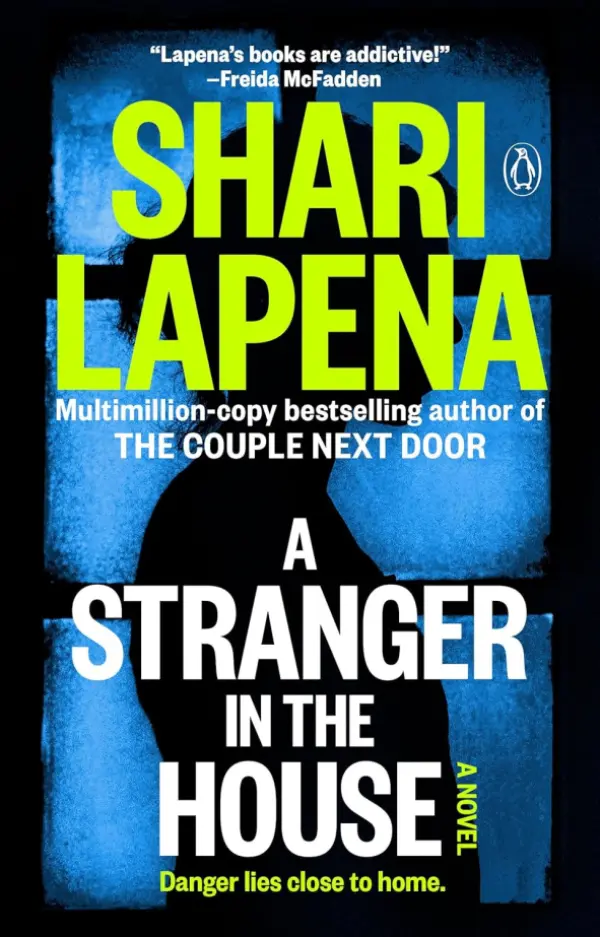
Shari Lapena
Average Goodreads rating3.7
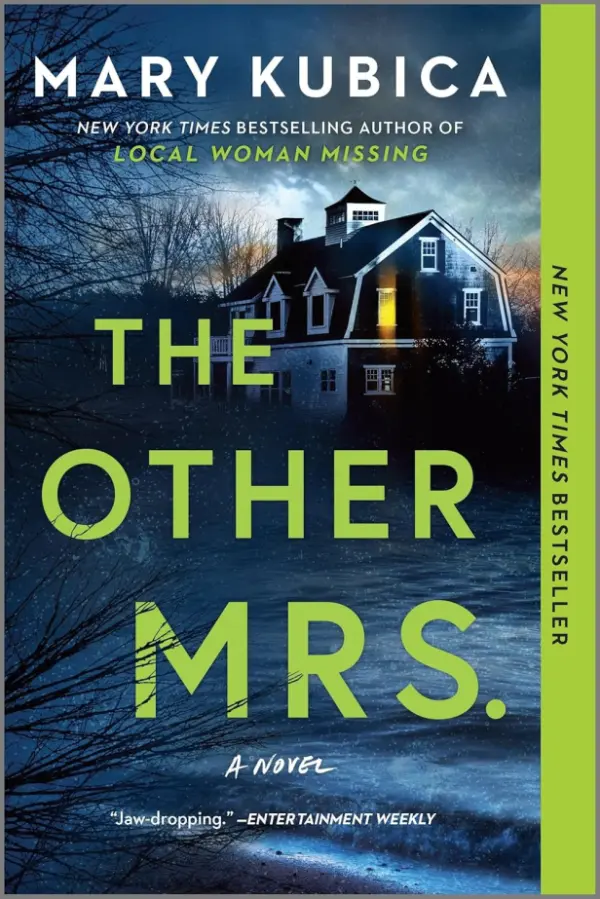
Mary Kubica
Average Goodreads rating3.7
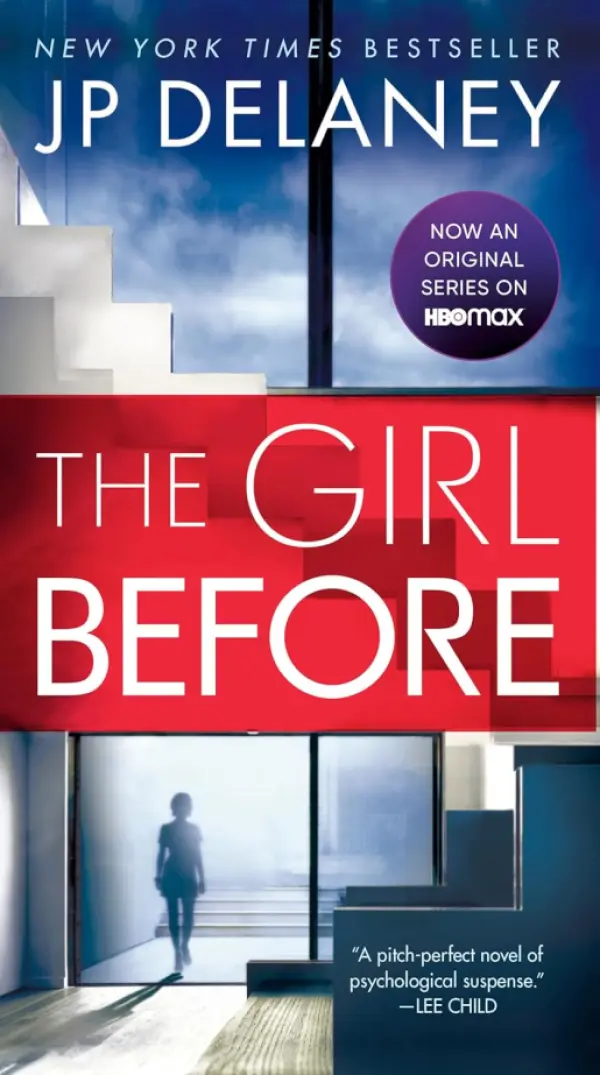
J. P. Delaney
Average Goodreads rating3.7
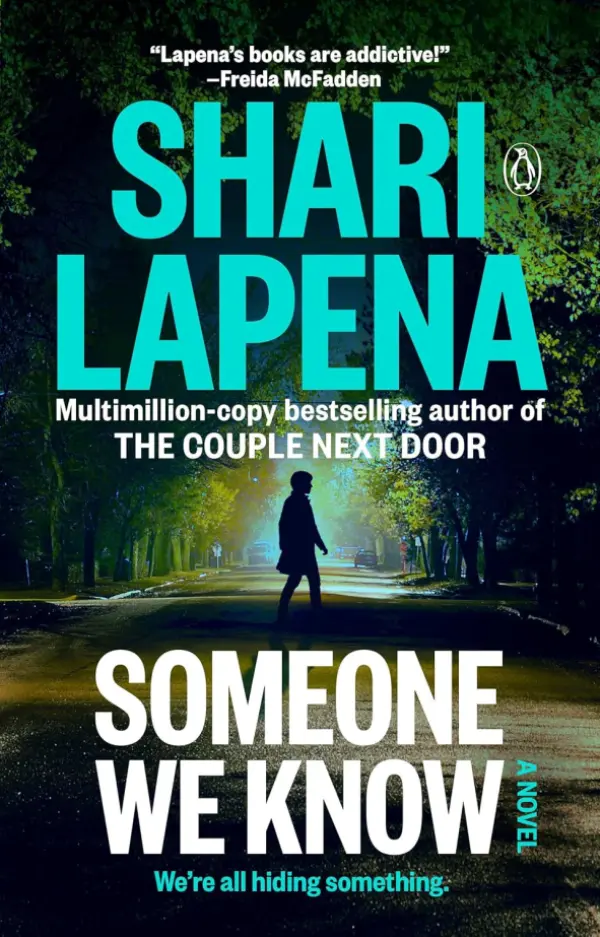
Shari Lapena
Average Goodreads rating3.9
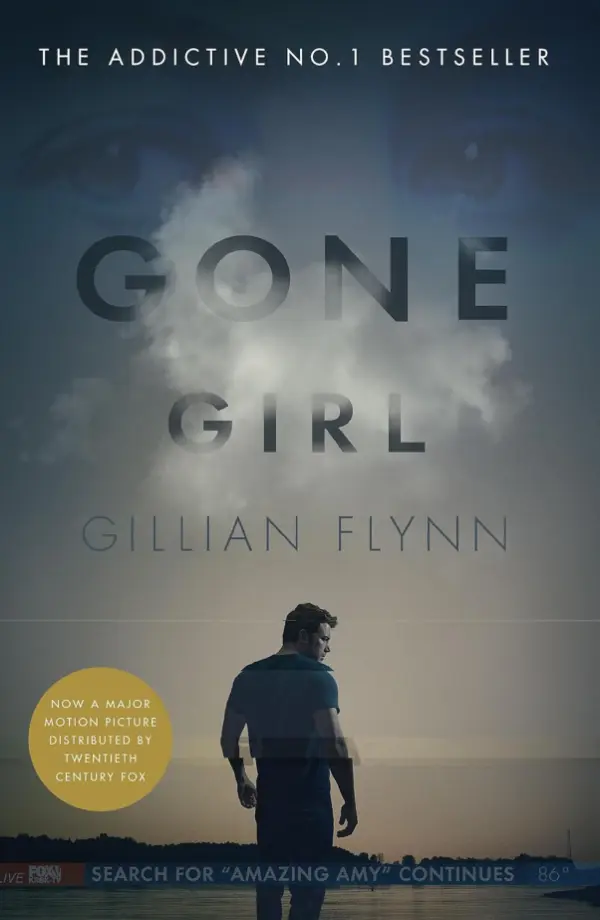
Gillian Flynn
Average Goodreads rating4.0
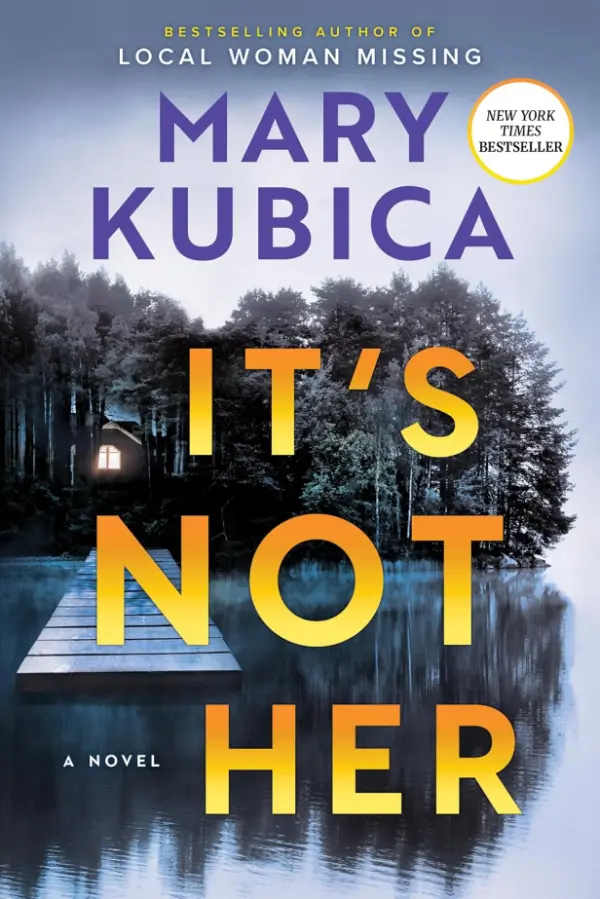
Mary Kubica
Average Goodreads rating3.9
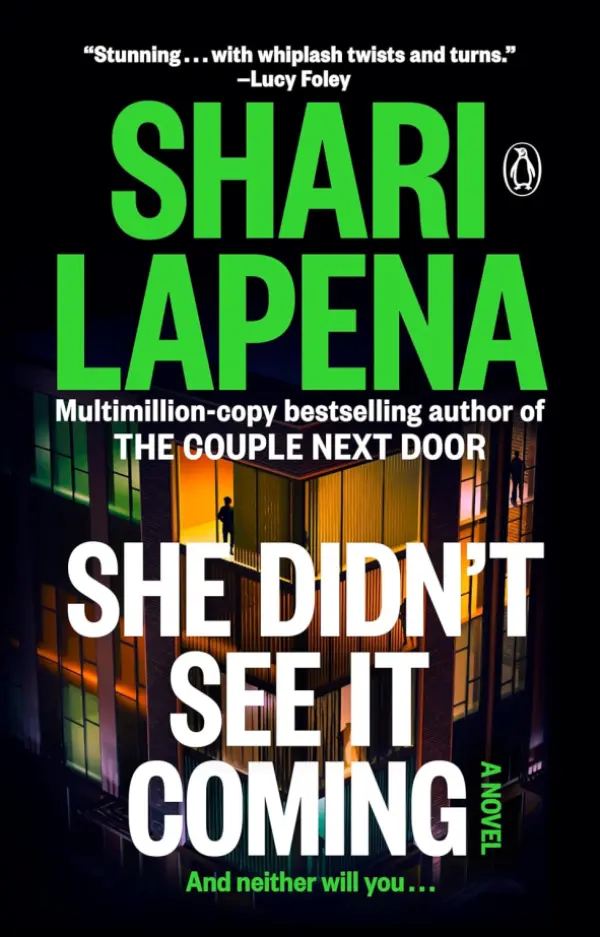
Shari Lapena
Average Goodreads rating3.9
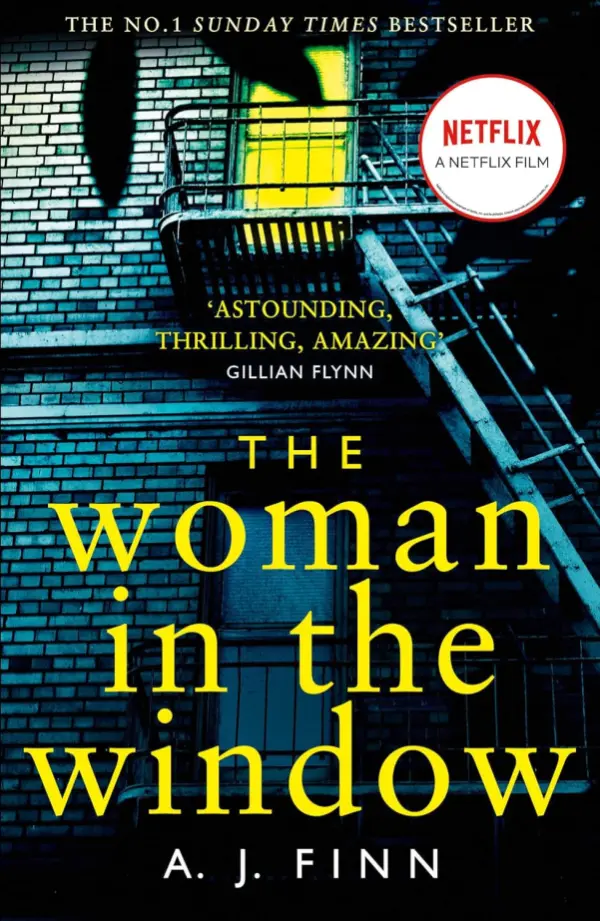
A. J. Finn
Average Goodreads rating4.1
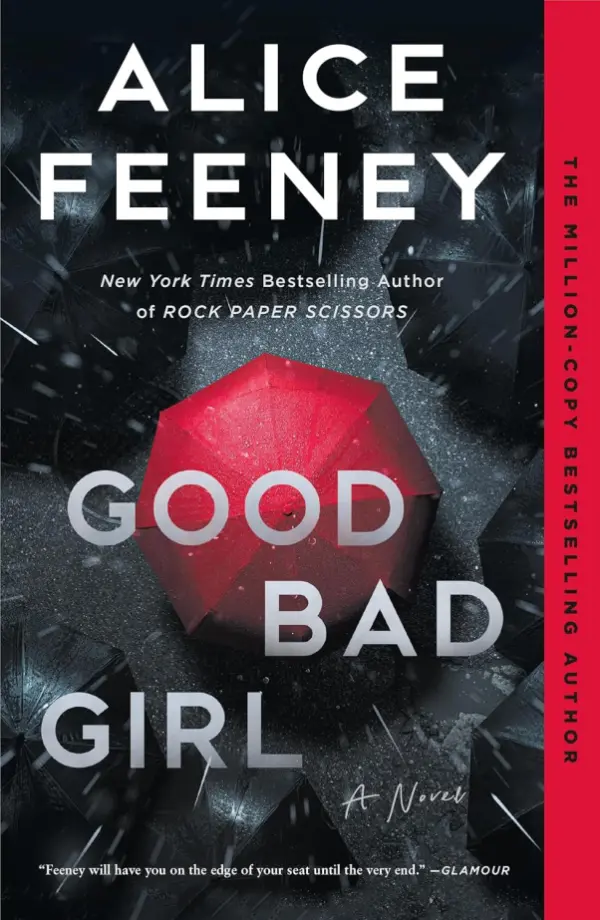
Alice Feeney
Average Goodreads rating3.7
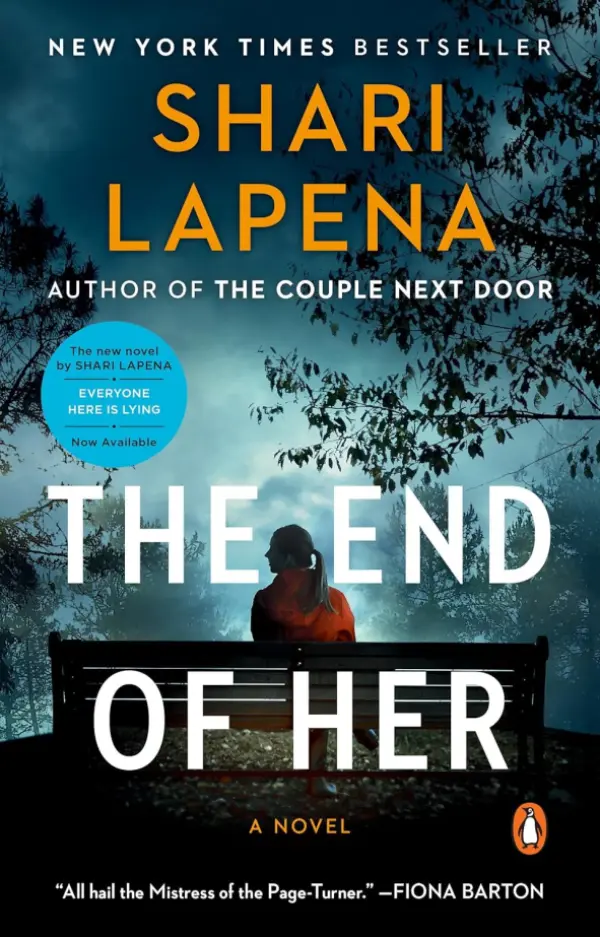
Shari Lapena
Average Goodreads rating3.8
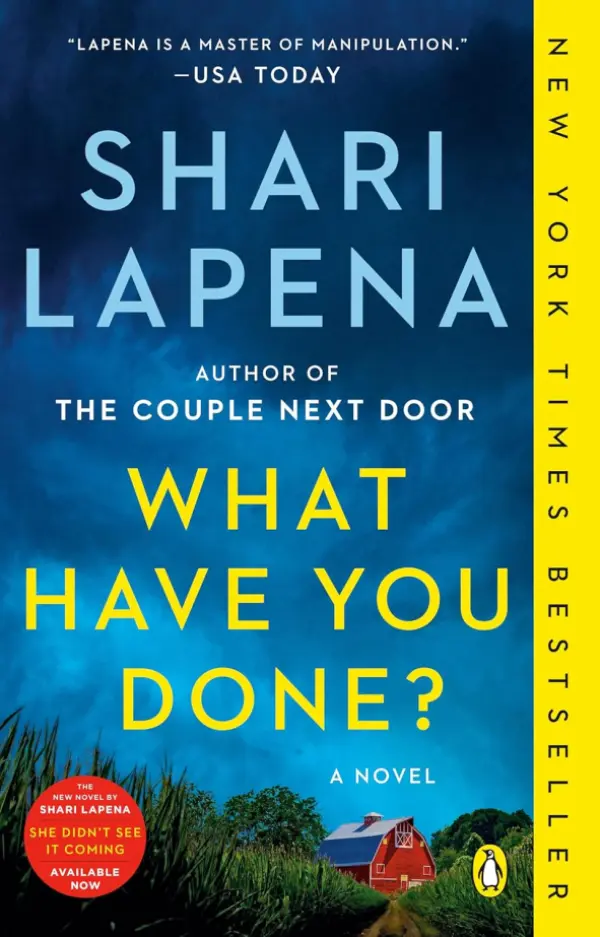
Shari Lapena
Average Goodreads rating3.8
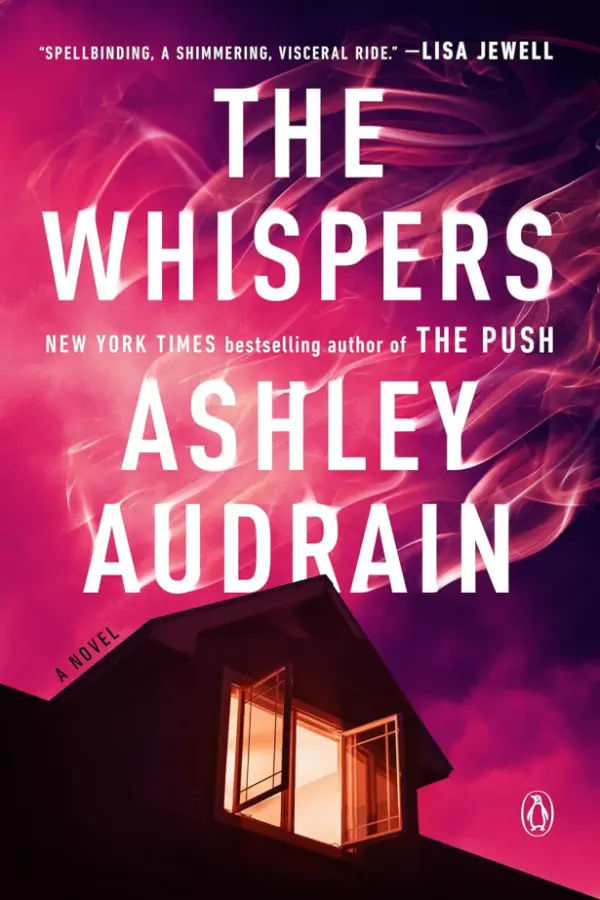
Ashley Audrain
Average Goodreads rating3.8
Tropes that share the most books with Twist Ending
A twist ending is exactly what it sounds like — and yet describing it barely scratches the surface of what one actually does to a reader. It's a revelation in the final pages, sometimes the final lines, that recontextualises everything that came before. The story you thought you were reading turns out to be a different story entirely. Your assumptions, carefully cultivated by the author over hundreds of pages, collapse in an instant.
Done well, a twist ending doesn't feel cheap. It feels inevitable. You flip back, you find the clues, and you realise the author was playing fair all along — you just weren't looking in the right direction.
There's a particular kind of reading high that only a twist ending delivers. It's part intellectual satisfaction, part emotional whiplash, and wholly addictive. Readers who love this trope tend to become obsessive rereaders, scanning earlier chapters for the breadcrumbs they missed first time through. The twist rewards patience and punishes skim-reading in equal measure.
Fantasy and romance are especially fertile ground for this kind of storytelling. Fantasy builds entire systems of magic, prophecy, and mythology that can be weaponised to misdirect. Romance has genre conventions readers know well — which makes subverting those conventions all the more powerful when an author manages it cleanly.
The difference between a satisfying twist and a frustrating one often comes down to foreshadowing. A twist that arrives without any setup feels like the author changed their mind halfway through. A twist that was telegraphed too obviously produces that sinking feeling of guessing it too early. The sweet spot is narrow: clues that feel like background noise on first read, but snap into sharp focus the moment the reveal lands.
Character-rooted twists tend to age better than plot-rooted ones. When the revelation changes how you understand a person — their choices, their silences, their apparent loyalties — it carries emotional weight that a purely mechanical plot reveal rarely matches. The best examples in fantasy and romance manage both: the plot shifts and the characters shift with it.
Twist endings wear many different shapes. There's the unreliable narrator, whose account of events turns out to be selective at best and fabricated at worst. There's the identity reveal, where a character's true nature or origin reframes every interaction they've had. There's the timeline twist, where events the reader assumed were sequential turn out to be nothing of the sort. And there's the quieter, more devastating kind — no dramatic revelation, just a final line that changes the emotional key of the entire novel.
Romance readers in particular have developed a taste for the twist that reframes the central relationship. Not a betrayal necessarily, but a disclosure — something one character knew that the other didn't, finally surfacing at exactly the right, or wrong, moment. Whatever the shape, the result is the same: you close the book and immediately want to start it again.
Occasional emails with new recommendations, series news and trope round-ups.