
The Secret History
Donna Tartt
Average Goodreads rating4.1
- Coming of Age
- Morally Grey Characters

Book trope · 28 books
Some love stories simmer. This one burns. The Obsession & Desire trope centres on a character whose feelings for another cross the line from longing into something far more consuming — a fixation that colours every thought, every decision, every quiet moment alone.
More about the Obsession & Desire trope22 are tagged with Obsession & Desire individually. The others belong to a series tagged with it, which doesn’t mean every book in it features the trope, so they’re marked “Matched via its series”.
Updating books…
28 books found
Donna Tartt
Average Goodreads rating4.1

Alice Feeney
Average Goodreads rating3.9
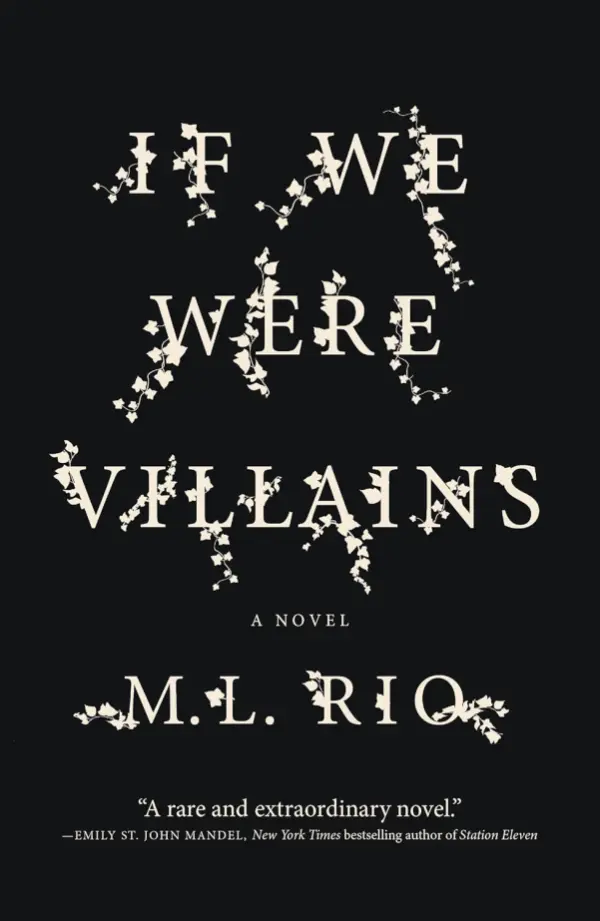
M. L. Rio
Average Goodreads rating4.1
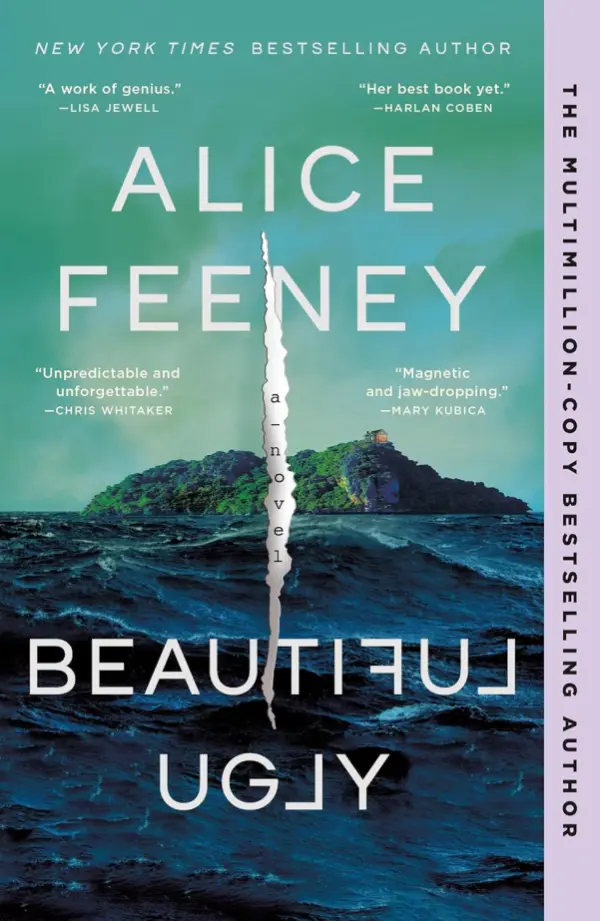
Alice Feeney
Average Goodreads rating3.6
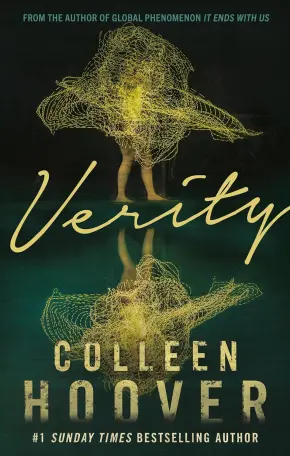
Colleen Hoover
Average Goodreads rating4.5
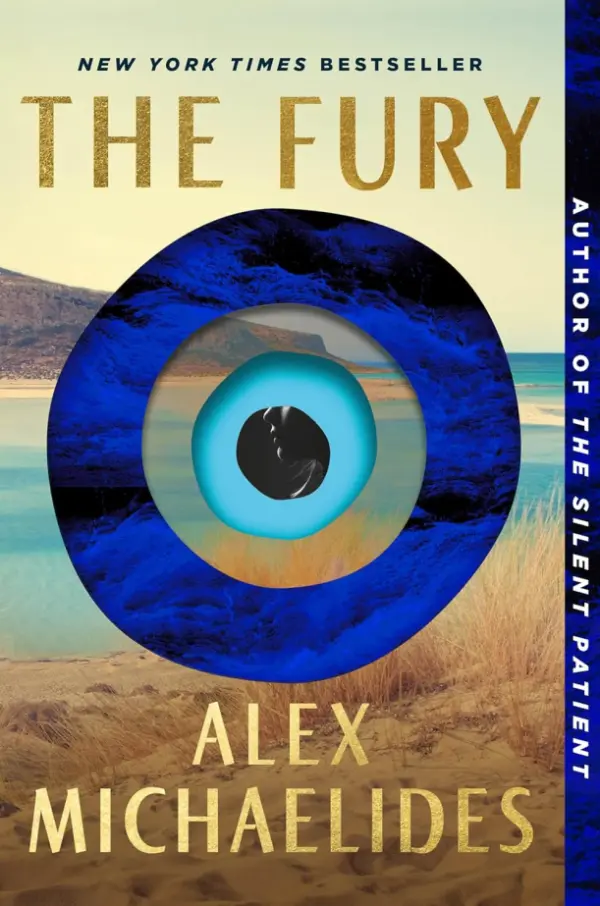
Alex Michaelides
Average Goodreads rating3.4
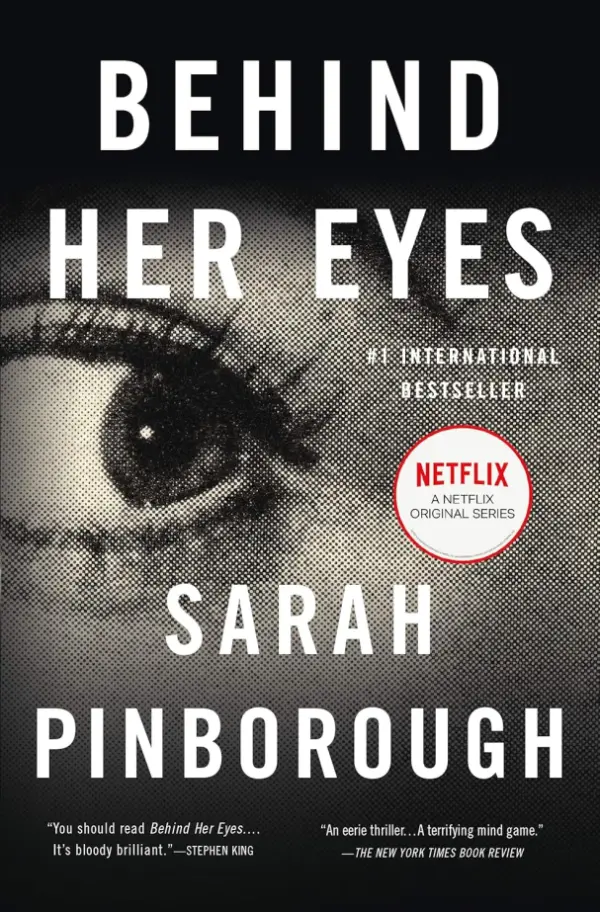
Sarah Pinborough
Average Goodreads rating3.8

Shari Lapena
Average Goodreads rating3.7

J. P. Delaney
Average Goodreads rating3.7

Shari Lapena
Average Goodreads rating3.9
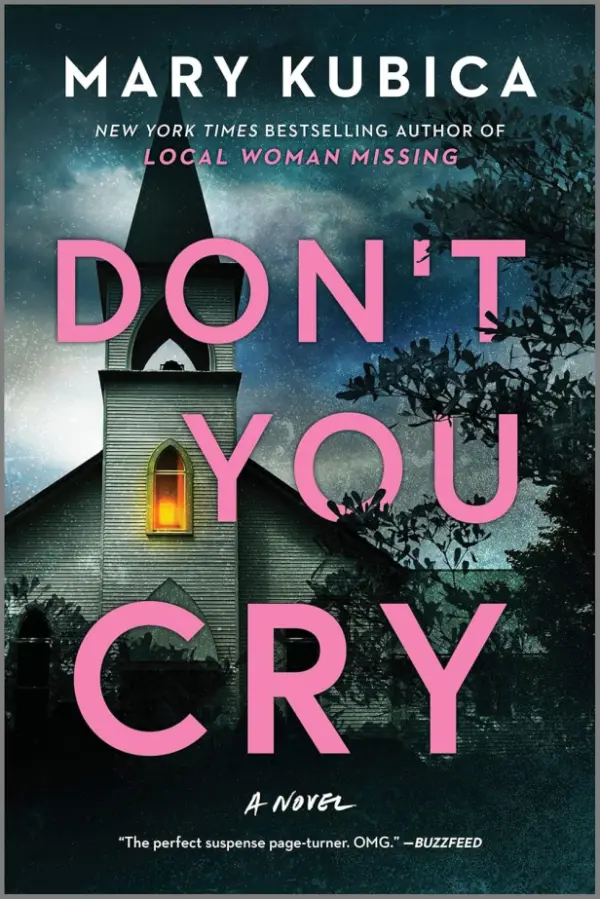
Mary Kubica
Average Goodreads rating3.5

Alice Feeney
Average Goodreads rating4.3

Keri Lake
Average Goodreads rating4.4
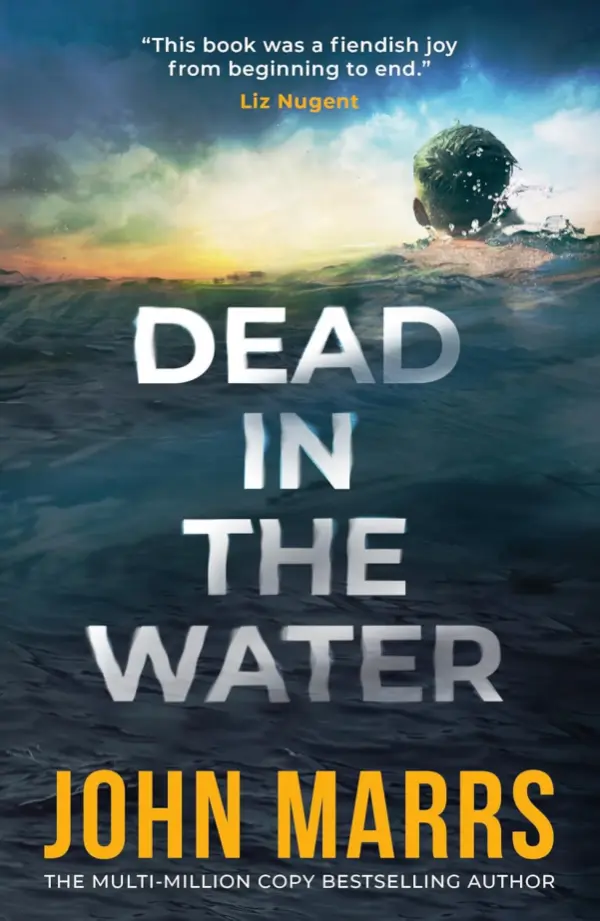
John Marrs
Average Goodreads rating3.9

J. P. Delaney
Average Goodreads rating3.7
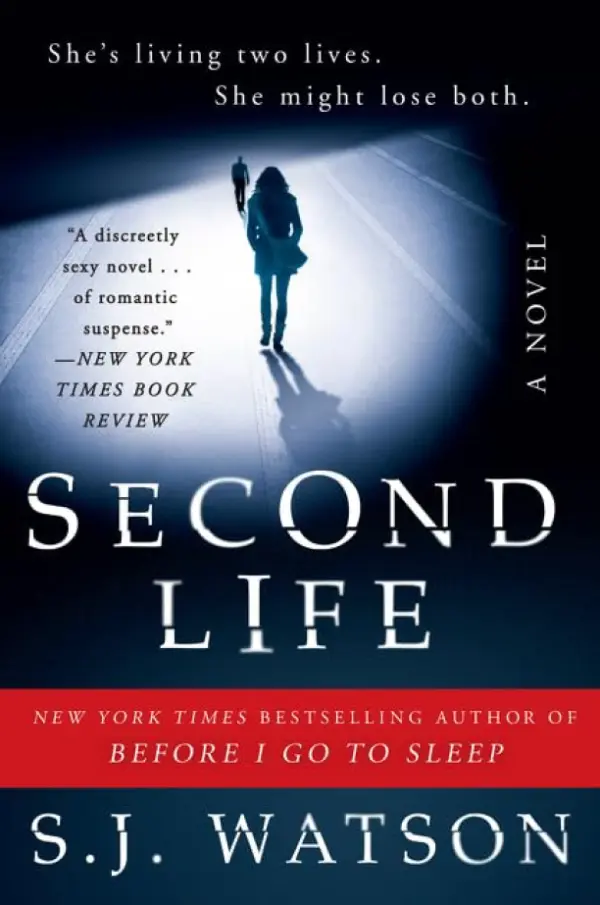
S. J. Watson
Average Goodreads rating3.3

RuNyx
Average Goodreads rating4.3

Sarah Pinborough
Average Goodreads rating3.3

J. P. Delaney
Average Goodreads rating3.3
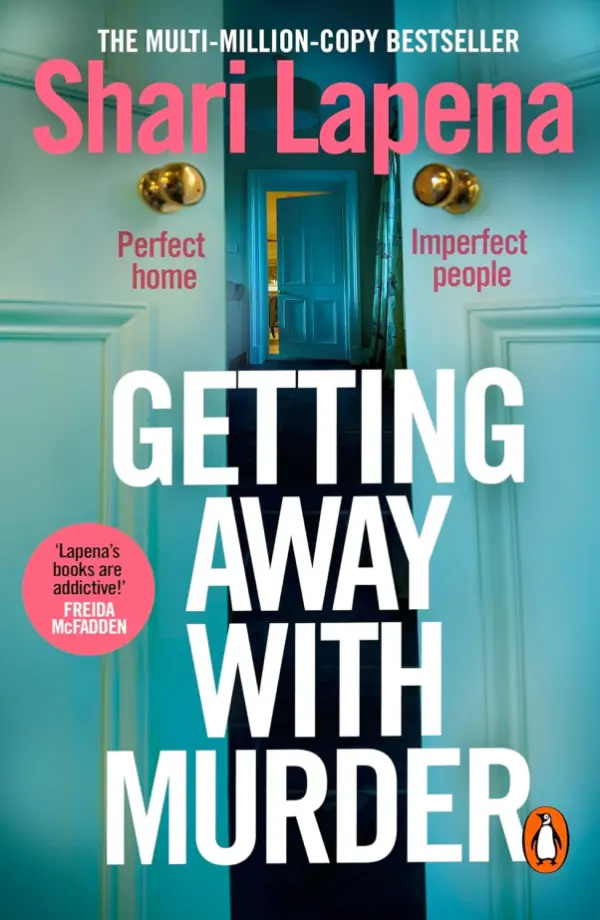
Shari Lapena

Alex Michaelides

J. P. Delaney

Keri Lake
The Eating Woods, book 1
Average Goodreads rating4.4
Matched via its series

Caroline Kepnes
You, book 1
Average Goodreads rating4.2
Matched via its series

Keri Lake
The Eating Woods, book 2
Average Goodreads rating4.4
Matched via its series

Caroline Kepnes
You, book 2
Average Goodreads rating4.3
Matched via its series

Caroline Kepnes
You, book 3
Average Goodreads rating4.3
Matched via its series

Caroline Kepnes
You, book 4
Average Goodreads rating3.8
Matched via its series
Tropes that share the most books with Obsession & Desire
Some love stories simmer. This one burns. The Obsession & Desire trope centres on a character whose feelings for another cross the line from longing into something far more consuming — a fixation that colours every thought, every decision, every quiet moment alone. It's romantic intensity turned all the way up, and readers come to it precisely because it refuses to be comfortable.
At its core, the trope is about the loss of emotional equilibrium. One character — sometimes both — becomes so preoccupied with another that the rest of their world starts to blur at the edges. That obsession can be tender or possessive, reciprocated or entirely one-sided, and the distinction matters enormously to how the story unfolds.
There's something deeply satisfying about reading a character who cannot stop thinking about someone. It externalises a feeling most people have experienced in some form — that particular madness of early longing, or love that's grown too large for ordinary language to hold. When fiction gives that feeling a voice, it tends to resonate hard.
The trope also creates immediate narrative tension. An obsessed character is rarely stable, rarely predictable, and almost never making the wisest choices. That instability keeps pages turning. Readers may find themselves simultaneously unsettled by the intensity and completely unable to look away — which is often the point.
Obsession & Desire shows up across a wide tonal spectrum. In darker romance and gothic fiction, the obsession is often one-sided at the start, the desiring character circling the object of their fixation with a kind of desperate patience. In fantasy romance, magical bonds or fated connections can amplify desire to an almost supernatural pitch, stripping away ordinary social restraint. Contemporary romance uses it more quietly — an ex who can't let go, a colleague whose professional composure cracks under the weight of wanting.
The variation that's gained enormous traction recently is the morally grey or outright villainous obsessive — a character whose fixation reads as threatening on the page but who the narrative frames with enough interiority that readers understand, even if they wouldn't excuse, the impulse. These are the stories that tend to provoke the most discussion, and often the most devoted readerships.
What separates compelling obsession from something that simply glamourises harm is usually craft — specifically, whether the author is in control of the moral framing. The best examples of this trope don't ask readers to wholesale approve of a character's fixation; they ask readers to sit with the complexity of it. Desire this intense warps judgement, and good writers show the warping without pretending it's consequence-free.
Reciprocity is another variable that changes everything. Mutual obsession, where both characters are equally undone by each other, reads very differently from a dynamic where only one person is consumed. Neither is inherently better, but they promise entirely different emotional experiences. If you want fiction that refuses to keep feelings at a polite, manageable distance, this is the trope for you.
Occasional emails with new recommendations, series news and trope round-ups.