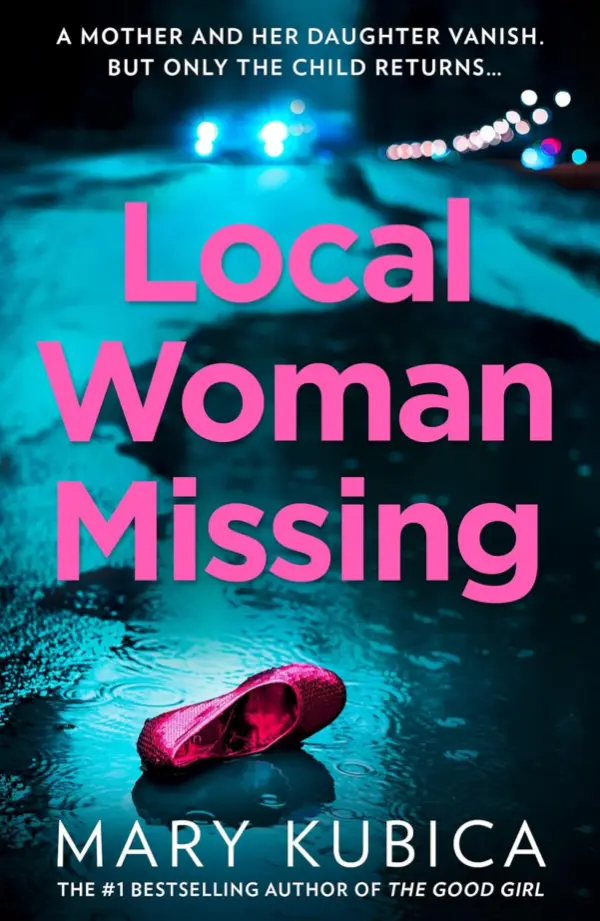
Local Woman Missing
Mary Kubica
Average Goodreads rating4.1
- Domestic Suspense
- Twist Ending

Book trope · 216 books
Multiple POV (Point of View) is a narrative technique that tells a single story through the eyes of different characters, offering readers a panoramic view of events, relationships, and conflicts.
More about the Multiple POV trope52 are tagged with Multiple POV individually. The others belong to a series tagged with it, which doesn’t mean every book in it features the trope, so they’re marked “Matched via its series”.
Updating books…
216 books found
Mary Kubica
Average Goodreads rating4.1

Alice Feeney
Average Goodreads rating3.9
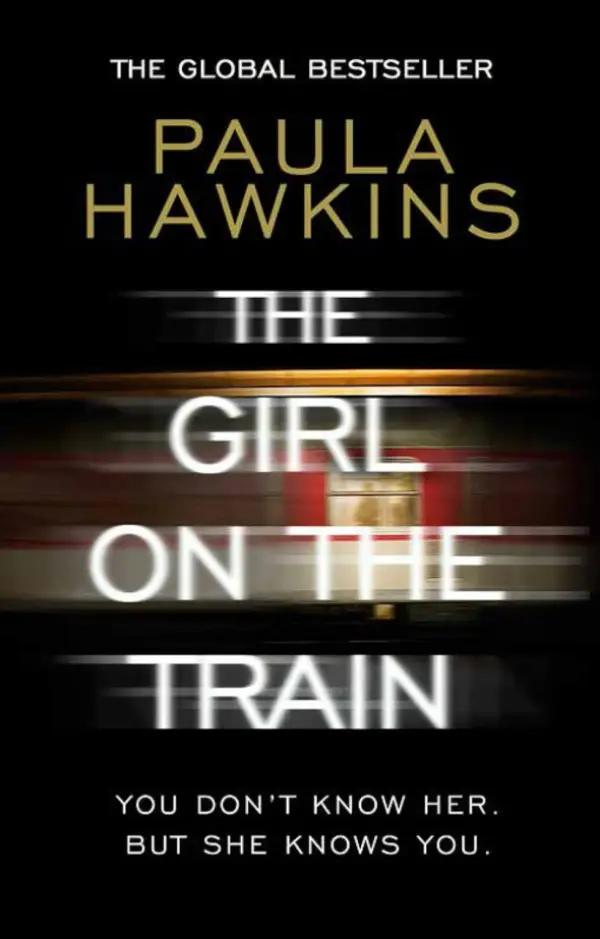
Paula Hawkins
Average Goodreads rating4.1
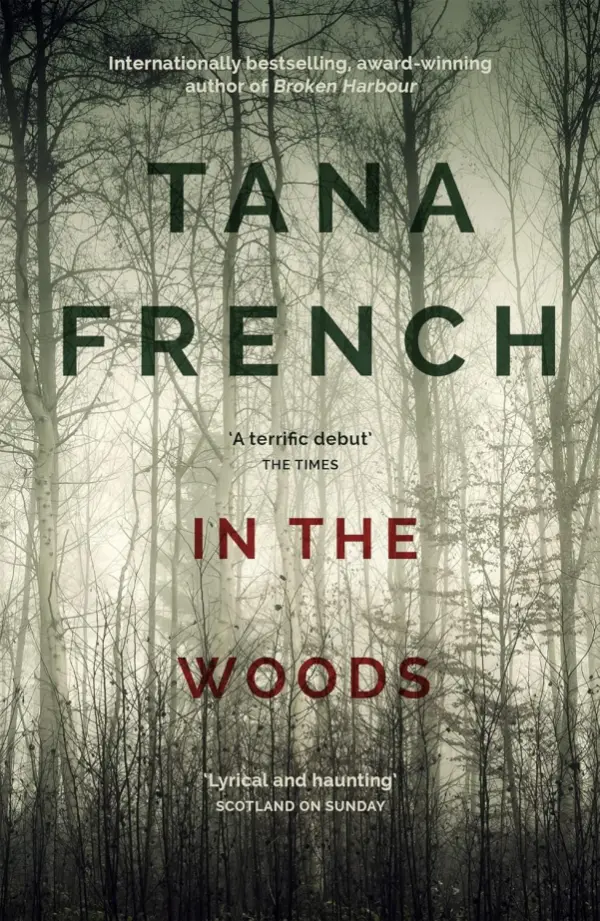
Tana French
Dublin Murder Squad, book 1
Average Goodreads rating3.8

Alice Feeney
Average Goodreads rating4.1
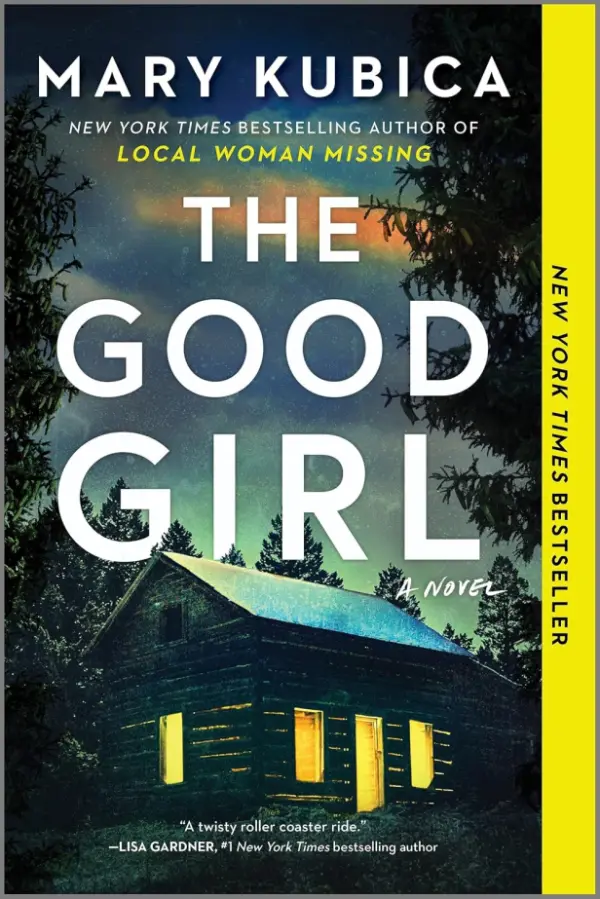
Mary Kubica
Average Goodreads rating3.8
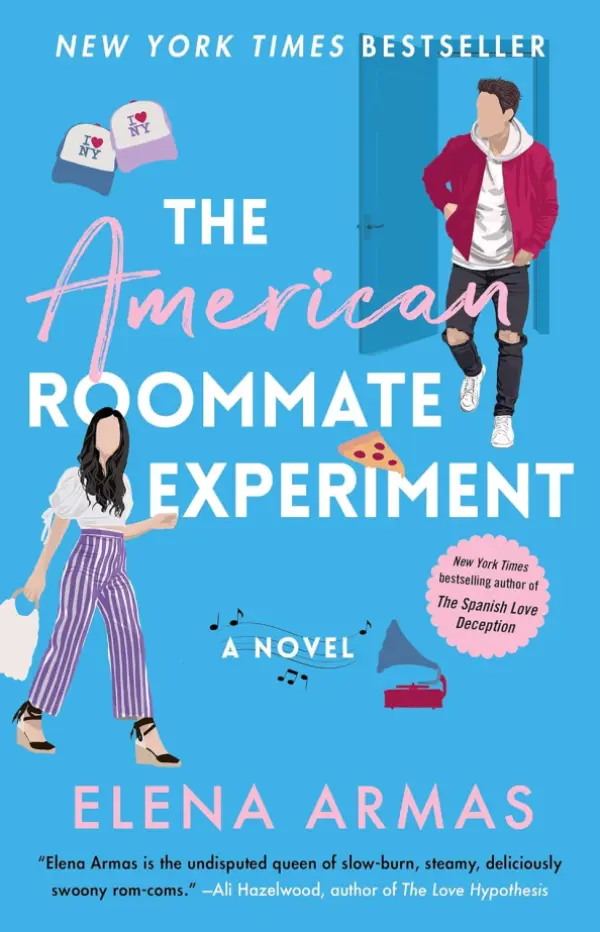
Elena Armas
Average Goodreads rating3.8
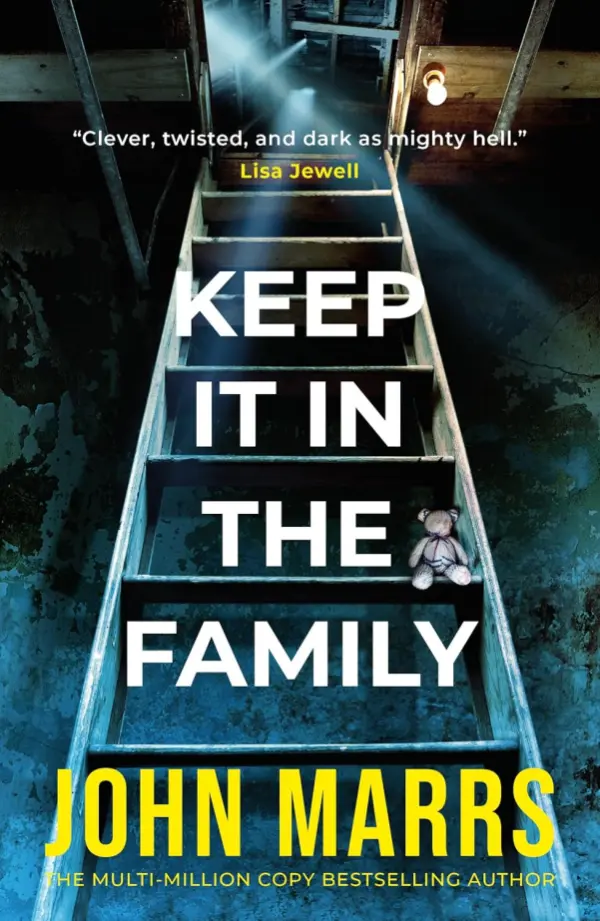
John Marrs
Average Goodreads rating4.1
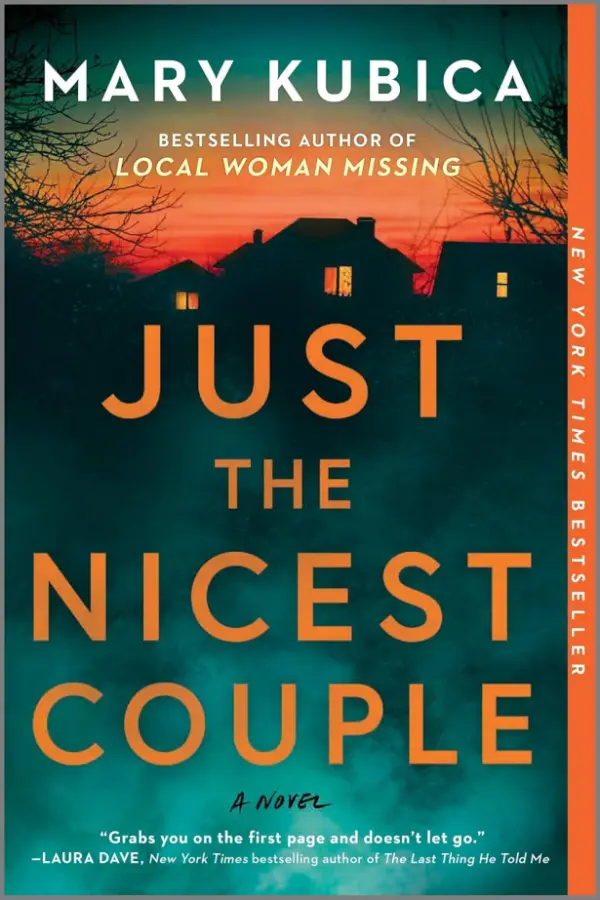
Mary Kubica
Average Goodreads rating3.6
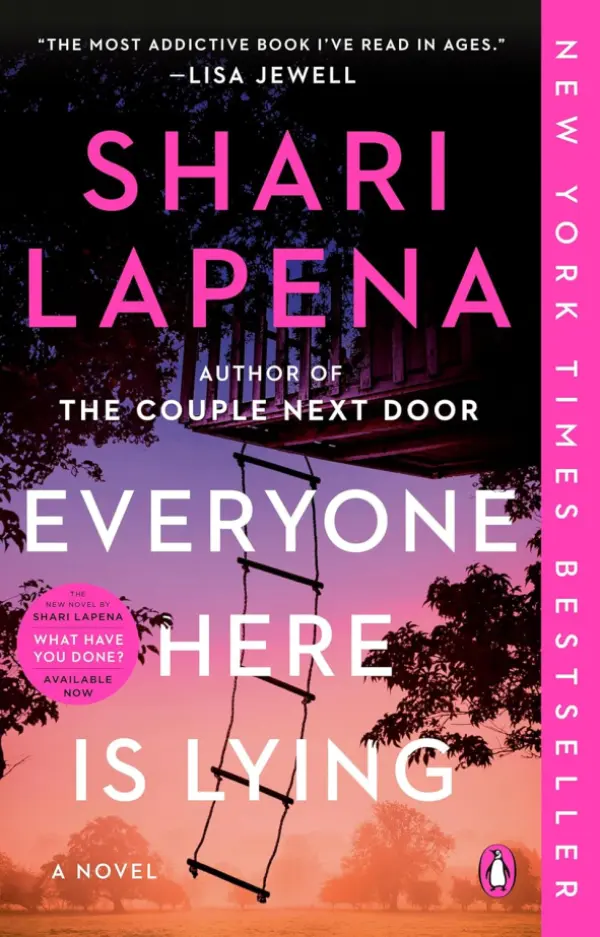
Shari Lapena
Average Goodreads rating3.8
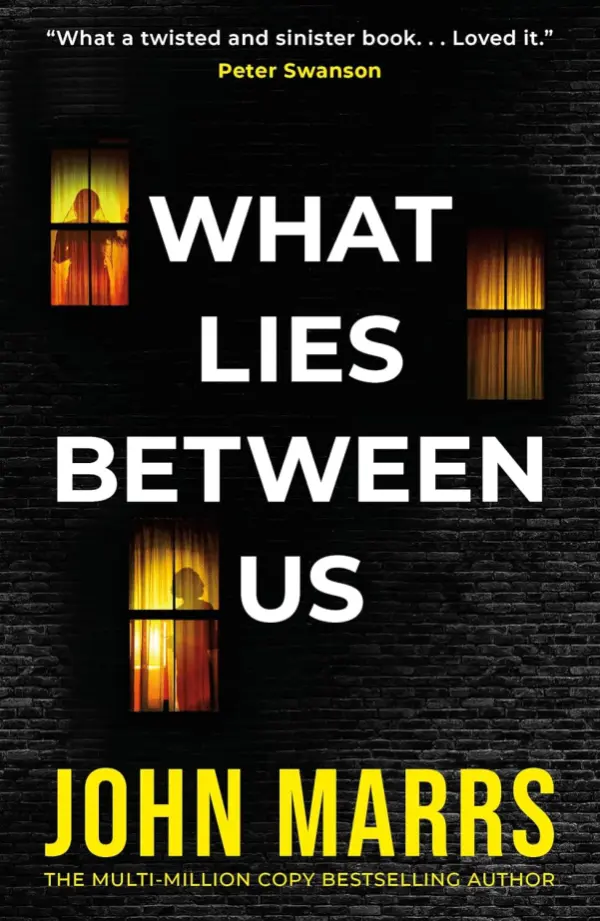
John Marrs
Average Goodreads rating4.0
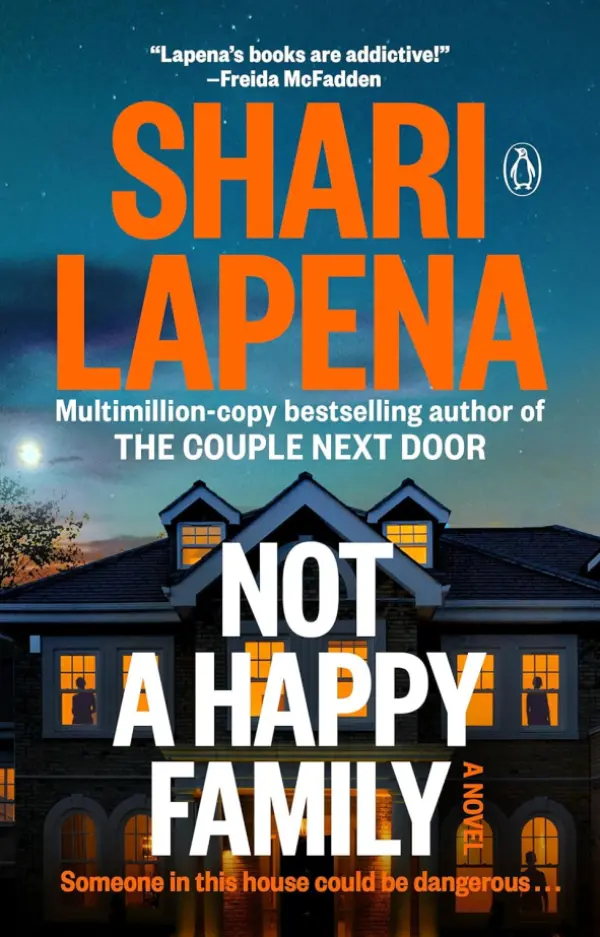
Shari Lapena
Average Goodreads rating3.8

Christina Lauren
Average Goodreads rating3.9
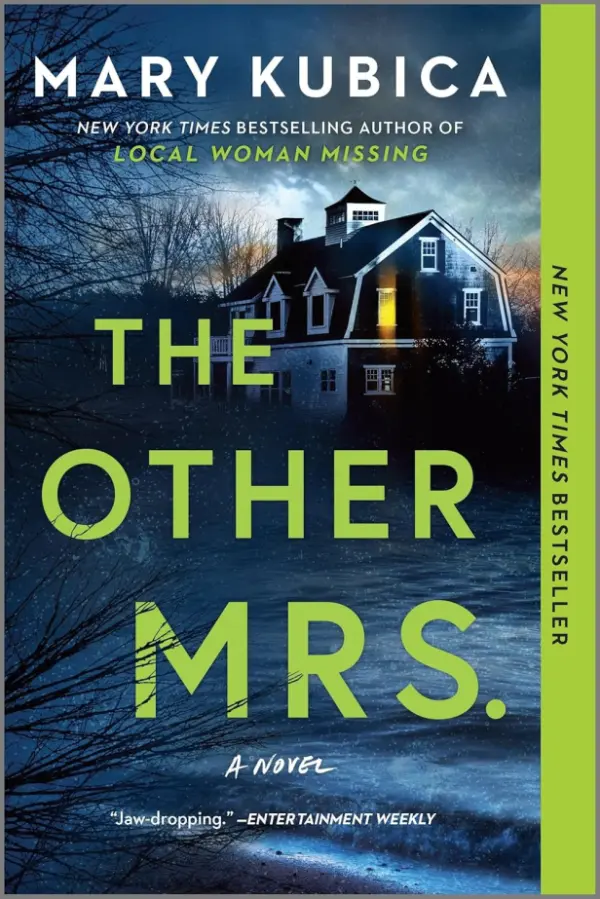
Mary Kubica
Average Goodreads rating3.7
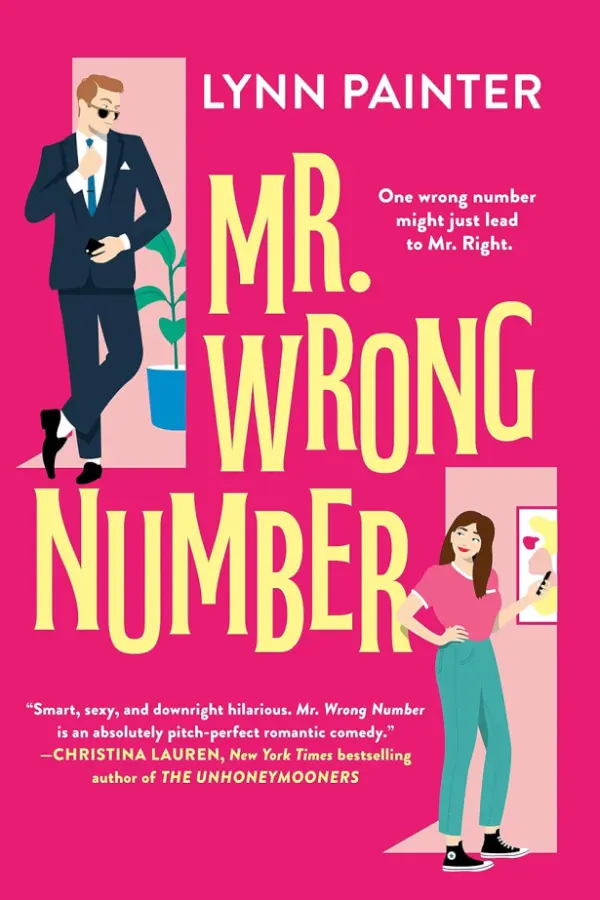
Lynn Painter
Average Goodreads rating3.7
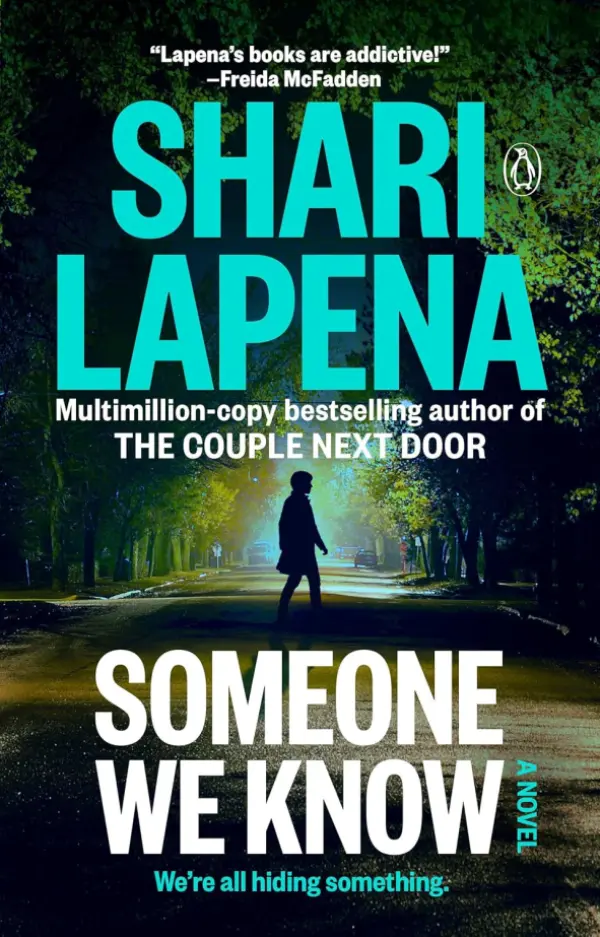
Shari Lapena
Average Goodreads rating3.9

Liane Moriarty
Average Goodreads rating4.5

Gillian Flynn
Average Goodreads rating4.0
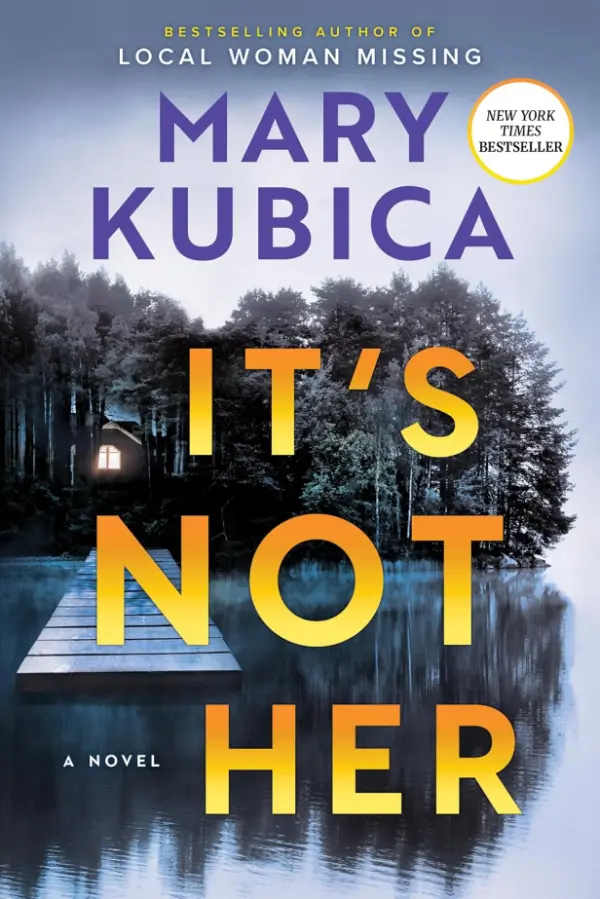
Mary Kubica
Average Goodreads rating3.9
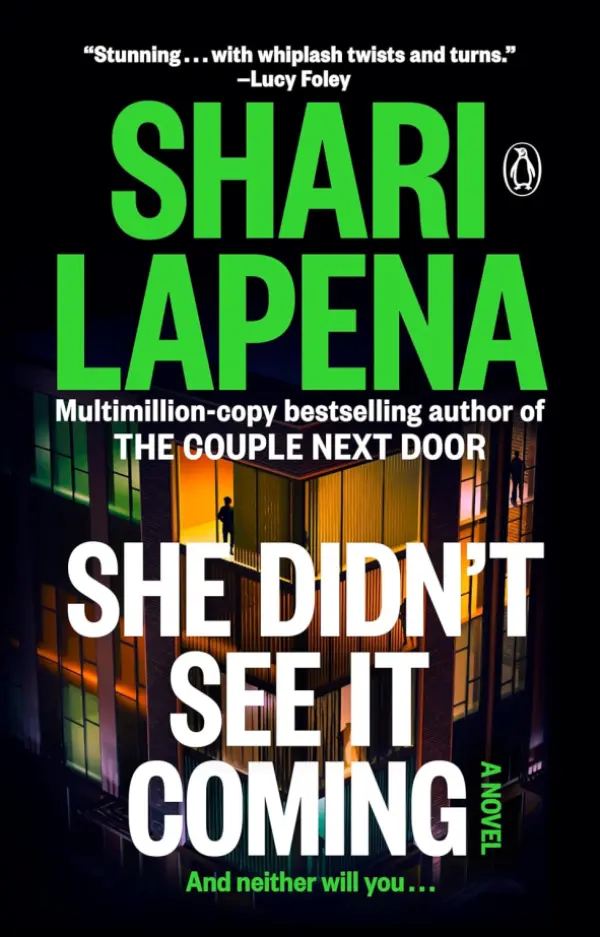
Shari Lapena
Average Goodreads rating3.9
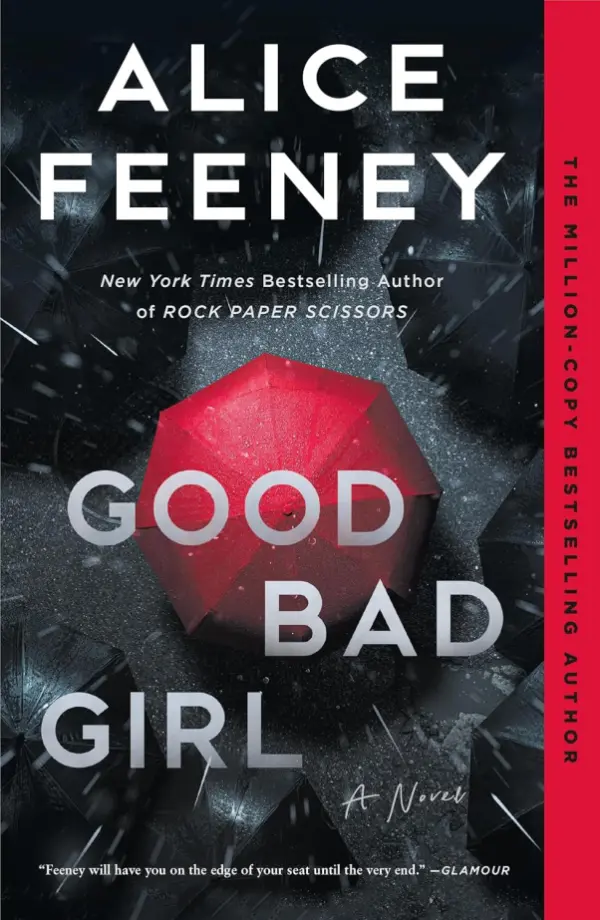
Alice Feeney
Average Goodreads rating3.7
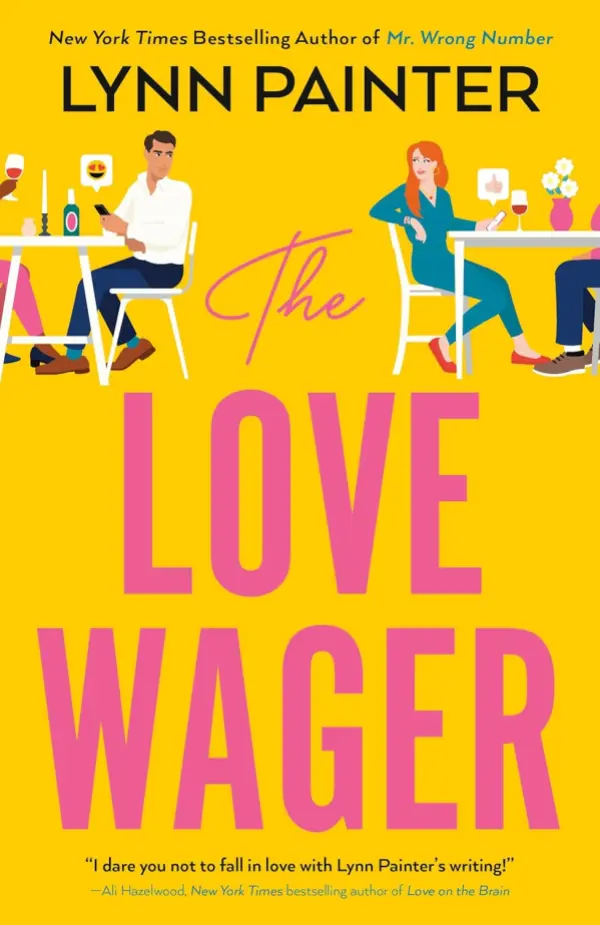
Lynn Painter
Average Goodreads rating3.9

John Marrs
Average Goodreads rating4.0
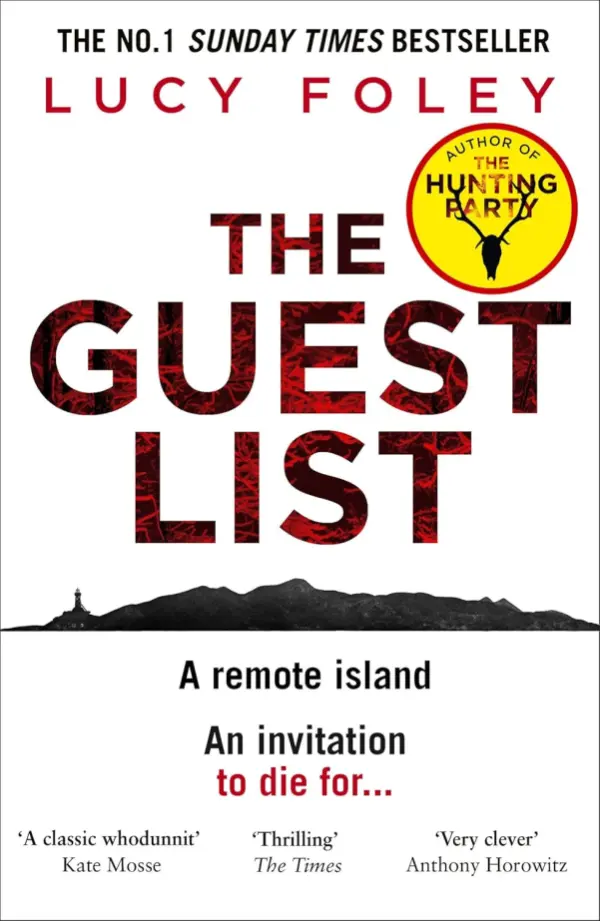
Lucy Foley
Average Goodreads rating4.1
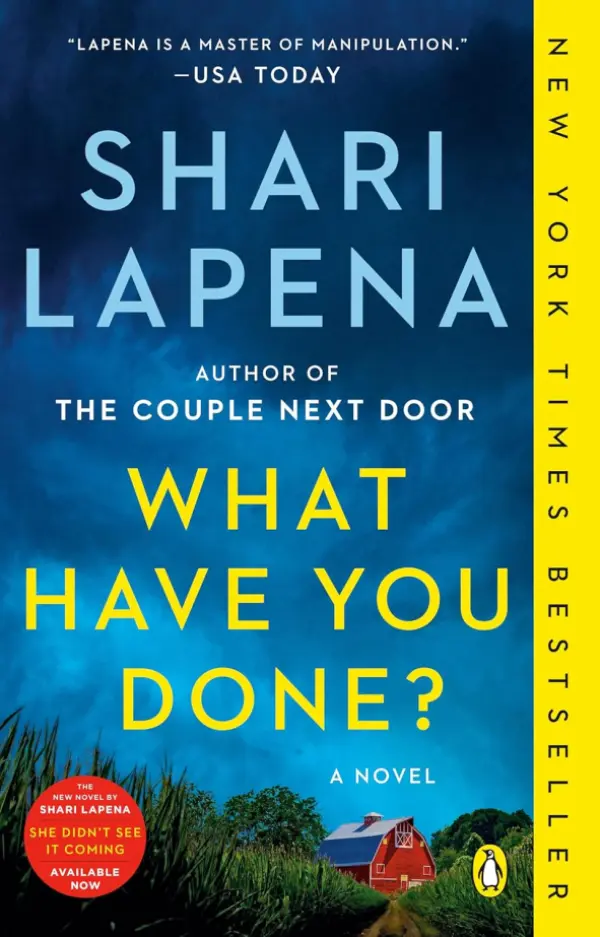
Shari Lapena
Average Goodreads rating3.8
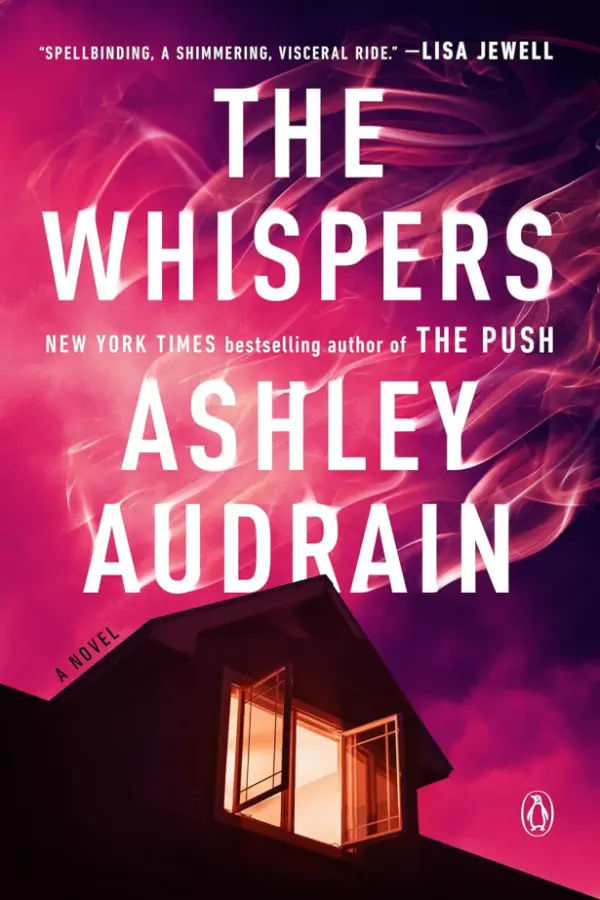
Ashley Audrain
Average Goodreads rating3.8
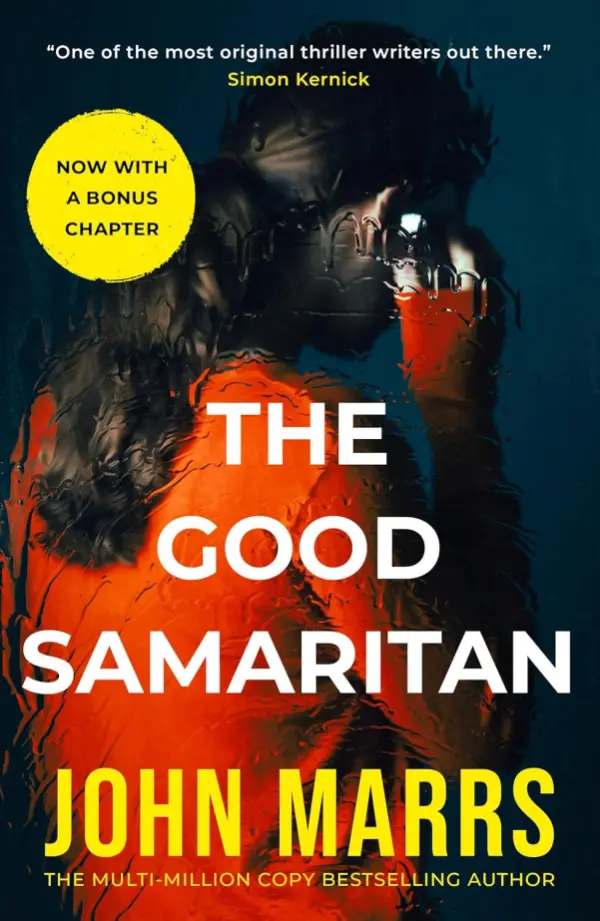
John Marrs
Average Goodreads rating4.1

Mary Kubica
Average Goodreads rating3.7
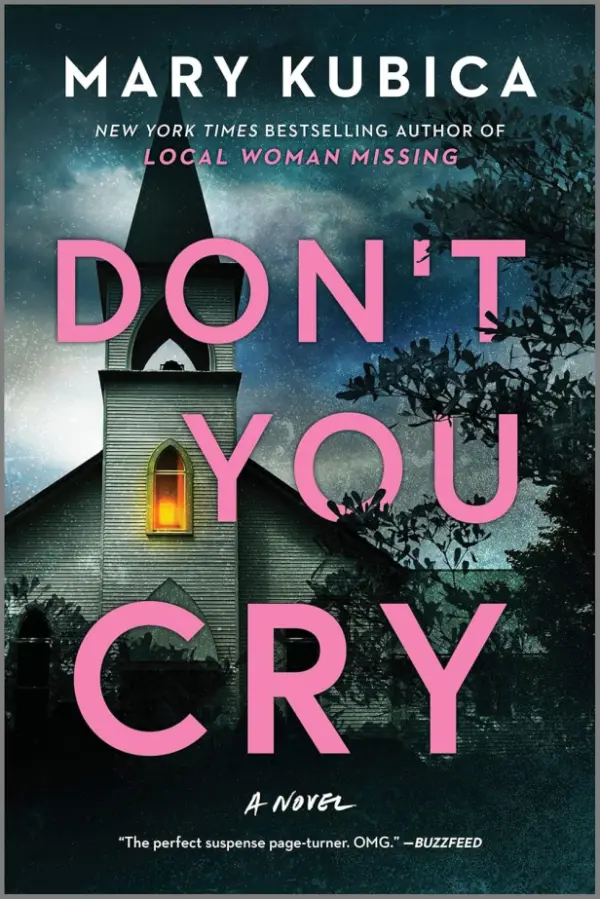
Mary Kubica
Average Goodreads rating3.5
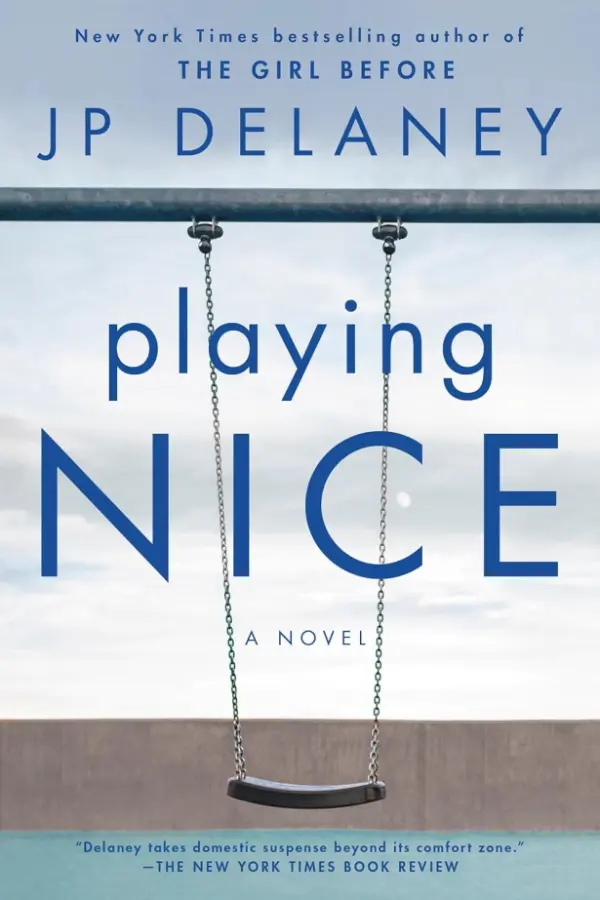
J. P. Delaney
Average Goodreads rating4.1
Tropes that share the most books with Multiple POV
Multiple POV (Point of View) is a narrative technique that tells a single story through the eyes of different characters, offering readers a panoramic view of events, relationships, and conflicts. This storytelling approach transforms simple narratives into complex tapestries where truth is multifaceted, motivations are clearer, and emotional investment multiplies with each new perspective.
Multiple POV stories alternate between two or more characters' viewpoints, allowing readers to experience different sides of the same events. Each character brings their unique voice, biases, secrets, and understanding to the narrative. Readers might witness a conversation from both participants' perspectives, see how different characters interpret the same situation, or follow parallel storylines that eventually converge in surprising ways.
This technique creates dramatic irony - readers often know more than individual characters, watching in anticipation as secrets collide and misunderstandings unfold. It builds empathy by humanizing potential antagonists through their own perspectives, revealing that everyone is the hero of their own story. Multiple POVs also allow for richer worldbuilding, as different characters can explore various aspects of the setting, culture, or magic system.
The trope appears as dual POV romance where both love interests share their feelings, ensemble casts in epic fantasy following different quest lines, thriller narratives alternating between hunter and hunted, or family dramas exploring how the same events impact different generations.
Multiple POV reminds us that truth isn't singular - it's a kaleidoscope of experiences, and sometimes understanding the whole story means seeing through many eyes.
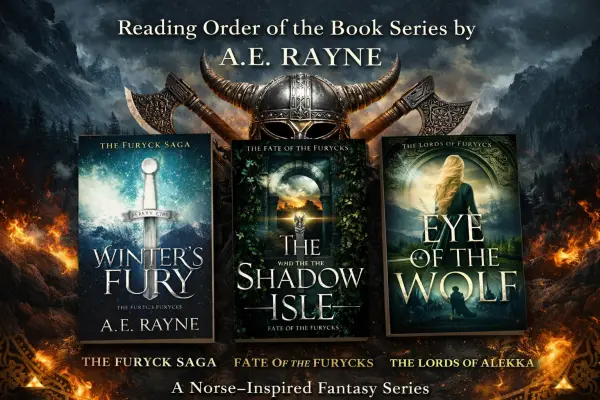
New to A. E. Rayne? This complete reading order guide covers The Furyck Saga, The Lords of Alekka, and Fate of the Furycks - three interconnected epic fantasy series set in the same world, full of warring kingdoms, dark magic, and unforgettable characters.
Occasional emails with new recommendations, series news and trope round-ups.