
The Secret History
Donna Tartt
Average Goodreads rating4.1
- Coming of Age
- Morally Grey Characters

Book trope · 36 books
At its core, the psychological thriller is a genre built on the one thing no reader can fully trust: the human mind. Where a conventional thriller might chase you with a killer or a countdown clock, this one turns the threat inward.
More about the Psychological Thriller trope17 are tagged with Psychological Thriller individually. The others belong to a series tagged with it, which doesn’t mean every book in it features the trope, so they’re marked “Matched via its series”.
Updating books…
36 books found
Donna Tartt
Average Goodreads rating4.1
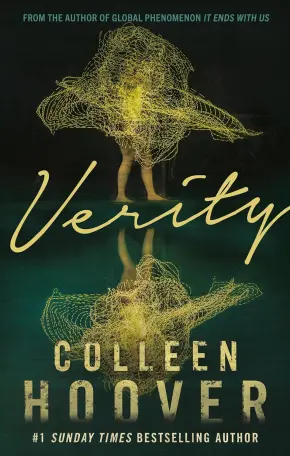
Colleen Hoover
Average Goodreads rating4.5
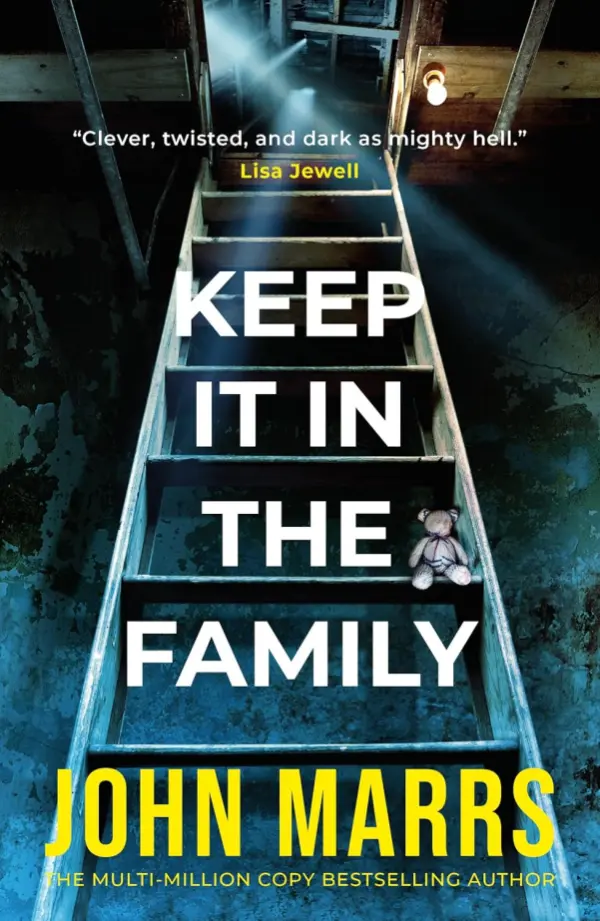
John Marrs
Average Goodreads rating4.1
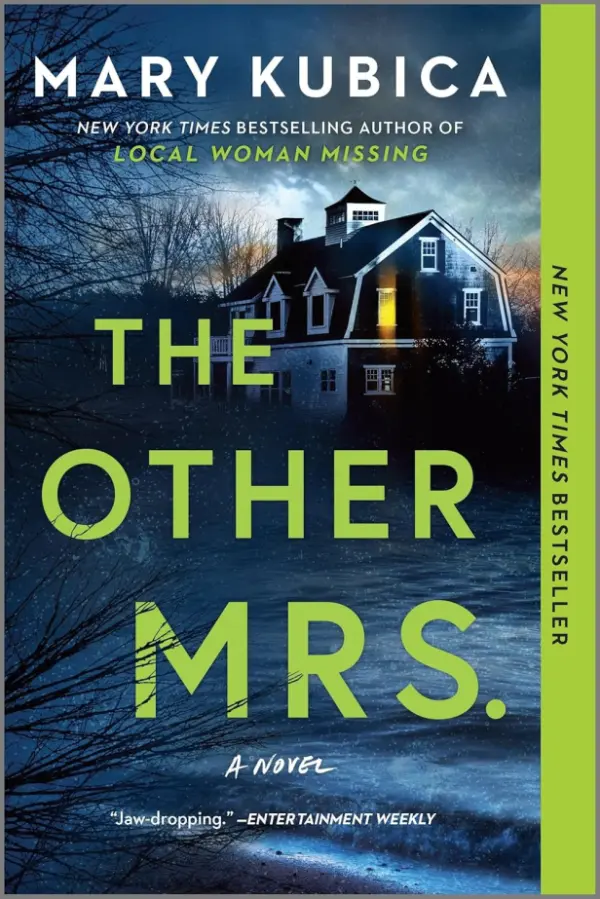
Mary Kubica
Average Goodreads rating3.7
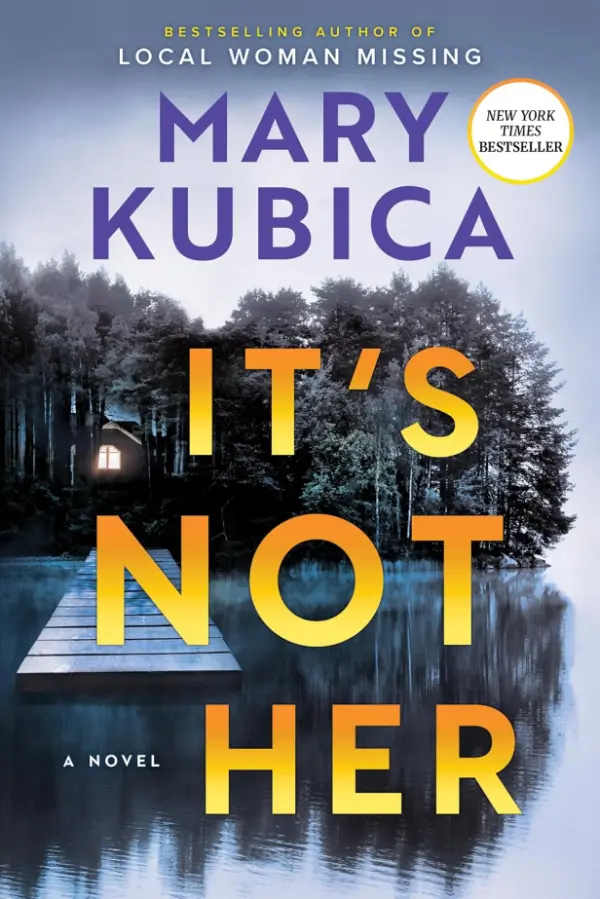
Mary Kubica
Average Goodreads rating3.9
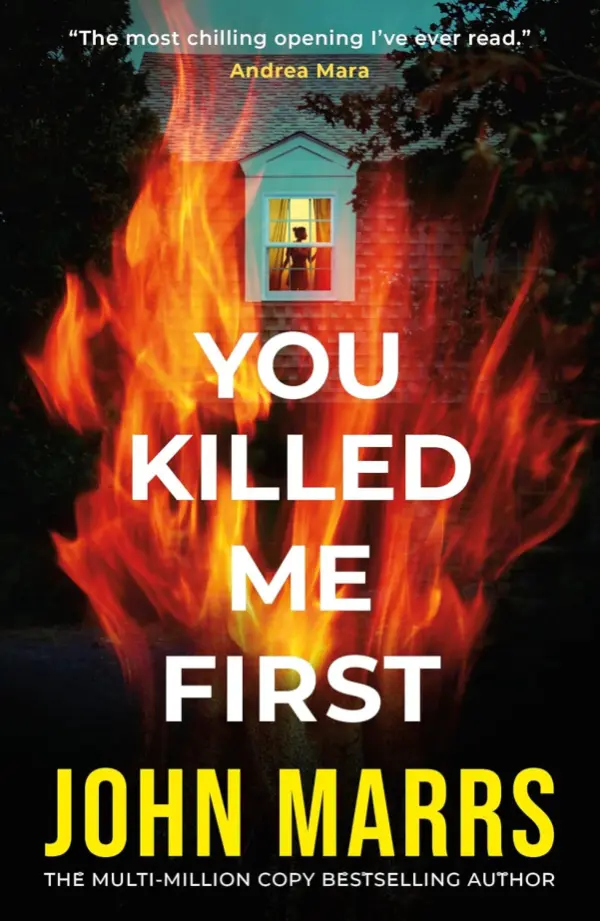
John Marrs
Average Goodreads rating4.0
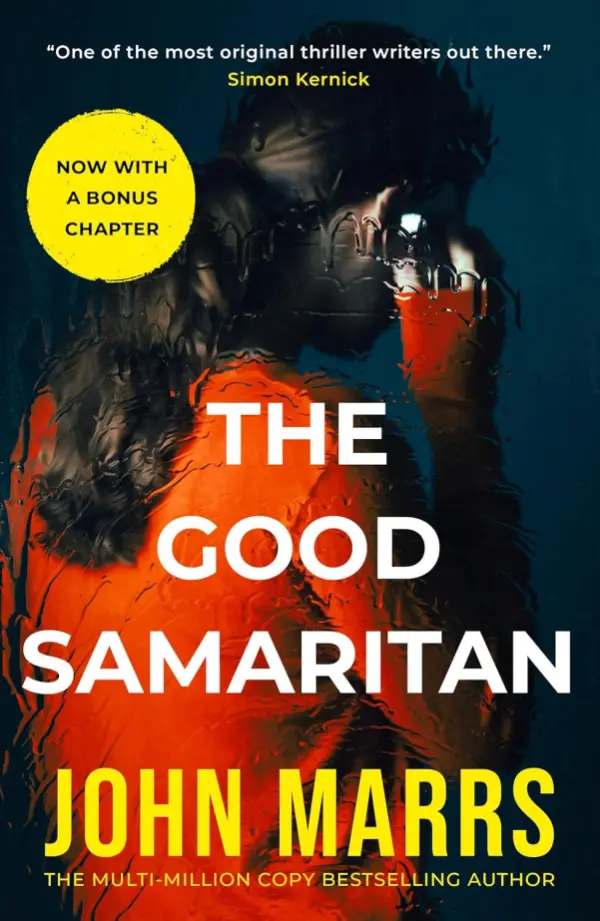
John Marrs
Average Goodreads rating4.1
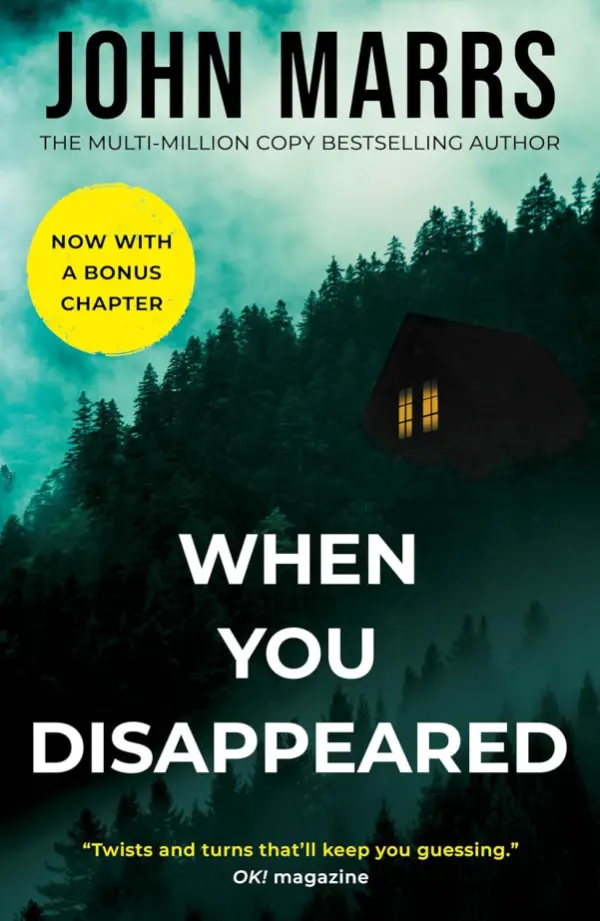
John Marrs
Average Goodreads rating3.9
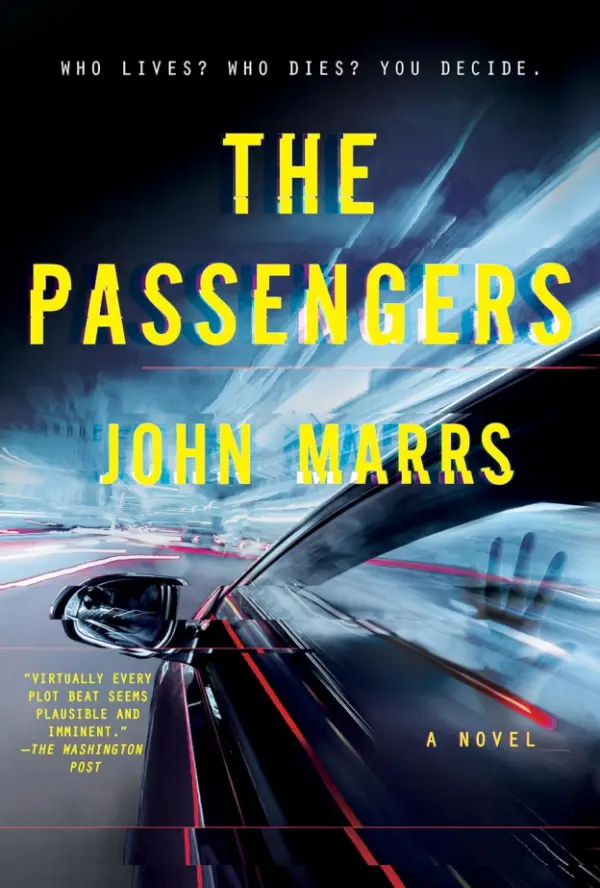
John Marrs
Average Goodreads rating4.1
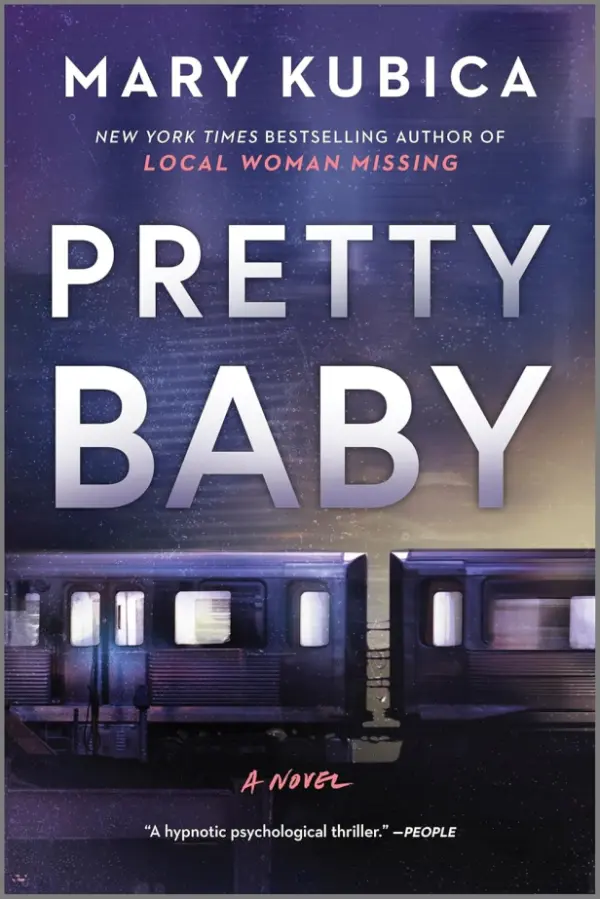
Mary Kubica
Average Goodreads rating3.7
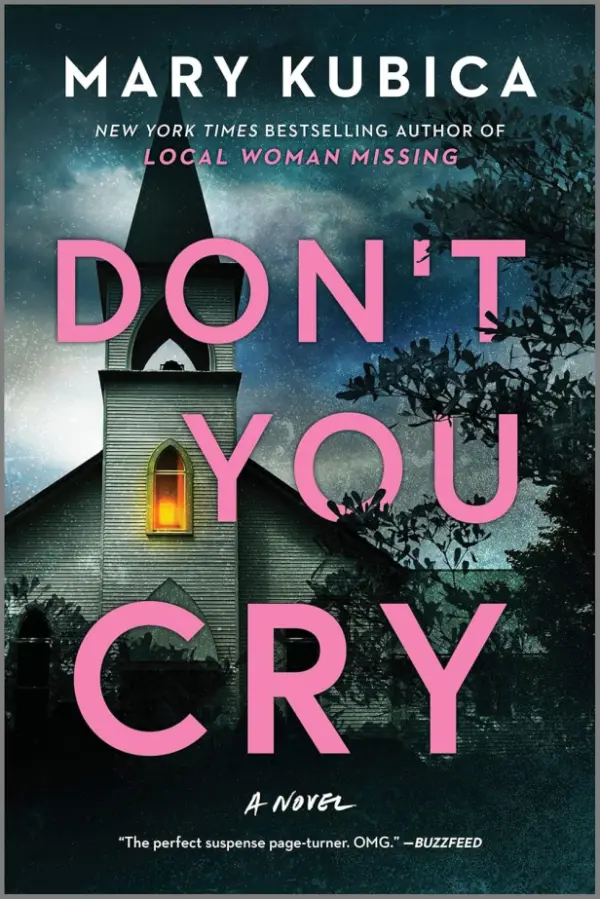
Mary Kubica
Average Goodreads rating3.5
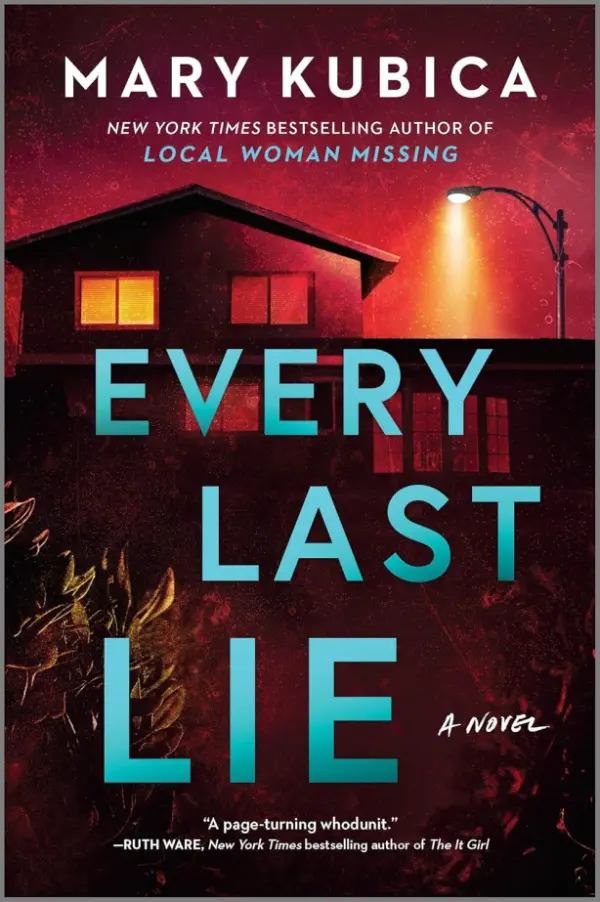
Mary Kubica
Average Goodreads rating3.3
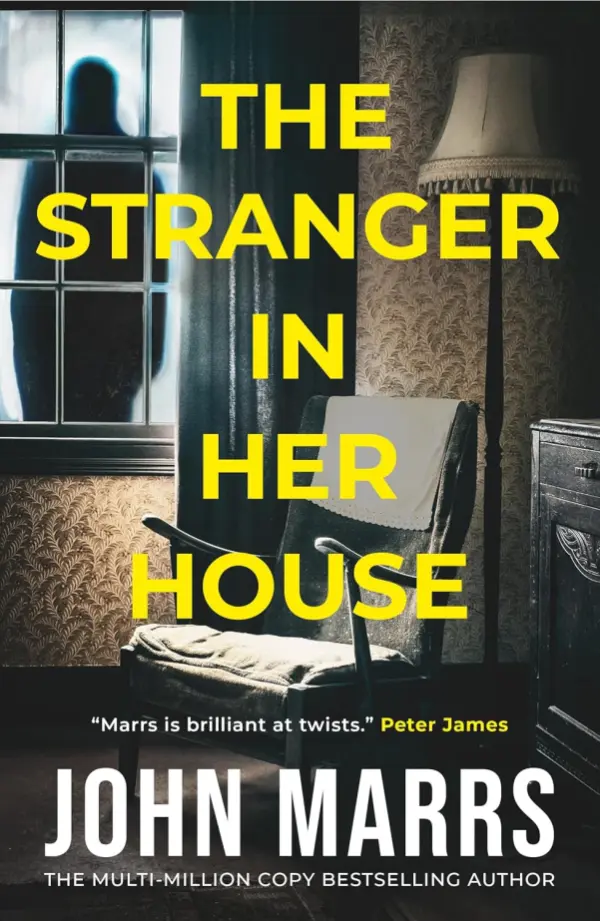
John Marrs
Average Goodreads rating3.9
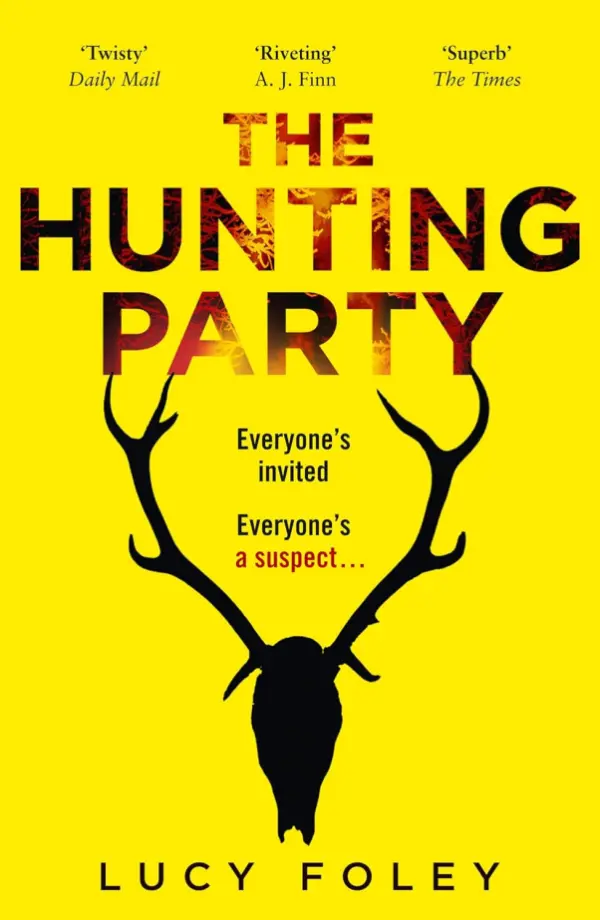
Lucy Foley
Average Goodreads rating4.0
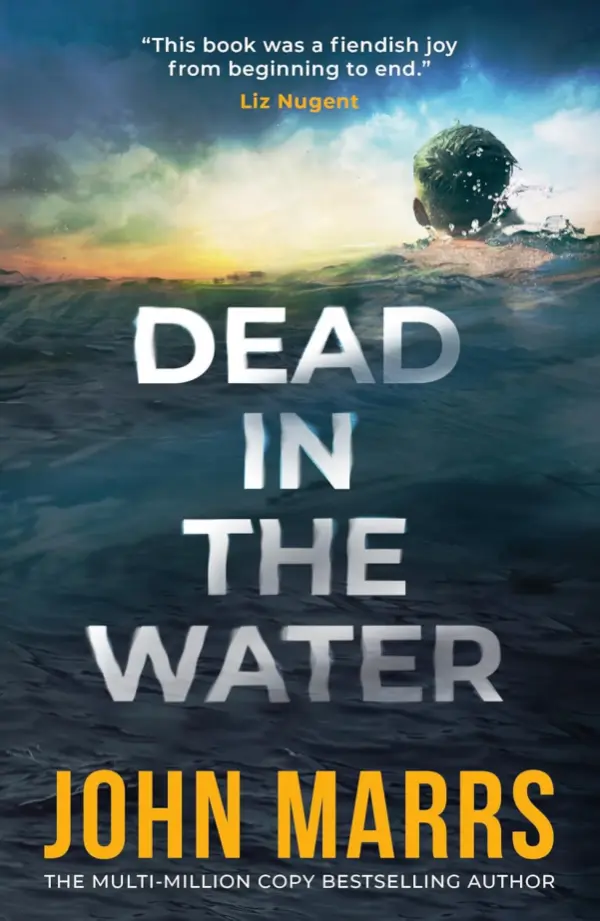
John Marrs
Average Goodreads rating3.9
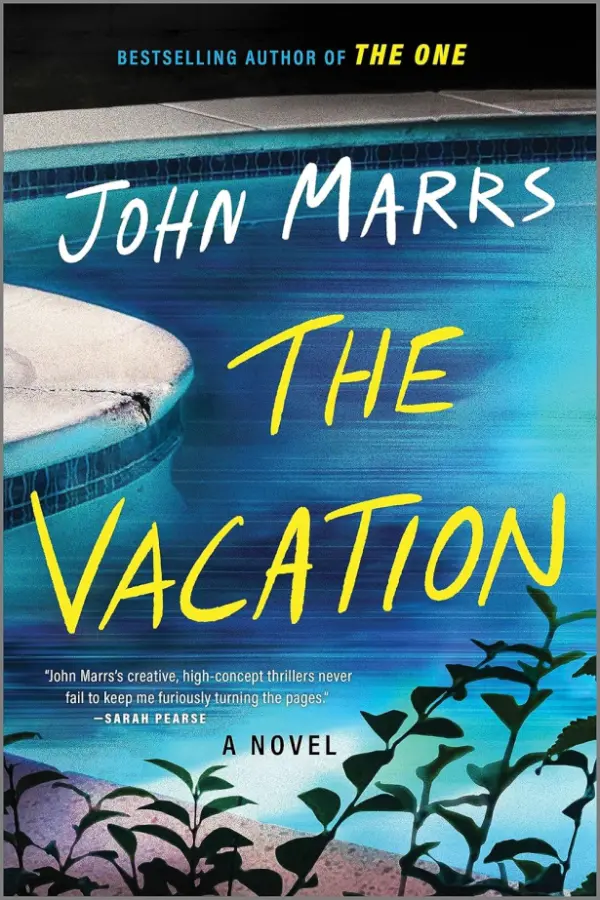
John Marrs
Average Goodreads rating3.7

John Marrs
Average Goodreads rating4.0

Freida McFadden
The Housemaid, book 1
Average Goodreads rating4.5
Matched via its series
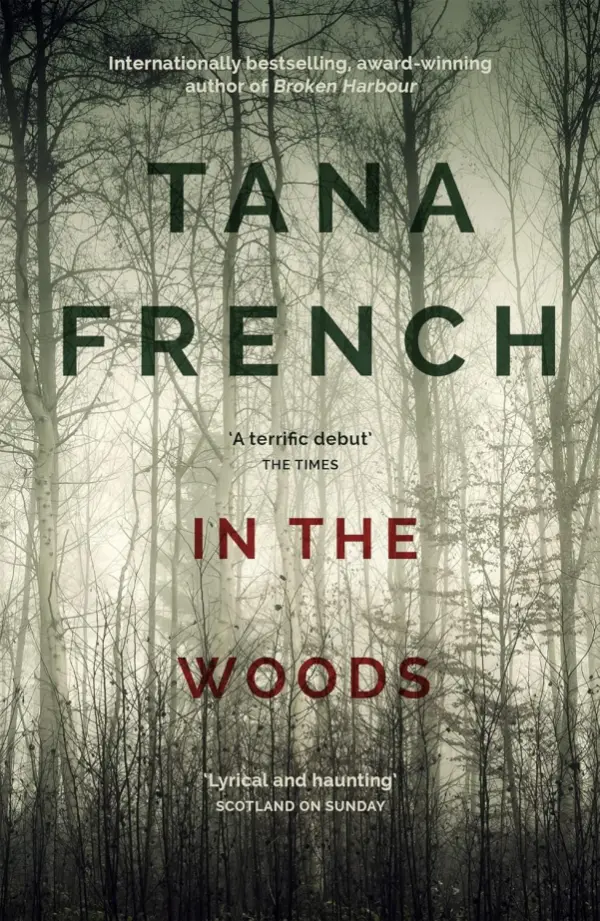
Tana French
Dublin Murder Squad, book 1
Average Goodreads rating3.8
Matched via its series
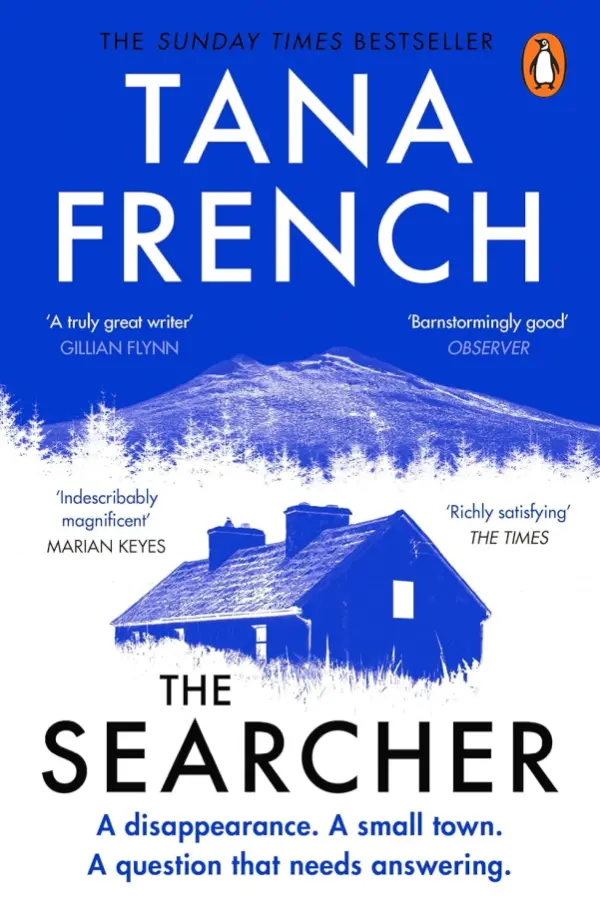
Tana French
Cal Hooper, book 1
Average Goodreads rating3.8
Matched via its series
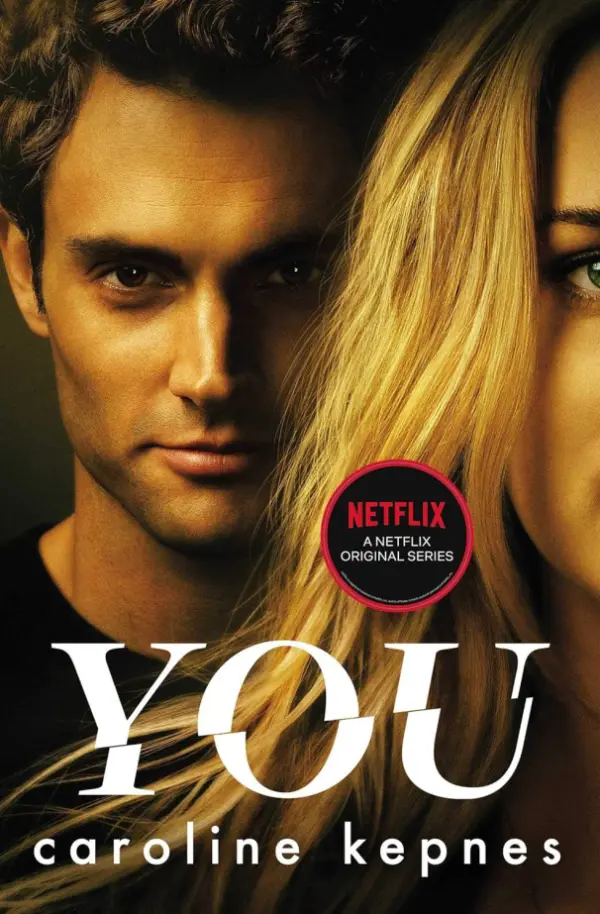
Caroline Kepnes
You, book 1
Average Goodreads rating4.2
Matched via its series

John Marrs
Dark Future, book 1
Average Goodreads rating4.3
Matched via its series

Freida McFadden
The Housemaid, book 2
Average Goodreads rating4.4
Matched via its series

Freida McFadden
The Housemaid, book 3
Average Goodreads rating4.3
Matched via its series
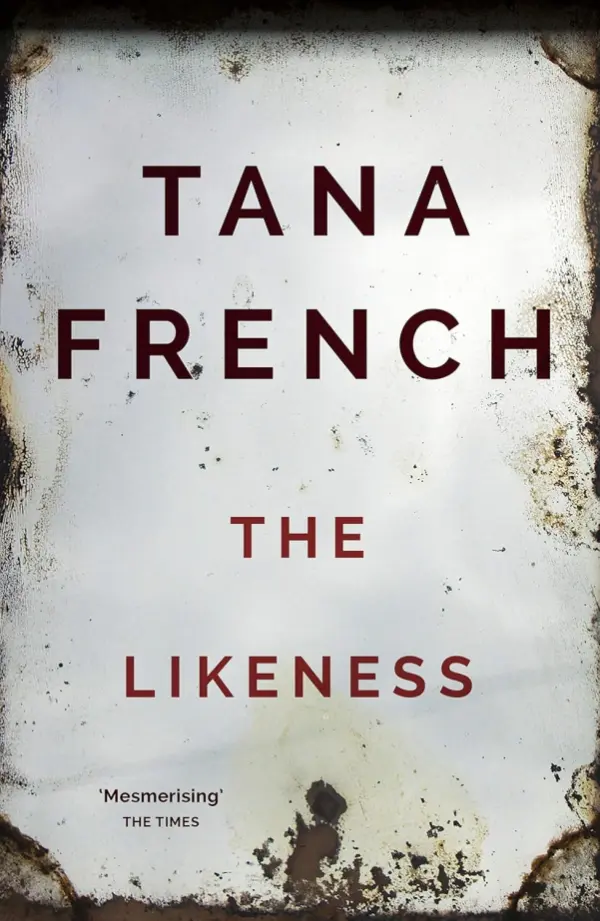
Tana French
Dublin Murder Squad, book 2
Average Goodreads rating4.1
Matched via its series
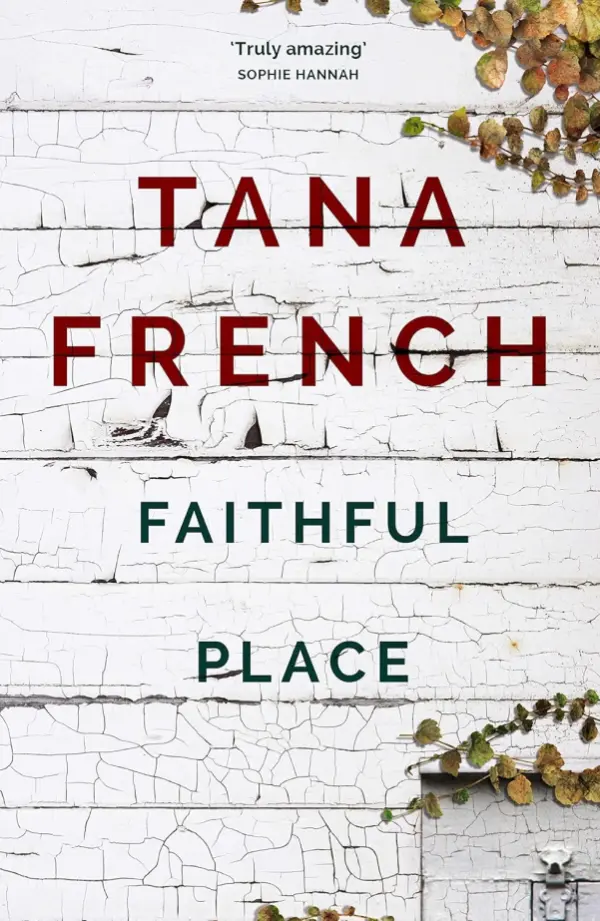
Tana French
Dublin Murder Squad, book 3
Average Goodreads rating4.0
Matched via its series
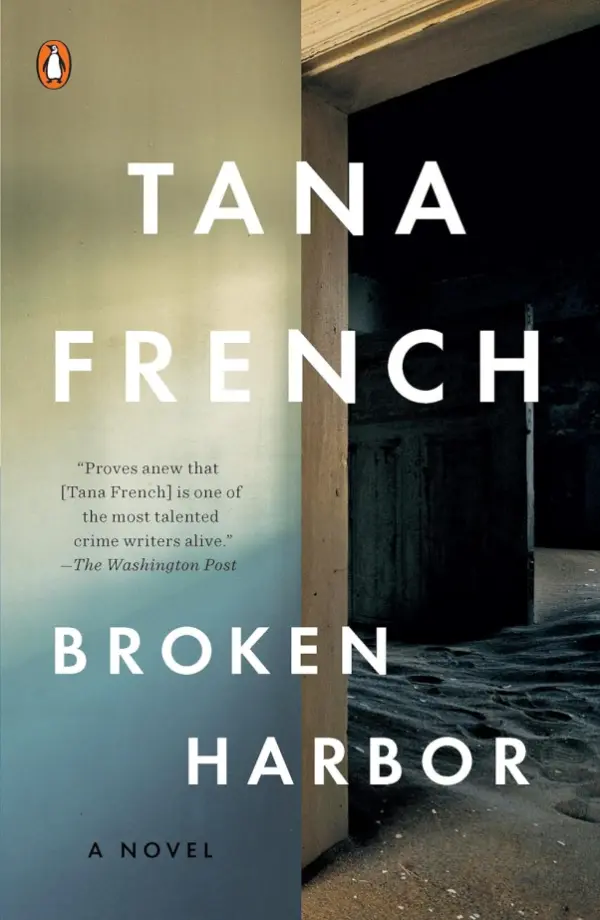
Tana French
Dublin Murder Squad, book 4
Average Goodreads rating4.0
Matched via its series
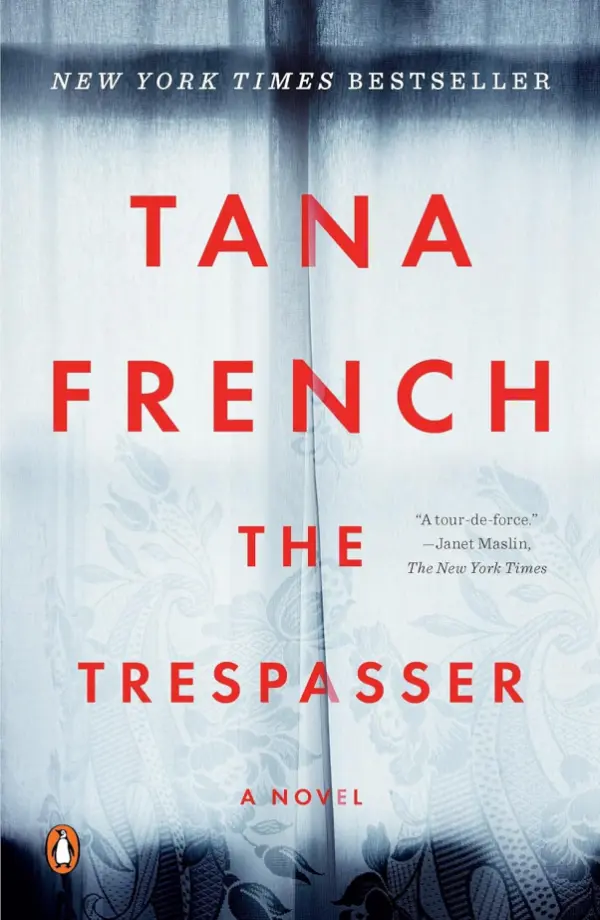
Tana French
Dublin Murder Squad, book 6
Average Goodreads rating4.0
Matched via its series

Tana French
Dublin Murder Squad, book 5
Average Goodreads rating3.8
Matched via its series
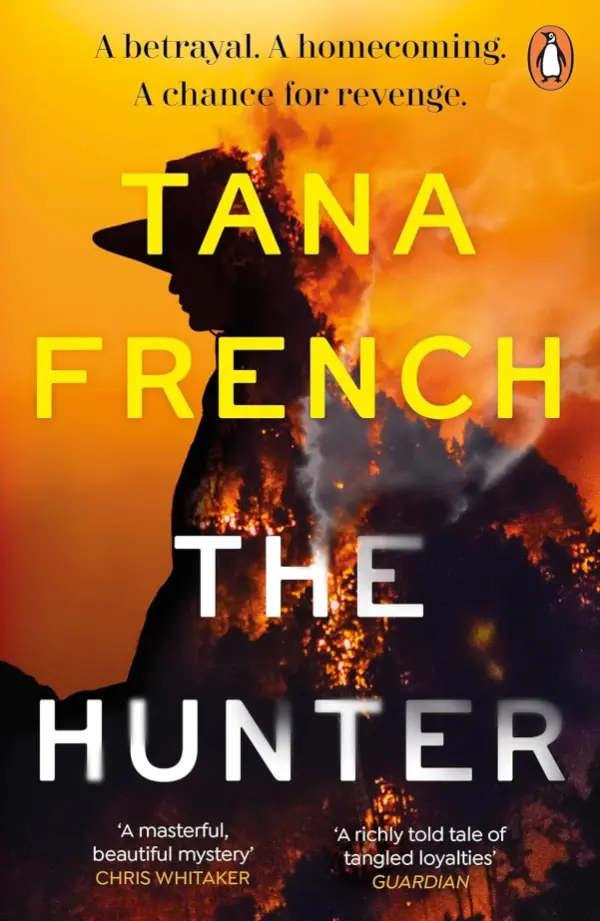
Tana French
Cal Hooper, book 2
Average Goodreads rating4.1
Matched via its series
Tropes that share the most books with Psychological Thriller
At its core, the psychological thriller is a genre built on the one thing no reader can fully trust: the human mind. Where a conventional thriller might chase you with a killer or a countdown clock, this one turns the threat inward. The danger lives in perception, memory, and motive. You're not just asking who did it — you're asking whether the narrator even knows what's real.
The genre sits at a fascinating crossroads between suspense fiction and psychological horror, borrowing the pacing of the former and the dread of the latter. Readers who love it tend to describe it as compulsive in a way that feels almost uncomfortable, the literary equivalent of picking at a loose thread you know you shouldn't touch.
Unreliable narrators are perhaps the genre's most recognisable feature. A character's account of events shifts, contradicts itself, or quietly omits details that would change everything. The reader becomes an active participant, cross-examining testimony rather than simply following a story.
Equally central is the slow build of paranoia. Psychological thrillers rarely deal in sudden shock — they deal in mounting unease. A perfectly ordinary conversation starts to feel menacing. A character's behaviour, explained away once, becomes impossible to explain away twice. By the time something genuinely frightening happens, the reader is already wound tight enough to snap.
Identity is another recurring obsession: who we are versus who others believe us to be, and what happens when those two things stop matching. Gaslighting, manipulation, and the abuse of trust between characters who should be safe are common engines of plot. Domestic settings — marriages, families, close friendships — are frequently used precisely because the intimacy makes the betrayal cut deeper.
The domestic psychological thriller places ordinary household relationships under the kind of pressure that reveals everything ugly underneath. A marriage with secrets. A neighbour who watches too closely. A friendship that curdles into something controlling. These stories tend to feel uncomfortably plausible, which is precisely why they resonate.
Then there's the amnesiac thriller, built around a protagonist who cannot fully access their own past. Memory becomes both the mystery and the obstacle, and the reader pieces together events alongside a narrator who may not want to remember what they uncover.
Gothic-inflected psychological thrillers push the atmosphere much darker, drawing on isolated houses, inherited trauma, and the sense that the past is actively pressing in on the present. The threat here is often as much internal as external — a character unravelling in a place that seems designed to undo them.
Some stories in this space blur into literary fiction, prioritising the dissection of a fractured mind over plot mechanics. Others are propulsive and twist-heavy, engineered for a single devastating revelation. Both approaches have devoted readers, and the best examples manage to be both at once.
There's something distinctly satisfying about being fooled well. When a psychological thriller lands its central misdirection with precision, readers don't feel cheated — they feel impressed, and then they immediately want to go back and find all the places the author hid the truth in plain sight.
The genre also offers something that pure action-driven thrillers don't: a framework for exploring how minds break under pressure, how people deceive themselves as readily as they deceive others, and how frighteningly thin the line is between a reliable witness and a completely compromised one. That's not just entertainment. That's the kind of question that stays with you long after the last page.
Gripping, slippery, and psychologically forensic — this is the genre for readers who want to feel genuinely outmanoeuvred by a book.
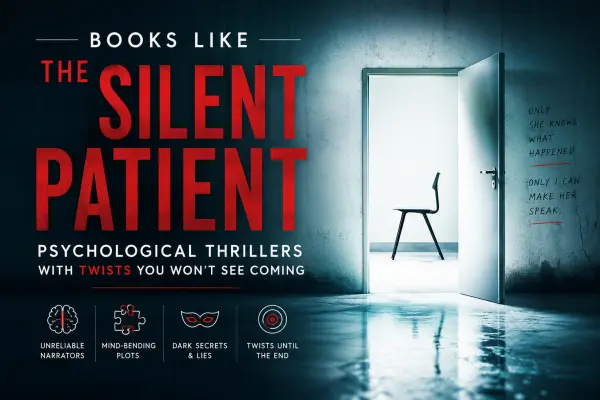
If The Silent Patient's twist left you reeling, discover 13 psychological thrillers with the same unreliable narrators, therapy-room tension, and gasp-out-loud reveals.
Occasional emails with new recommendations, series news and trope round-ups.