
Local Woman Missing
Mary Kubica
Average Goodreads rating4.1
- Multiple POV
- Twist Ending

Book trope · 26 books
Domestic suspense is the art of making home feel dangerous. It takes the spaces we associate with safety — the kitchen, the bedroom, the quiet suburban street — and charges them with dread.
More about the Domestic Suspense trope23 are tagged with Domestic Suspense individually. The others belong to a series tagged with it, which doesn’t mean every book in it features the trope, so they’re marked “Matched via its series”.
Updating books…
26 books found
Mary Kubica
Average Goodreads rating4.1

Shari Lapena
Average Goodreads rating3.8
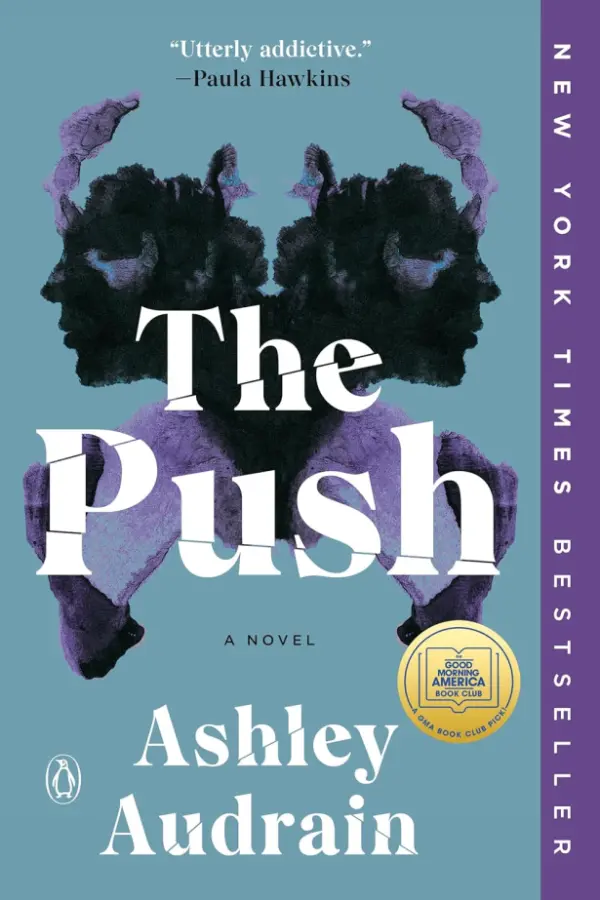
Ashley Audrain
Average Goodreads rating4.0

John Marrs
Average Goodreads rating4.1
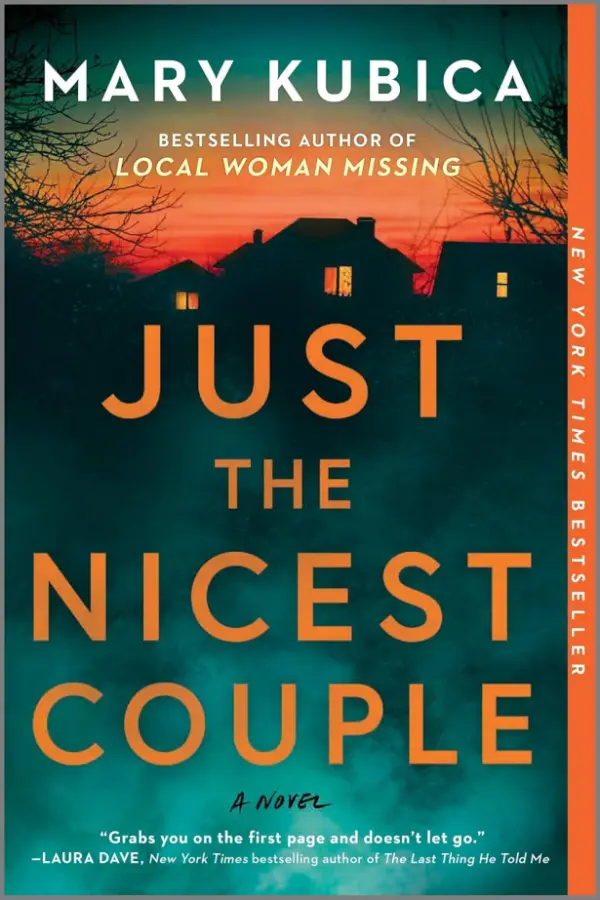
Mary Kubica
Average Goodreads rating3.6
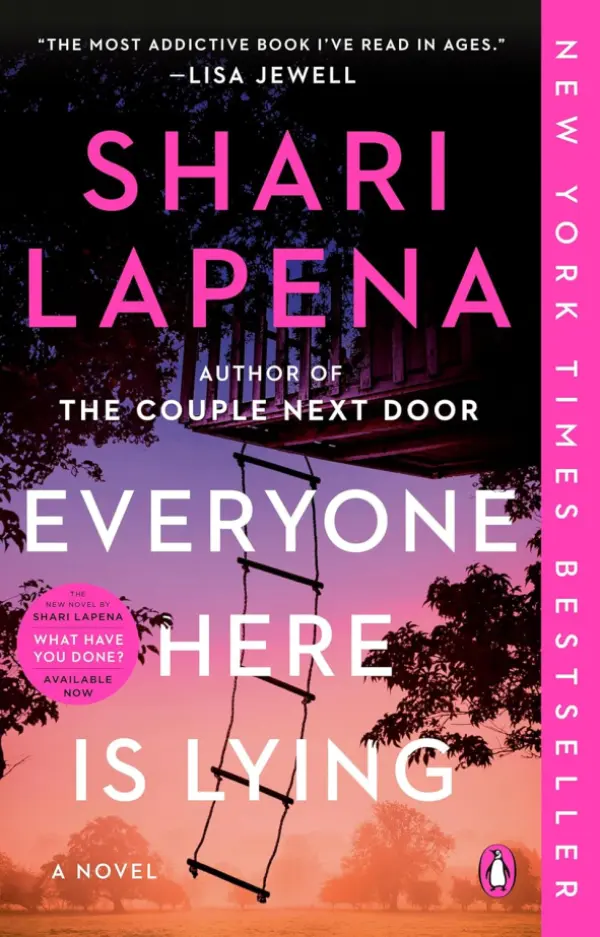
Shari Lapena
Average Goodreads rating3.8
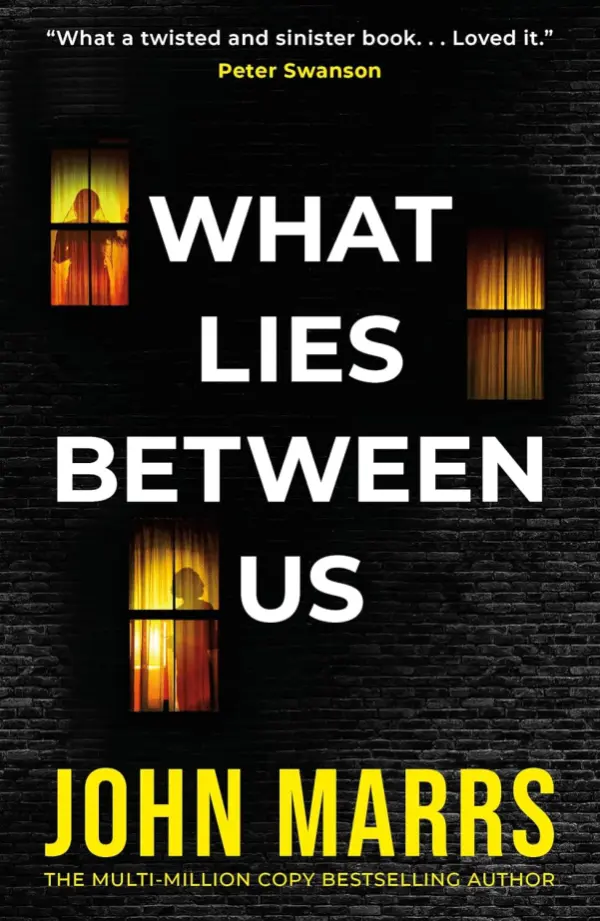
John Marrs
Average Goodreads rating4.0

Mary Kubica
Average Goodreads rating3.8

Shari Lapena
Average Goodreads rating3.7
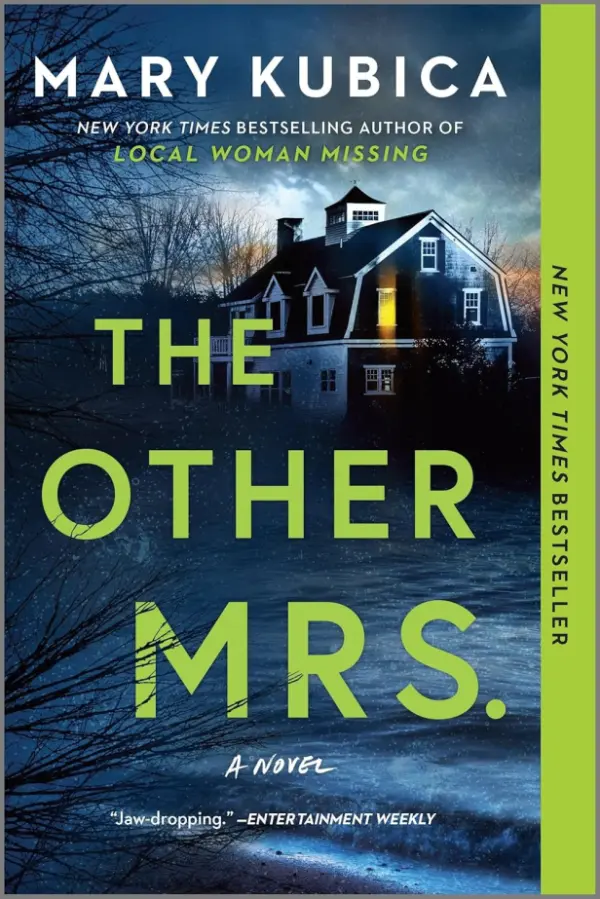
Mary Kubica
Average Goodreads rating3.7

Shari Lapena
Average Goodreads rating3.9
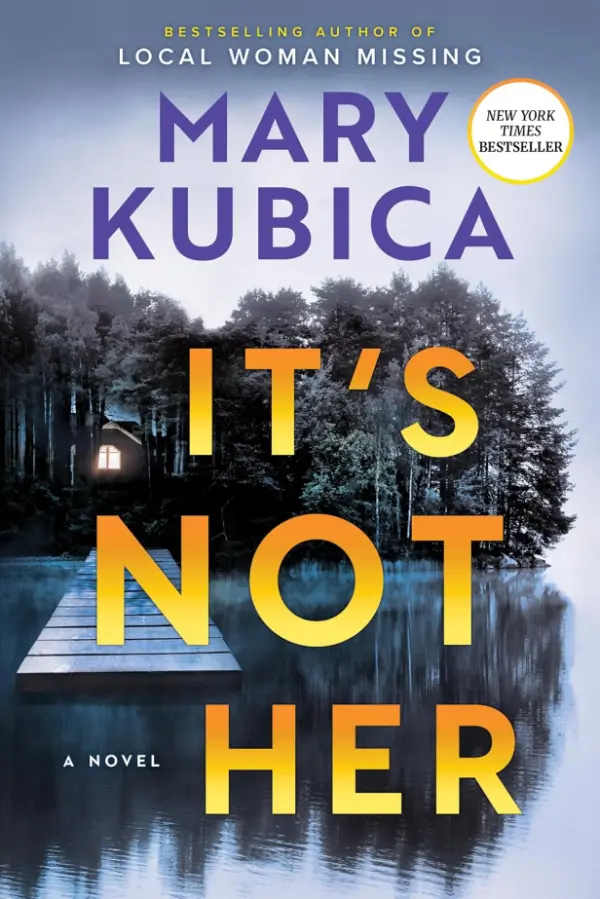
Mary Kubica
Average Goodreads rating3.9

Shari Lapena
Average Goodreads rating3.9
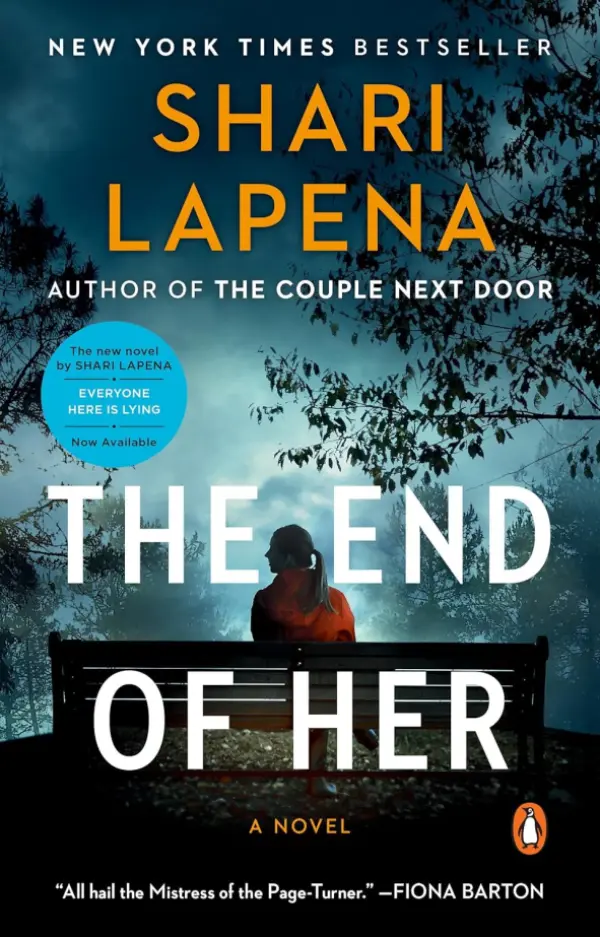
Shari Lapena
Average Goodreads rating3.8

John Marrs
Average Goodreads rating4.0
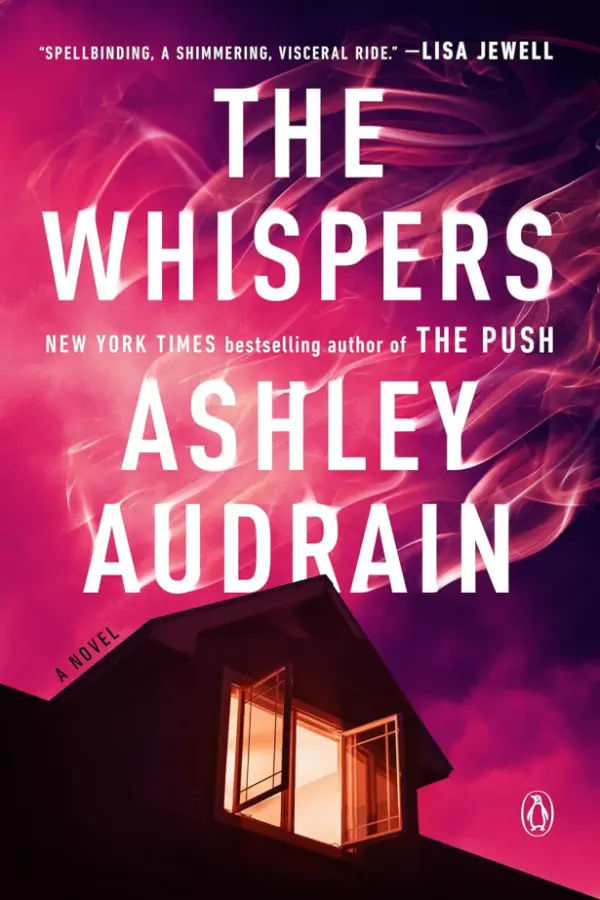
Ashley Audrain
Average Goodreads rating3.8
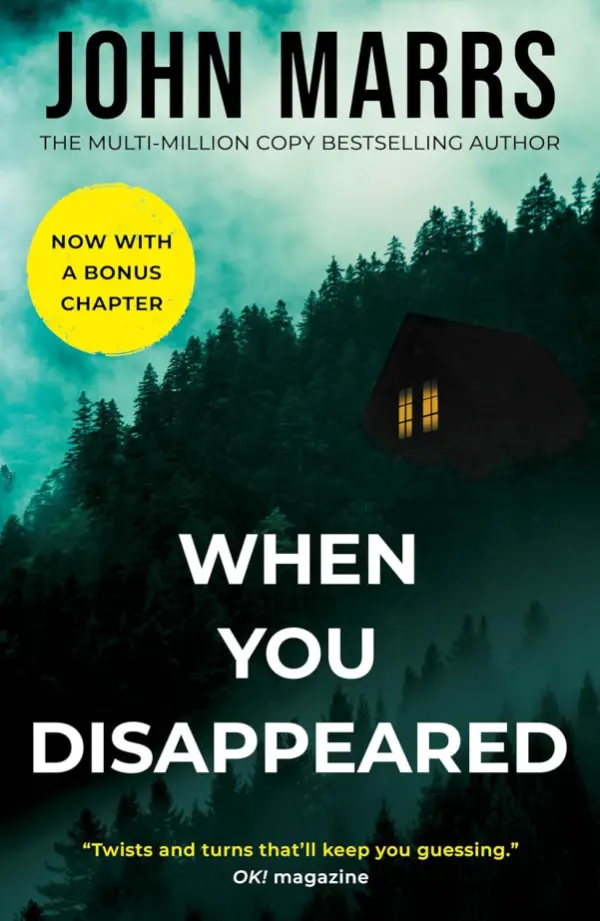
John Marrs
Average Goodreads rating3.9

Mary Kubica
Average Goodreads rating3.7
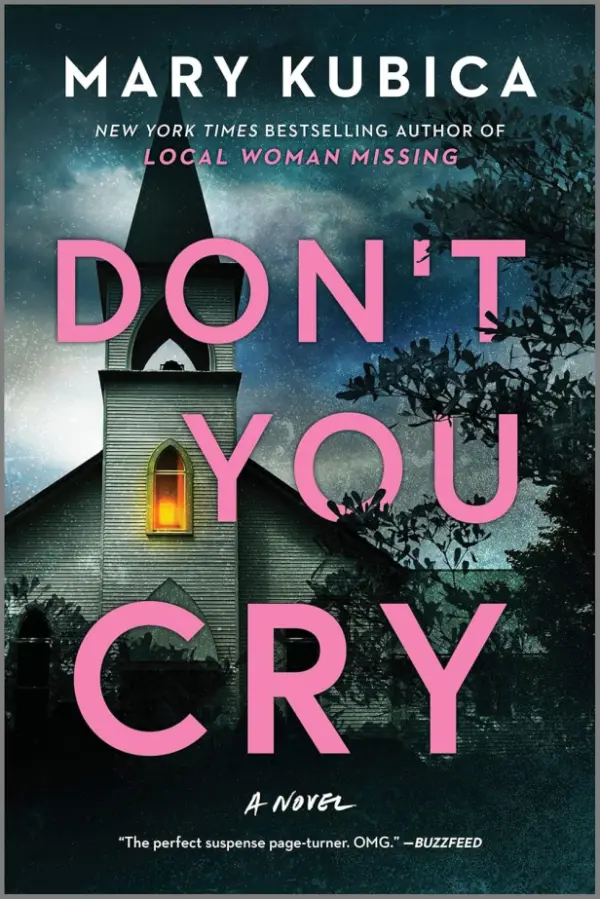
Mary Kubica
Average Goodreads rating3.5

John Marrs
Average Goodreads rating3.9

Sarah Pinborough
Average Goodreads rating3.7

Sarah Pinborough
Average Goodreads rating3.7

Shari Lapena

Freida McFadden
The Housemaid, book 1
Average Goodreads rating4.5
Matched via its series

Freida McFadden
The Housemaid, book 2
Average Goodreads rating4.4
Matched via its series

Freida McFadden
The Housemaid, book 3
Average Goodreads rating4.3
Matched via its series
Tropes that share the most books with Domestic Suspense
Domestic suspense is the art of making home feel dangerous. It takes the spaces we associate with safety — the kitchen, the bedroom, the quiet suburban street — and charges them with dread. At its core, the trope asks a deeply unsettling question: what if the greatest threat in your life is the person sitting across the dinner table from you?
Unlike traditional crime thrillers, where danger arrives from outside, domestic suspense works by collapsing the distance between the protagonist and the threat. The menace is intimate. It knows your routines, your weaknesses, your secrets. That proximity is precisely what makes it so effective.
A domestic suspense narrative almost always centres on a close relationship under pressure — a marriage, a friendship, a family unit — where trust has either eroded or is slowly being dismantled. The protagonist is frequently a woman who begins to doubt her own perception of events, or who suspects the person closest to her is not who they claim to be. Unreliable narration is common, and for good reason: when the threat lives inside your head as much as your house, readers can never be entirely sure whose version of events to believe.
Claustrophobia is another defining quality. Settings tend to be contained — a house, a neighbourhood, occasionally a workplace — and that containment becomes part of the psychological pressure. Characters can't simply leave, or feel they can't, and the story wrings tension from that trap.
The trope shades into psychological thriller territory frequently, and the overlap is deliberate. Some stories lean into the gaslighting dynamic, where a character is systematically made to question their own sanity. Others focus on the slow unravelling of a seemingly perfect marriage, peeling back layers of deception until the reader isn't sure who to root for. There's also a strain of domestic suspense told from multiple perspectives — sometimes the deceiver and the deceived simultaneously — which creates an almost unbearable tension as readers watch a collision approach that neither narrator can yet see.
You'll find the trope woven into literary fiction as readily as genre thrillers. It sits comfortably in stories about motherhood, grief, obsession, and identity. Social dynamics — class, gender, power within relationships — are often part of the fabric, giving the suspense a layer of commentary that lingers after the final page.
There's something viscerally compelling about danger that's dressed in domesticity. The trope taps into anxieties that are genuinely universal — about who we trust, whether we truly know the people we love, and whether the life we've built is as solid as it appears. It doesn't require supernatural threats or elaborate conspiracies to get under your skin. A locked door, an unexplained absence, a smile that doesn't quite reach the eyes — in domestic suspense, the smallest details carry enormous weight.
That specificity of ordinary detail, turned sinister, is what keeps the genre so compelling. Your own home will never look quite the same after you've read it.
Occasional emails with new recommendations, series news and trope round-ups.