
Rock Paper Scissors
Alice Feeney
Average Goodreads rating3.9
- Multiple POV
- Twist Ending

Book trope · 41 books
Truth is straightforward. Deception is interesting. The Deception trope is built on the gap between what characters present to the world and what is actually true - and the extraordinary lengths people will go to in order to maintain that gap.
More about the Deception trope36 are tagged with Deception individually. The others belong to a series tagged with it, which doesn’t mean every book in it features the trope, so they’re marked “Matched via its series”.
Updating books…
41 books found
Alice Feeney
Average Goodreads rating3.9

Shari Lapena
Average Goodreads rating3.8

Alice Feeney
Average Goodreads rating3.6
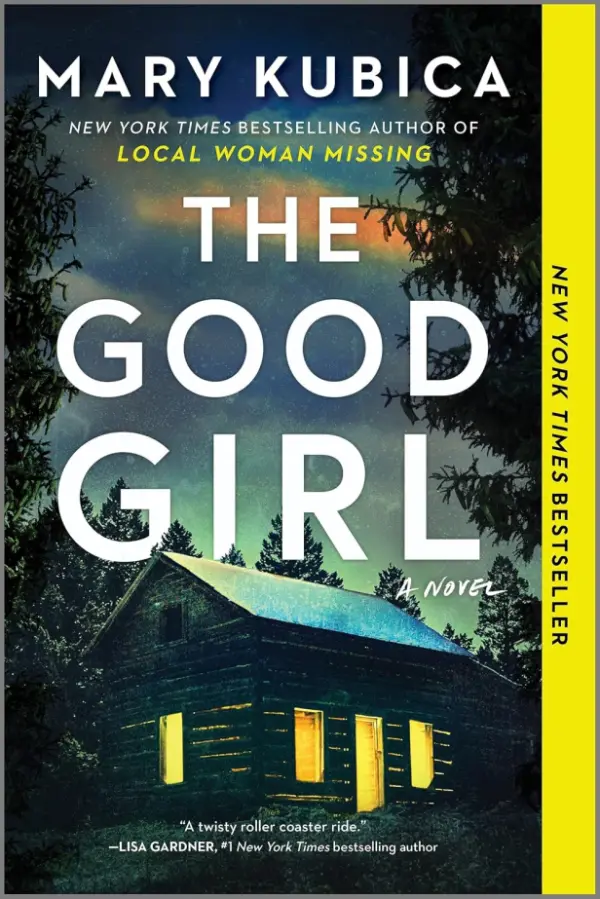
Mary Kubica
Average Goodreads rating3.8
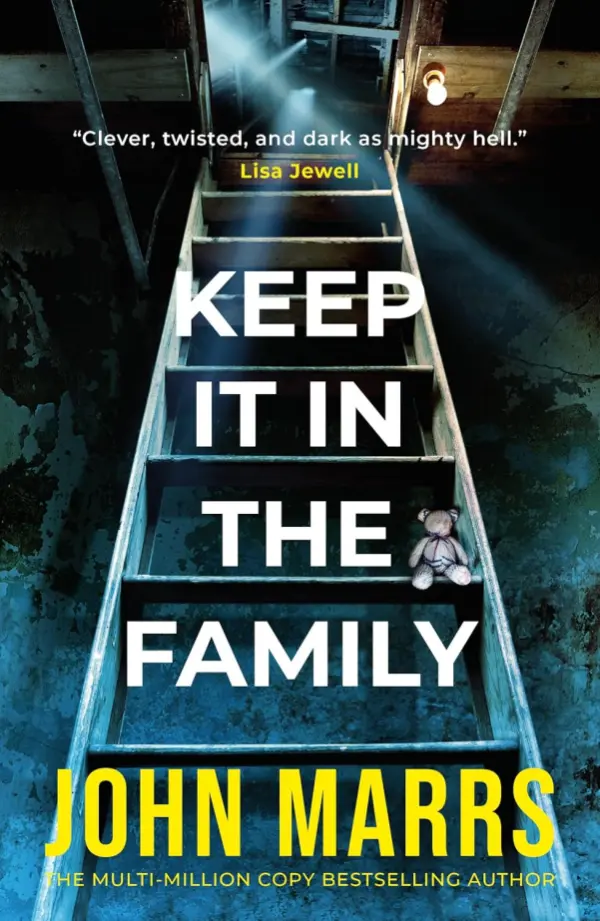
John Marrs
Average Goodreads rating4.1
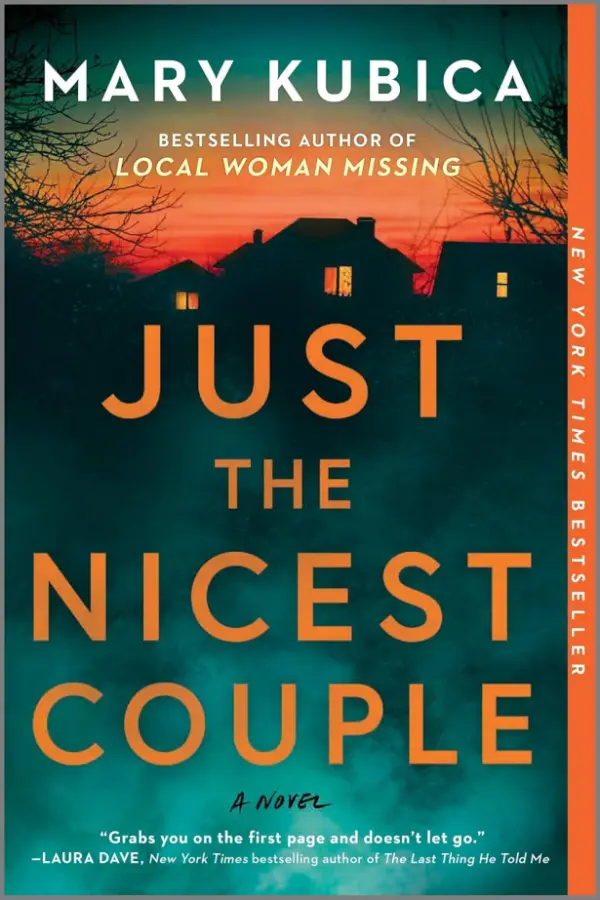
Mary Kubica
Average Goodreads rating3.6

Shari Lapena
Average Goodreads rating3.8

Shari Lapena
Average Goodreads rating3.8
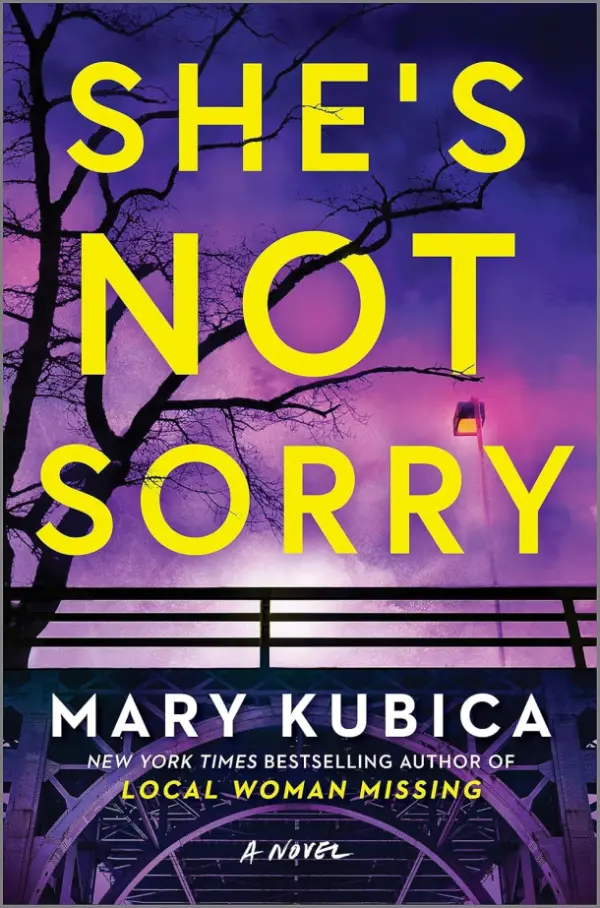
Mary Kubica
Average Goodreads rating3.8

Shari Lapena
Average Goodreads rating3.7

Shari Lapena
Average Goodreads rating3.9

Shari Lapena
Average Goodreads rating3.9
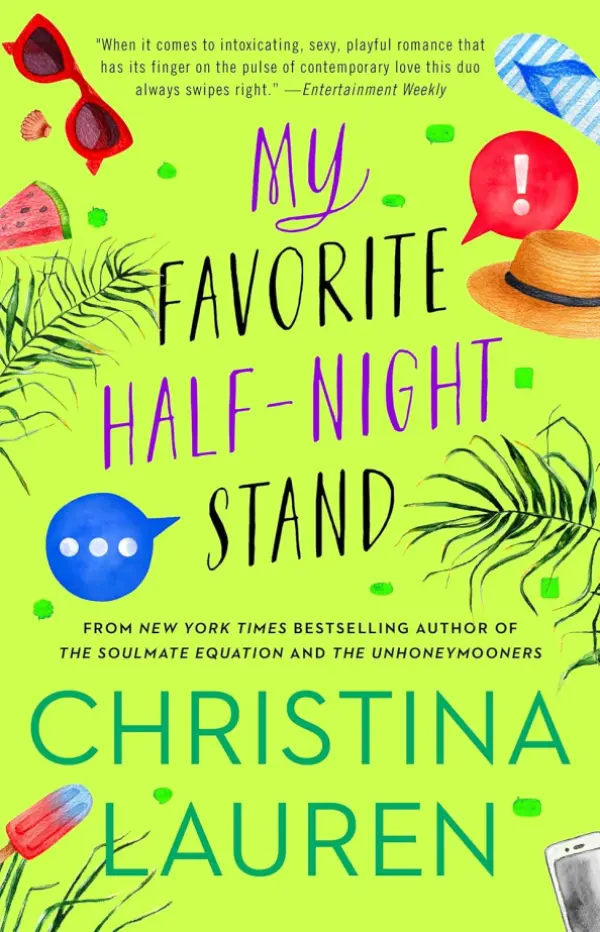
Christina Lauren
Average Goodreads rating3.7

Shari Lapena
Average Goodreads rating3.8

John Marrs
Average Goodreads rating4.0
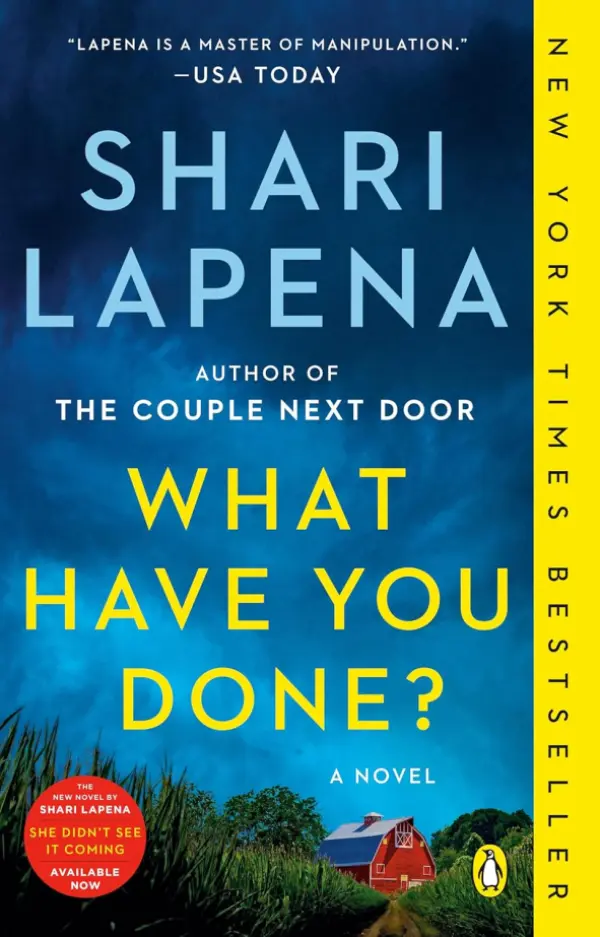
Shari Lapena
Average Goodreads rating3.8
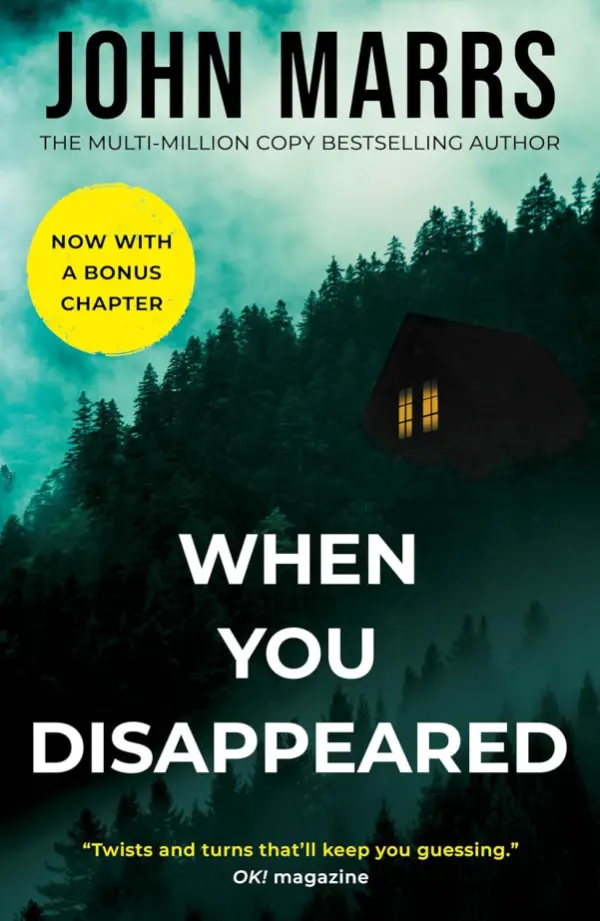
John Marrs
Average Goodreads rating3.9

Alice Feeney
Average Goodreads rating3.4
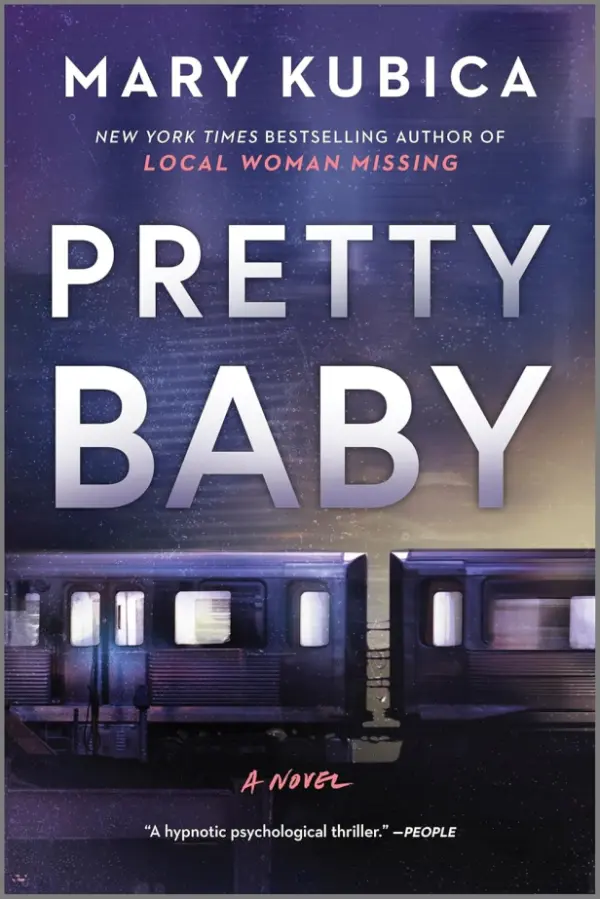
Mary Kubica
Average Goodreads rating3.7
Mary Kubica
Average Goodreads rating3.5
Lynn Painter
Average Goodreads rating3.5
Mary Kubica
Average Goodreads rating3.3

Alice Feeney
Average Goodreads rating4.3
Mary Kubica
Average Goodreads rating3.2

John Marrs
Average Goodreads rating3.7
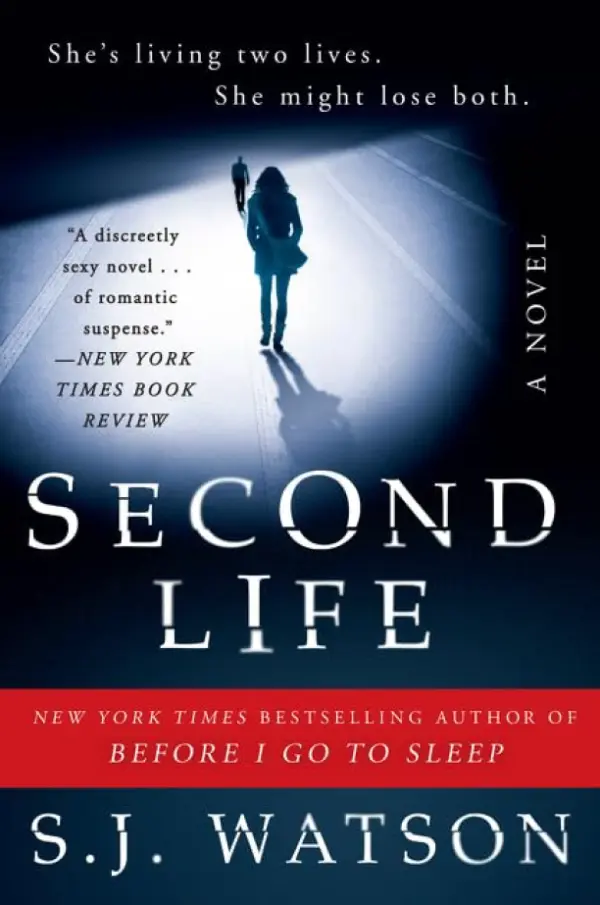
S. J. Watson
Average Goodreads rating3.3

Lynn Painter
Average Goodreads rating3.8

Sarah Pinborough
Average Goodreads rating3.3
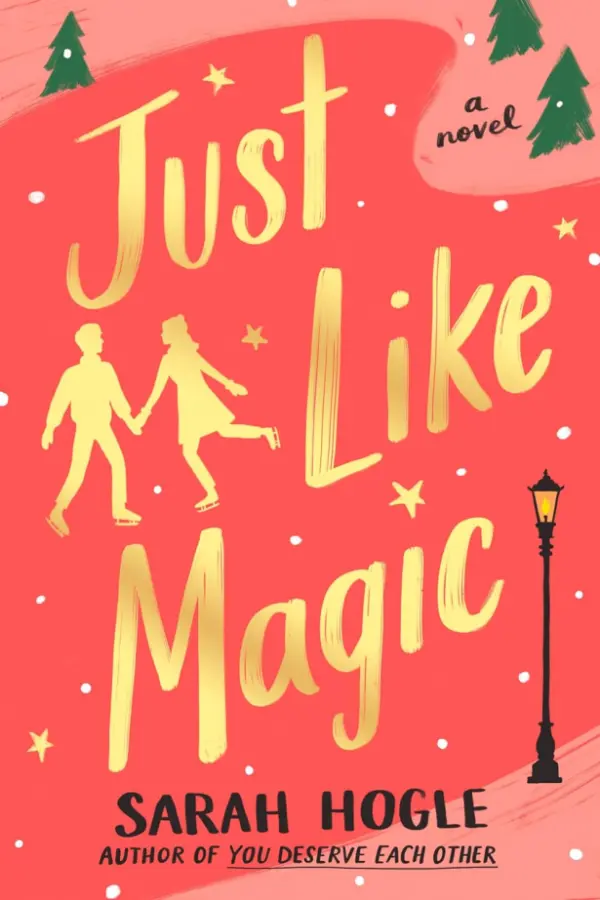
Sarah Hogle
Average Goodreads rating3.5

Shari Lapena
Tropes that share the most books with Deception
Truth is straightforward. Deception is interesting. The Deception trope is built on the gap between what characters present to the world and what is actually true - and the extraordinary lengths people will go to in order to maintain that gap. A character who deceives might be hiding their identity, manufacturing a false version of events, playing a role they have no right to play, or simply allowing others to believe something they know to be untrue. The methods vary enormously. The engine underneath is always the same: someone is not who they say they are, or things are not what they appear to be, and that distance between appearance and reality is where the story lives.
Deception as a trope is defined by intentionality and stakes. A misunderstanding is not deception. A white lie told to spare feelings is not deception in the narrative sense. What defines it here is a deliberate, sustained effort to create a false impression - one that has meaningful consequences if it holds, and equally meaningful consequences if it fails. The deceiver typically has reasons: survival, advantage, protection of someone they love, or a goal that the truth would make impossible. Those reasons matter, because they are what give deception its moral complexity. The lie is rarely just a lie. It is a choice made under pressure, with costs on every side.
Deception stories create a specific kind of dramatic tension that is almost impossible to replicate through other means: the reader knows something that at least one character does not. That knowledge is uncomfortable and pleasurable in equal measure. Readers are invested in the performance - watching a character maintain a fiction under pressure, navigate questions that come too close, manage the accumulating weight of what they are concealing. There is also a moral dimension that keeps the trope compelling: even when readers are rooting for the deceiver, they are rarely entirely comfortable doing so. That discomfort is productive. It keeps the story honest.
Deception narratives are built around escalation. The initial lie requires a second to support it, which requires a third, until the structure the deceiver has constructed becomes genuinely precarious. Relationships deepen in ways that make the lie harder to maintain - because people who know you well start to notice the edges where the fiction doesn't quite fit. The moment of exposure, when it comes, is rarely clean. The truth tends to arrive at the worst possible time, in front of the worst possible audience, with the maximum possible consequences. What follows - the reckoning, the fallout, the question of whether anything real was built on the false foundation - is often where the most interesting story begins.
The Deception trope endures because it asks a question that cuts across every genre and every kind of story: what do we owe each other in terms of truth? It explores that question not through argument but through consequence - showing, in real time, what happens when the gap between appearance and reality finally closes. The best deception stories do not simply reveal the lie and move on. They sit in the aftermath, examining what was genuine within the fiction and what was always hollow. Sometimes the deceiver is the villain. Sometimes they are the most sympathetic character in the room. Often they are both at once.
Occasional emails with new recommendations, series news and trope round-ups.