
The Secret History
Donna Tartt
Average Goodreads rating4.1
- Coming of Age
- Morally Grey Characters

Book trope · 39 books
Someone is dead. Someone else is responsible. And somewhere in the gap between those two facts lies everything the story needs. The Murder Mystery trope is one of fiction's most structurally satisfying forms - a puzzle built into a narrative, a question posed on the first page that the entire story exists to answer.
More about the Murder Mystery trope18 are tagged with Murder Mystery individually. The others belong to a series tagged with it, which doesn’t mean every book in it features the trope, so they’re marked “Matched via its series”.
Updating books…
39 books found
Donna Tartt
Average Goodreads rating4.1
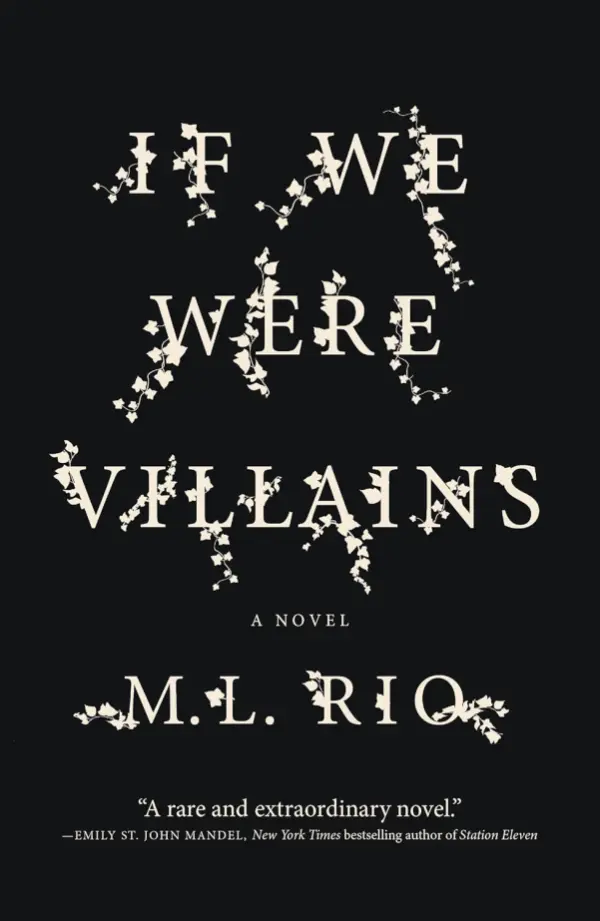
M. L. Rio
Average Goodreads rating4.1
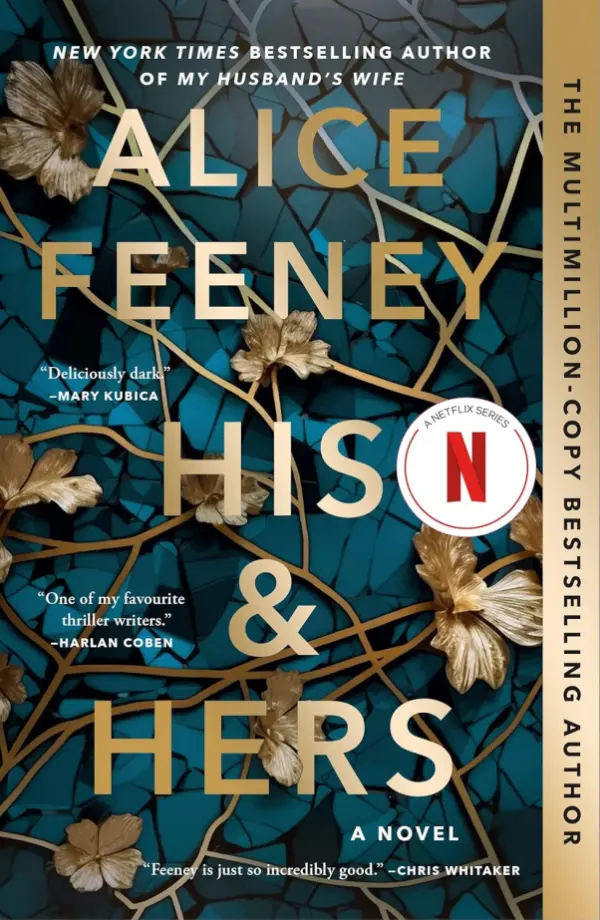
Alice Feeney
Average Goodreads rating4.1
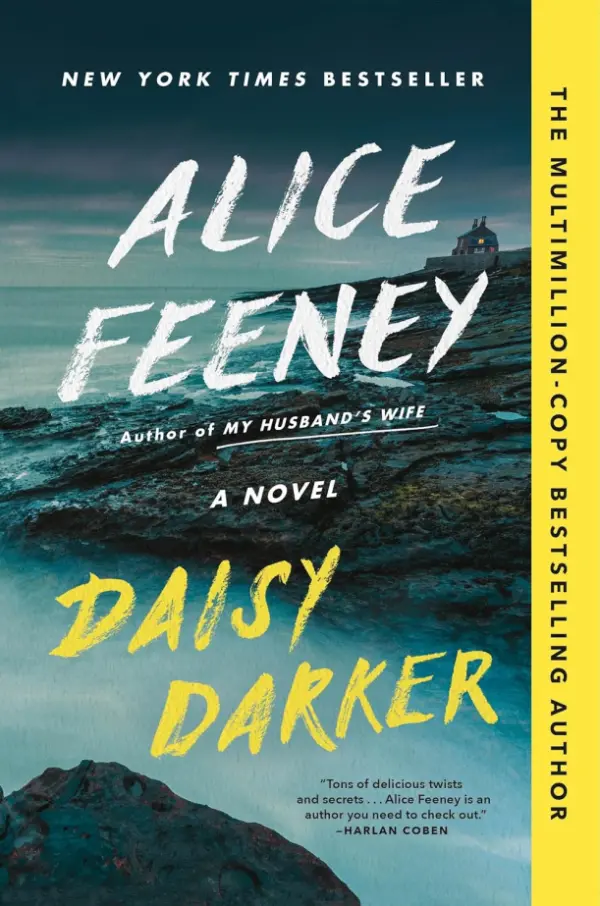
Alice Feeney
Average Goodreads rating3.8
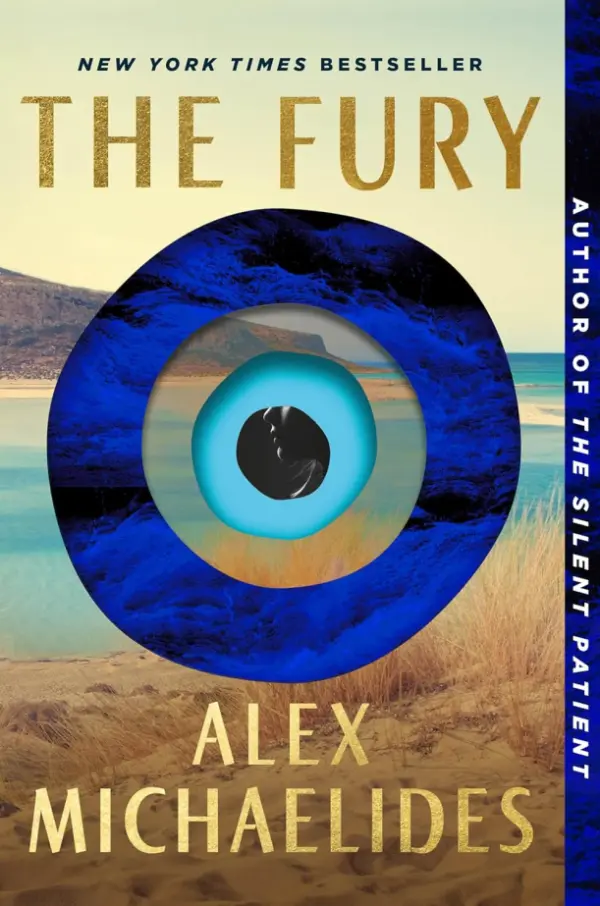
Alex Michaelides
Average Goodreads rating3.4
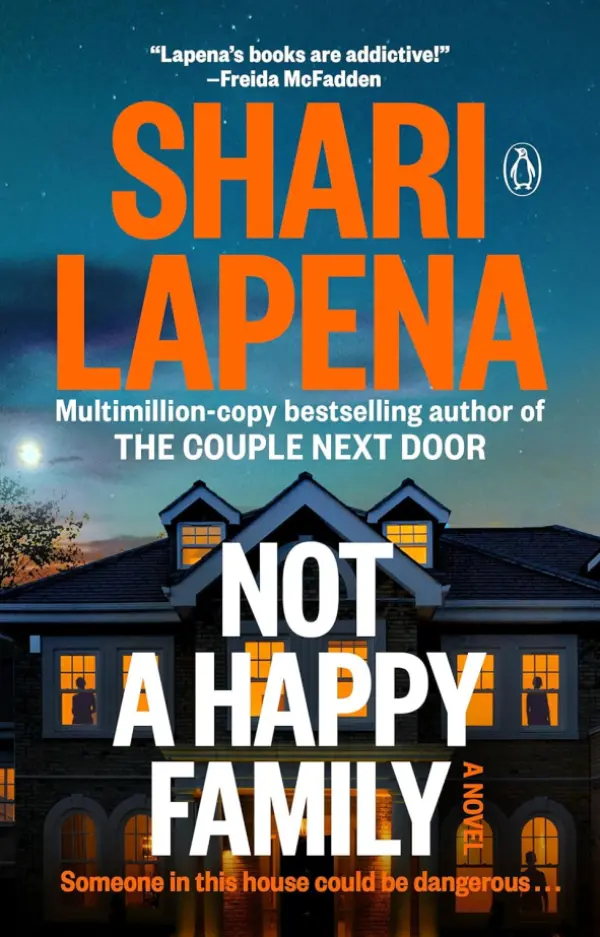
Shari Lapena
Average Goodreads rating3.8
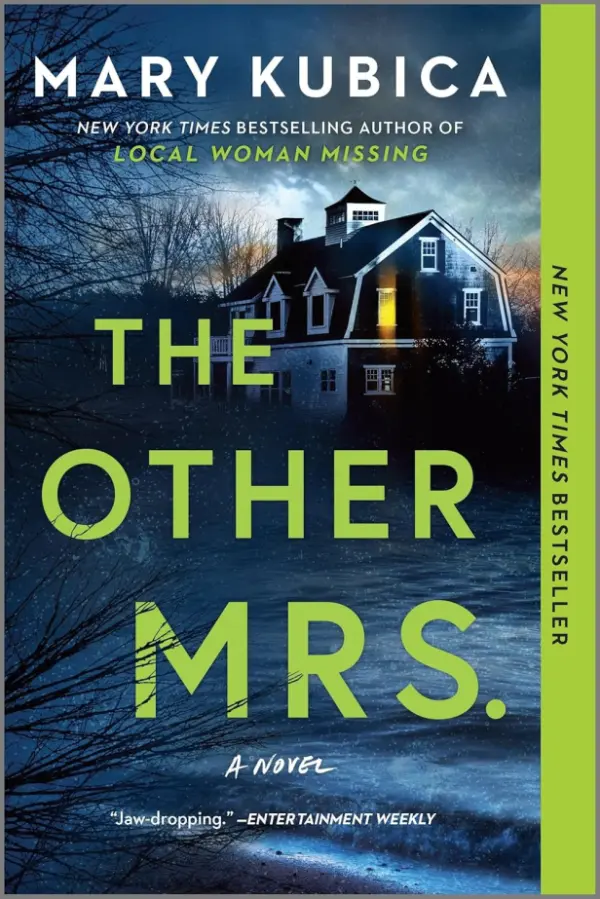
Mary Kubica
Average Goodreads rating3.7
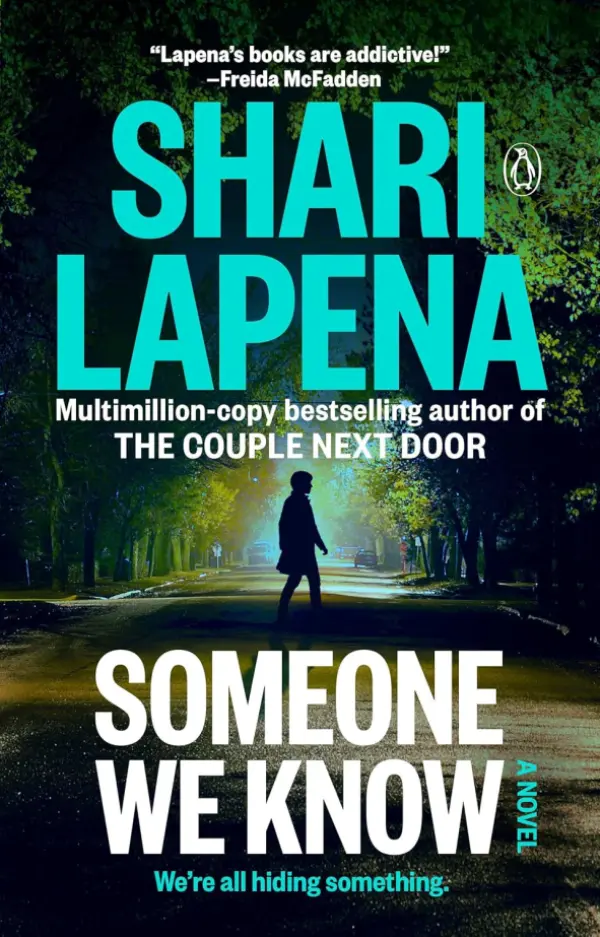
Shari Lapena
Average Goodreads rating3.9
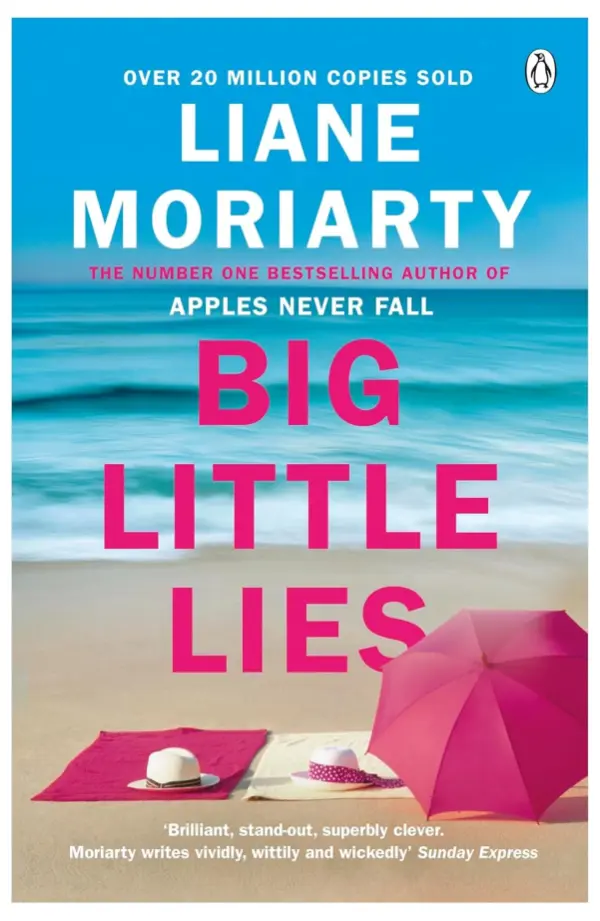
Liane Moriarty
Average Goodreads rating4.5
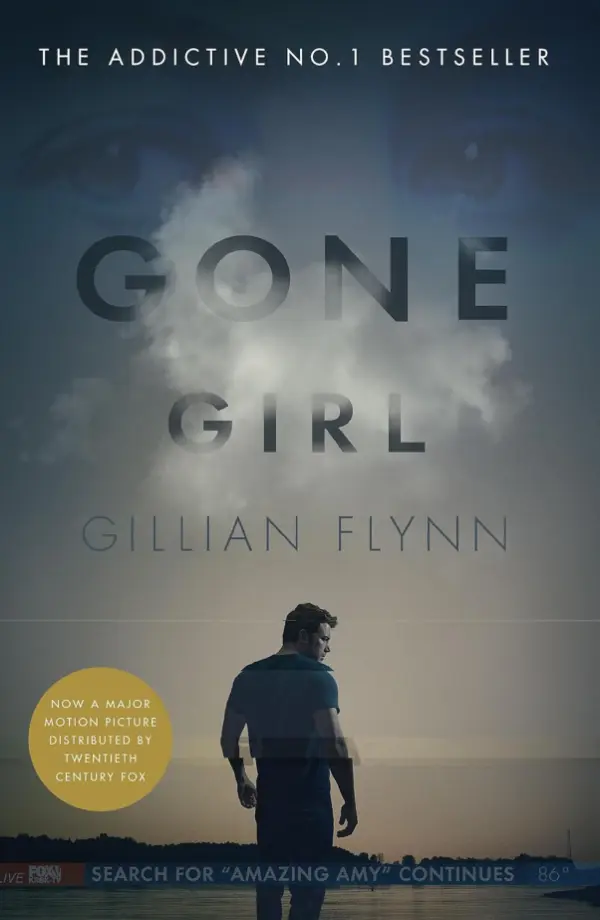
Gillian Flynn
Average Goodreads rating4.0
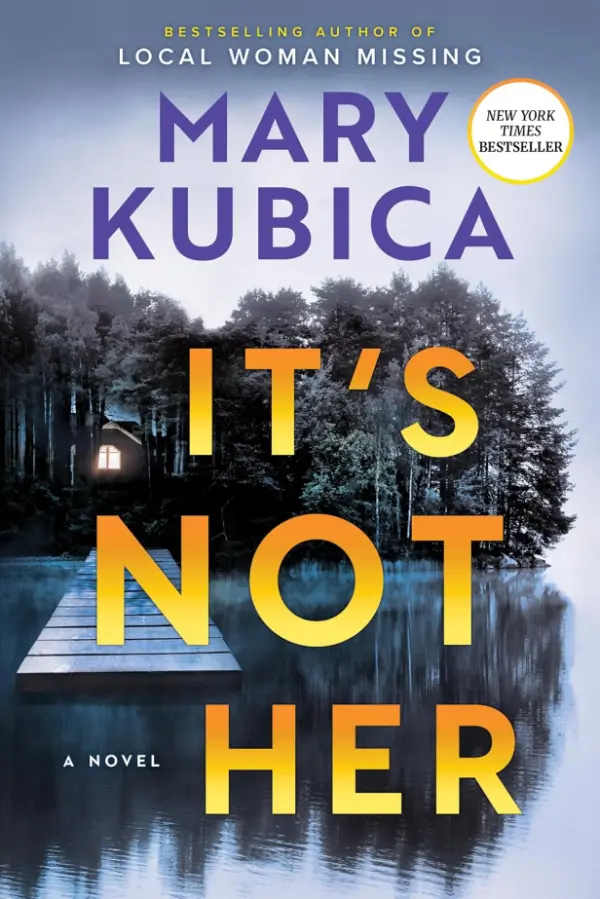
Mary Kubica
Average Goodreads rating3.9
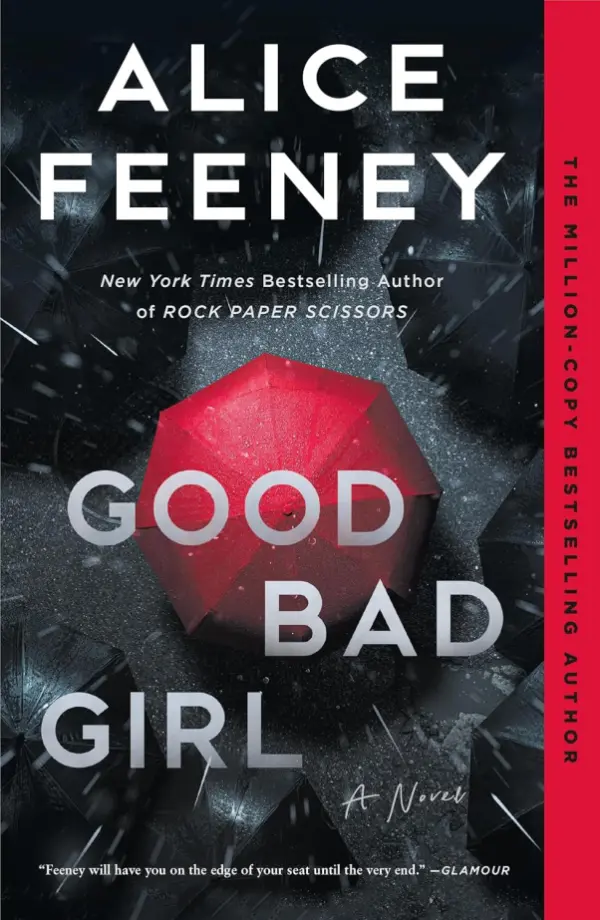
Alice Feeney
Average Goodreads rating3.7
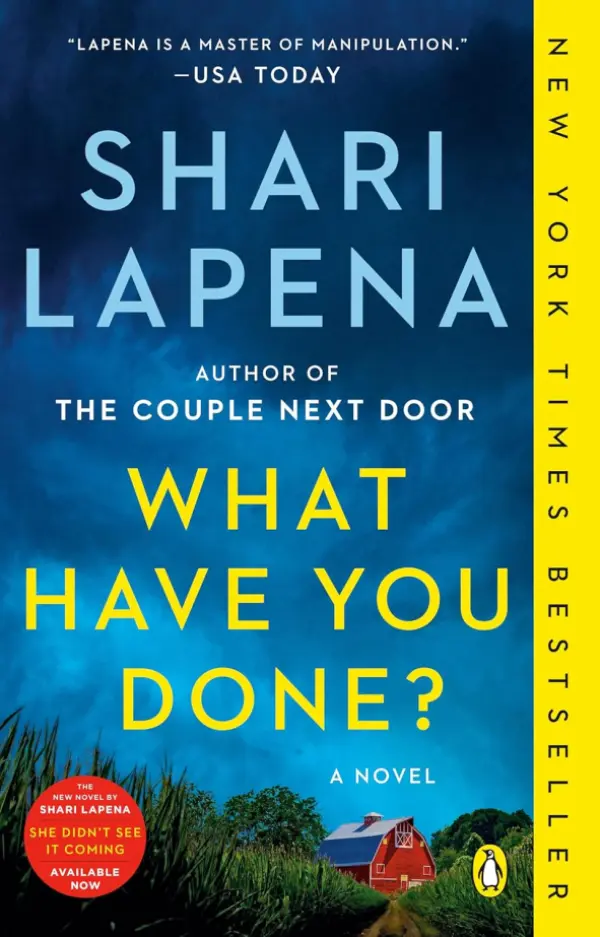
Shari Lapena
Average Goodreads rating3.8
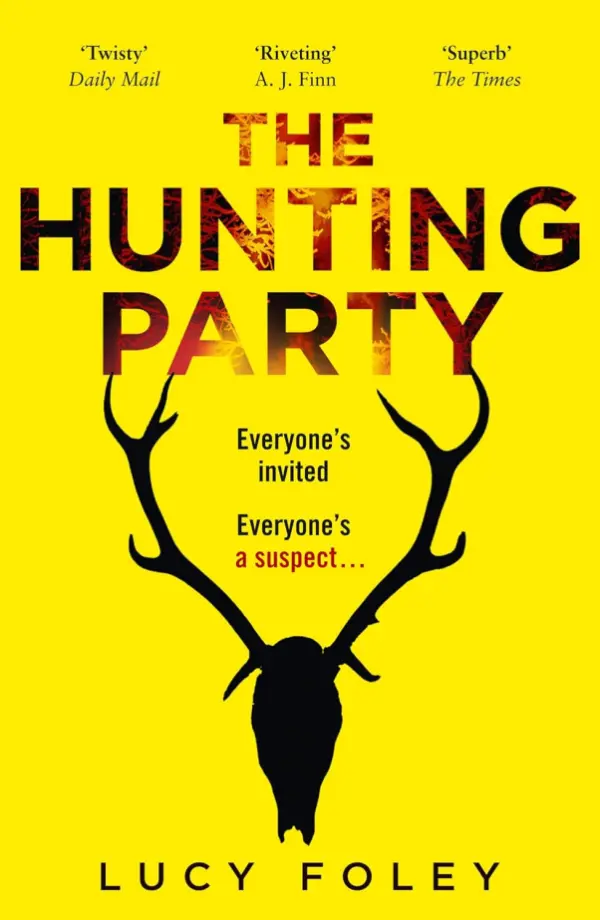
Lucy Foley
Average Goodreads rating4.0
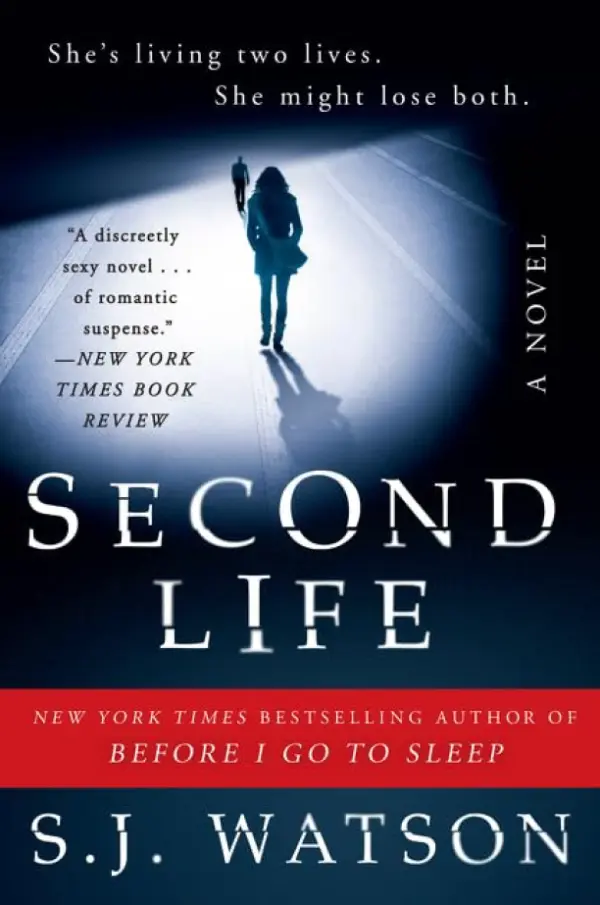
S. J. Watson
Average Goodreads rating3.3
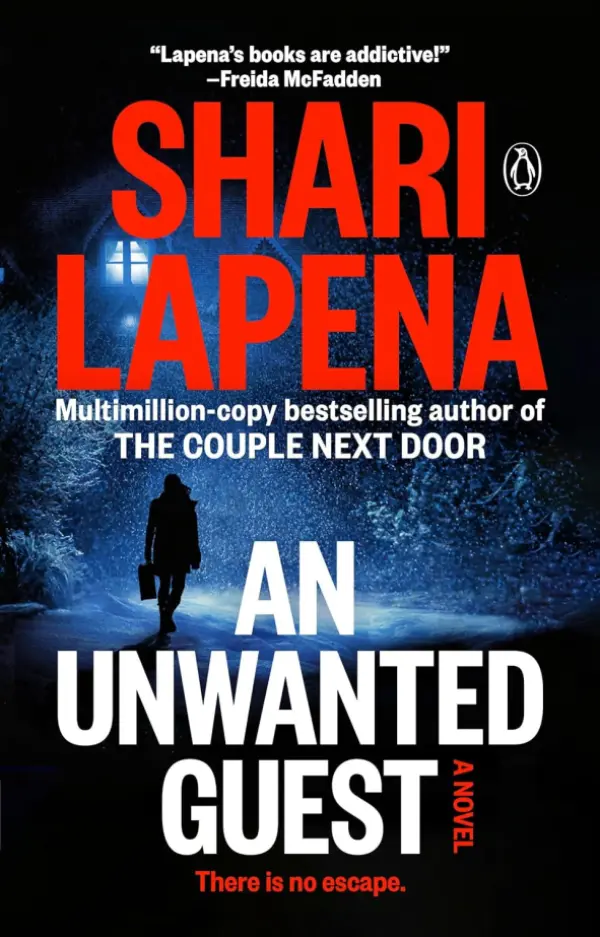
Shari Lapena
Average Goodreads rating3.7
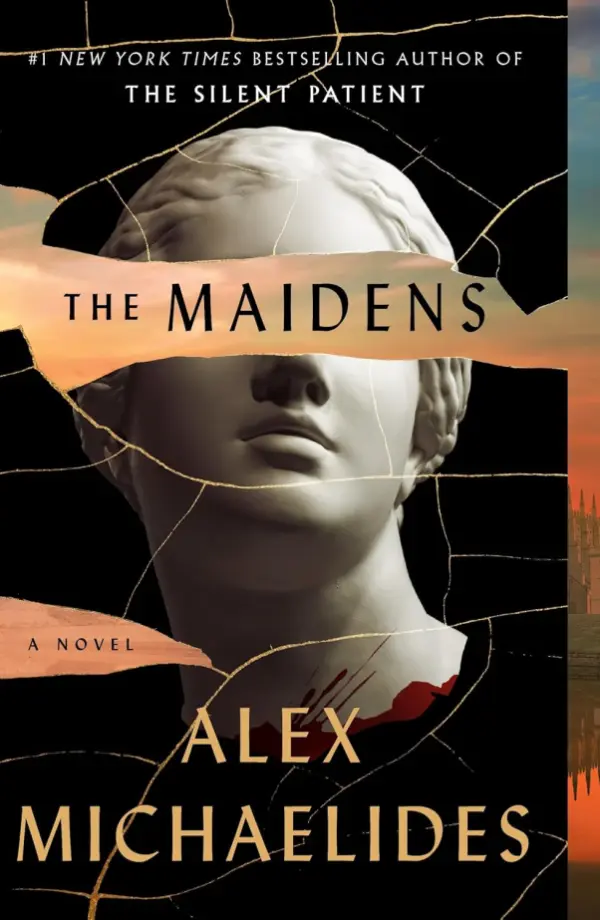
Alex Michaelides
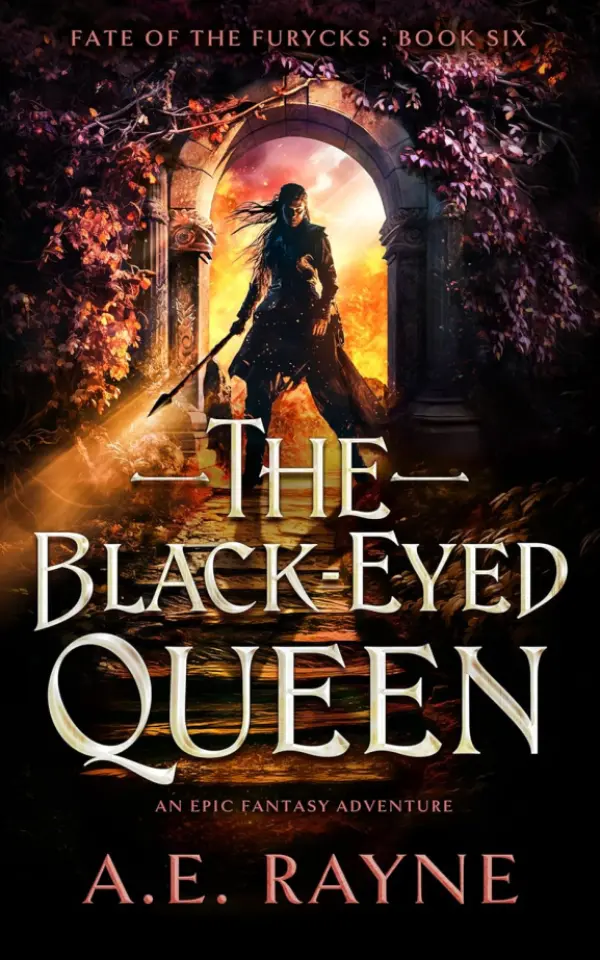
A. E. Rayne
Fate of the Furycks, book 6
Average Goodreads rating4.7
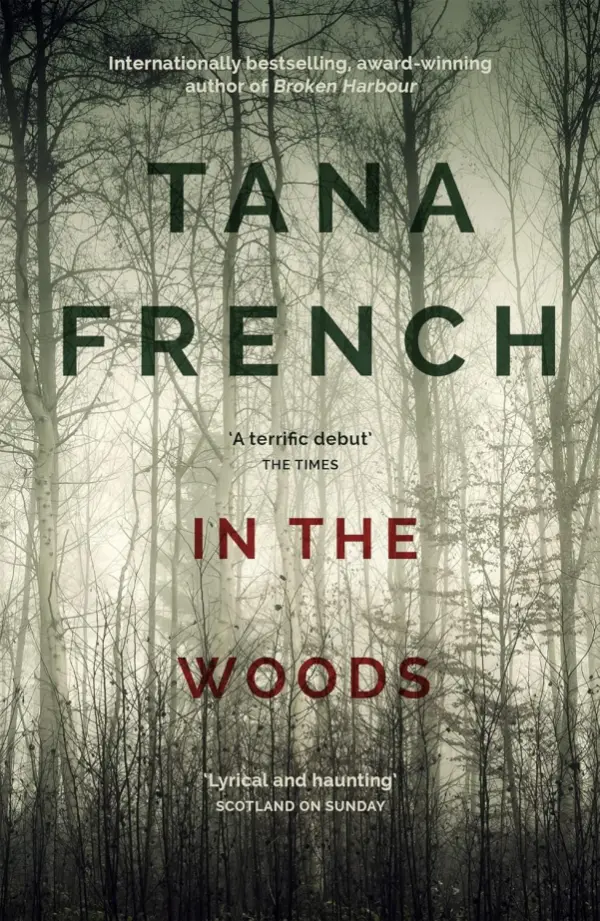
Tana French
Dublin Murder Squad, book 1
Average Goodreads rating3.8
Matched via its series
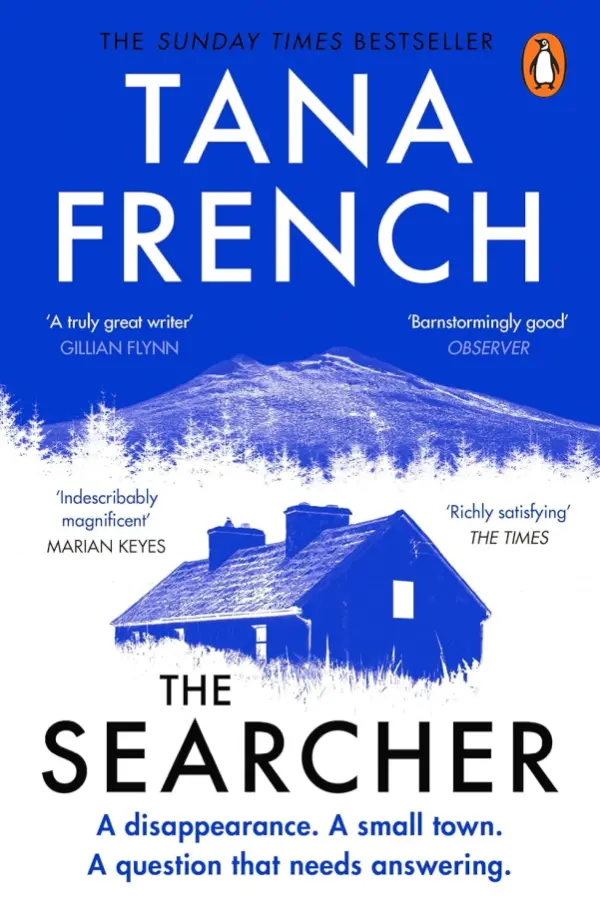
Tana French
Cal Hooper, book 1
Average Goodreads rating3.8
Matched via its series
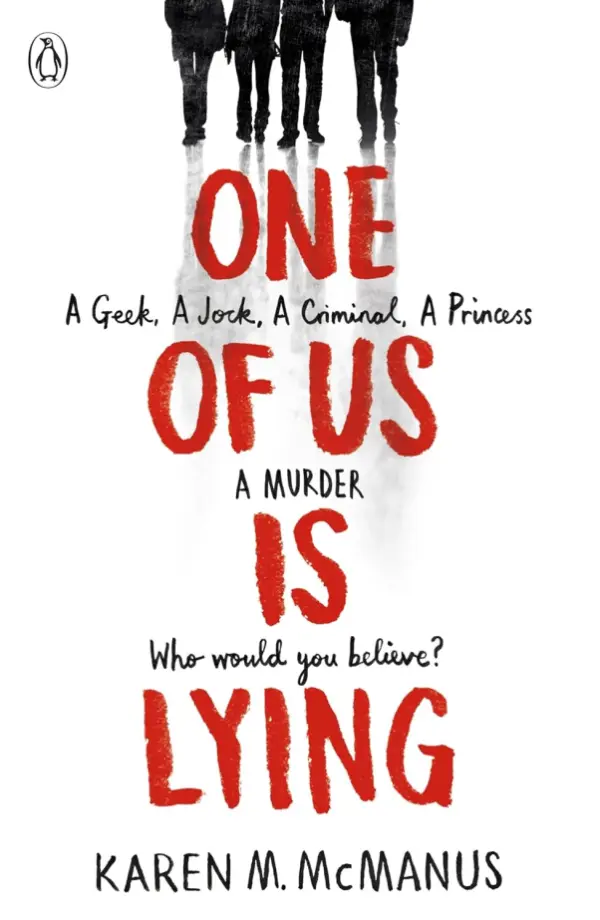
Karen M. McManus
One of Us is Lying, book 1
Average Goodreads rating4.5
Matched via its series
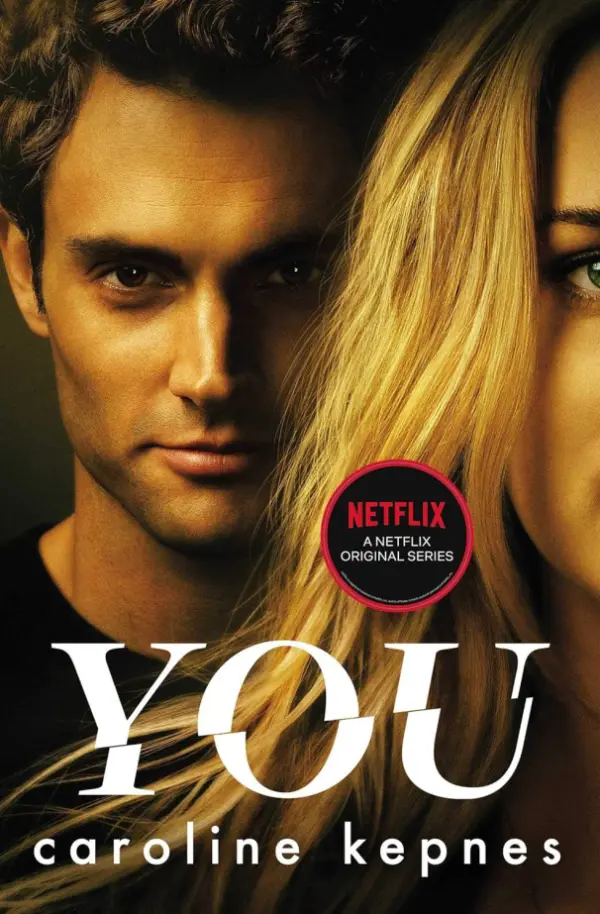
Caroline Kepnes
You, book 1
Average Goodreads rating4.2
Matched via its series
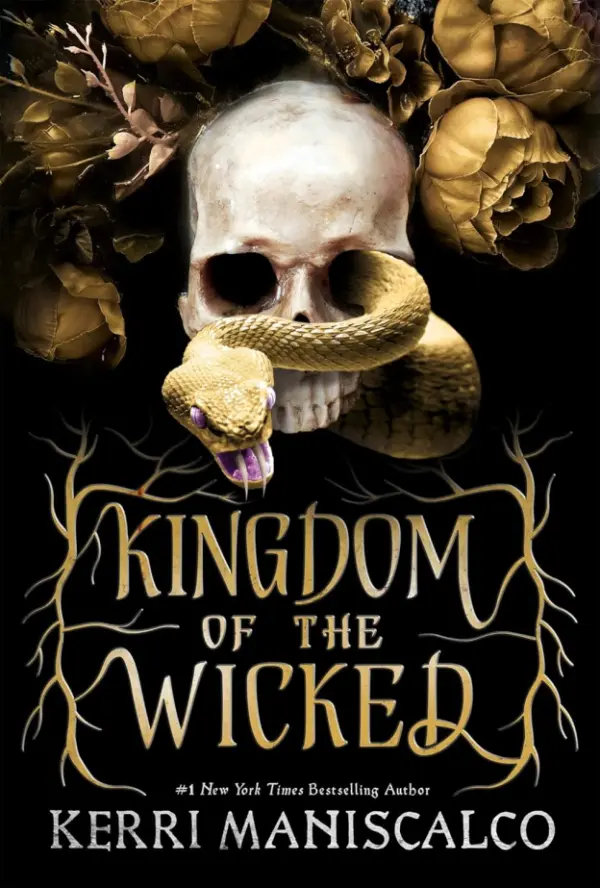
Kerri Maniscalco
Kingdom of the Wicked, book 1
Average Goodreads rating4.2
Matched via its series

Leigh Bardugo
Alex Stern, book 1
Average Goodreads rating4.3
Matched via its series
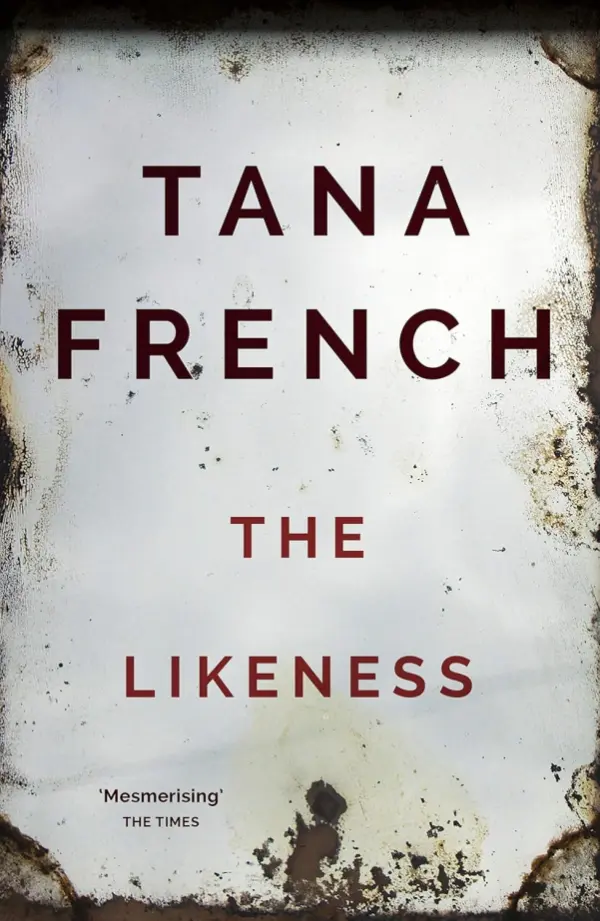
Tana French
Dublin Murder Squad, book 2
Average Goodreads rating4.1
Matched via its series
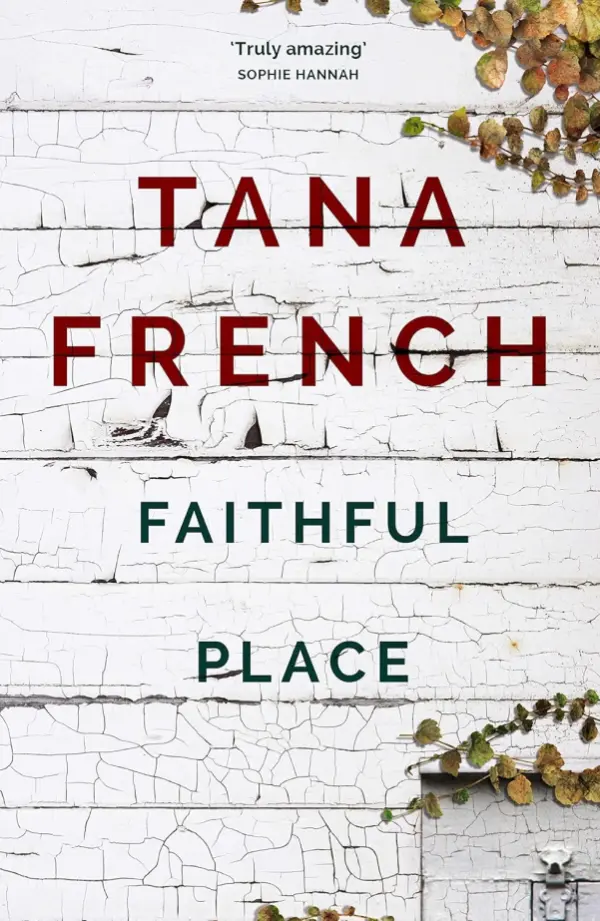
Tana French
Dublin Murder Squad, book 3
Average Goodreads rating4.0
Matched via its series
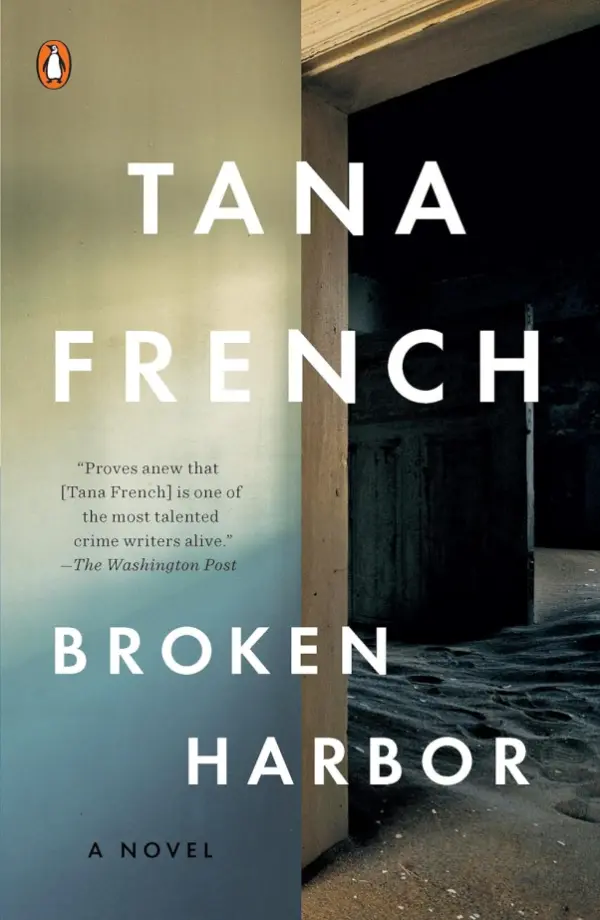
Tana French
Dublin Murder Squad, book 4
Average Goodreads rating4.0
Matched via its series
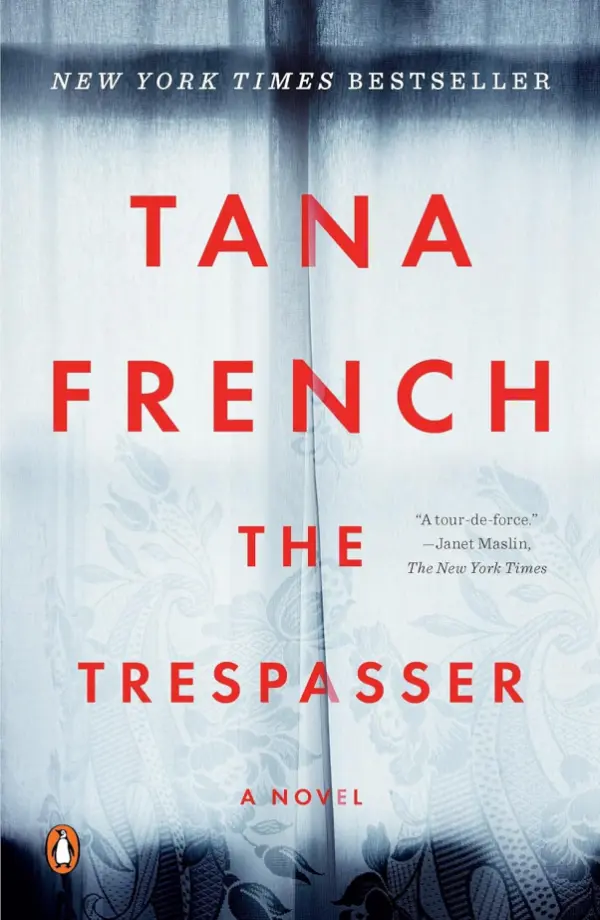
Tana French
Dublin Murder Squad, book 6
Average Goodreads rating4.0
Matched via its series
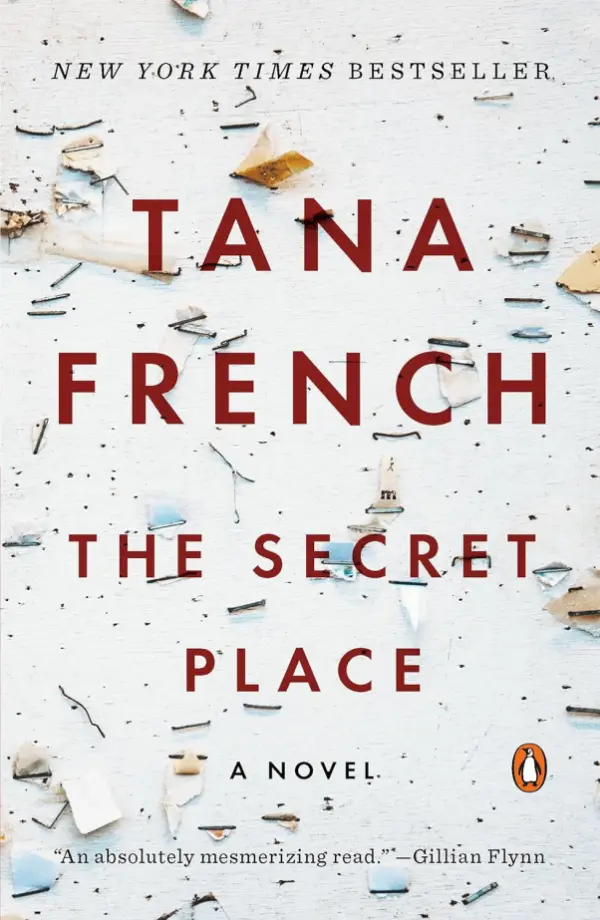
Tana French
Dublin Murder Squad, book 5
Average Goodreads rating3.8
Matched via its series
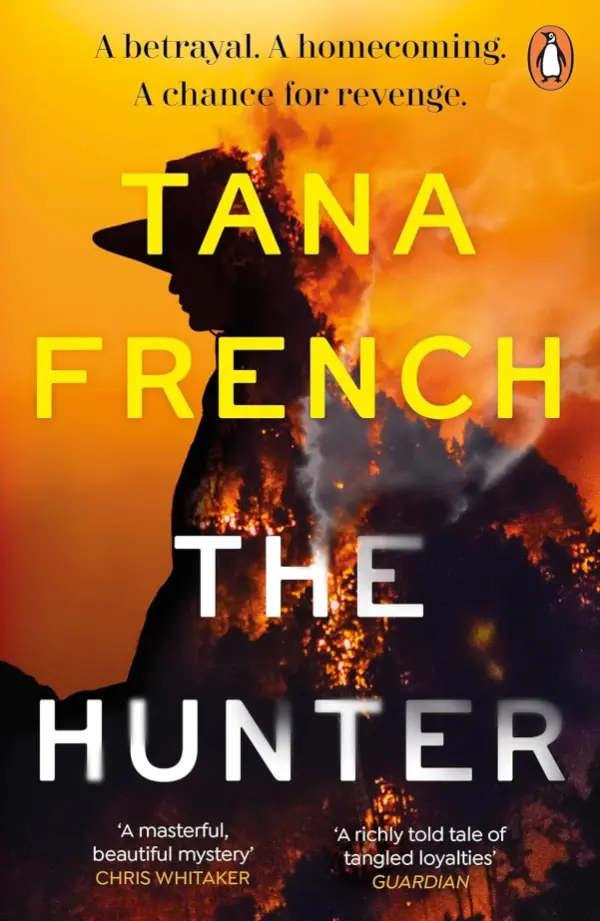
Tana French
Cal Hooper, book 2
Average Goodreads rating4.1
Matched via its series
Tropes that share the most books with Murder Mystery
Someone is dead. Someone else is responsible. And somewhere in the gap between those two facts lies everything the story needs. The Murder Mystery trope is one of fiction's most structurally satisfying forms - a puzzle built into a narrative, a question posed on the first page that the entire story exists to answer. Who did it, how, and why. The setup is deceptively simple. The execution, when done well, is anything but. A great murder mystery is not just about the crime - it is about the world the crime happened in, the people the victim left behind, and what the act of uncovering the truth costs the person doing the uncovering.
The Murder Mystery trope is defined by a death at the centre of the narrative and an investigation - formal or otherwise - that drives the plot forward. The investigator might be a professional detective, a gifted amateur, an unlikely bystander, or someone with a personal stake in finding the truth. What defines the trope is not the identity of the investigator but the structure of the story: evidence gathered, suspects evaluated, false leads followed, and a truth concealed until the moment the narrative chooses to reveal it. The mystery is a contract between writer and reader - the clues are there, the answer is fair, and everything will eventually make sense. That contract is what separates a murder mystery from a thriller where someone simply dies.
The appeal of the Murder Mystery trope is partly intellectual and partly something older and harder to name. On the surface, readers are drawn to the puzzle - the pleasurable work of assembling information, forming theories, testing them against new evidence, and revising. There is genuine satisfaction in arriving at the answer independently, and equal satisfaction in being surprised by a solution that was hiding in plain sight all along. But underneath the puzzle is something more visceral: the need to make sense of a violent, senseless act. Murder mysteries impose order on chaos. They insist that every death has an explanation, every crime has a perpetrator, and that the truth, however uncomfortable, can be found. That insistence is its own kind of comfort.
These stories follow a recognisable architecture: the discovery of the body, the establishment of suspects, the investigation, the red herrings, and the revelation. But the best murder mysteries understand that architecture as a framework, not a formula. Within it, there is enormous room for character, atmosphere, and theme. The setting becomes a character in its own right - a closed country house, a fog-bound city, a small town where everyone knows everyone except, apparently, who killed whom. Suspects reveal themselves to be more complicated than they initially appeared. The investigator is changed by what they uncover, often in ways that have nothing to do with the crime itself. The answer to the central question arrives, and with it comes something the characters must now decide what to do with.
The Murder Mystery trope endures because it satisfies a need that does not diminish with familiarity. Readers return to it not despite knowing the structure but because of it - the comfort of a form they trust, inhabited by characters and worlds that surprise them anyway. It is also one of fiction's great democratic tropes: it can absorb any genre, any setting, any tone, from the cosiest of village investigations to the darkest of psychological unravellings. What remains constant is the question. Someone died. Someone knows why. And somewhere in the pages ahead, the truth is waiting to be found.
Occasional emails with new recommendations, series news and trope round-ups.