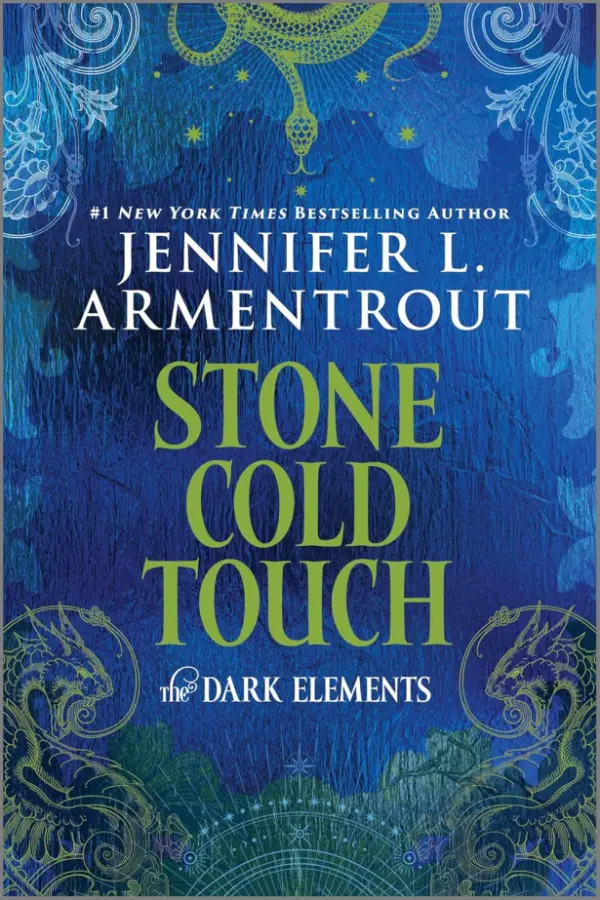
Stone Cold Touch
Jennifer L. Armentrout
The Dark Elements, book 2
Average Goodreads rating4.2
- Found Family
- Gods and Demons

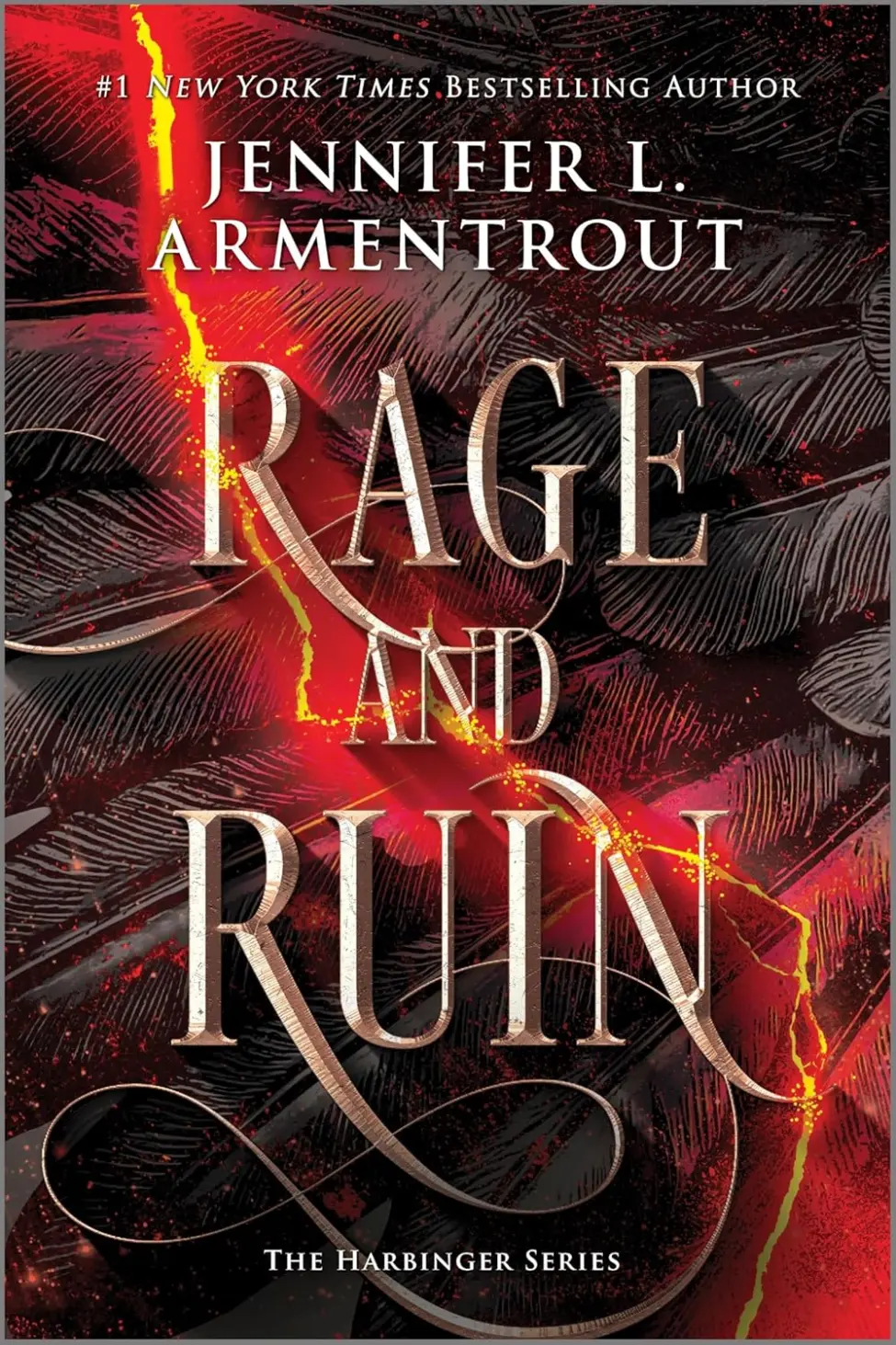
Book 2 in Harbinger
We independently select and recommend books. Purchases made through our links may earn us a commission, at no extra cost to you. Prices and availability are set by each retailer.
Rage and Ruin is the second book in Jennifer L. Armentrout's Harbinger trilogy - a paranormal romance where Ivy Morgan and Ren face mounting supernatural danger as the stakes deepen and the connection between them becomes impossible to deny.
Tagged on the series as a whole, so not every book will feature each one.
Rage and Ruin is Jennifer L. Armentrout's 2020 second instalment in the Harbinger trilogy - a paranormal romance that takes everything Storm and Fury established and pushes it into darker, more demanding territory. Second books in trilogies carry a particular burden: they must deepen without stalling, raise stakes without losing intimacy, and move characters forward in ways that feel earned rather than engineered. Rage and Ruin manages all of this with the assurance of an author who knows exactly where the story is going and how to make the journey compelling at every stage.
Following on from where Storm and Fury left us, Ivy Morgan's world has shifted in ways she is still processing. The careful stability she built around her ghost-hunting life and her abilities is under sustained pressure, and the arrival of Ren Owens and the Warden community into her daily reality has changed the terms of almost everything. Rage and Ruin opens with that altered landscape already in place and wastes no time making it more complicated. The hidden supernatural world that Ivy was drawn into across the first book expands considerably here, and the mythology Armentrout has constructed around Wardens, demons, and the forces governing both deepens in ways that reward attentive readers.
The gods and demons framework that underpins the Harbinger trilogy becomes more explicitly central in Rage and Ruin. The demonic threat that was present in Storm and Fury as a dangerous backdrop moves closer and becomes more personal, and the entities involved carry a weight of history and intention that gives the conflict genuine menace. The relentless antagonist quality of the supernatural forces arrayed against Ivy and Ren is one of the things Rage and Ruin does particularly well - this is not a threat that can be managed or deferred, and the book makes that clear early and often.
The slow-burn romance between Ivy and Ren continues its patient, well-constructed arc. Rage and Ruin does not simply advance the romance mechanically because it is the second book - it earns each development through what both characters are experiencing and what those experiences reveal about them. The emotional trauma that surfaces across this instalment adds genuine weight to the dynamic between them: these are two people dealing with pressures that would challenge anyone, and the way they navigate those pressures together and separately is one of the book's most compelling threads. The forbidden romance element takes on new dimensions here as the circumstances surrounding their relationship become more complex and the personal costs of it more visible.
Betrayal runs through the middle section of Rage and Ruin as a structural and emotional force, and Armentrout handles it with the same layered approach she brought to Onyx - the revelations are timed to land with impact, and they complicate rather than simply redirect the story. Trust, and the question of who deserves it, becomes a live concern for Ivy in ways that test her judgment and her instincts simultaneously. The high-stakes survival elements of the book's latter half are more intense than anything in the first instalment, and the pacing in the final third is relentless.
What distinguishes Rage and Ruin within the urban fantasy genre is the quality of its emotional architecture. Armentrout keeps the hope in darkness thread alive even when the book is at its most pressurised - Ivy's resilience is not presented as invulnerability but as active, chosen resistance, and it gives the story a warmth that the darker elements only sharpen by contrast. This is a second book that justifies the trilogy structure and makes Grace and Glory feel essential.
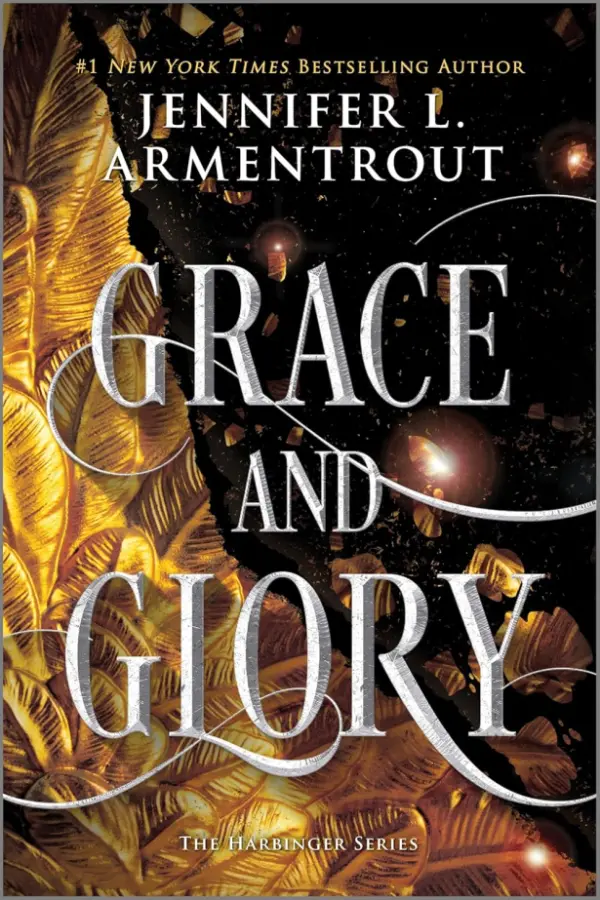
Jennifer L. Armentrout
The Dark Elements, book 2
Average Goodreads rating4.2
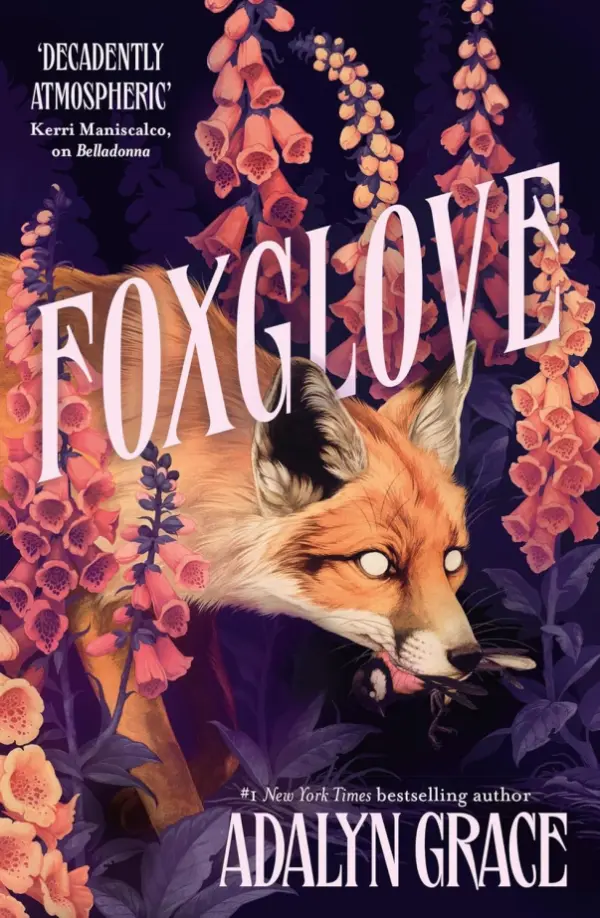
Adalyn Grace
Belladonna, book 2
Average Goodreads rating4.1
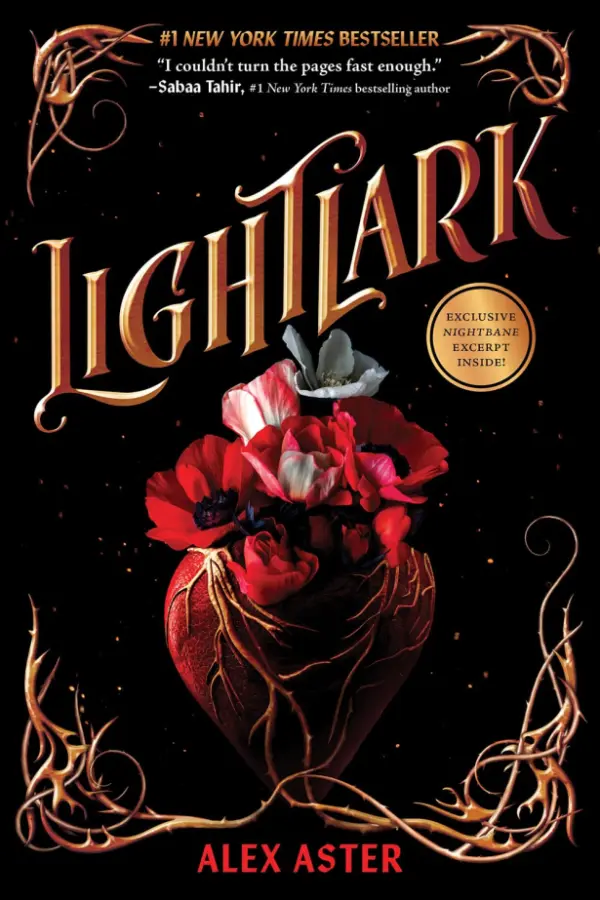
Alex Aster
Lightlark, book 1
Average Goodreads rating4.0
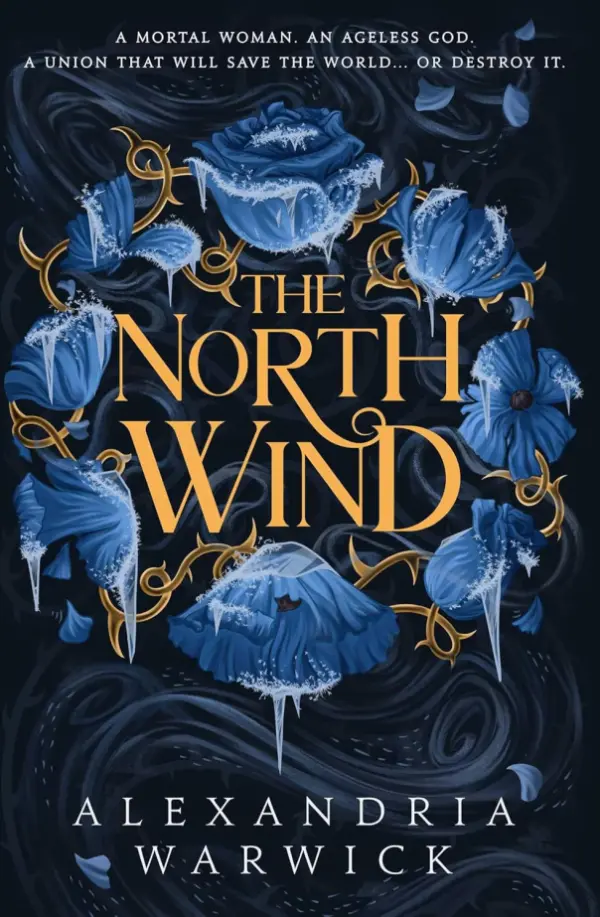
Alexandria Warwick
The Four Winds, book 1
Average Goodreads rating3.6
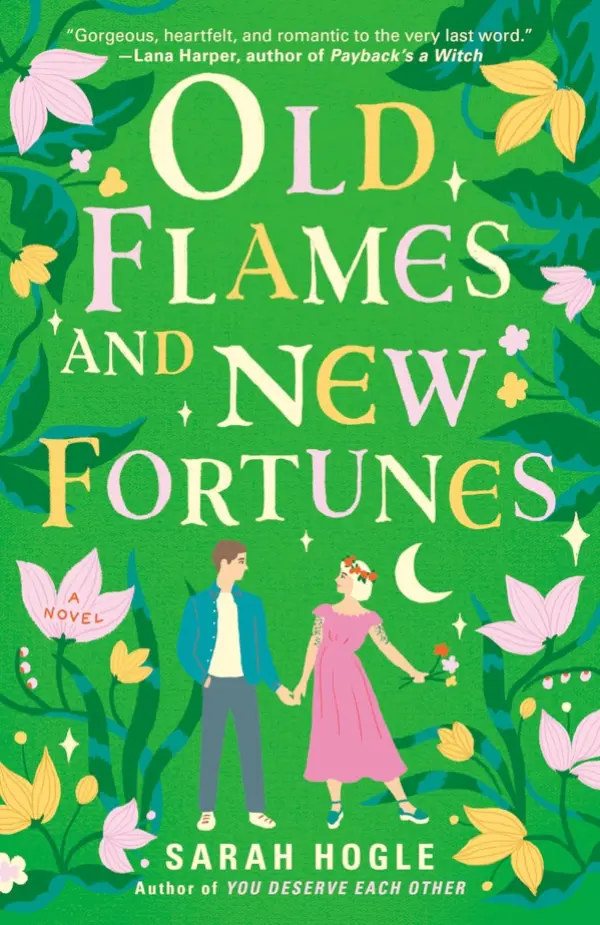
Sarah Hogle
Moonville, book 1
Average Goodreads rating3.5
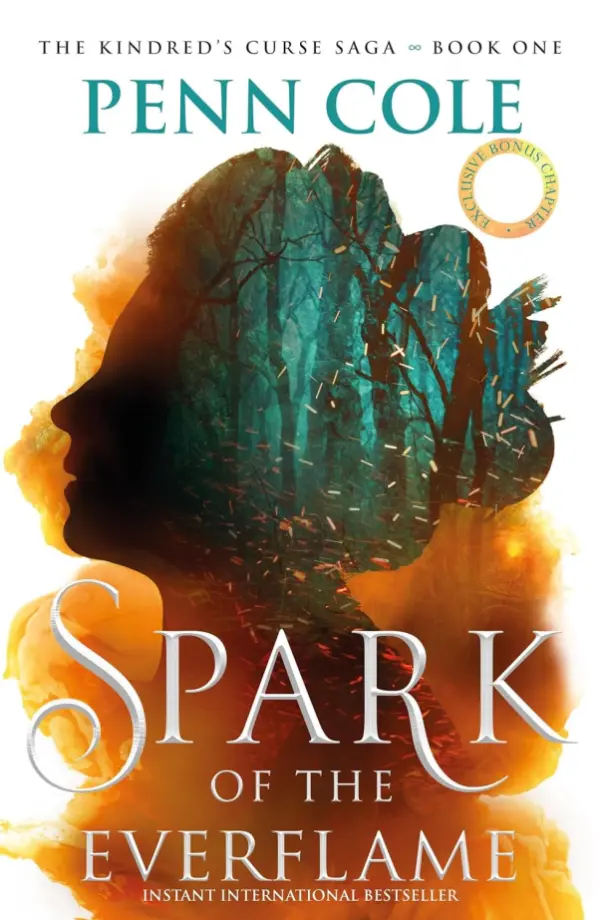
Penn Cole
The Kindred's Curse Saga, book 1
Average Goodreads rating4.4
Still Looking?
Further down our similarity list, but still sharing tropes and genres with this book.
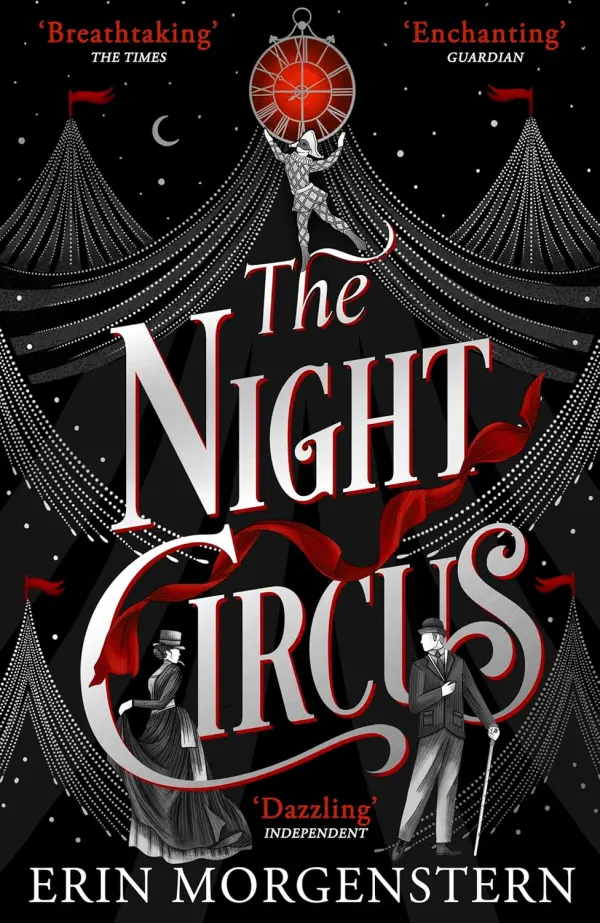
Erin Morgenstern
Average Goodreads rating4.3
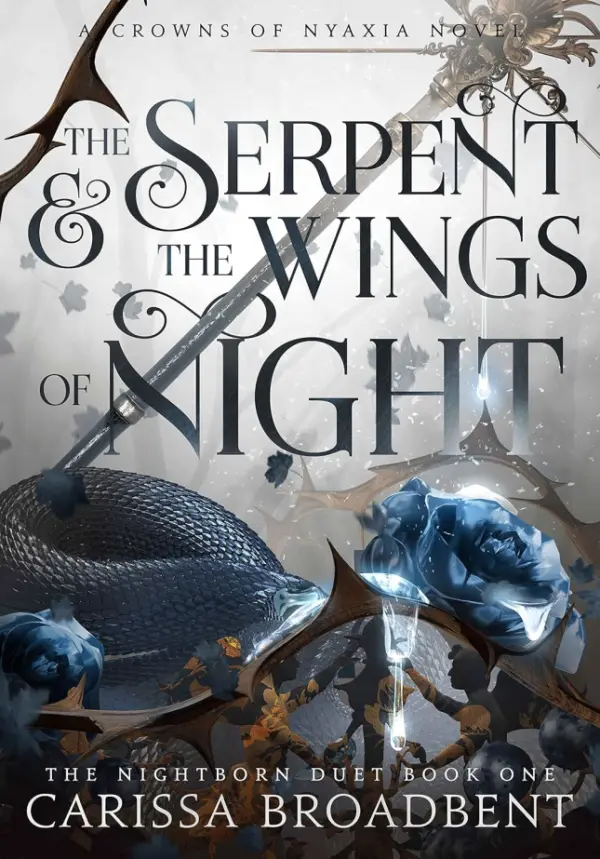
Carissa Broadbent
Crowns of Nyaxia, book 1
Average Goodreads rating4.5
Buy from Amazon (opens Amazon in a new tab)
Kristen Ciccarelli
The Crimson Moth, book 1
Average Goodreads rating4.3
Buy from Amazon (opens Amazon in a new tab)Jennifer L. Armentrout is a bestselling author of fantasy romance and paranormal fiction, known for high-stakes worlds, slow-burn romance, and addictive series.
Books, series and tropes by Jennifer L. ArmentroutRage and Ruin
Buy from Amazon (opens Amazon in a new tab)Occasional emails with new recommendations, series news and trope round-ups.