Wicked
Jennifer L. Armentrout
A Wicked Trilogy, book 1
Average Goodreads rating4.2
- Trauma and Healing
- Forced Proximity

Book trope · 13 books
Beneath the surface of the ordinary — behind the wrong door, down the unmarked alley, spoken in the right whisper — there is another world entirely.
More about the Hidden Supernatural World trope1 is tagged with Hidden Supernatural World individually. The others belong to a series tagged with it, which doesn’t mean every book in it features the trope, so they’re marked “Matched via its series”.
Updating books…
13 books found
Jennifer L. Armentrout
A Wicked Trilogy, book 1
Average Goodreads rating4.2
Holly Black
The Charlatan Duology, book 1
Average Goodreads rating3.6
Matched via its series
Jennifer L. Armentrout
Harbinger, book 1
Average Goodreads rating4.3
Matched via its series

Samantha Shannon
The Bone Season, book 1
Average Goodreads rating4.3
Matched via its series
Rebecca Roanhorse
The Sixth World, book 1
Average Goodreads rating4.3
Matched via its series
Jennifer L. Armentrout
Harbinger, book 2
Average Goodreads rating4.4
Matched via its series
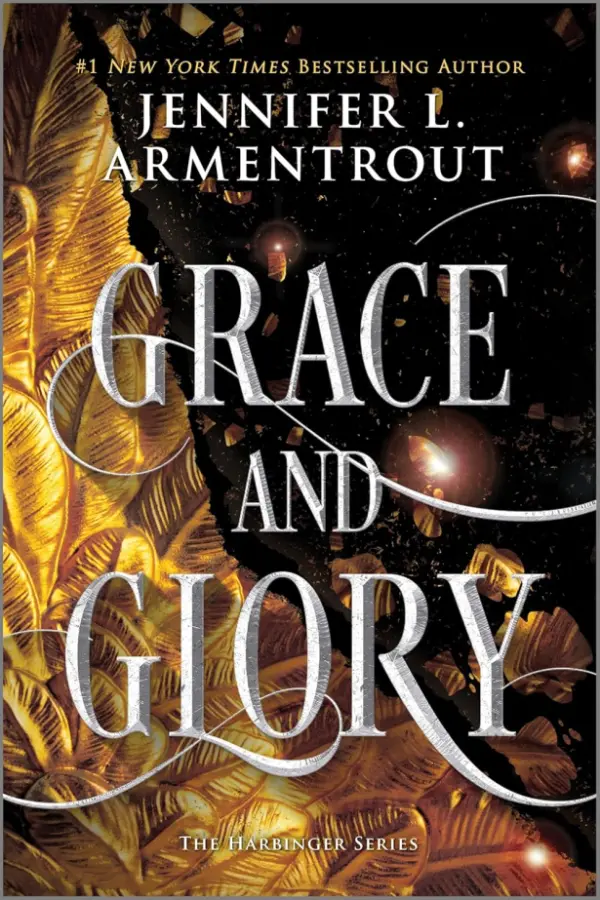
Jennifer L. Armentrout
Harbinger, book 3
Average Goodreads rating4.4
Matched via its series
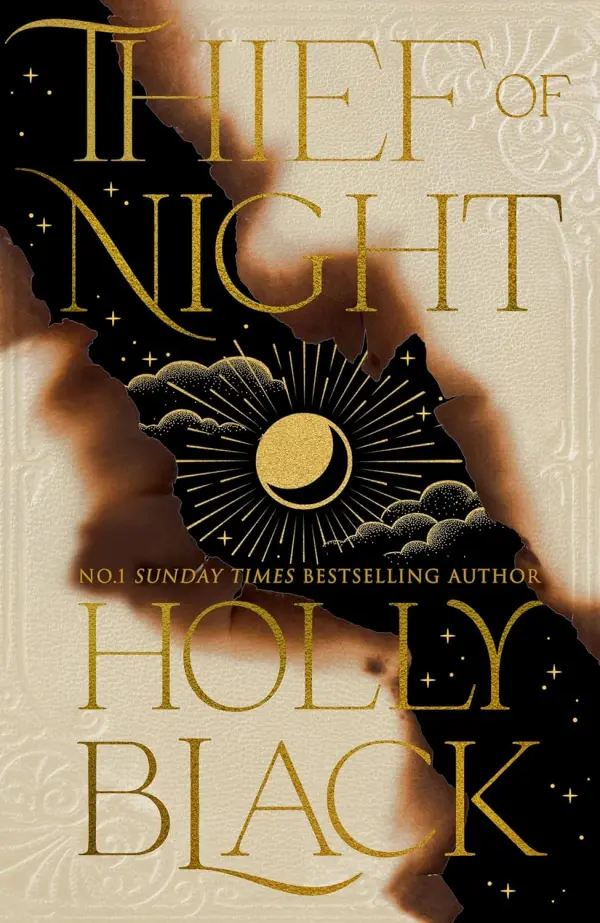
Holly Black
The Charlatan Duology, book 2
Average Goodreads rating4.0
Matched via its series

Samantha Shannon
The Bone Season, book 3
Average Goodreads rating4.5
Matched via its series

Samantha Shannon
The Bone Season, book 2
Average Goodreads rating4.5
Matched via its series

Samantha Shannon
The Bone Season, book 4
Average Goodreads rating4.6
Matched via its series
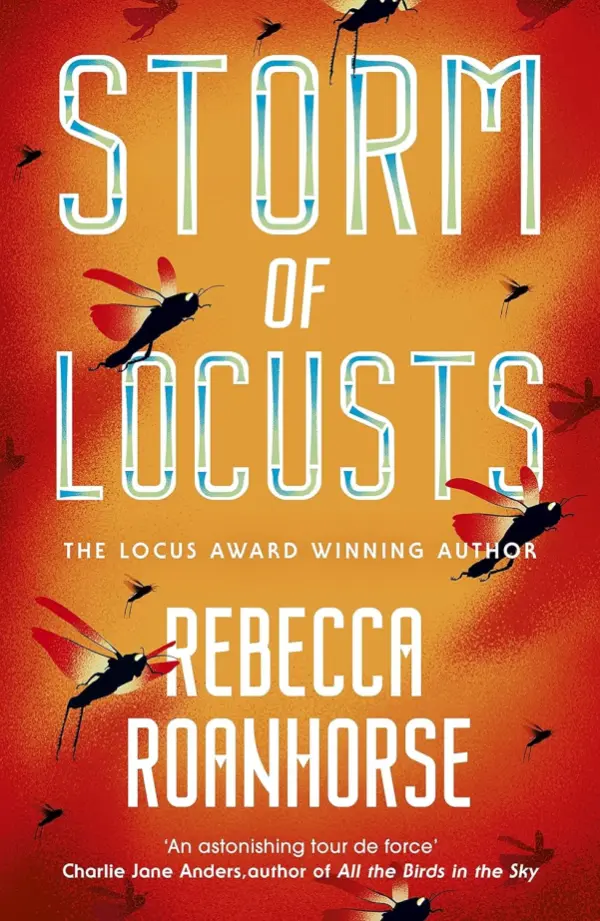
Rebecca Roanhorse
The Sixth World, book 2
Matched via its series

Samantha Shannon
The Bone Season, book 5
Average Goodreads rating4.7
Matched via its series
Tropes that share the most books with Hidden Supernatural World
Beneath the surface of the ordinary — behind the wrong door, down the unmarked alley, spoken in the right whisper — there is another world entirely. The hidden supernatural world trope is built on a single electrifying premise: magic, monsters, or entire civilisations exist alongside human life, carefully concealed. Most people never notice. A few always knew. And then there's the reader, let in on the secret from page one.
The appeal is almost embarrassingly direct. It takes the familiar — a city you recognise, a street you could walk down — and colonises it with wonder. The mundane becomes a disguise. Every shadow might be something more.
At its core, this trope depends on two things: concealment and revelation. The supernatural world must be hidden from ordinary people, and that hiding must matter to the story. It creates stakes. There are rules about who can know, who enforces those rules, and what happens when they break. This is where the drama lives.
A key ingredient is infrastructure. The best versions of this trope don't just gesture at a secret world — they build it properly. There are politics, economies, rivalries, and histories that predate anything humans have recorded. The hidden world feels as if it has been running parallel to ours for centuries, entirely indifferent to whether we notice it or not. That sense of depth is what separates a convincing hidden world from a thin backdrop.
The protagonist is often an outsider discovering this world for the first time, which gives the reader a natural guide. But sometimes the point-of-view character is an insider, and the tension comes from protecting the secret rather than uncovering it.
Urban fantasy is the genre most thoroughly in love with this trope. Vampires in nightclubs, faerie courts beneath city parks, werewolf packs with council meetings and territory disputes — urban fantasy takes the hidden world and plants it firmly in contemporary settings, using the contrast between neon lights and ancient magic as its primary texture.
Romance picks it up too, often pairing a human protagonist with a supernatural love interest whose very existence represents the breach between worlds. The relationship becomes the point of contact, the place where the two realities collide most intimately.
Portal fantasy uses a variant: rather than the supernatural hiding within our world, there's a threshold — a wardrobe, a mirror, a crack in reality — that separates one world from another entirely. It shares the same DNA, but the concealment is geographic rather than social.
Then there's the conspiracy angle, where the hidden world is actively maintained by an organisation, a governing body, or an ancient agreement. Discovering it means discovering power structures, cover-ups, and secrets people have died to protect. This version leans harder into thriller territory and tends to produce the most morally complex reading experiences.
Part of it is wish fulfilment, plainly. The idea that the world is stranger and more alive than it appears is a deeply comforting fantasy, even when the supernatural elements are dangerous. It insists the ordinary is never truly ordinary.
But there's something else at work too. Hidden world stories are fundamentally about belonging — about finding the place where the rules finally make sense, where you were always supposed to end up. That's not just a fantasy premise. It's a very human feeling, dressed in fangs and moonlight.
Occasional emails with new recommendations, series news and trope round-ups.