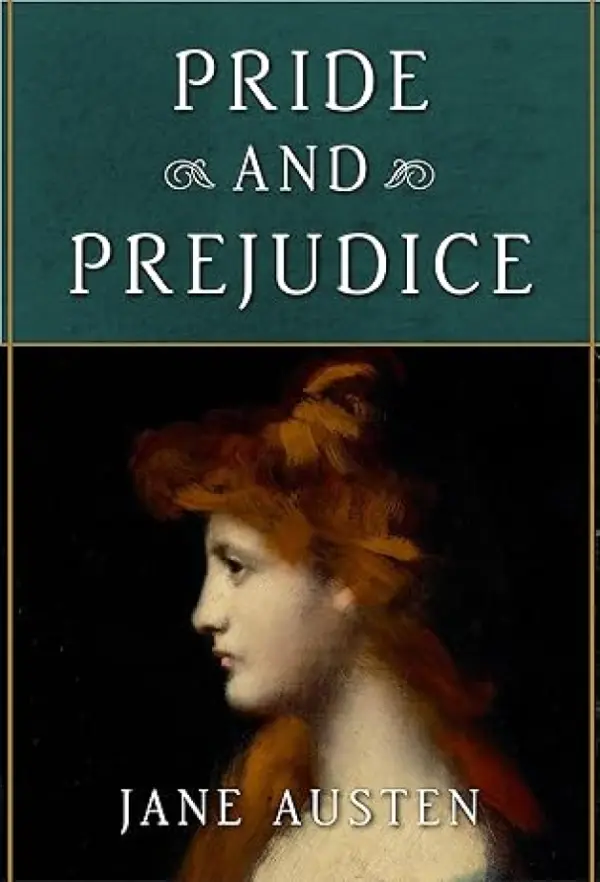
Pride & Prejudice
Jane Austen
Average Goodreads rating4.3
- Enemies to Lovers
- Forbidden Romance

Book trope · 97 books
Most real conversation is halting, approximate, and significantly less clever than anyone involved would like. Fiction has never felt obliged to replicate this.
More about the Witty Banter & Sharp Dialogue trope45 are tagged with Witty Banter & Sharp Dialogue individually. The others belong to a series tagged with it, which doesn’t mean every book in it features the trope, so they’re marked “Matched via its series”.
Updating books…
97 books found
Jane Austen
Average Goodreads rating4.3
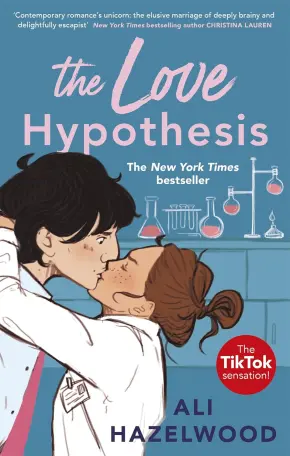
Ali Hazelwood
Average Goodreads rating4.1
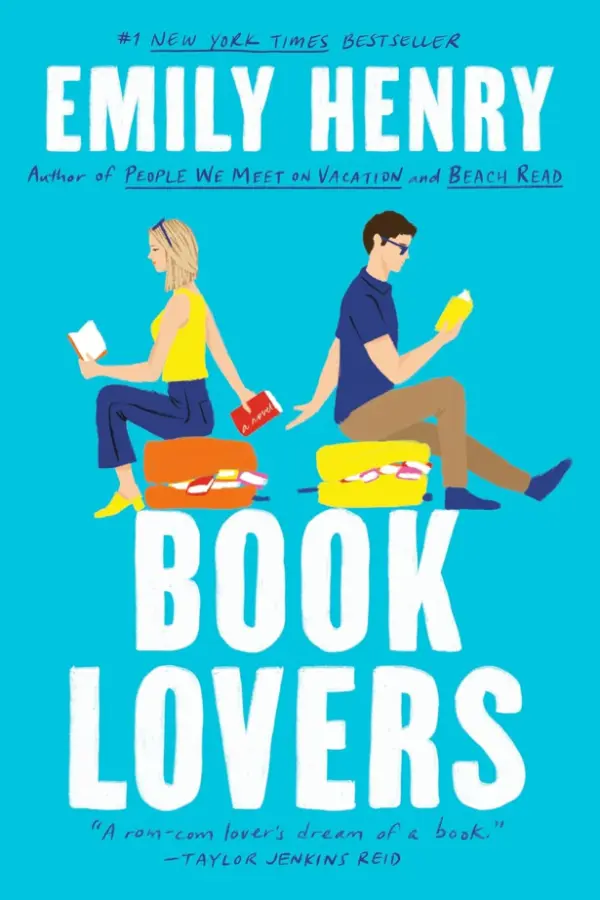
Emily Henry
Average Goodreads rating4.1
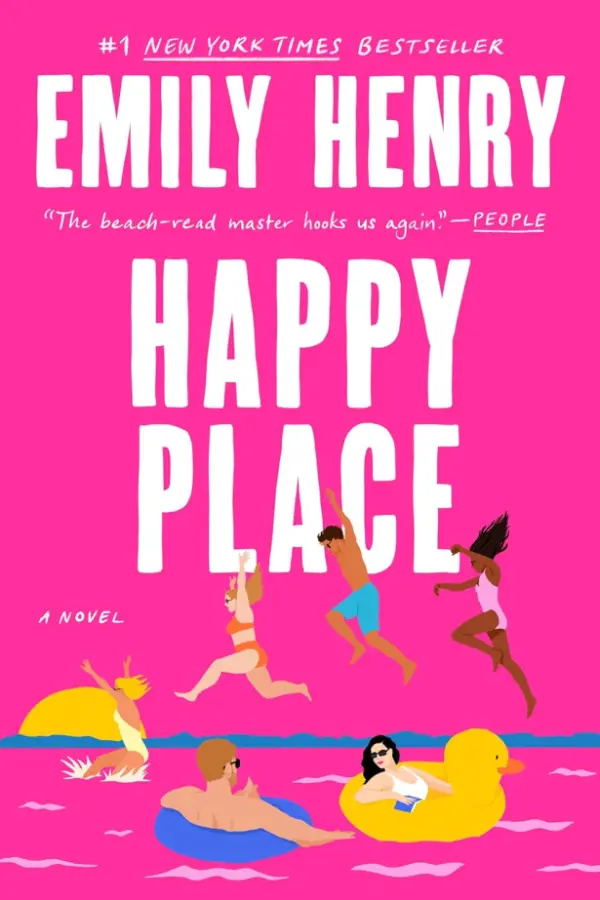
Emily Henry
Average Goodreads rating4.2
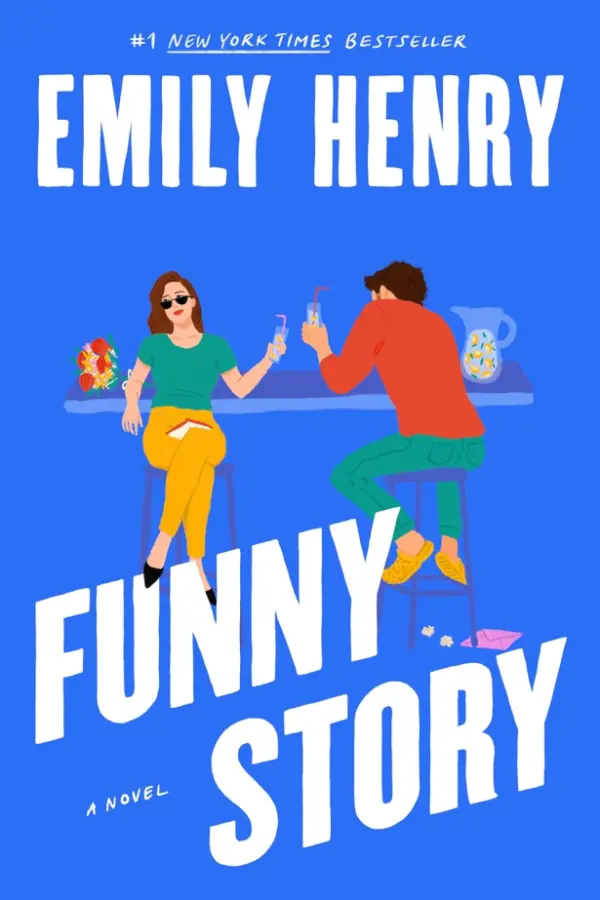
Emily Henry
Average Goodreads rating4.2
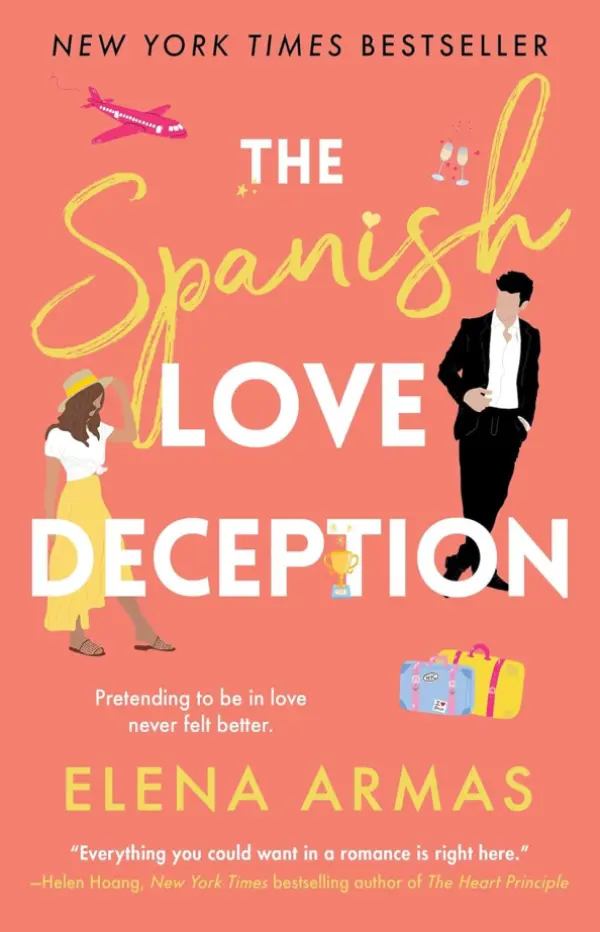
Elena Armas
Average Goodreads rating3.8
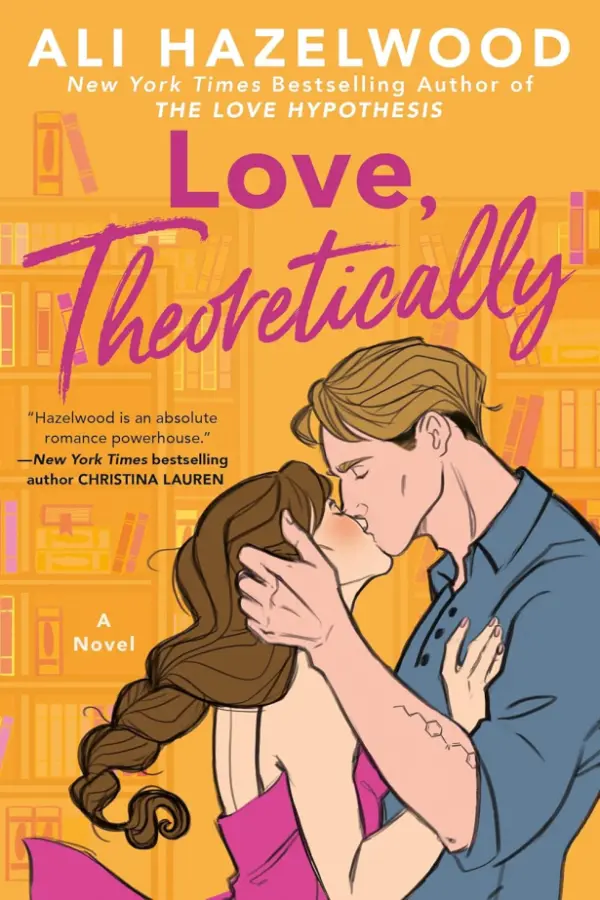
Ali Hazelwood
Average Goodreads rating4.1
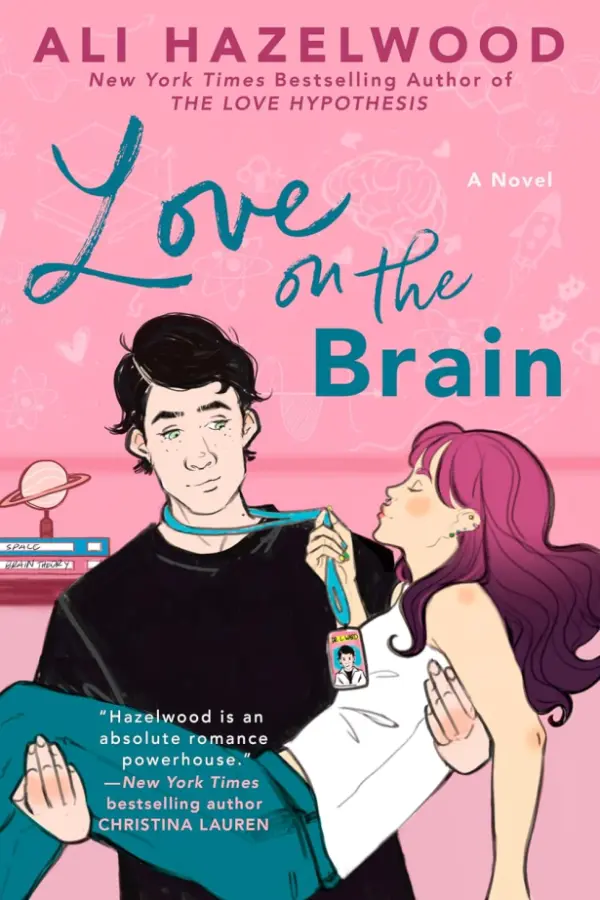
Ali Hazelwood
Average Goodreads rating3.9
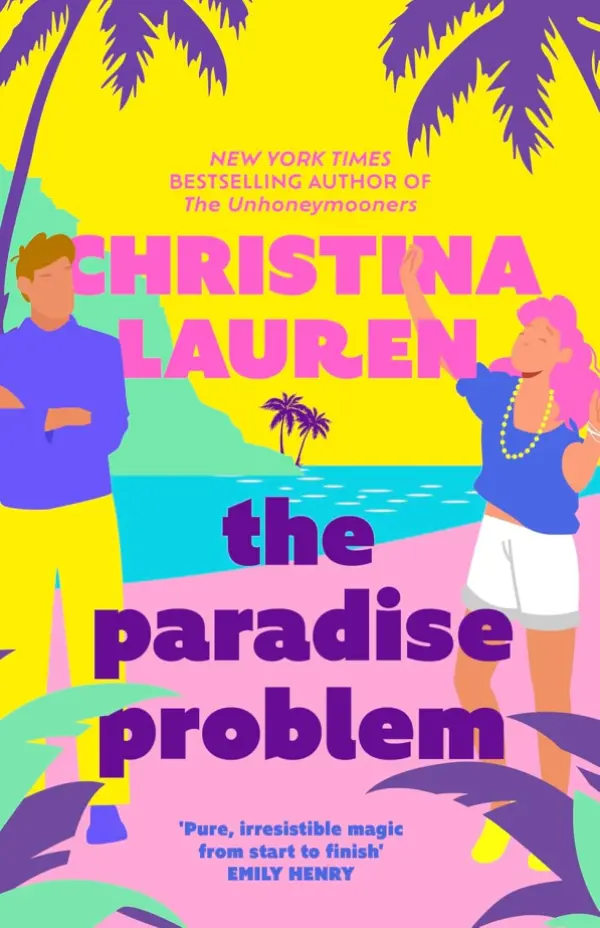
Christina Lauren
Average Goodreads rating4.1
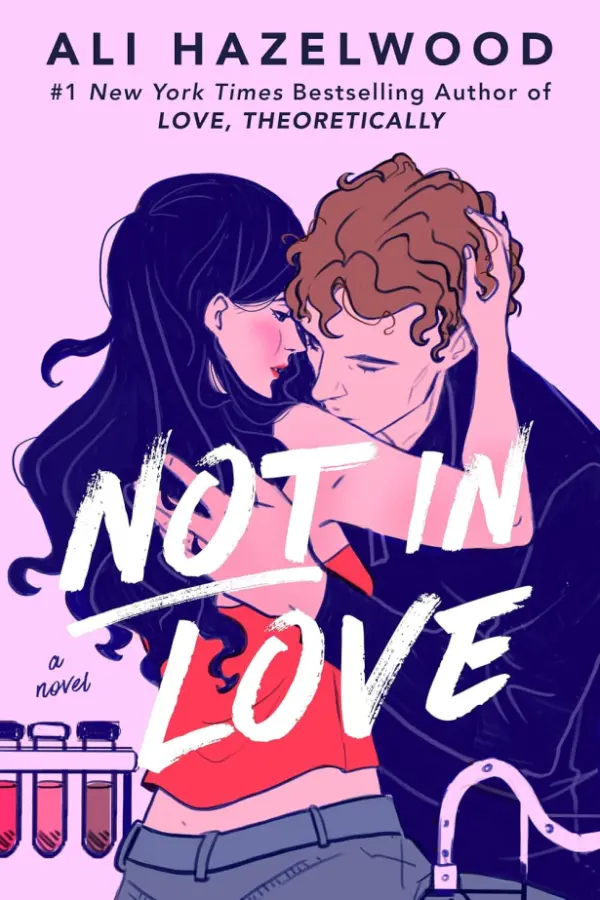
Ali Hazelwood
Average Goodreads rating3.6
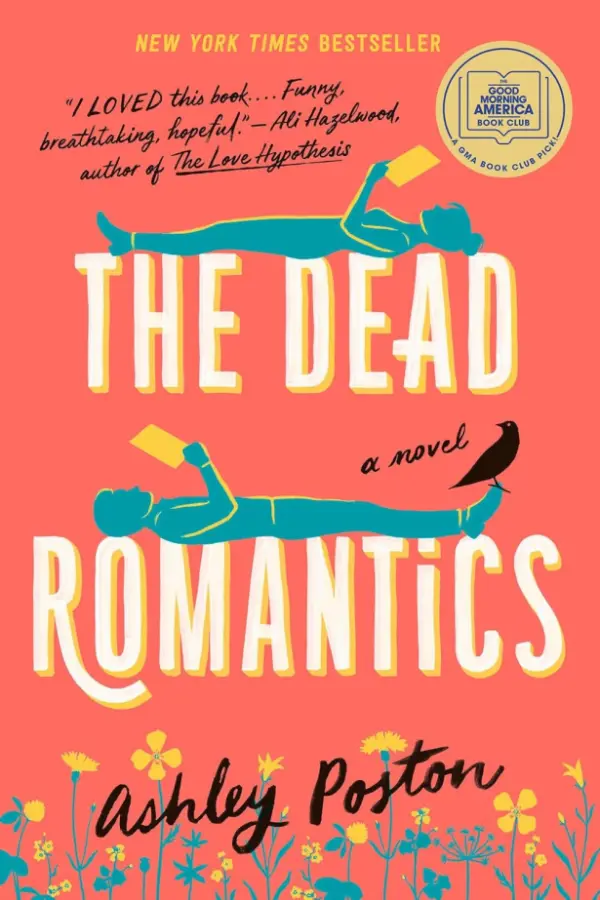
Ashley Poston
Average Goodreads rating3.9
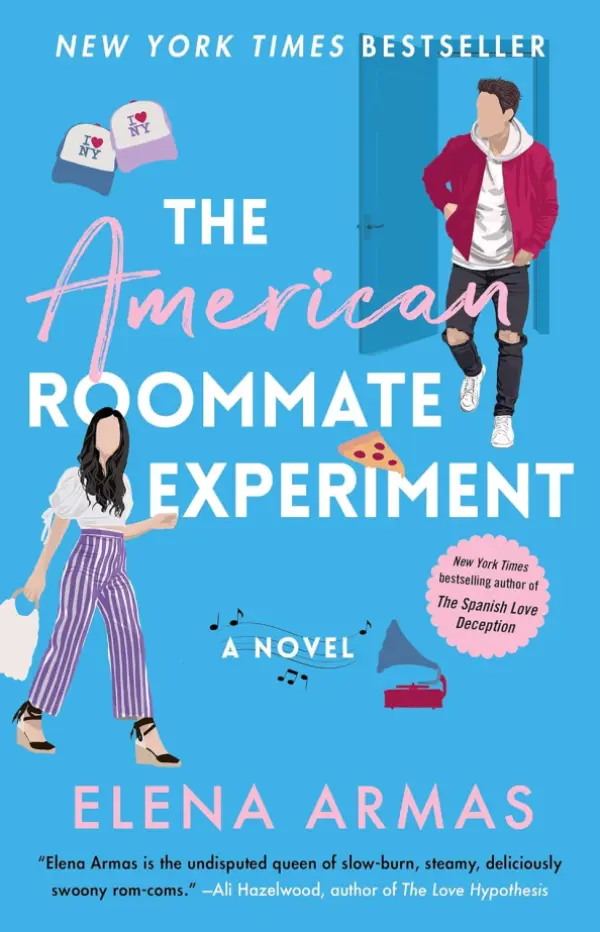
Elena Armas
Average Goodreads rating3.8
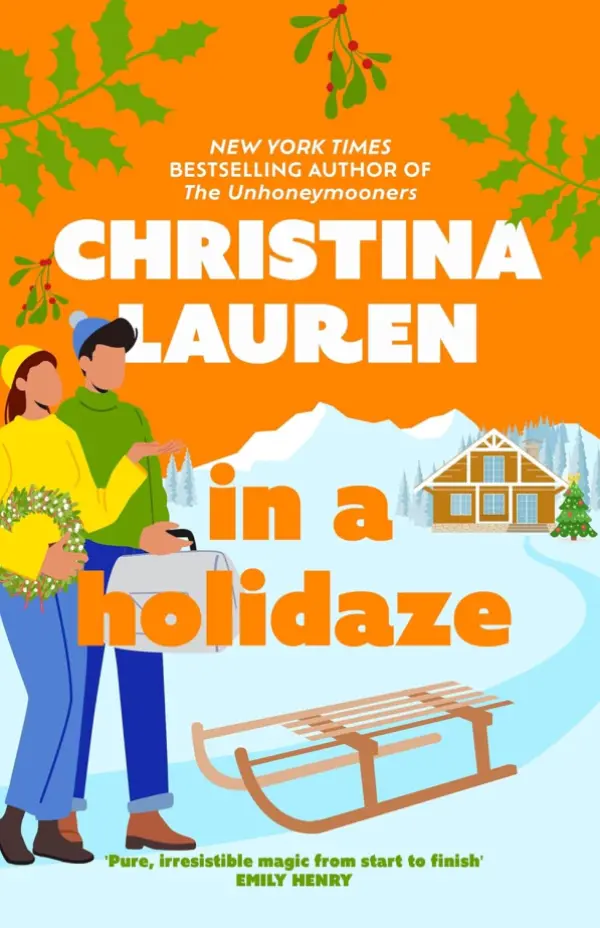
Christina Lauren
Average Goodreads rating4.1
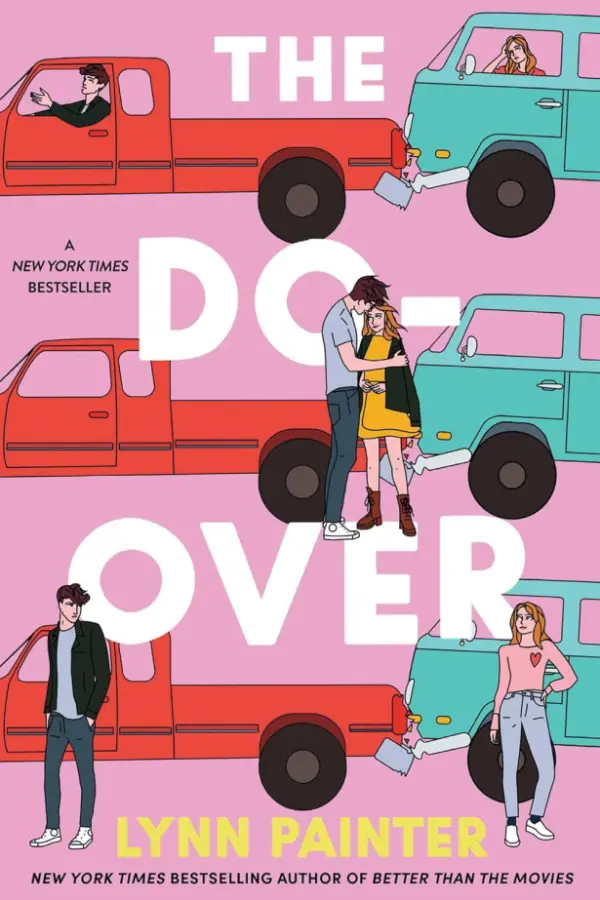
Lynn Painter
Average Goodreads rating3.9
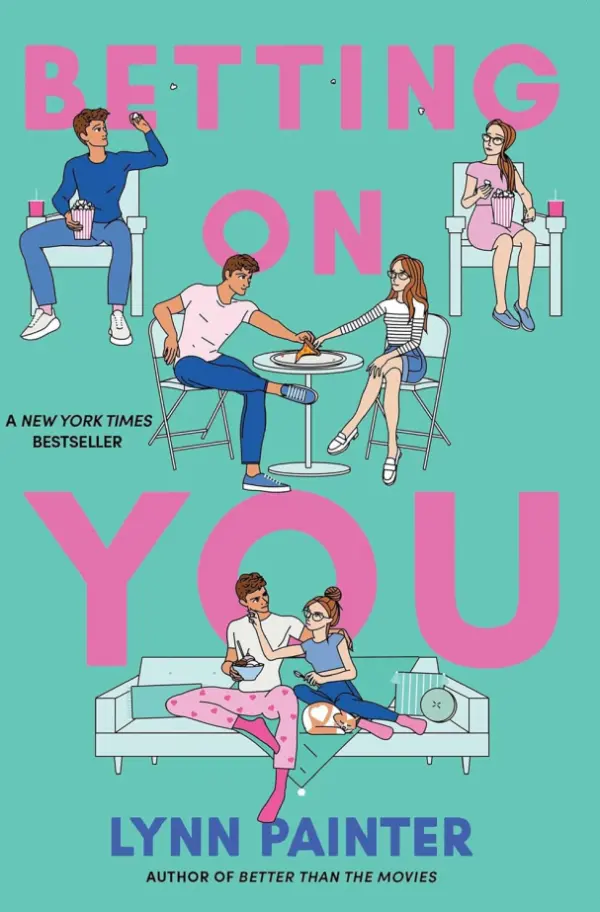
Lynn Painter
Average Goodreads rating4.1
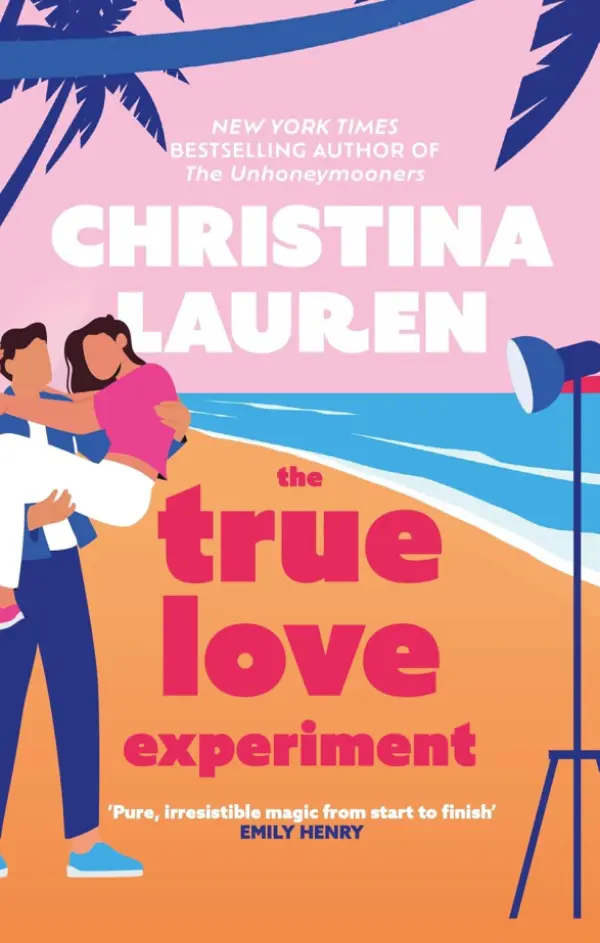
Christina Lauren
Average Goodreads rating4.1
Christina Lauren
Average Goodreads rating4.2
Christina Lauren
Average Goodreads rating3.9
Lynn Painter
Average Goodreads rating3.7
N. H. Kleinbaum
Average Goodreads rating4.2
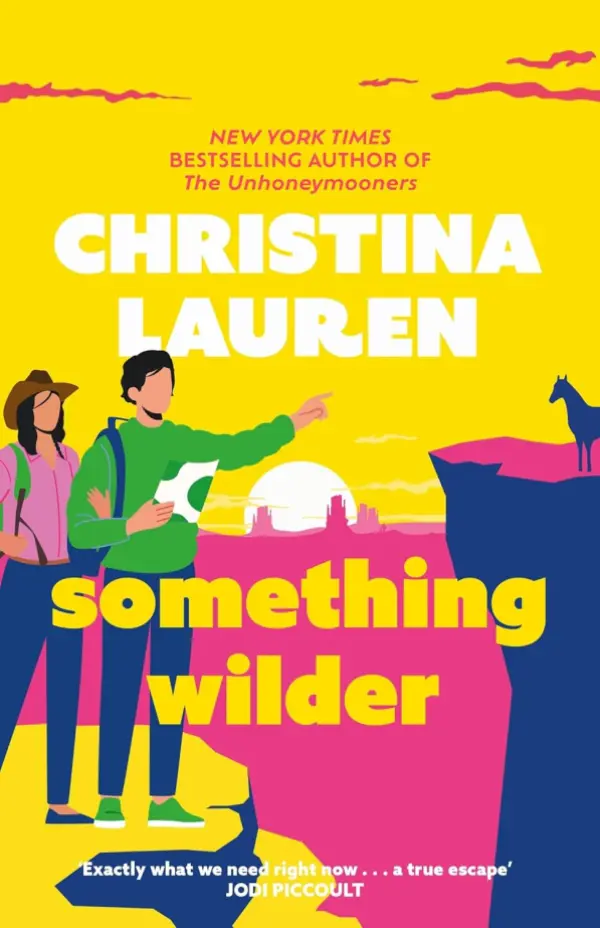
Christina Lauren
Average Goodreads rating3.6
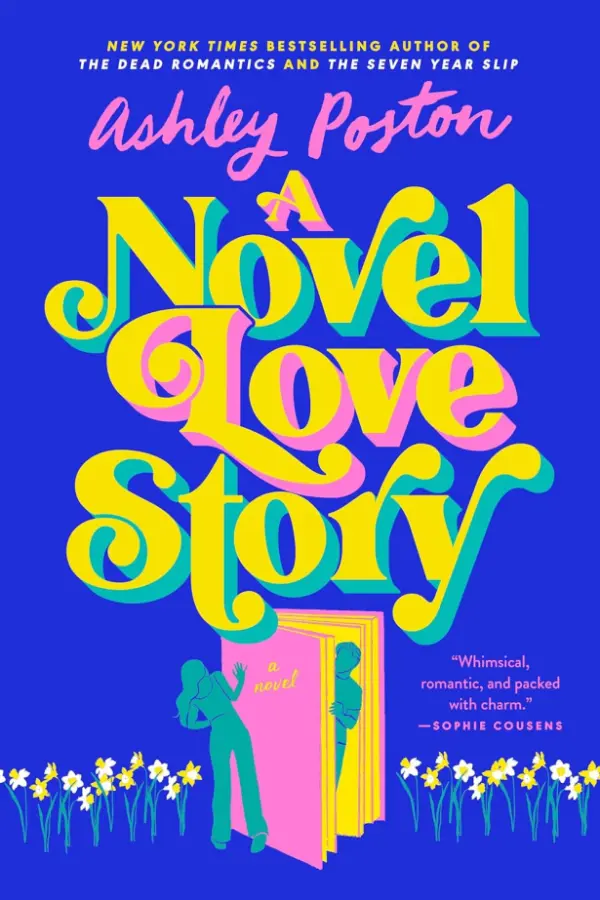
Ashley Poston
Average Goodreads rating3.6
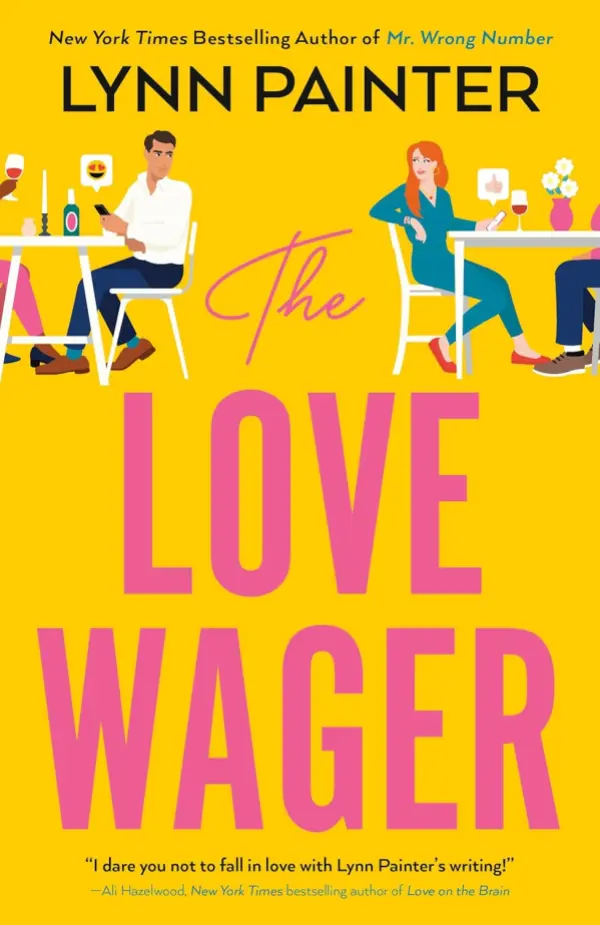
Lynn Painter
Average Goodreads rating3.9
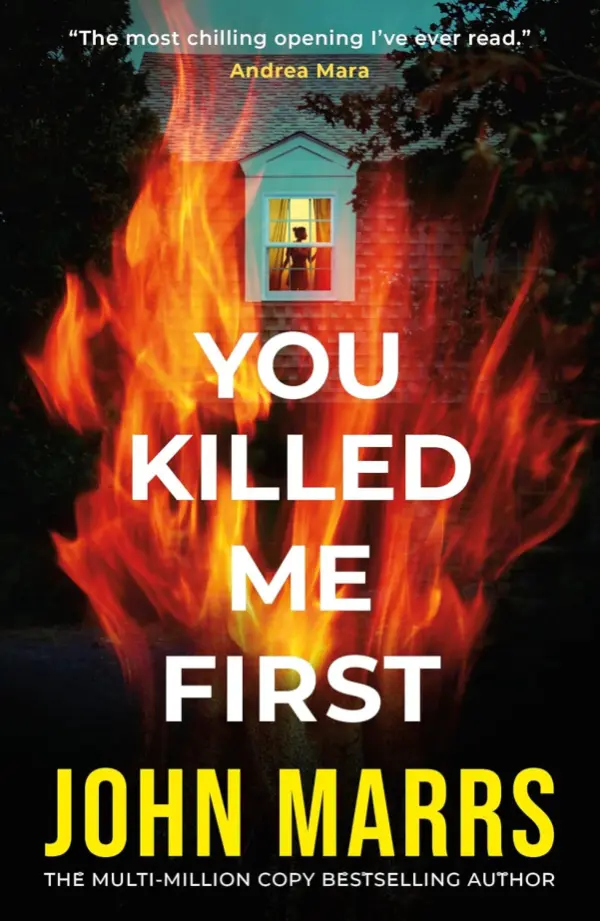
John Marrs
Average Goodreads rating4.0
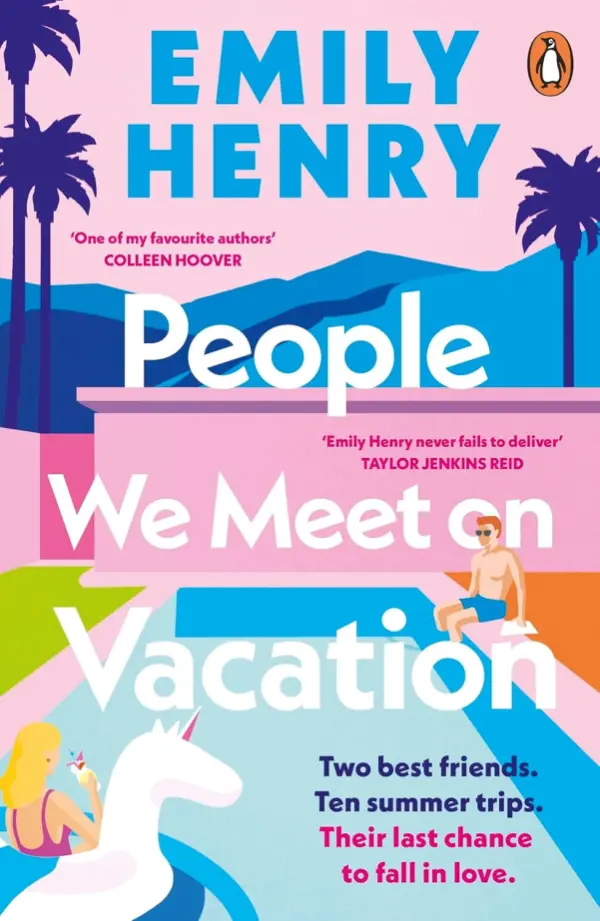
Emily Henry
Average Goodreads rating4.1
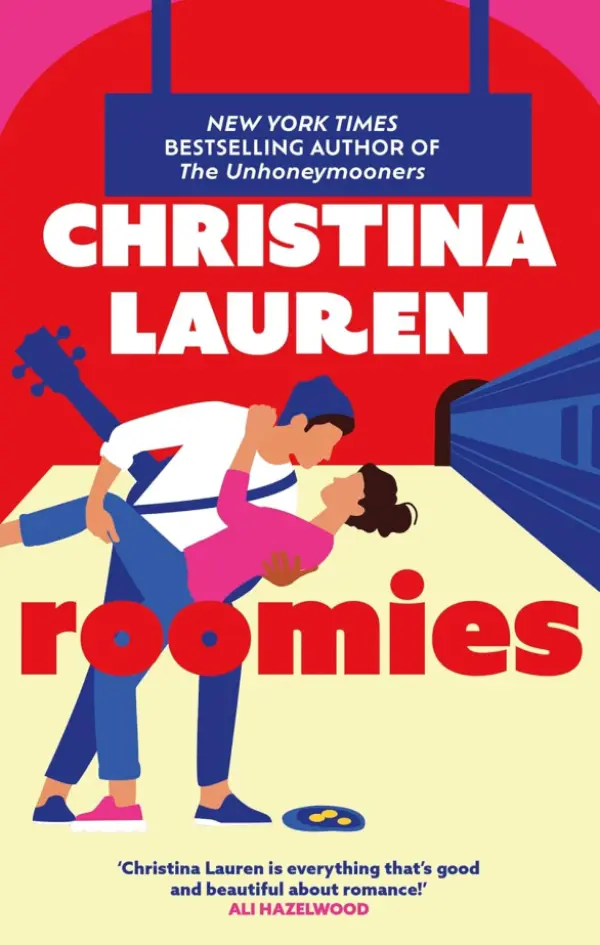
Christina Lauren
Average Goodreads rating3.7
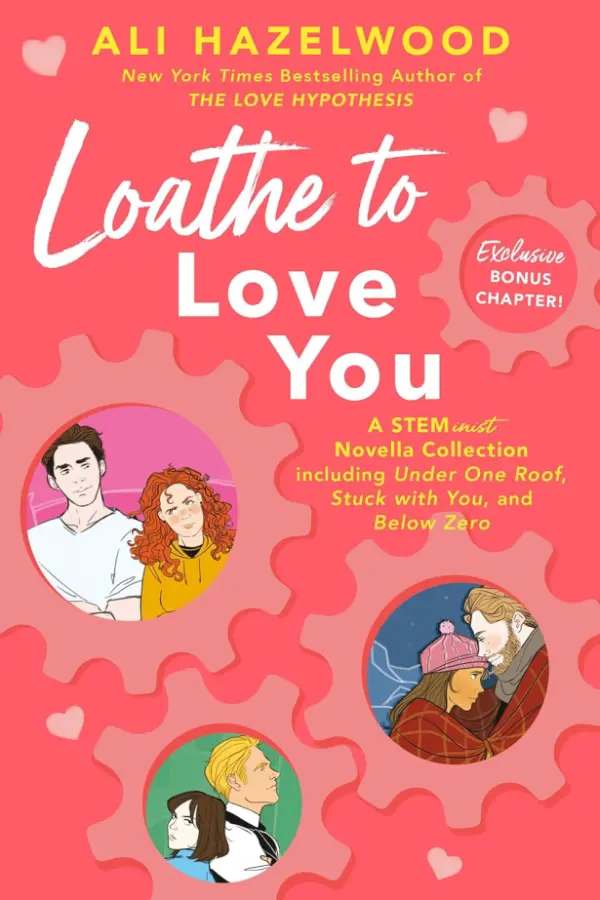
Ali Hazelwood
Average Goodreads rating3.8
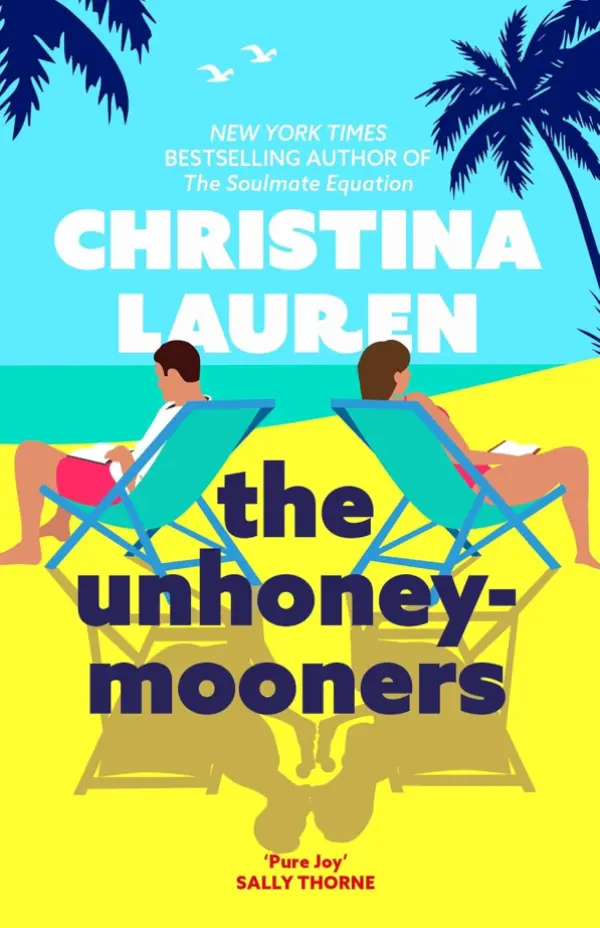
Christina Lauren
Average Goodreads rating4.3
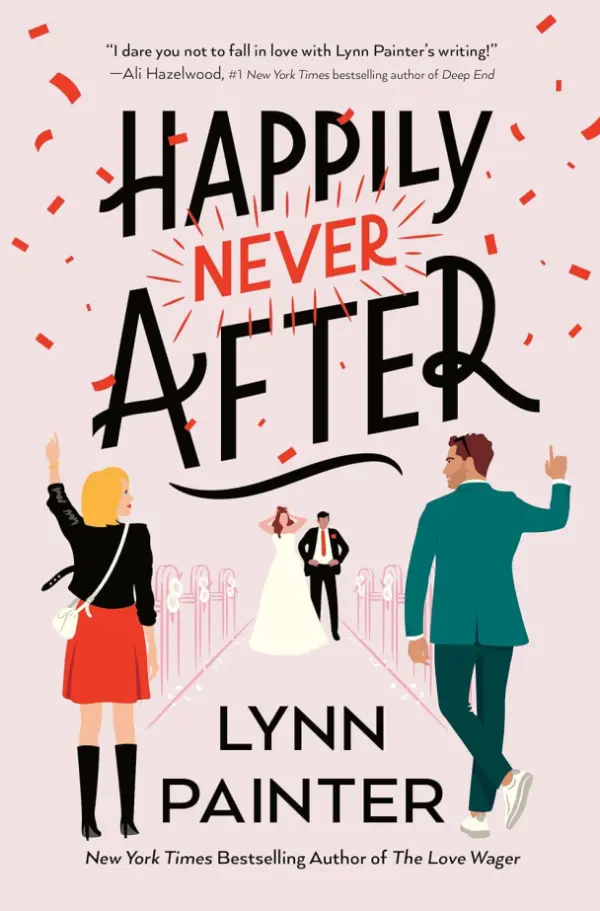
Lynn Painter
Average Goodreads rating3.7
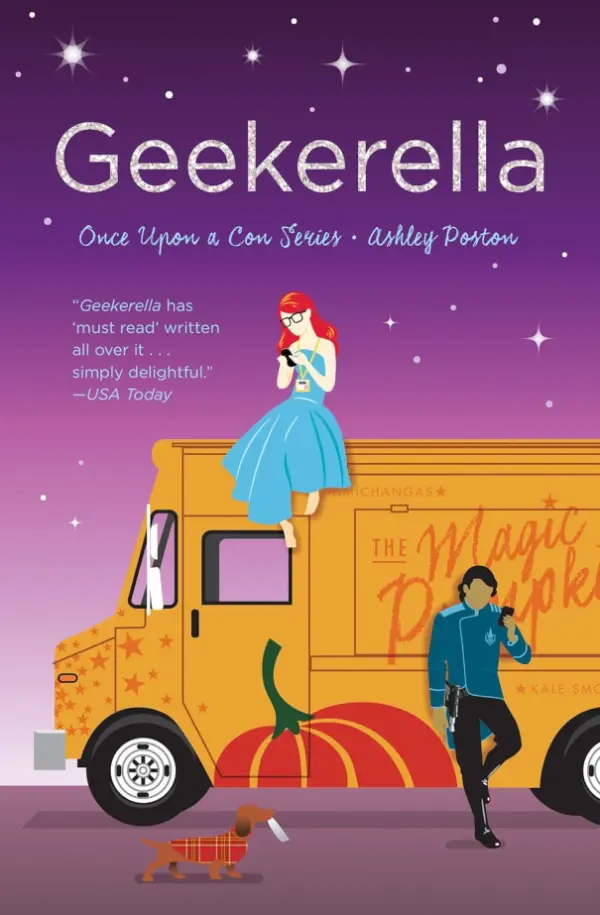
Ashley Poston
Once Upon A Con, book 1
Average Goodreads rating3.9
Tropes that share the most books with Witty Banter & Sharp Dialogue
Most real conversation is halting, approximate, and significantly less clever than anyone involved would like. Fiction has never felt obliged to replicate this. The Witty Banter & Sharp Dialogue trope gives characters the words that real people spend the drive home wishing they had thought of - the perfectly timed comeback, the observation that is simultaneously cutting and accurate, the exchange that crackles with intelligence and subtext and something that might be hostility and might be something else entirely. It is one of the great pleasures of reading: the vicarious experience of a conversation conducted at a level most of us never quite reach, by people who make it look effortless.
Witty Banter & Sharp Dialogue is defined by exchanges between characters where the quality of the language itself is part of the point - where what is said is inseparable from how it is said, and where the conversation does more work than simply conveying information. The banter is fast, layered, and precise. Every line lands. Subtext runs underneath the surface text like a current - characters say one thing and mean three others, and the gap between the stated and the implied is where the real communication happens. What defines it is not simply humour, though humour is usually present, but a quality of mutual sharpness: both parties are fully engaged, fully capable, and fully aware that the exchange is as much a performance as it is a conversation.
There is a particular pleasure in reading dialogue that is genuinely, consistently good - the kind where you slow down because you do not want to miss anything, where you find yourself rereading exchanges not because you missed something but because you want to experience them again. Readers are drawn to this trope because sharp dialogue is one of fiction's most immediate pleasures: it requires no setup, delivers its rewards in real time, and makes characters feel startlingly alive in a way that pages of description and backstory sometimes cannot. There is also the specific appeal of watching two well-matched minds go at each other - the sense of a conversation as competition, as courtship, as the most intimate form of showing someone exactly who you are.
Stories built around this trope use dialogue as a primary vehicle for character development and relationship progression. What the characters say to each other - and how, and when, and what they conspicuously do not say - reveals more about them than any amount of interior narration. The banter typically evolves across the story: what begins as defensive sparring gradually admits more genuine feeling, the jokes start to carry more weight, the subtext becomes harder to ignore. A story that does this well marks its emotional turning points through shifts in the dialogue's register - the moment the sharpness softens slightly, the first exchange that is honest rather than armoured, the conversation that neither character can quite walk back from.
The Witty Banter & Sharp Dialogue trope endures because great dialogue is one of the things fiction does that no other medium quite replicates - and because readers, once they have experienced the pleasure of a truly well-matched exchange, find it very difficult to settle for less. It endures also because banter, at its best, is not decoration. It is characterisation, it is conflict, it is intimacy conducted at arm's length by people who are not yet ready to be honest any other way. The wittiest exchanges in fiction are rarely just funny. They are two people, circling something real, saying everything except the thing they actually mean - until finally, inevitably, one of them does.
Occasional emails with new recommendations, series news and trope round-ups.