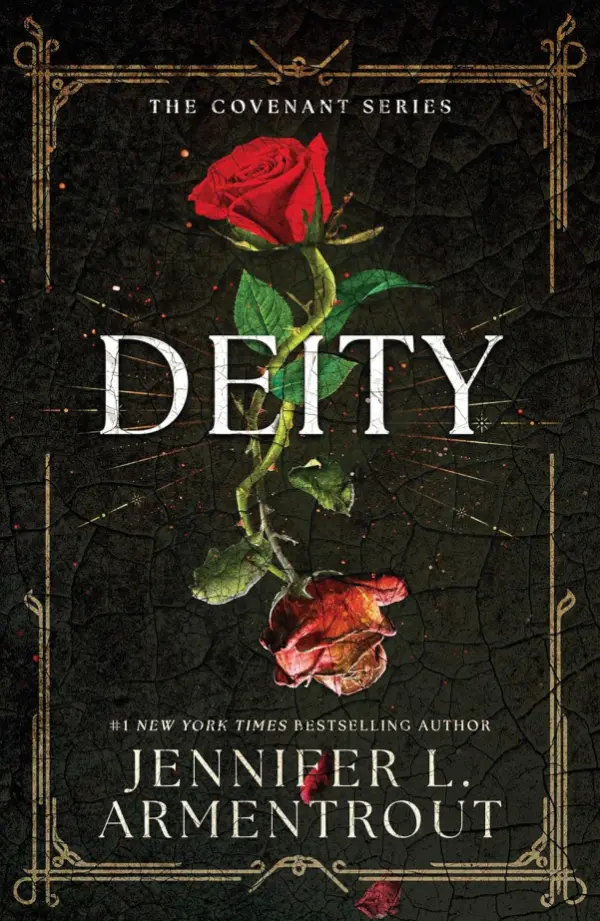
Deity
Jennifer L. Armentrout
Covenant, book 3
Average Goodreads rating4.2
- Betrayal
- Emotional Trauma

Book trope · 22 books
Every mythology that has ever existed has imagined beings more powerful than people - and divided them, in some form, into those who create and those who destroy, those who elevate and those who corrupt, those who belong to the light and those who belong to something older and darker.
More about the Gods and Demons trope4 are tagged with Gods and Demons individually. The others belong to a series tagged with it, which doesn’t mean every book in it features the trope, so they’re marked “Matched via its series”.
Updating books…
22 books found
Jennifer L. Armentrout
Covenant, book 3
Average Goodreads rating4.2
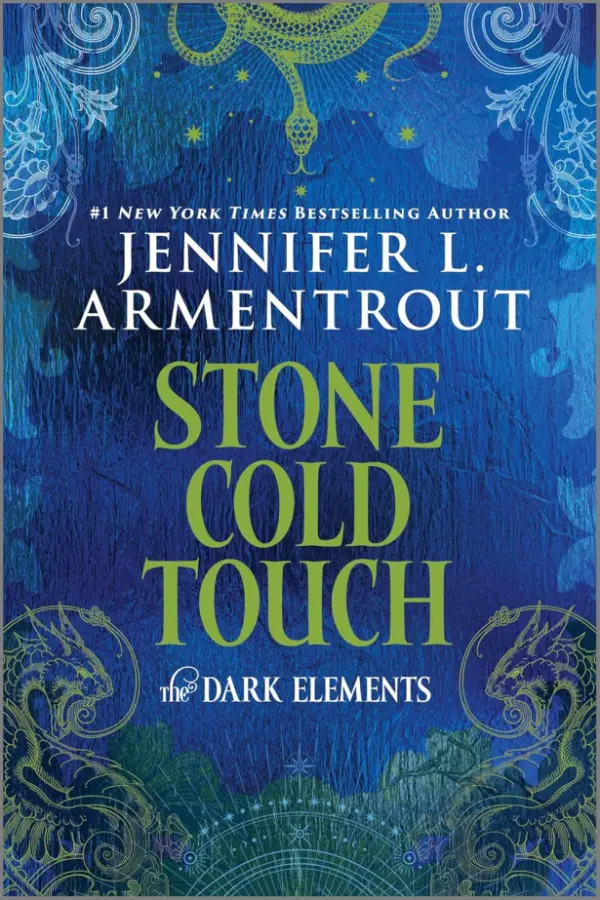
Jennifer L. Armentrout
The Dark Elements, book 2
Average Goodreads rating4.2
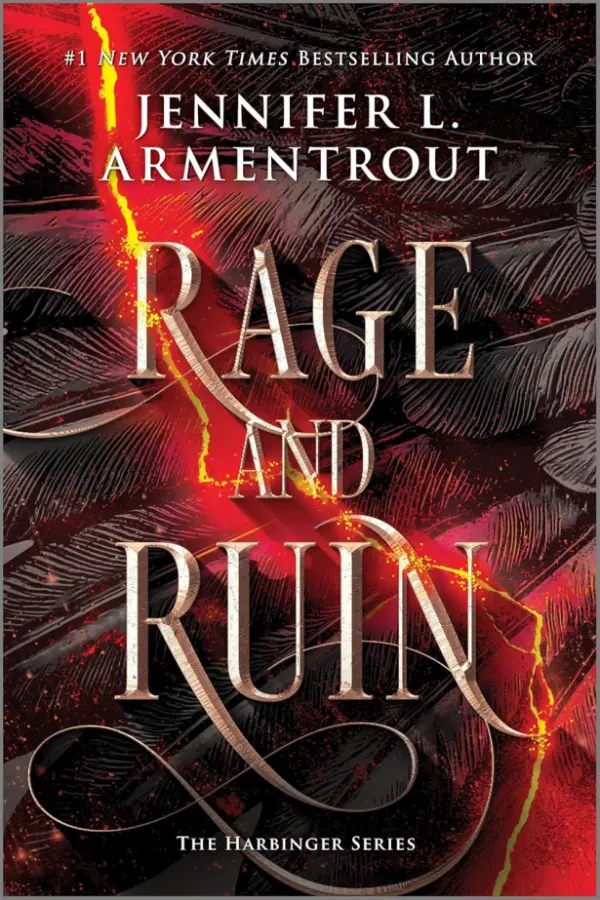
Jennifer L. Armentrout
Harbinger, book 2
Average Goodreads rating4.4
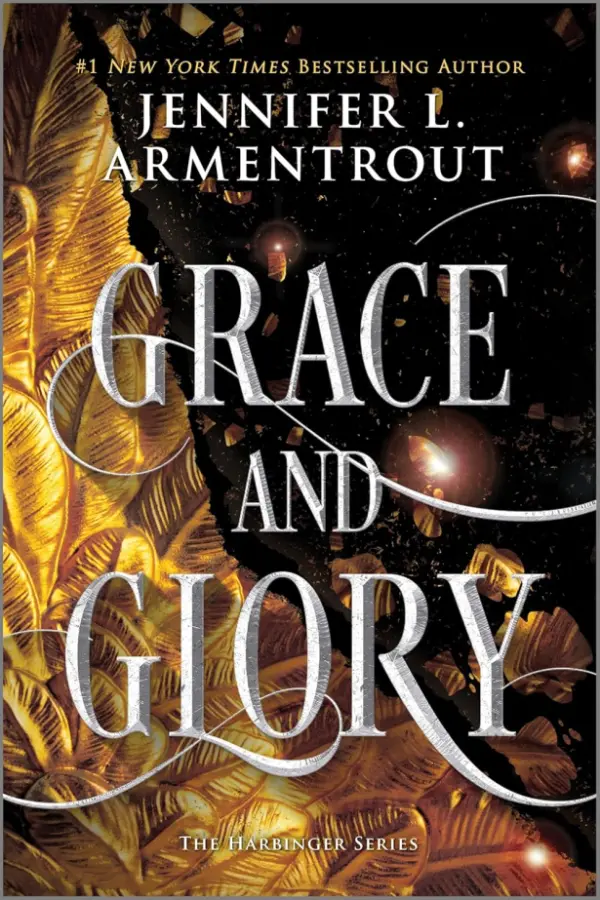
Jennifer L. Armentrout
Harbinger, book 3
Average Goodreads rating4.4
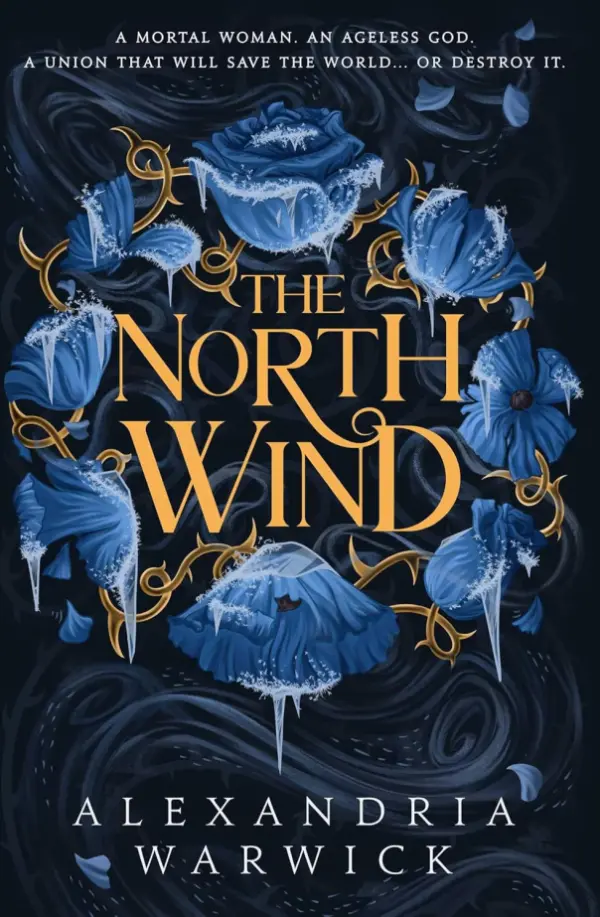
Alexandria Warwick
The Four Winds, book 1
Average Goodreads rating3.6
Matched via its series
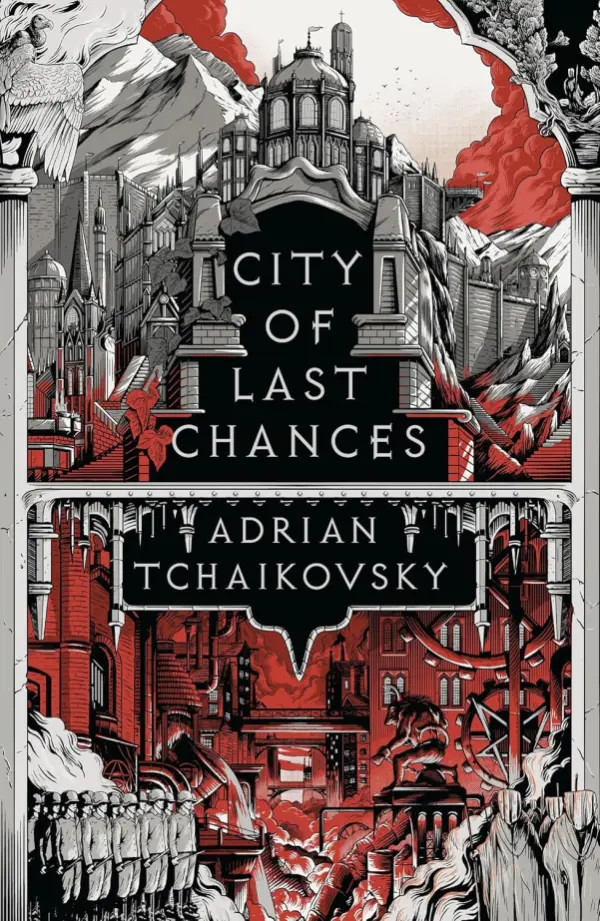
Adrian Tchaikovsky
The Tyrant Philosophers, book 1
Average Goodreads rating3.9
Matched via its series
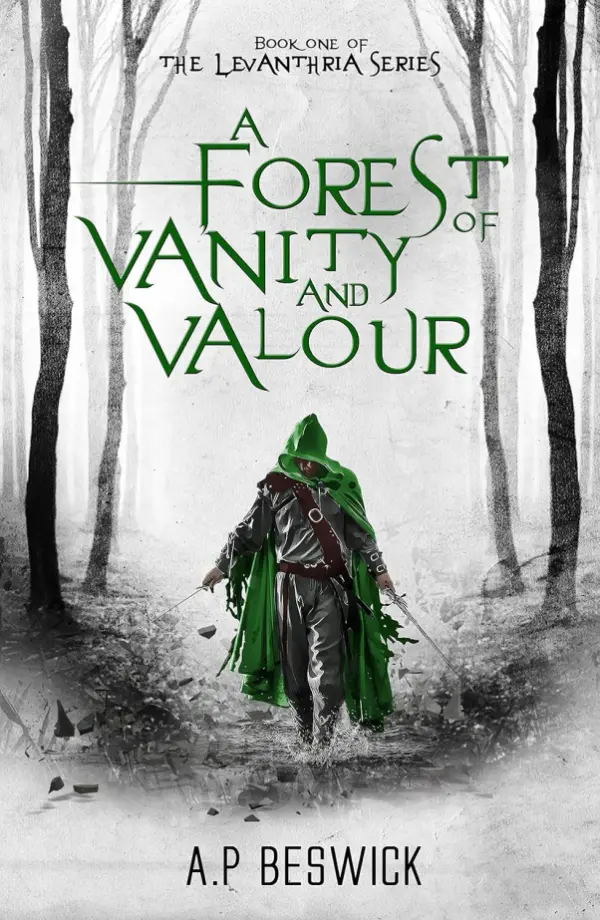
A. P. Beswick
The Levanthria Series, book 1
Average Goodreads rating3.9
Matched via its series

R. F. Kuang
The Poppy War, book 1
Average Goodreads rating4.3
Matched via its series
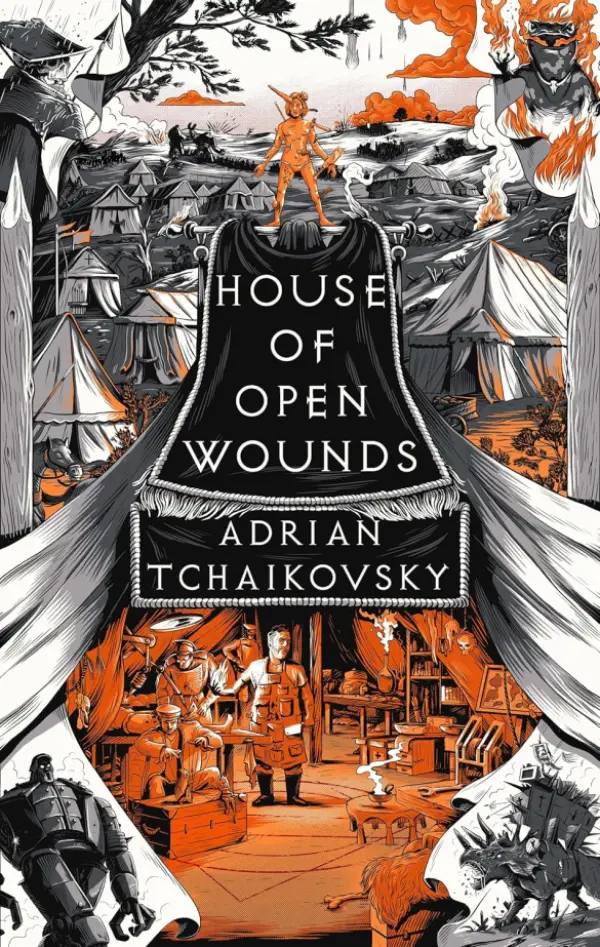
Adrian Tchaikovsky
The Tyrant Philosophers, book 2
Average Goodreads rating4.5
Matched via its series
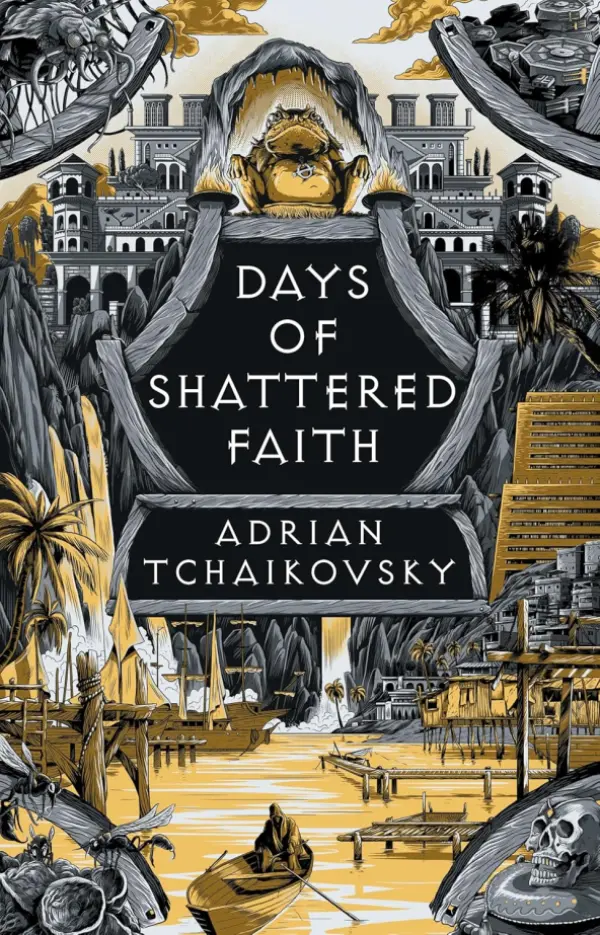
Adrian Tchaikovsky
The Tyrant Philosophers, book 3
Average Goodreads rating4.4
Matched via its series
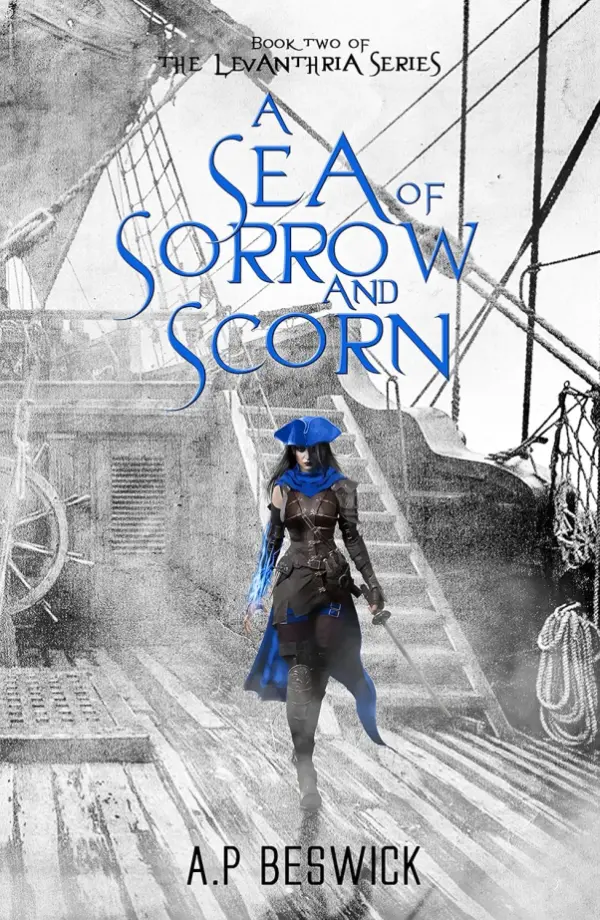
A. P. Beswick
The Levanthria Series, book 2
Average Goodreads rating3.9
Matched via its series
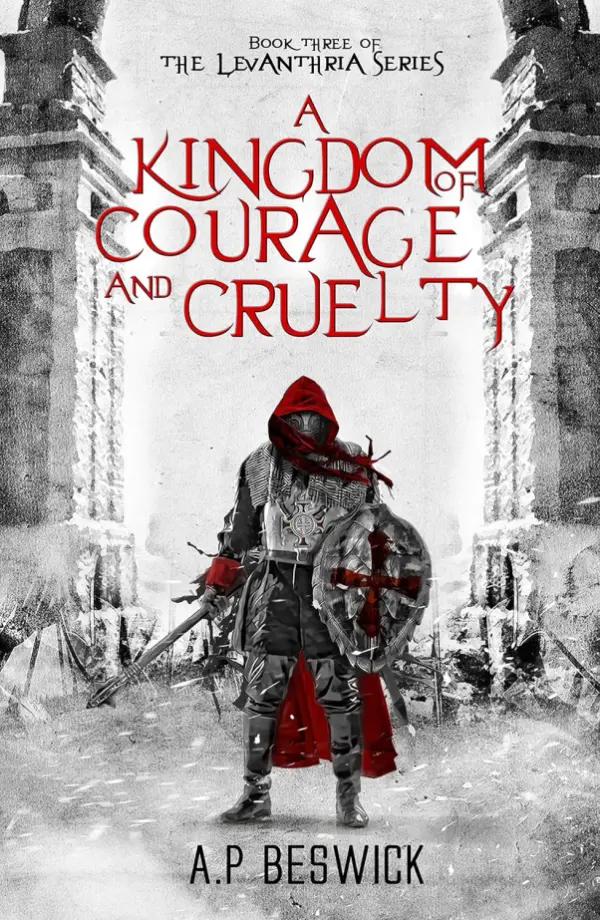
A. P. Beswick
The Levanthria Series, book 3
Average Goodreads rating4.1
Matched via its series
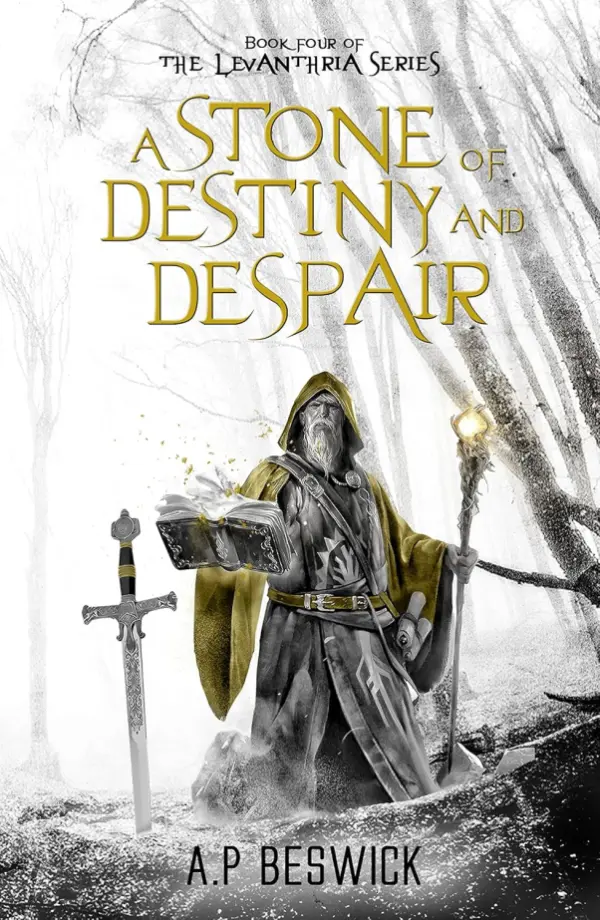
A. P. Beswick
The Levanthria Series, book 4
Average Goodreads rating4.2
Matched via its series
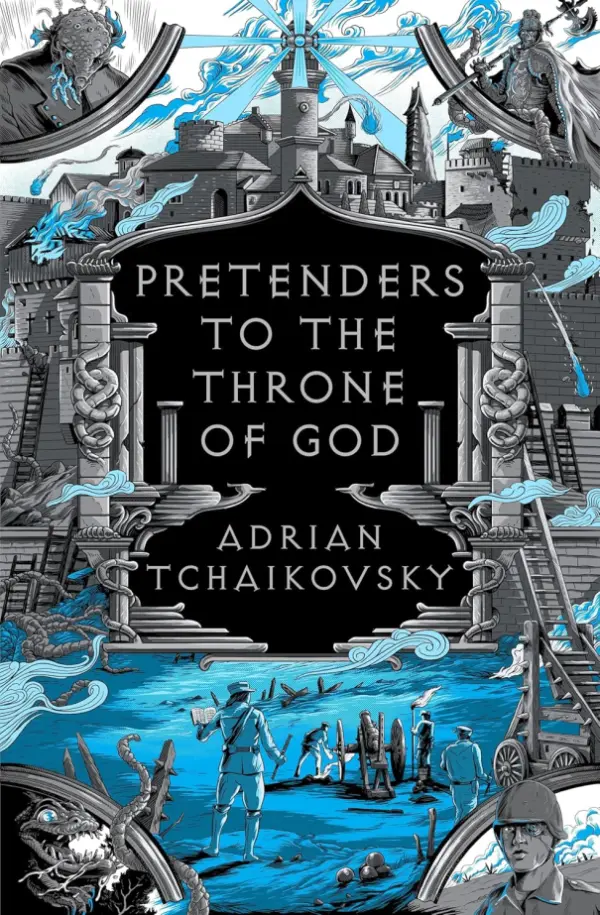
Adrian Tchaikovsky
The Tyrant Philosophers, book 4
Average Goodreads rating4.6
Matched via its series
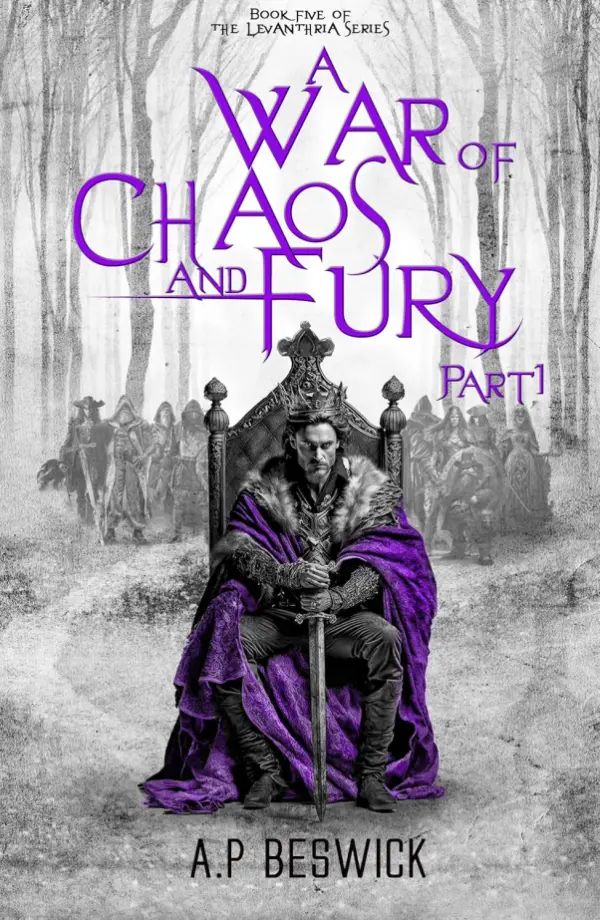
A. P. Beswick
The Levanthria Series, book 5
Average Goodreads rating4.4
Matched via its series
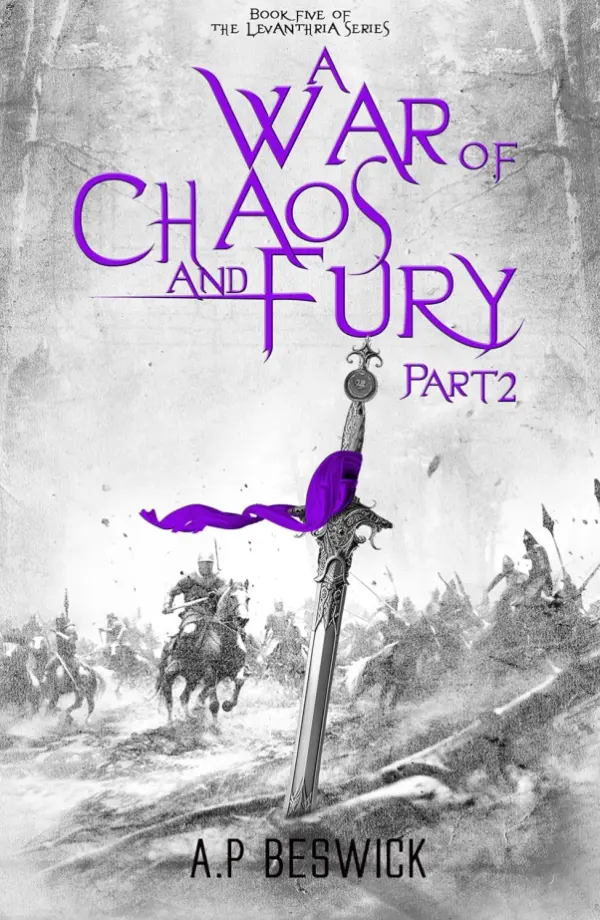
A. P. Beswick
The Levanthria Series, book 6
Average Goodreads rating4.4
Matched via its series
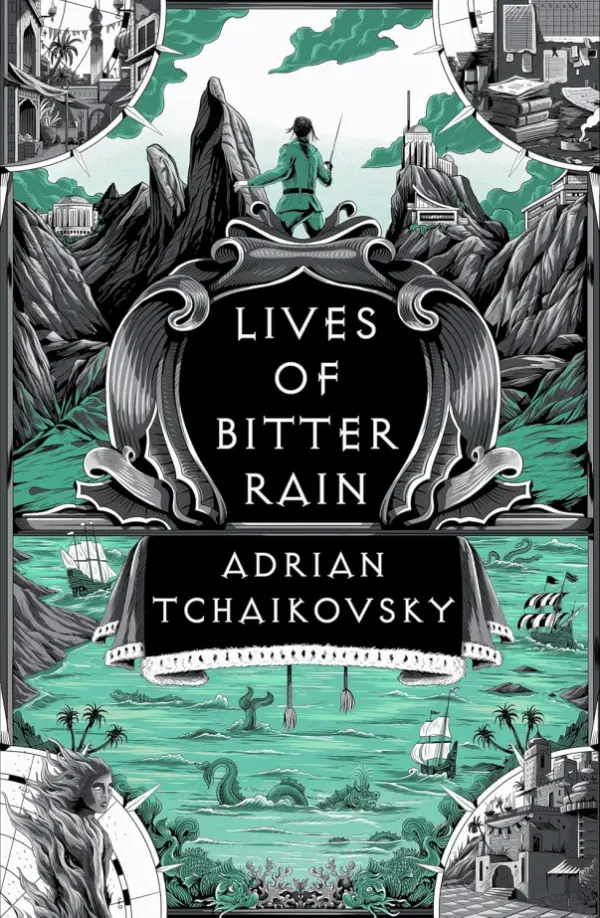
Adrian Tchaikovsky
The Tyrant Philosophers, book 3.5
Matched via its series

R. F. Kuang
The Poppy War, book 3
Average Goodreads rating4.4
Matched via its series

R. F. Kuang
The Poppy War, book 2
Average Goodreads rating4.5
Matched via its series
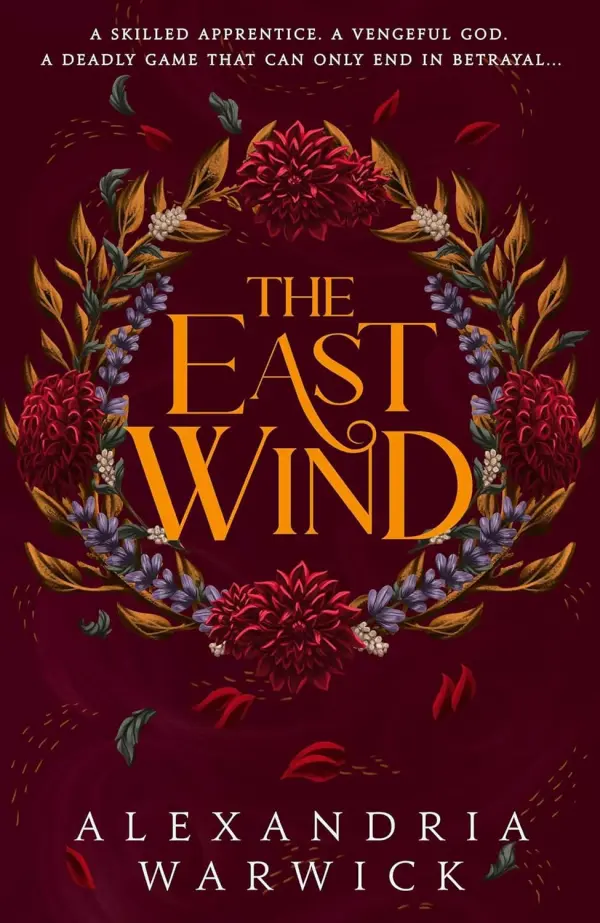
Alexandria Warwick
The Four Winds, book 4
Matched via its series
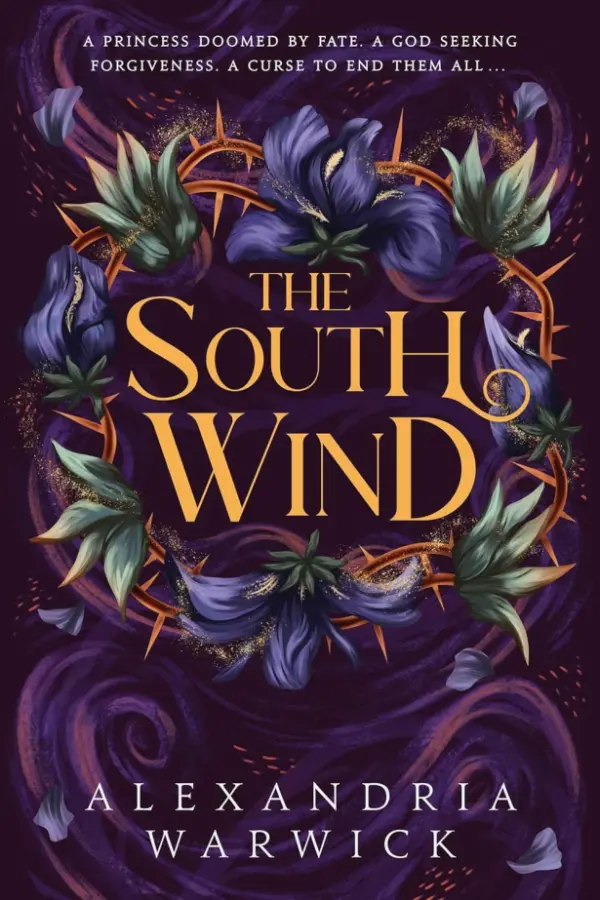
Alexandria Warwick
The Four Winds, book 3
Matched via its series
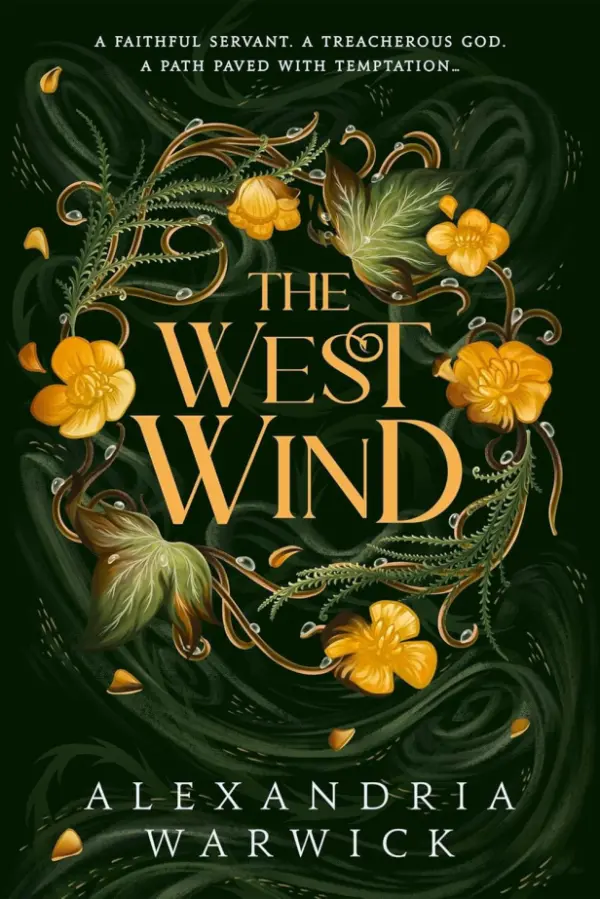
Alexandria Warwick
The Four Winds, book 2
Matched via its series
Tropes that share the most books with Gods and Demons
Every mythology that has ever existed has imagined beings more powerful than people - and divided them, in some form, into those who create and those who destroy, those who elevate and those who corrupt, those who belong to the light and those who belong to something older and darker. The Gods and Demons trope draws on that universal impulse and places it inside a story, populating the world with divine and infernal forces whose conflicts, allegiances, and interventions shape everything mortals experience without fully understanding. These are not just powerful characters. They are the architecture of the world made animate - and they have opinions about how it should be run.
This trope is defined by the active presence of divine and demonic beings within the story's world - not as distant mythological background but as forces that act, interfere, pursue agendas, and make demands of the mortals caught between them. The gods need not be benevolent, and the demons need not be purely evil. What defines the trope is the power differential and the cosmological stakes: these beings operate on a scale that exceeds ordinary human comprehension, and their conflicts or alliances have consequences that ripple through the mortal world in ways that cannot simply be managed or negotiated away. The divine and the damned are present, they are active, and they want something.
Gods and demons give fiction permission to operate at mythic scale - to ask the largest possible questions about good and evil, creation and destruction, what is owed to power and what power owes in return. Readers are drawn to this trope because it delivers genuine grandeur: beings of incomprehensible age and ability, rivalries that predate human civilisation, cosmologies that make the world feel vast and strange and significant. But the trope's deepest appeal is not the scale itself - it is the friction between divine power and human experience. Gods and demons are most compelling when they are not simply forces of nature but characters with histories, grievances, and the capacity to be wrong. Power does not confer wisdom. That gap is where the story lives.
Mortal protagonists in these stories typically begin with incomplete understanding - they know the gods and demons exist, but not what they truly are, what they want, or what the cost of their attention might be. The narrative tends to involve a gradual, often unwilling initiation into a conflict that was already ancient when the protagonist was born. Alliances are offered on terms that turn out to be more complicated than they appeared. The boundary between divine and demonic proves less fixed than the world's official theology would suggest. Characters must navigate not just the physical dangers of a world in which divine power is active but the theological and moral disorientation of discovering that the beings they were raised to worship or fear are neither as good nor as evil as advertised.
The Gods and Demons trope endures because it is mythology doing what mythology has always done: taking the forces that feel too large and too frightening to face directly and giving them faces, names, and stories. In doing so, it makes the incomprehensible manageable - not safe, but comprehensible enough to engage with. It also allows fiction to explore the most fundamental of all narrative tensions: the struggle between creation and destruction, between the impulse to build and the impulse to unmake. Gods and demons are the oldest characters in human storytelling. They keep returning because the questions they embody have never been answered to anyone's complete satisfaction - and probably never will be.
Occasional emails with new recommendations, series news and trope round-ups.