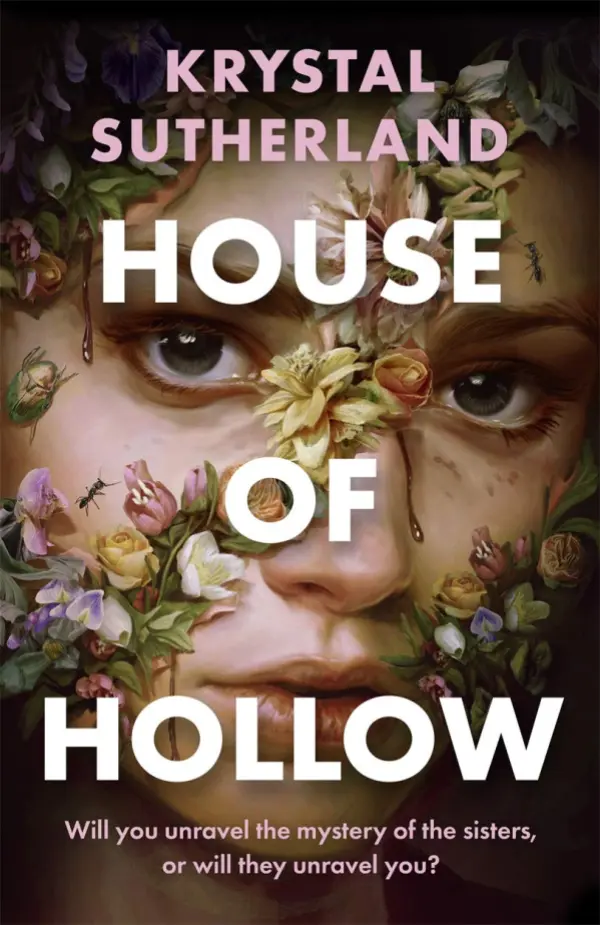
House of Hollow
Krystal Sutherland
Average Goodreads rating4.2
- Gothic Fantasy
- First-Person POV

Book trope · 23 books
Urban fantasy takes the familiar — city streets, coffee shops, underground trains, the grinding routine of modern life — and cracks it open to reveal something stranger underneath.
More about the Urban Fantasy trope1 is tagged with Urban Fantasy individually. The others belong to a series tagged with it, which doesn’t mean every book in it features the trope, so they’re marked “Matched via its series”.
Updating books…
23 books found
Krystal Sutherland
Average Goodreads rating4.2
Jennifer L. Armentrout
A Wicked Trilogy, book 1
Average Goodreads rating4.2
Matched via its series
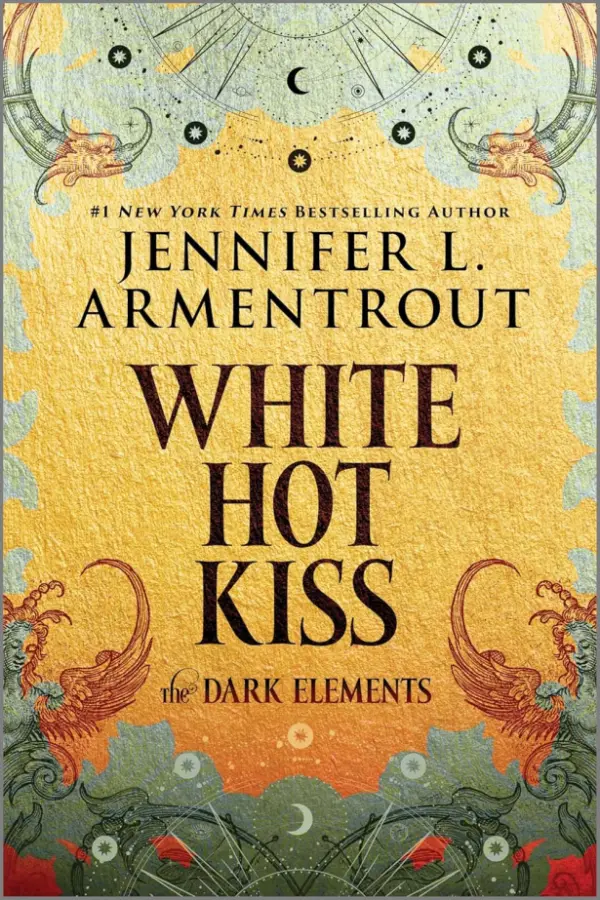
Jennifer L. Armentrout
The Dark Elements, book 1
Average Goodreads rating4.1
Matched via its series
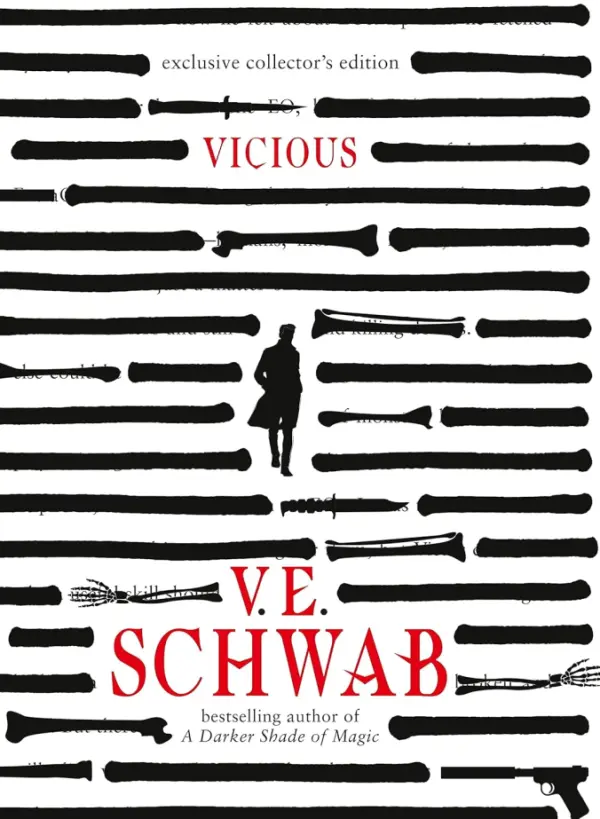
V. E. Schwab
Villains, book 1
Average Goodreads rating4.2
Matched via its series
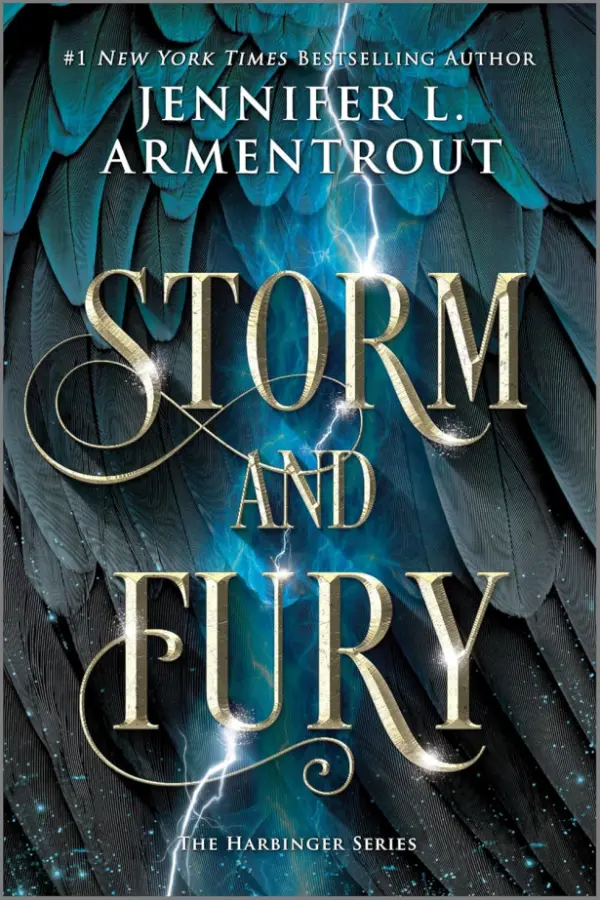
Jennifer L. Armentrout
Harbinger, book 1
Average Goodreads rating4.3
Matched via its series
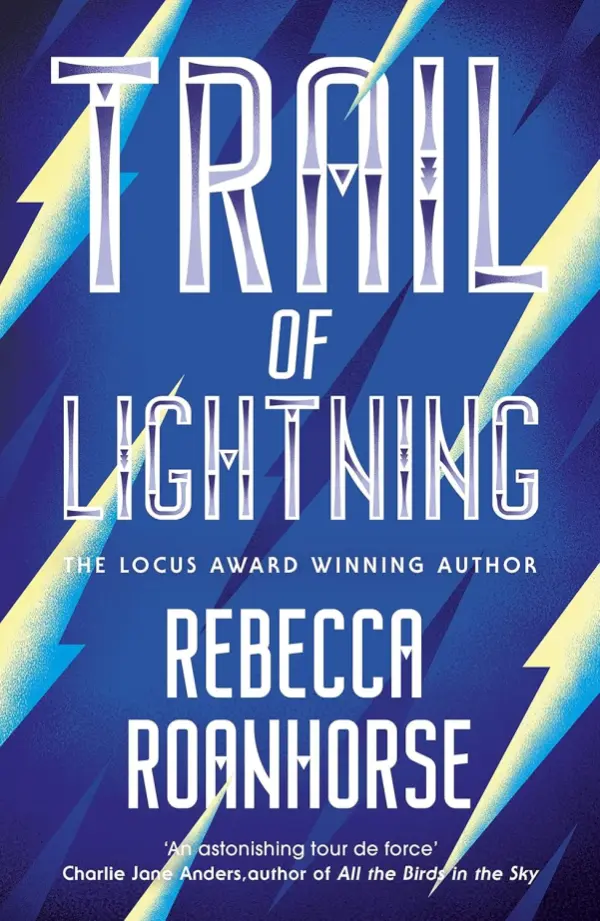
Rebecca Roanhorse
The Sixth World, book 1
Average Goodreads rating4.3
Matched via its series
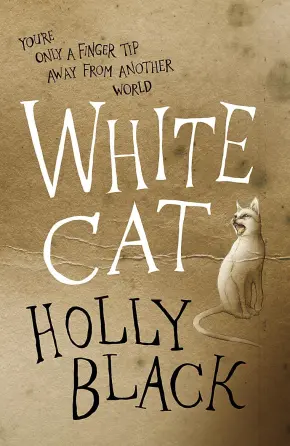
Holly Black
The Curse Workers, book 1
Average Goodreads rating4.2
Matched via its series

Sarah J. Maas
Crescent City, book 1
Average Goodreads rating4.7
Matched via its series
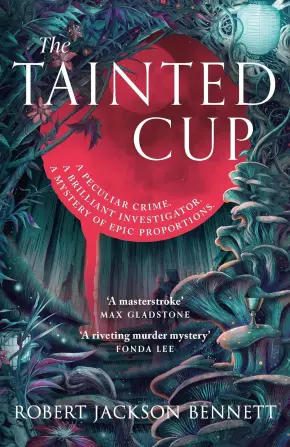
Robert Jackson Bennett
Shadow of the Leviathan, book 1
Average Goodreads rating4.6
Matched via its series
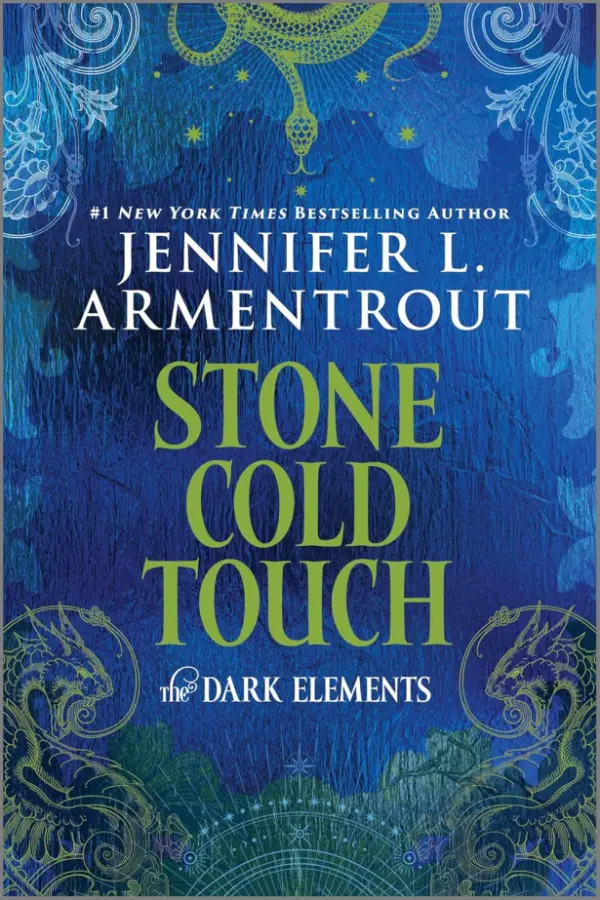
Jennifer L. Armentrout
The Dark Elements, book 2
Average Goodreads rating4.2
Matched via its series
Jennifer L. Armentrout
A Wicked Trilogy, book 2
Average Goodreads rating4.3
Matched via its series
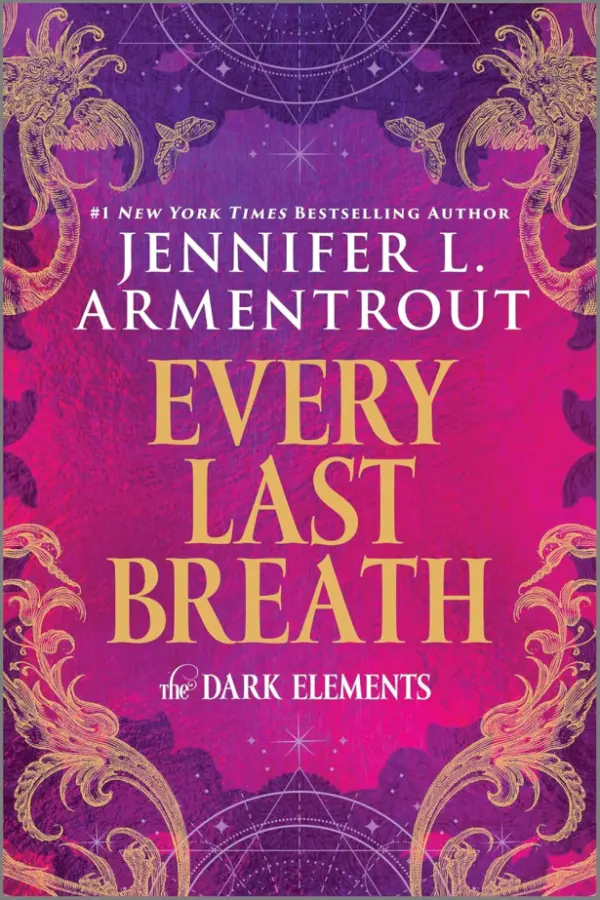
Jennifer L. Armentrout
The Dark Elements, book 3
Average Goodreads rating4.3
Matched via its series
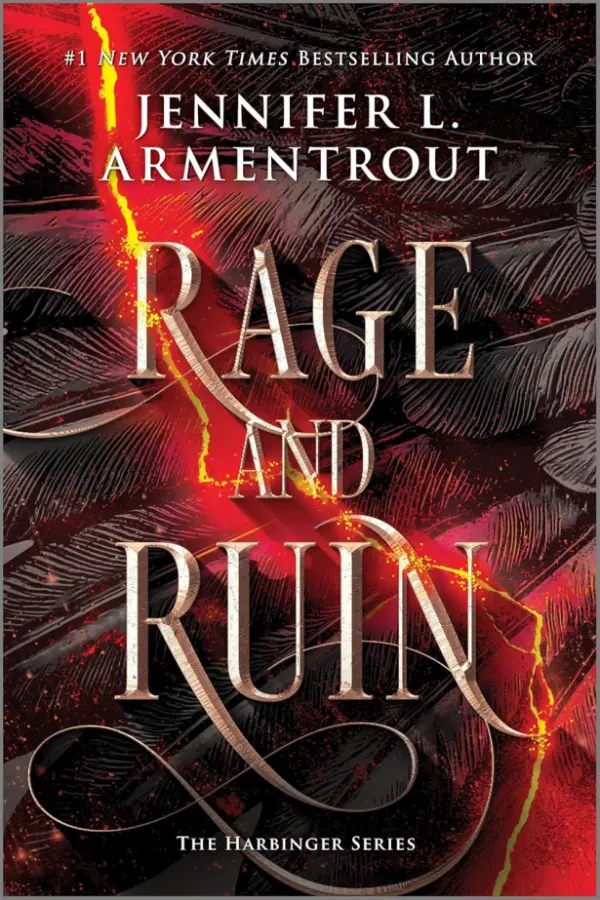
Jennifer L. Armentrout
Harbinger, book 2
Average Goodreads rating4.4
Matched via its series
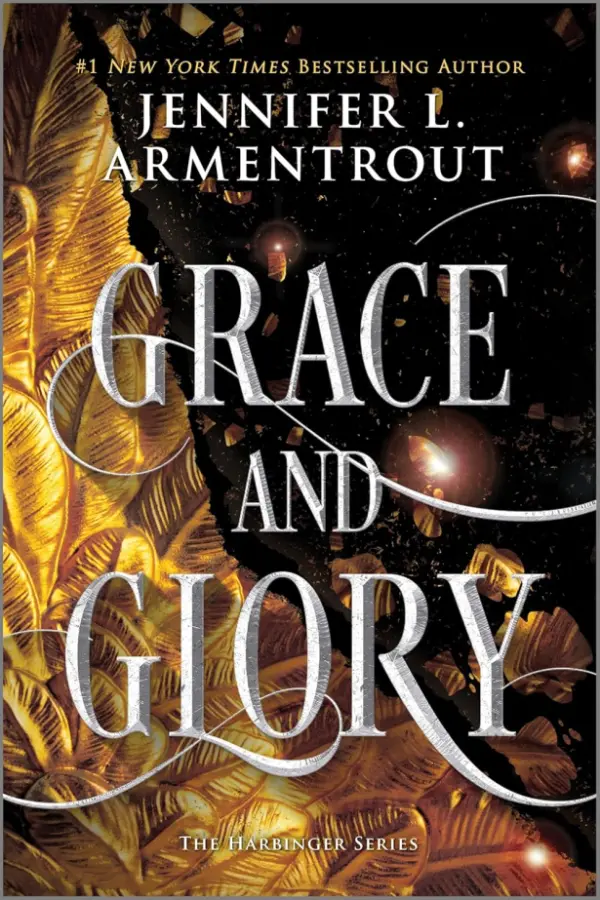
Jennifer L. Armentrout
Harbinger, book 3
Average Goodreads rating4.4
Matched via its series
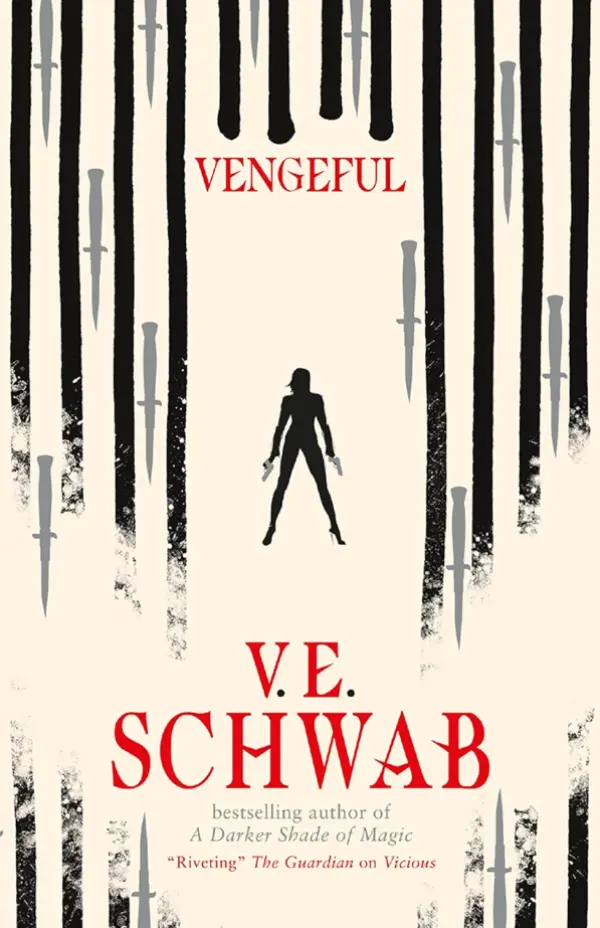
V. E. Schwab
Villains, book 2
Average Goodreads rating4.4
Matched via its series
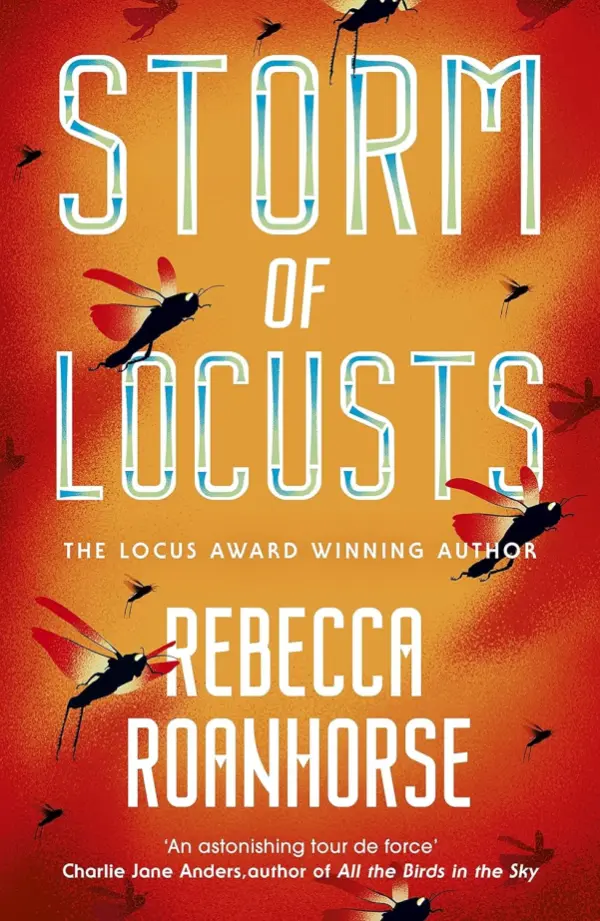
Rebecca Roanhorse
The Sixth World, book 2
Matched via its series
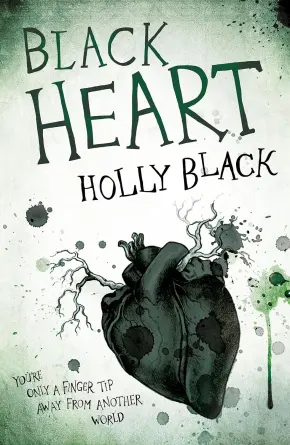
Holly Black
The Curse Workers, book 3
Average Goodreads rating4.5
Matched via its series
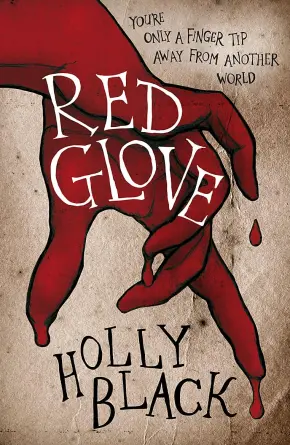
Holly Black
The Curse Workers, book 2
Average Goodreads rating4.4
Matched via its series
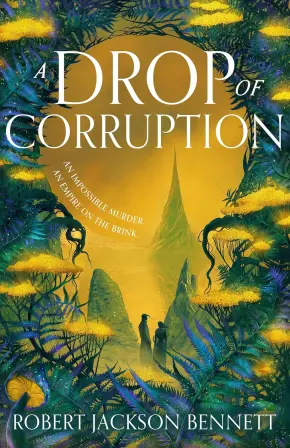
Robert Jackson Bennett
Shadow of the Leviathan, book 2
Average Goodreads rating4.7
Matched via its series
Robert Jackson Bennett
Shadow of the Leviathan, book 3
Matched via its series
Jennifer L. Armentrout
A Wicked Trilogy, book 3
Matched via its series

Sarah J. Maas
Crescent City, book 3
Average Goodreads rating4.6
Matched via its series

Sarah J. Maas
Crescent City, book 2
Average Goodreads rating4.7
Matched via its series
Tropes that share the most books with Urban Fantasy
Urban fantasy takes the familiar — city streets, coffee shops, underground trains, the grinding routine of modern life — and cracks it open to reveal something stranger underneath. Vampires running nightclubs. Witches living in council flats. Ancient gods reduced to working minimum wage. The genre's central pleasure is that double vision: the mundane world you recognise, and the hidden one layered just beneath it.
It's a trope built on contrast. The more ordinary the surface, the more potent the revelation that magic has been here all along, invisible to those who don't know where to look.
A few things recur so reliably they've become the genre's grammar. There's almost always a protagonist who occupies the threshold between worlds — a hunter, a detective, a half-blood, someone with one foot in the supernatural and one in the ordinary. The city itself functions almost as a character, its geography mapped onto a second, secret infrastructure of safe houses, neutral territories, and ancient wards.
Tone matters enormously here. Urban fantasy tends towards noir: dry wit, hard-won competence, a protagonist who's been knocked around enough to be cynical but keeps showing up anyway. The pacing is typically fast, cases or crises unfolding against a ticking clock, but the best entries in the genre take time to build a mythology that feels genuinely lived-in rather than borrowed wholesale from folklore.
The trope splinters into distinct camps. Some versions are gritty and violent — think monster-hunting procedurals where the body count is high and the magic is dangerous. Others lean romantic, pairing the supernatural with slow-burn tension and a love interest who may or may not be trying to kill the protagonist. Cosy urban fantasy has grown substantially as a category, softening the edges: found family, a magical small business, stakes that are real but rarely fatal.
Setting shifts the feel entirely. London's urban fantasy tends to draw on a deep well of British folklore — fae courts beneath the Thames, ancient Roman gods still haunting the city's foundations. American urban fantasy often centres its mythology around the continent's own contested histories. More recently, writers have been building their hidden worlds in Lagos, Mumbai, Seoul, and other cities whose mythological traditions had been largely absent from the genre.
There's something enduringly appealing about the idea that the world is more than it appears. Urban fantasy offers the escapism of secondary-world fantasy without asking you to leave behind the texture of contemporary life — the specific exhaustion of a late bus home, the particular light of a city at 3am. Magic lands harder when it interrupts something recognisable.
The genre also rewards loyalty. Series are the norm, and a well-built urban fantasy city becomes a place readers genuinely inhabit over years, its politics and power structures growing more complex with each book. Once a world clicks, it's very difficult to leave.
Occasional emails with new recommendations, series news and trope round-ups.