
The Road
Cormac McCarthy
Average Goodreads rating4.4
- Existential Danger
- Survival and Resilience

Book trope · 6 books
Some of the most affecting moments in fantasy and romance aren't the triumphant ones. They're the quieter scenes where everything has gone wrong, the odds are catastrophic, and a character chooses — consciously, stubbornly — to believe things can still be better.
More about the Hope in Darkness tropeUpdating books…
6 books found
Cormac McCarthy
Average Goodreads rating4.4
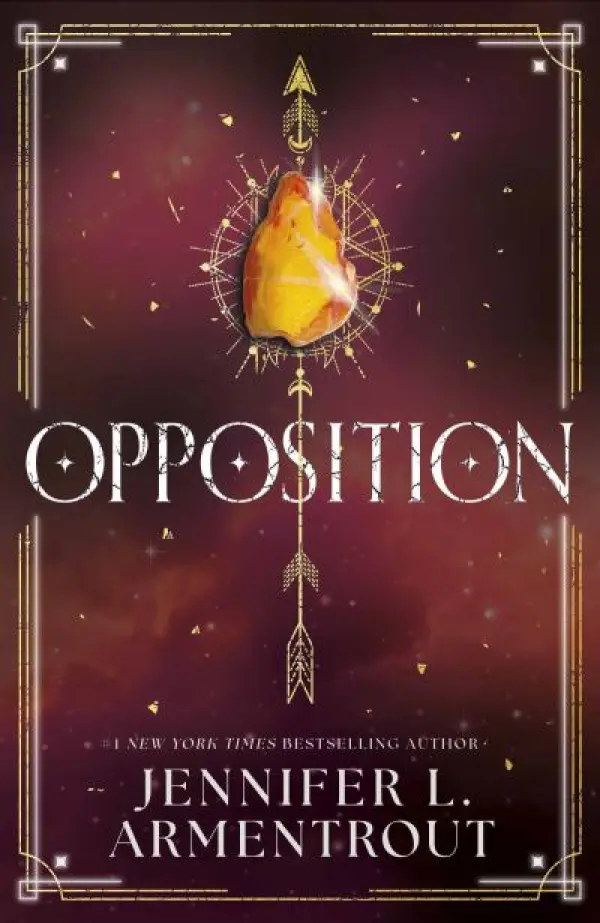
Jennifer L. Armentrout
Lux, book 5
Average Goodreads rating4.2
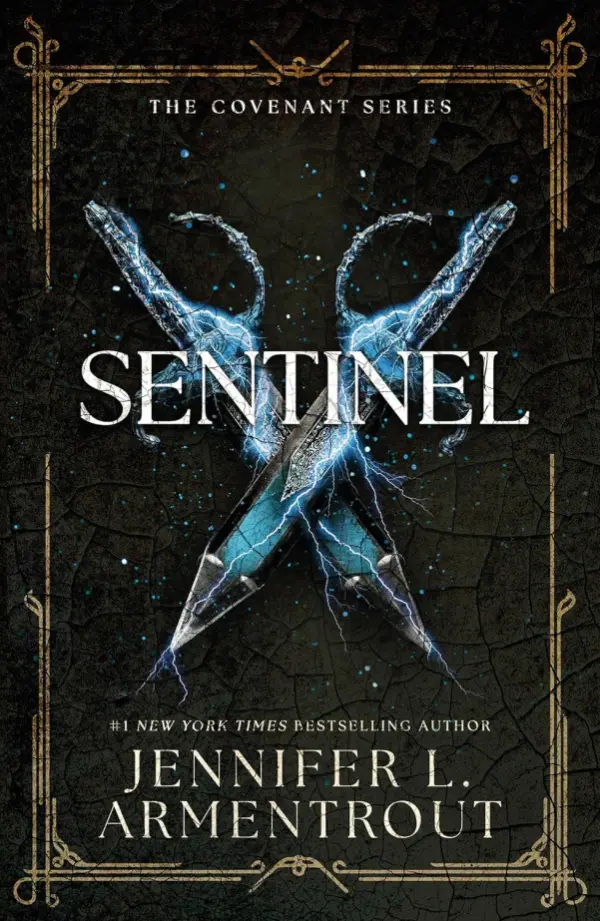
Jennifer L. Armentrout
Covenant, book 5
Average Goodreads rating4.4
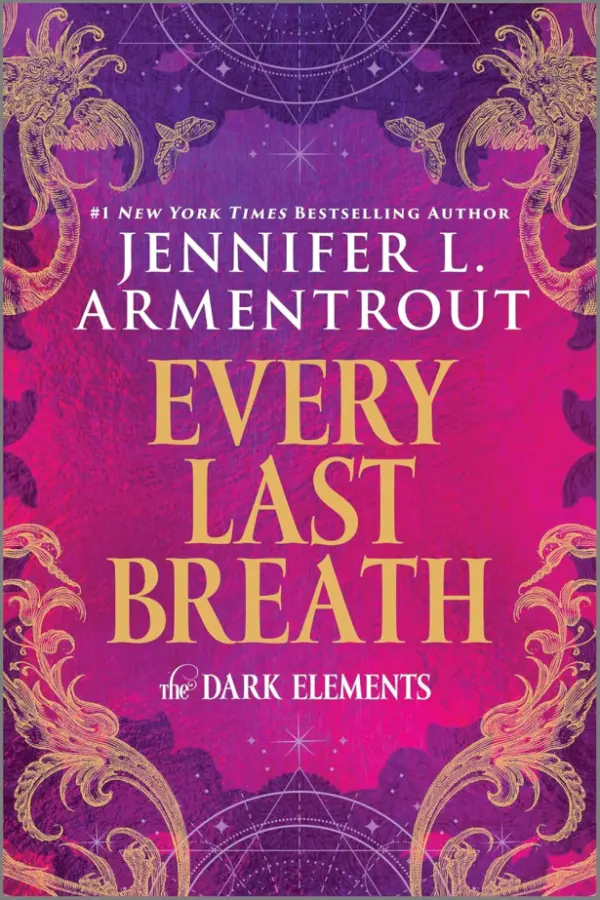
Jennifer L. Armentrout
The Dark Elements, book 3
Average Goodreads rating4.3
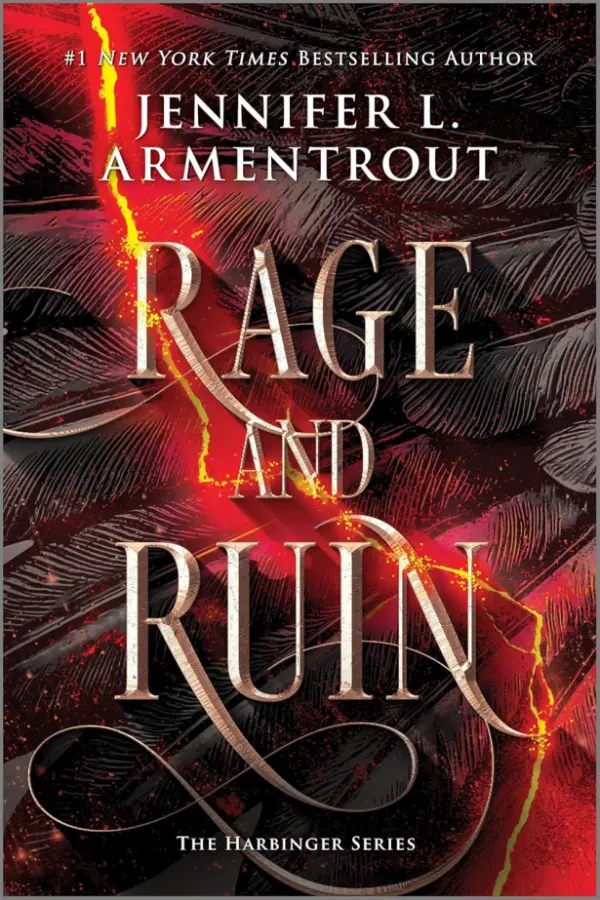
Jennifer L. Armentrout
Harbinger, book 2
Average Goodreads rating4.4
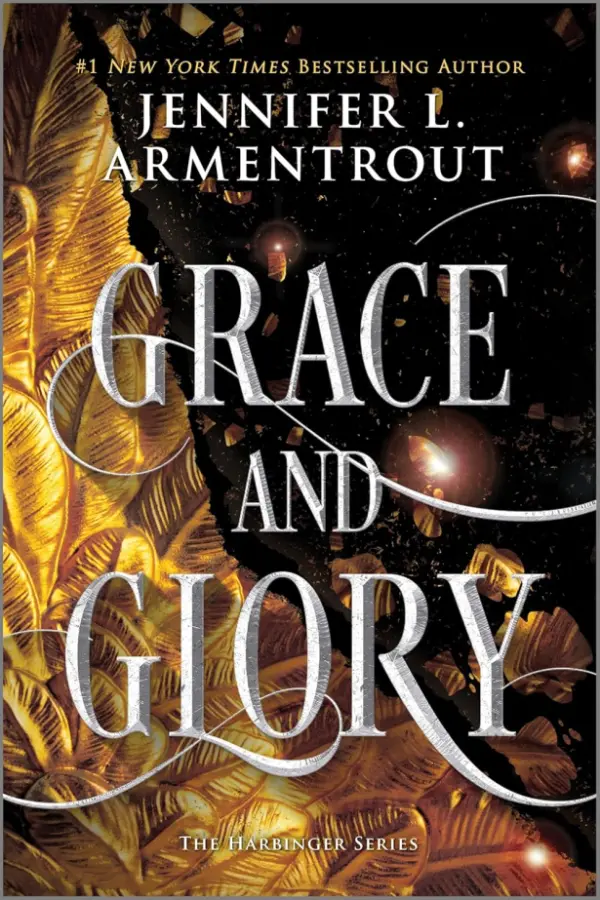
Jennifer L. Armentrout
Harbinger, book 3
Average Goodreads rating4.4
Tropes that share the most books with Hope in Darkness
Some of the most affecting moments in fantasy and romance aren't the triumphant ones. They're the quieter scenes where everything has gone wrong, the odds are catastrophic, and a character chooses — consciously, stubbornly — to believe things can still be better. That's the Hope in Darkness trope at its core: the insistence on light not because it's guaranteed, but because the alternative is unbearable.
Readers are drawn to it precisely because it doesn't ask for certainty. The hope here isn't naive or ignorant of the stakes. It coexists with grief, with exhaustion, with full knowledge of what's already been lost. That tension between despair and perseverance is what makes the trope so emotionally loaded — and so satisfying when it pays off.
The trope hinges on a character (or characters) who exist in genuinely dire circumstances. War, oppression, personal ruin, the collapse of everything they knew. The darkness isn't decorative — it has weight, and the narrative takes it seriously. What defines the Hope in Darkness trope, rather than simple resilience or underdog stories, is the interiority of it. Readers spend real time inside the character's doubt. The hope isn't a given; it's something they have to fight to hold onto, sometimes moment by moment.
Often there's a single anchor — a person, a memory, a stubborn belief in something worth protecting — that becomes the source of that hope. Stories using this trope tend to pay careful attention to that anchor, returning to it when things get worst. It's the narrative equivalent of striking a match in a very dark room.
Fantasy reaches for this trope constantly, particularly in grimdark or secondary-world settings where the political or magical structures are actively hostile to ordinary people. A character who keeps a small garden, or carries a letter they'll never be able to send, or refuses to stop using someone's name even after everyone else has forgotten them — these are Hope in Darkness moments, small and specific and quietly devastating.
Romance uses it differently but just as effectively. Here, hope usually centres on connection itself: the belief that love is still possible after profound loss or betrayal, or that another person can be trusted when trust has been systematically broken. Dark romances lean into this hard, using the emotional vulnerability of hope as its own kind of intimacy. The moment a guarded character admits, even to themselves, that they want something — that's the trope doing its best work.
It also appears frequently in series with long arcs, where the payoff for sustained hope across multiple books becomes a structural promise between author and reader.
There's something almost defiant about the trope. It refuses the idea that bleak circumstances produce only bleak people. Characters who carry hope through genuinely hard circumstances tend to become readers' most beloved precisely because they model something real: that the choice to keep going, to keep caring, is its own kind of courage.
The best versions don't resolve the darkness cheaply. Hope earns its place by surviving contact with despair — which is exactly why, when it finally breaks through, it hits so hard.
Occasional emails with new recommendations, series news and trope round-ups.