
No Country for Old Men
Cormac McCarthy
Average Goodreads rating4.4
- Morally Grey Characters
- Existential Dread

Book trope · 2 books
Some villains scheme from a distance. Others make a single dramatic appearance and disappear into the narrative shadows for chapters at a time.
More about the Relentless Antagonist tropeUpdating books…
2 books found
Cormac McCarthy
Average Goodreads rating4.4
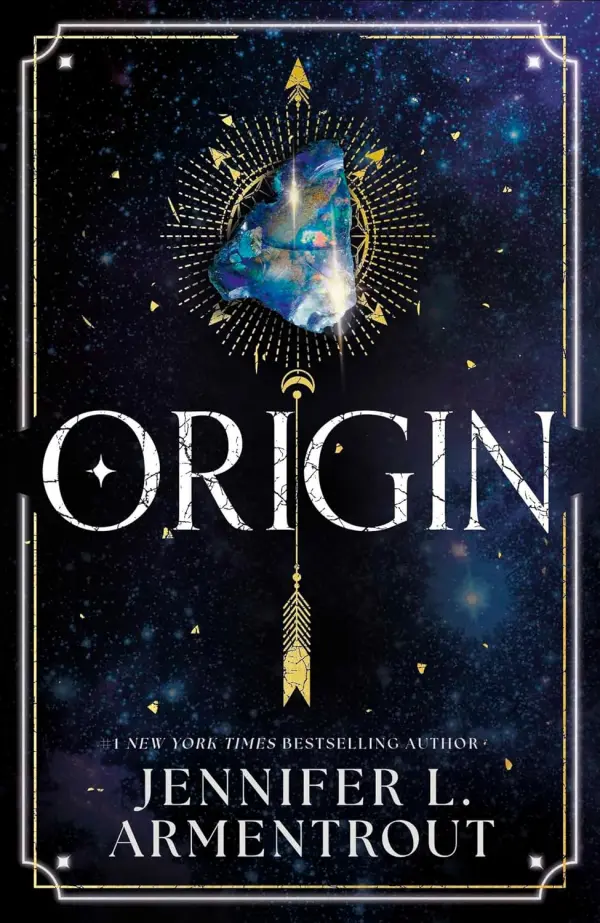
Jennifer L. Armentrout
Lux, book 4
Average Goodreads rating4.3
Tropes that share the most books with Relentless Antagonist
Some villains scheme from a distance. Others make a single dramatic appearance and disappear into the narrative shadows for chapters at a time. The Relentless Antagonist does neither. This is the threat that keeps coming, that cannot be reasoned with, bribed, or simply outrun. Whether it's a hunter who never loses the scent, a nemesis who matches every counter-move the protagonist makes, or a force so singularly fixated on its goal that nothing short of total resolution will stop it, the relentless antagonist turns a story into a pursuit — and pursuits are among the most gripping structures in fiction.
Readers love this trope for an almost primal reason. It creates sustained tension rather than episodic threat. The danger isn't waiting at the next plot point; it's already one step behind the hero, closing the gap.
The key quality isn't power — it's persistence. A relentless antagonist might not be the strongest character in the story, but they are the most unwavering. They adapt. They recover. Every obstacle the protagonist throws in their path is either removed or routed around. This quality forces the hero into a reactive rather than comfortable position, which is narratively rich: you learn far more about a character when they're exhausted, cornered, and out of easy options.
Crucially, the relentless antagonist tends to have a clear, unwavering motivation. It might be obsession, ideology, duty, or something deeply personal, but it's never vague. That clarity of purpose is part of what makes them so unsettling. There's no ambiguity to exploit, no weakness born from conflicted desire. They simply will not stop.
In epic fantasy, the relentless antagonist often takes the shape of a pursuer — an assassin sent by a corrupt empire, a bounty hunter who tracks the protagonist across continents, or an ancient enemy whose grudge predates the current age. The physical and psychological chase can stretch across an entire series, ratcheting up with every volume.
In darker romantasy, this figure sometimes bleeds into the love interest's arc in fascinating ways — the antagonist's relentlessness creates the crucible in which the central relationship is forged. Shared danger accelerates intimacy. Conversely, in enemies-to-lovers narratives, the antagonist who refuses to let the protagonist alone can carry an uncomfortable but electric edge, particularly when that fixation begins to shift in nature over the course of the story.
Paranormal romance uses the trope differently again. Here the relentless antagonist is often a supernatural predator — one whose instincts are coded into what they are, not merely what they've chosen. That removes any easy resolution involving appeal to mercy, which is precisely what makes it effective.
The relentless antagonist strips away a comfort that readers often don't realise they've been relying on: the assumption that if the hero just gets far enough ahead, they'll be safe for a while. Remove that assumption and even quieter chapters carry an undercurrent of dread. The story stops being about whether danger will return and becomes about how much the protagonist has left to give when it does.
At its best, this trope isn't simply about external threat. The antagonist who cannot be escaped forces the protagonist to reckon with whatever they're running from — including themselves. When a story uses that parallel well, the relentless antagonist becomes less a villain and more a mirror. A very dangerous one.
Occasional emails with new recommendations, series news and trope round-ups.