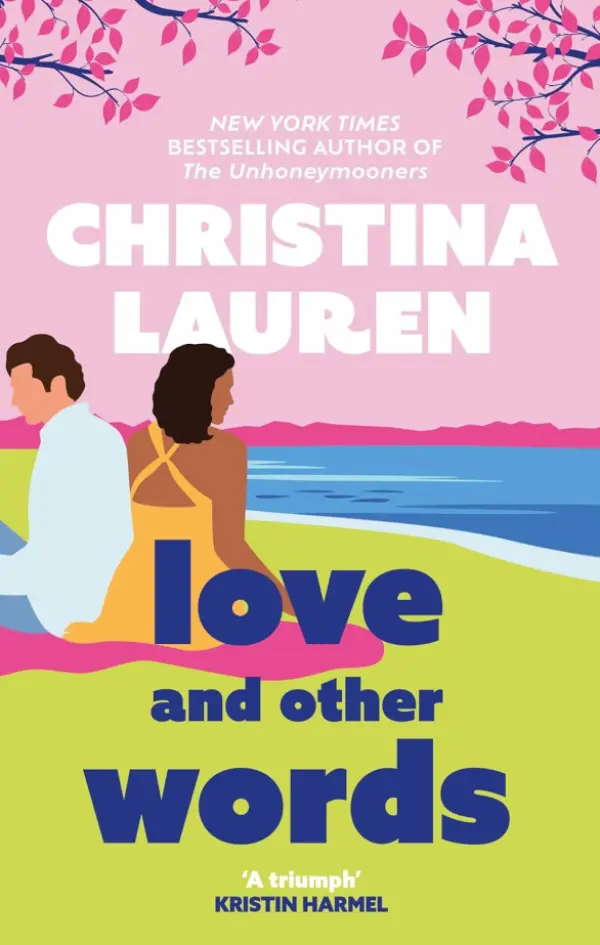
Love and Other Words
Christina Lauren
Average Goodreads rating4.2
- Coming of Age
- Slow-burn Romance

Book trope · 22 books
At its core, emotional trauma in fiction is the presence of a deep psychological wound — one that shapes how a character thinks, behaves, and relates to the world around them.
More about the Emotional Trauma trope15 are tagged with Emotional Trauma individually. The others belong to a series tagged with it, which doesn’t mean every book in it features the trope, so they’re marked “Matched via its series”.
Updating books…
22 books found
Christina Lauren
Average Goodreads rating4.2
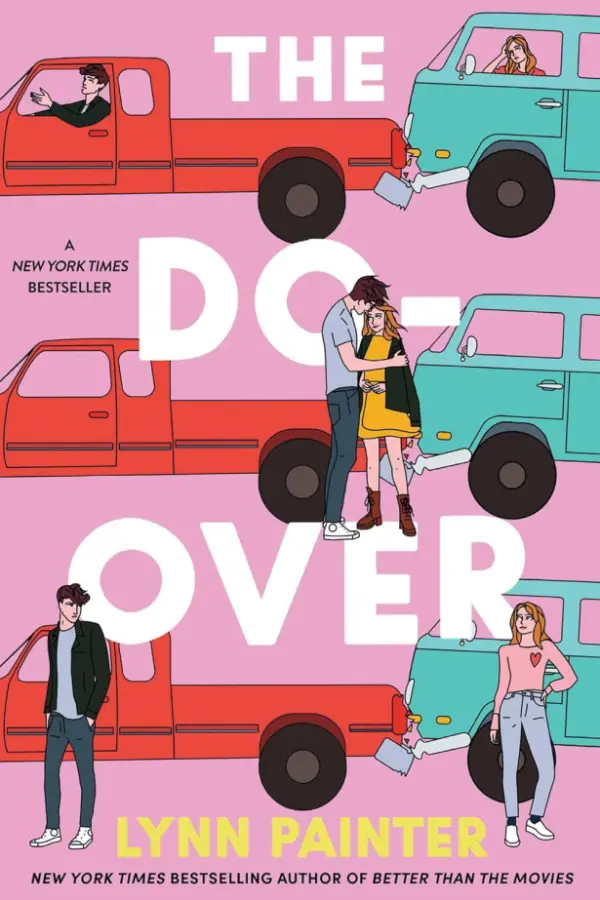
Lynn Painter
Average Goodreads rating3.9
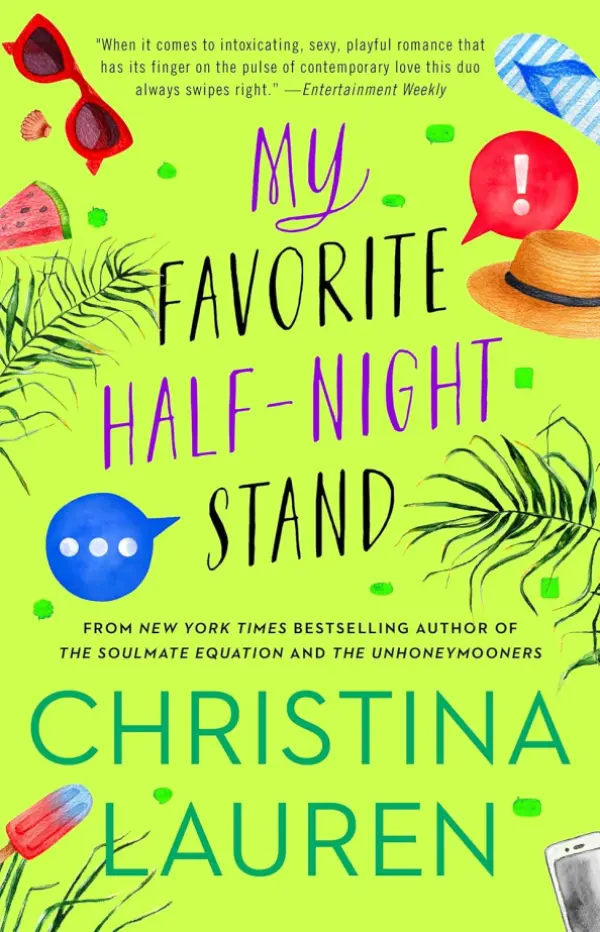
Christina Lauren
Average Goodreads rating3.7
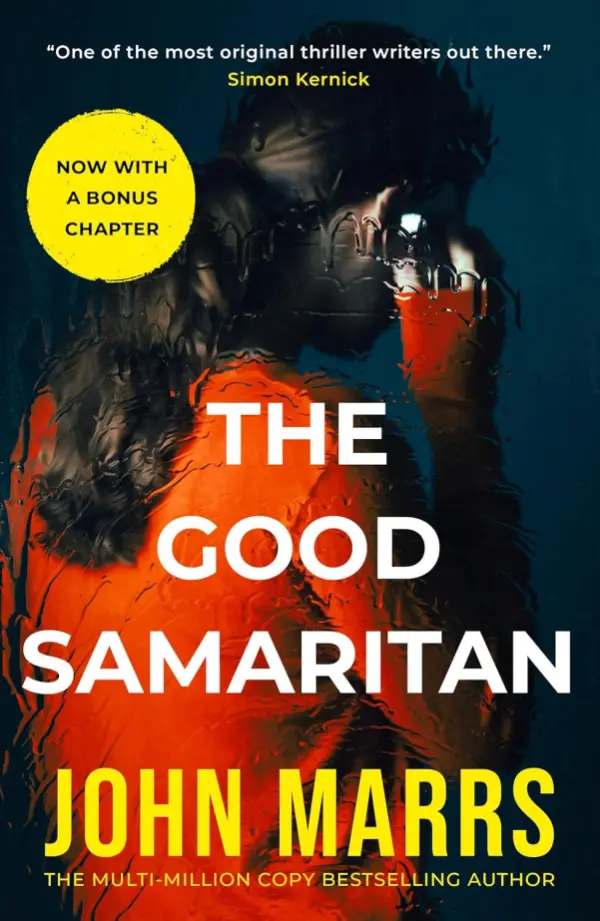
John Marrs
Average Goodreads rating4.1
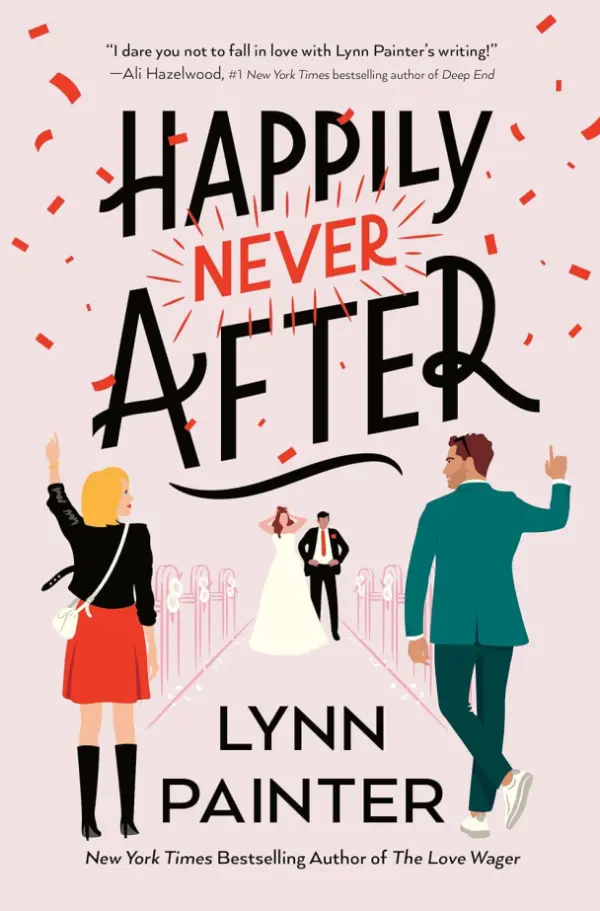
Lynn Painter
Average Goodreads rating3.7
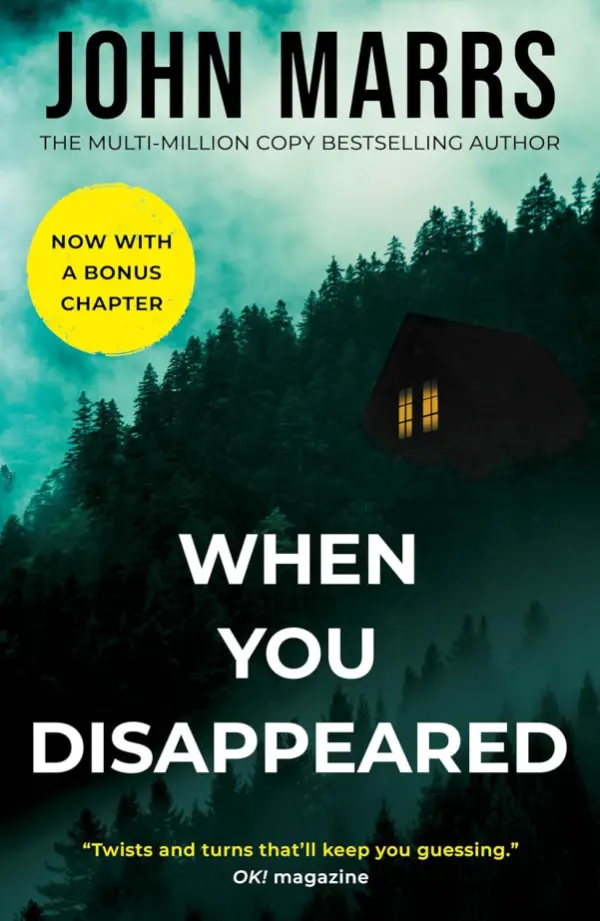
John Marrs
Average Goodreads rating3.9
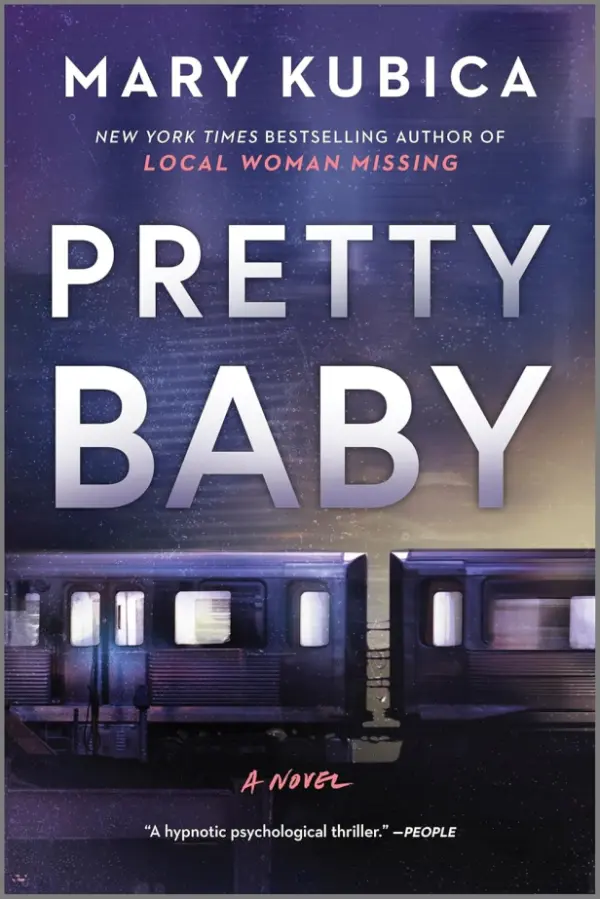
Mary Kubica
Average Goodreads rating3.7
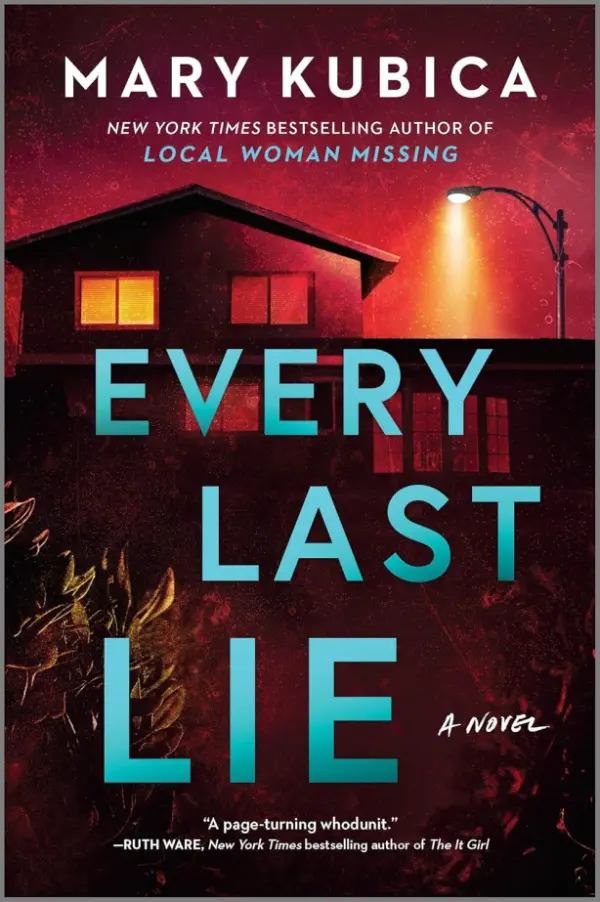
Mary Kubica
Average Goodreads rating3.3
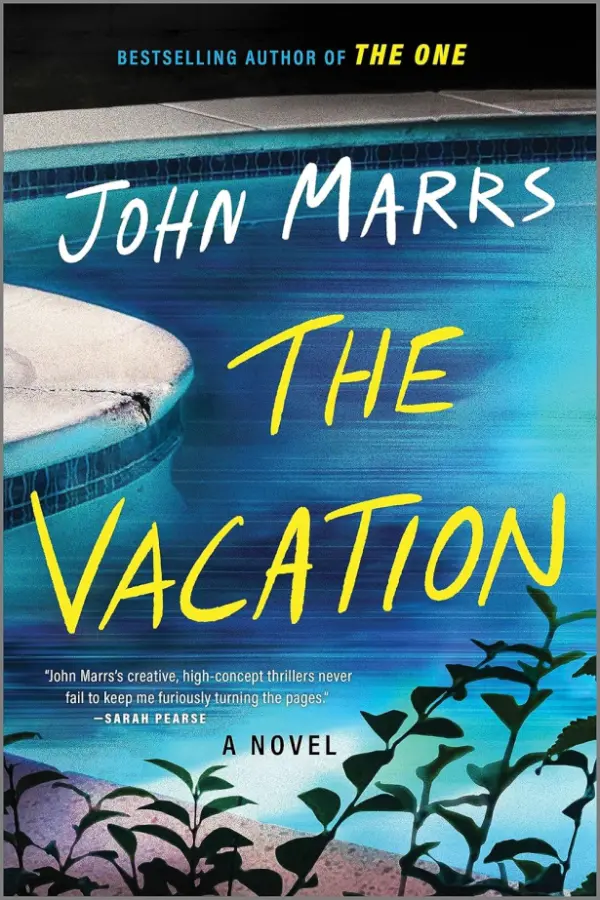
John Marrs
Average Goodreads rating3.7
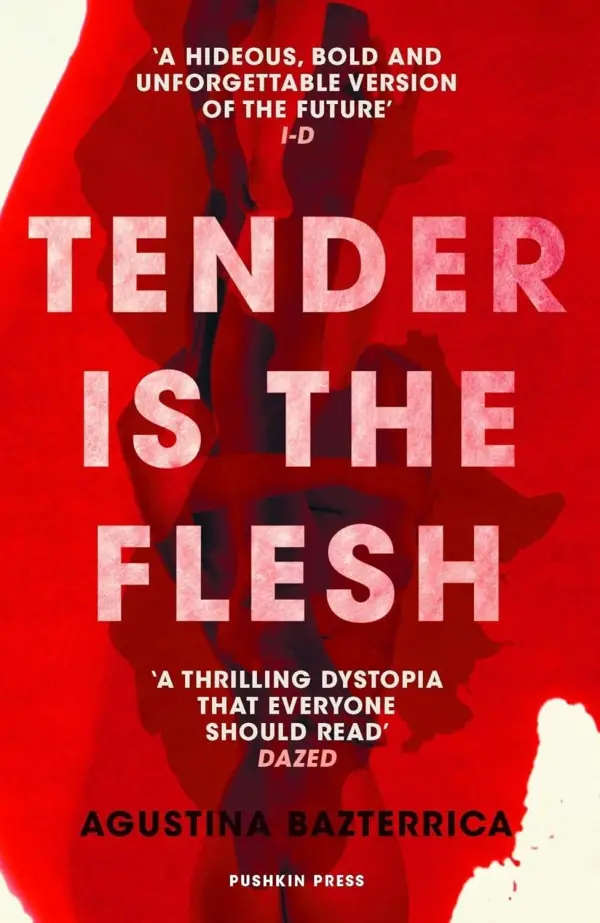
Agustina Bazterrica
Average Goodreads rating4.0
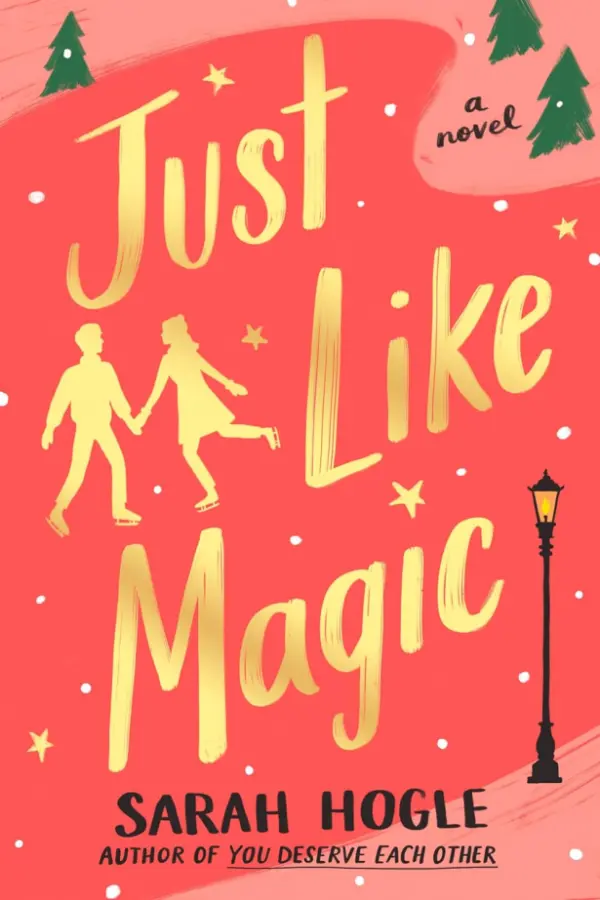
Sarah Hogle
Average Goodreads rating3.5
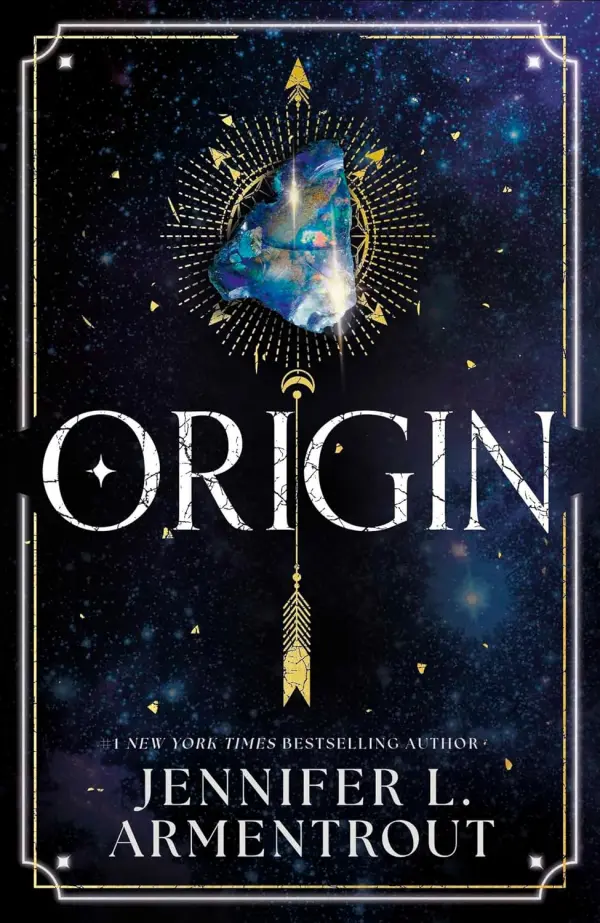
Jennifer L. Armentrout
Lux, book 4
Average Goodreads rating4.3
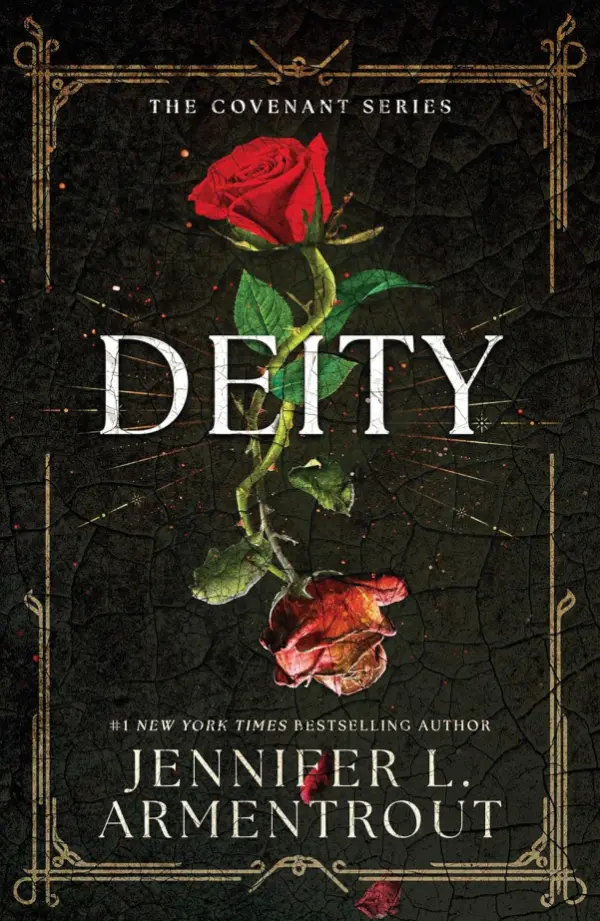
Jennifer L. Armentrout
Covenant, book 3
Average Goodreads rating4.2
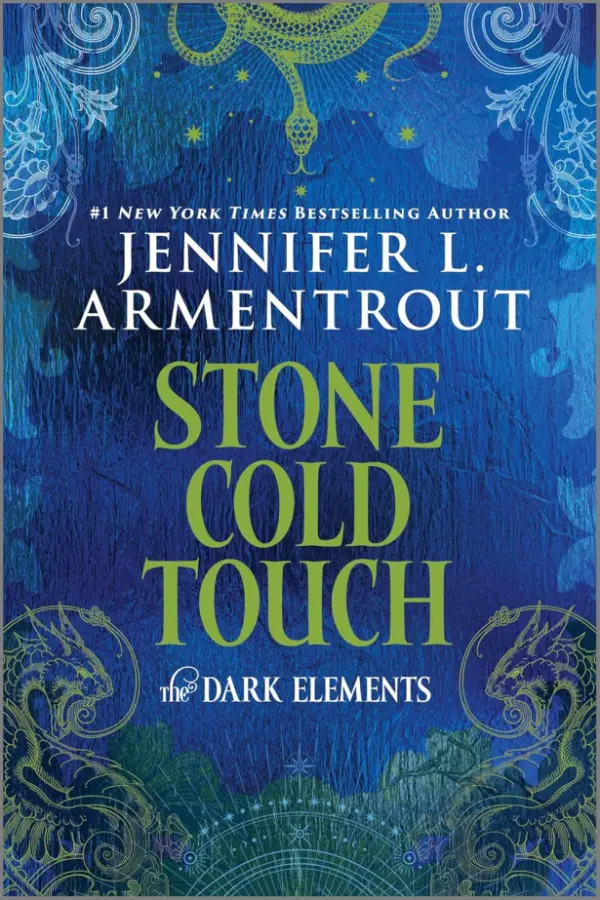
Jennifer L. Armentrout
The Dark Elements, book 2
Average Goodreads rating4.2
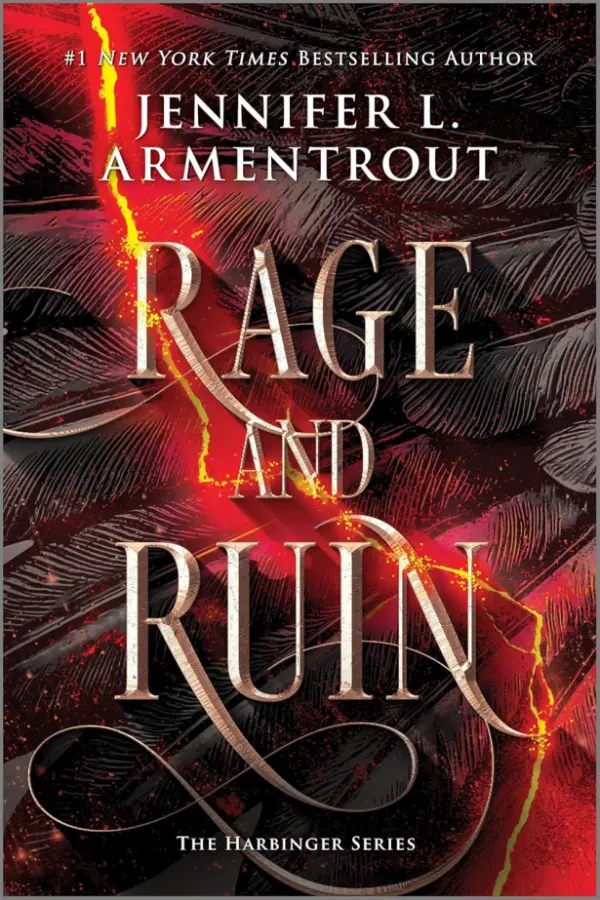
Jennifer L. Armentrout
Harbinger, book 2
Average Goodreads rating4.4
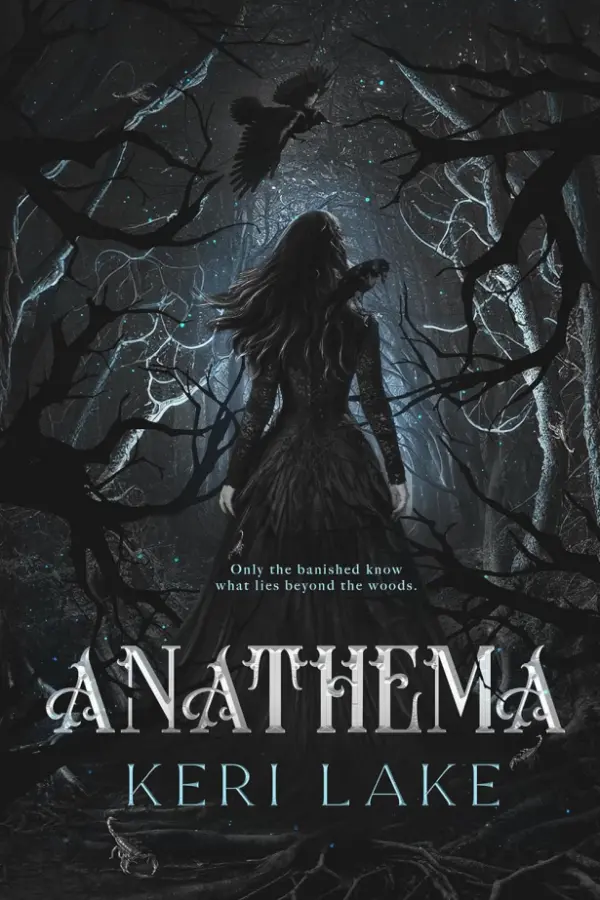
Keri Lake
The Eating Woods, book 1
Average Goodreads rating4.4
Matched via its series

Rebecca Yarros
Flight & Glory, book 1
Average Goodreads rating4.2
Matched via its series

Rebecca Yarros
Flight & Glory, book 2
Average Goodreads rating4.5
Matched via its series

Rebecca Yarros
Flight & Glory, book 3
Average Goodreads rating4.5
Matched via its series

Rebecca Yarros
Flight & Glory, book 5
Average Goodreads rating4.7
Matched via its series

Rebecca Yarros
Flight & Glory, book 4
Average Goodreads rating4.4
Matched via its series
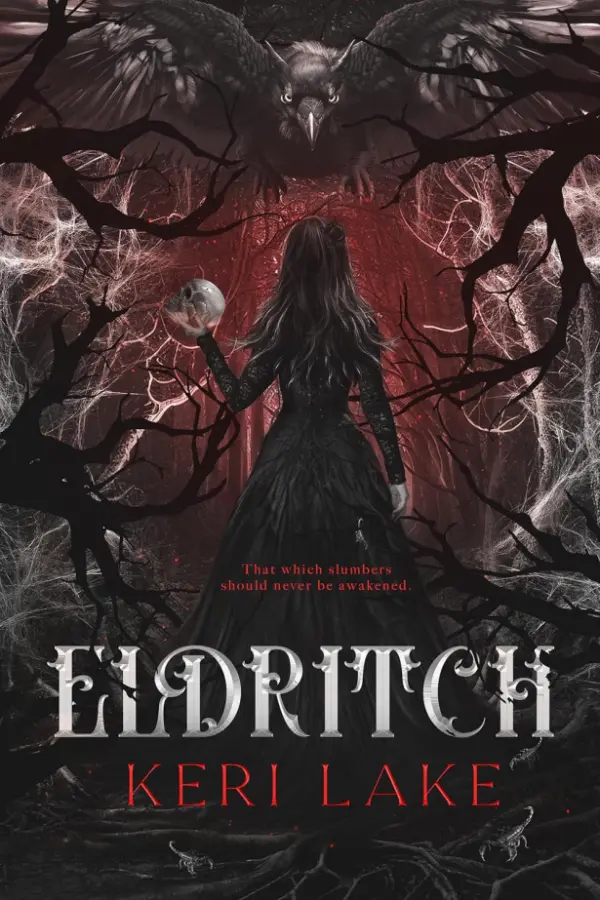
Keri Lake
The Eating Woods, book 2
Average Goodreads rating4.4
Matched via its series
Tropes that share the most books with Emotional Trauma
At its core, emotional trauma in fiction is the presence of a deep psychological wound — one that shapes how a character thinks, behaves, and relates to the world around them. It might stem from childhood neglect, loss, betrayal, abuse, or catastrophic failure. Whatever its origin, the wound is real, it matters, and the story takes it seriously.
This isn't background flavour. When a book leans into emotional trauma as a central trope, the character's past becomes as much a part of the plot as anything happening in the present. Every decision is coloured by it. Every relationship is complicated by it.
There's an honesty to this trope that readers find compelling. Characters who carry genuine psychological damage tend to feel more fully realised than those who face only external obstacles. Their fears are specific. Their coping mechanisms — avoidance, overachievement, emotional shutdowns, self-destruction — are recognisable. Readers don't just root for these characters; they understand them in a way that can feel almost uncomfortably personal.
Fantasy and romance in particular use emotional trauma to deepen stakes that might otherwise stay surface-level. A soldier returned from war, a heroine who learned early that love means loss, a villain whose cruelty has a coherent, painful origin — these figures resonate because the inner conflict is as pressing as the outer one.
The best uses of this trope aren't interested in trauma as spectacle. The wound informs character behaviour rather than existing purely to generate sympathy. You'll often find it in the way a character flinches from intimacy, struggles to accept help, or sabotages something good because they're convinced it won't last. Flashbacks may surface at key emotional moments. A seemingly small trigger can unlock something enormous.
Healing arcs — sometimes called 'wounded healer' or 'broken bird' narratives — frequently accompany this trope. Whether that healing is complete, partial, or achingly unresolved depends entirely on the author's intent. Some stories offer catharsis. Others are more honest about the fact that recovery isn't linear, and that some things leave permanent marks.
Emotional trauma shows up across an enormous range of subgenres and pairings. In romance, it often drives the internal conflict of a slow-burn relationship — one or both characters are afraid of what they feel precisely because they've been hurt before. In fantasy, it's frequently tied to prophecy, war, or catastrophic magical events that leave entire characters redefined by what they survived. Dark romance tends to place traumatised characters in morally complex situations where their damage is explicitly part of the dynamic.
You'll also find it paired with rivals-to-lovers, found family, and second-chance romance, where past wounds are brought into direct contact with present emotional risk. The variations are wide, but the emotional logic is always the same: who someone was before the wound, and who they become after, is the real story.
Because ultimately, this trope asks the most demanding question fiction can pose — can a person, carrying everything they carry, still choose connection?
Occasional emails with new recommendations, series news and trope round-ups.