
Something Wilder
Christina Lauren
Average Goodreads rating3.6
- Witty Banter & Sharp Dialogue
- Dark Secrets

Book trope · 20 books
There are stories where characters might fail. And then there are stories where characters might die - where the margin between continuing and not is razor-thin, where the environment is hostile, the resources are dwindling, and every choice carries consequences that cannot be undone.
More about the High-Stakes Survival trope6 are tagged with High-Stakes Survival individually. The others belong to a series tagged with it, which doesn’t mean every book in it features the trope, so they’re marked “Matched via its series”.
Updating books…
20 books found
Christina Lauren
Average Goodreads rating3.6

Jennifer L. Armentrout
Lux, book 3
Average Goodreads rating4.2
Jennifer L. Armentrout
Lux, book 4
Average Goodreads rating4.3
Jennifer L. Armentrout
A Wicked Trilogy, book 2
Average Goodreads rating4.3
Jennifer L. Armentrout
Harbinger, book 2
Average Goodreads rating4.4
Jennifer L. Armentrout
Harbinger, book 3
Average Goodreads rating4.4
Carissa Broadbent
Crowns of Nyaxia, book 1
Average Goodreads rating4.5
Matched via its series

Naomi Novik
The Scholomance, book 1
Average Goodreads rating4.3
Matched via its series
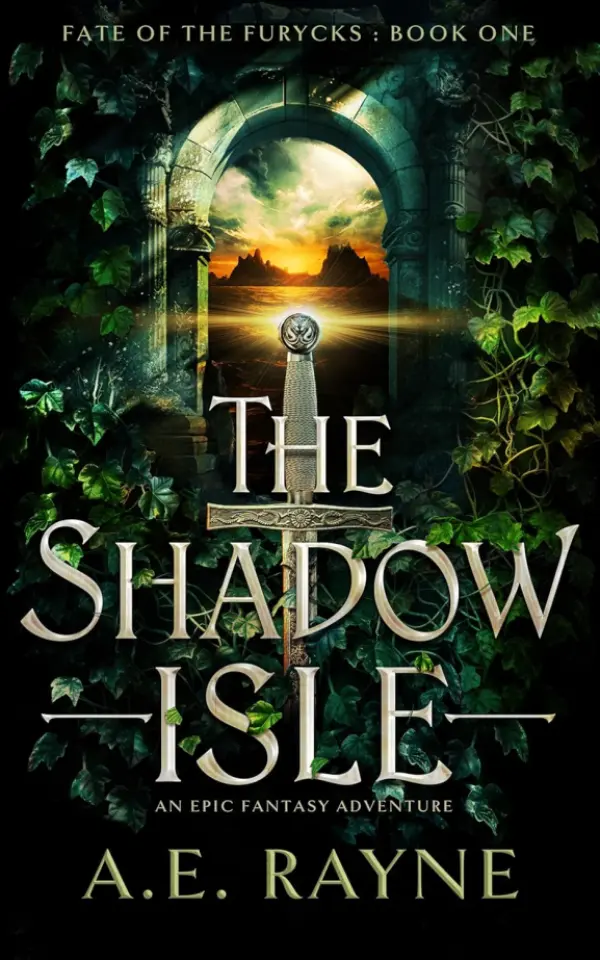
A. E. Rayne
Fate of the Furycks, book 1
Average Goodreads rating4.6
Matched via its series
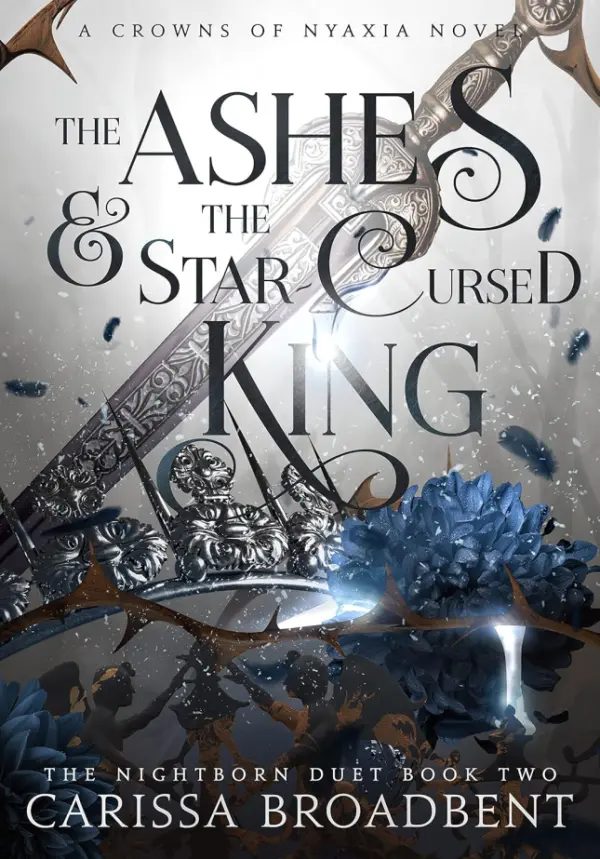
Carissa Broadbent
Crowns of Nyaxia, book 2
Average Goodreads rating4.3
Matched via its series
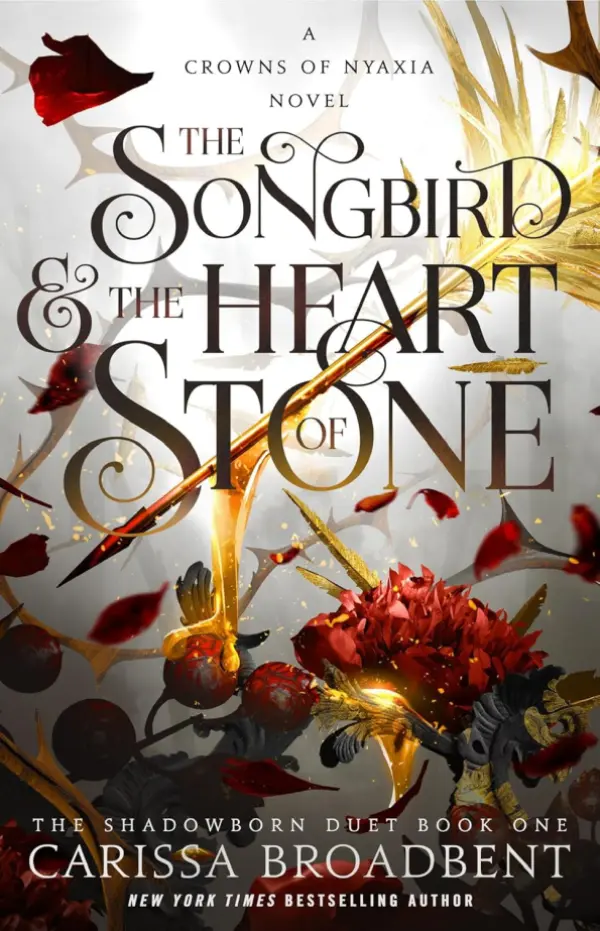
Carissa Broadbent
Crowns of Nyaxia, book 3
Average Goodreads rating4.3
Matched via its series
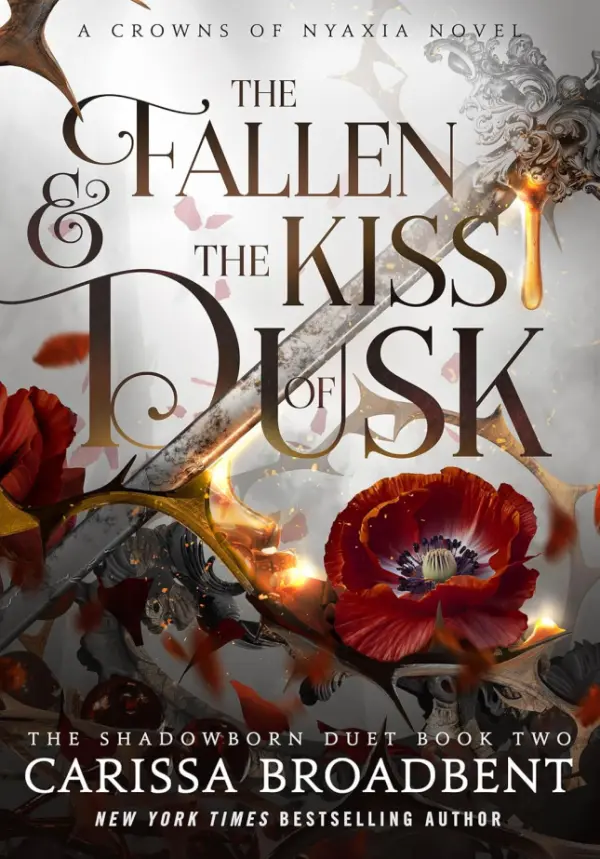
Carissa Broadbent
Crowns of Nyaxia, book 4
Average Goodreads rating4.2
Matched via its series

Naomi Novik
The Scholomance, book 2
Average Goodreads rating4.5
Matched via its series

Naomi Novik
The Scholomance, book 3
Average Goodreads rating4.5
Matched via its series
A. E. Rayne
Fate of the Furycks, book 2
Average Goodreads rating4.7
Matched via its series
A. E. Rayne
Fate of the Furycks, book 4
Average Goodreads rating4.7
Matched via its series
A. E. Rayne
Fate of the Furycks, book 3
Average Goodreads rating4.7
Matched via its series
A. E. Rayne
Fate of the Furycks, book 5
Average Goodreads rating4.7
Matched via its series
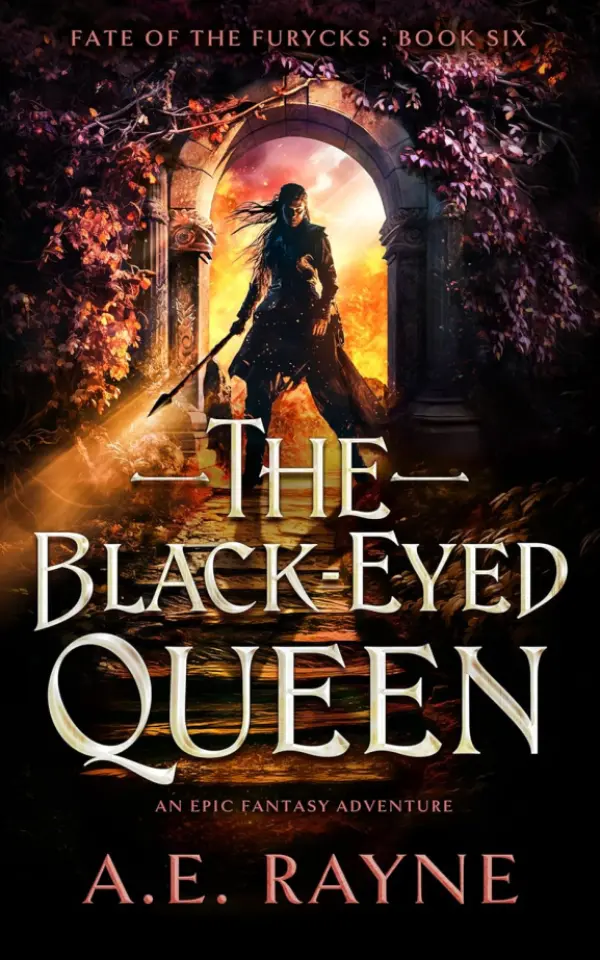
A. E. Rayne
Fate of the Furycks, book 6
Average Goodreads rating4.7
Matched via its series
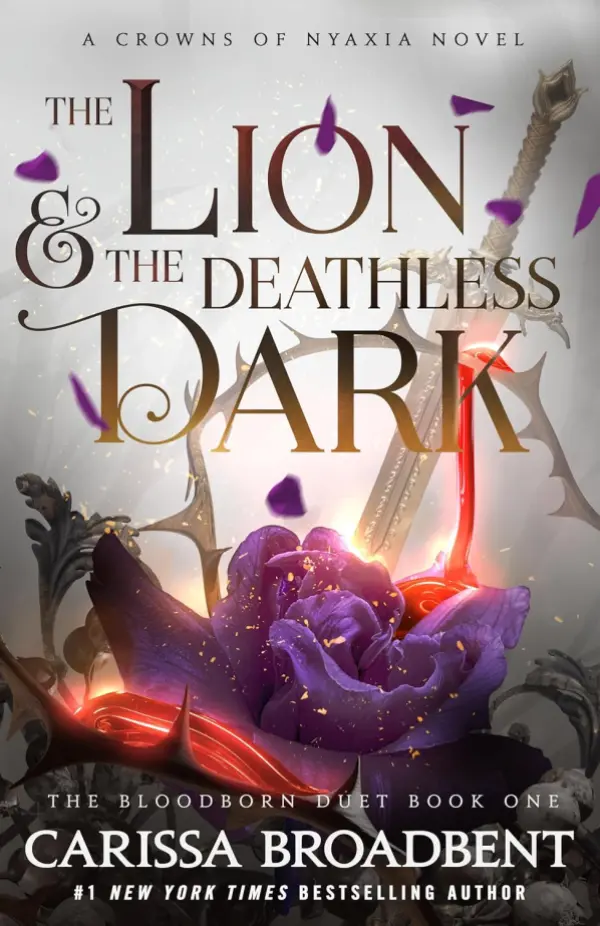
Carissa Broadbent
Crowns of Nyaxia, book 5
Matched via its series
Tropes that share the most books with High-Stakes Survival
There are stories where characters might fail. And then there are stories where characters might die - where the margin between continuing and not is razor-thin, where the environment is hostile, the resources are dwindling, and every choice carries consequences that cannot be undone. The High-Stakes Survival trope strips narrative down to its most elemental form: a person, a threat, and the question of whether they will make it through. Everything else - politics, romance, moral complexity - does not disappear, but it gets rearranged around that central, urgent fact. Survive first. Everything else second.
High-Stakes Survival is defined by a scenario in which a character's continued existence is under genuine, sustained threat - and where the story derives its primary tension from the struggle to stay alive. The threat can take many forms: a hostile natural environment, a post-apocalyptic landscape, a situation of entrapment, pursuit by enemies with lethal intent, or a world that has become fundamentally unsafe to inhabit. What defines it is not simply danger - most stories contain danger - but the specific quality of attention survival demands. Characters in these stories must think practically, act decisively, and reckon honestly with what they are and are not capable of. There is no room for self-deception when the stakes are this immediate.
Survival stories tap into something deeply instinctive. The threat to life is the most primal of all stakes, and fiction that engages it honestly produces a kind of readerly alertness that is difficult to replicate through other means. Readers are drawn to this trope not just for the tension, but for what survival pressure reveals about character. Comfort and safety allow people to be whoever they choose to present themselves as. Remove those things, and something more fundamental emerges. High-Stakes Survival stories are compelling because they are, underneath the action and the urgency, portraits of what people are actually made of when there is nothing left to hide behind.
These narratives tend to move in waves: periods of acute crisis followed by fragile respite, during which characters regroup, reassess, and make decisions about what comes next - before the next crisis arrives, usually worse than the last. Resources deplete. Alliances are tested. Characters who seemed capable reveal their limits; characters who seemed fragile find reserves they did not know they had. A common structural feature is the escalating cost: each stage of survival demands more than the last, raising the question of how much a character can lose - in terms of comfort, principle, companionship, or pieces of their former self - and still remain who they were when the story began.
The High-Stakes Survival trope endures because it returns storytelling to first principles. Before plot complexity, before thematic layering, before any of the sophisticated machinery of modern fiction, there was this: a character in danger, and the question of whether they would live. That question never loses its grip. But the best survival stories understand that staying alive is not the whole of it - that survival without meaning is its own kind of defeat. What a character survives for, and who they are when they come out the other side, is where the trope finds its depth. Making it through is the beginning. What it costs to get there is the story.
Occasional emails with new recommendations, series news and trope round-ups.