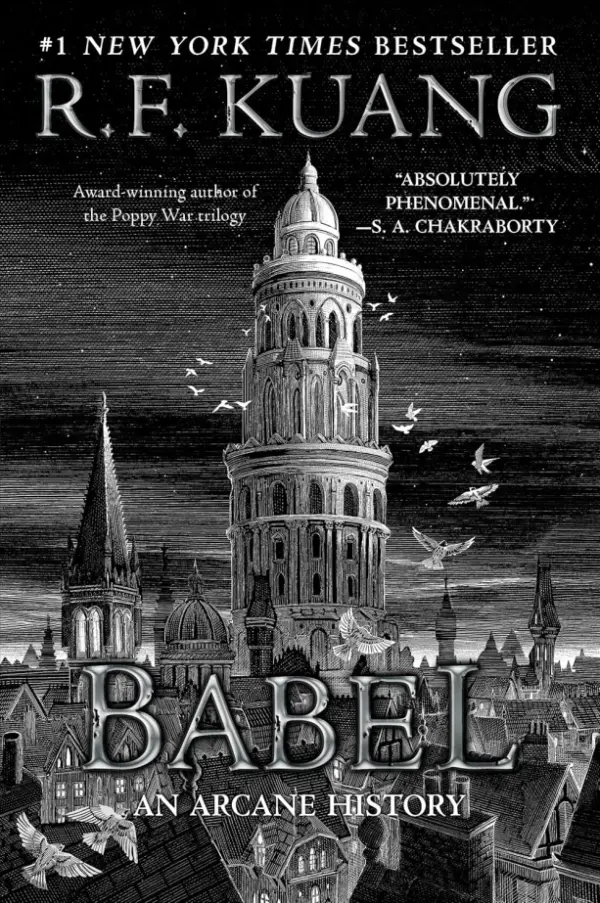
Babel
R. F. Kuang
Average Goodreads rating4.2
- Rebellion Against Oppressive System
- Political and Social Commentary

Book trope · 25 books
Betrayal is one of fiction's most visceral and enduring tropes - not because conflict is rare in storytelling, but because this particular kind of conflict requires intimacy to work.
More about the Betrayal trope8 are tagged with Betrayal individually. The others belong to a series tagged with it, which doesn’t mean every book in it features the trope, so they’re marked “Matched via its series”.
Updating books…
25 books found
R. F. Kuang
Average Goodreads rating4.2
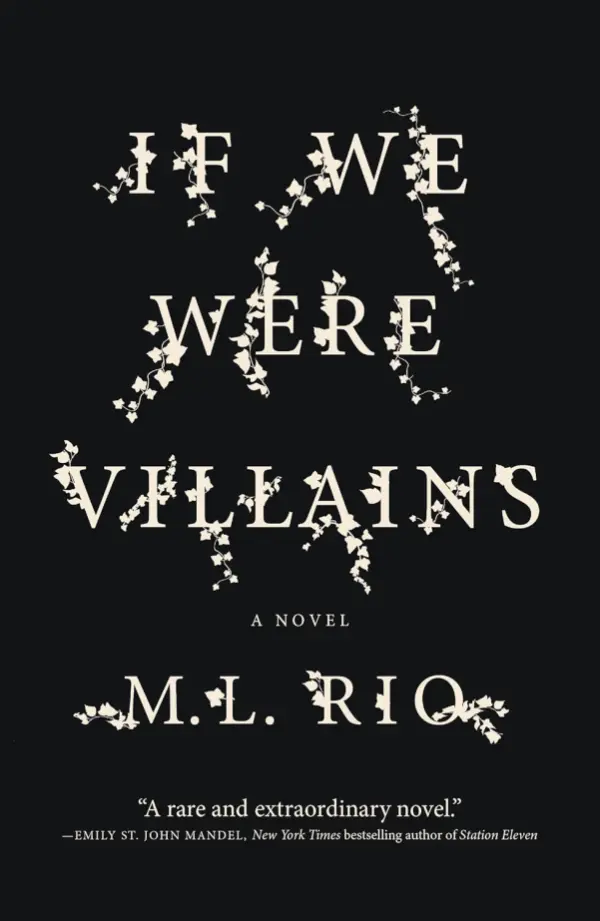
M. L. Rio
Average Goodreads rating4.1
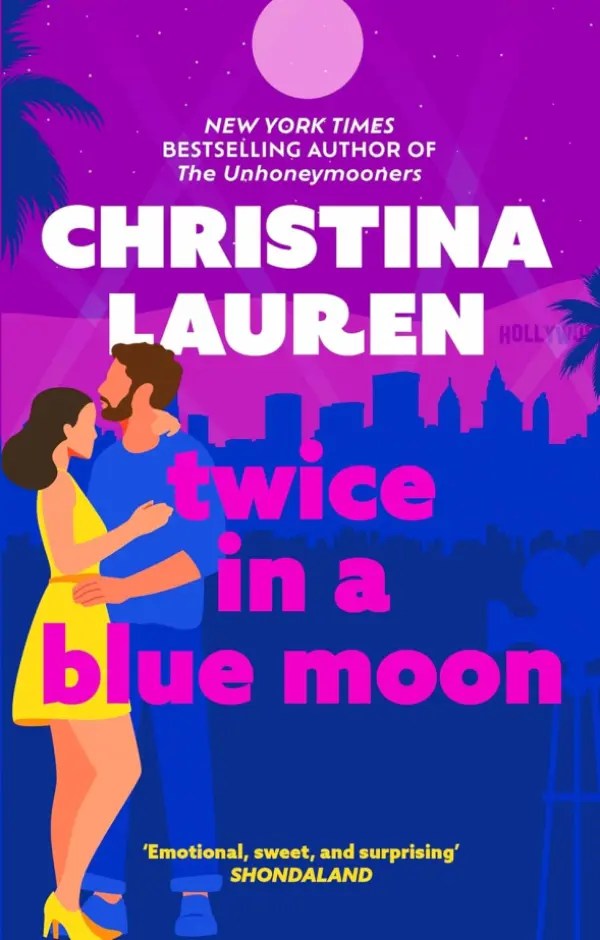
Christina Lauren
Average Goodreads rating3.6
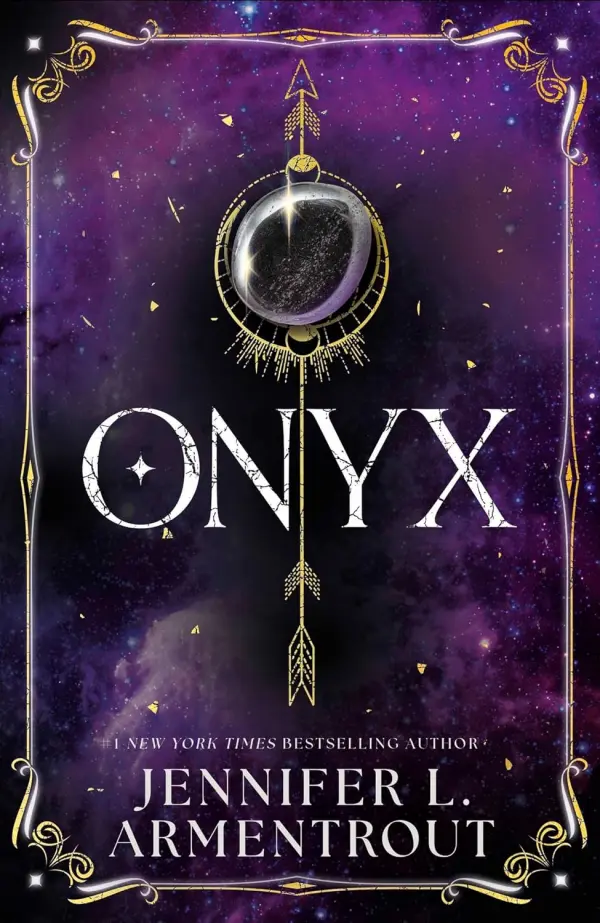
Jennifer L. Armentrout
Lux, book 2
Average Goodreads rating4.1

Jennifer L. Armentrout
Lux, book 3
Average Goodreads rating4.2
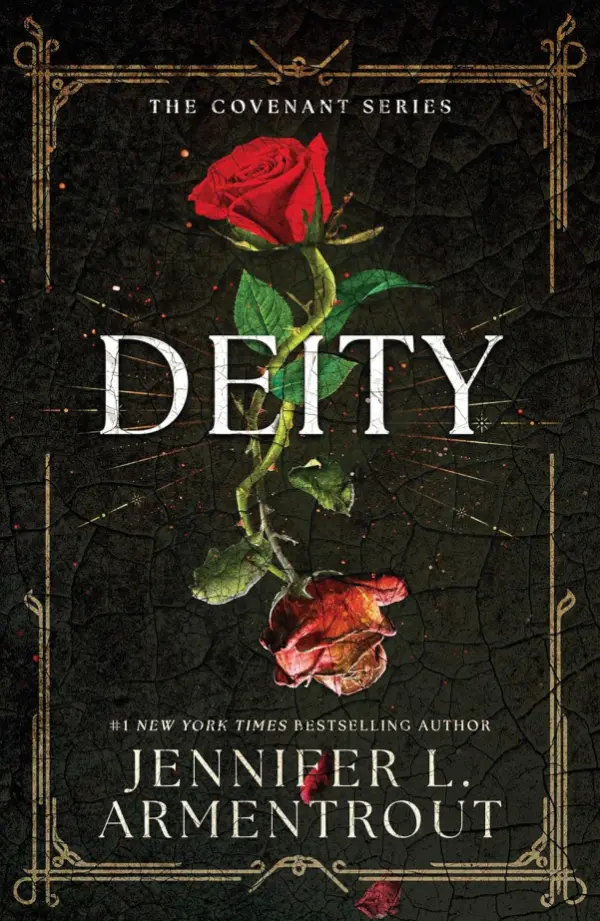
Jennifer L. Armentrout
Covenant, book 3
Average Goodreads rating4.2
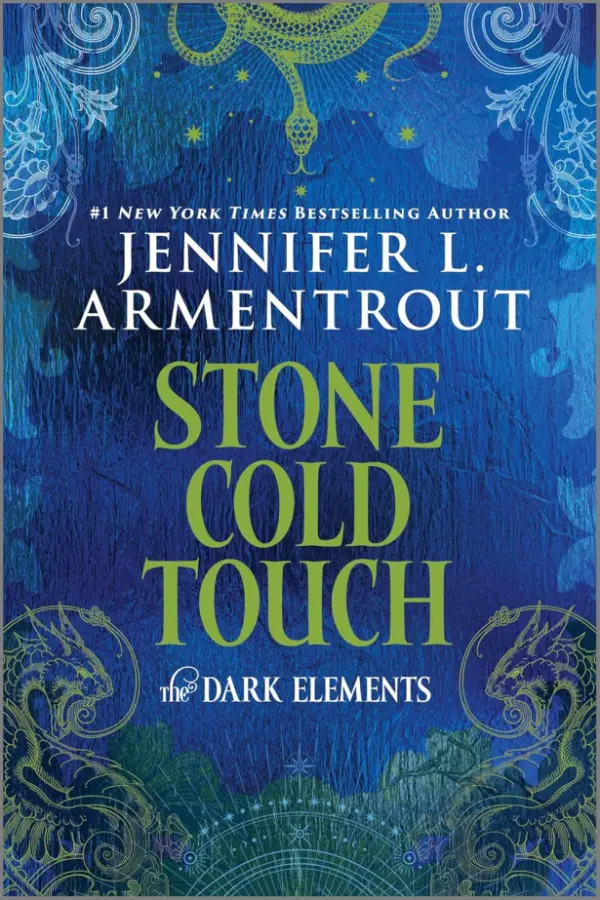
Jennifer L. Armentrout
The Dark Elements, book 2
Average Goodreads rating4.2
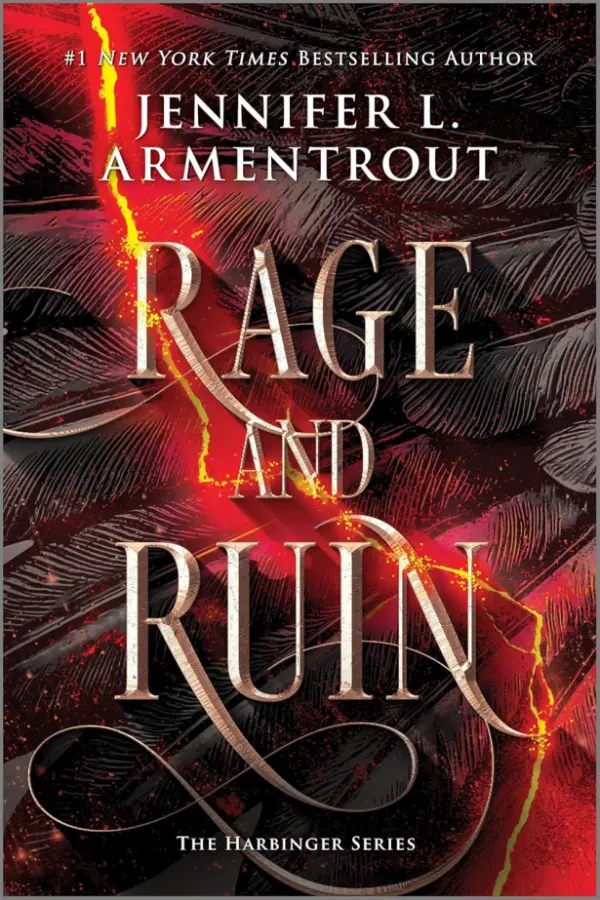
Jennifer L. Armentrout
Harbinger, book 2
Average Goodreads rating4.4
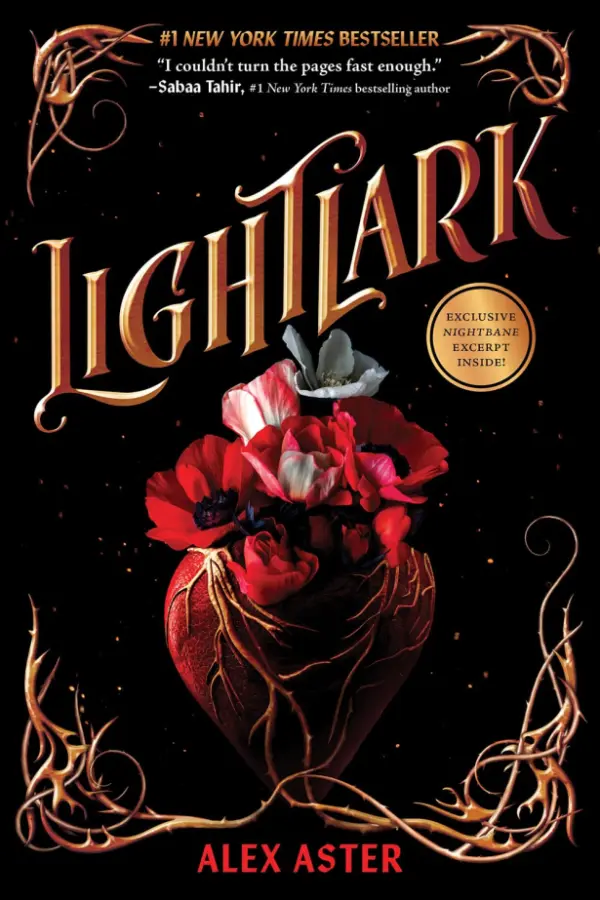
Alex Aster
Lightlark, book 1
Average Goodreads rating4.0
Matched via its series
Jennifer L. Armentrout
A Wicked Trilogy, book 1
Average Goodreads rating4.2
Matched via its series
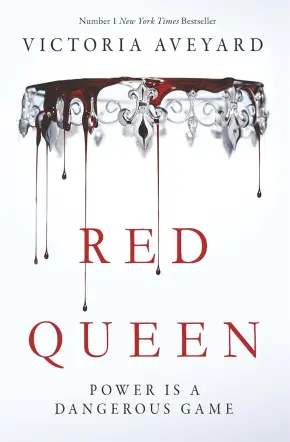
Victoria Aveyard
Red Queen, book 1
Average Goodreads rating4.3
Matched via its series
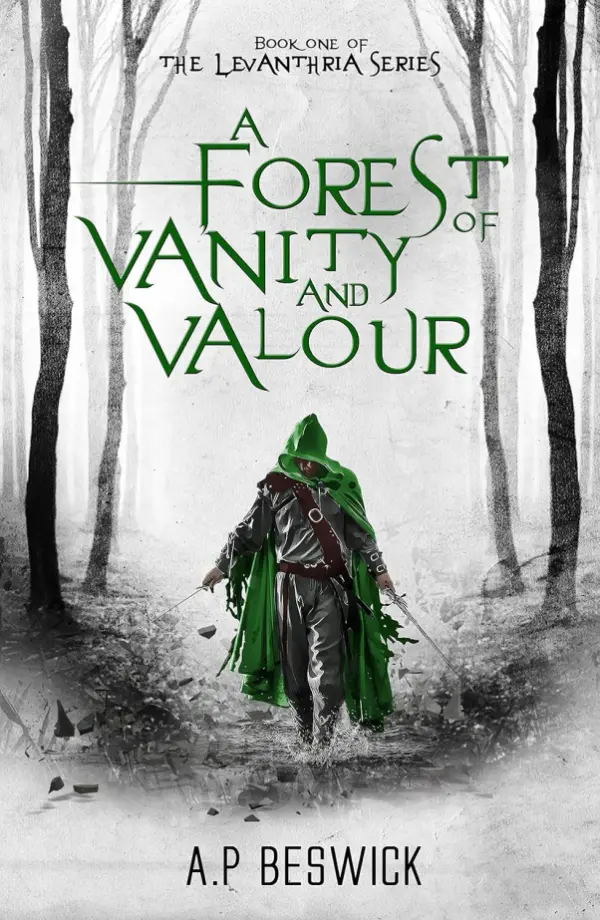
A. P. Beswick
The Levanthria Series, book 1
Average Goodreads rating3.9
Matched via its series
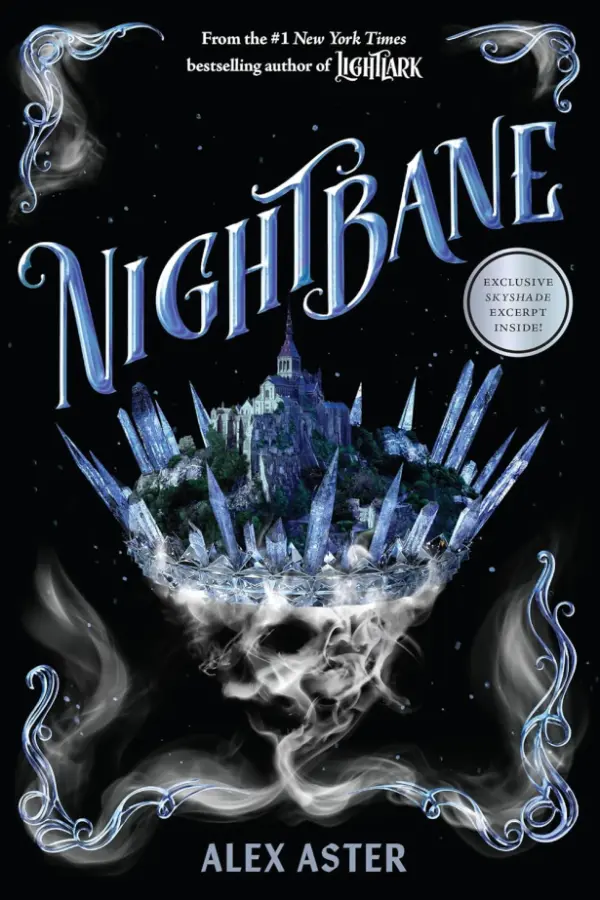
Alex Aster
Lightlark, book 2
Average Goodreads rating4.1
Matched via its series
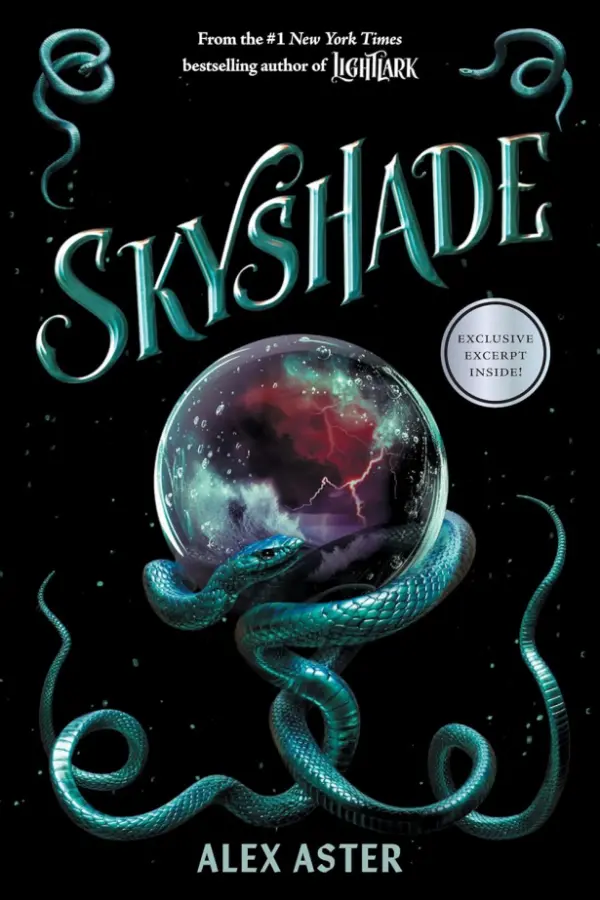
Alex Aster
Lightlark, book 3
Average Goodreads rating3.7
Matched via its series
Jennifer L. Armentrout
A Wicked Trilogy, book 2
Average Goodreads rating4.3
Matched via its series
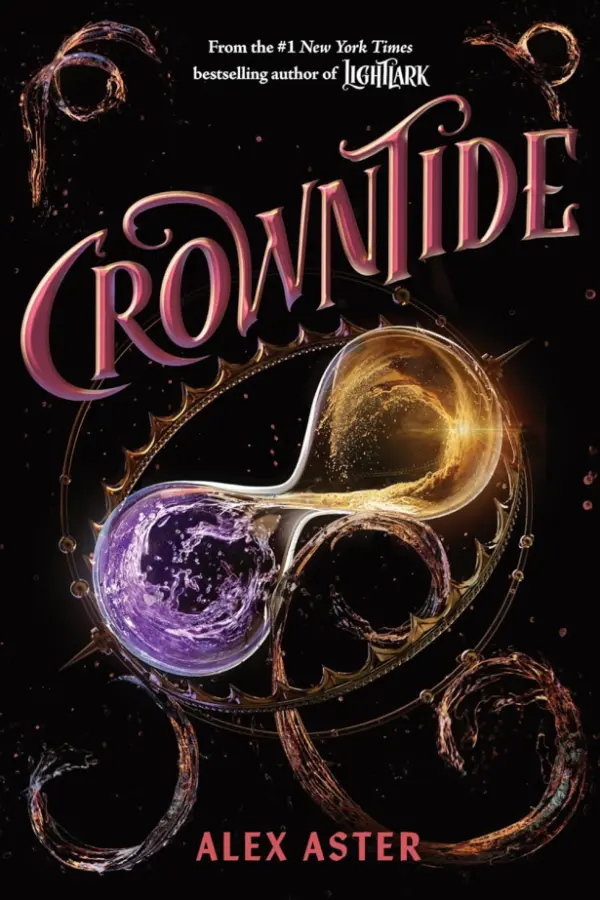
Alex Aster
Lightlark, book 4
Average Goodreads rating3.7
Matched via its series
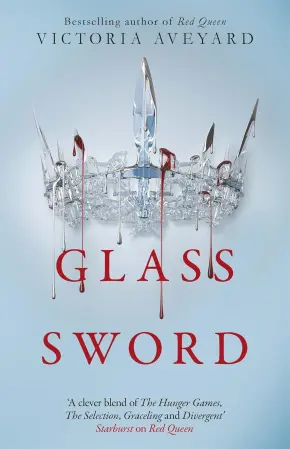
Victoria Aveyard
Red Queen, book 2
Average Goodreads rating4.3
Matched via its series
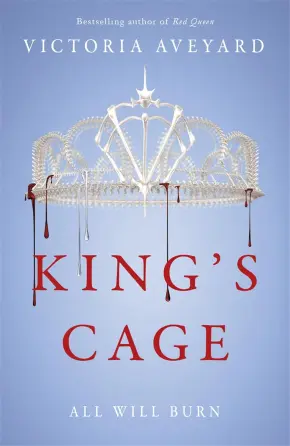
Victoria Aveyard
Red Queen, book 3
Average Goodreads rating4.3
Matched via its series
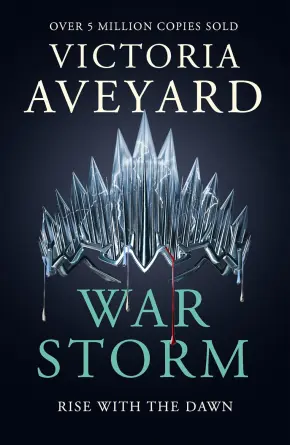
Victoria Aveyard
Red Queen, book 4
Average Goodreads rating4.3
Matched via its series
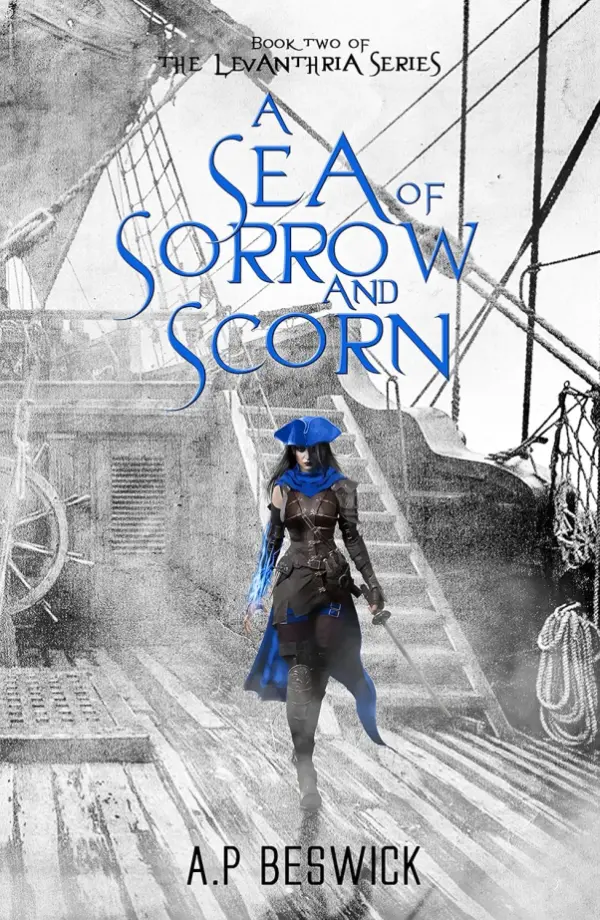
A. P. Beswick
The Levanthria Series, book 2
Average Goodreads rating3.9
Matched via its series
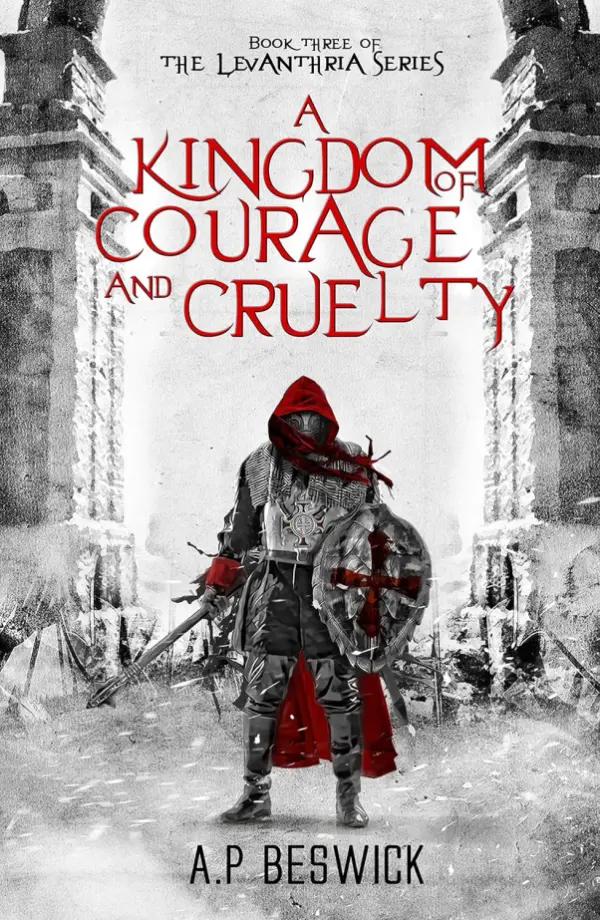
A. P. Beswick
The Levanthria Series, book 3
Average Goodreads rating4.1
Matched via its series
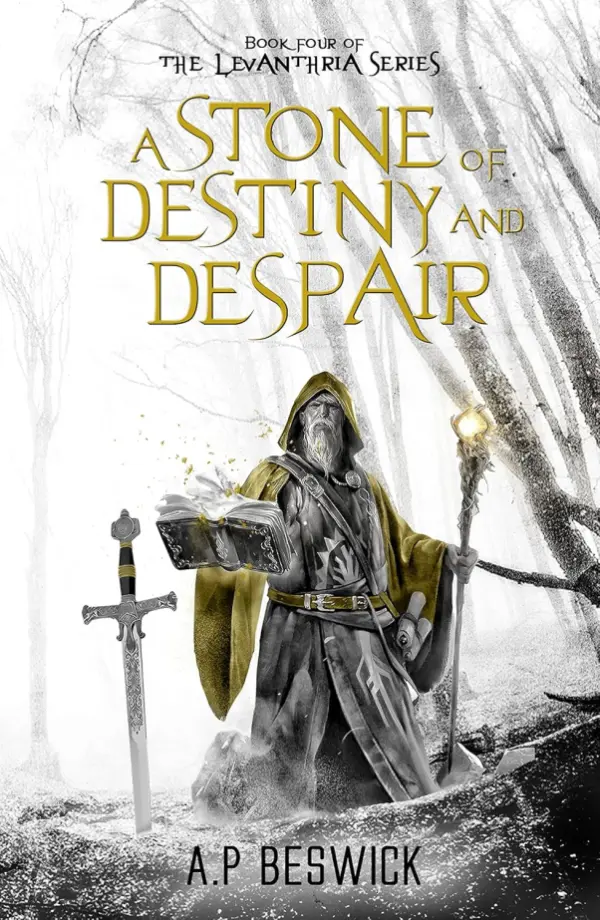
A. P. Beswick
The Levanthria Series, book 4
Average Goodreads rating4.2
Matched via its series
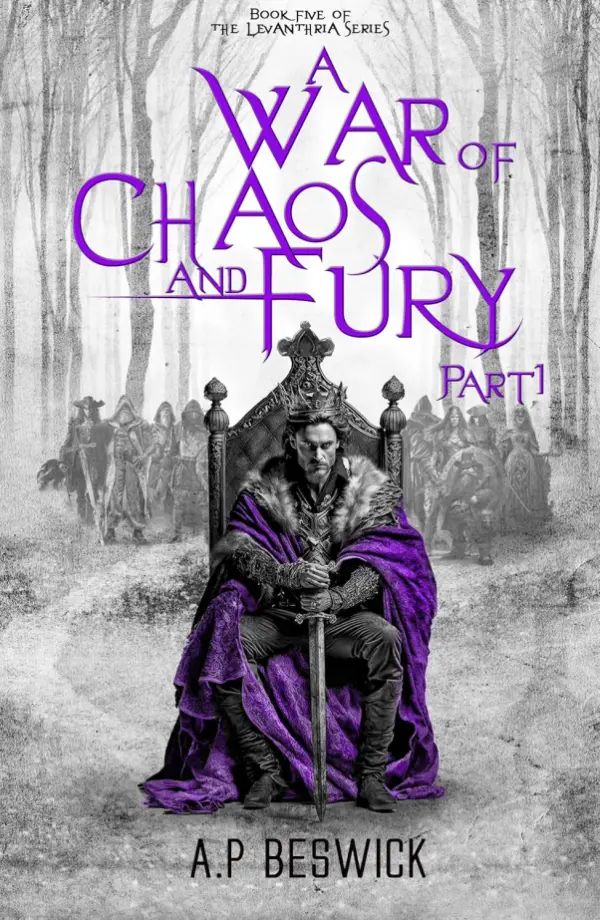
A. P. Beswick
The Levanthria Series, book 5
Average Goodreads rating4.4
Matched via its series
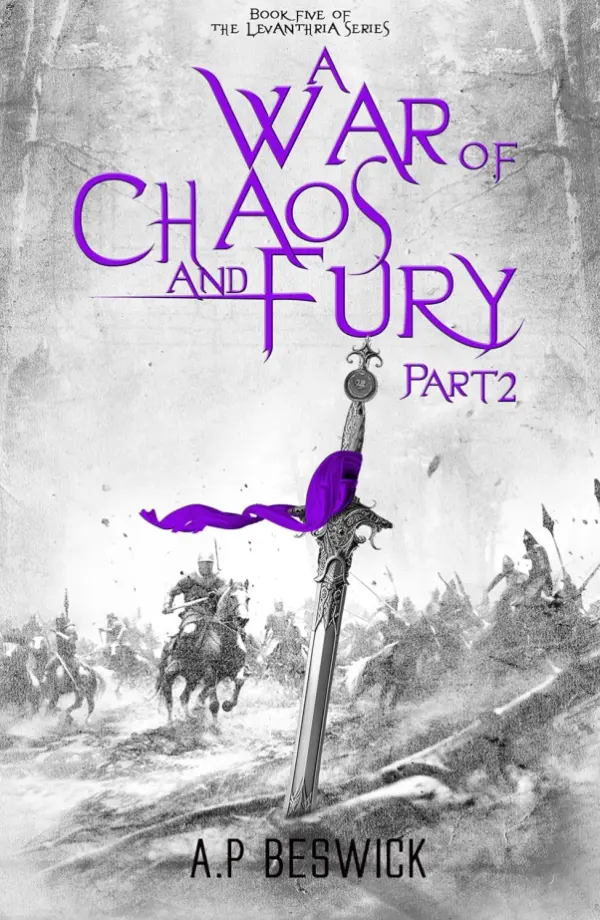
A. P. Beswick
The Levanthria Series, book 6
Average Goodreads rating4.4
Matched via its series
Jennifer L. Armentrout
A Wicked Trilogy, book 3
Matched via its series
Tropes that share the most books with Betrayal
Betrayal is one of fiction's most visceral and enduring tropes - not because conflict is rare in storytelling, but because this particular kind of conflict requires intimacy to work. The knife has to come from someone close enough to reach you. That is what separates betrayal from ordinary opposition: it is not the act of an enemy, but of someone you trusted, someone you believed was on your side. That distinction is what makes it so devastating, and so impossible to look away from.
The Betrayal trope centres on a fundamental rupture of trust between characters - a friend who reveals secrets, an ally who switches sides, a confidant who chooses something over loyalty. What defines it is not just the act itself, but the revision it demands. A character who has been betrayed must reckon with everything they thought they knew: the relationship they relied on, the version of events they had constructed, the world as it appeared before the ground shifted. Betrayal doesn't only hurt - it rewrites.
There is something uniquely compelling about watching a character navigate the aftermath of betrayal. Unlike external threats - wars, monsters, disasters - betrayal is intimate. It exposes the gap between who we believe people to be and who they actually are under pressure. Readers are drawn to it because it mirrors a fear most people carry: that the loyalty of those closest to them is conditional in ways they cannot see. Fiction gives that fear a shape, and then - usually - a reckoning.
Stories built around betrayal tend to follow a recognisable emotional journey: suspicion, confirmation, grief, and the long question of what comes next. Some characters harden into something colder. Others splinter. Some pursue revenge; others pursue understanding. A rare few find a path toward forgiveness - not because the act was forgivable, but because carrying the wound indefinitely costs too much. The most memorable betrayals in fiction are never random. In retrospect, the signs were always there - woven into the story, waiting to be seen.
The Betrayal trope endures because it does something few story elements can: it forces a genuine reckoning with what trust actually means, and how rarely it is unconditional. It strips characters - and readers - of comfortable assumptions. Whether the story ends in ruin, vengeance, or something approaching grace, betrayal always asks the same question: when the people you believed in let you down, what do you become?
Occasional emails with new recommendations, series news and trope round-ups.