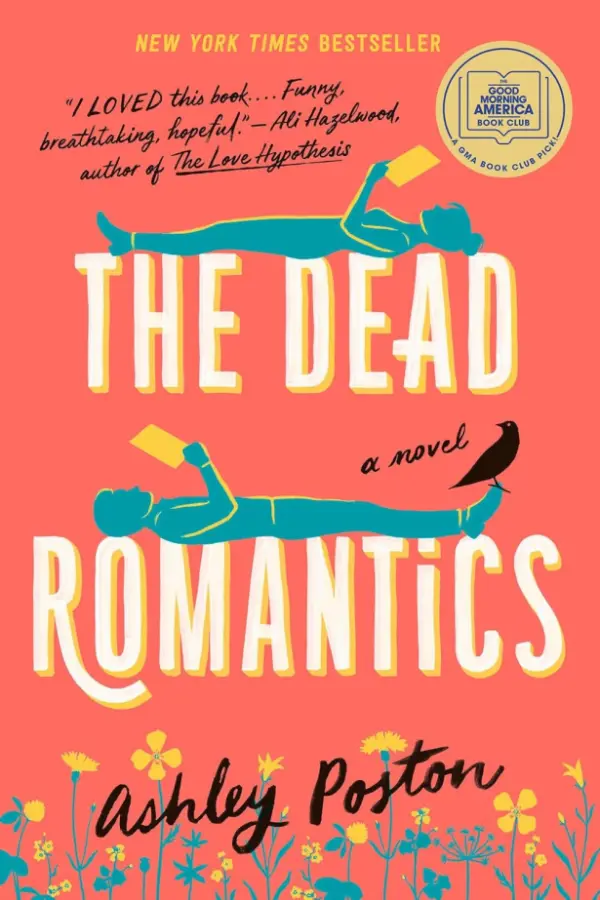
The Dead Romantics
Ashley Poston
Average Goodreads rating3.9
- Found Family
- Witty Banter & Sharp Dialogue

Book trope · 20 books
Paranormal fiction sits in the space between the world we recognise and the one we half-suspect exists just beyond it. Ghosts, vampires, witches, werewolves, psychics, demons — the paranormal genre gathers all of them under one roof and asks: what if these things were real, and what if your protagonist had to live…
More about the Paranormal trope9 are tagged with Paranormal individually. The others belong to a series tagged with it, which doesn’t mean every book in it features the trope, so they’re marked “Matched via its series”.
Updating books…
20 books found
Ashley Poston
Average Goodreads rating3.9
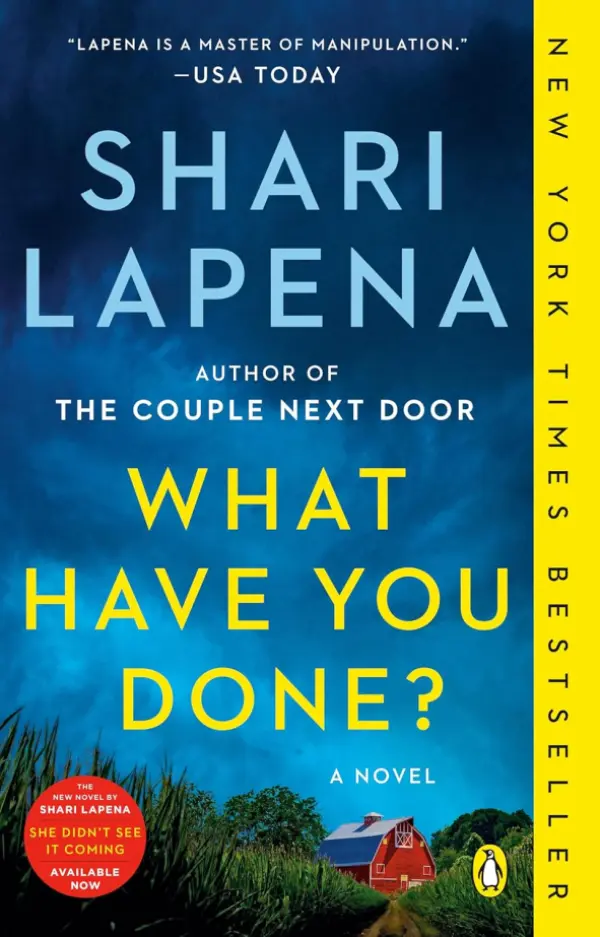
Shari Lapena
Average Goodreads rating3.8
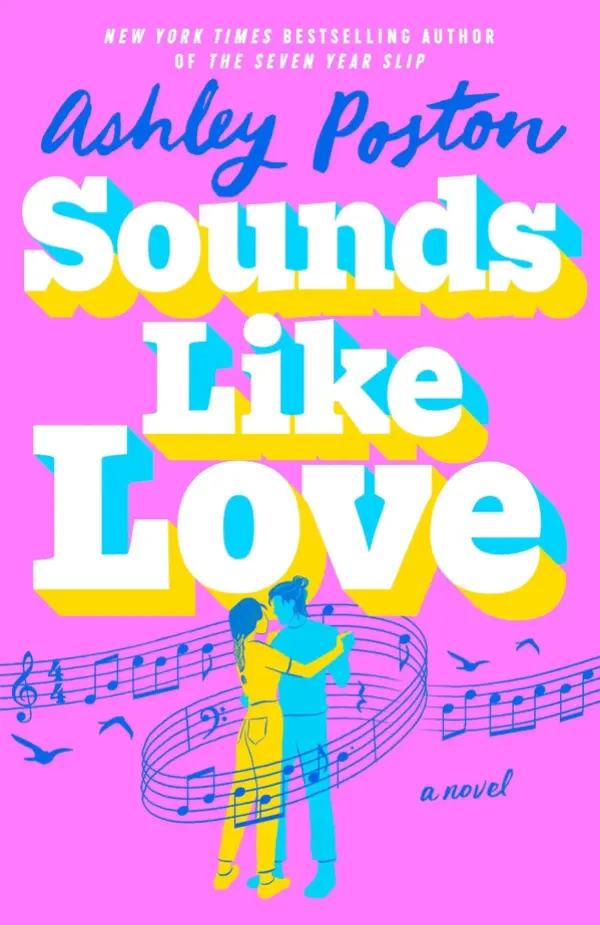
Ashley Poston
Average Goodreads rating3.8
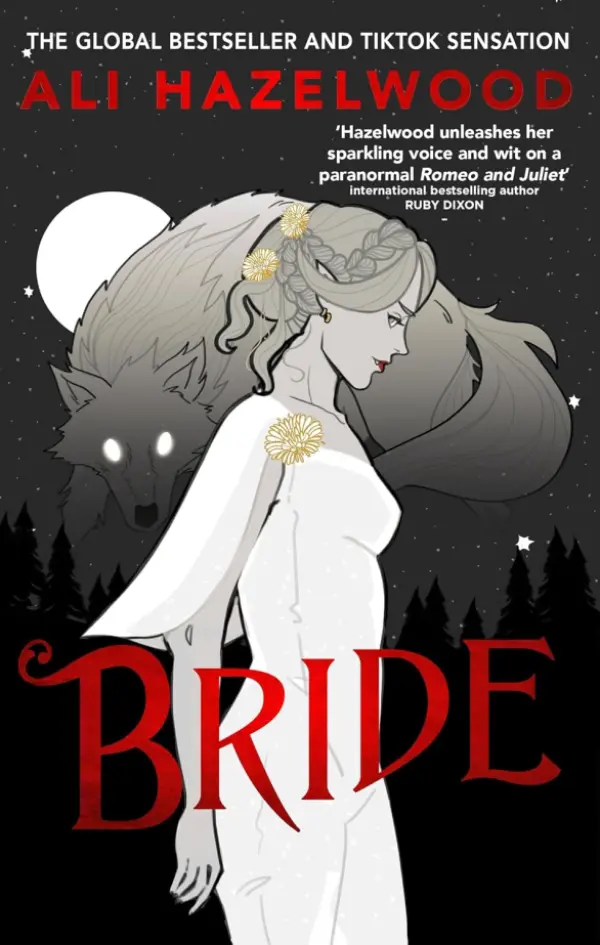
Ali Hazelwood
Average Goodreads rating4.4
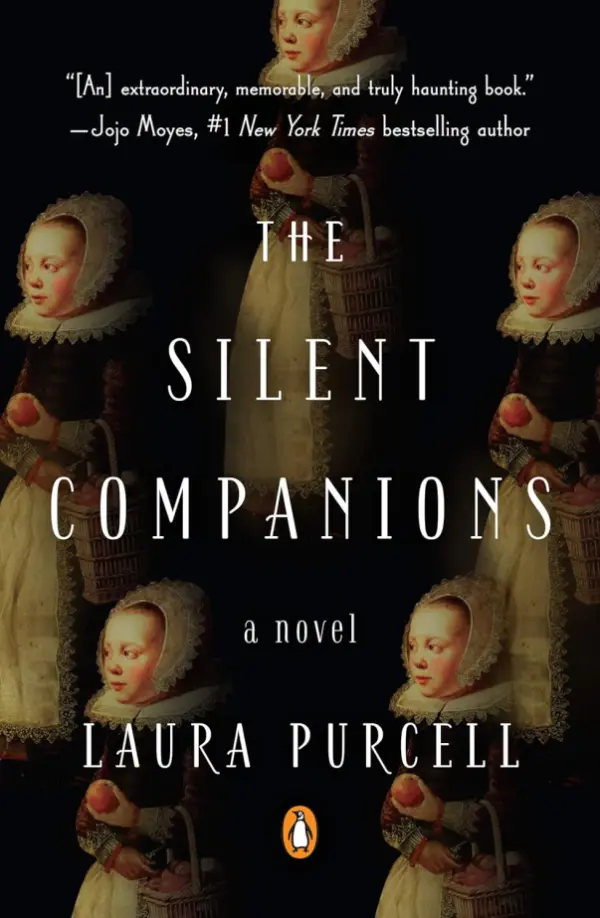
Laura Purcell
Average Goodreads rating3.9
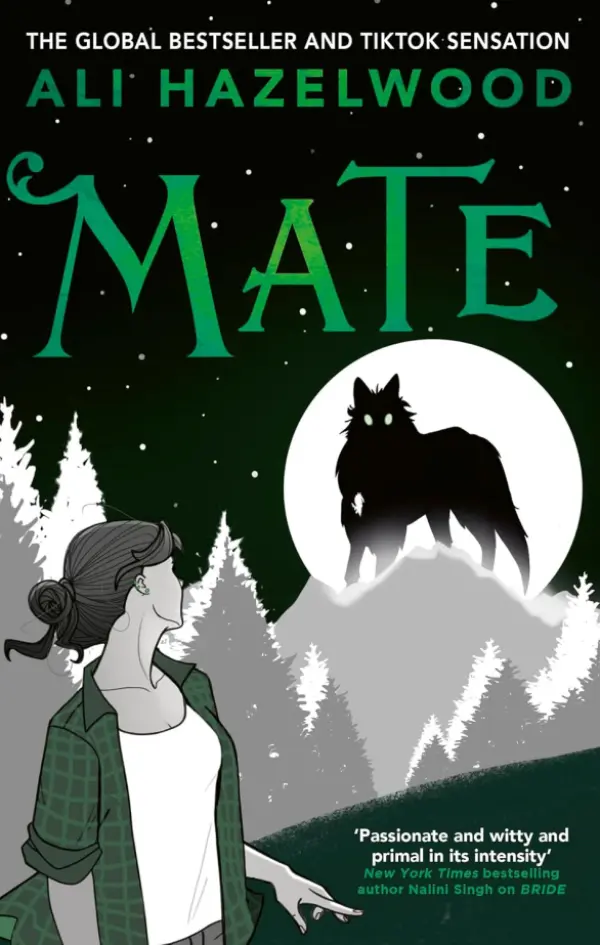
Ali Hazelwood
Average Goodreads rating4.4
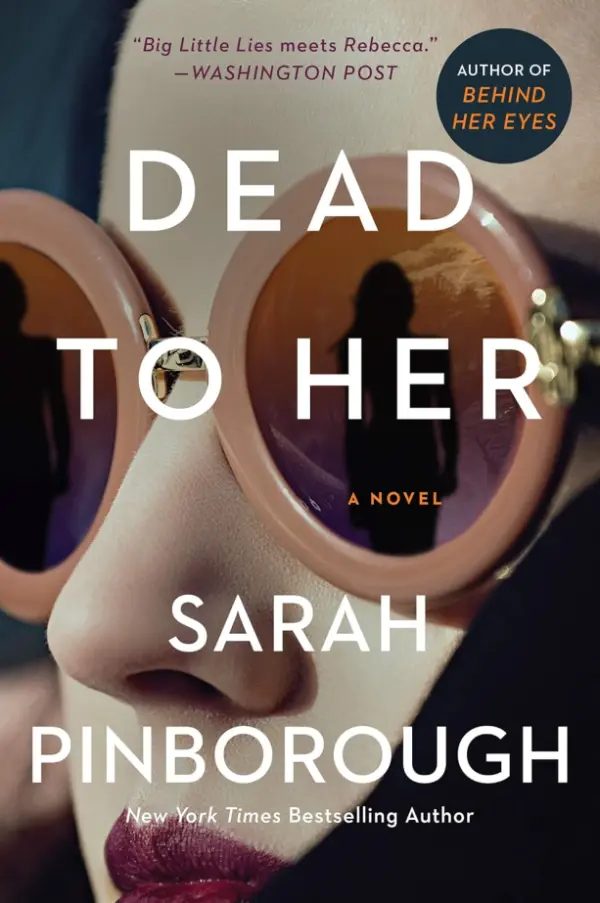
Sarah Pinborough
Average Goodreads rating3.3
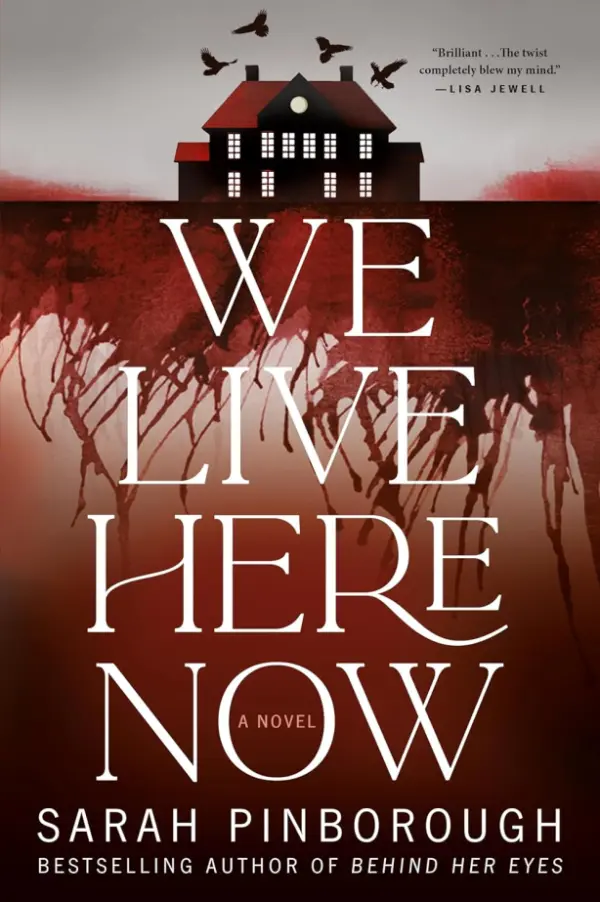
Sarah Pinborough
Average Goodreads rating4.0
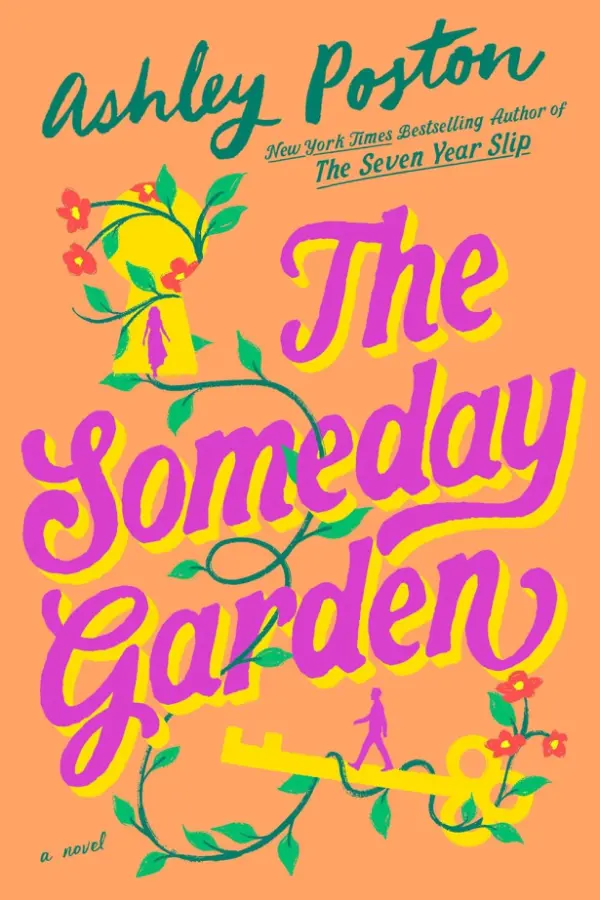
Ashley Poston
Average Goodreads rating4.1
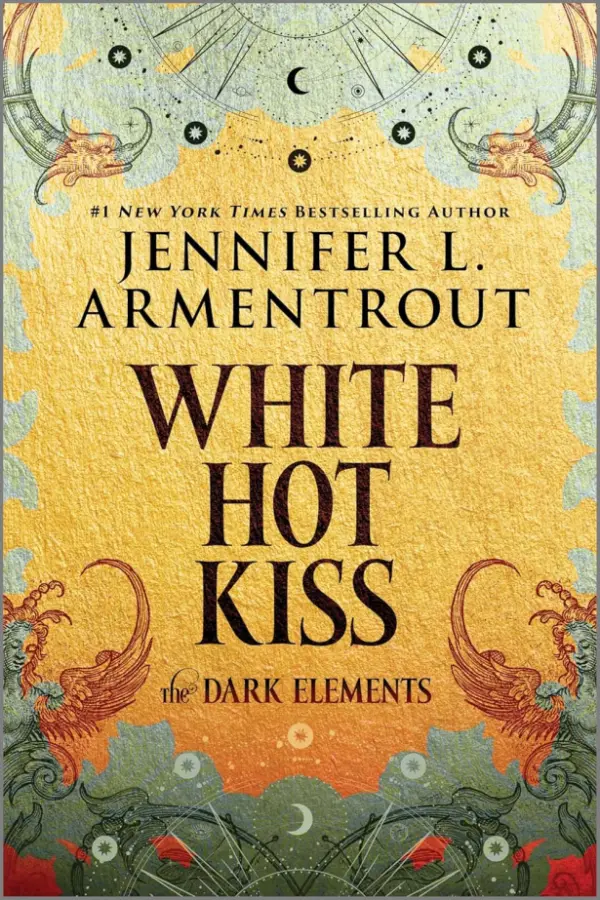
Jennifer L. Armentrout
The Dark Elements, book 1
Average Goodreads rating4.1
Matched via its series
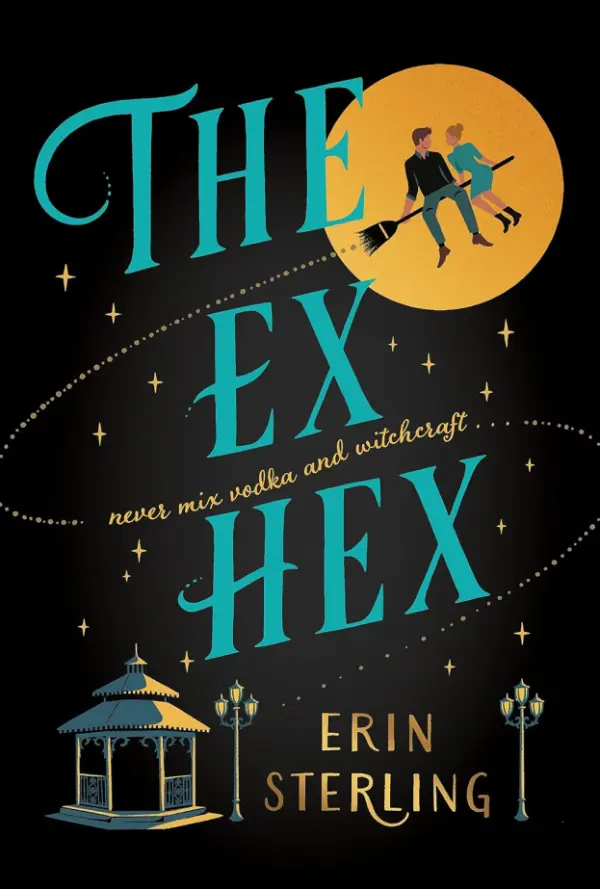
Erin Sterling
Graves Glen, book 1
Average Goodreads rating3.8
Matched via its series
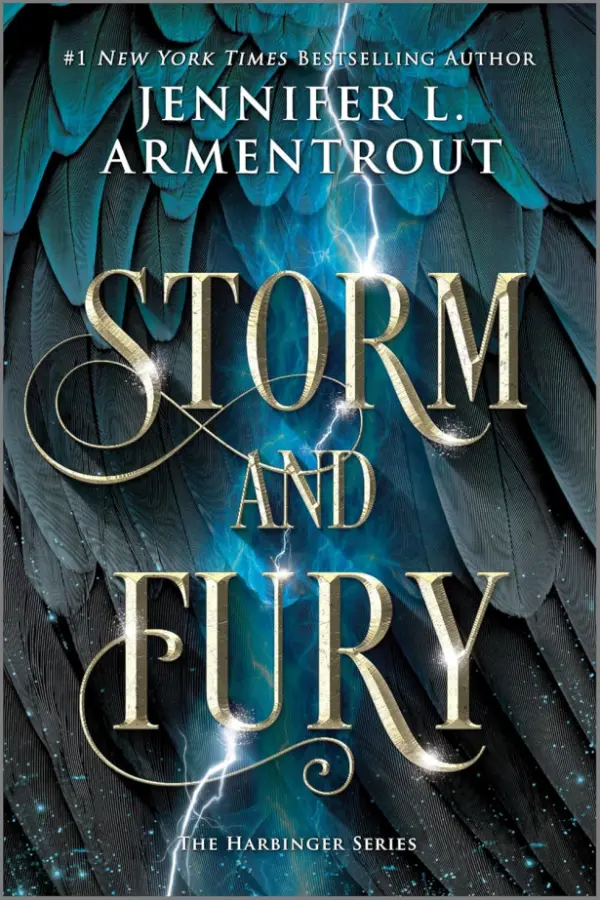
Jennifer L. Armentrout
Harbinger, book 1
Average Goodreads rating4.3
Matched via its series
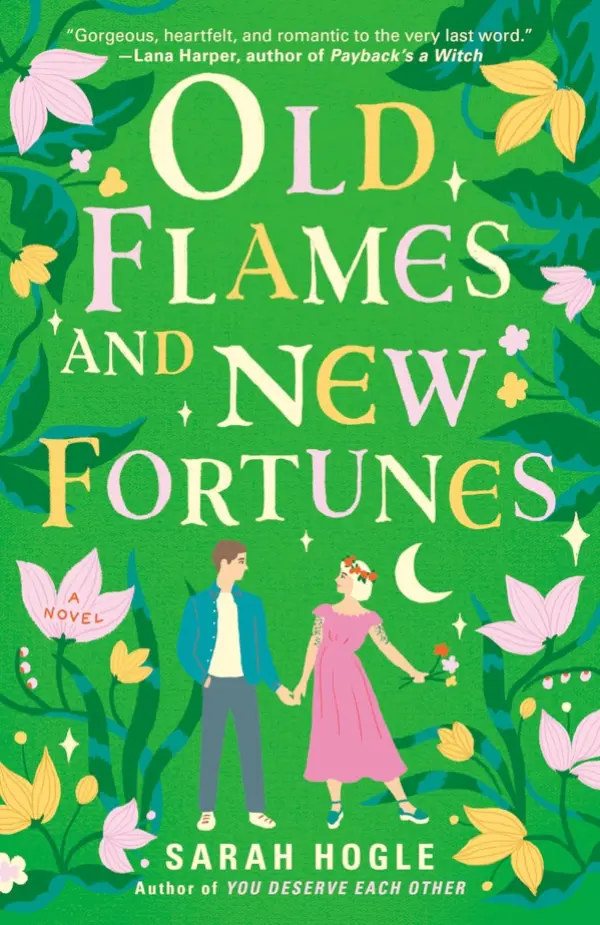
Sarah Hogle
Moonville, book 1
Average Goodreads rating3.5
Matched via its series
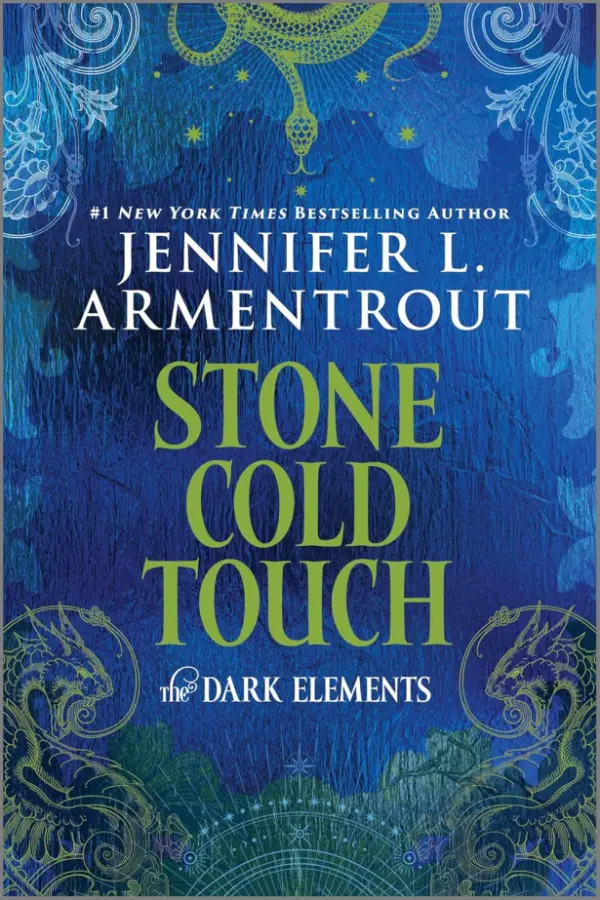
Jennifer L. Armentrout
The Dark Elements, book 2
Average Goodreads rating4.2
Matched via its series
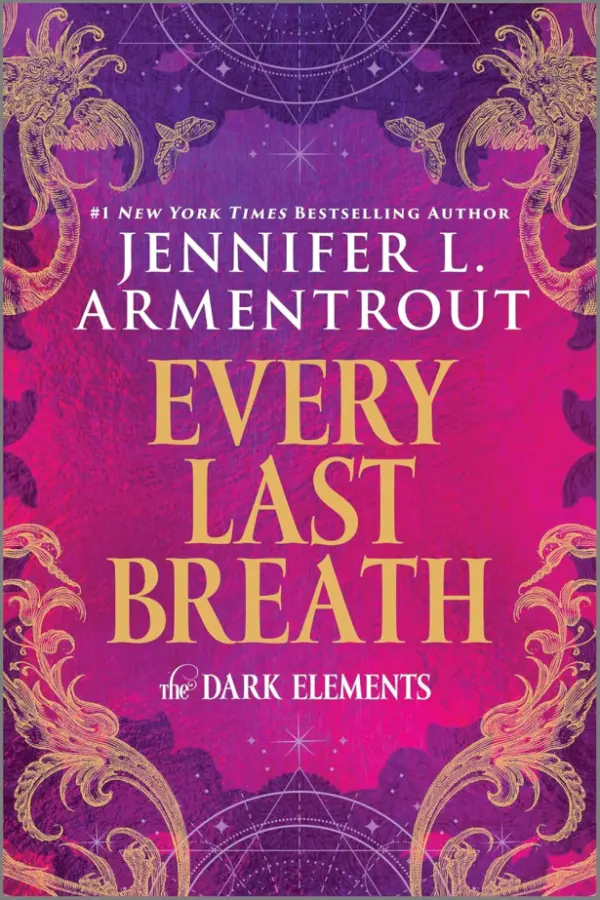
Jennifer L. Armentrout
The Dark Elements, book 3
Average Goodreads rating4.3
Matched via its series
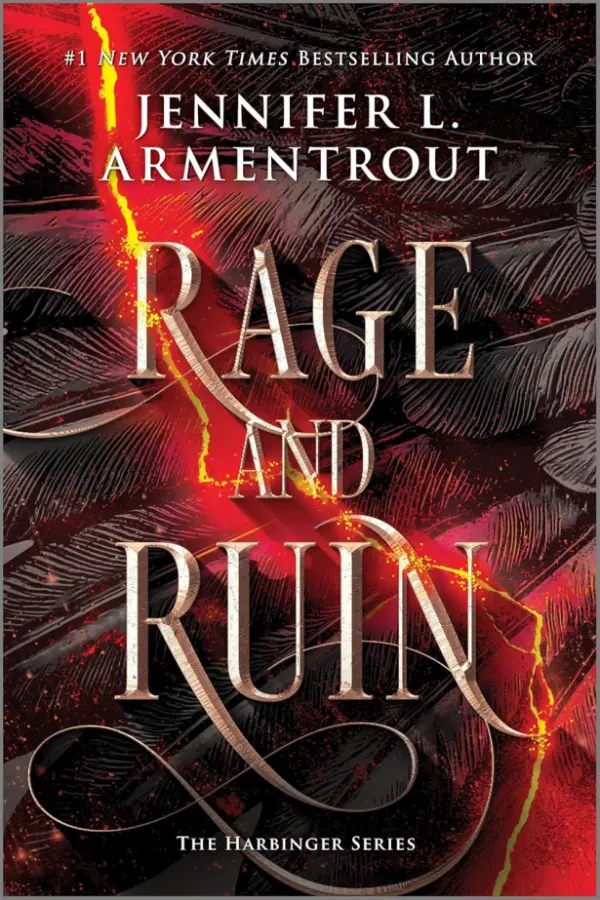
Jennifer L. Armentrout
Harbinger, book 2
Average Goodreads rating4.4
Matched via its series
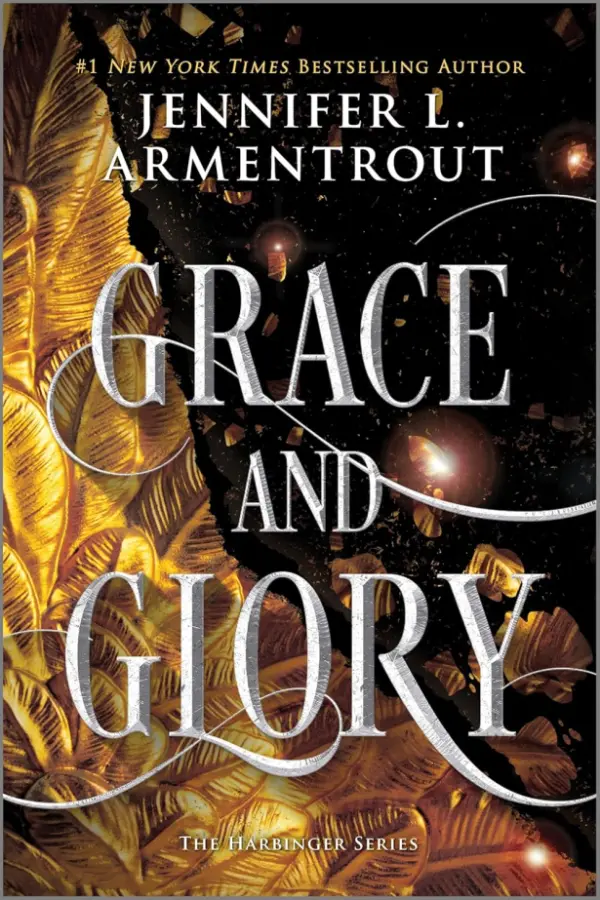
Jennifer L. Armentrout
Harbinger, book 3
Average Goodreads rating4.4
Matched via its series
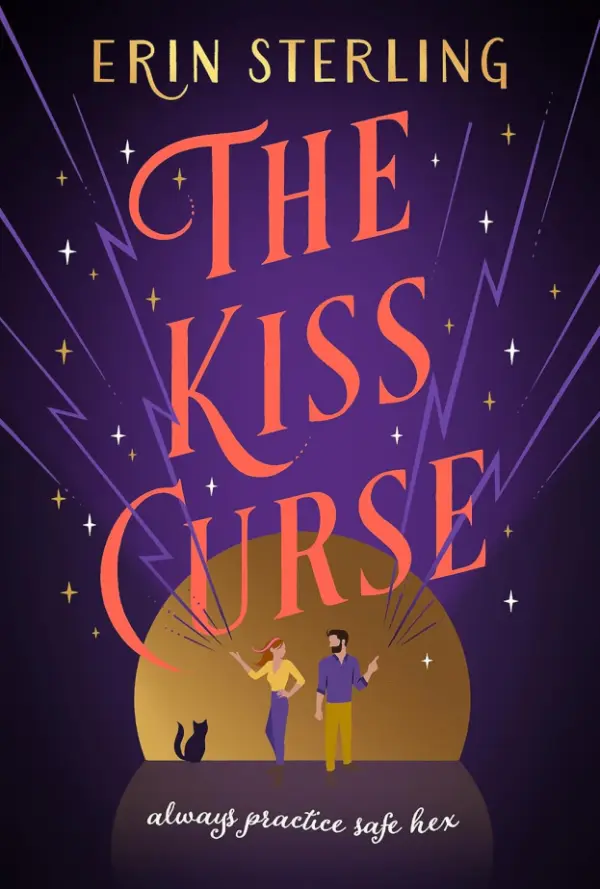
Erin Sterling
Graves Glen, book 2
Average Goodreads rating4.1
Matched via its series
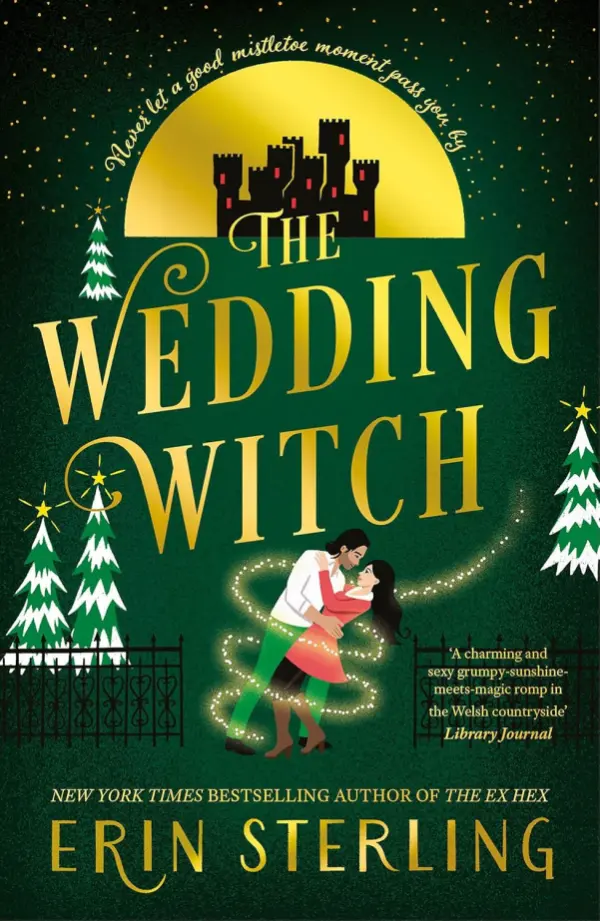
Erin Sterling
Graves Glen, book 3
Average Goodreads rating4.1
Matched via its series
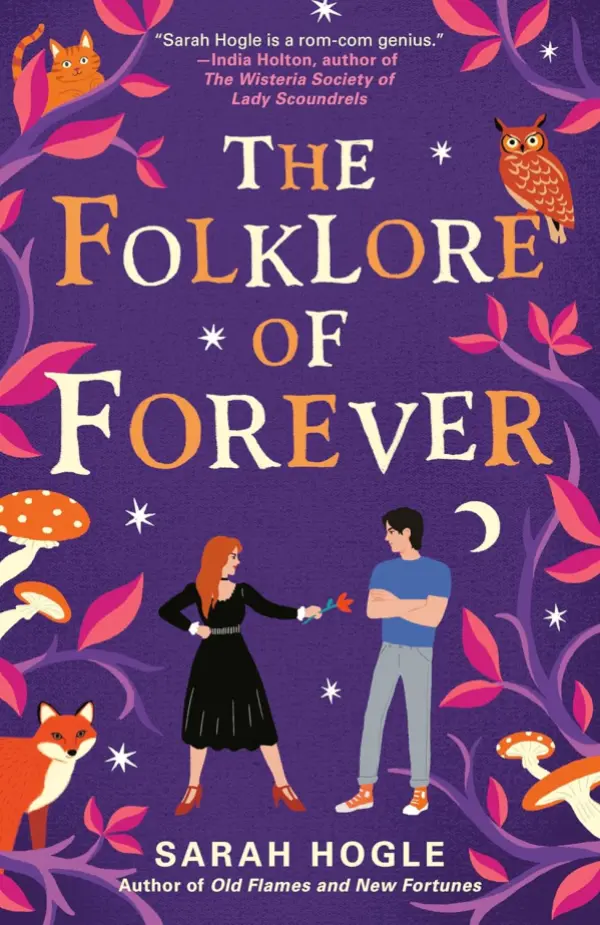
Sarah Hogle
Moonville, book 2
Average Goodreads rating3.2
Matched via its series
Tropes that share the most books with Paranormal
Paranormal fiction sits in the space between the world we recognise and the one we half-suspect exists just beyond it. Ghosts, vampires, witches, werewolves, psychics, demons — the paranormal genre gathers all of them under one roof and asks: what if these things were real, and what if your protagonist had to live alongside them? Unlike high fantasy, which builds entirely new worlds from scratch, paranormal stories are grounded in our own reality. The supernatural bleeds into the everyday. That contrast is precisely where the tension lives.
Readers are drawn to paranormal fiction because it takes ordinary emotional stakes — loneliness, belonging, first love, grief, identity — and amplifies them through an extraordinary lens. When a character is wrestling with what they are as much as who they are, the internal conflict carries extra weight. The genre rewards readers who enjoy atmosphere, mystery, and a sense that the mundane world is only ever one thin veil away from something stranger.
A paranormal narrative almost always begins with disruption. A character discovers a truth about themselves or their world that cannot be unfiled. From that point on, ordinary life is no longer available to them. This revelation — sometimes sudden, sometimes creeping — reshapes everything: their relationships, their sense of safety, their understanding of history.
Community matters enormously in paranormal fiction. Covens, packs, clans, orders — the supernatural world tends to organise itself into factions with their own hierarchies, rules, and grudges. New arrivals must learn these structures quickly, often while managing the suspicion of those who have been part of them for centuries. The social dynamics can be as compelling as any action sequence.
Romance is a near-constant companion to the trope, though not always its primary focus. The paranormal setting raises the emotional temperature of any relationship: forbidden attraction between species, the complication of immortality when one partner is mortal, the question of whether love can survive transformation. Many readers come specifically for this charged dynamic.
The trope spans an enormous tonal range. At one end sits gothic paranormal fiction — moody, atmospheric, heavily influenced by horror, with ghosts and haunted places doing a great deal of narrative work. At the other sits urban paranormal, where supernatural beings navigate city streets, office jobs, and modern social hierarchies alongside humans who are blissfully unaware or carefully kept that way.
Paranormal romance is its own well-established category, typically centring on a central relationship while the supernatural elements drive conflict and raise the stakes. Paranormal young adult fiction tends to focus on coming-of-age alongside the discovery of powers or heritage, with school settings and first loves given an eerie edge. Adult paranormal fiction often explores what happens after the initial revelation — the long, complicated business of existing as something other than human.
Psychic abilities, elemental magic, and ghost communication sit alongside the more familiar creatures of legend. Some paranormal stories keep their supernatural elements tightly focused on a single creature type; others build entire ecosystems of beings who coexist, compete, and occasionally fall in love.
There is something deeply satisfying about a genre that takes the things humans have always feared — the dark, the dead, the monstrous — and makes them intimate. Paranormal fiction doesn't just acknowledge that the uncanny exists; it pulls up a chair for it and asks what it wants for dinner.
The genre has proved remarkably durable across decades, reinventing its central creatures with each generation of writers and readers. Vampires become political figures. Werewolves become chosen family. Witches reclaim their power. Whatever form it takes, paranormal fiction keeps returning to the same essential question: what does it mean to be human when humanity is only one of many options? That question, it turns out, never gets old.
Occasional emails with new recommendations, series news and trope round-ups.