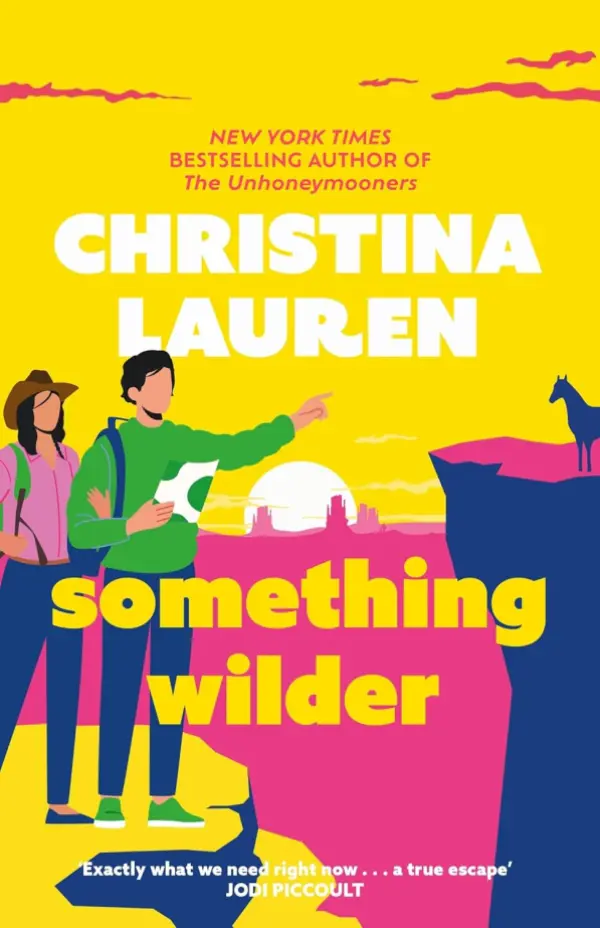
Something Wilder
Christina Lauren
Average Goodreads rating3.6
- Witty Banter & Sharp Dialogue
- Dark Secrets

Book trope · 36 books
At its heart, Hidden Truths is the trope of concealed information — secrets buried deep enough that their discovery reshapes everything. A character believes one thing about themselves, their world, or the people they love, and then the ground shifts.
More about the Hidden Truths trope6 are tagged with Hidden Truths individually. The others belong to a series tagged with it, which doesn’t mean every book in it features the trope, so they’re marked “Matched via its series”.
Updating books…
36 books found
Christina Lauren
Average Goodreads rating3.6
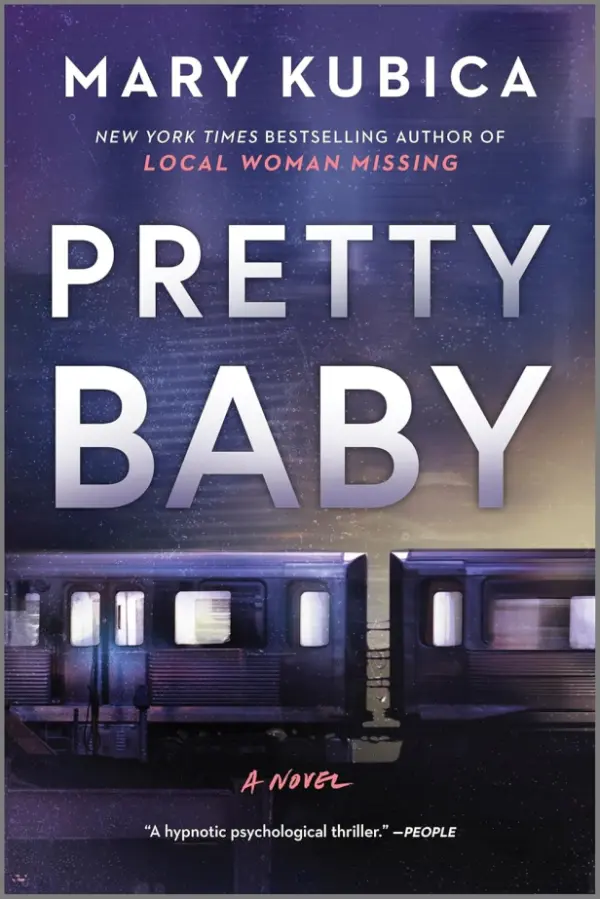
Mary Kubica
Average Goodreads rating3.7
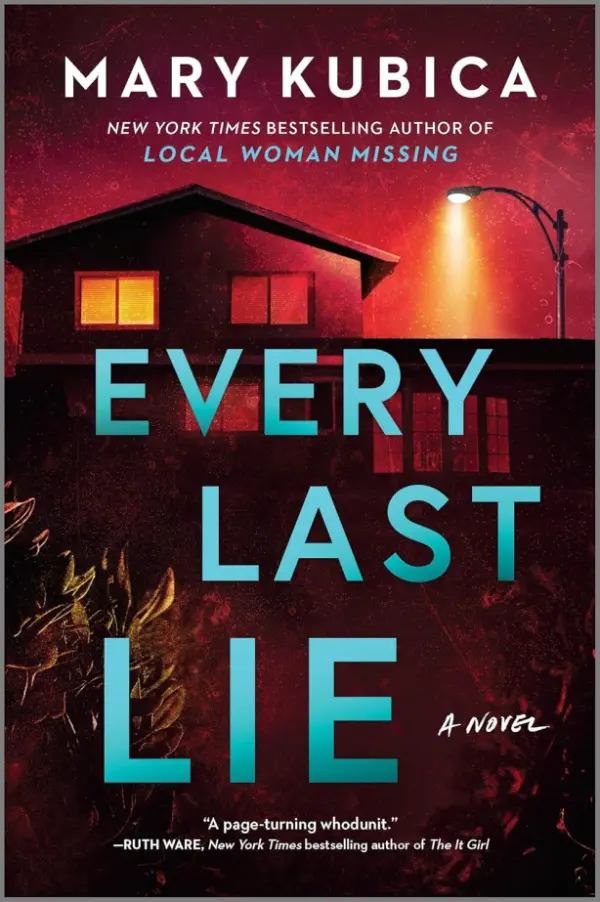
Mary Kubica
Average Goodreads rating3.3
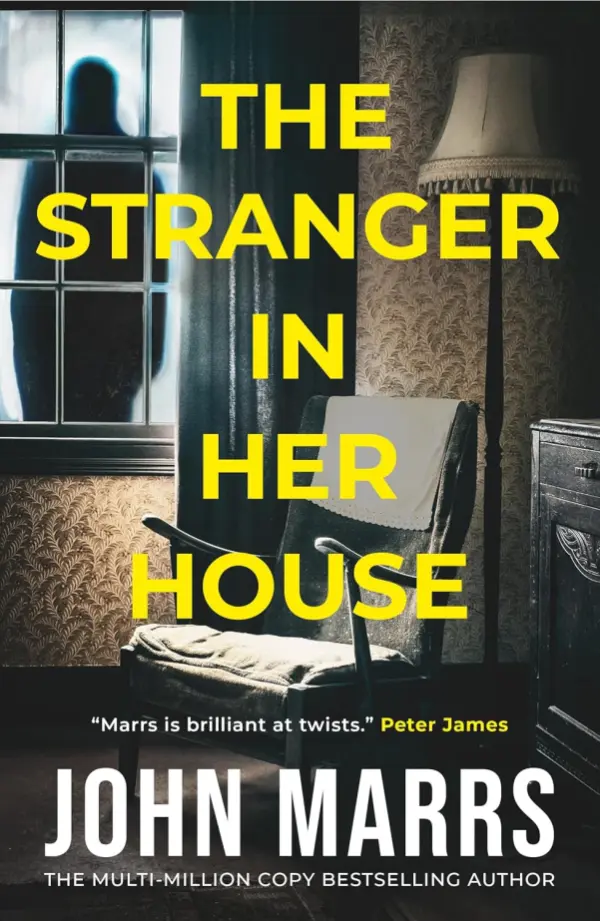
John Marrs
Average Goodreads rating3.9
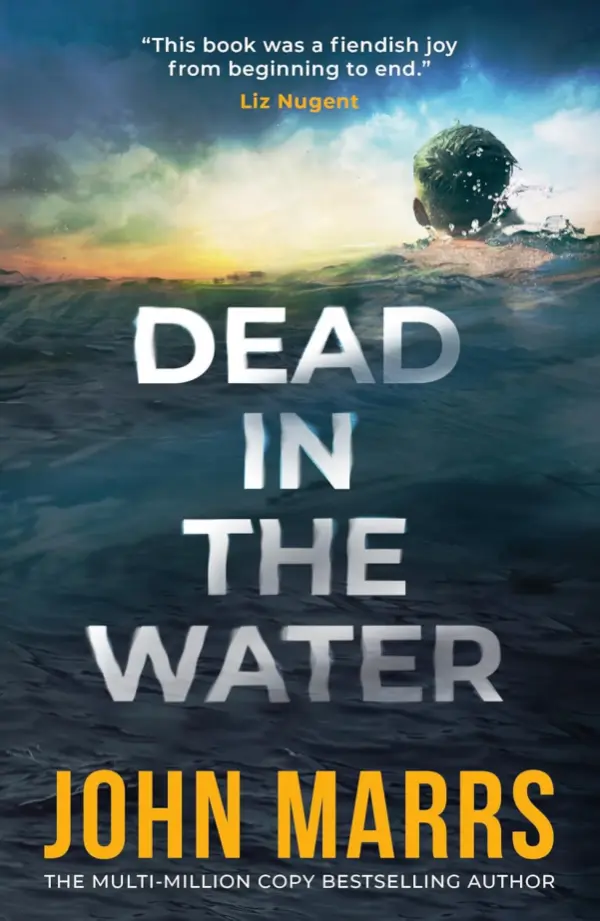
John Marrs
Average Goodreads rating3.9
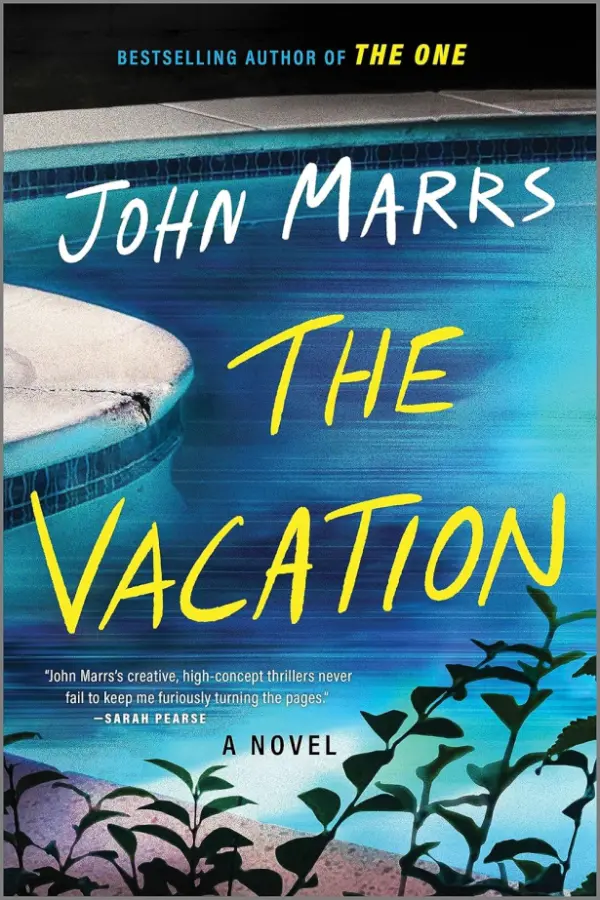
John Marrs
Average Goodreads rating3.7

Freida McFadden
The Housemaid, book 1
Average Goodreads rating4.5
Matched via its series
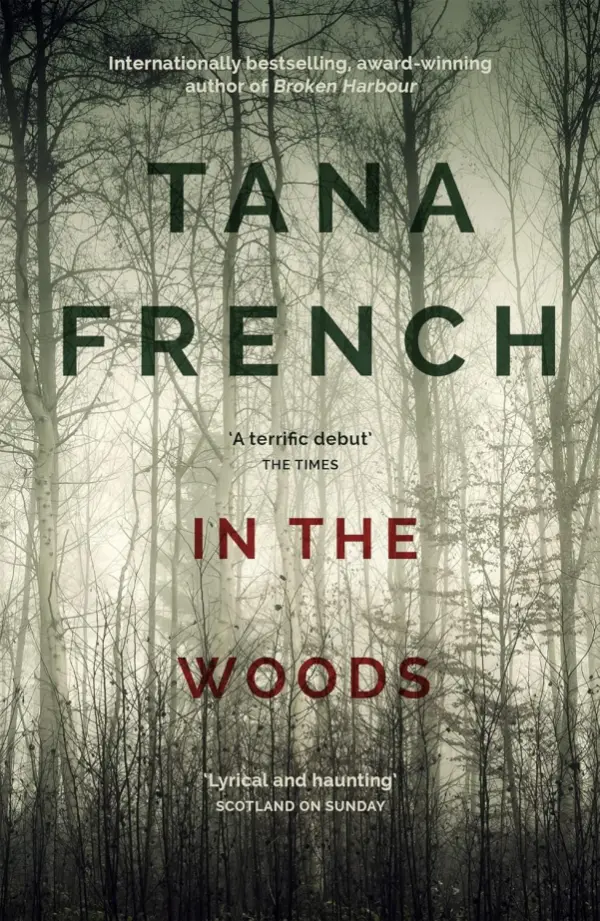
Tana French
Dublin Murder Squad, book 1
Average Goodreads rating3.8
Matched via its series
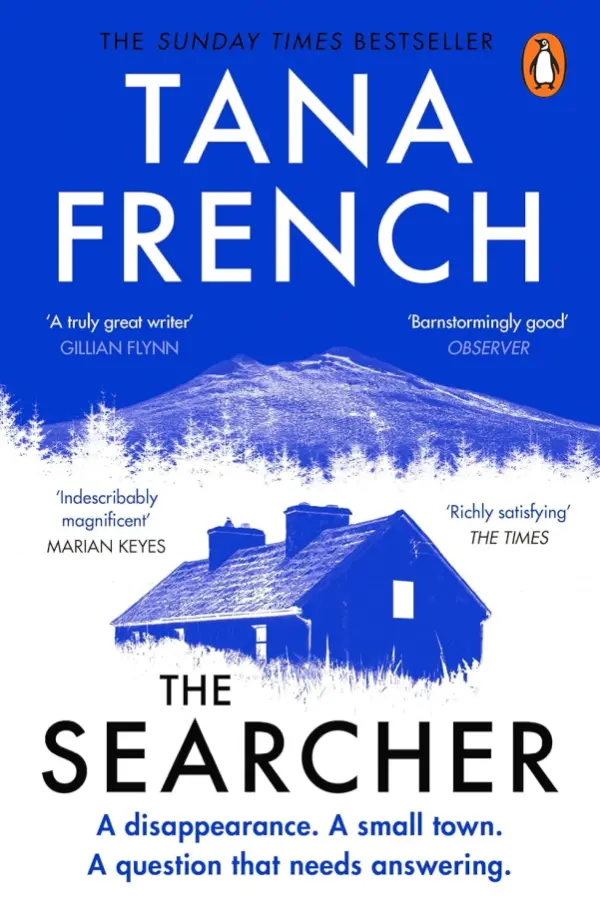
Tana French
Cal Hooper, book 1
Average Goodreads rating3.8
Matched via its series
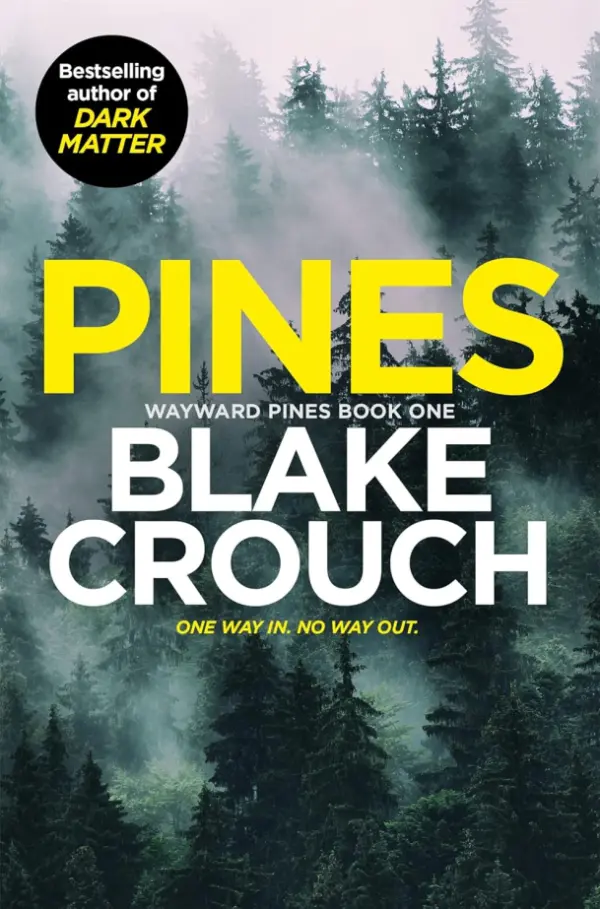
Blake Crouch
The Wayward Pines Trilogy, book 1
Average Goodreads rating4.1
Matched via its series
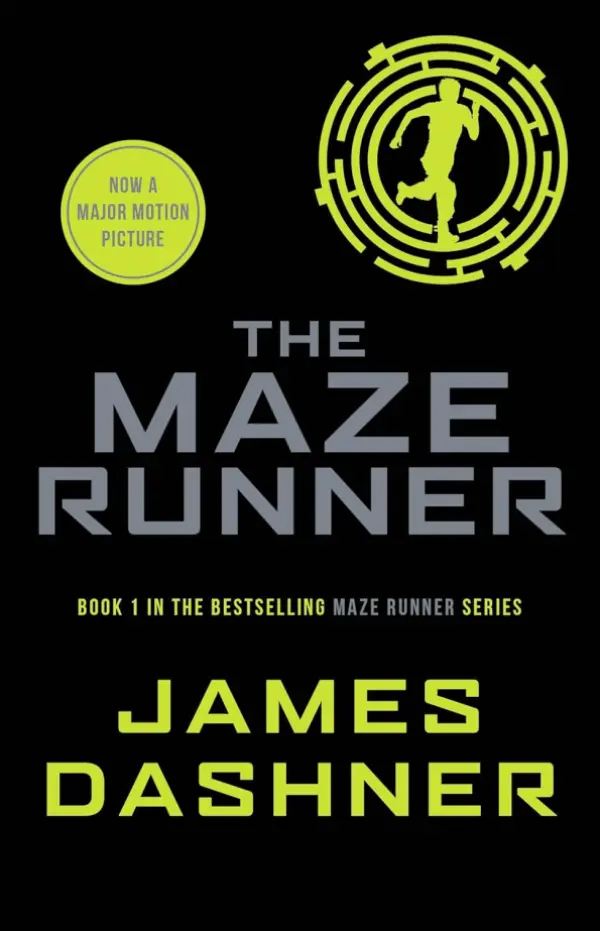
James Dashner
The Maze Runner, book 1
Average Goodreads rating4.5
Matched via its series

Brandon Sanderson
Skyward, book 1
Average Goodreads rating4.6
Matched via its series

Chloe Walsh
Ocean Bay, book 1
Average Goodreads rating4.4
Matched via its series
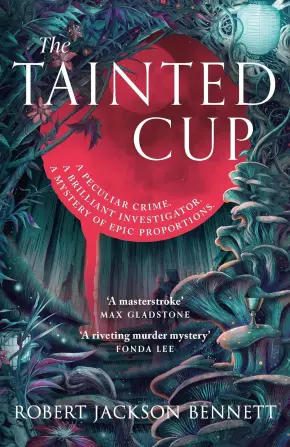
Robert Jackson Bennett
Shadow of the Leviathan, book 1
Average Goodreads rating4.6
Matched via its series

Freida McFadden
The Housemaid, book 2
Average Goodreads rating4.4
Matched via its series

Freida McFadden
The Housemaid, book 3
Average Goodreads rating4.3
Matched via its series
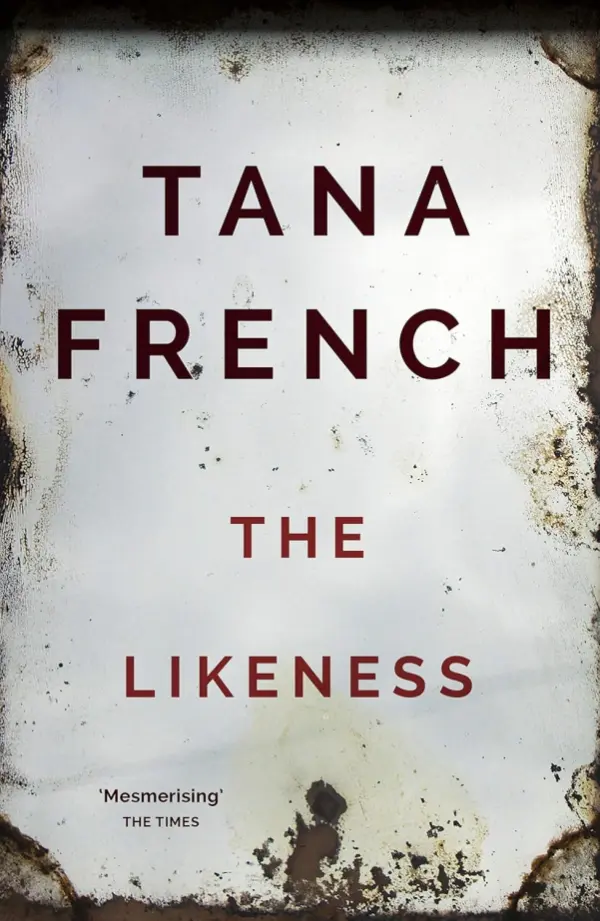
Tana French
Dublin Murder Squad, book 2
Average Goodreads rating4.1
Matched via its series
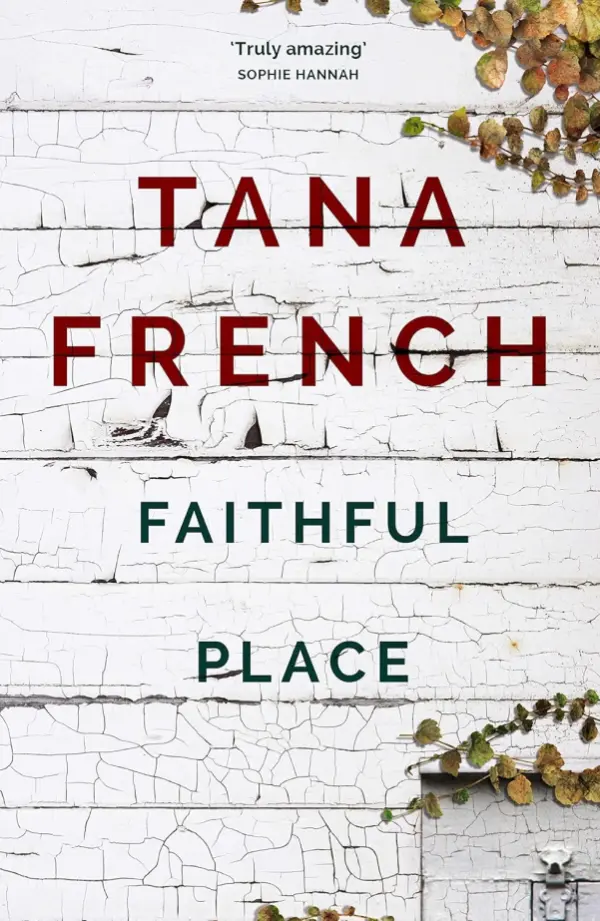
Tana French
Dublin Murder Squad, book 3
Average Goodreads rating4.0
Matched via its series
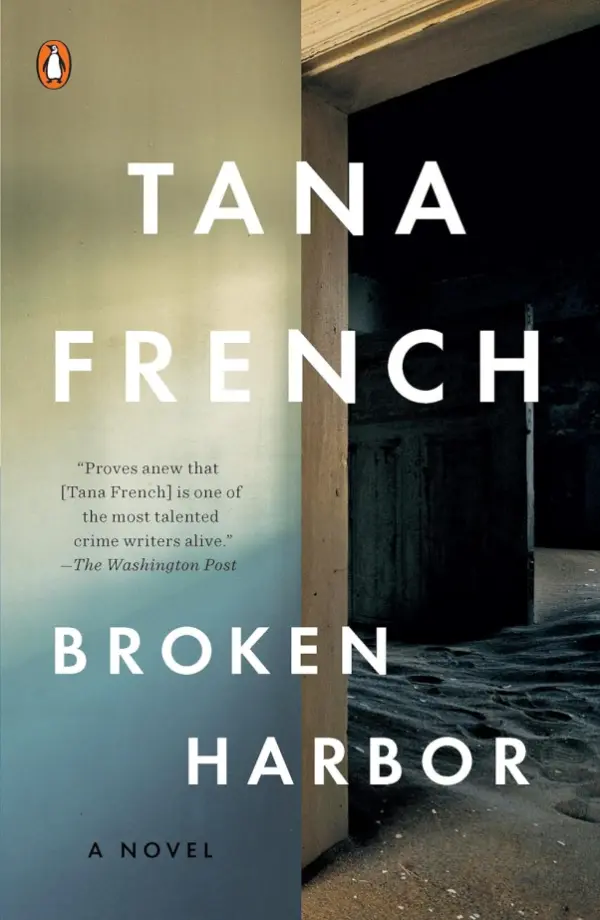
Tana French
Dublin Murder Squad, book 4
Average Goodreads rating4.0
Matched via its series
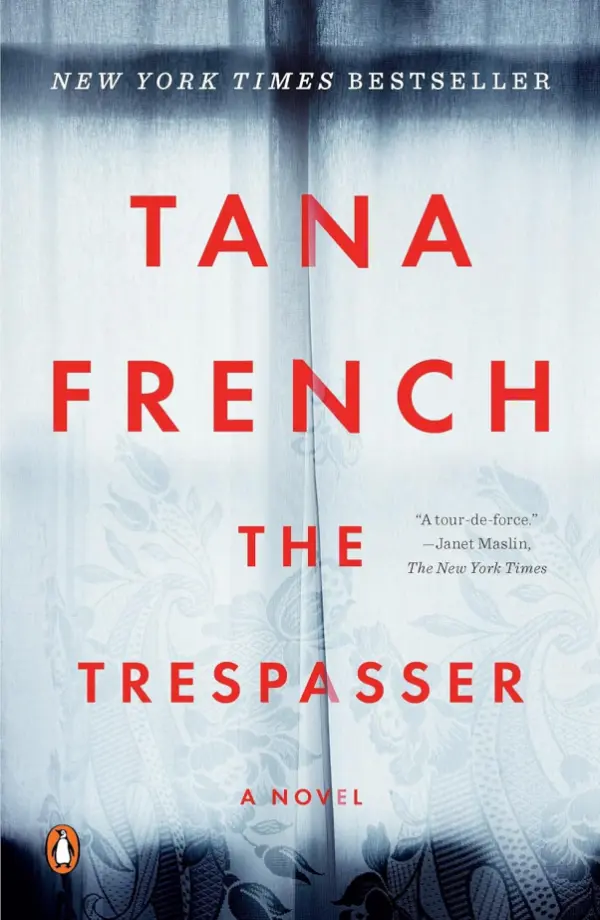
Tana French
Dublin Murder Squad, book 6
Average Goodreads rating4.0
Matched via its series
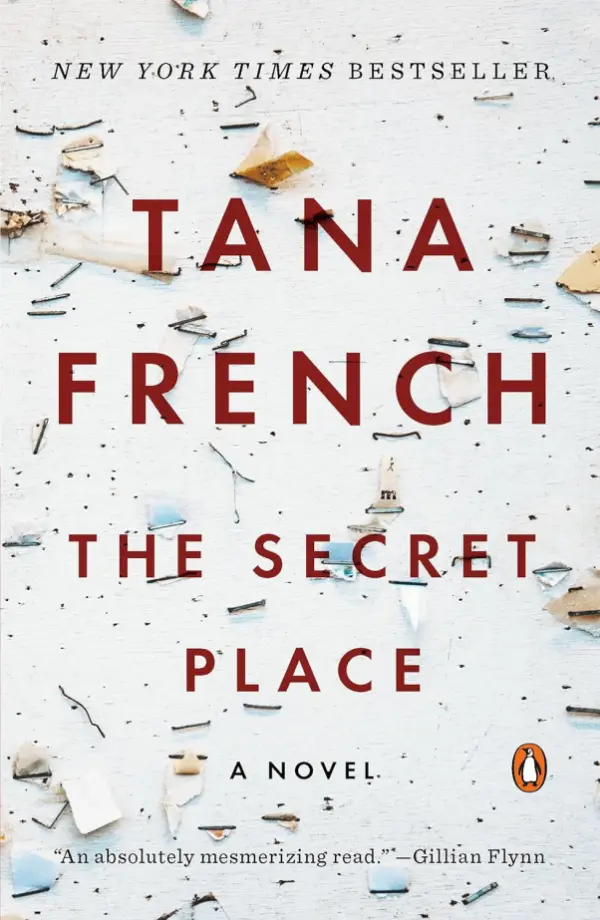
Tana French
Dublin Murder Squad, book 5
Average Goodreads rating3.8
Matched via its series
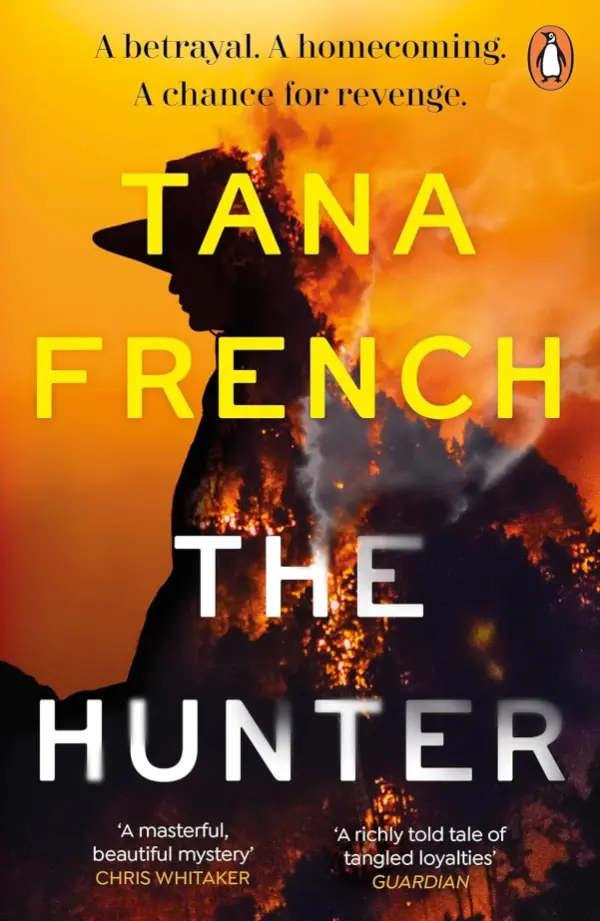
Tana French
Cal Hooper, book 2
Average Goodreads rating4.1
Matched via its series
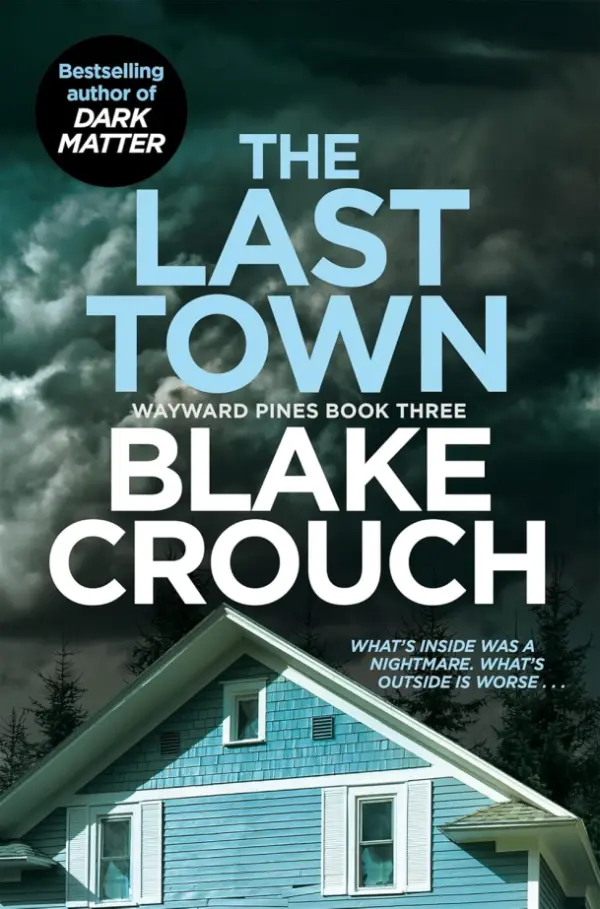
Blake Crouch
The Wayward Pines Trilogy, book 3
Average Goodreads rating4.4
Matched via its series
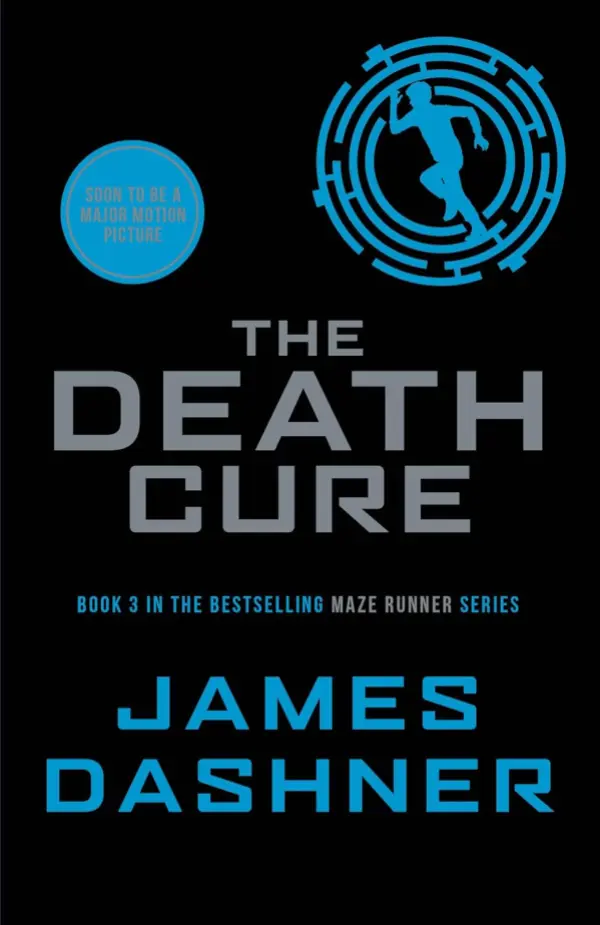
James Dashner
The Maze Runner, book 3
Average Goodreads rating4.4
Matched via its series
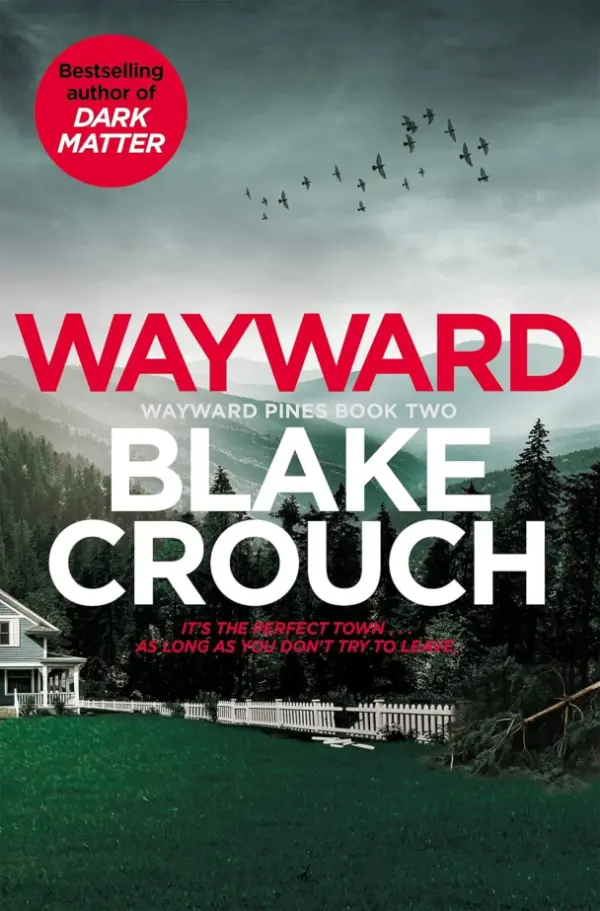
Blake Crouch
The Wayward Pines Trilogy, book 2
Average Goodreads rating4.4
Matched via its series
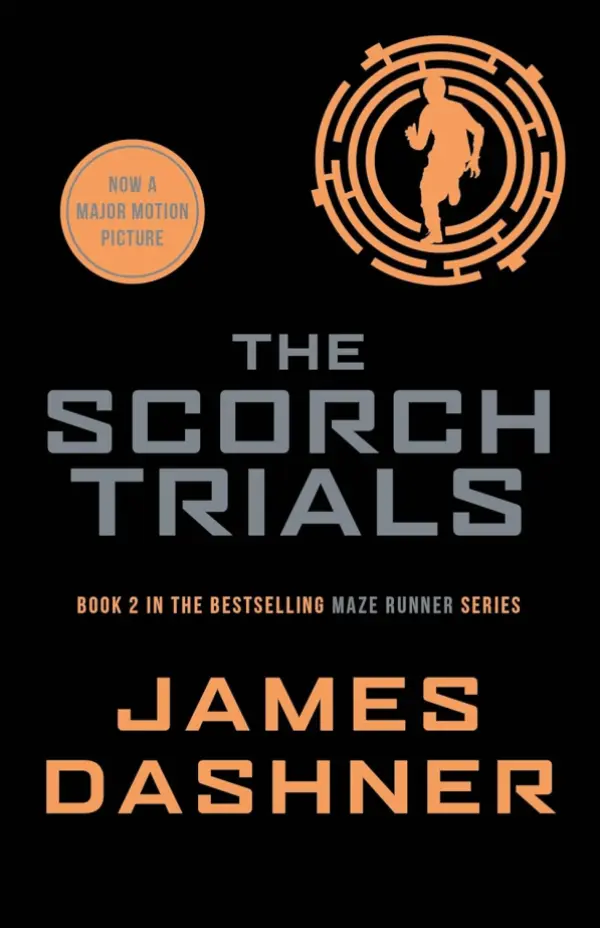
James Dashner
The Maze Runner, book 2
Average Goodreads rating4.4
Matched via its series
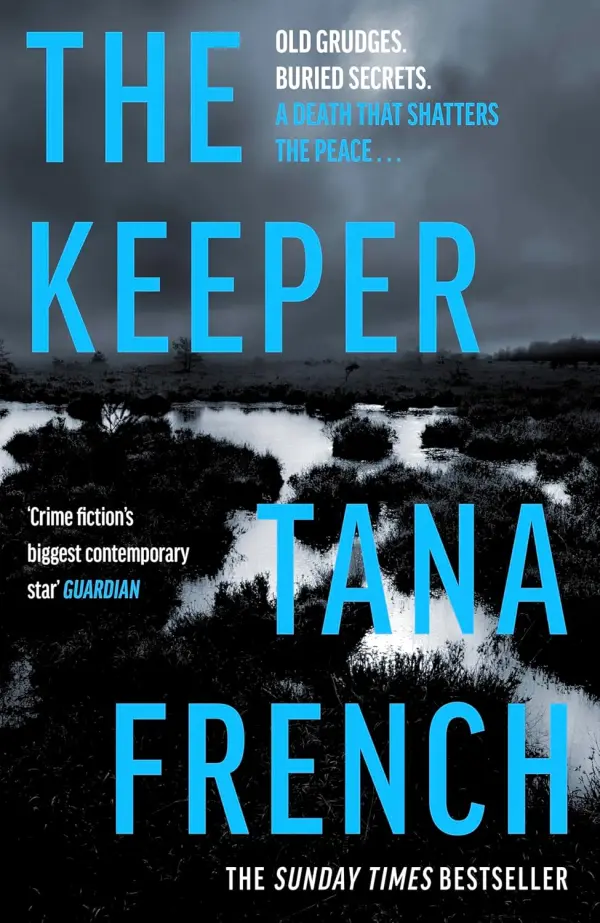
Tana French
Cal Hooper, book 3
Average Goodreads rating4.3
Matched via its series

Brandon Sanderson
Skyward, book 2
Average Goodreads rating4.6
Matched via its series

Brandon Sanderson
Skyward, book 3
Average Goodreads rating4.4
Matched via its series
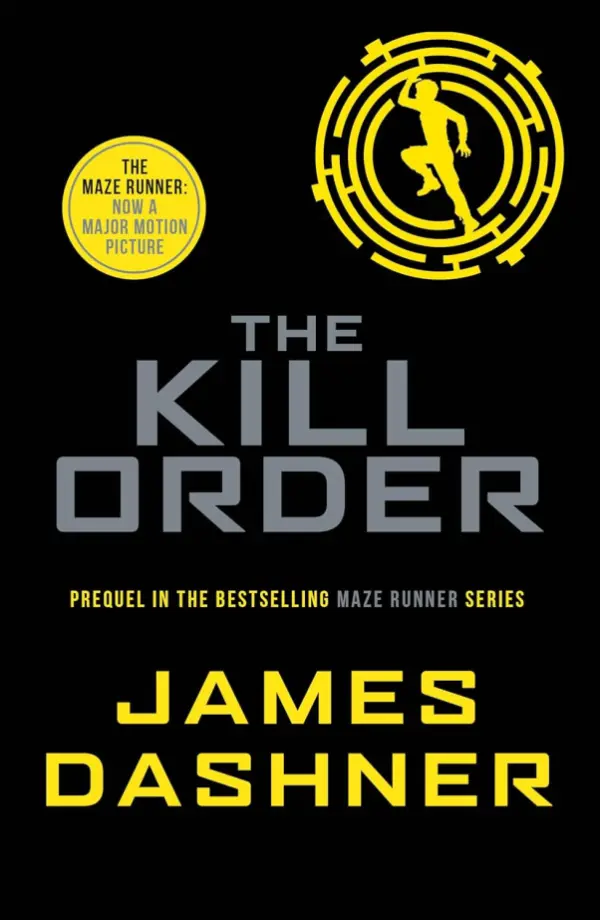
James Dashner
The Maze Runner, book 4
Average Goodreads rating4.4
Matched via its series
Tropes that share the most books with Hidden Truths
At its heart, Hidden Truths is the trope of concealed information — secrets buried deep enough that their discovery reshapes everything. A character believes one thing about themselves, their world, or the people they love, and then the ground shifts. The story is built around that gap between what is known and what is real, and the slow, sometimes devastating process of closing it.
It's one of the oldest structural engines in storytelling, but in fantasy and romance it carries particular weight. The truth isn't just a plot point — it tends to be personal. A lineage kept secret. A past erased. A confession withheld out of fear or love or self-preservation. When it finally surfaces, the reader feels it alongside the characters.
There's a very specific pleasure in reading a Hidden Truths story when it's working properly. You're hunting alongside the protagonist, collecting small discrepancies, noticing the hesitation in a line of dialogue, wondering about the locked door no one mentions. The revelation, when it comes, has to feel both surprising and inevitable — and when an author pulls that off, it's deeply satisfying.
Romance readers in particular are drawn to this trope because secrets raise the emotional stakes. A love interest concealing something essential about themselves introduces an edge of tension that ordinary courtship doesn't carry. Will the truth break what's been built between them? That question keeps pages turning.
Hidden Truths takes many shapes depending on the genre and tone. In epic fantasy, it often involves heritage — a protagonist who discovers their birth, bloodline, or identity is nothing like what they were told. The world-building around the reveal can be enormous in scope, recontextualising everything that came before it.
In romance, the hidden truth frequently belongs to the love interest: a title concealed, a past relationship covered up, a reason for being present in the protagonist's life that isn't what it seems. The trope pairs naturally with enemies-to-lovers and fake relationships, where deception is already baked into the premise.
Darker iterations lean into trauma — a character actively suppressing something they themselves don't fully remember, or a community that has conspired to keep someone ignorant for reasons that seem protective but carry a cost. These versions tend to sit closer to gothic fiction and psychological fantasy.
The trope lives or dies by its execution. Plant the clues too obviously and readers feel patronised. Withhold them entirely and the reveal feels arbitrary. The best Hidden Truths stories seed their secrets early and trust the reader to pick up on them without spelling anything out — so that when the moment finally arrives, there's a flash of recognition alongside the shock.
Character reaction matters as much as the truth itself. What a protagonist does with devastating new information — whether they rage, grieve, go quiet, or redirect it outward — is where the real emotional writing happens. The truth changes facts. What the characters do next is what the story is actually about.
Occasional emails with new recommendations, series news and trope round-ups.