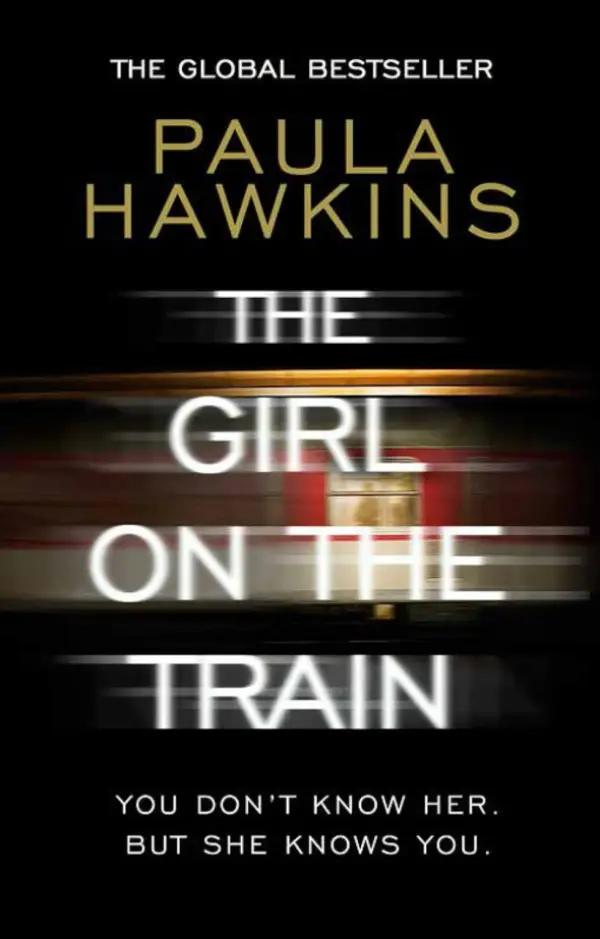
The Girl on the Train
Paula Hawkins
Average Goodreads rating4.1
- Multiple POV
- Twist Ending

Book trope · 18 books
A character wakes up — or simply realises — that a portion of their life is gone. Not misplaced, not fuzzy, but genuinely absent. The memory loss trope places its protagonist in the peculiar position of being a stranger to their own history, and that single dramatic premise ripples outward into almost every corner of a…
More about the Memory Loss trope13 are tagged with Memory Loss individually. The others belong to a series tagged with it, which doesn’t mean every book in it features the trope, so they’re marked “Matched via its series”.
Updating books…
18 books found
Paula Hawkins
Average Goodreads rating4.1
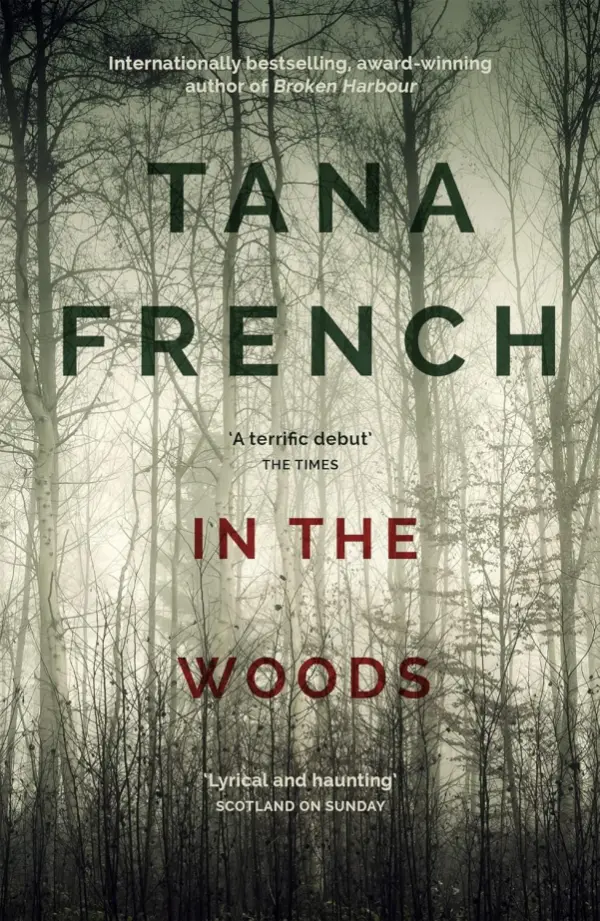
Tana French
Dublin Murder Squad, book 1
Average Goodreads rating3.8
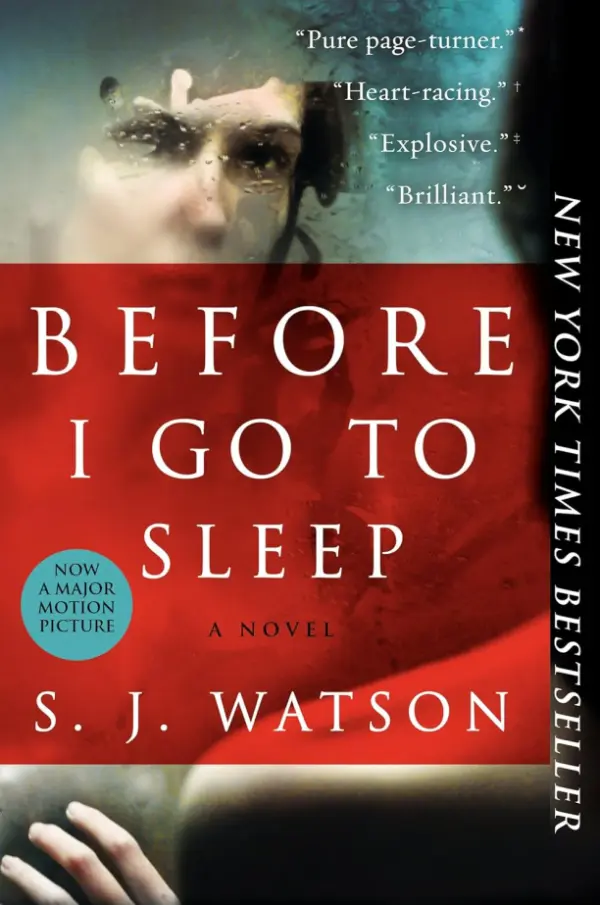
S. J. Watson
Average Goodreads rating3.9
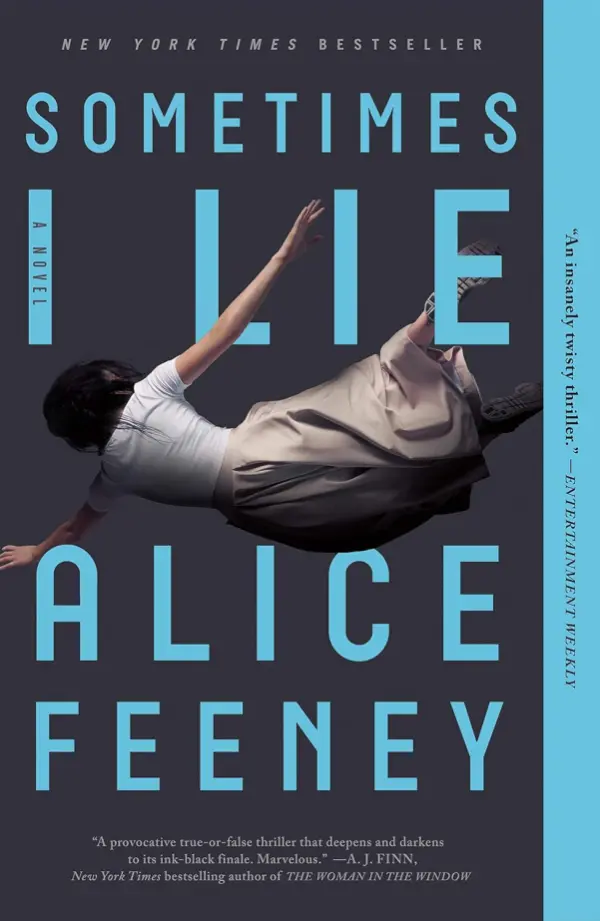
Alice Feeney
Average Goodreads rating3.7
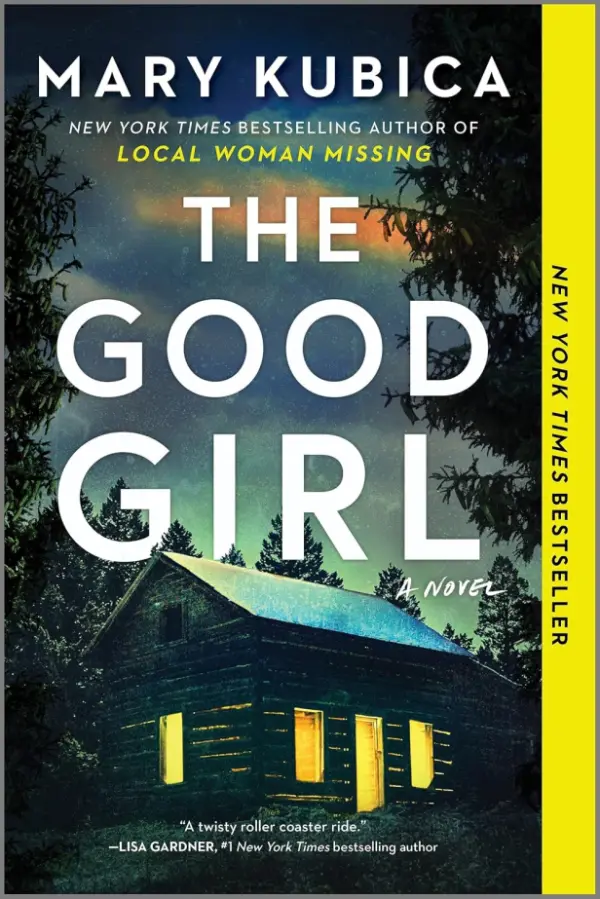
Mary Kubica
Average Goodreads rating3.8
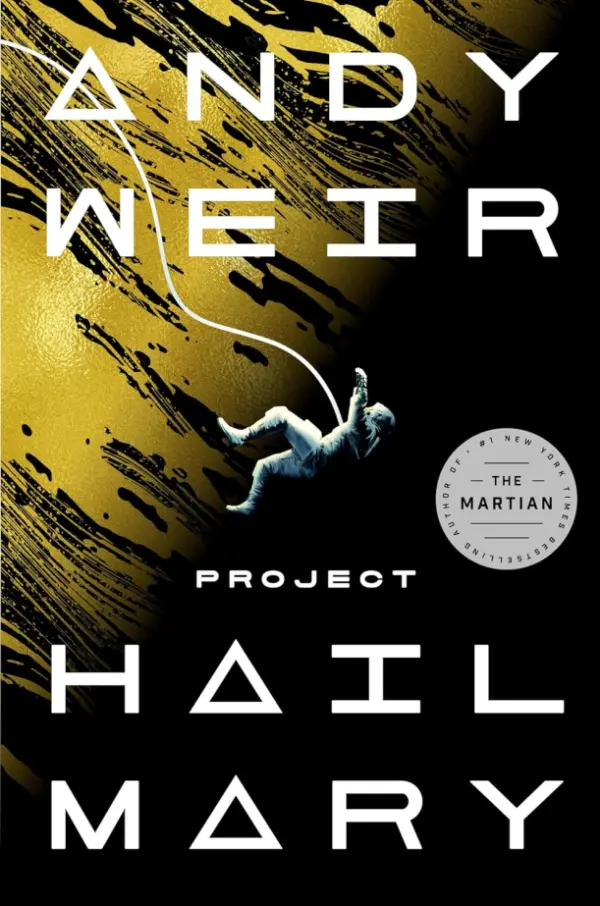
Andy Weir
Average Goodreads rating4.6
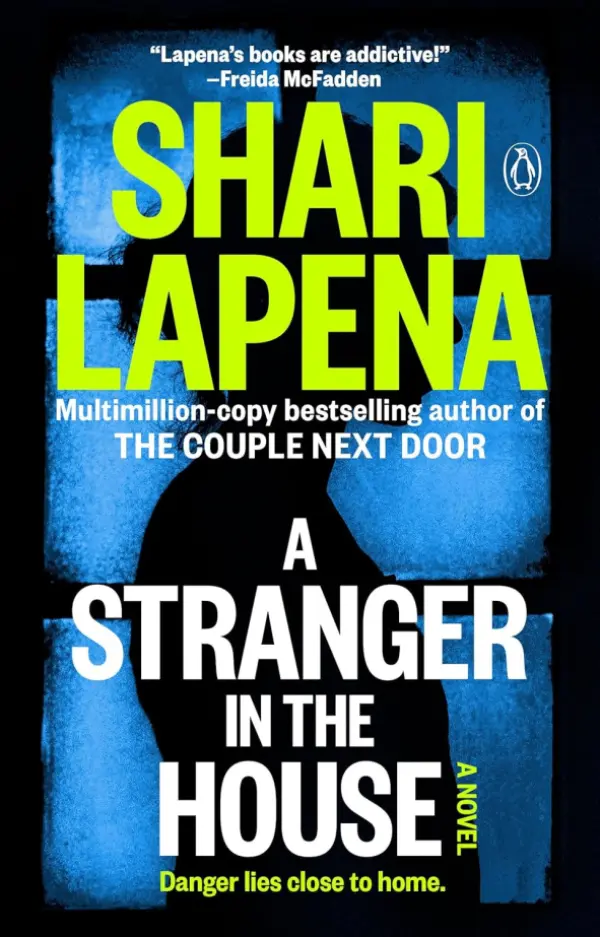
Shari Lapena
Average Goodreads rating3.7
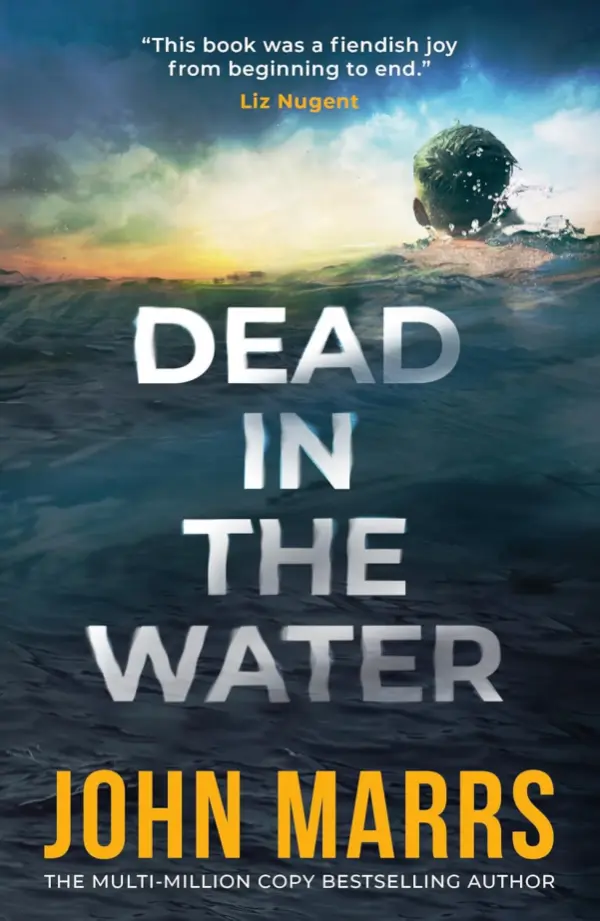
John Marrs
Average Goodreads rating3.9
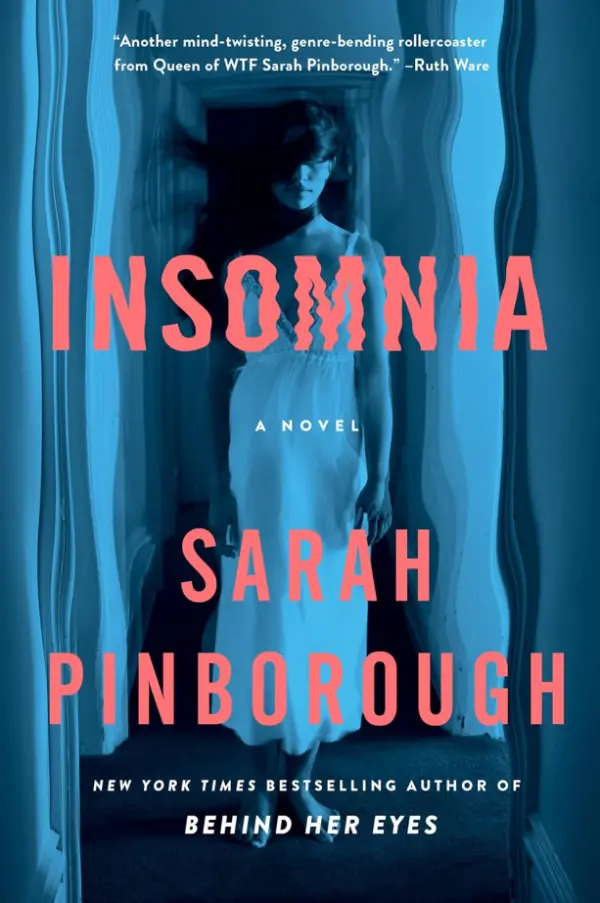
Sarah Pinborough
Average Goodreads rating3.7
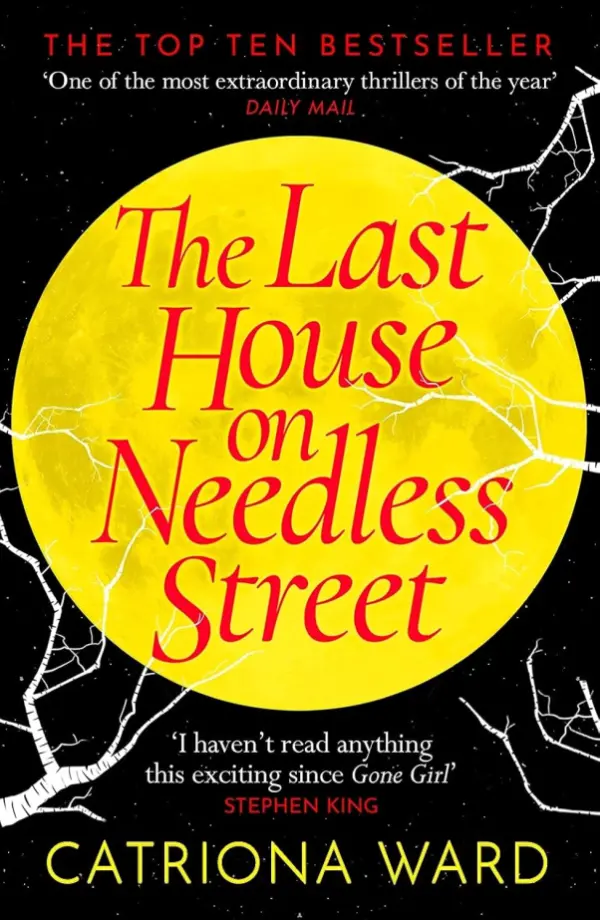
Catriona Ward
Average Goodreads rating3.9
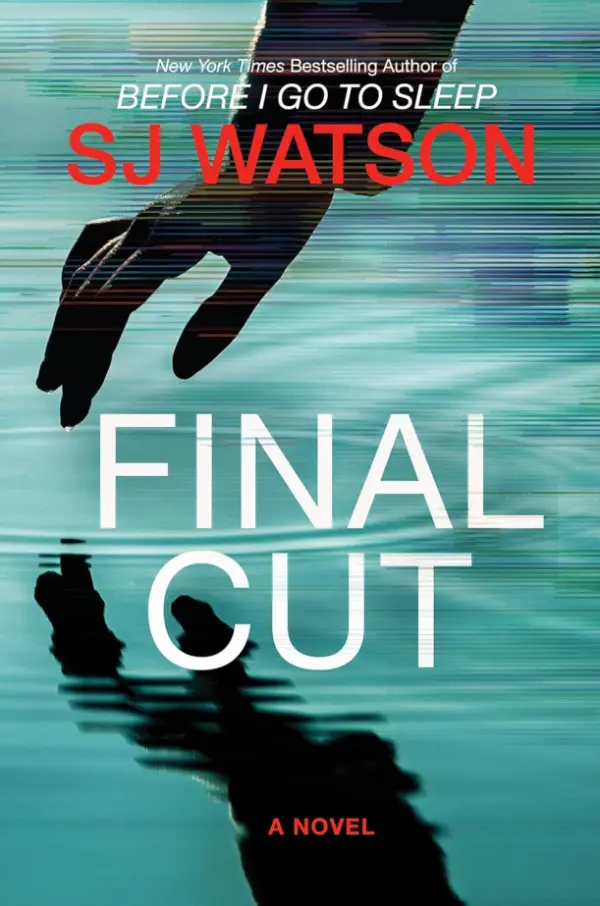
S. J. Watson
Average Goodreads rating3.1

J. P. Delaney
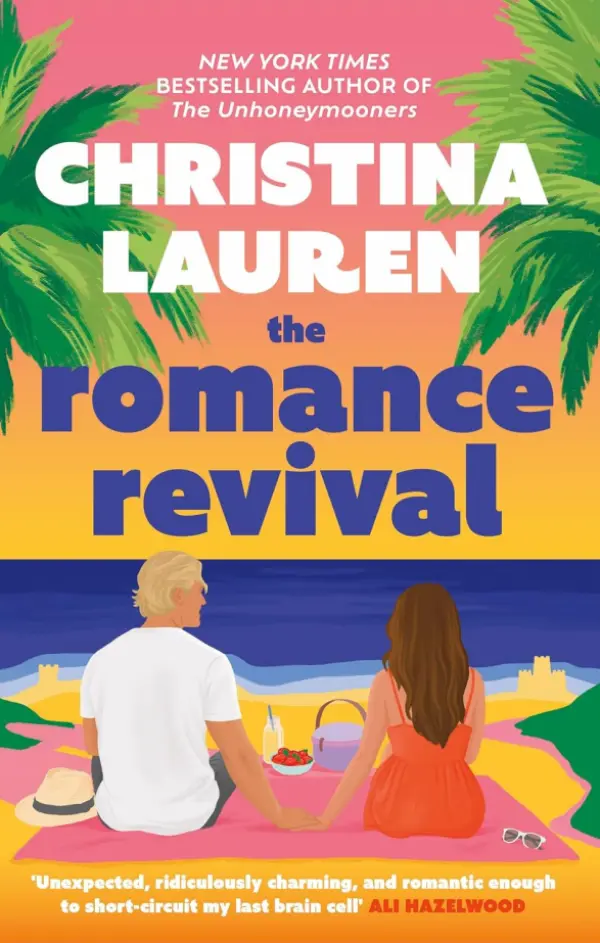
Christina Lauren
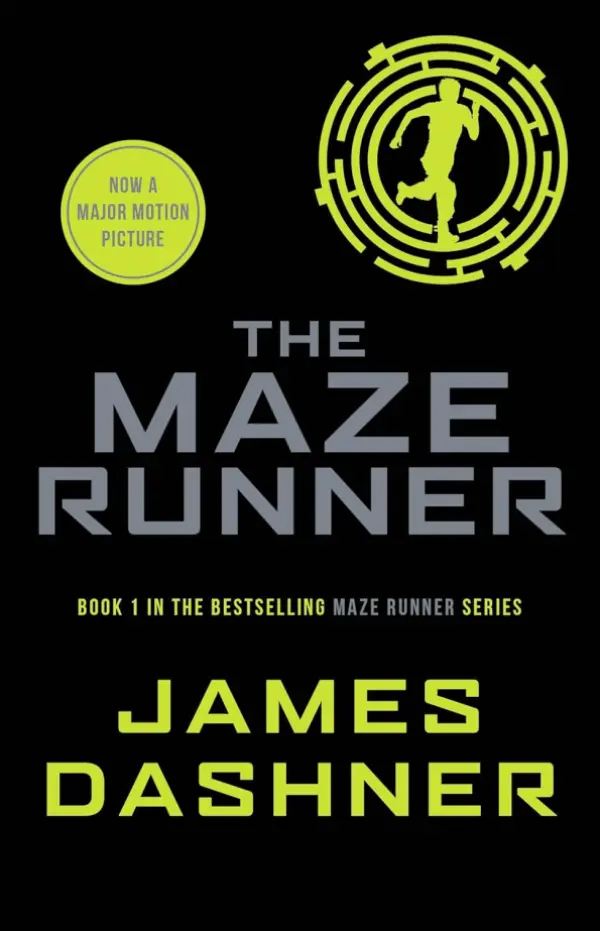
James Dashner
The Maze Runner, book 1
Average Goodreads rating4.5
Matched via its series
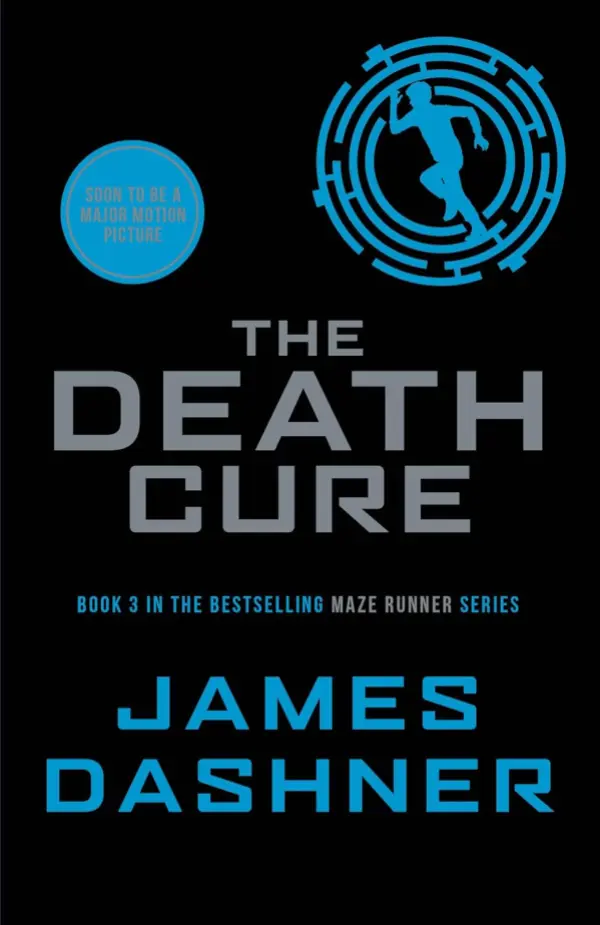
James Dashner
The Maze Runner, book 3
Average Goodreads rating4.4
Matched via its series

James Dashner
The Maze Runner, book 2
Average Goodreads rating4.4
Matched via its series
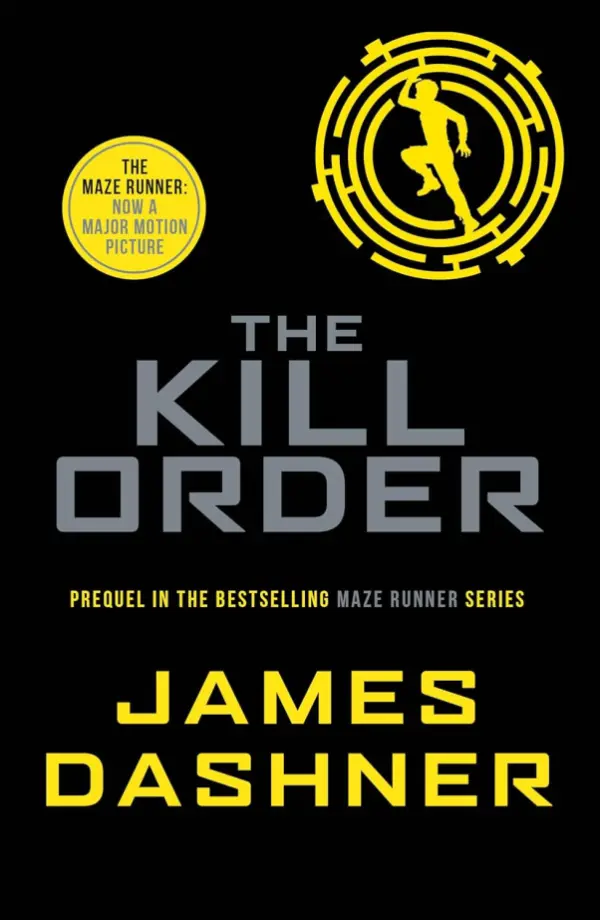
James Dashner
The Maze Runner, book 4
Average Goodreads rating4.4
Matched via its series
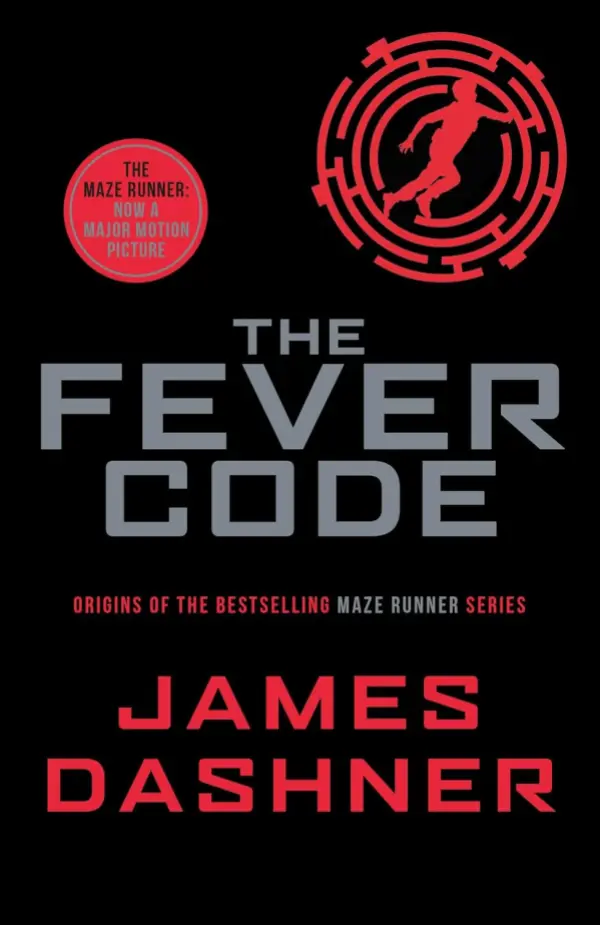
James Dashner
The Maze Runner, book 5
Average Goodreads rating4.7
Matched via its series
Tropes that share the most books with Memory Loss
A character wakes up — or simply realises — that a portion of their life is gone. Not misplaced, not fuzzy, but genuinely absent. The memory loss trope places its protagonist in the peculiar position of being a stranger to their own history, and that single dramatic premise ripples outward into almost every corner of a story: identity, relationships, loyalty, grief, and the question of whether who we are is something we carry inside us or something other people hand back to us.
Readers are drawn to it precisely because it strips a character bare. Without their past, they have no defences, no established habits of thought, no predetermined allegiances. They see the world — and the people in it — with an unsettling freshness. That's compelling to read about.
The emotional engine isn't the amnesia itself. It's the gap between what a character was and what they now are — and the slow, often painful process of those two selves colliding. Other characters know things the protagonist doesn't, which instantly creates a power imbalance. Someone might be hiding information. Someone might be rewriting what really happened. Trust becomes the central question of every scene.
In romance, memory loss raises the stakes to an almost unbearable degree. Imagine falling for someone, only to discover they already fell for you — once — under entirely different circumstances. The first love has to be rebuilt, renegotiated, sometimes grieved. It's not a clean slate so much as a palimpsest, with the old feelings showing through underneath.
In fantasy and speculative fiction, the trope gets to ask bigger questions still. What if the memories were taken deliberately? What if the protagonist was someone dangerous, someone complicit in terrible things, and the forgetting was a mercy — or a punishment? The genre's elasticity means memory loss can serve as a mystery, a weapon, or a form of magic entirely.
Selective amnesia focuses the loss on one specific period or person, which tends to produce tightly wound, psychologically intense plots. Total amnesia — a complete blank — allows a full reconstruction of character, and often reads more like a dual identity story than a straightforward recovery narrative.
There's also the version where the reader knows more than the character does from the start. We see the clues the amnesiac misses, we recognise the faces they don't, and that creates a particular kind of dramatic irony that can be agonising in the best possible way. Contrast this with the unreliable narrator approach, where neither the character nor the reader can be entirely sure which memories, once recovered, are genuine.
And then there's repressed or suppressed memory — not amnesia in the clinical sense, but trauma that has buried itself. This variant tends to sit at the darker, more literary end of the spectrum, where recovery isn't triumphant so much as complicated.
Both genres are fundamentally about transformation, and memory loss accelerates that transformation to its most concentrated form. In fantasy, it often functions as the inciting wound that sets a quest in motion — find out who you were, find out what you did, find out who took it from you. In romance, it forces characters to choose each other again, consciously, without the shortcut of shared history. That second choice, made in full knowledge of what love costs, tends to hit harder than the first.
Readers who love this trope tend to be the same readers who dog-ear the pages where a character finally remembers something, or finally decides it doesn't matter. Because sometimes the most interesting stories aren't about getting your memories back. They're about deciding what to do when you can't.
Occasional emails with new recommendations, series news and trope round-ups.