The Hunger Games
Suzanne Collins
Hunger Games, book 1
Average Goodreads rating4.7

· Updated
Discover 12 heart-pounding books featuring deadly games and brutal trials where characters must fight, outwit, and survive against impossible odds. Perfect for fans of high-stakes tension and moral dilemmas.
There's something irresistibly compelling about stories where characters are forced into deadly competitions with their lives on the line. The deadly game trials trope taps into our most primal fears and fascinations - the will to survive, the choices we'd make under extreme pressure, and the question of how far we'd go to live another day. These aren't just action sequences; they're psychological pressure cookers that reveal character, test morality, and keep readers frantically turning pages to see who survives.
The best deadly game novels don't just deliver violence and suspense - they explore what happens to humanity when civilisation's rules are stripped away and survival becomes paramount. They force characters into impossible moral dilemmas, create alliances built on desperation rather than trust, and ask uncomfortable questions about entertainment, power, and the value of human life. Whether the games are orchestrated by corrupt governments, sadistic gamemakers, or ancient magic, they provide the ultimate test of character under fire.
We've gathered twelve gripping novels and series that showcase the deadly game trope at its finest. From dystopian arenas to supernatural trials, from voluntary contestants seeking glory to unwilling participants fighting for freedom, these books offer diverse takes on the same terrifying premise: play the game or die. Some are YA classics that launched the modern boom in deadly competition fiction, whilst others are adult thrillers that push boundaries further. All of them will have you holding your breath, questioning your own survival instincts, and compulsively reading to discover who makes it out alive.
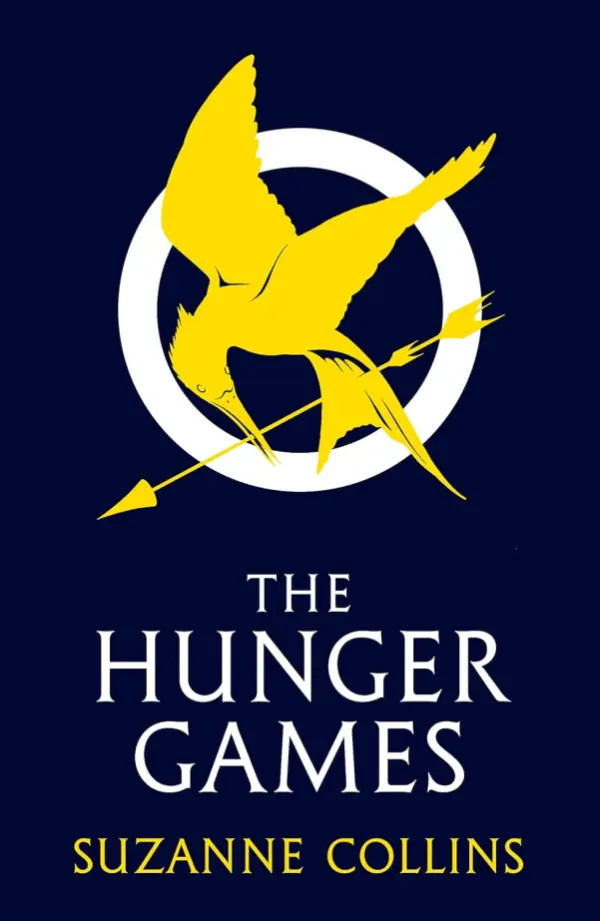
Suzanne Collins's The Hunger Games needs little introduction - it's the book that defined the modern deadly game genre for an entire generation. Set in the dystopian nation of Panem, the story follows sixteen-year-old Katniss Everdeen, who volunteers to take her younger sister's place in the annual Hunger Games: a televised fight to the death between twenty-four teenagers, one boy and one girl from each of the twelve districts.
This trilogy is the quintessential deadly game read because Collins doesn't just focus on the arena violence - she explores the psychological manipulation, the performance required to win sponsors, and the ways authoritarian governments use entertainment to control oppressed populations. Katniss must navigate not only physical threats but also the cameras constantly watching her, turning survival into spectacle. The love triangle isn't just romance; it's strategy, with Katniss unsure of her own feelings whilst performing for an audience that demands emotion.
Collins excels at showing the cost of survival. Katniss doesn't emerge from the Games triumphant and whole; she's traumatised, haunted by those she killed or failed to save, and thrust into a rebellion she never asked to lead. The sequels expand beyond the arena to explore revolution, propaganda, and whether the rebels fighting tyranny might become tyrants themselves. The books tackle PTSD, survivor's guilt, and the impossibility of returning to normal life after experiencing extreme trauma.
What makes this series essential reading for deadly game fans is how it balances breakneck pacing with genuine emotional depth. The arena scenes are tense and creative, with environmental hazards and mutations adding to the human threats. But Collins never lets readers forget that these are children being murdered for entertainment, and that Katniss's every choice comes with unbearable weight. The series launched countless imitators, but few have matched its combination of action, political commentary, and psychological nuance.
Hunger Games (Book 1)
The Hunger Games by Suzanne Collins is a dystopian survival novel where televised violence, propaganda, and power collide as one girl fights to stay alive.
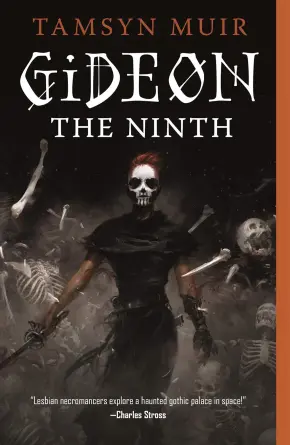
Tamsyn Muir's Gideon the Ninth introduces Gideon Nav, a swordswoman desperate to escape her life of servitude in the death cult of the Ninth House. Her childhood nemesis Harrowhark Nonagesimus, the Ninth's powerful necromancer, makes Gideon an offer: serve as her cavalier in the Emperor's trial, and win her freedom. The Emperor has summoned the heirs of all nine Houses to compete in a deadly trial of wits and skill at Canaan House, a decaying Gothic mansion, where they must unlock the secrets of Lyctorhood to become immortal servants. With over 182,000 Goodreads ratings, Hugo and Nebula nominations, and massive cult following, this "lesbian necromancers in space" phenomenon redefined science fantasy.
This is brilliant deadly game material because Muir blends competition structure with locked-room mystery. The Houses must solve elaborate puzzles involving necromancy, ancient secrets, and collaborative challenges to discover how to become Lyctors. But when contestants start dying mysteriously, it becomes unclear whether the trial itself is deadly or if someone is hunting the others. The isolated Canaan House setting - a crumbling Gothic mansion filled with laboratories, libraries, and hidden chambers - creates claustrophobic tension where escape is impossible and trust is dangerous.
What makes this exceptional is how Muir subverts typical deadly game dynamics. This isn't about combat prowess - it's about solving complex necromantic puzzles that require pairs (necromancer and cavalier) to work together. Gideon and Harrowhark's enemies-to-lovers dynamic unfolds against the mystery, with their mutual loathing gradually transforming as they're forced to truly collaborate for the first time. The other House pairs are fully realised characters with distinct personalities, magic specialities, and motivations, making the deaths genuinely impactful rather than just eliminations.
Muir's writing is wickedly funny, mixing Gideon's irreverent contemporary voice ("We do bones, motherfucker") with Gothic atmosphere and genuine horror. The necromancy system is intricate and bone-based (literally), whilst the space opera setting adds science fiction elements to the fantasy competition. The ending delivers devastating emotional gut-punches alongside plot revelations that recontextualise everything. The series continues with Harrow the Ninth and Nona the Ninth, expanding far beyond the initial trial. For readers who want deadly game fiction that's also Gothic mystery, enemies-to-lovers romance, darkly funny, and utterly unique - mixing swords, skeletons, science fiction, and sapphic yearning - this is unlike anything else and absolutely unforgettable.
by Tamsyn Muir
The Locked Tomb Series (Book 1)
Gideon the Ninth by Tamsyn Muir is a genre-bending tale of necromancy, swordplay, and dark humour, set in a deadly contest within a decaying space empire.
Stephen King's The Running Man, written under his Richard Bachman pseudonym, presents a dystopian America where desperate people compete in deadly game shows for prize money. Ben Richards, with his daughter dying from illness his family can't afford to treat, volunteers for the most dangerous show: The Running Man, where contestants flee across the country whilst Hunters and the general public try to kill them. Survival for thirty days wins the jackpot; most contestants die within hours.
This 1982 novel predicted reality television's evolution with disturbing prescience, imagining a society where the poor provide bloody entertainment for the masses and desperate economic circumstances force people into life-threatening situations for corporate profit. King doesn't just critique the game shows themselves but the economic system that creates them, where healthcare is unaffordable, unemployment is rampant, and dying on television becomes a rational choice for feeding your family.
Unlike arena-based game stories, The Running Man is a breathless chase across America, with Richards using intelligence and ruthlessness to survive beyond anyone's expectations. King excels at making Richards simultaneously sympathetic and morally compromised - he's fighting for his family's survival, but his methods include threatening innocents and manipulating people's kindness. The general public's participation in hunting him reveals how easily ordinary people become complicit in atrocity when offered rewards and framed as heroes.
The ending is spectacular and unforgettable, delivering precisely the kind of desperate, violent catharsis the book has been building towards. King's prose is lean and propulsive, stripped of his usual ornate descriptions in favour of relentless forward momentum that mirrors Richards's flight. For readers who want their deadly games to double as savage social commentary about class warfare, media manipulation, and capitalism's death drive, this is King at his most politically furious and narratively intense.
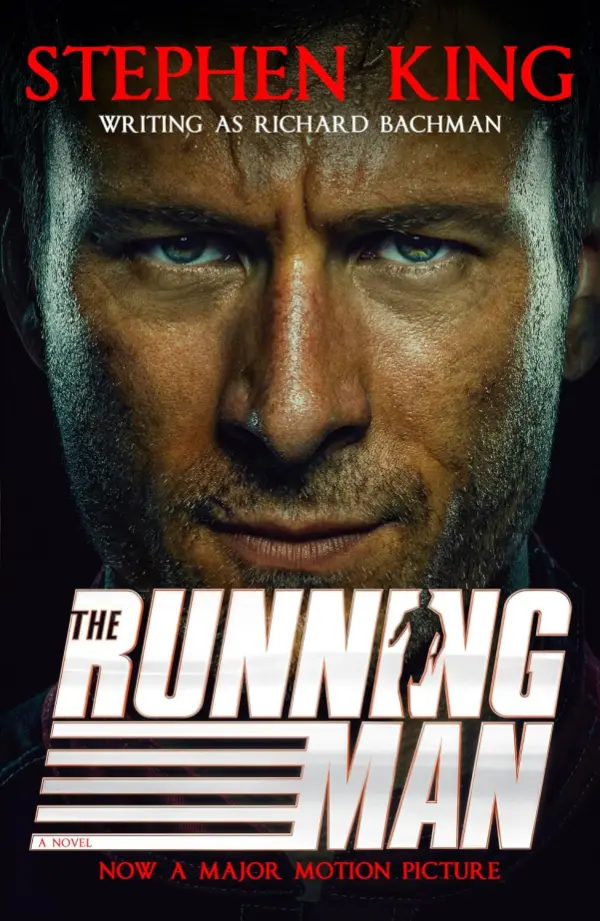
by Richard Bachman and Stephen King
The Running Man by Richard Bachman (Stephen King) follows Ben Richards, a desperate man who joins a deadly game show where contestants are hunted for public entertainment. This dystopian thriller explores class warfare, media manipulation, and survival.
Carissa Broadbent's The Serpent and the Wings of Night introduces Oraya, a human adopted and raised by the vampire king in a world where humans are prey. To prove herself in a society that views her as inferior and weak, Oraya enters the Kejari - a legendary tournament held every century where vampire warriors compete in brutal trials for a prize of unimaginable power. Her only chance at survival is an alliance with Raihn, a mysterious rival contestant with his own dangerous agenda. With over 748,000 Goodreads ratings and explosive BookTok success, this dark romantasy became a phenomenon for its deadly competition and morally grey romance.
This is quintessential deadly game fiction set in a lush vampire fantasy world where the tournament is both political spectacle and genuine bloodsport. The Kejari trials test combat skills, strategic thinking, and magical ability across increasingly deadly challenges, with vampire contestants who possess supernatural speed, strength, and powers that Oraya, as a human, desperately lacks. Broadbent creates genuine tension around how Oraya can possibly survive against competitors who are faster, stronger, and designed to hunt humans like her. Her only advantages are her intelligence, years of training, and willingness to fight dirty.
The alliance between Oraya and Raihn provides the emotional core whilst adding layers of betrayal and trust to the competition. Both have secrets, both are using each other strategically, and both are playing longer games than the tournament itself. Broadbent excels at enemies-to-lovers romance that develops through shared danger, with Oraya and Raihn's banter masking genuine vulnerability and their growing feelings complicating their strategic partnership. The slow-burn romance unfolds alongside political machinations and reveals about the vampire world's power structures.
What makes this essential deadly game reading is how Broadbent balances the tournament structure with deeper world-building and character development. The Kejari isn't just a competition; it's a political tool, a religious rite, and a powder keg where old grudges and new alliances will reshape the vampire world. The trials themselves are creative and genuinely dangerous, with Broadbent not shying from graphic violence or the reality that most contestants won't survive. The duology continues with The Ashes and the Star-Cursed King, expanding beyond the tournament. For readers who want deadly game fiction with vampire fantasy world-building, enemies-to-lovers romance that burns slowly whilst characters fight for survival, and a human protagonist who refuses to accept her supposed weakness, this is dark, romantic, and utterly addictive.
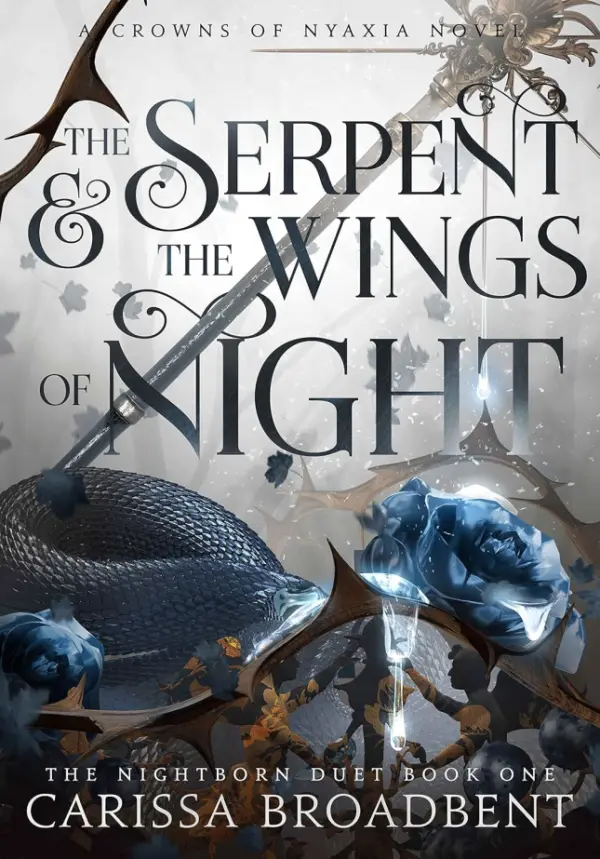
Crowns of Nyaxia (Book 1)
The Serpent and the Wings of Night by Carissa Broadbent is a dark romantasy of deadly trials, vampiric courts, and slow-burn love where survival demands sacrifice.
Kaylie Smith's Phantasma follows Ophelia, a young woman competing in the deadly Phantasma contest - a supernatural competition held within a sentient, malevolent manor that kills most who enter. Desperate to save her sister from a curse, Ophelia must survive seven days of the manor's twisted trials alongside other contestants, including the dangerously attractive Blackwell, who has his own dark reasons for entering. With over 311,000 Goodreads ratings and massive BookTok success, this dark romantasy became a sensation for its deadly atmosphere and morally grey romance.
This is perfect deadly game material because Smith creates a genuinely terrifying setting - the manor itself is the antagonist, a living entity that feeds on fear and death. The trials aren't organised by human gamemakers but by supernatural forces, making them unpredictable and nightmarish. Smith blends Gothic horror with competition stakes, creating an atmosphere of constant dread where the walls themselves might kill you. The seven-day structure creates urgency whilst allowing Smith to develop complex relationships between contestants who must decide whether to trust each other or compete.
What distinguishes this from typical deadly game fiction is the romance that develops under impossible circumstances. Ophelia and Blackwell's enemies-to-lovers dynamic unfolds whilst they're literally fighting for survival, with their growing feelings complicated by the knowledge that only one person typically survives Phantasma. Smith doesn't shy from dark content - the manor's trials are genuinely disturbing, the deaths brutal, and the moral compromises necessary for survival weighty. The supernatural elements add unpredictability that pure human-organised competitions lack.
Smith's prose is atmospheric and immersive, making the manor feel claustrophobic and alive. Ophelia is a compelling protagonist driven by desperate love for her sister rather than personal glory, giving her choices emotional weight beyond simple survival. The revelation of the manor's true nature and Blackwell's secrets provides satisfying twists. For readers who want their deadly game fiction blended with dark romance, Gothic horror, and supernatural threats where the arena itself is malevolent, this is addictive and deliciously dark - proof that the trope can incorporate romantic elements without losing its edge.
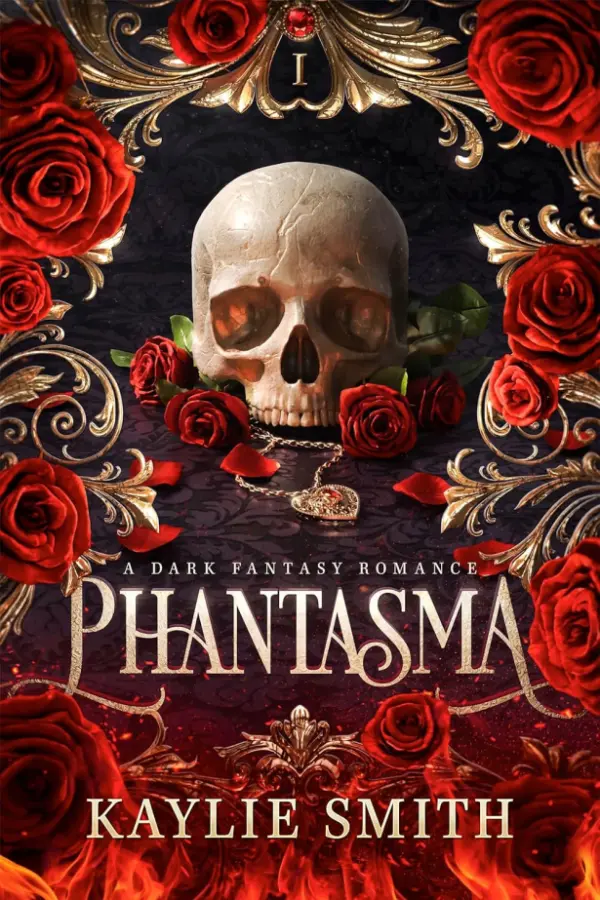
by Kaylie Smith
Wicked Games (Book 1)
Phantasma by Kaylie Smith is a gothic fantasy romance of dark magic, obsession, and slow-burn desire, where love becomes as dangerous as the supernatural.
Pierce Brown's Red Rising transplants the deadly game structure into space opera, following Darrow, a Red (the lowest caste in a colour-coded society) who infiltrates the elite Golds by posing as one of them at their brutal Institute. There, hundreds of Gold teenagers are divided into houses and dropped into a massive arena where they must conquer territory, form alliances, and eliminate rivals to prove themselves worthy of power and leadership.
This series elevates the deadly game trope by making the competition just the first book's focus, then expanding into epic rebellion and interplanetary warfare. But that first Institute section delivers everything fans want from game fiction: strategic alliances, brutal combat, psychological manipulation, and a protagonist who must hide his true identity whilst trying to survive. Brown adds Roman and Greek influences, with houses named after gods and military tactics inspired by ancient warfare.
Darrow is a compelling protagonist because he enters the Games with revolutionary purpose beyond mere survival. He's not just trying to win; he's gathering intelligence, making connections, and learning how the oppressor class thinks so he can eventually tear down the system. This adds ideological stakes to physical ones - every choice Darrow makes serves either his immediate survival or his long-term mission, and sometimes those goals conflict. Brown doesn't shy from showing how revolution requires Darrow to become someone darker and more ruthless than he started.
The worldbuilding is expansive, the combat creative and visceral, and the politics genuinely complex as the series progresses beyond the Institute into larger rebellion. Brown's prose is muscular and propulsive, with Darrow's first-person narration dripping with rage, determination, and occasional dark humour. For readers who want their deadly games embedded in larger science fiction epics, with Roman-inspired warfare and themes of class revolution, this series delivers spectacularly.

by Pierce Brown
Red Rising (Book 1)
Red Rising by Pierce Brown is a gripping sci-fi adventure about Darrow, a lowborn miner who infiltrates the ruling elite to challenge a brutal hierarchy and spark a revolution in a futuristic, oppressive society.
James Dashner's The Maze Runner begins with Thomas waking in a metal lift with no memories, arriving in the Glade - a large open area surrounded by massive stone walls. He joins dozens of other teenage boys who've been trapped there for years, and learns they're at the centre of a gigantic maze that changes configuration nightly, filled with deadly mechanical creatures called Grievers. The boys must solve the maze to escape, but previous attempts have ended in death.
This YA series offers a variation on the deadly game trope by making the competition less about players killing each other and more about collaborative survival against an external threat and unsolvable puzzle. The tension comes from the maze's dangers, the mystery of who built it and why, and the boys' desperation to escape before they're driven mad by confinement. The arrival of Teresa, the first girl, with a message that she's "the last one ever," escalates the urgency and begins revealing the larger conspiracy.
Dashner excels at creating claustrophobic dread and maintaining mystery across the trilogy. The Gladers have developed their own society with rules and hierarchy, but Thomas's arrival disrupts everything as he proves strangely capable at running the maze. The memory loss adds paranoia - who can be trusted when no one knows their own past? The revelation that this is all an elaborate experiment by an organisation called WICKED recontextualises the entire story, showing the game is about studying responses rather than entertainment.
The sequels expand into a post-apocalyptic world ravaged by solar flares and a disease called the Flare, with the teens discovering they're part of larger trials testing their immunity. The series becomes a paranoid thriller about government experimentation and the ethics of sacrificing few to save many. For readers who prefer their deadly games to emphasise puzzle-solving and conspiracy over direct combat, this delivers sustained tension and genuinely surprising reveals.
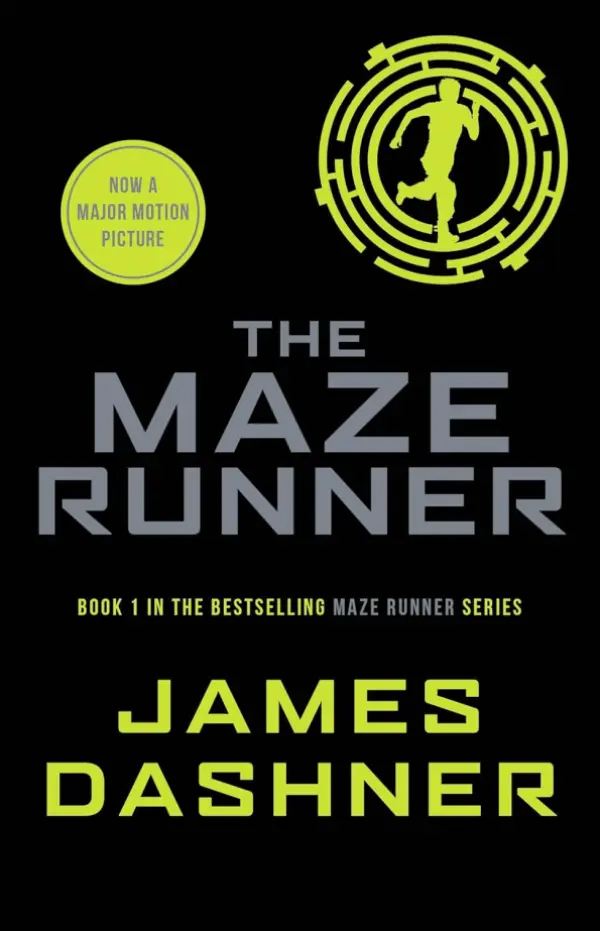
The Maze Runner (Book 1)
The Maze Runner by James Dashner is a dystopian survival novel where memoryless teens must escape a deadly maze controlled by unseen forces.
Veronica Roth's Divergent presents a post-war Chicago divided into five factions based on virtues: Candor (honesty), Abnegation (selflessness), Dauntless (bravery), Amity (peacefulness), and Erudite (intelligence). Sixteen-year-old Tris leaves her Abnegation family to join Dauntless, where she must survive brutal initiation that will eliminate the weakest candidates - either sending them to live faction-less (society's outcasts) or killing them in training accidents.
The Dauntless initiation provides the deadly game element, with physical fights, fear simulations, and ranking systems that pit initiates against each other. Only a limited number can officially join the faction, meaning every competition is zero-sum - your success requires someone else's failure. Roth adds psychological complexity through Tris's Divergence (testing equal aptitude for multiple factions), which makes her dangerous to the faction system and forces her to hide her true nature whilst training.
What distinguishes this from pure deadly game fiction is how the training serves larger world-building and political purposes. The faction system itself is the real antagonist, with the initiation revealing how maintaining rigid social categories requires violence and dehumanisation. Tris's instructors Four and Eric represent different philosophies of Dauntless - protection versus domination - and their conflict mirrors larger tensions brewing between factions.
The trilogy expands beyond the compound into examination of governmental control, genetic experimentation, and whether humanity can be divided into simple categories. The romance between Tris and Four develops alongside the action rather than replacing it, with both characters maintaining agency and importance to the plot. For readers who want deadly game elements embedded in dystopian world-building with strong romantic subplots and themes about identity and social control, this delivers - though be aware the series becomes increasingly controversial in later books.
Orson Scott Card's Ender's Game follows brilliant child Andrew "Ender" Wiggin, recruited into Battle School - an orbiting military academy training children to defend Earth from an alien invasion. Battle School's centrepiece is the Battle Room, a zero-gravity arena where army teams compete in strategic games that determine rankings and advancement. Ender must navigate not just the games themselves but also bullying, adult manipulation, and increasing pressure as he's groomed for command.
This Hugo and Nebula Award winner cleverly disguises its deadly game structure until the devastating final revelation recontextualises everything Ender has experienced. The Battle Room competitions appear non-lethal, focused on tactics and leadership rather than survival, making this appropriate for younger readers whilst still delivering intense strategic competition. Card excels at showing how Ender wins not through superior force but through innovative thinking - turning the rules sideways, finding solutions adults didn't anticipate.
The psychological manipulation Ender endures is where the story's darker edges emerge. The adults running Battle School deliberately isolate him, pit him against overwhelming odds, and push him towards emotional breakdown - all supposedly to forge the perfect commander. Card raises uncomfortable questions about child soldiers, whether the end justifies the means, and the cost of turning children into weapons. Ender's loneliness and his desperate desire for adult approval despite understanding he's being used create genuine pathos.
The final revelation - that Ender's "simulations" were actually real battles commanding real soldiers - transforms the story from military SF into tragedy about innocence destroyed by adult manipulation and warfare's dehumanising nature. For readers who want their deadly games embedded in thoughtful science fiction exploring military ethics, child soldiers, and the psychology of violence, this is essential reading. Just be aware of controversies surrounding Card's personal views when recommending.
Stephen King's The Long Walk, another Richard Bachman novel, presents perhaps the simplest yet most psychologically gruelling deadly game: one hundred teenage boys begin walking at precisely four miles per hour along a route from Maine towards the Canadian border. If a walker drops below pace for thirty seconds, he receives a warning. Three warnings, and soldiers shoot him dead. The walk continues until only one survives, winning anything he desires for life.
This minimalist premise creates maximalist psychological horror. There's no arena, no weapons, no active competition between walkers - just the relentless requirement to keep moving despite exhaustion, injury, and watching your companions die around you. King explores how extreme endurance affects the mind: hallucinations, loss of time sense, the dissociative state required to watch people you've befriended for days suddenly collapse and die beside you whilst you keep walking.
The genius is how the boys form camaraderie despite knowing only one can survive. They share food, tell stories, support each other through crises - even though every walker eliminated improves the others' odds. This creates constant moral tension between human decency and survival instinct. Some boys maintain humanity until the end; others become monsters; most oscillate between both as exhaustion destroys their mental filters.
King uses the walk as metaphor for adolescence itself - the pressure to keep pace, to not fall behind, to maintain appearances whilst your body and mind betray you. The Crowd (spectators lining the route) represent society watching youth struggle, alternately cheering and pitying but never intervening. The Major, who orchestrates the walk, remains enigmatic - is he villain or simply administrator of a system he didn't create? For readers who want deadly game fiction stripped to its psychological essence, where the enemy is primarily exhaustion and your own breaking mind, this is haunting and unforgettable.
Dhonielle Clayton's The Belles presents the island of Orléans, where people are born grey and damned - only the Belles possess the power to make them beautiful through temporary transformations using their blood-based magic. Camellia Beauregard competes with her Belle sisters to become the Queen's favourite, winner of the highest honour and most prestigious position - but discovers the competition's true stakes are far deadlier than she imagined.
This YA fantasy offers a unique take on deadly competition by making the game's nature initially unclear. The Belles believe they're competing for status and the chance to serve royalty, not realising how expendable they are to the system exploiting them. Clayton uses beauty as currency and weapon, exploring how societies commodify and consume young women's bodies. The magic system - where creating beauty literally drains the Belles' health - serves as metaphor for how beauty standards damage women.
The worldbuilding is lush and decadent, with Orléans resembling an alternate France obsessed with appearance and transformation. But beneath the gorgeous surface lies rot: a monarchy desperate to maintain power, a magic system that treats young women as renewable resources, and beauty rituals that range from indulgent to grotesque. Camellia's journey from excited competitor to revolutionary involves discovering that the deadly game is larger and crueller than the competition between Belles.
Clayton doesn't shy from the body horror inherent in her premise. Transformations can go wrong; clients make extreme demands; the pressure to satisfy increasingly disturbing requests reveals how beauty culture dehumanises both practitioner and client. The series (continued in The Everlasting Rose) expands into themes about autonomy, consent, and resistance against systems built on exploiting young women's labour. For readers who want their deadly games to centre female experiences and use fantasy to critique real beauty culture's damages, this is gorgeous, dark, and thought-provoking.
Neal Shusterman's Scythe presents a post-mortality world where humanity has conquered death - disease cured, ageing reversed, and even violent deaths temporary through revival technology. To prevent overpopulation, the Scythedom was created: an organisation of trained killers who "glean" (permanently kill) a quota of citizens. Teenagers Citra and Rowan are apprenticed to Scythe Faraday and told that only one will earn their scythe - and the other must be their first gleaning.
This offers a brilliant inversion of typical deadly game dynamics. Citra and Rowan don't want to compete, don't want to kill each other, and actively try to find ways around the competition's apparent rules. Their growing friendship and attraction makes the stakes more painful - they're not enemies forced to ally but potential friends forced into opposition. Shusterman explores what happens when the deadly game's participants refuse the roles assigned them.
The worldbuilding is fascinating, examining what humanity becomes when death is conquered. Without mortality's urgency, people grow complacent; without death's equality, the Scythedom wields terrifying power. Shusterman divides scythes into philosophies: some glean mercifully and randomly, honouring life; others revel in cruelty and spectacle. The Scythedom's internal politics - particularly the conflict between old-guard scythes who remember death's value and newer scythes who view gleaning as power - provides rich thematic material.
The series (continuing through Thunderhead and The Toll) expands into examination of AI governance, corruption's nature, and whether humanity needs death to value life. Each book opens chapters with journal entries from various scythes, providing multiple perspectives on their philosophy and practice. For readers who want deadly competition embedded in thoughtful speculative fiction about mortality, power, and ethics - and who appreciate protagonists who resist rather than embrace their assigned roles - this is smart, propulsive, and emotionally resonant.

Arc of a Scythe (Book 1)
Scythe by Neal Shusterman is a dystopian YA novel where death is controlled by Scythes in a world without natural death. It follows Citra and Rowan as they navigate morality, power, and survival in a high-stakes, thought-provoking society.
These twelve books showcase the deadly game trope's versatility and enduring appeal. Whether you're drawn to dystopian critique, psychological horror, strategic competition, or philosophical examination of survival's ethics, these stories offer white-knuckle tension alongside meaningful exploration of power, morality, and humanity under extreme pressure. They remind us that the best deadly game fiction isn't just about who survives - it's about what survival costs, who profits from the spectacle, and whether winning means anything when the game itself is rigged. So choose your poison, enter the arena, and prepare for stories that will keep you breathlessly turning pages until only one remains standing.
Suzanne Collins
Hunger Games, book 1
Average Goodreads rating4.7
Tamsyn Muir
The Locked Tomb Series, book 1
Average Goodreads rating4.5
Carissa Broadbent
Crowns of Nyaxia, book 1
Average Goodreads rating4.5
Pierce Brown
Red Rising, book 1
Average Goodreads rating4.5
Kaylie Smith
Wicked Games, book 1
Average Goodreads rating4.2
James Dashner
The Maze Runner, book 1
Average Goodreads rating4.5
Neal Shusterman
Arc of a Scythe, book 1
Average Goodreads rating4.5
Occasional emails with new recommendations, series news and trope round-ups.