Book 1
The Fifth Season
Average Goodreads rating4.4

Author · American
N. K. Jemisin is a groundbreaking American author who revolutionised fantasy literature with her award-winning Broken Earth trilogy. Known for innovative narratives, diverse worlds, and unflinching examination of oppression, power, and systemic injustice.
New to N. K. Jemisin? A popular place to start
Book 1 of The Broken Earth
The Fifth Season by N. K. Jemisin is a groundbreaking epic fantasy set in a world plagued by apocalyptic disasters, following powerful, persecuted individuals whose abilities may either save or destroy civilisation.
Picked from N. K. Jemisin’s most widely rated books on Goodreads, starting at the beginning of its series.
Retailer links may earn Trope Trove a commission, at no extra cost to you.
3 books in reading order
Book 1
Average Goodreads rating4.4

Book 2
Average Goodreads rating4.4

Book 3
Average Goodreads rating4.4
2 books in reading order

Book 1
Average Goodreads rating4.3

Book 2
Average Goodreads rating4.6
3 books in reading order

Book 1
Average Goodreads rating4.2

Book 2
Average Goodreads rating4.4

Book 3
Average Goodreads rating4.4
2 books in reading order

Book 1

Book 2
N. K. Jemisin stands as one of the most influential and decorated voices in contemporary speculative fiction. This American author has fundamentally reshaped what fantasy and science fiction can achieve, bringing literary sophistication, social consciousness, and innovative storytelling techniques to genre fiction whilst crafting narratives of breathtaking imagination and emotional power.
Jemisin made history by becoming the first author ever to win the Hugo Award for Best Novel three consecutive years for her Broken Earth trilogy. This unprecedented achievement recognised The Fifth Season, The Obelisk Gate, and The Stone Sky - a masterwork that follows Essun, a woman with earth-manipulating powers in a world of constant geological catastrophe. The trilogy employs second-person narration alongside multiple timelines, challenging readers whilst delivering a story about motherhood, survival, and the cost of oppression. Set on the Stillness, a supercontinent wracked by apocalyptic "Fifth Seasons", the series explores how societies built on exploitation inevitably collapse.
Before this triumph, Jemisin established her reputation with the Inheritance trilogy, beginning with The Hundred Thousand Kingdoms. This series subverts traditional epic fantasy by centring on enslaved gods, examining divine power structures and mortal politics through the eyes of Yeine, a young woman thrust into deadly court intrigue. The trilogy continued with The Broken Kingdoms and The Kingdom of Gods, each shifting perspective to explore different aspects of a world where gods walk among mortals.
Jemisin's Dreamblood duology - The Killing Moon and The Shadowed Sun - showcases her worldbuilding prowess through an Egyptian-inspired setting where priests harvest the magic of dreams. These novels explore themes of faith, corruption, and cultural imperialism whilst delivering tight plotting and memorable characters.
More recently, the Great Cities trilogy shifted to contemporary urban fantasy. Beginning with The City We Became, this series personifies New York City and its boroughs as living avatars defending against cosmic threats. The trilogy demonstrates Jemisin's versatility, blending Lovecraftian horror with celebration of urban diversity, gentrification commentary, and her signature examination of power dynamics.
What distinguishes Jemisin's work is her refusal to centre whiteness or European medieval settings in her fantasy worlds. She creates richly diverse cultures drawing from African, Asian, and Indigenous influences, proving that fantasy need not default to pseudo-European frameworks. Her characters span races, sexualities, gender identities, and abilities, reflecting the actual diversity of human experience.
Jemisin confronts oppression unflinchingly - slavery, genocide, systemic racism, and exploitation aren't backstory flavour but central examinations. She explores how power perpetuates itself, how the oppressed survive and resist, and what true freedom might cost. Her work challenges readers to question assumptions about heroism, civilisation, and whose stories deserve telling.
Beyond novels, Jemisin has written short fiction collected in How Long 'til Black Future Month?, contributes thoughtful essays on writing and society, and continues pushing genre boundaries. Her influence extends beyond her own work, inspiring a generation of writers to embrace ambitious, socially conscious speculative fiction.
For readers seeking fantasy and science fiction that combines stunning imagination with literary craft, that centres marginalised voices, and that challenges whilst entertaining, N. K. Jemisin represents essential, transformative reading.

Fonda Lee
The Green Bone Saga, book 1
Average Goodreads rating4.3

Fonda Lee
The Green Bone Saga, book 2
Average Goodreads rating4.3

Fonda Lee
The Green Bone Saga, book 3
Average Goodreads rating4.7

Shannon Chakraborty
The Daevabad Trilogy, book 1
Average Goodreads rating4.4

Robin Hobb
Liveship Traders Trilogy, book 1
Average Goodreads rating4.5

Brent Weeks
Lightbringer, book 1
Average Goodreads rating4.5
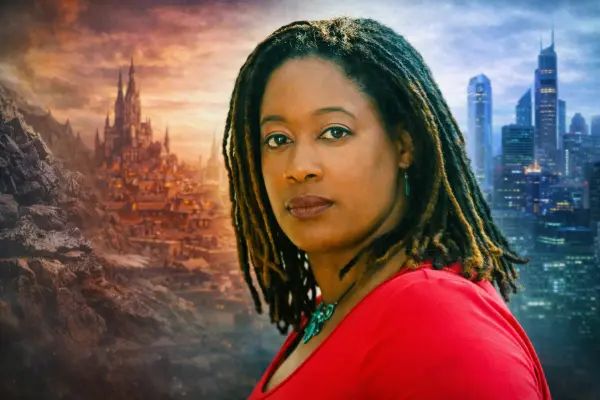
Three-time Hugo Award winner N.K. Jemisin revolutionized fantasy. Discover her epic series, standalone novels, common themes, and books for fans to read next.
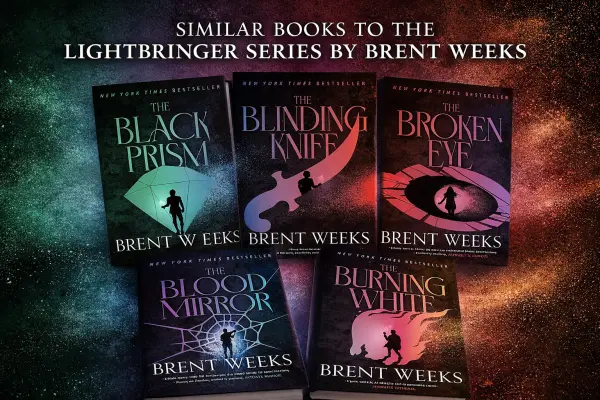
If you loved The Lightbringer series for its colour-based magic, political intrigue, and morally complex characters, these epic fantasy series deliver the same depth, twists, and high-stakes storytelling.
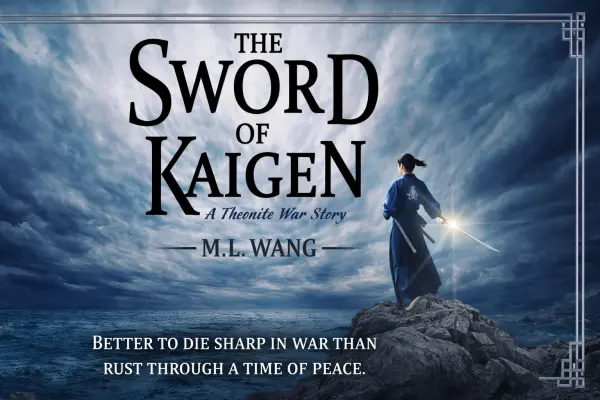
If The Sword of Kaigen shattered you with its blend of war, family, honour, and loss, these epic fantasy books deliver the same emotional devastation, cultural depth, and unforgettable character-driven storytelling.
Occasional emails with new recommendations, series news and trope round-ups.