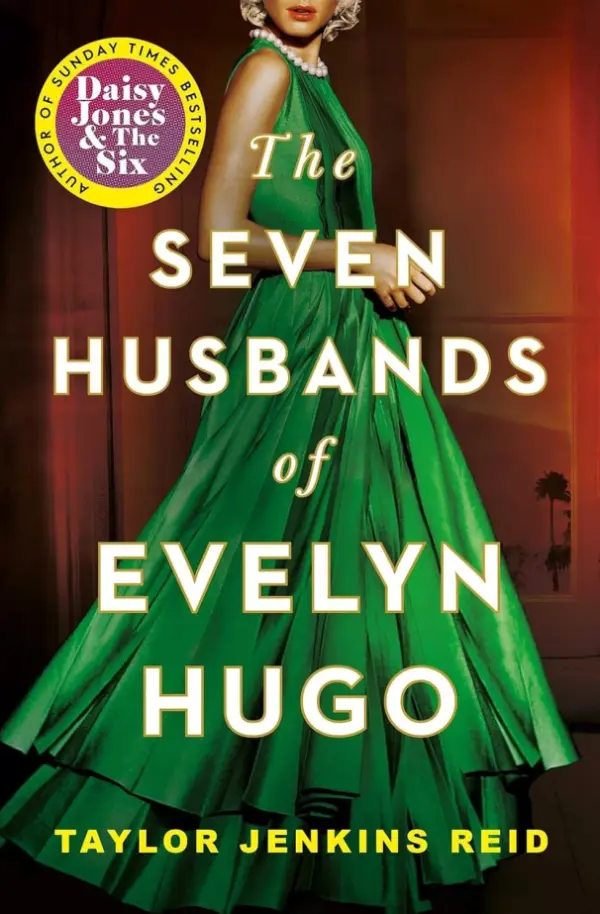
The Seven Husbands of Evelyn Hugo
Taylor Jenkins Reid
Average Goodreads rating4.6
- Chosen One
- Forbidden Romance

Book trope · 56 books
Someone is not who they appear to be. That's the engine at the heart of this trope, and it's been driving readers forward through pages at an alarming rate for centuries.
More about the Hidden Identity trope12 are tagged with Hidden Identity individually. The others belong to a series tagged with it, which doesn’t mean every book in it features the trope, so they’re marked “Matched via its series”.
Updating books…
56 books found
Taylor Jenkins Reid
Average Goodreads rating4.6
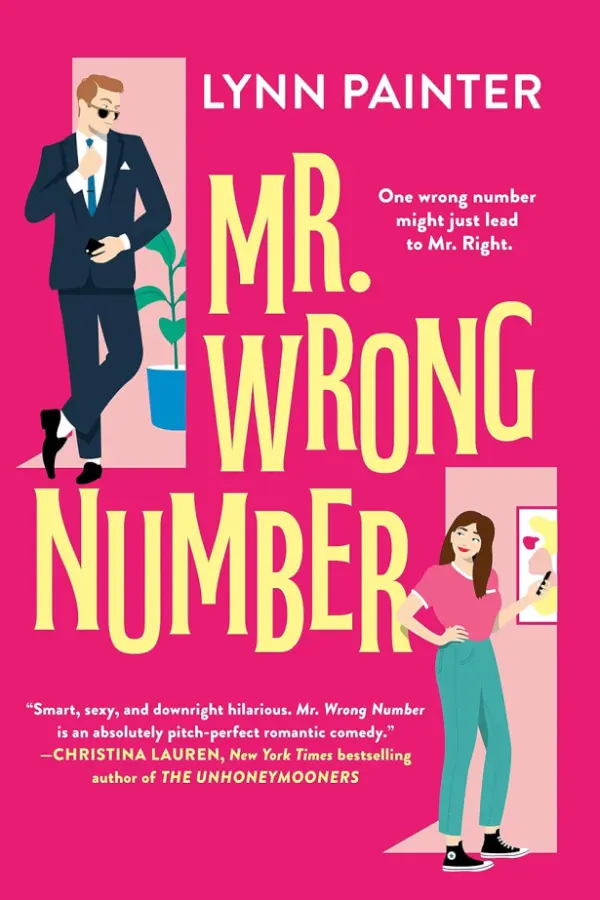
Lynn Painter
Average Goodreads rating3.7
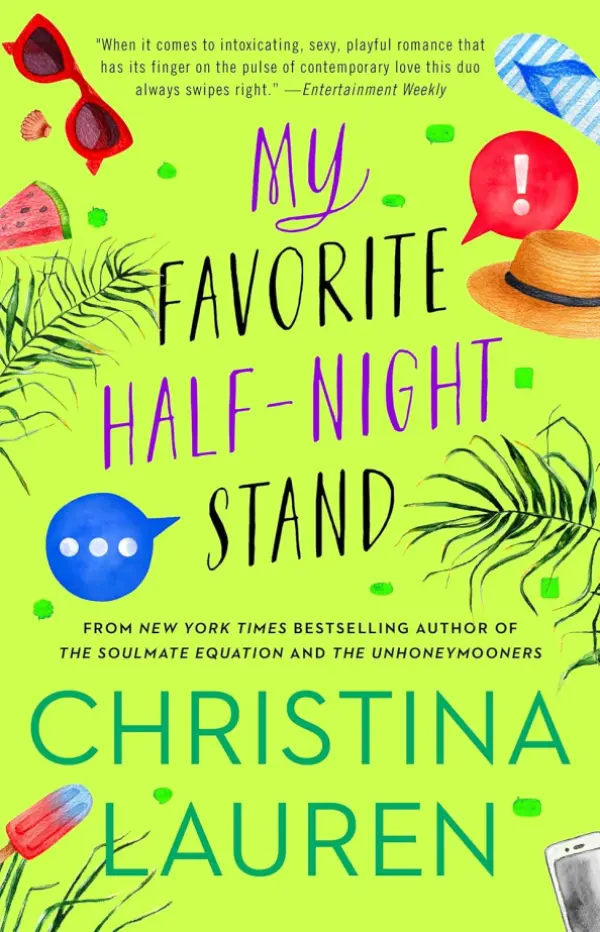
Christina Lauren
Average Goodreads rating3.7
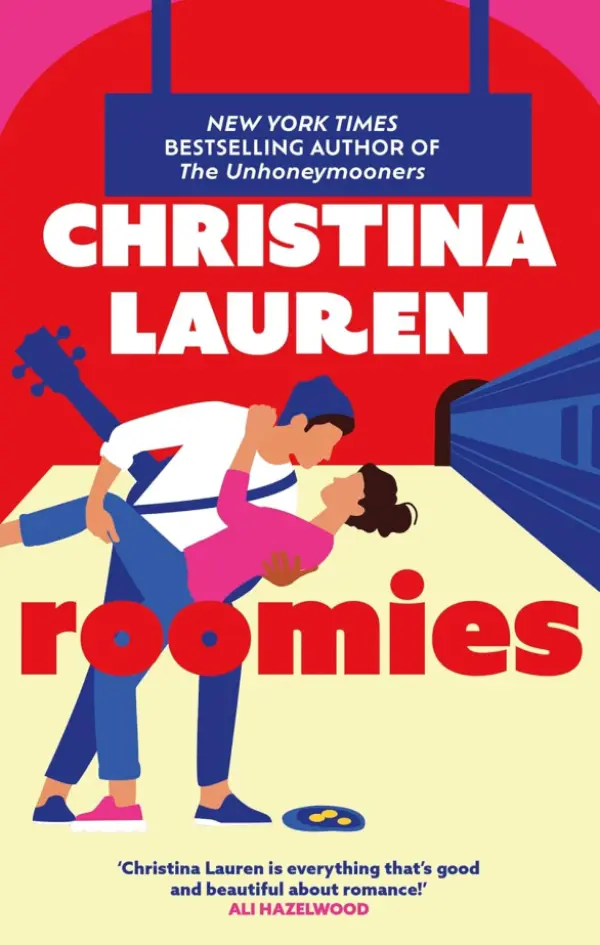
Christina Lauren
Average Goodreads rating3.7
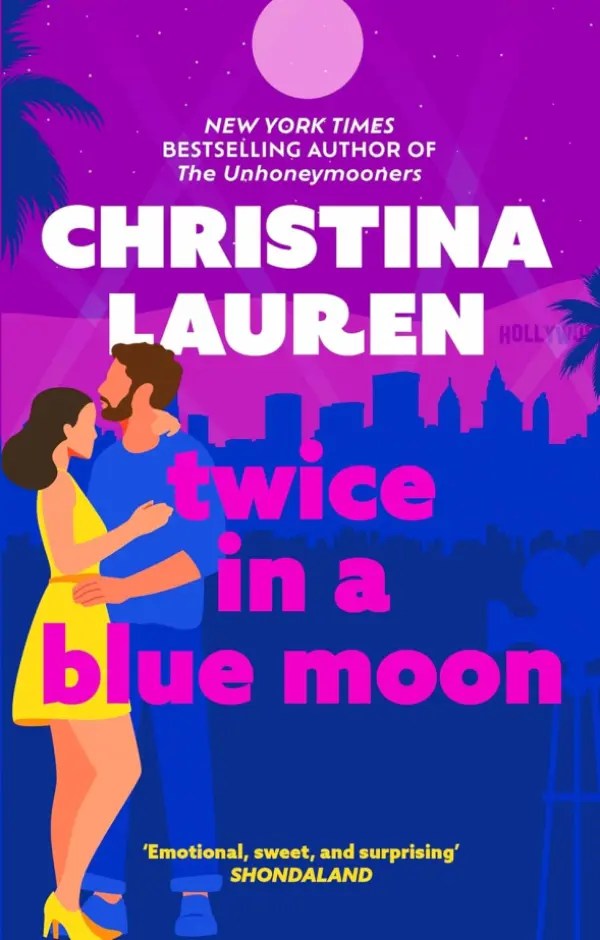
Christina Lauren
Average Goodreads rating3.6
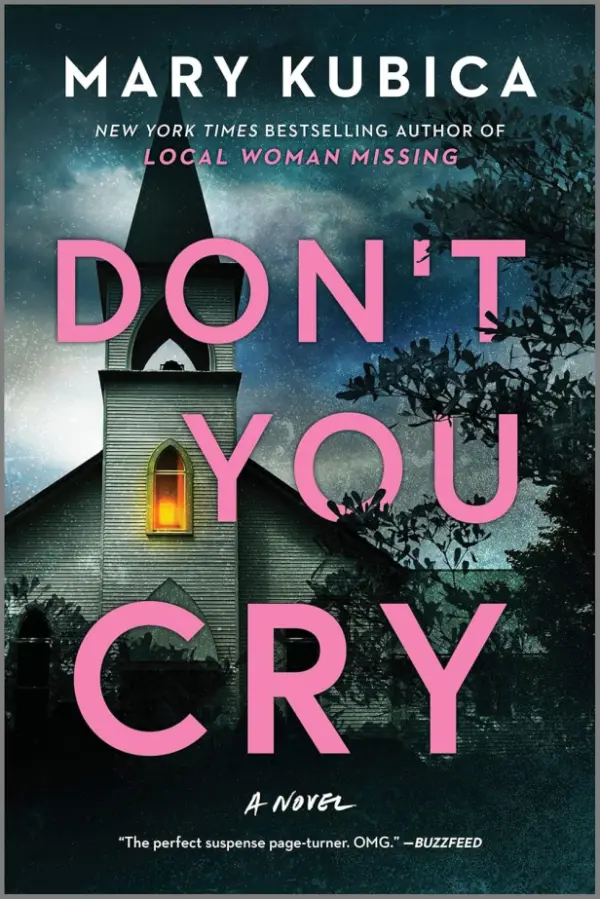
Mary Kubica
Average Goodreads rating3.5
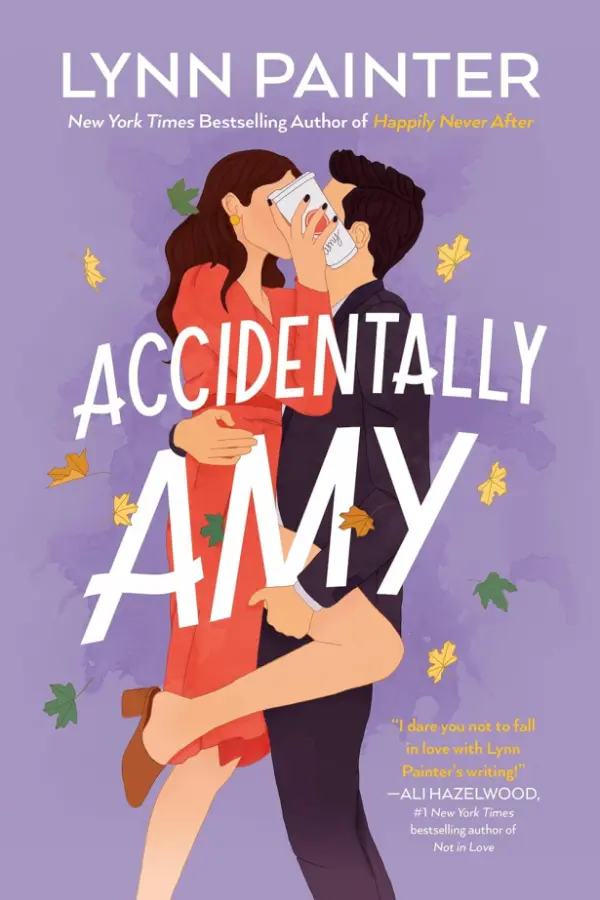
Lynn Painter
Average Goodreads rating3.5
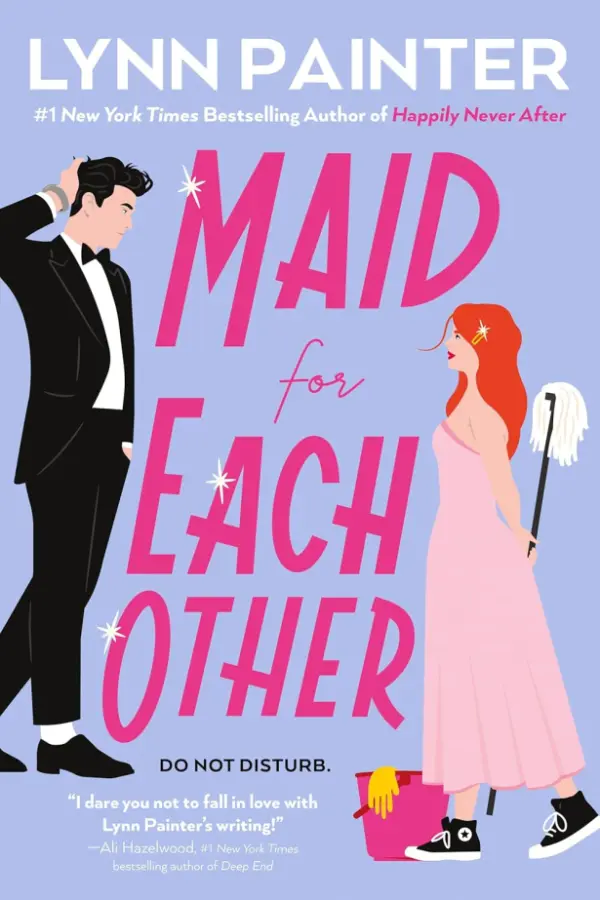
Lynn Painter
Average Goodreads rating3.7
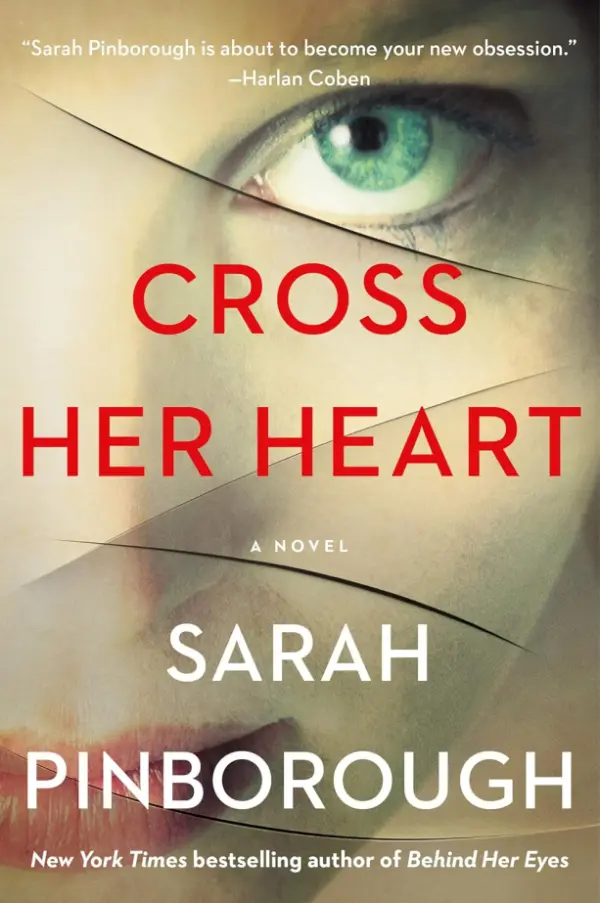
Sarah Pinborough
Average Goodreads rating3.7
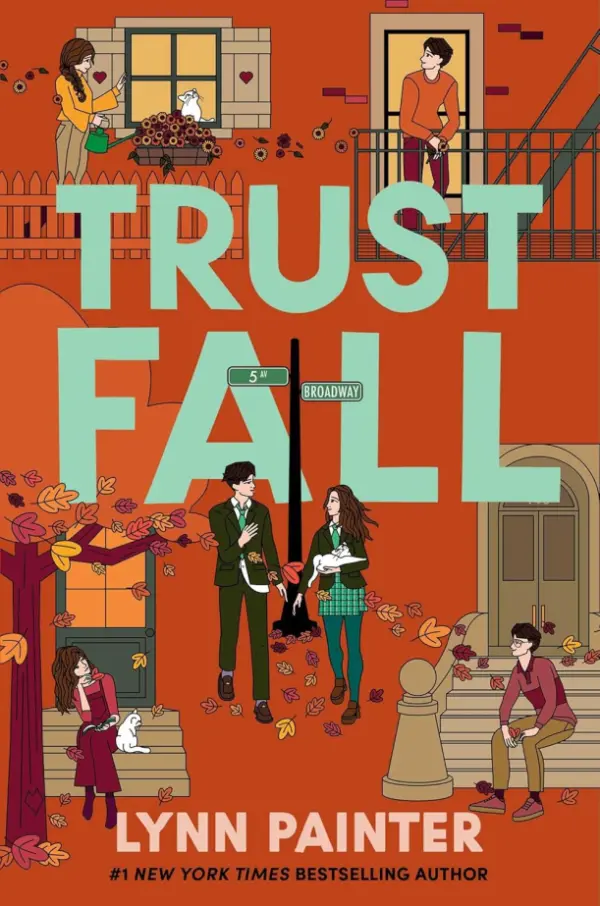
Lynn Painter
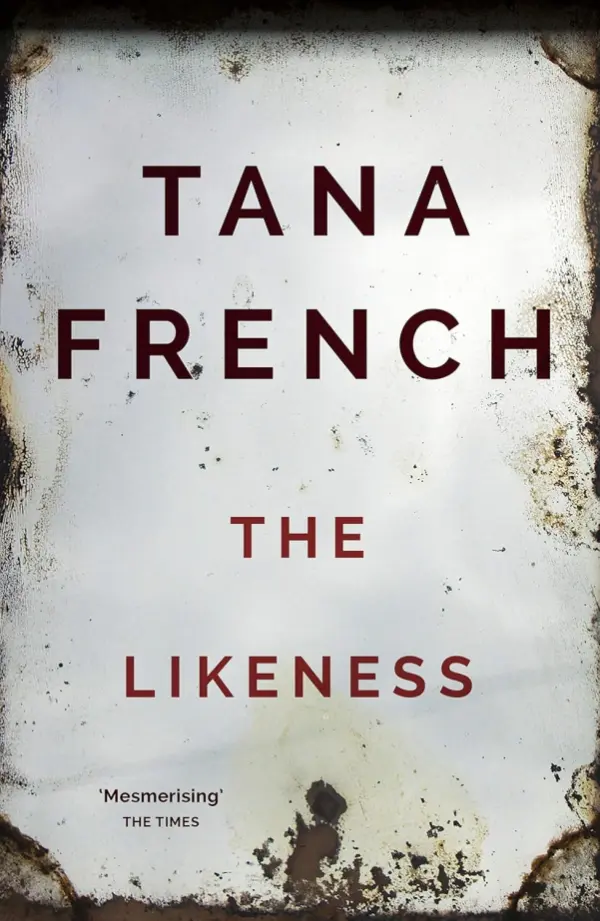
Tana French
Dublin Murder Squad, book 2
Average Goodreads rating4.1
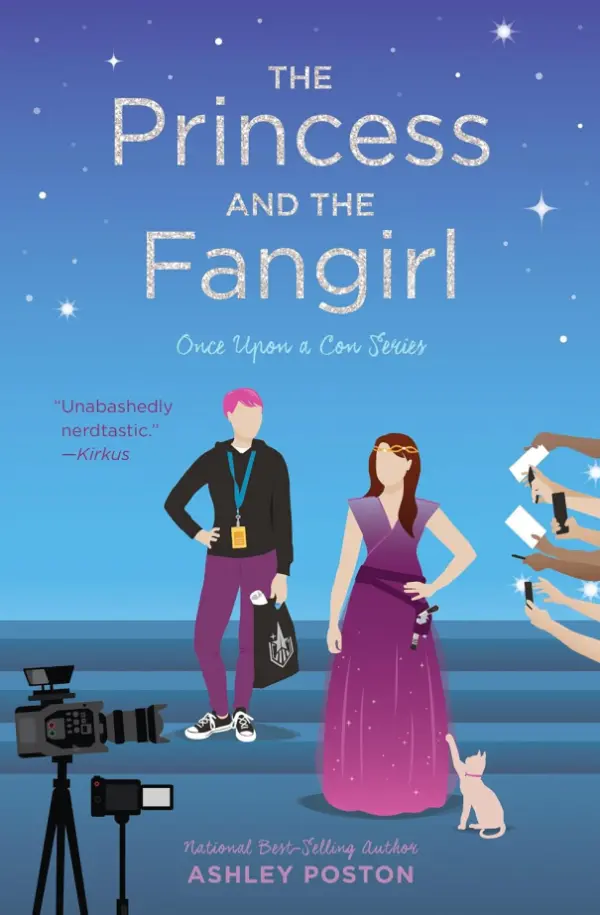
Ashley Poston
Once Upon A Con, book 2
Average Goodreads rating3.7
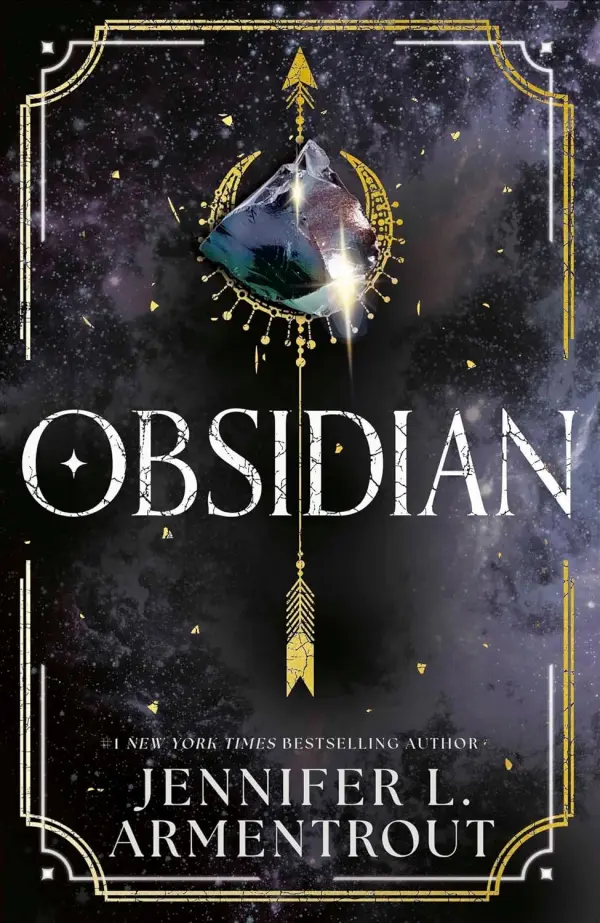
Jennifer L. Armentrout
Lux, book 1
Average Goodreads rating4.1
Matched via its series
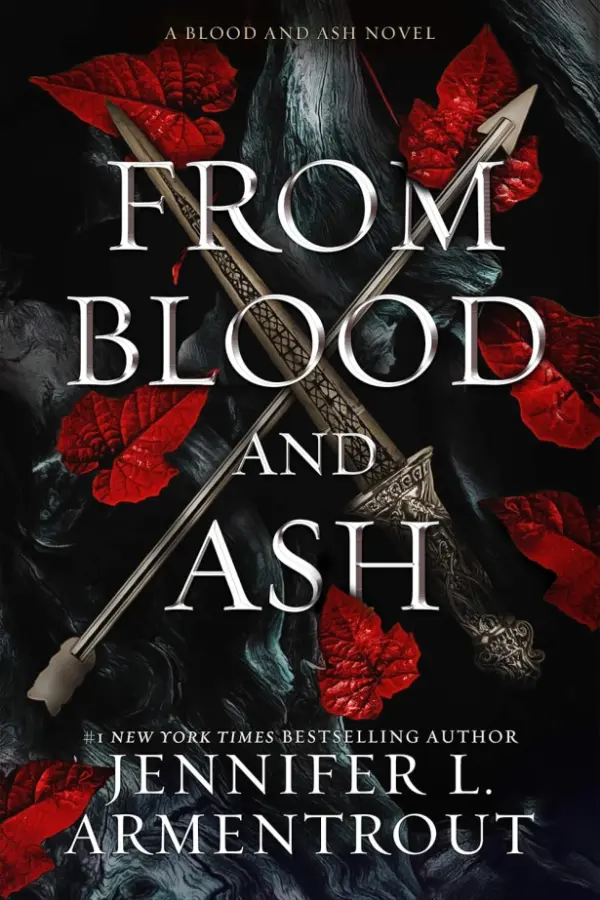
Jennifer L. Armentrout
Blood And Ash, book 1
Average Goodreads rating4.6
Matched via its series

Lauren Roberts
The Powerless Trilogy, book 1
Average Goodreads rating4.4
Matched via its series

Kristen Ciccarelli
The Crimson Moth, book 1
Average Goodreads rating4.3
Matched via its series
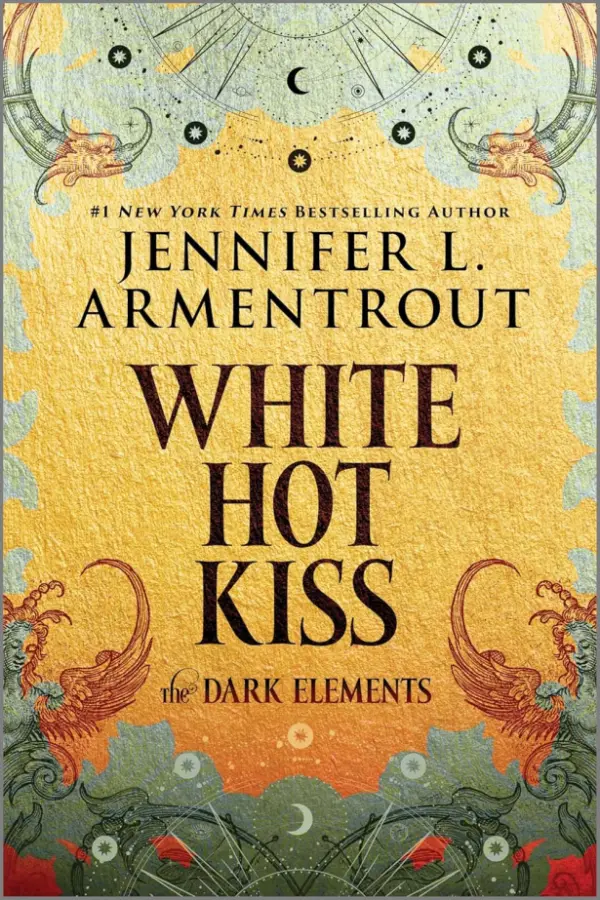
Jennifer L. Armentrout
The Dark Elements, book 1
Average Goodreads rating4.1
Matched via its series
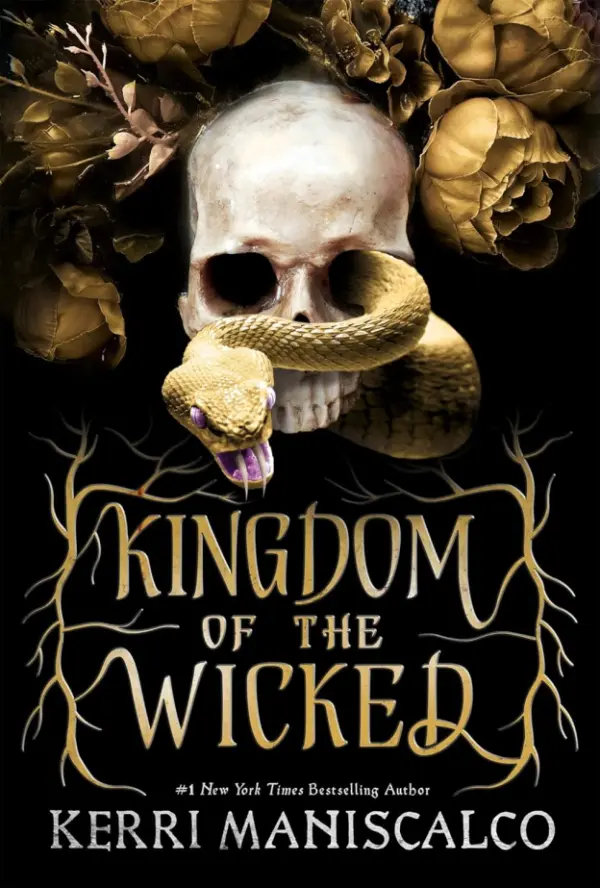
Kerri Maniscalco
Kingdom of the Wicked, book 1
Average Goodreads rating4.2
Matched via its series

Shannon Chakraborty
The Daevabad Trilogy, book 1
Average Goodreads rating4.4
Matched via its series
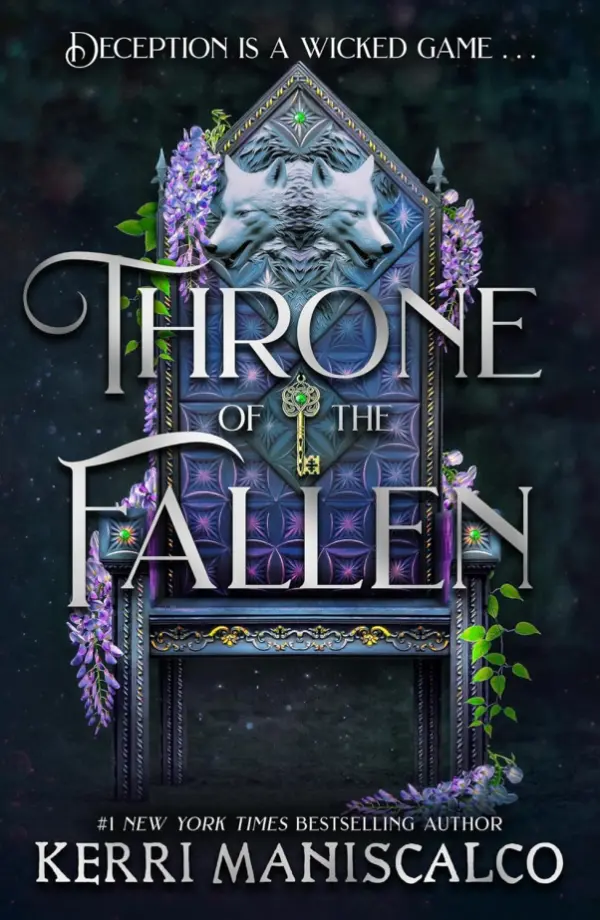
Kerri Maniscalco
Prince of Sin, book 1
Average Goodreads rating4.0
Matched via its series
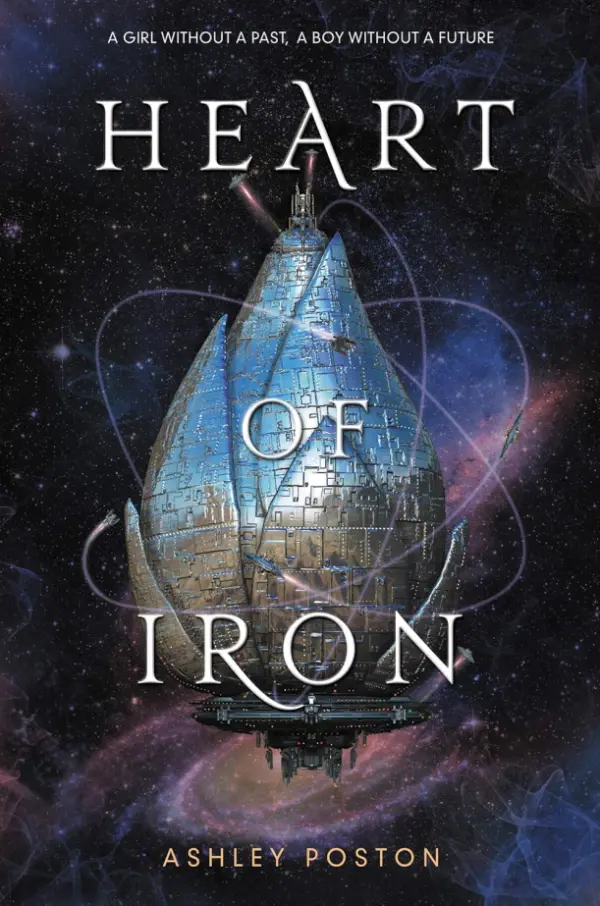
Ashley Poston
Heart of Iron, book 1
Average Goodreads rating3.7
Matched via its series

Jay Kristoff
LIFEL1K3, book 1
Average Goodreads rating4.3
Matched via its series

Megan O'Keefe
The Devoured Worlds, book 1
Average Goodreads rating4.2
Matched via its series
Holly Black
The Curse Workers, book 1
Average Goodreads rating4.2
Matched via its series

N. K. Jemisin
The Inheritance Trilogy, book 1
Average Goodreads rating4.2
Matched via its series

James Islington
Hierarchy, book 1
Average Goodreads rating4.7
Matched via its series
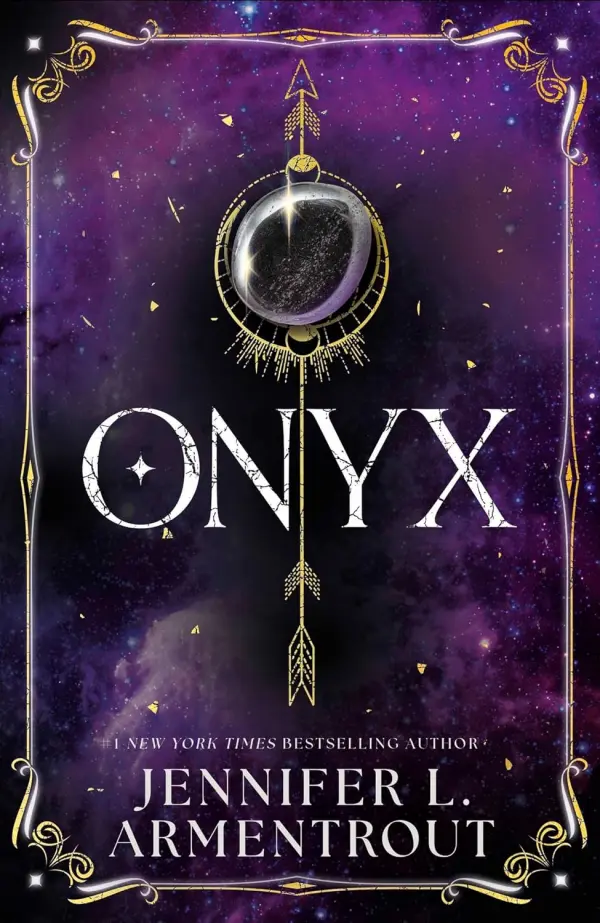
Jennifer L. Armentrout
Lux, book 2
Average Goodreads rating4.1
Matched via its series
Jennifer L. Armentrout
Blood And Ash, book 2
Average Goodreads rating4.6
Matched via its series
Jennifer L. Armentrout
Lux, book 3
Average Goodreads rating4.2
Matched via its series
Jennifer L. Armentrout
Blood And Ash, book 3
Average Goodreads rating4.5
Matched via its series
Tropes that share the most books with Hidden Identity
Someone is not who they appear to be. That's the engine at the heart of this trope, and it's been driving readers forward through pages at an alarming rate for centuries. A character conceals their true name, lineage, power, profession, or entire self — sometimes from the world, sometimes from one other person, sometimes even from themselves. The tension that builds around the secret is almost unbearable. Readers know. The other characters don't. And that gap is where all the best drama lives.
Hidden Identity appears across fantasy, romance, historical fiction, and everything in between. It's one of those rare narrative devices that works just as well in a sweeping epic as it does in a tight two-person love story. The stakes shift depending on the genre — a hidden royal bloodline carries different weight than a spy pretending to be a cook — but the emotional mechanics stay remarkably consistent.
There's a particular kind of pleasure in watching a carefully constructed façade begin to crack. Every scene where the truth nearly surfaces, every close call, every moment where a character has to think fast to protect their cover — these are genuinely addictive to read. The trope rewards attentive readers, too. Once you know the secret, you can look back and see all the clues laid out, and that retrospective satisfaction is part of the appeal.
In romance especially, hidden identity creates a specific emotional knot. Two people fall for each other, but one — or both — is pretending to be someone else. The love that develops feels both real and precarious at once. When the reveal comes, the question isn't just whether the secret can be forgiven, but whether the feelings were ever truly directed at the right person. It's messy and complicated and readers absolutely cannot get enough of it.
The trope takes wildly different shapes depending on who's doing the hiding and why. Disguised royalty or nobility slumming it among commoners is one of the oldest versions — a figure of power choosing obscurity, often changed by the experience. Then there's the reverse: someone of low birth discovered to have remarkable heritage, which flips the reveal into something that reshapes their entire sense of self rather than just their social situation.
Spies and infiltrators bring a colder edge. Here the deception is deliberate and professional, and the moral complexity tends to run deeper — especially when feelings complicate the mission. Gender disguise has a long history in the trope too, particularly in historical and fantasy settings, where a woman passing as a man to access spaces denied to her carries its own charged politics. More recently, authors have played with magical or supernatural versions: a shapeshifter, a cursed figure wearing another's face, a character whose very memories have been altered. The shape of the secret changes, but the compulsive readability doesn't.
Every hidden identity story is, at its core, building towards a single moment: the truth coming out. How that moment lands depends entirely on the craft of the storyteller. A clumsy reveal can deflate everything that came before it. A well-timed one recontextualises every scene you've already read and sends the story hurtling into entirely new emotional territory.
The aftermath matters just as much as the reveal itself. Trust has been broken. Relationships need to be reassessed. Characters have to decide what they actually feel now that the performance is over. Some stories let their characters off lightly. Others sit with the discomfort for a long time. The best ones understand that the secret was never really the point — it was always about what the secret cost, and what happens when you finally stop paying it.
If you love the feeling of a story holding something back just long enough, this is the trope that delivers it better than almost any other.
Occasional emails with new recommendations, series news and trope round-ups.