
Jade City
Fonda Lee
The Green Bone Saga, book 1
Average Goodreads rating4.3

Book series · 2 books
Dreamblood by N.K. Jemisin is set in ancient Egypt-inspired Gujaareh, where priests harvest magic from dreams and deliver sacred death. This fantasy duology explores power, faith, corruption, and justice through intricate world-building and moral complexity.

Start the series here · book 1
The Killing Moon by N. K. Jemisin is a dark fantasy of gods, assassins, and prophecy. In a city ruled by immortal powers, an enslaved oracle and a driven assassin must navigate intrigue, fate, and deadly secrets.
448 pages
Retailer links may earn Trope Trove a commission, at no extra cost to you.
Start here 448 pages Goodreads rating4.3

528 pages Goodreads rating4.6
Dreamblood is N.K. Jemisin's fantasy duology set in the ancient Egypt-inspired city-state of Gujaareh, where the Hananja goddess of dreams grants priests the ability to harvest dreamblood - magic extracted from dreams and used for healing, pleasure, and sacred killing. Written before Jemisin's groundbreaking Broken Earth trilogy, the Dreamblood books showcase her early mastery of intricate world-building, moral complexity, and fantasy that centres non-European cultures whilst exploring themes of faith, corruption, justice, and the cost of peace.
The Killing Moon (2012) introduces the Gatherers, priests of Hananja who serve as healers and sacred assassins, delivering peace through dream magic and merciful death to the corrupt or suffering. Ehiru is a Gatherer whose faith in his calling is absolute - until a mission goes wrong, suggesting corruption within the Hetawa temple. He's paired with Nijiri, a young acolyte, to investigate whilst hunting a rogue dreamblood user. Their quest brings them into contact with Sunandi, an ambassador from the rival nation Kisua who believes Gujaareh's peace hides darker truths. The novel explores the morality of sacred killing, how faith can be weaponized, and whether peace maintained through violence and control is truly peace. Jemisin creates a magic system rooted in psychology and dreams, making the fantastical feel grounded whilst examining how religious institutions justify their power.
The Shadowed Sun (2012) takes place ten years after The Killing Moon's events, with Gujaareh occupied by Kisuati forces and the Hananja faith suppressed. Hanani is the first female Sharer (dream healers rather than killers) struggling for acceptance in a patriarchal priesthood. When a plague of nightmares threatens the city, Hanani must work with Wanahomen, a exiled prince seeking to reclaim his throne, to save Gujaareh from both supernatural threat and political instability. The sequel explores colonialism's aftermath, gender discrimination within religious structures, and how communities heal from occupation and violence.
The duology is characterized by ancient Egypt-inspired world-building without direct appropriation, dream magic system rooted in psychology, priests as both healers and assassins, exploration of faith and institutional corruption, morally complex protagonists, themes of justice versus mercy, and non-European fantasy setting.
Common themes include the ethics of sacred killing, power and corruption within religious institutions, peace versus freedom, colonialism and occupation, gender discrimination, faith tested by reality, healing individual and collective trauma, and whether ends justify means.
Jemisin's prose in Dreamblood is lyrical and immersive, creating the city-state of Gujaareh with sensory detail - the architecture, the desert heat, the dream magic's visceral experience. Her world-building draws on ancient Egyptian aesthetics and social structures whilst creating something distinctly her own rather than mere historical pastiche.
What distinguishes Dreamblood is its willingness to examine uncomfortable questions about faith and violence. The Gatherers genuinely believe their sacred killings serve divine purpose and maintain societal peace - they're not hypocrites but true believers whose faith makes them dangerous. Jemisin refuses simple answers about whether their system is just or monstrous.
The dream magic is beautifully conceived - Gatherers and Sharers navigate the dreamscape, harvesting magical energy whilst helping or harming dreamers. The magic's psychological basis makes it feel intimate and invasive, reflecting themes about consent, violation, and healing.
The duology appeals to readers seeking non-European fantasy settings, morally complex magic systems, exploration of faith and institutions, and Jemisin's early work before her Hugo-winning Broken Earth trilogy.
N. K. Jemisin is a groundbreaking American author who revolutionised fantasy literature with her award-winning Broken Earth trilogy. Known for innovative narratives, diverse worlds, and unflinching examination of oppression, power, and systemic injustice.
Books, series and tropes by N. K. Jemisin
Fonda Lee
The Green Bone Saga, book 1
Average Goodreads rating4.3

Fonda Lee
The Green Bone Saga, book 2
Average Goodreads rating4.3

Fonda Lee
The Green Bone Saga, book 3
Average Goodreads rating4.7

Shannon Chakraborty
The Daevabad Trilogy, book 1
Average Goodreads rating4.4

Shannon Chakraborty
The Daevabad Trilogy, book 2
Average Goodreads rating4.6

Shannon Chakraborty
The Daevabad Trilogy, book 3
Average Goodreads rating4.7
Brandon Sanderson
3 books
Sarah J. Maas
5 books
Brandon Sanderson
4 books
Sarah J. Maas
7 books
Hannah Kaner
3 books · complete series
Pierce Brown
6 books · complete series
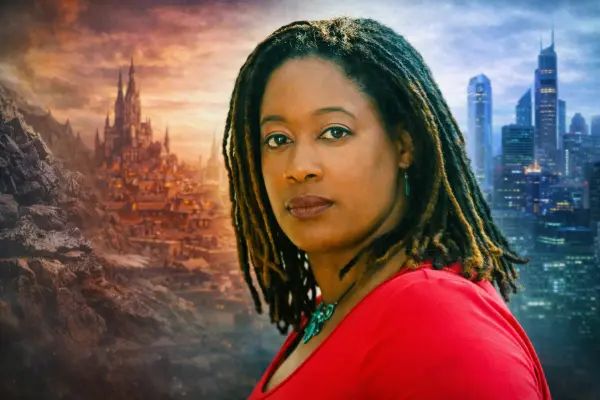
Three-time Hugo Award winner N.K. Jemisin revolutionized fantasy. Discover her epic series, standalone novels, common themes, and books for fans to read next.
Occasional emails with new recommendations, series news and trope round-ups.


