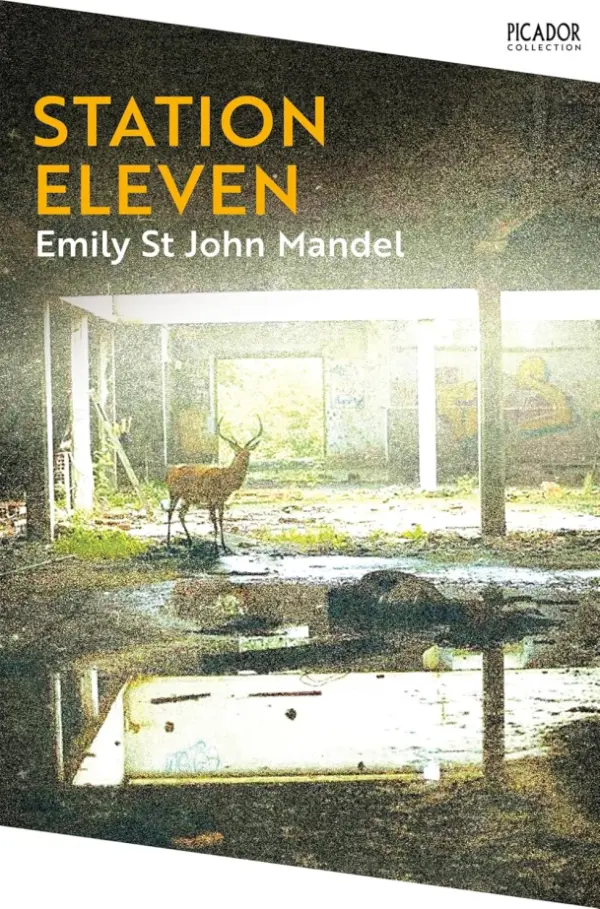
Station Eleven
Emily St. John Mandel
Average Goodreads rating4.2
- Found Family
- Dystopian Society

Book trope · 27 books
The world has ended. Not cleanly, not quietly, but in fire or plague or silence — and someone survived. Post-apocalyptic fiction begins in the wreckage of civilisation and asks what comes next.
More about the Post-Apocalyptic trope4 are tagged with Post-Apocalyptic individually. The others belong to a series tagged with it, which doesn’t mean every book in it features the trope, so they’re marked “Matched via its series”.
Updating books…
27 books found
Emily St. John Mandel
Average Goodreads rating4.2

Cormac McCarthy
Average Goodreads rating4.4

Cormac McCarthy
Average Goodreads rating4.2
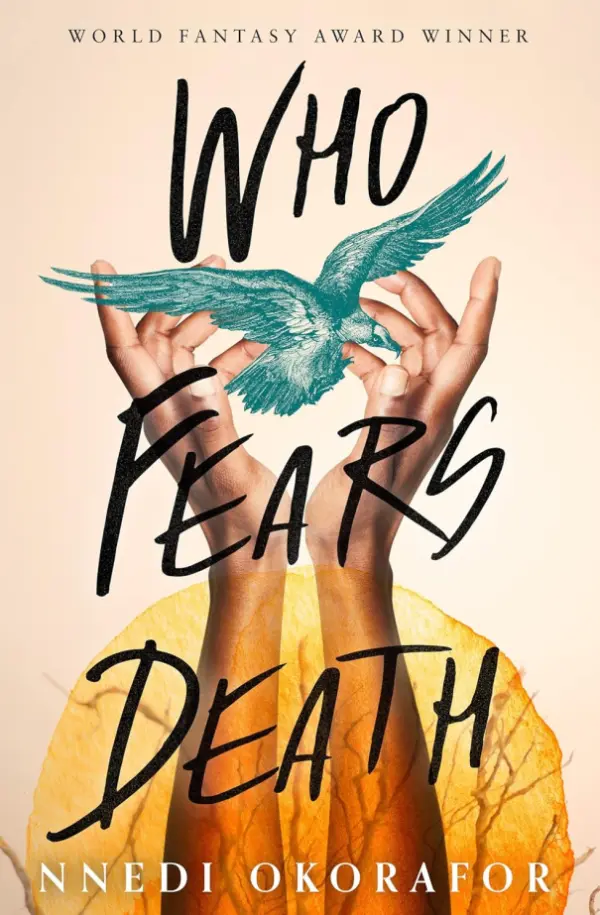
Nnedi Okorafor
Average Goodreads rating4.3

Adrian Tchaikovsky
Children of Time, book 1
Average Goodreads rating4.5
Matched via its series

N. K. Jemisin
The Broken Earth, book 1
Average Goodreads rating4.4
Matched via its series

Octavia E. Butler
Parable, book 1
Average Goodreads rating4.4
Matched via its series
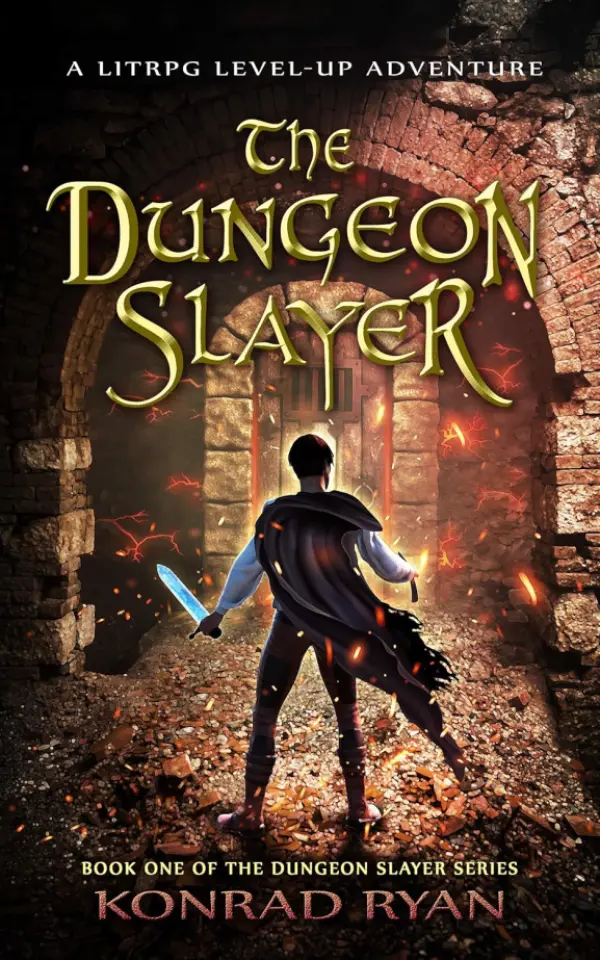
Konrad Ryan
The Dungeon Slayer Series, book 1
Average Goodreads rating4.6
Matched via its series
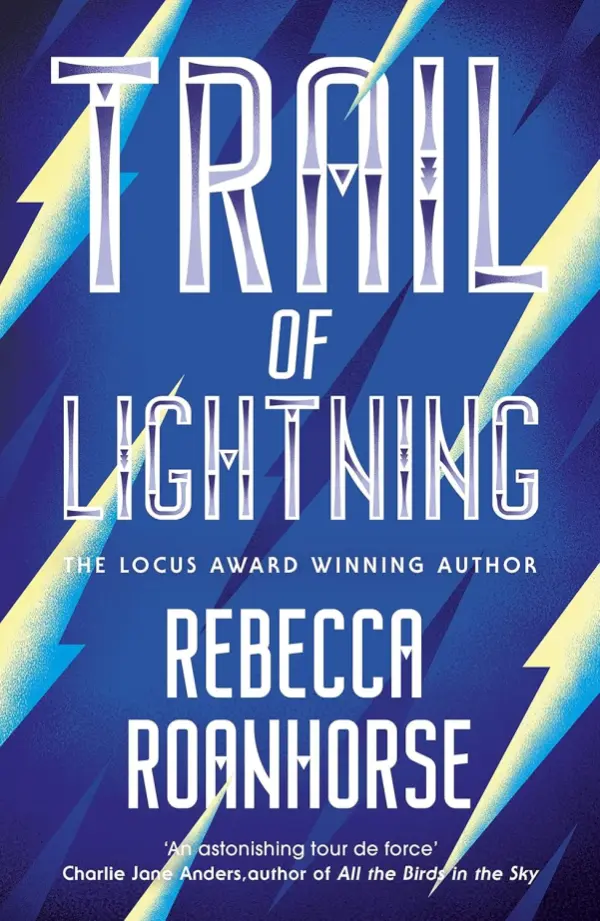
Rebecca Roanhorse
The Sixth World, book 1
Average Goodreads rating4.3
Matched via its series

Jay Kristoff
LIFEL1K3, book 1
Average Goodreads rating4.3
Matched via its series

Octavia E. Butler
The Xenogenesis Trilogy, book 1
Average Goodreads rating4.3
Matched via its series

N. K. Jemisin
The Broken Earth, book 2
Average Goodreads rating4.4
Matched via its series

N. K. Jemisin
The Broken Earth, book 3
Average Goodreads rating4.4
Matched via its series

Adrian Tchaikovsky
Children of Time, book 2
Average Goodreads rating4.3
Matched via its series

Octavia E. Butler
Parable, book 2
Average Goodreads rating4.5
Matched via its series

Adrian Tchaikovsky
Children of Time, book 3
Average Goodreads rating4.2
Matched via its series
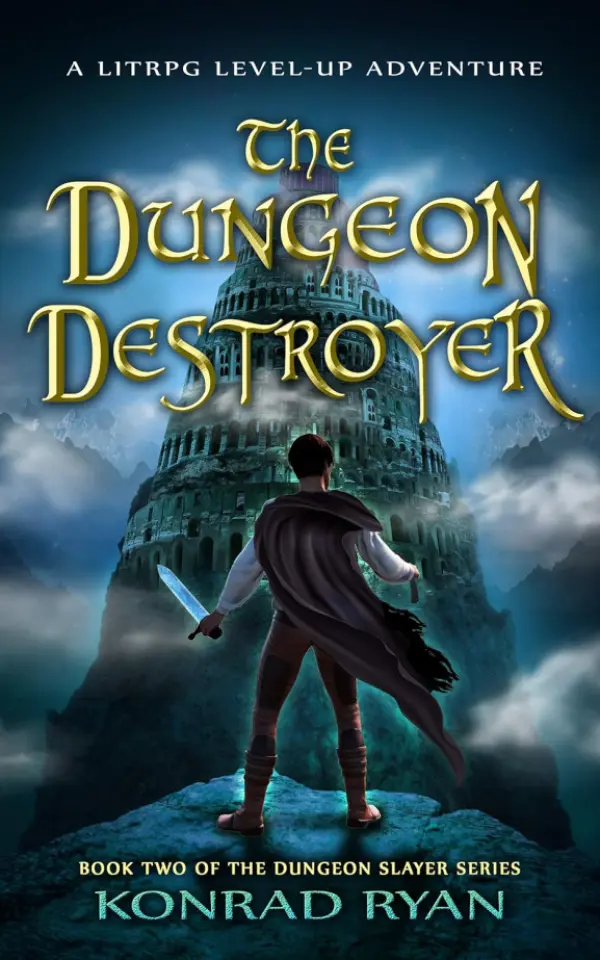
Konrad Ryan
The Dungeon Slayer Series, book 2
Average Goodreads rating4.6
Matched via its series
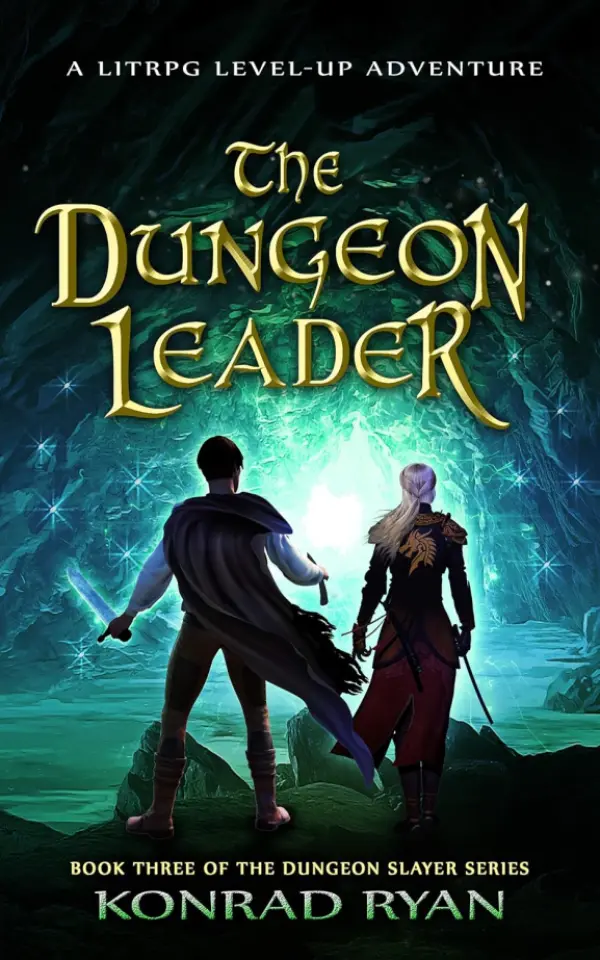
Konrad Ryan
The Dungeon Slayer Series, book 3
Average Goodreads rating4.6
Matched via its series
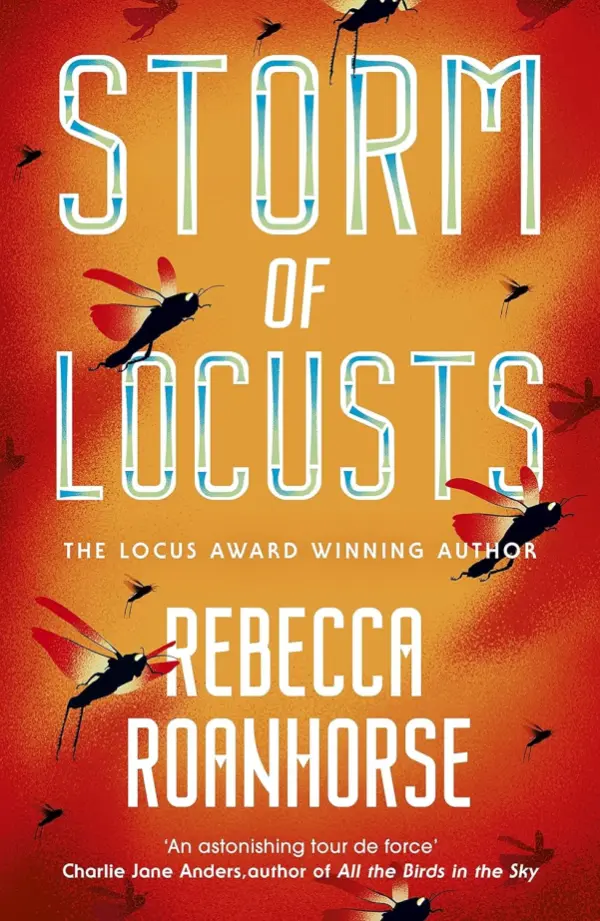
Rebecca Roanhorse
The Sixth World, book 2
Matched via its series
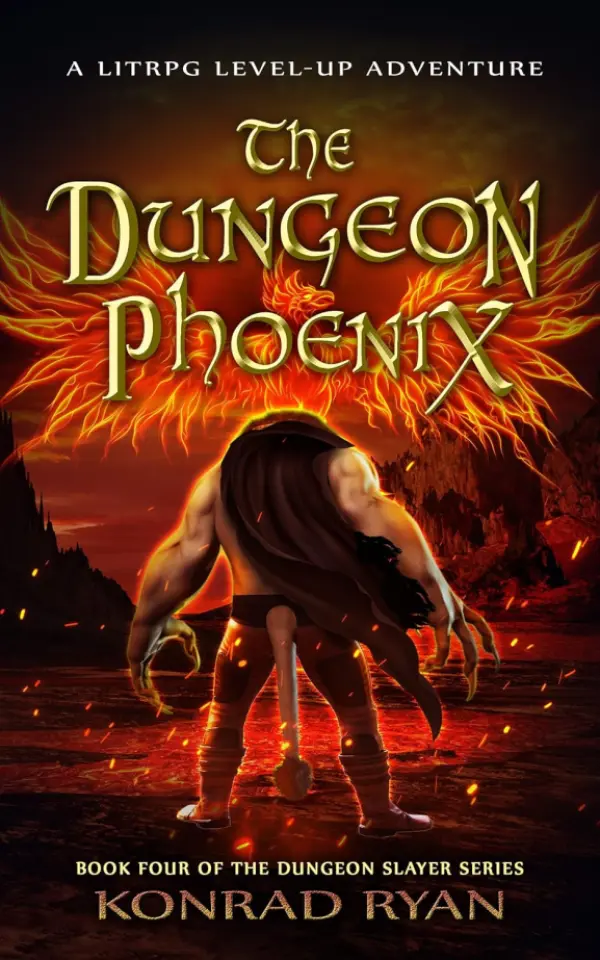
Konrad Ryan
The Dungeon Slayer Series, book 4
Average Goodreads rating4.6
Matched via its series
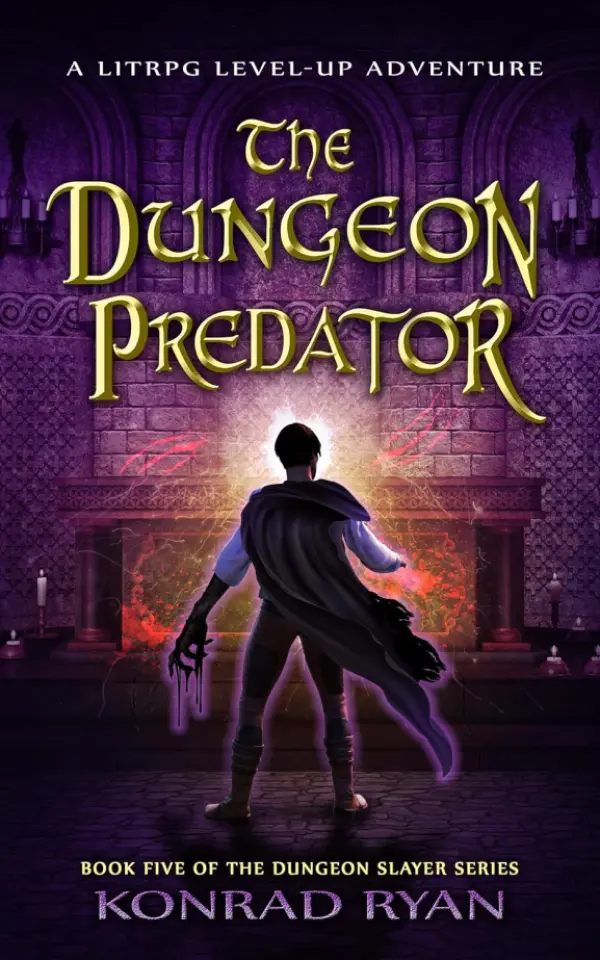
Konrad Ryan
The Dungeon Slayer Series, book 5
Average Goodreads rating4.4
Matched via its series

Jay Kristoff
LIFEL1K3, book 2
Average Goodreads rating4.6
Matched via its series
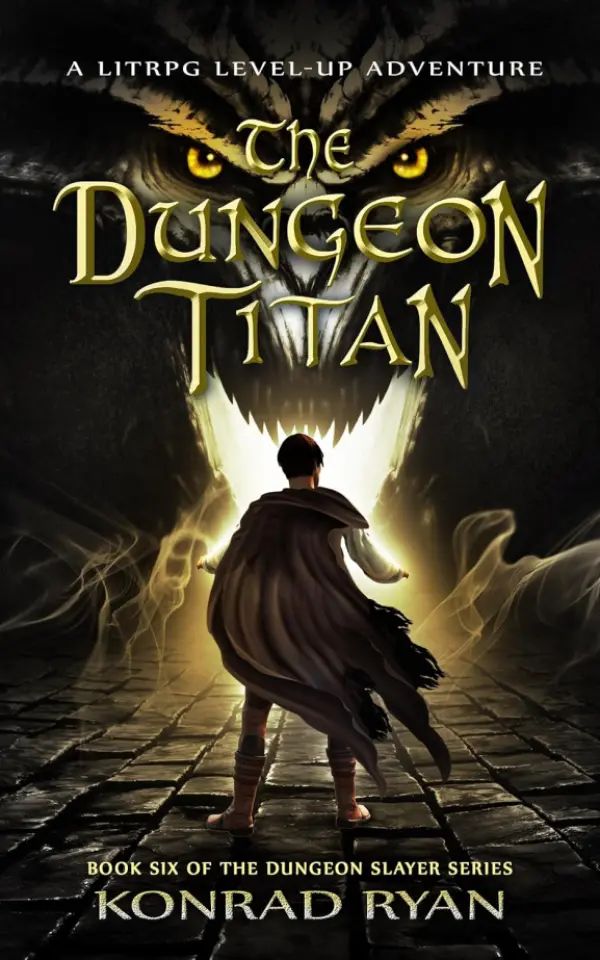
Konrad Ryan
The Dungeon Slayer Series, book 6
Average Goodreads rating4.1
Matched via its series

Jay Kristoff
LIFEL1K3, book 3
Average Goodreads rating4.6
Matched via its series

Octavia E. Butler
The Xenogenesis Trilogy, book 2
Average Goodreads rating4.4
Matched via its series

Adrian Tchaikovsky
Children of Time, book 4
Matched via its series

Octavia E. Butler
The Xenogenesis Trilogy, book 3
Average Goodreads rating4.4
Matched via its series
Tropes that share the most books with Post-Apocalyptic
The world has ended. Not cleanly, not quietly, but in fire or plague or silence — and someone survived. Post-apocalyptic fiction begins in the wreckage of civilisation and asks what comes next. Whether the collapse happened yesterday or a century ago, the defining quality of the trope is that the old world is gone, and the characters must reckon with whatever has risen — or failed to rise — in its place.
It's one of the most enduring frameworks in speculative fiction because the stakes are baked in from page one. There's no safety net, no institution to appeal to, no assumption that things will be fine. Every resource is scarce, every alliance is fragile, and trust is a luxury most characters can't afford.
At its core, the trope turns on survival — but the most compelling post-apocalyptic stories use survival as a lens rather than an end in itself. The real questions tend to be moral ones. What do you owe to strangers when you barely have enough for yourself? Can community be rebuilt by people shaped by catastrophe? Is the old world worth mourning, or did the collapse expose something that was already rotten?
The setting does a lot of narrative work. Ruined cities, fractured geography, new power structures built on brutality or myth — these aren't just backdrops. They're arguments about what human beings actually need, and what we'll sacrifice to get it. Worldbuilding in post-apocalyptic fiction tends to be dense with implication: a single detail, like which books survived or which languages are still spoken, can carry enormous weight.
The causes of collapse vary enormously. Pandemic, nuclear war, climate catastrophe, AI uprising, supernatural event — each framing shifts the emotional register of the story. A world ending in plague feels different from one ending in flood, and authors choose their apocalypse carefully. Some post-apocalyptic stories are set so far after the fall that the original cause is half-legend, giving them an almost mythological quality. Others drop readers into the immediate aftermath, raw and chaotic.
The trope crosses genre lines with ease. Post-apocalyptic romance leans into the intimacy that extreme circumstances force between people. Young adult iterations often centre on protagonists discovering that the systems imposed after the fall are themselves corrupt. Literary takes may slow everything down and sit with grief, rather than rushing toward action. And in recent years, the trope has attracted writers who use it to explore climate anxiety, systemic inequality, and the politics of who gets to decide what civilisation means.
There's something cathartic about fiction that imagines the worst and then insists on continuing anyway. Post-apocalyptic stories strip away the noise of ordinary life and force characters — and readers — to confront what actually matters. The small moments of connection in these narratives carry unusual weight precisely because everything around them is so precarious.
It's a trope that rewards readers who want their fiction to mean something. When the world has already ended, every choice a character makes is a statement about what's worth preserving. That's a remarkably efficient way to tell a story — and an addictive one.
Occasional emails with new recommendations, series news and trope round-ups.