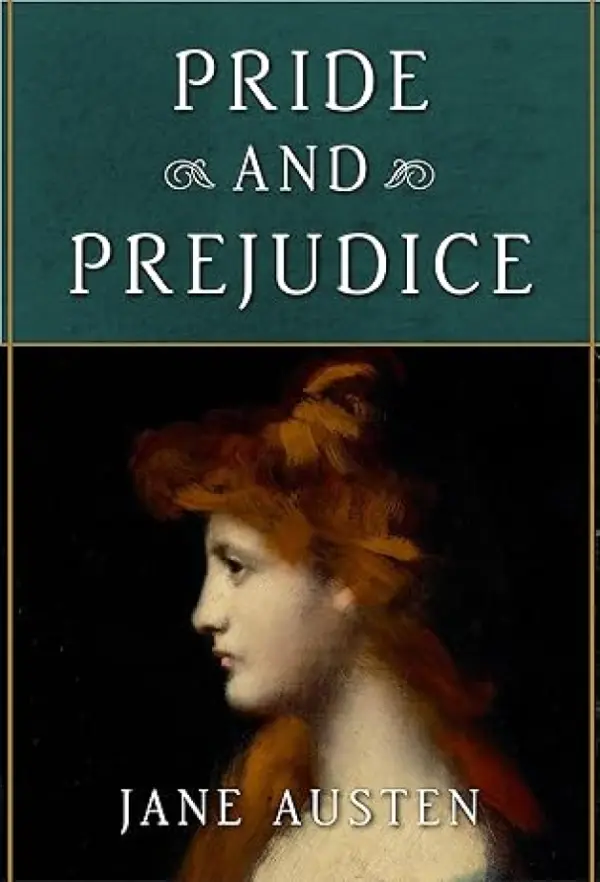
Pride & Prejudice
Jane Austen
Average Goodreads rating4.3
- Enemies to Lovers
- Forbidden Romance

Book trope · 9 books
Fantasy and romance have never been purely escapist genres, however much some readers might prefer them to be. The political and social commentary trope encompasses stories that use their fictional worlds — or their romantic tensions — as a lens through which to examine real structures of power, inequality,…
More about the Political and Social Commentary trope2 are tagged with Political and Social Commentary individually. The others belong to a series tagged with it, which doesn’t mean every book in it features the trope, so they’re marked “Matched via its series”.
Updating books…
9 books found
Jane Austen
Average Goodreads rating4.3
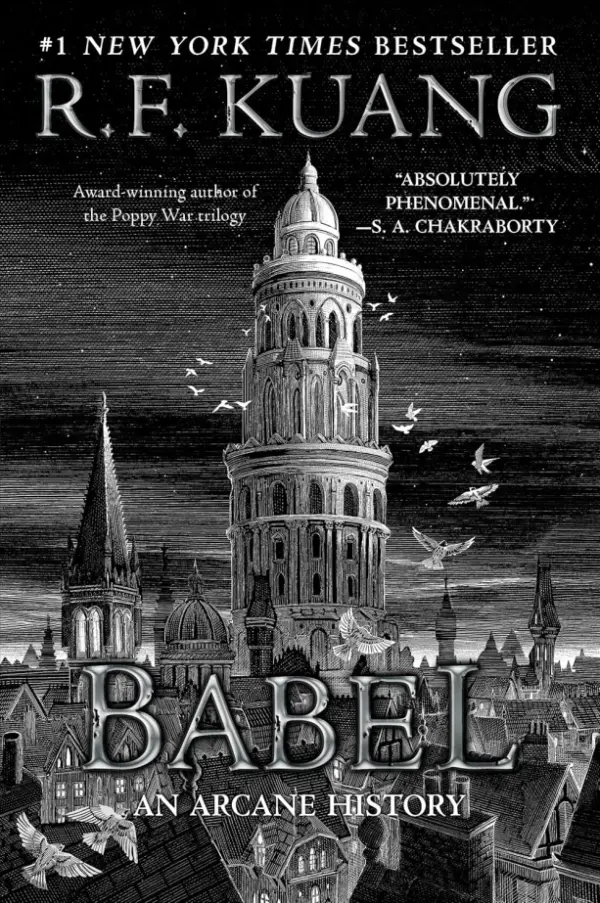
R. F. Kuang
Average Goodreads rating4.2
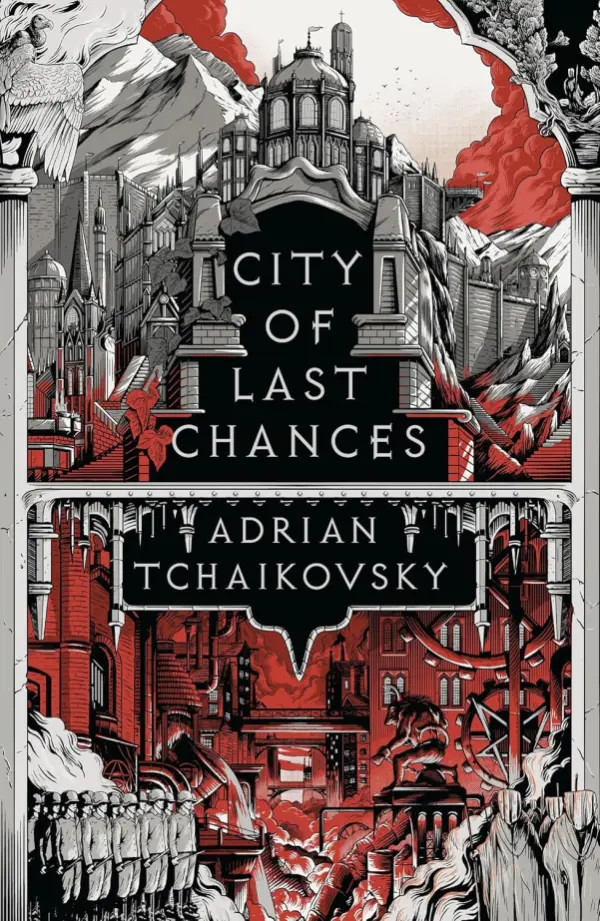
Adrian Tchaikovsky
The Tyrant Philosophers, book 1
Average Goodreads rating3.9
Matched via its series

N. K. Jemisin
The Great Cities, book 1
Matched via its series
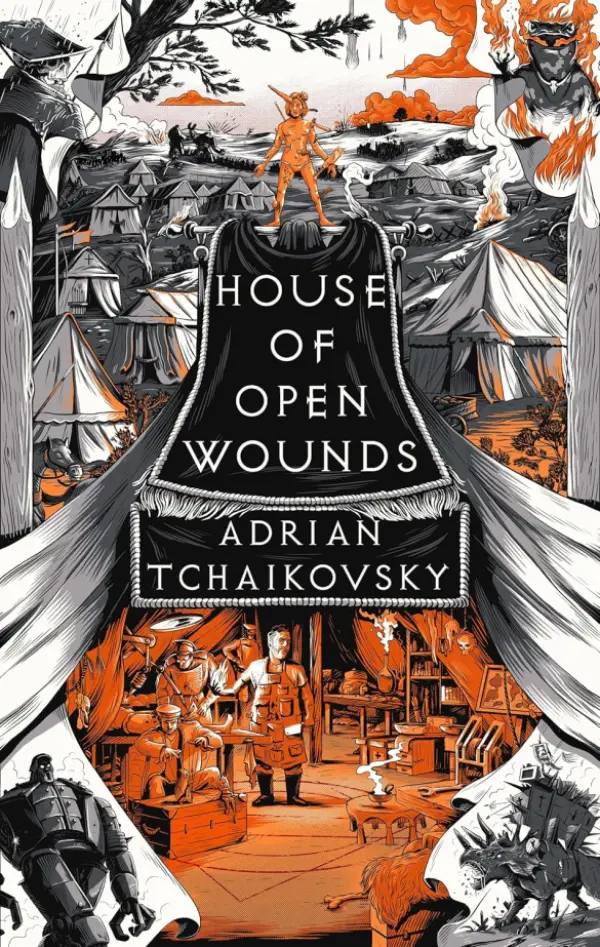
Adrian Tchaikovsky
The Tyrant Philosophers, book 2
Average Goodreads rating4.5
Matched via its series
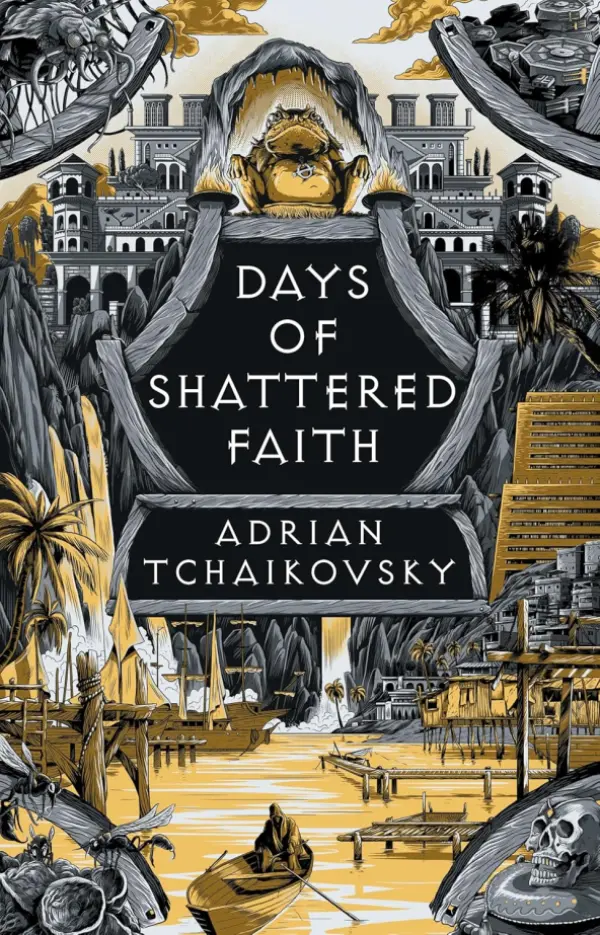
Adrian Tchaikovsky
The Tyrant Philosophers, book 3
Average Goodreads rating4.4
Matched via its series
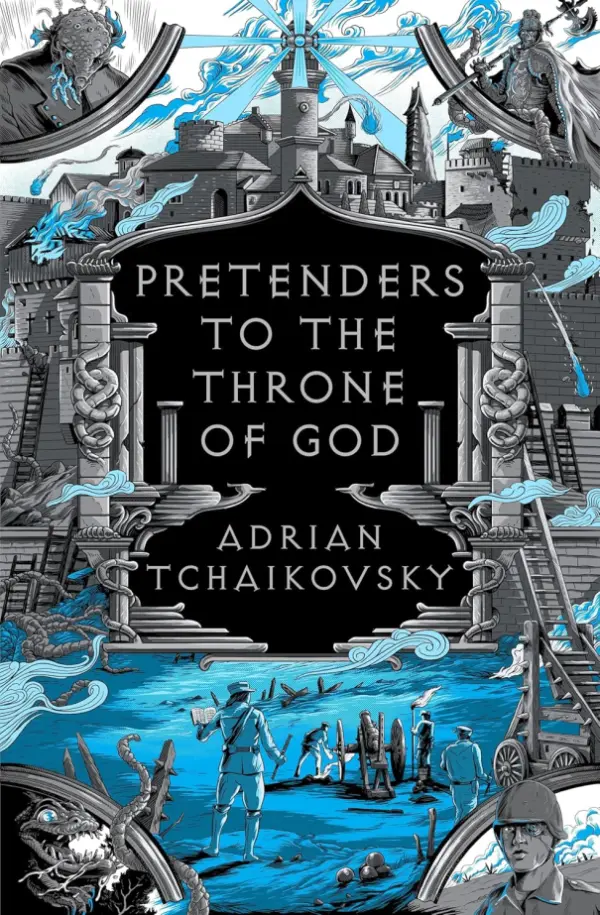
Adrian Tchaikovsky
The Tyrant Philosophers, book 4
Average Goodreads rating4.6
Matched via its series
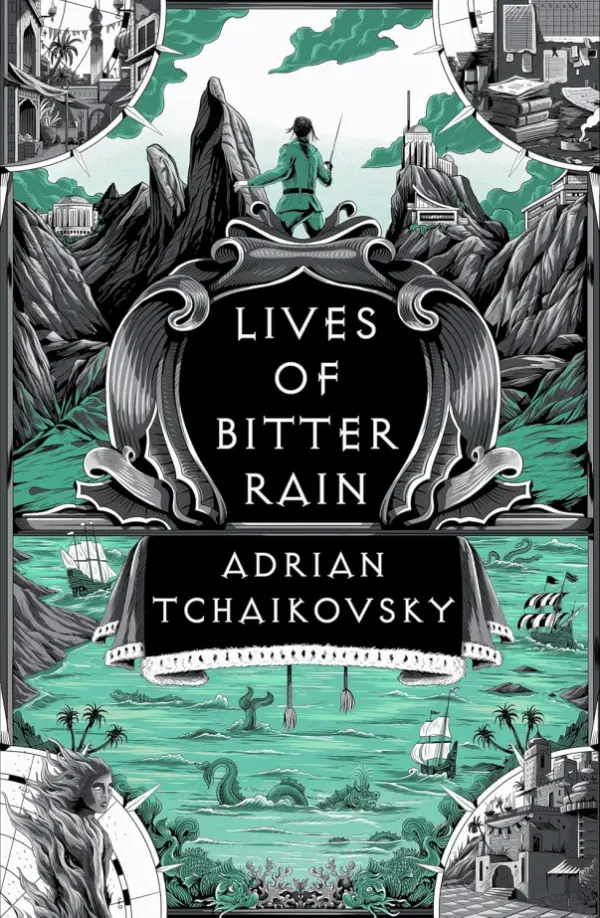
Adrian Tchaikovsky
The Tyrant Philosophers, book 3.5
Matched via its series

N. K. Jemisin
The Great Cities, book 2
Matched via its series
Tropes that share the most books with Political and Social Commentary
Fantasy and romance have never been purely escapist genres, however much some readers might prefer them to be. The political and social commentary trope encompasses stories that use their fictional worlds — or their romantic tensions — as a lens through which to examine real structures of power, inequality, prejudice, and resistance. The magic system might double as a metaphor for class stratification. The kingdom's marriage laws might speak directly to debates happening right now, outside the book. The monsters at the gates might not be the real threat.
Readers are drawn to this trope precisely because it lets difficult conversations happen at a slight remove. Fiction creates breathing room. You can explore what authoritarian rule does to ordinary people, or how systemic racism poisons even the most intimate relationships, without the immediate defensiveness those subjects can trigger in direct discussion. The story does the emotional heavy lifting first, and the ideas follow.
The clearest marker is that the fictional world's conflicts map — sometimes loosely, sometimes quite precisely — onto recognisable real-world dynamics. A caste of magic-users denied basic rights mirrors the history of marginalised communities. A trade war between nations reflects contemporary anxieties about economic inequality. A romance that can't be acknowledged publicly because of the protagonists' respective social ranks is doing something more than generating tension; it's asking the reader to sit with what those barriers actually cost people.
Crucially, the best examples of this trope don't reduce their characters to symbols. The commentary lands hardest when readers care about the people living inside the system being critiqued. A protagonist who benefits from unjust structures and slowly reckons with that privilege is far more unsettling — and far more useful — than a straightforwardly villainous ruling class.
In epic fantasy, the commentary tends to operate at the level of nations and institutions: feudal economies, religious corruption, the mechanics of colonialism. The scale suits big structural arguments. Secondary-world fantasy gives authors particular freedom here, since they're not bound to any single historical analogy and can build critiques that blend several at once.
Romantic fantasy and contemporary romance tend to bring the politics closer to the body — reproductive autonomy, who is permitted to love whom, whose grief is considered legitimate. The personal-is-political argument finds its most affecting expression in a love story that the world keeps trying to prevent. Dystopian romance takes this even further, placing characters inside societies explicitly designed to control desire and identity, which means every romantic gesture becomes an act of defiance.
Literary fantasy, meanwhile, often operates more obliquely — using myth, metaphor, and fragmented narrative to comment on trauma, memory, and the stories nations tell about themselves.
There's a particular satisfaction in a book that trusts you to make connections. When a fantasy novel doesn't spell out its real-world parallel but lets it emerge through the architecture of the story, readers feel genuinely engaged rather than lectured. That's the difference between commentary and didacticism, and the best authors in this space know exactly where that line sits.
This trope also tends to produce fiction with longevity. Stories rooted in perennial questions of power, justice, and human dignity don't date the way plot-driven thrillers sometimes do. They find new readers in new political moments, resonating differently each time. The world changes; the questions stay.
If you want fiction that gives you something to think about long after the last page, this is where to look.
Occasional emails with new recommendations, series news and trope round-ups.