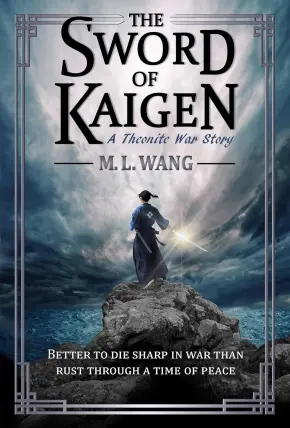
The Sword of Kaigen
M. L. Wang
Average Goodreads rating4.6
- Brutality of War
- Protagonist with Trauma

Book trope · 15 books
Elemental magic is one of fantasy's most enduring frameworks: a system in which power is drawn from, channelled through, or bound to the fundamental forces of the natural world.
More about the Elemental Magic trope1 is tagged with Elemental Magic individually. The others belong to a series tagged with it, which doesn’t mean every book in it features the trope, so they’re marked “Matched via its series”.
Updating books…
15 books found
M. L. Wang
Average Goodreads rating4.6

N. K. Jemisin
The Broken Earth, book 1
Average Goodreads rating4.4
Matched via its series
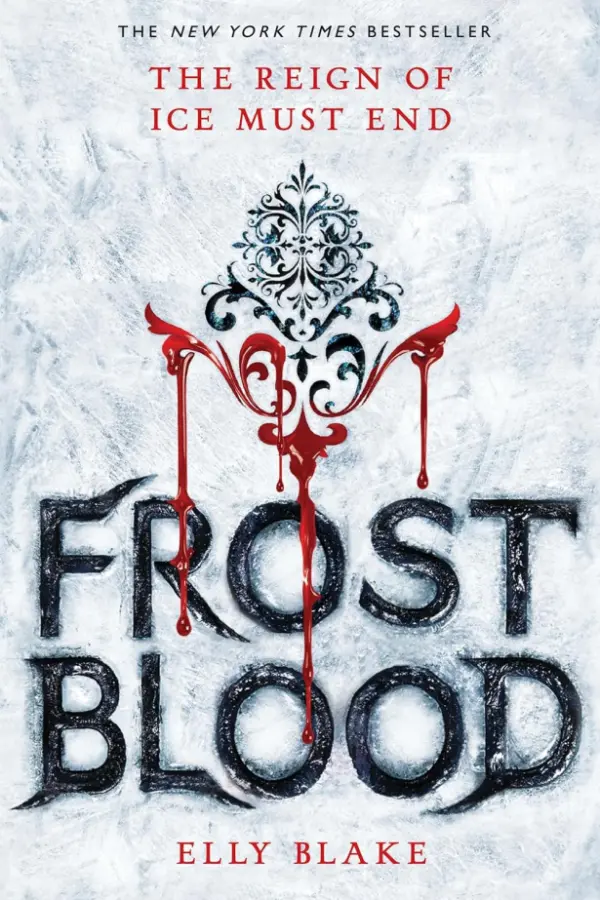
Elly Blake
The Frostblood Saga, book 1
Average Goodreads rating4.3
Matched via its series

R. F. Kuang
The Poppy War, book 1
Average Goodreads rating4.3
Matched via its series

Brandon Sanderson
The Stormlight Archive, book 1
Average Goodreads rating4.7
Matched via its series

N. K. Jemisin
The Broken Earth, book 2
Average Goodreads rating4.4
Matched via its series

N. K. Jemisin
The Broken Earth, book 3
Average Goodreads rating4.4
Matched via its series
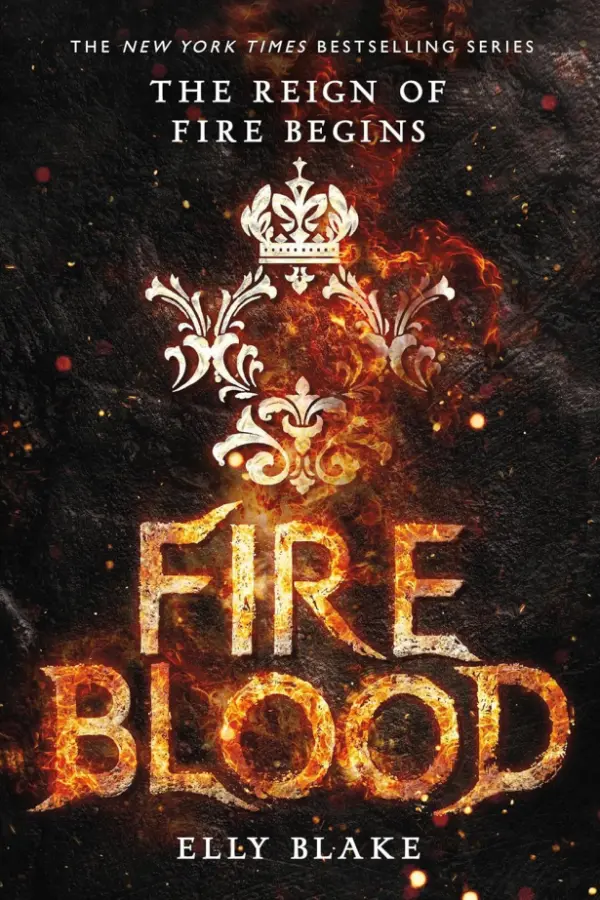
Elly Blake
The Frostblood Saga, book 2
Average Goodreads rating4.6
Matched via its series
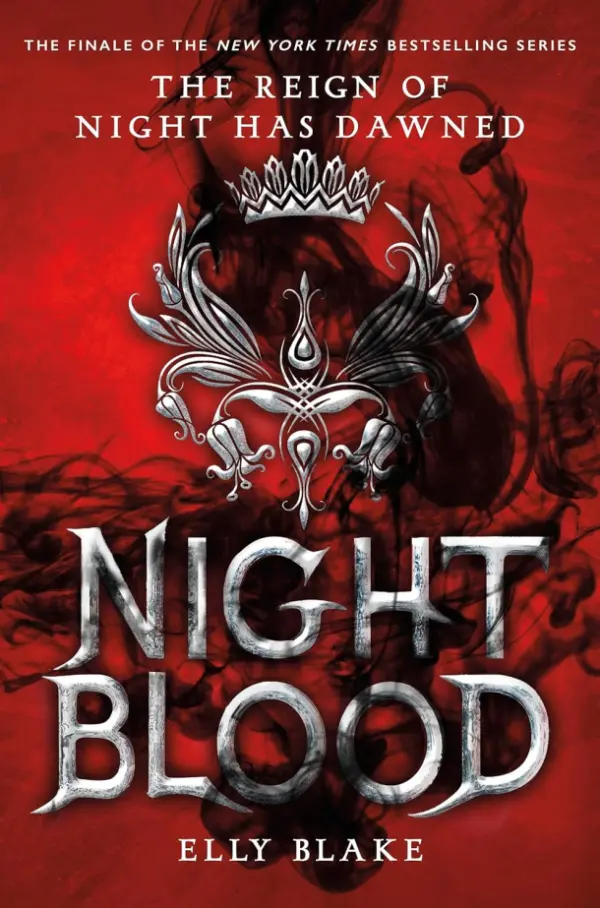
Elly Blake
The Frostblood Saga, book 3
Average Goodreads rating4.6
Matched via its series

Brandon Sanderson
The Stormlight Archive, book 3
Average Goodreads rating4.7
Matched via its series

Brandon Sanderson
The Stormlight Archive, book 4
Average Goodreads rating4.7
Matched via its series

R. F. Kuang
The Poppy War, book 3
Average Goodreads rating4.4
Matched via its series

R. F. Kuang
The Poppy War, book 2
Average Goodreads rating4.5
Matched via its series

Brandon Sanderson
The Stormlight Archive, book 5
Average Goodreads rating4.7
Matched via its series

Brandon Sanderson
The Stormlight Archive, book 2
Average Goodreads rating4.8
Matched via its series
Tropes that share the most books with Elemental Magic
Elemental magic is one of fantasy's most enduring frameworks: a system in which power is drawn from, channelled through, or bound to the fundamental forces of the natural world. Fire, water, earth, and air form the classical quartet, but modern fantasy has stretched the concept far beyond those four. Darkness and light, storm and ice, blood and bone, void and time — any force that feels primordial and governed by some deeper cosmic logic can slot into an elemental structure. Readers love it because it's immediately legible. You understand ice magic instinctively in a way you might not understand an entirely invented system. And yet the best elemental magic still surprises you.
The core of elemental magic isn't just the spectacle of someone throwing a fireball. It's the sense of a world ordered by forces larger than any individual — and characters carving out power within that order. Most elemental systems carry rules. A fire mage can burn but cannot cool. An earthworker moves stone but not water. These limitations matter enormously, because they create the tension that drives plots forward. Conflict arises not just between characters but between opposing elements, and those oppositions often map onto character dynamics: the hotheaded fire user versus the patient, immovable earth wielder.
There's also a consistent link between element and identity. A character's affinity tends to reflect who they are, or who they're becoming. Someone drawn to storm magic often carries chaos inside them. A healer aligned with water is almost never also aligned with fire. This isn't coincidence — authors use elemental alignment as a kind of shorthand for personality and arc, which is part of why the trope feels so satisfying when it's done well.
The classical four-element model draws from ancient Greek and East Asian traditions, and plenty of fantasy series lean directly into that inheritance. But rarer arrangements are increasingly common. Some systems replace air with wind or storm, treating them as meaningfully distinct. Others introduce a fifth element — spirit, void, aether — that stands apart from the physical four and usually carries the heaviest narrative weight. Dual affinities are another popular variation: a character who can wield two opposing elements is almost always exceptional within their world, and frequently the focal point of a prophecy or conflict.
Romantic fantasy has found particular use for elemental magic in slow-burn dynamics. Opposites-attract pairings where fire meets water, or storm meets earth, carry an almost built-in push and pull. The elements do half the metaphorical work for the author before a single line of dialogue is written. Meanwhile, darker fantasy traditions use elemental magic to explore cost and corruption — what happens when someone draws too deeply on a force that doesn't care whether they survive it.
There's something deeply satisfying about a magic system that feels rooted in the physical world rather than floating free of it. Elemental magic has weight, colour, temperature, sound. When someone raises water from the sea or splits the ground open, you feel it. That sensory immediacy is harder to achieve with abstract systems, and it's one reason elemental frameworks appear across so many subgenres — epic fantasy, romantasy, young adult, grimdark — without ever feeling exhausted. Every generation of writers finds a new angle: a new element to centre, a new cost to impose, a new pairing of affinities to make meaning from. The framework is ancient. The stories it produces don't have to be.
Occasional emails with new recommendations, series news and trope round-ups.