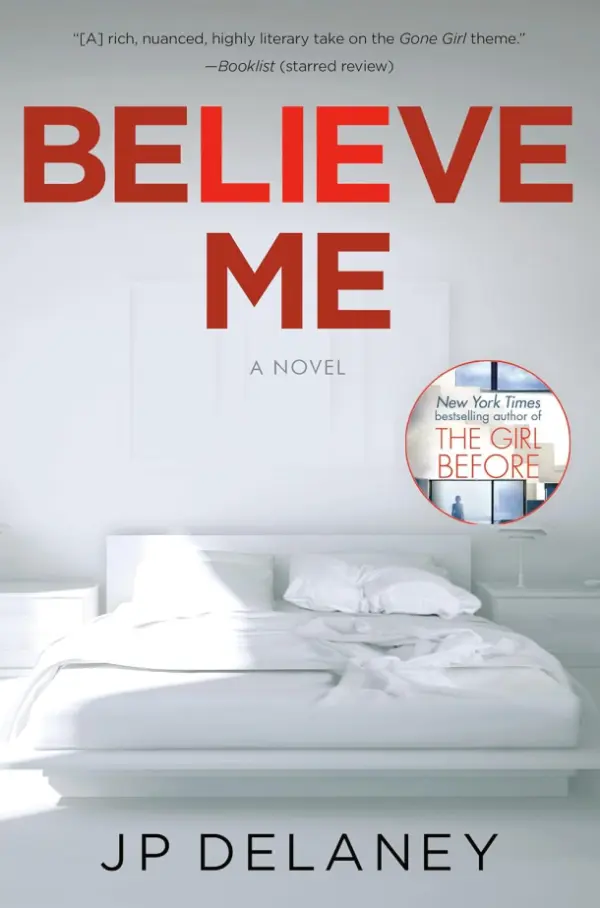
Believe Me
Average Goodreads rating3.7
- Secret Identity
- Twist Ending

Author
British psychological thriller writer behind The Girl Before, a Sunday Times and New York Times bestseller adapted for BBC and HBO Max.
New to J. P. Delaney? A popular place to start
Believe Me by J.P. Delaney is a psychological thriller about a struggling actress who works as a decoy entrapping unfaithful husbands - until one of her targets becomes the prime suspect in his wife's murder, and the police ask her to play her most dangerous role yet.
Picked from J. P. Delaney’s most widely rated books on Goodreads, starting at the beginning of its series.
Retailer links may earn Trope Trove a commission, at no extra cost to you.
Not part of a series listed on Trope Trove
Average Goodreads rating3.7
Average Goodreads rating3.8
Average Goodreads rating4.1
Average Goodreads rating3.7
Average Goodreads rating3.3
J. P. Delaney is a pseudonym of a British author born in Uganda in 1962, who studied at St Peter's College, Oxford, graduating with a First Class Honours degree in English Literature. Before fiction consumed him entirely, he built a career as a creative director in advertising, working on campaigns for major brands and winning a BAFTA for a campaign raising awareness about solvent abuse. That background in persuasion - in shaping a narrative to trigger a precise emotional response - is visible on every page he writes.
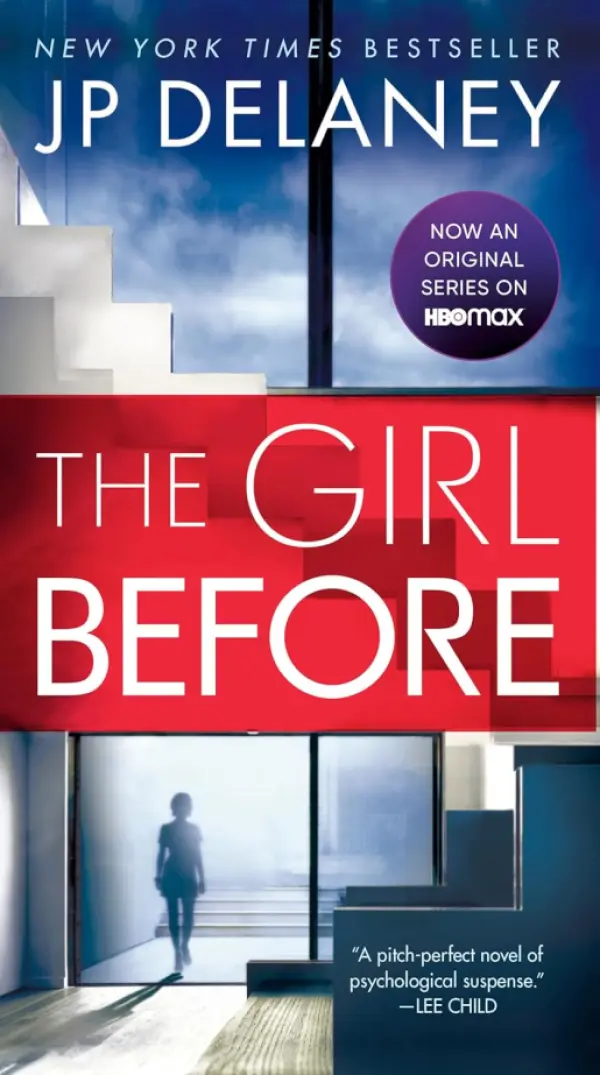
The J. P. Delaney name arrived in 2017 with The Girl Before, a psychological thriller constructed around a minimalist London townhouse whose controlling architect rents it only to young women willing to submit to an exhaustive list of rules. Two women, separated by time, narrate their experiences of the same address in alternating chapters. The novel became an instant Sunday Times and New York Times bestseller, selling over a million copies across forty countries. It was later adapted by the author himself into a BBC and HBO Max television series broadcast in 2021, and received nominations for the British Book Awards Crime and Thriller Book of the Year and the CrimeFest Sounds of Crime Award, which it won in 2018.
The pseudonym was a deliberate choice, and not merely for commercial reasons. Delaney has spoken openly about wanting each new project to be judged on its own terms rather than measured against previous work. The gender-neutral initials proved an unexpected asset: many readers assumed from the intimate female perspectives that the author was a woman, a reaction Delaney has described as welcome evidence that readers are responding to the story rather than the name on the cover.
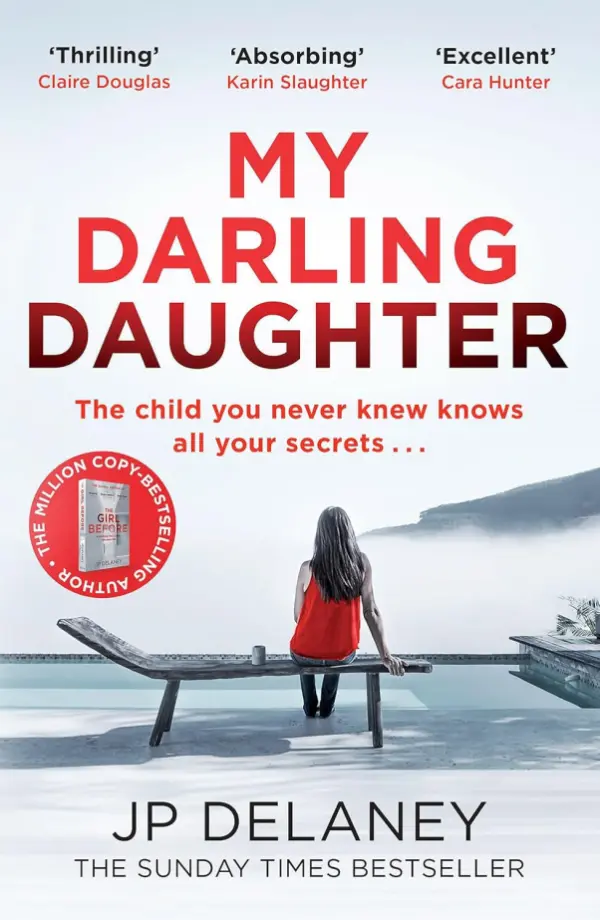
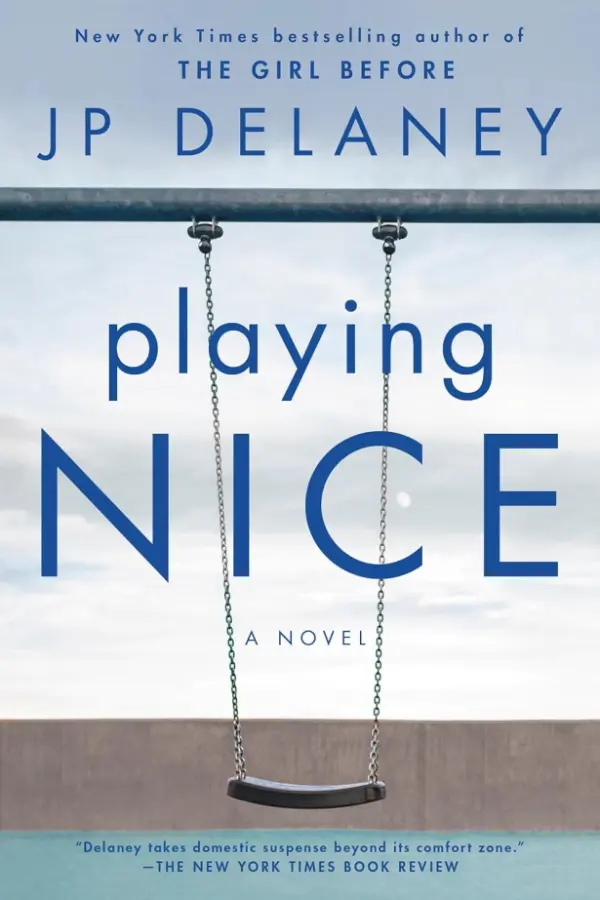
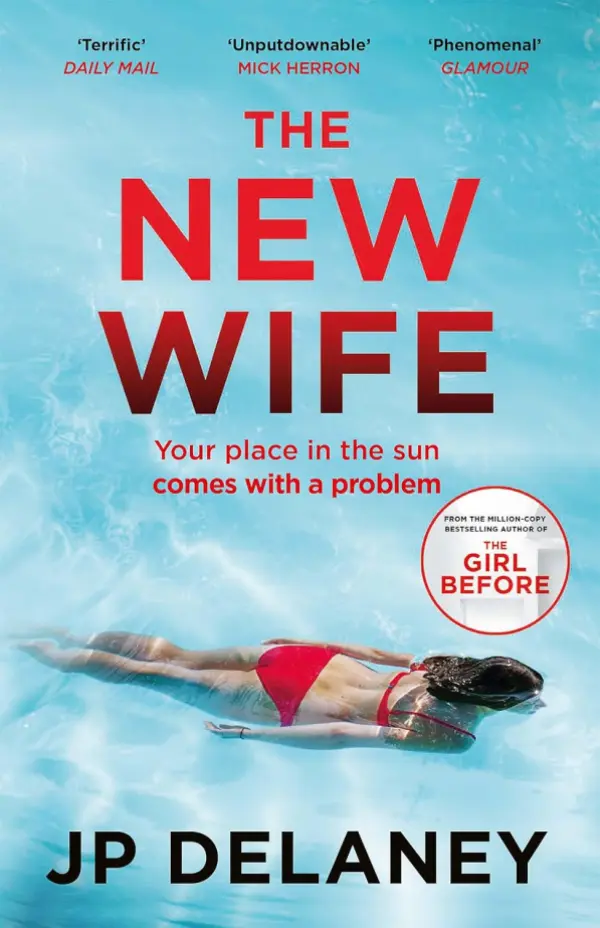
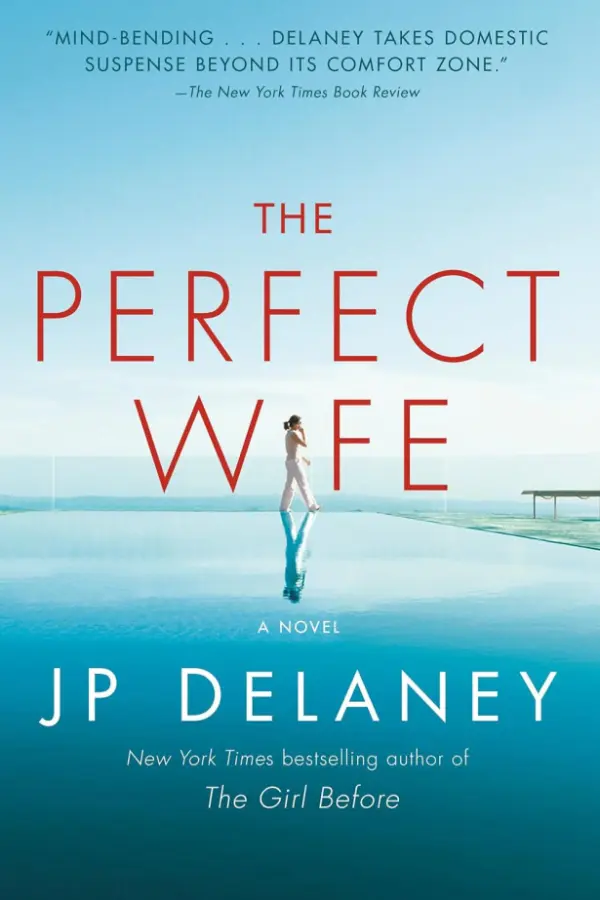
Subsequent novels consolidated the approach established in the debut. Believe Me (2018) centres on a British actress in New York without a work visa, who takes a job entrapping unfaithful husbands for a firm of divorce lawyers before finding herself pulled into a murder investigation. The Perfect Wife (2019) shifts the lens onto artificial intelligence and marital obsession, following a woman who wakes with no memory and must piece together the life her husband describes for her. Playing Nice (2020), a Richard and Judy Book Club Spring pick in 2021, takes a baby-swap scenario and excavates the paranoia that grows between two families forced into an uneasy alliance. My Darling Daughter (2022) and The New Wife (2023) continued the run of domestic suspense, and The Move, published in hardback in March 2026, is his most recent release.
Each novel is a standalone, requiring no prior knowledge of the others. That freedom allows Delaney to reset the setting and cast entirely between books whilst keeping the thematic preoccupations constant: control, identity, the gap between how people present themselves and who they actually are. High-concept premises - the smart house, the AI wife, the switched baby - are never mere gimmicks; they function as pressure chambers in which character is tested to its limits. The plotting is tightly engineered, but it's the psychological texture, the willingness to place morally complex, sometimes unreliable narrators at the centre, that gives the books their particular charge.
Before adopting the Delaney name, the same author published romantic fiction as Anthony Capella, including The Food of Love, which was translated into more than nineteen languages, and The Wedding Officer, an international bestseller. He also wrote a trilogy of crime novels set in contemporary Venice under the name Jonathan Holt, published in more than twenty countries. He lives in Oxfordshire.
Across all his pen names, the body of work shares an underlying fascination with the stories people construct about themselves and the violence - emotional or otherwise - that tends to follow when those stories unravel. Literary influences he has cited include Daphne du Maurier, John le Carré, and Lee Child. It's a lineage that says something useful: Delaney prizes atmosphere and moral ambiguity as much as pace.
John Marrs
Average Goodreads rating4.0
Tana French
Dublin Murder Squad, book 1
Average Goodreads rating3.8
Alice Feeney
Average Goodreads rating3.4

Alice Feeney
Average Goodreads rating4.3
Alice Feeney
Average Goodreads rating3.6
Mary Kubica
Average Goodreads rating3.2

If The Silent Patient's twist left you reeling, discover 13 psychological thrillers with the same unreliable narrators, therapy-room tension, and gasp-out-loud reveals.
Occasional emails with new recommendations, series news and trope round-ups.