
Believe Me
J. P. Delaney
Average Goodreads rating3.7
- Twist Ending
- Dark Secrets

Book trope · 13 books
At its heart, the secret identity trope is about the gap between who someone appears to be and who they truly are. A character conceals a fundamental part of themselves — their name, their powers, their past, their title, their nature — from the world around them, and very often from the person they're falling for.
More about the Secret Identity trope2 are tagged with Secret Identity individually. The others belong to a series tagged with it, which doesn’t mean every book in it features the trope, so they’re marked “Matched via its series”.
Updating books…
13 books found
J. P. Delaney
Average Goodreads rating3.7
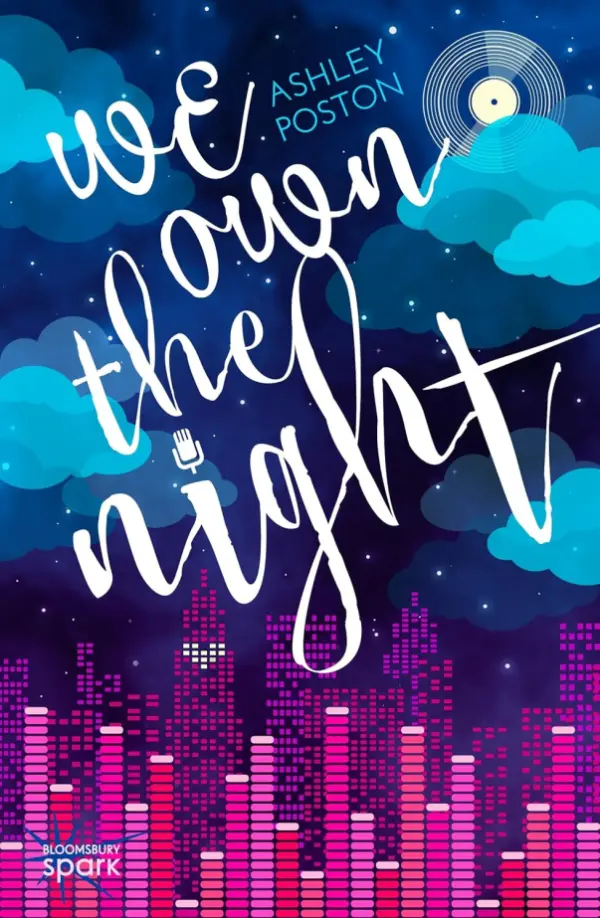
Ashley Poston
Average Goodreads rating3.8
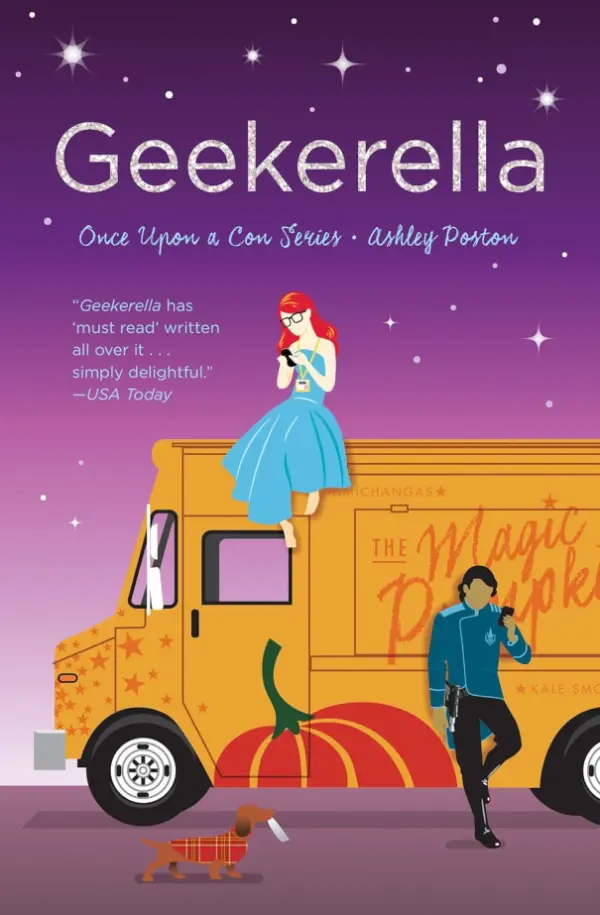
Ashley Poston
Once Upon A Con, book 1
Average Goodreads rating3.9
Matched via its series
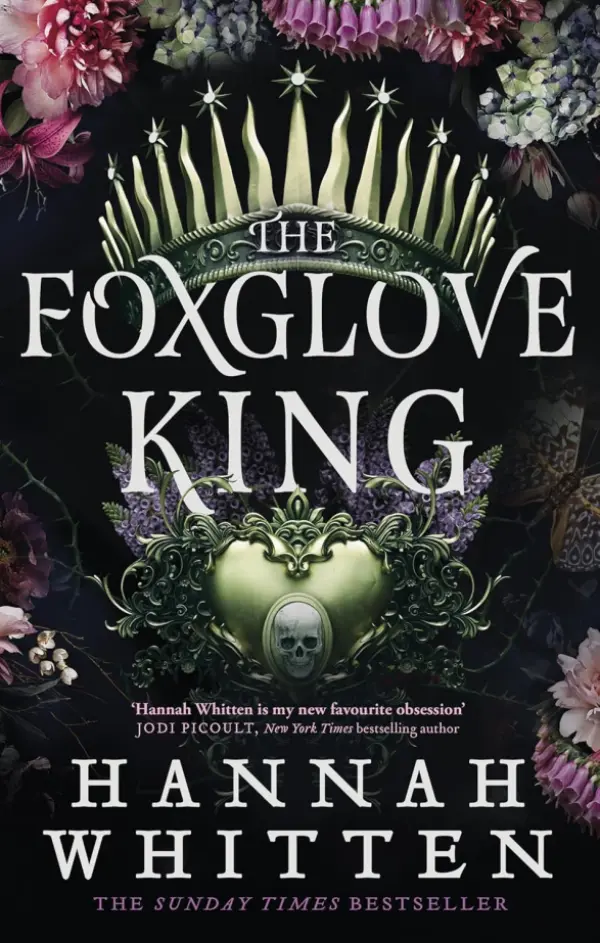
Hannah Whitten
The Nightshade Crown, book 1
Average Goodreads rating3.8
Matched via its series

Jay Kristoff
LIFEL1K3, book 1
Average Goodreads rating4.3
Matched via its series

James Islington
Hierarchy, book 1
Average Goodreads rating4.7
Matched via its series
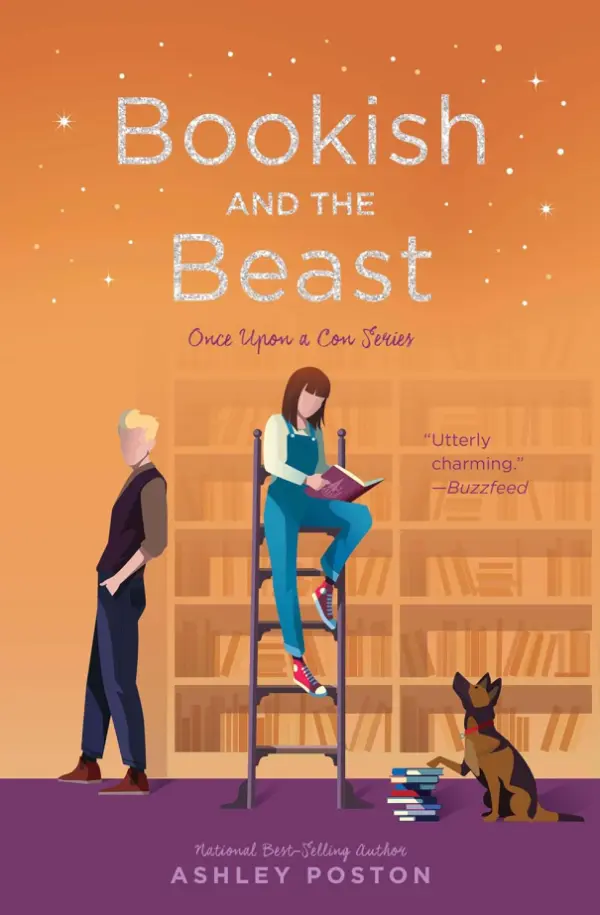
Ashley Poston
Once Upon A Con, book 3
Average Goodreads rating3.7
Matched via its series
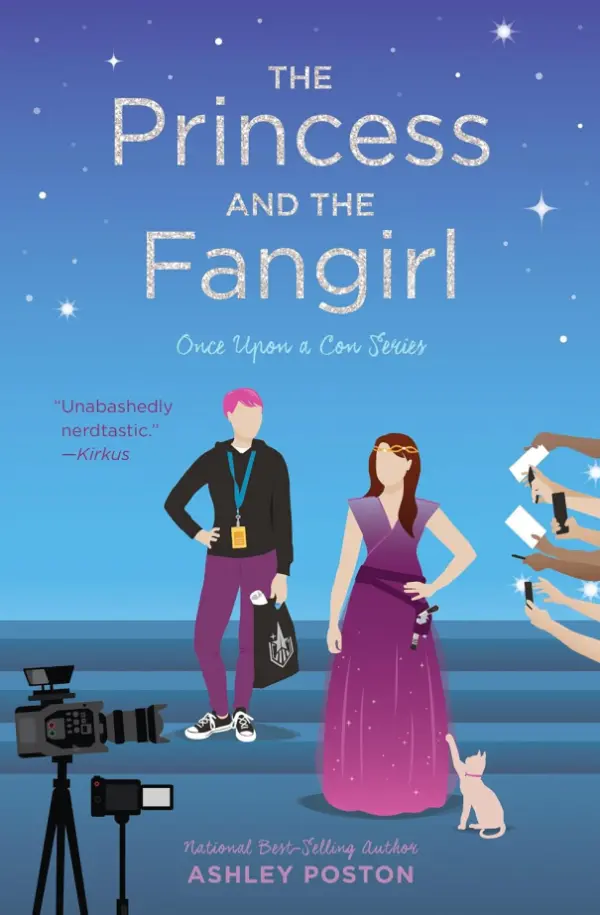
Ashley Poston
Once Upon A Con, book 2
Average Goodreads rating3.7
Matched via its series
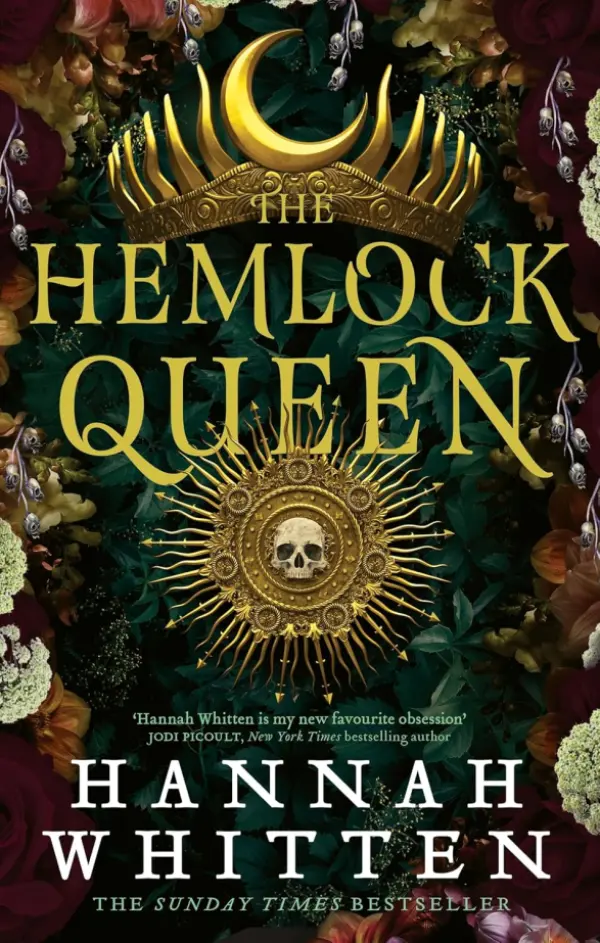
Hannah Whitten
The Nightshade Crown, book 2
Average Goodreads rating3.8
Matched via its series
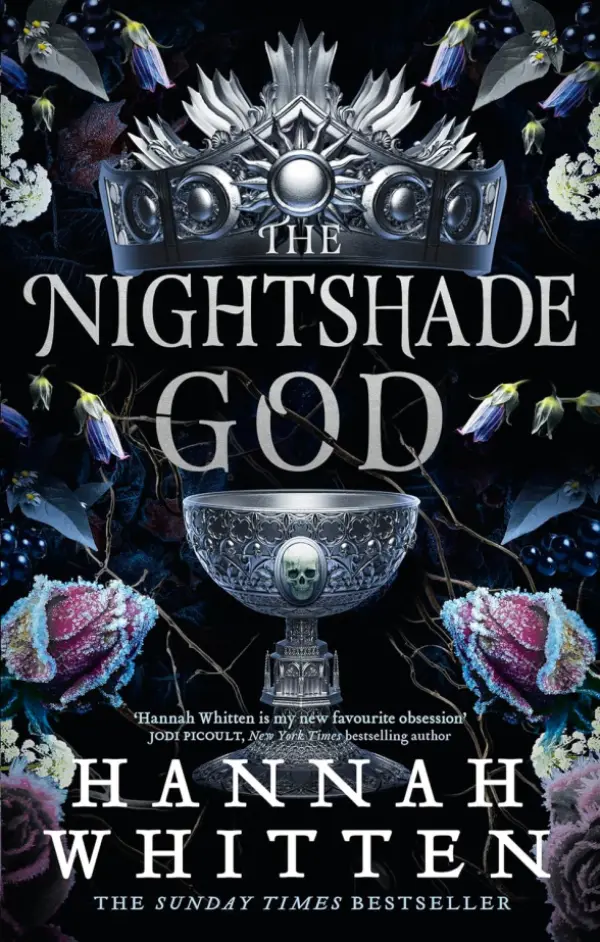
Hannah Whitten
The Nightshade Crown, book 3
Average Goodreads rating3.8
Matched via its series

Jay Kristoff
LIFEL1K3, book 2
Average Goodreads rating4.6
Matched via its series

Jay Kristoff
LIFEL1K3, book 3
Average Goodreads rating4.6
Matched via its series

James Islington
Hierarchy, book 2
Average Goodreads rating4.7
Matched via its series
Tropes that share the most books with Secret Identity
At its heart, the secret identity trope is about the gap between who someone appears to be and who they truly are. A character conceals a fundamental part of themselves — their name, their powers, their past, their title, their nature — from the world around them, and very often from the person they're falling for. That gap is where the tension lives.
It's one of the oldest storytelling devices there is, and fantasy and romance readers remain completely hooked on it. The reason isn't complicated: secrets create pressure, and pressure creates story. Every interaction carries a second layer of meaning when the reader knows something another character doesn't.
There's a specific kind of dread-and-delight that comes from watching two characters grow closer while one of them is hiding something enormous. Readers feel it acutely — the warmth of the connection alongside the creeping knowledge that disclosure is coming and everything will shift when it does.
The trope also raises questions that cut surprisingly deep. Is the hidden self the real one, or is it the performed version the world sees every day? When someone falls in love with a disguise, do they love the person underneath it? These aren't just plot mechanics. They're genuinely interesting to sit with.
The shape of the secret varies enormously depending on the subgenre. In epic fantasy, it might be a disguised heir trying to survive long enough to reclaim a throne, spending chapters among common folk who'd react very differently if they knew the truth. In fae and paranormal romance, the hidden truth is often a supernatural one — a creature passing as human, or a mortal who doesn't yet know what they are.
Enemies-to-lovers stories make particularly fertile ground for it. When both characters have reason to hide, the dramatic irony stacks up fast. Historical fantasy and romantasy also lean into the disguised-noblewoman or false-name premise, where social constraint is both the reason for the secret and the engine that makes revealing it so dangerous.
Sometimes the secret identity belongs to both parties simultaneously, which tips the whole thing into farce before it tips back into genuine feeling. Other times it's wielded with real darkness — a character who can't afford to be known because discovery would mean death, not just embarrassment.
The best versions of this trope don't rely solely on the reveal for their emotional payoff. The real work happens in the middle — in moments where the mask slips slightly, where a character almost says too much, where the reader holds their breath waiting for someone to notice. Sustained dramatic irony requires careful craft; done badly it just feels like the story is treading water until the inevitable.
A great secret identity also has consequences that feel proportionate to the secret. The bigger the gap between who a character appears to be and who they are, the higher the cost of discovery should feel — and the more meaningful the choice to finally tell the truth becomes.
At its finest, this trope doesn't just ask whether the secret will come out. It asks whether love can survive the truth of it.
Occasional emails with new recommendations, series news and trope round-ups.