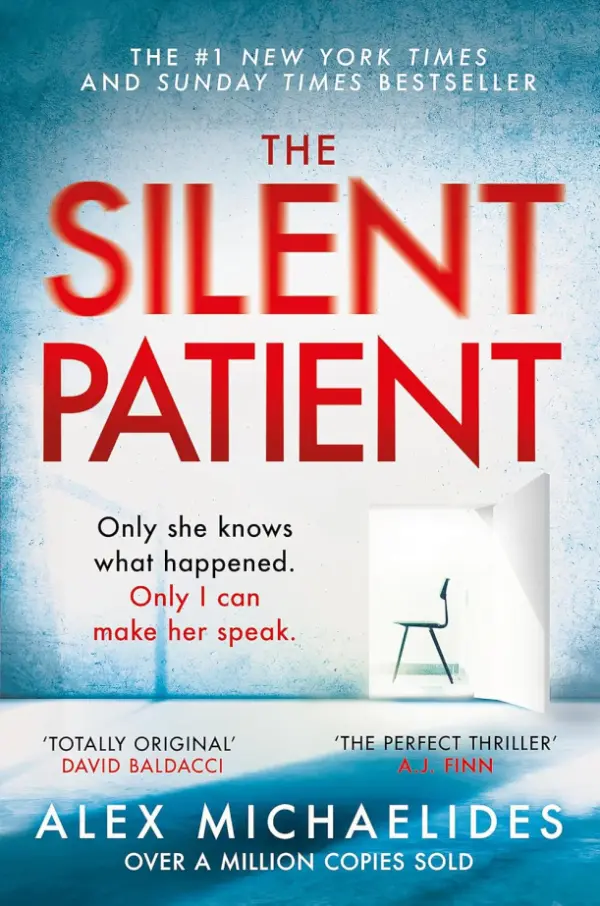
The Silent Patient
Alex Michaelides
Average Goodreads rating4.3
- Twist Ending
- Mystery and Secrets Revealed

· Updated
If The Silent Patient's twist left you reeling, discover 13 psychological thrillers with the same unreliable narrators, therapy-room tension, and gasp-out-loud reveals.
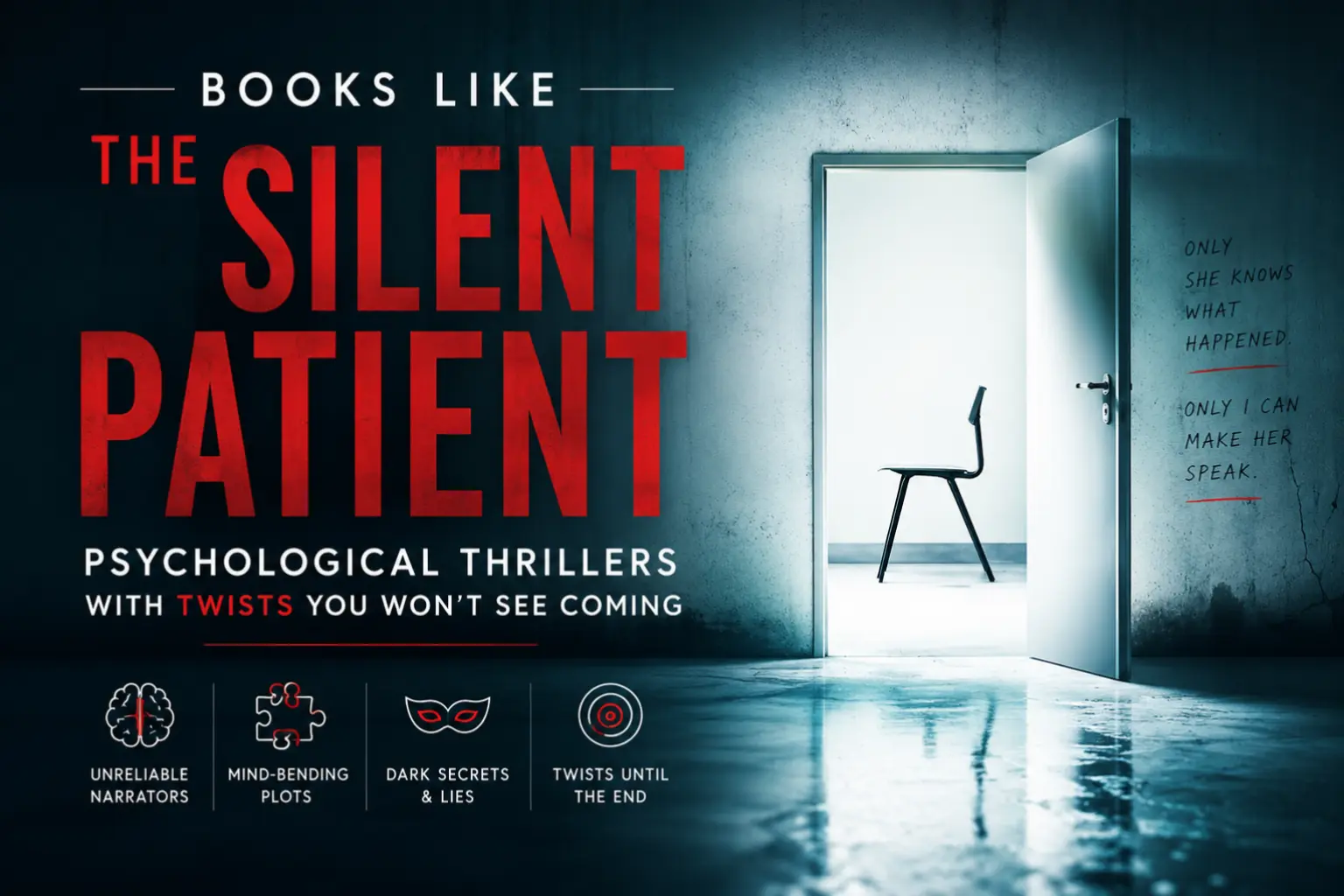
Alex Michaelides's The Silent Patient became one of the most talked-about debuts in recent memory, with its central mystery - why did celebrated painter Alicia Berenson shoot her husband five times and then never speak again? - hooking readers from the first page. But it's the ending that made this book a phenomenon, delivering a twist so audacious that readers immediately flipped back to the beginning to see how thoroughly Michaelides had played fair whilst still completely blindsiding them.
What makes The Silent Patient so addictive is its mastery of the unreliable narrator technique combined with genuine psychological insight. Theo Faber presents himself as a dedicated therapist determined to help his silent patient, and Michaelides uses that first-person trust against readers with devastating precision. The therapy-room setting adds claustrophobic intimacy, the Greek tragedy parallels add thematic depth, and the central question of what really happened in that London townhouse keeps pages turning until the final, gut-punching reveal.
We've gathered thirteen psychological thrillers that capture different aspects of what made The Silent Patient so unforgettable. Some feature narrators whose reliability comes into serious question. Others explore the therapist-patient dynamic with similar intimacy and unease. Many deliver the same kind of meticulously planted clues that reward rereading once you know the truth. All promise twists that recontextualise everything you thought you understood, narrators you can't quite trust, and the kind of compulsive reading experience that has you finishing in a single sitting. So settle in, trust no one, and prepare to have your assumptions dismantled one carefully placed clue at a time.
Alex Michaelides's The Maidens follows therapist Mariana Andros, who returns to Cambridge after her niece's friend is murdered. The victim belonged to a secretive group called The Maidens, devoted to charismatic Classics professor Edward Fosca. As more bodies appear and all evidence points to Fosca, Mariana becomes dangerously obsessed with proving his guilt - even as her own grief and unprocessed trauma make her an increasingly unreliable investigator. With over 200,000 Goodreads ratings, this is the obvious next step for any Silent Patient fan.
This is essential reading because it's Michaelides doing what he does best: atmospheric setting, classical mythology woven throughout, and a narrator whose psychological state colours everything we're told. Mariana's grief over her husband's death makes her project meaning onto patterns that may or may not exist, creating the same uncertainty about narrator reliability that made The Silent Patient so unsettling. Is she uncovering a genuine conspiracy, or seeing what her trauma needs her to see?
Michaelides uses Greek tragedy - particularly myths about Persephone and Demeter - to structure the narrative, adding thematic resonance to the central mystery about mothers, daughters, and loss. The Cambridge setting provides the same kind of intimate, prestigious backdrop that made the therapy clinic in The Silent Patient feel simultaneously safe and sinister. The Maidens' cult-like devotion to Fosca raises uncomfortable questions about charismatic manipulation that echo themes from his debut.
The twist delivers the kind of recontextualising shock Michaelides's readers now expect, with revelations about who's actually dangerous landing with real force. For readers who want more of Michaelides's specific blend of psychological insight, classical allusion, and devastating reveals, this is required reading that proves his debut was no fluke.

The Maidens by Alex Michaelides is a dark academia thriller set at Cambridge University, where a grieving therapist becomes convinced a charismatic professor is responsible for the ritualistic murders of his most devoted students.
Colleen Hoover's Verity follows Lowen Ashleigh, a struggling writer hired to complete the remaining novels in a bestselling series after author Verity Crawford is incapacitated by an accident. Whilst sorting through Verity's office, Lowen discovers an unfinished autobiography containing horrifying admissions - including what Verity claims really happened the day her daughter died. With over 1 million Goodreads ratings and massive BookTok success, this became one of the most talked-about psychological thrillers in years.
This is perfect for Silent Patient fans because the entire narrative hinges on a document of questionable reliability - much like Alicia's diary entries that Theo obsessively reads, hoping to understand what really happened. Lowen reads Verity's manuscript believing it reveals the truth, but Hoover plants enough doubt that readers (and eventually Lowen) must question whether Verity's confessions are genuine admissions or calculated manipulation aimed at a specific audience.
The book's structure - alternating between Lowen's present-day narration and excerpts from Verity's manuscript - creates the same kind of dual-perspective uncertainty that made Michaelides's book so compulsive. Is Verity truly catatonic, or is something more sinister happening in that house? Hoover builds genuine dread through the domestic setting, with Lowen increasingly unable to trust her own perceptions of the Crawford household.
The ending is deliberately ambiguous in ways that sparked endless reader debate - precisely the kind of "wait, what actually happened?" reaction that defines the genre's best work. For readers who want manuscript-within-a-narrative structure, questions about whether a seemingly incapacitated character is more dangerous than anyone realises, and an ending that demands immediate rereading, this is addictive and genuinely unsettling.
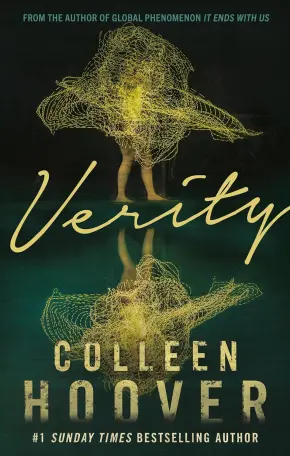
Verity by Colleen Hoover is a dark psychological thriller where obsession, hidden truths, and manipulation blur reality inside a disturbing unfinished manuscript.
Sarah Pinborough's Behind Her Eyes follows Louise, a single mother who begins an affair with her new boss David, only to discover his wife Adele is the woman she's recently befriended without realising the connection. As Louise gets drawn into the Marchettis' marriage, she uncovers details about lucid dreaming, control, and a friendship from Adele's past that suggests something far stranger than a simple love triangle. With over 220,000 Goodreads ratings, this became infamous for its viral #WTFThatEnding marketing campaign.
This is essential for Silent Patient fans because it delivers one of the genre's most genuinely shocking twists - a reveal that recontextualises every single thing readers thought they understood about the narrative's basic reality, not just character motivations. Pinborough plants clues throughout that seem like standard psychological thriller misdirection until the final chapters reveal they meant something entirely different.
The alternating perspectives between Louise (present) and Adele (past) create the same dual-timeline tension that drives much of The Silent Patient's structure, with readers gradually understanding how past trauma shaped present circumstances. The lucid dreaming element adds a layer of unreliability that goes beyond typical unreliable narration - readers genuinely cannot trust what's real within the story's own internal logic.
The marketing campaign's promise that "you'll never see it coming" was remarkably honest, with the twist genuinely dividing readers between delighted shock and feeling cheated by the rules suddenly changing. For readers who want a twist so audacious it changes the entire genre conversation, complex female relationships with hidden agendas, and the kind of ending you'll need to discuss with someone immediately, this delivers.
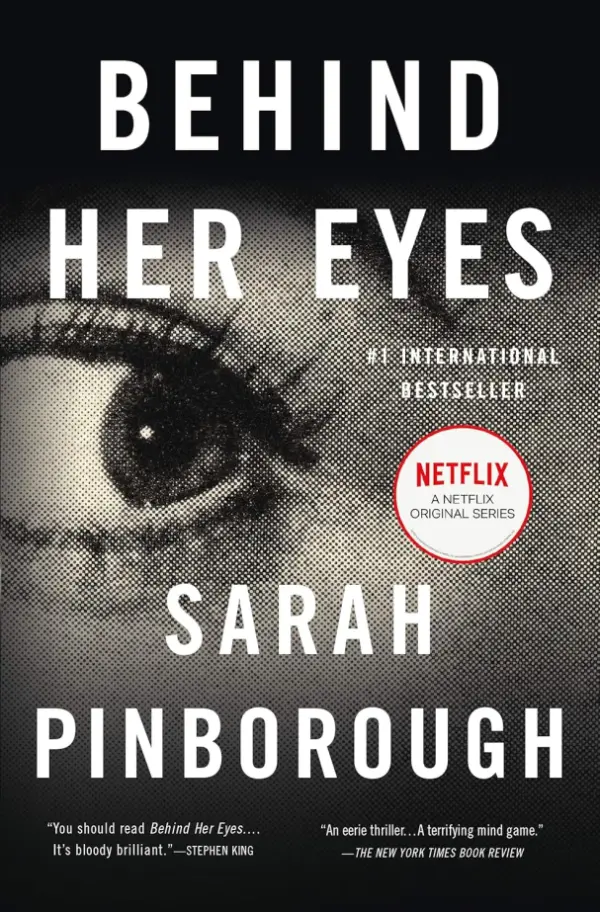
Behind Her Eyes by Sarah Pinborough is a psychological thriller about a single mother drawn into an affair with her married boss - and an unlikely friendship with his wife - that builds toward one of the most talked-about endings in the genre.
S.J. Watson's Before I Go to Sleep follows Christine, who wakes every morning with no memory of her adult life due to a traumatic brain injury. Her husband Ben patiently re-explains her life each day, but when Christine begins secretly keeping a journal with help from a doctor, she discovers details that don't match what Ben has told her - including the unsettling possibility that he's not who he claims to be. With over 370,000 Goodreads ratings, this became a bestselling debut and film adaptation.
This appeals to Silent Patient fans through its devastating exploration of memory, trust, and how reliable narration becomes impossible when the narrator literally cannot remember her own life. Christine must rebuild her understanding of reality each day from fragments, creating exactly the kind of epistemological uncertainty that makes Michaelides's work so unsettling - if you can't trust your own memories, how can you trust anyone else's account of them?
Watson creates almost unbearable tension through the journal format, with Christine's daily entries revealing small inconsistencies that accumulate into genuine dread. The therapist character, Dr. Nasch, provides outside perspective that parallels Theo's role, though here the question becomes whether even the helping professional can be trusted. The domestic setting - Christine trapped in her own home, dependent on someone she has every reason to fear - creates claustrophobic intimacy.
The revelations about Christine's actual past and Ben's true identity deliver genuine shock whilst remaining psychologically grounded in trauma and memory's fragility. For readers who want narrators whose unreliability stems from genuine cognitive impossibility rather than deception, claustrophobic domestic settings, and twists that recontextualise an entire relationship, this is gripping and genuinely frightening.
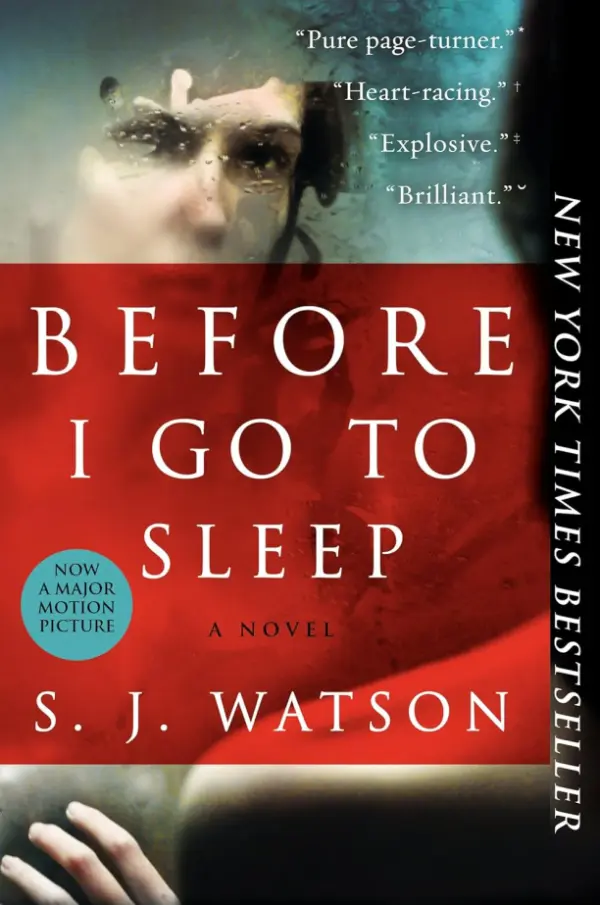
by S. J. Watson
Before I Go to Sleep by S.J. Watson is a psychological thriller about a woman who loses every memory each time she falls asleep - and must decide, every single morning, who in her life is actually telling her the truth.
Ashley Audrain's The Push follows Blythe, who's determined to be a better mother than her own neglectful mother and grandmother before her. But from birth, Blythe's daughter Violet seems wrong somehow - cold, manipulative, even dangerous - though her husband Fox insists Blythe is imagining problems. As Blythe's certainty about Violet's nature conflicts entirely with everyone else's perception, readers must decide who to believe. With over 450,000 Goodreads ratings, this became a word-of-mouth phenomenon examining motherhood's darkest fears.
This is brilliant for Silent Patient fans because it's built entirely on unreliable perception - Blythe might be witnessing genuine danger from her daughter, or she might be experiencing postpartum mental illness that's distorting her view of an ordinary child. Audrain never definitively resolves this ambiguity, forcing readers to constantly reassess what they believe is actually happening, exactly the kind of interpretive uncertainty that makes Michaelides's work so compelling.
The generational trauma structure - weaving in Blythe's mother and grandmother's stories - adds depth whilst raising questions about whether Blythe has inherited genuine perceptiveness about dangerous children or inherited mental illness that makes her see danger where none exists. Audrain writes with visceral intensity about motherhood's complicated feelings, creating discomfort regardless of which interpretation readers favour.
The ending provides devastating clarity whilst remaining true to the book's ambiguous structure throughout. For readers who want psychological thrillers exploring maternal ambivalence and perception, questions about whether the narrator is reliable witness or unreliable due to illness, and prose that makes you deeply uncomfortable in the best way, this is unforgettable and genuinely controversial.
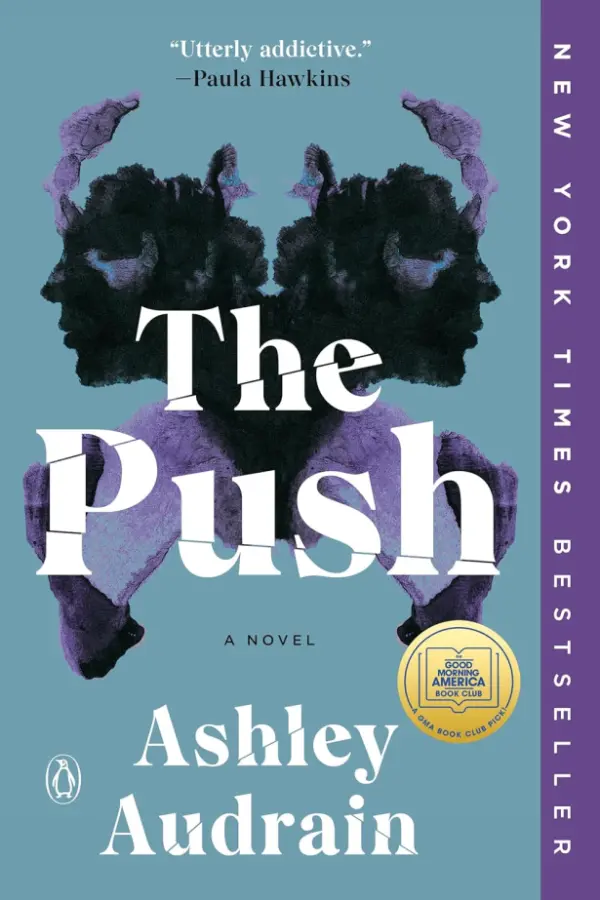
The Push by Ashley Audrain is a domestic psychological thriller about a mother who becomes convinced something is deeply wrong with her daughter - and a husband who refuses to believe her, even as the family heads toward tragedy.
Alice Feeney's Sometimes I Lie opens with Amber Reynolds in a coma, able to hear everything happening around her but unable to respond or move. The narrative alternates between her present trapped consciousness, diary entries from the week leading to her accident, and flashbacks to her childhood - with Amber's own admission in the opening line that she sometimes lies immediately undermining everything that follows. With over 300,000 Goodreads ratings, this became known for its devastating layered twist.
This is perfect for Silent Patient fans because Feeney announces narrator unreliability from the very first page, then dares readers to figure out exactly which parts of Amber's account are true. The coma framing device creates the same kind of trapped, helpless perspective that made Alicia's silence so unsettling - Amber can observe and understand everything happening around her bed but cannot intervene or correct misunderstandings.
Feeney's structure - three timelines that gradually reveal how they connect - rewards careful attention to small details that seem incidental until their significance becomes clear. The childhood flashbacks provide psychological context that recontextualises Amber's adult relationships and choices, similar to how understanding Alicia's past illuminates her present silence. The marriage at the story's centre conceals genuine darkness beneath its seemingly ordinary surface.
The final twist is genuinely layered, with multiple reveals stacking to create devastating clarity about what actually happened and who's actually responsible. For readers who want narrators who explicitly warn you not to trust them, multiple timeline structures that reward attentive reading, and twists that require rereading to fully appreciate the planted clues, this is masterfully constructed and emotionally devastating.
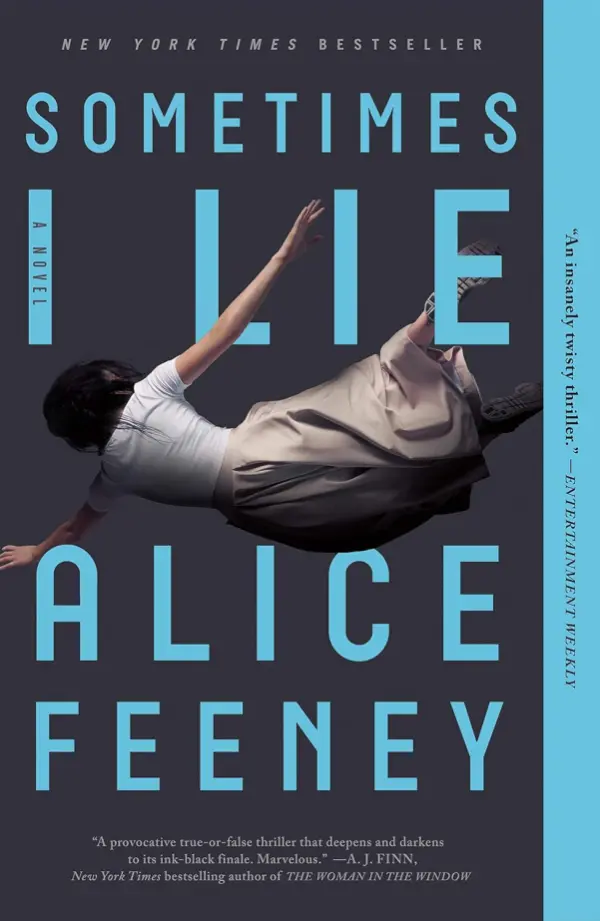
by Alice Feeney
Sometimes I Lie by Alice Feeney is a psychological thriller about a woman who wakes up in a coma, unable to move or speak, convinced her husband had something to do with whatever put her there - and warns readers upfront that she's not always telling the truth.
J.P. Delaney's The Girl Before follows two women, Emma and Jane, who separately rent the same minimalist house designed by an enigmatic architect with an extensive list of strict rules tenants must follow. As both women's stories unfold in alternating timelines, disturbing parallels emerge between their experiences, raising questions about what happened to the house's previous tenant and whether Jane is following the same dangerous path. With over 170,000 Goodreads ratings, this became a bestseller exploring control, architecture, and psychological manipulation.
This appeals to Silent Patient fans through its exploration of psychological control within seemingly therapeutic or beneficial relationships. The architect Edward Monkford, who designed the house and selects tenants through psychological evaluation, echoes the morally complex authority figures who populate Michaelides's work - people positioned as helpers or experts who may be exercising far more troubling control than their role suggests.
Delaney's dual timeline structure creates mounting dread as Jane's experiences increasingly mirror Emma's documented history, suggesting either dangerous repetition or Edward's calculated pattern of selecting and shaping vulnerable women. The house itself - minimalist, rule-bound, almost a character in its demands for compliance - creates the same claustrophobic atmosphere as the locked therapy ward in The Silent Patient.
The revelations about what actually happened to Emma and the true nature of Edward's psychological project deliver genuine shock whilst illuminating troubling questions about consent, control, and whether anyone can truly evaluate another person's psychology objectively. For readers who want psychological manipulation disguised as expertise, parallel timelines building dread through repetition, and architecture used as a tool of control, this is unsettling and intelligently constructed.

The Girl Before by J.P. Delaney is a psychological thriller about two women who, years apart, move into the same ultra-minimalist house under the same controlling architect - and the mysterious death that links them.
Tana French's In the Woods introduces detective Rob Ryan, investigating the murder of a young girl in the same suburban Dublin woods where, twenty years earlier, he was the sole survivor of a childhood incident that left his two friends missing and Rob with no memory of what happened. As the present case dredges up his unresolved past, Rob's reliability as both detective and narrator becomes increasingly questionable. With over 440,000 Goodreads ratings, this launched French's acclaimed Dublin Murder Squad series.
This is exceptional for Silent Patient fans through its sophisticated exploration of memory, trauma, and a narrator whose psychological blind spots actively shape (and distort) the investigation he's conducting. Rob's inability to remember his own childhood trauma creates the same kind of fundamental epistemological uncertainty that makes Michaelides's narrators so compelling - how can you trust an account from someone who doesn't have access to crucial information about himself?
French writes with extraordinary psychological depth, making Rob's gradual unravelling feel genuinely earned rather than a plot mechanism. His professional competence as a detective conflicts increasingly with his personal unreliability as he approaches uncomfortable truths about his own past. The Dublin setting provides atmospheric density, with the titular woods becoming a space where past and present trauma intersect.
Famously, French refuses to resolve the central childhood mystery completely, a choice that frustrated some readers but others find devastatingly appropriate to the book's themes about how some trauma resists narrative resolution. For readers who want literary psychological suspense, a detective protagonist whose objectivity becomes genuinely compromised, and prose that prioritises psychological truth over tidy answers, this is a modern classic that rewards patient, attentive reading.
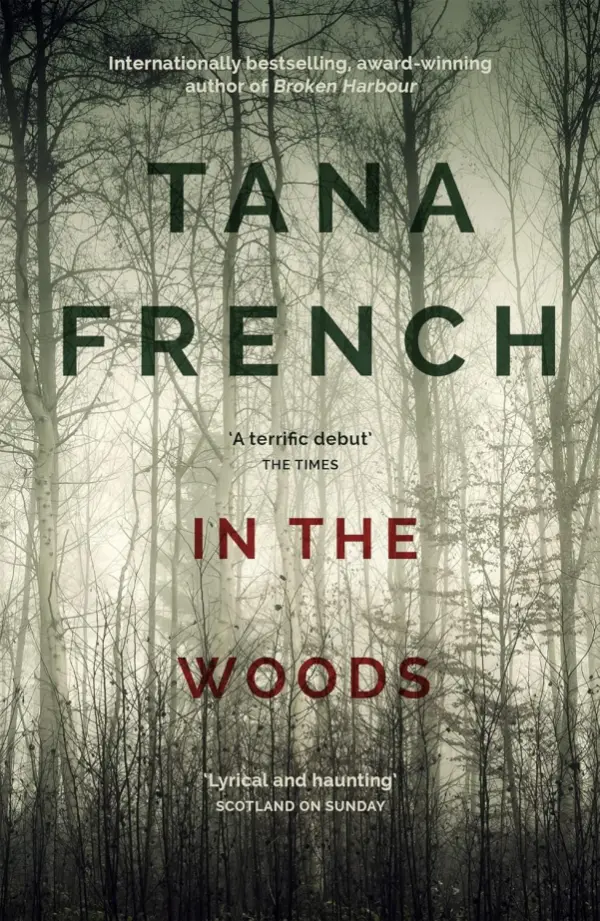
by Tana French
Dublin Murder Squad (Book 1)
In the Woods by Tana French is a literary crime thriller following a Dublin detective investigating a child's murder in the same woods where, twenty years earlier, he was the lone survivor of a still-unsolved disappearance.
Lionel Shriver's We Need to Talk About Kevin is structured as a series of letters from Eva Khatchadourian to her estranged husband, written after their teenage son Kevin commits a horrific school massacre. As Eva reconstructs Kevin's childhood and her own complicated, often resentful feelings about motherhood, readers must determine how much her account reflects reality versus guilt-driven retrospective reshaping. With over 250,000 Goodreads ratings and Orange Prize win, this became a controversial, critically acclaimed exploration of nature versus nurture.
This is profound reading for Silent Patient fans because Eva's entire narrative exists in service of self-examination and self-justification simultaneously - she's trying to understand what she might have done differently whilst also, perhaps, exonerating herself from blame. Shriver creates genuine ambiguity about whether Kevin was always fundamentally damaged or whether Eva's documented ambivalence toward motherhood contributed to his development, never definitively answering this question.
The epistolary format creates intimacy whilst maintaining distance - Eva is performing self-analysis for an absent audience, raising questions about what she's including, excluding, or unconsciously reshaping to support her current understanding. This mirrors the therapeutic confession structure of Michaelides's work, where written accounts (diaries, letters) become unreliable documents shaped by their author's psychological needs.
Shriver doesn't provide comfortable answers about culpability, nature versus nurture, or whether any parent could have prevented Kevin's violence. The book remains deliberately uncomfortable, refusing to let readers settle into easy judgment of either Eva or Kevin. For readers who want literary psychological fiction examining culpability and self-justification, an epistolary structure that questions its own reliability, and genuinely difficult questions about motherhood and monstrosity, this demanding classic rewards careful, uncomfortable engagement.
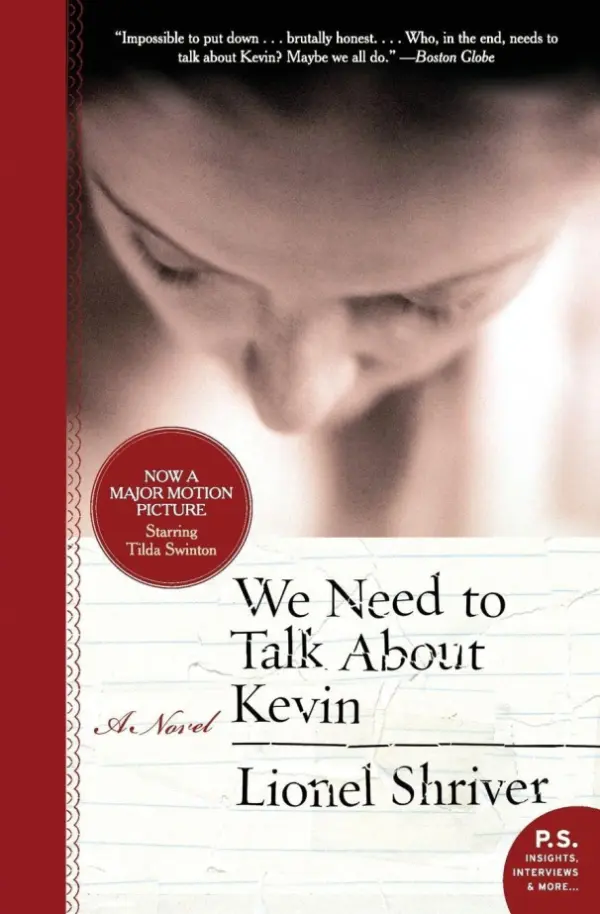
We Need to Talk About Kevin by Lionel Shriver is a literary thriller told through letters a mother writes to her estranged husband, working backwards through her son's childhood in the aftermath of a school massacre he committed at sixteen.
Shari Lapena's The Couple Next Door begins when Anne and Marco's six-month-old daughter Cora disappears whilst they're at a dinner party next door, having left the baby monitor on but no babysitter present. As police investigate, both parents' stories begin unravelling, with secrets emerging that suggest the truth about that night is far more complicated than a simple abduction. With over 200,000 Goodreads ratings, this became a bestselling domestic thriller built entirely on shifting reliability.
This appeals to Silent Patient fans through its relentless examination of how every character's account proves incomplete or actively misleading. Lapena structures the novel so that readers' sympathies and suspicions constantly shift as new information recontextualises previous scenes - Anne seems traumatised and innocent, then suspicious; Marco seems caring, then potentially guilty; even seemingly minor characters harbour secrets relevant to Cora's disappearance.
The book's pacing is relentless, with short chapters and constant revelations maintaining the same compulsive momentum that drives readers through Michaelides's work. Lapena plants clues throughout that seem like standard misdirection until their actual significance becomes clear, rewarding attentive readers whilst still managing to surprise even careful clue-trackers.
The eventual revelation about what actually happened to Cora and who bears responsibility delivers satisfying complexity, with multiple characters' culpability layered rather than simple. For readers who want fast-paced domestic thriller with constantly shifting reliability, missing child mystery structure, and an ending that implicates more characters than initially suspected, this is propulsive and genuinely twisty.

by Shari Lapena
The Couple Next Door by Shari Lapena is a domestic thriller about a couple who leave their baby sleeping next door while they attend a dinner party - and return to find her gone. Everyone in the street has a secret. Not all of them are small ones.
Mary Kubica's Local Woman Missing follows the disappearance of Shelby Tebow and, separately, young mother Meredith Dickey and her daughter, with the case initially seeming unconnected until Meredith's now-eleven-year-old son returns home eleven years later with disturbing information about where he's been and what happened. With over 70,000 Goodreads ratings, this became a hidden gem for readers seeking less mainstream psychological suspense with genuine surprise.
This is excellent for Silent Patient fans seeking a less ubiquitous pick that still delivers the genre's key pleasures. Kubica structures the novel with multiple perspectives and timelines, gradually revealing how seemingly separate disappearances connect through psychological manipulation that's genuinely difficult to predict. The returning child's perspective adds an unsettling, almost feral quality - he's been shaped by trauma in ways that make his own reliability as a narrator deeply uncertain.
Kubica writes suburban settings with genuine menace lurking beneath ordinary surfaces, creating the same kind of unease that pervades Michaelides's London townhouse setting. The mystery unfolds through careful information control, with readers piecing together the true sequence of events alongside the characters investigating years later.
The reveals about who's responsible and the full scope of manipulation involved deliver genuine shock whilst remaining psychologically coherent once explained. For readers who want a lesser-known psychological thriller with multiple mysterious disappearances, child narrators whose trauma shapes unreliable perspective, and twists that reward careful attention without requiring mainstream ubiquity, this hidden gem delivers genuine surprise.

by Mary Kubica
Local Woman Missing by Mary Kubica is a domestic thriller spanning eleven years, where two women vanish from the same quiet Chicago suburb - and when a girl reappears claiming to be one of them, the cold cases everyone buried come rushing back.
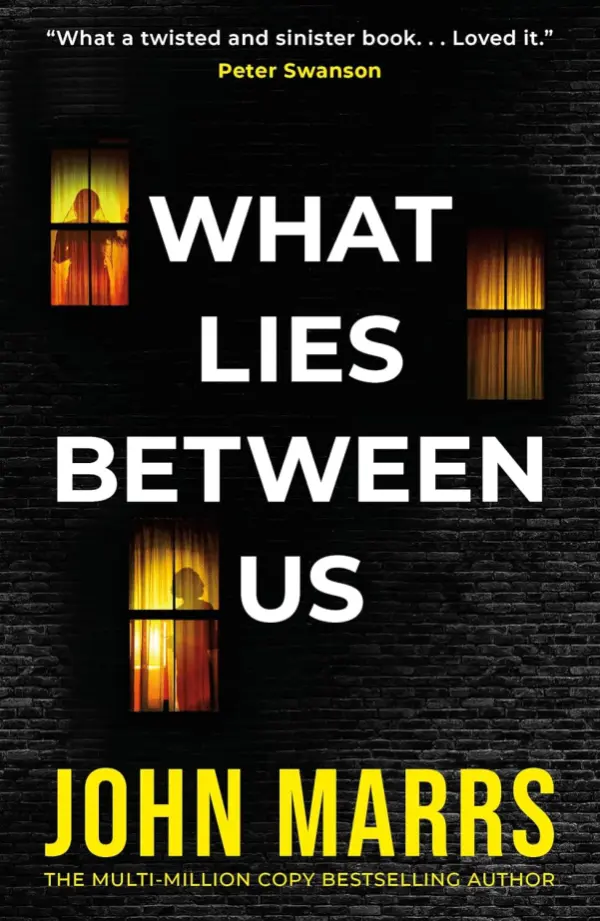
John Marrs's What Lies Between Us presents two women, Maggie and her daughter Nina, who've lived together in increasingly strange isolation for years - with Nina keeping Maggie imprisoned in their attic under circumstances that gradually reveal a far more complicated history of mutual manipulation, abuse, and devastating secrets than either captor or captive narrative initially. With under 50,000 Goodreads ratings, this remains a genuine hidden gem for readers wanting twisted family dynamics.
This appeals to Silent Patient fans through its sophisticated subversion of typical captor/victim narrative structure. Marrs initially presents a seemingly clear dynamic - imprisoned mother, controlling daughter - before systematically revealing that both women have committed terrible acts and harbour justified grievances against each other, making it genuinely difficult to determine who deserves more sympathy or blame. This moral complexity mirrors how Michaelides refuses simple victim/perpetrator categorisation.
The claustrophobic attic setting creates the same intense, confined atmosphere as the psychiatric ward where much of The Silent Patient unfolds. Marrs reveals backstory gradually through alternating perspectives, with each revelation complicating rather than simplifying readers' understanding of these damaged women's relationship and history.
The escalating revelations about past abuse, manipulation, and violence create genuine discomfort whilst maintaining narrative momentum. For readers who want lesser-known psychological thrillers exploring toxic mother-daughter dynamics, captor narratives that resist simple moral categorisation, and claustrophobic settings that intensify psychological tension, this underrated thriller delivers genuine unease and moral complexity.
by John Marrs
What Lies Between Us by John Marrs is a domestic psychological thriller about a daughter who keeps her elderly mother chained in the attic - told from both their perspectives, spanning twenty-five years, as the reasons behind the captivity are slowly, shockingly revealed.
Laura Purcell's The Silent Companions follows pregnant widow Elsie, who retreats to her late husband's remote country estate, where she discovers strange wooden figures - "companions" - in a locked room, along with disturbing diary entries from centuries earlier that suggest the house harbours genuine supernatural malevolence. The novel is framed by Elsie's present-day account from within an asylum, immediately establishing her narration as potentially unreliable. With around 40,000 Goodreads ratings, this gothic hidden gem blends psychological and supernatural horror.
This is perfect for Silent Patient fans seeking gothic atmosphere alongside questionable narration. Like Alicia's silence creating uncertainty about her psychological state, Elsie's asylum framing immediately raises questions about her reliability - is she genuinely experiencing supernatural events, or is grief and isolation creating delusion? Purcell maintains this ambiguity skilfully throughout, never definitively resolving whether readers should trust the supernatural elements as real within the story's internal logic.
The dual timeline structure - Elsie's present and the historical diary entries from centuries earlier - creates the same kind of past-illuminating-present revelation structure that drives much of Michaelides's work. Purcell's prose creates genuine dread through atmospheric description, with the wooden companions becoming increasingly sinister as their history and purpose gradually emerge.
The conclusion provides devastating clarity about events at the manor whilst maintaining ambiguity about Elsie's own psychological state and culpability. For readers who want gothic atmosphere combined with genuine psychological uncertainty, supernatural elements that may or may not be real, and a lesser-known thriller that rewards patient atmospheric immersion, this underrated gem delivers chilling, sophisticated unease.
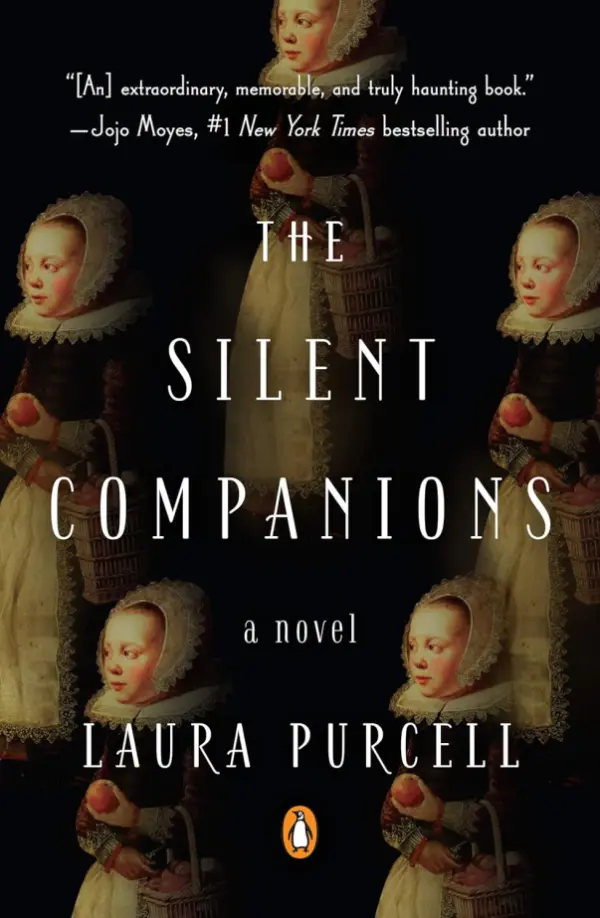
The Silent Companions by Laura Purcell is a Victorian gothic horror novel about a newly widowed woman who finds painted wooden figures in her late husband's crumbling estate - and discovers, terrifyingly, that they move.
These thirteen books capture the elements that made The Silent Patient so unforgettable: narrators whose reliability comes under serious question, therapeutic or intimate settings that create claustrophobic tension, meticulously planted clues that reward rereading, and the kind of devastating twist that recontextualises everything you thought you understood. Whether you're drawn to manuscript-within-narrative structures, dual timelines building toward convergence, or simply psychological thrillers that refuse to let you trust anyone completely, these books promise the same compulsive, gasp-inducing reading experience. So settle in, question everyone's motives, and prepare for twists that will have you immediately flipping back to the first page to see exactly how thoroughly you were deceived.
Alex Michaelides
Average Goodreads rating4.3
Colleen Hoover
Average Goodreads rating4.5
Alex Michaelides
Sarah Pinborough
Average Goodreads rating3.8
S. J. Watson
Average Goodreads rating3.9
Ashley Audrain
Average Goodreads rating4.0
Alice Feeney
Average Goodreads rating3.7
J. P. Delaney
Average Goodreads rating3.7
Tana French
Dublin Murder Squad, book 1
Average Goodreads rating3.8
Lionel Shriver
Average Goodreads rating4.1
Shari Lapena
Average Goodreads rating3.8
Mary Kubica
Average Goodreads rating4.1
John Marrs
Average Goodreads rating4.0
Laura Purcell
Average Goodreads rating3.9
Occasional emails with new recommendations, series news and trope round-ups.