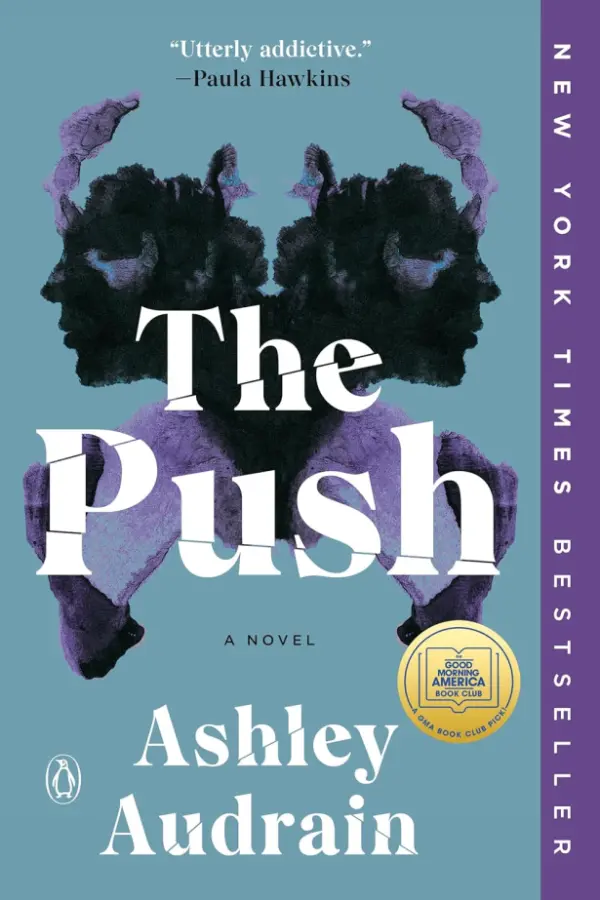
The Push
Ashley Audrain
Average Goodreads rating4.0
- Domestic Suspense
- Dark Secrets

Book trope · 24 books
Nobody chooses the family they come from. That is precisely what makes it such fertile ground for storytelling. The Family Legacy trope is about the inheritance that has nothing to do with money - the expectations, the history, the reputation, the burden of what came before.
More about the Family Legacy trope13 are tagged with Family Legacy individually. The others belong to a series tagged with it, which doesn’t mean every book in it features the trope, so they’re marked “Matched via its series”.
Updating books…
24 books found
Ashley Audrain
Average Goodreads rating4.0

Alice Feeney
Average Goodreads rating3.8
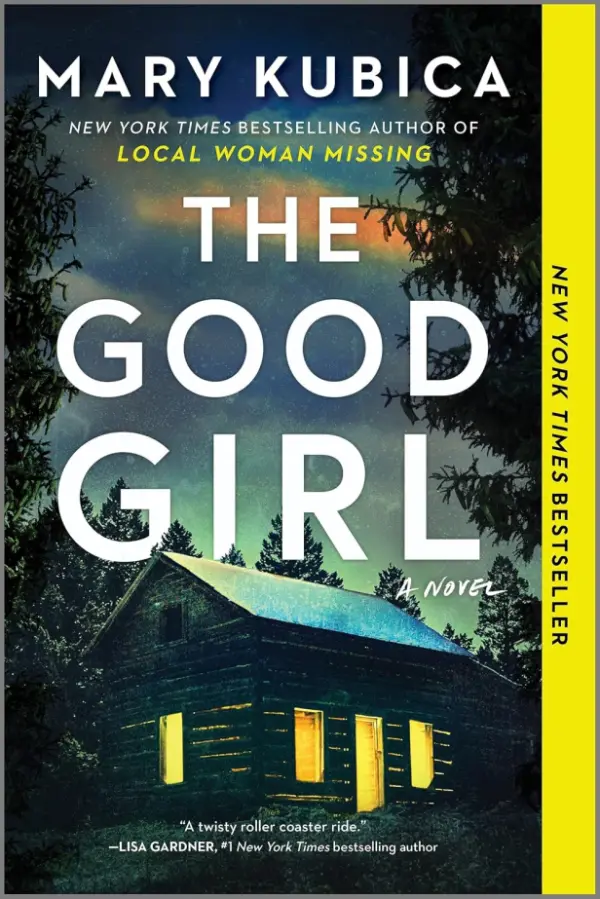
Mary Kubica
Average Goodreads rating3.8
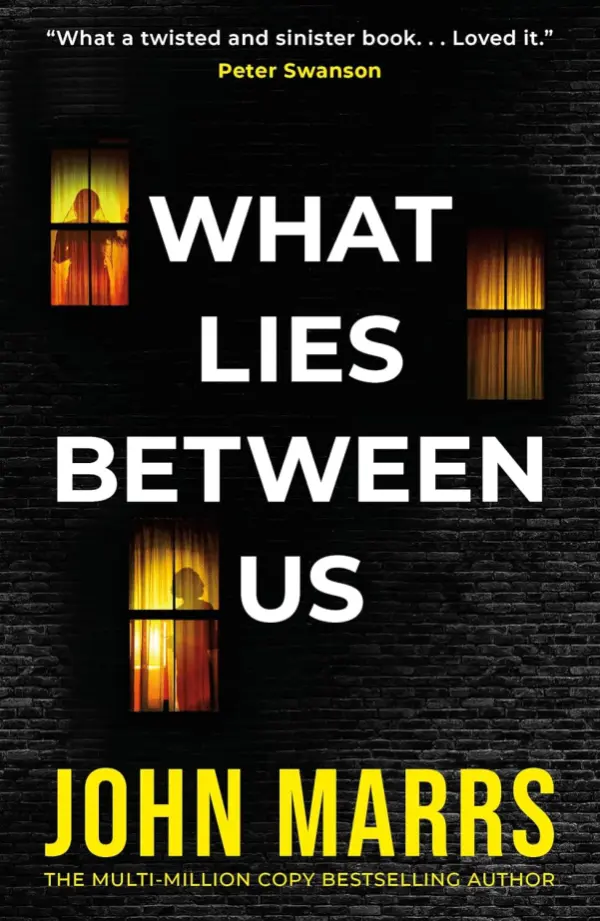
John Marrs
Average Goodreads rating4.0

Shari Lapena
Average Goodreads rating3.8
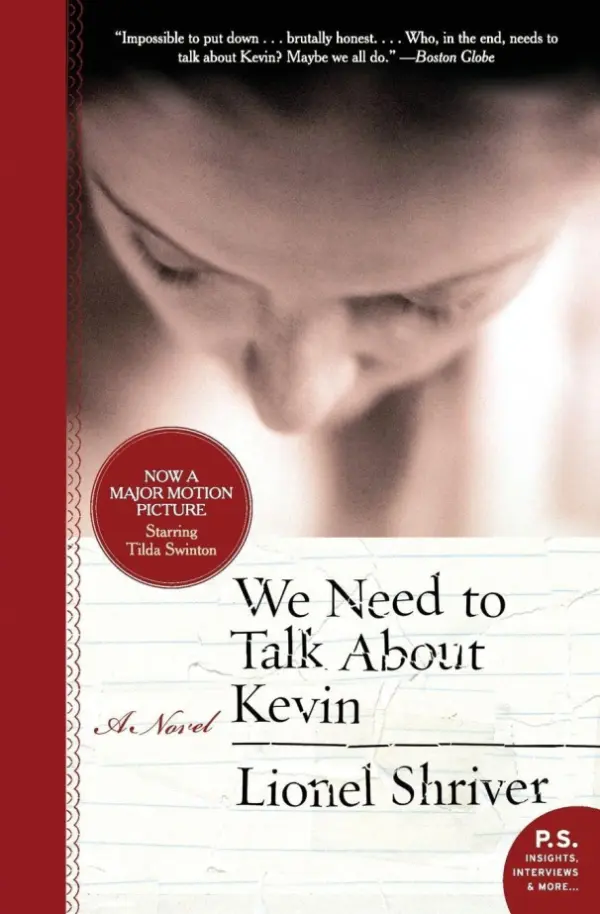
Lionel Shriver
Average Goodreads rating4.1

Christina Lauren
Average Goodreads rating3.6

Christina Lauren
Average Goodreads rating3.6

J. P. Delaney
Average Goodreads rating4.1

Sarah Pinborough
Average Goodreads rating3.7

J. P. Delaney
Average Goodreads rating3.8

J. P. Delaney
Average Goodreads rating3.3

Tana French
Dublin Murder Squad, book 3
Average Goodreads rating4.0

Elena Armas
The Long Game, book 1
Average Goodreads rating3.6
Matched via its series
A. E. Rayne
Fate of the Furycks, book 1
Average Goodreads rating4.6
Matched via its series

Samantha Shannon
The Roots of Chaos, book 1
Matched via its series

Elena Armas
The Long Game, book 2
Average Goodreads rating3.6
Matched via its series
A. E. Rayne
Fate of the Furycks, book 2
Average Goodreads rating4.7
Matched via its series
A. E. Rayne
Fate of the Furycks, book 4
Average Goodreads rating4.7
Matched via its series
A. E. Rayne
Fate of the Furycks, book 3
Average Goodreads rating4.7
Matched via its series
A. E. Rayne
Fate of the Furycks, book 5
Average Goodreads rating4.7
Matched via its series
A. E. Rayne
Fate of the Furycks, book 6
Average Goodreads rating4.7
Matched via its series

Samantha Shannon
The Roots of Chaos, book 2
Matched via its series

Samantha Shannon
The Roots of Chaos, book 3
Matched via its series
Tropes that share the most books with Family Legacy
Nobody chooses the family they come from. That is precisely what makes it such fertile ground for storytelling. The Family Legacy trope is about the inheritance that has nothing to do with money - the expectations, the history, the reputation, the burden of what came before. A character shaped by Family Legacy is never just themselves. They are the latest in a line, carrying forward something that was built or broken or both long before they arrived. Whether they embrace that inheritance, struggle against it, or try to quietly set it down somewhere and walk away, the legacy follows. It always does.
Family Legacy is defined by the presence of a lineage that actively shapes the protagonist's identity, choices, and place in the world. That lineage might be celebrated - a family name that opens doors, a tradition of power or heroism the character is expected to continue. Or it might be a source of shame, obligation, or danger - a past that others have not forgotten, a debt that was not the character's to make but is theirs to pay. What defines the trope is not the nature of the legacy itself but its pressure: the way it sits on the character's shoulders and demands something of them, whether they want to give it or not.
The Family Legacy trope resonates because almost everyone understands, in some form, the experience of being shaped by where they came from. The particular tension it creates in fiction - between who a character is and who their family needs them to be - is one that readers recognise instinctively. There is also something compelling about stories that stretch across time, that show how choices made in one generation ripple forward into the next. The protagonist is not just navigating their own story. They are navigating the accumulated weight of everyone who came before them, and the question of how much of that weight is theirs to carry.
These stories typically open with a character either embedded in their legacy or on a collision course with it. The narrative tends to involve an excavation - uncovering the true history of the family, the decisions that created the present situation, the things that were buried rather than resolved. Secondary characters often represent different responses to the same inheritance: the sibling who accepted it without question, the relative who broke under it, the ancestor whose choices set everything in motion. The protagonist must ultimately decide not just what to do with their legacy, but what kind of person they intend to be in relation to it - which is rarely the same thing as simply accepting or rejecting what came before.
The Family Legacy trope endures because it situates the personal inside the historical in a way that gives individual stories epic weight. A character's choices matter not only for themselves but as the latest chapter in something longer. That continuity makes the stakes feel larger and the resolutions feel earned. It also allows fiction to explore ideas about identity, responsibility, and inherited harm in ways that feel concrete rather than abstract - because the legacy is not a concept but a name, a house, a reputation, a silence that has been maintained for too long. What you do with what you were given turns out to be one of the oldest questions a story can ask.
Occasional emails with new recommendations, series news and trope round-ups.