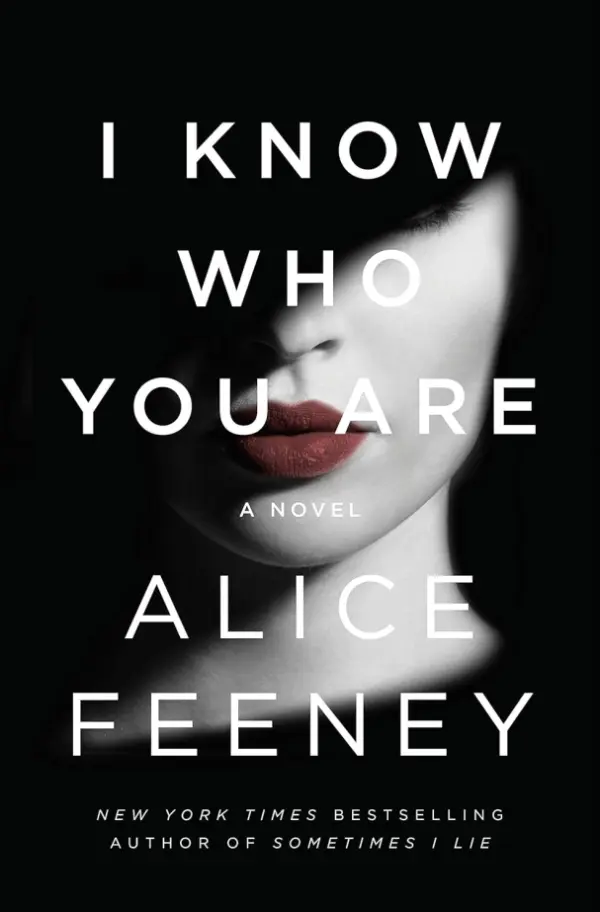
I Know Who You Are
Alice Feeney
Average Goodreads rating3.4
- Deception
- Twist Ending

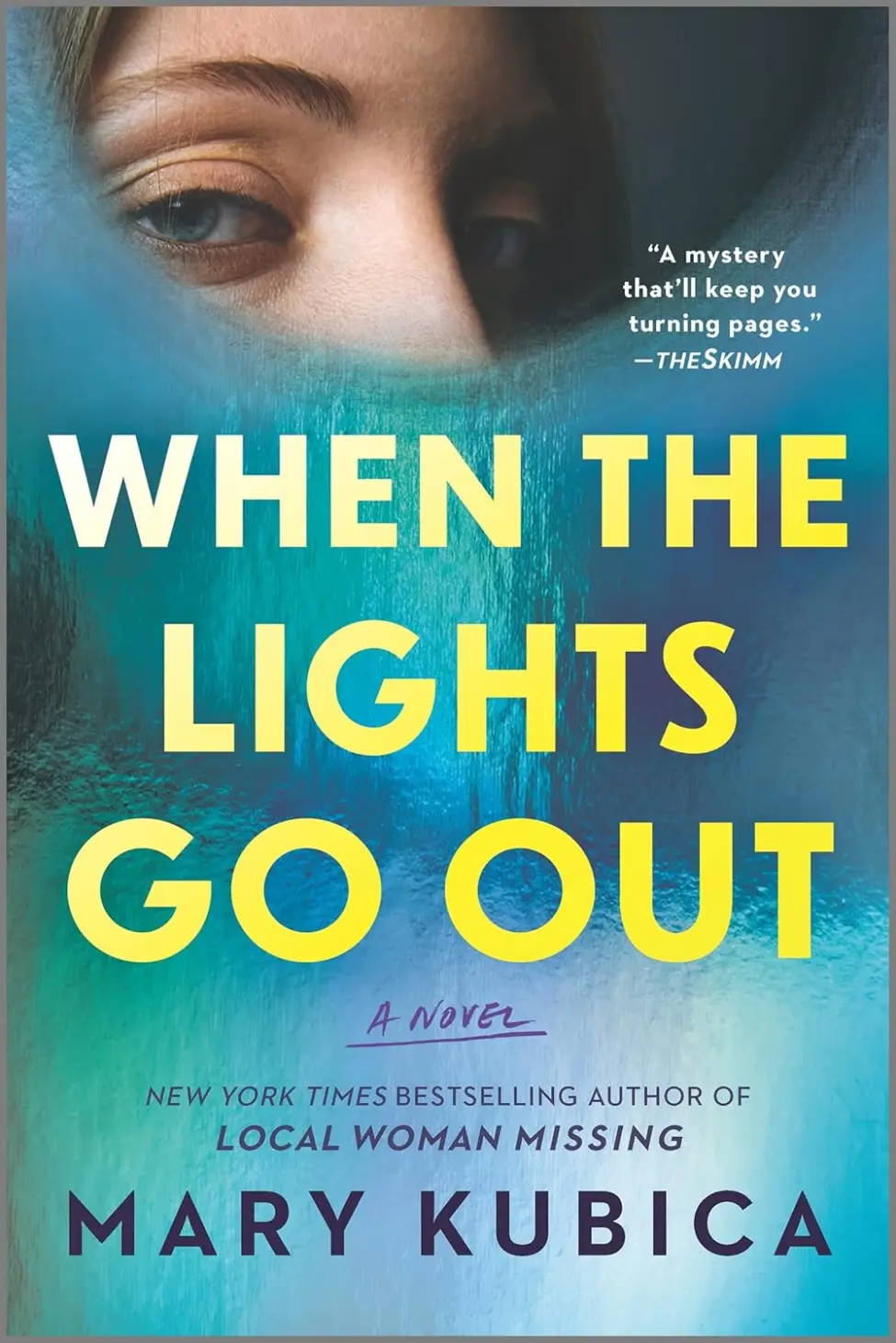
by Mary Kubica
We don’t have a retailer link for this book in your region yet.
When the Lights Go Out by Mary Kubica is a psychological thriller about a grieving woman who discovers, while applying to college, that her own social security number belongs to someone who died seventeen years ago. Someone with her name.
When the Lights Go Out by Mary Kubica is a standalone psychological thriller published in September 2018 by Park Row Books. Her fourth novel, it's the entry in her catalogue most often described as doing something genuinely unusual with its premise - and also the most divisive on execution, with readers consistently split between those who found the ending brave and those who found it a frustrating loose end. Kirkus Reviews called Kubica "a helluva storyteller" while noting the book doesn't quite reach her best efforts - a fair summary of the general consensus.
Jessie Sloane has been her mother's caretaker for years, watching Eden Sloane die slowly from cancer. When she finally does, Jessie is unmoored in the way of people who have oriented their whole lives around a single person's needs - adrift, purposeless, and wracked with guilt for having fallen asleep the night her mother passed. She puts the house on the market, rents a small carriage house from an elderly reclusive widow, and applies to community college. The college flags her application. Her social security number is attached to a death certificate filed seventeen years ago - in her name. There are no records of her birth certificate anywhere. No driver's licence. No digital trail of her existence before a certain point. Jessie is either who she has always believed herself to be, or she is someone else entirely. And with her mother now gone, there is no one left to ask.
As the mystery of her identity deepens, Jessie's insomnia takes hold. The grief of losing her mother, the vertigo of not knowing who she is, and the sleeplessness compound each other in a deteriorating spiral - her judgment blurs, she begins to see things, and the boundary between what she's experiencing and what she's imagining becomes genuinely impossible to locate. Kubica's Unreliable Narrator here isn't built on deception but on exhaustion: Jessie is trying to get to the truth, and the tool she needs most - her own mind - is breaking down in real time.
The second timeline reaches back to 1996, following Eden as a newly married woman in her late twenties, ecstatically in love with her husband Aaron and desperately, increasingly obsessively trying to have a child. Kubica traces that obsession from hopeful to consuming across years of Complicated Romance and Trauma and Healing - what it costs both Eden and Aaron, what it makes them willing to consider - and the Multiple Timelines interweaving of young Eden and present-day Jessie builds slowly toward the revelation of what connects them. The connection readers sense early on is not quite what they expect, and Kubica sustains real tension around the specifics even as the broad shape becomes visible.
The Dark Secrets Eden kept, and the Deception that shaped Jessie's entire sense of herself, give the Identity & Memory premise real emotional ballast: this isn't a puzzle-box thriller but a grief novel wrapped in one. Jessie's relationship with her dead mother - tender, suffocating, now permanently unresolvable - is the book's genuine centre, and the mystery of who Jessie is functions as a vehicle for the harder question of who her mother actually was.
The Twist Ending has been among the most debated in Kubica's catalogue. Readers who loved it describe it as genuinely surprising and emotionally appropriate; readers who didn't tend to feel it collapses rather than resolves the mystery. Neither reaction is wrong - this is a book that generates unusually strong feelings in both directions, and that intensity is worth noting as a selling point rather than a caveat.
Alice Feeney
Average Goodreads rating3.4
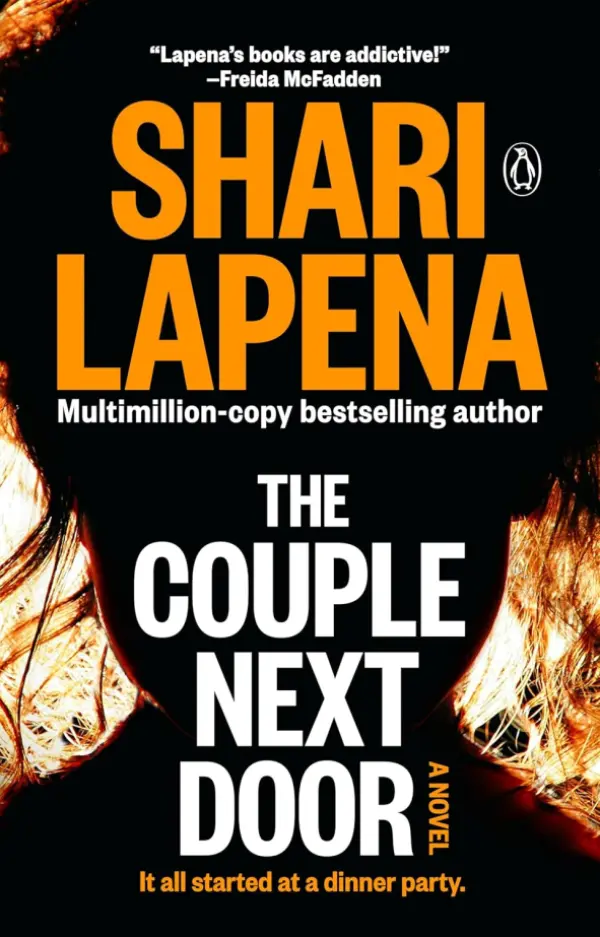
Shari Lapena
Average Goodreads rating3.8

J. P. Delaney
Average Goodreads rating3.7
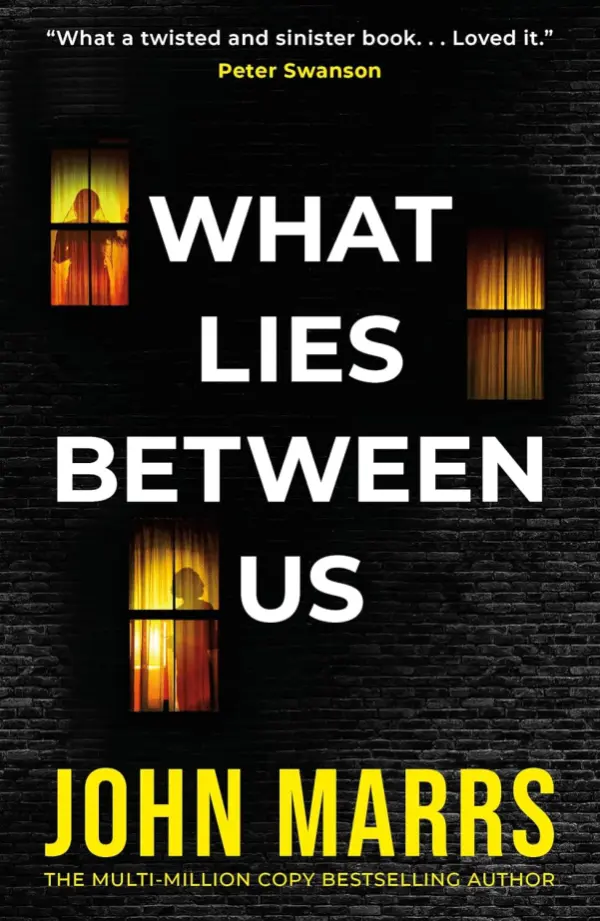
John Marrs
Average Goodreads rating4.0

Sarah Pinborough
Average Goodreads rating3.7
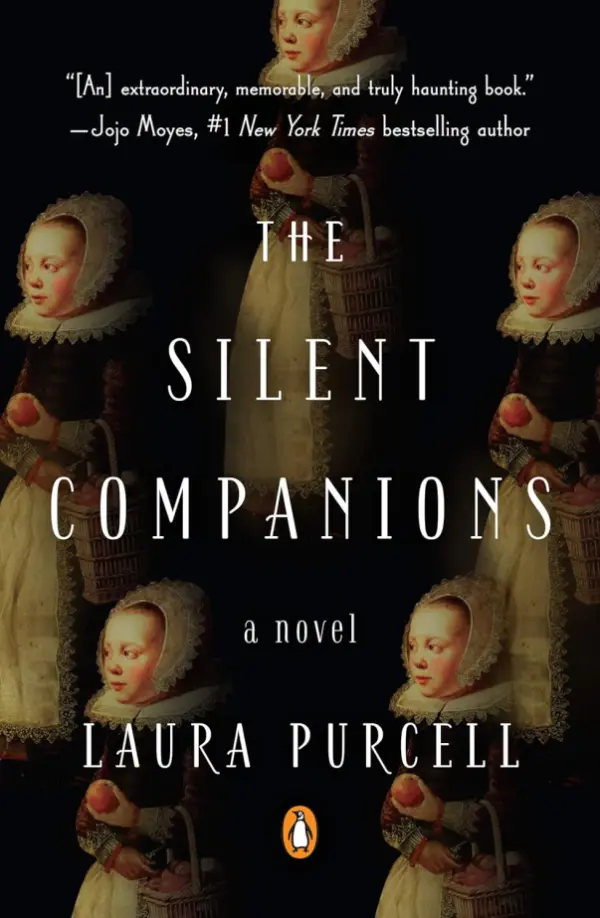
Laura Purcell
Average Goodreads rating3.9
Still Looking?
Further down our similarity list, but still sharing tropes and genres with this book.
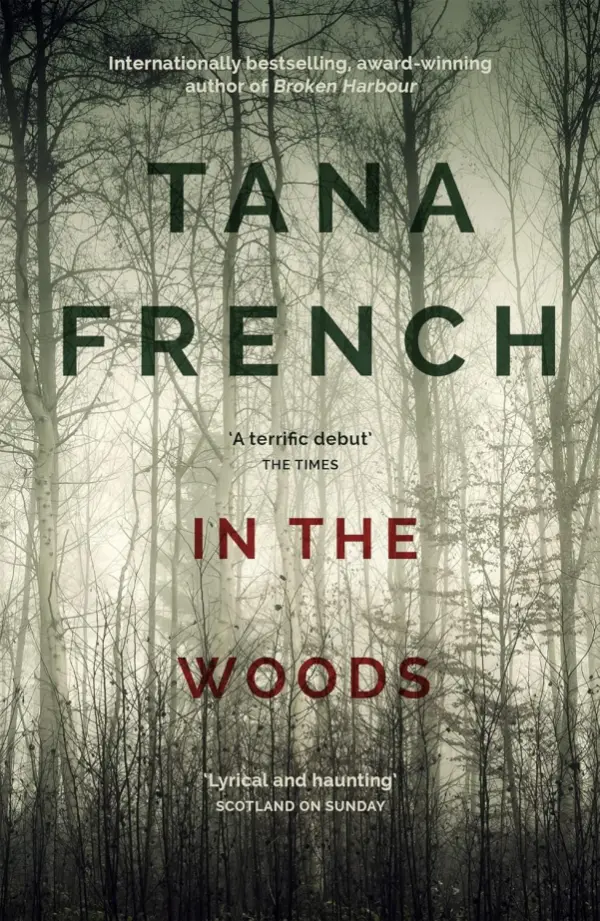
Tana French
Dublin Murder Squad, book 1
Average Goodreads rating3.8
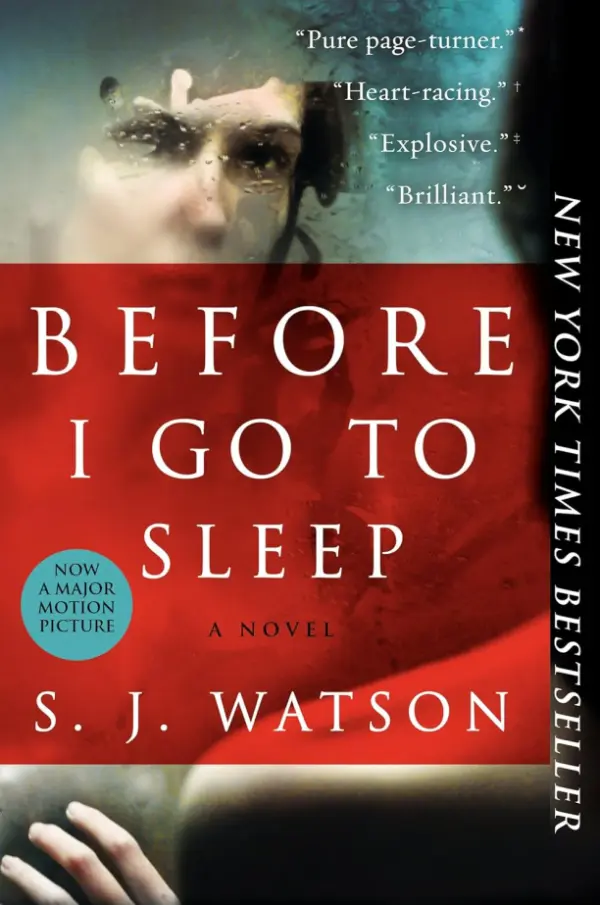
S. J. Watson
Average Goodreads rating3.9
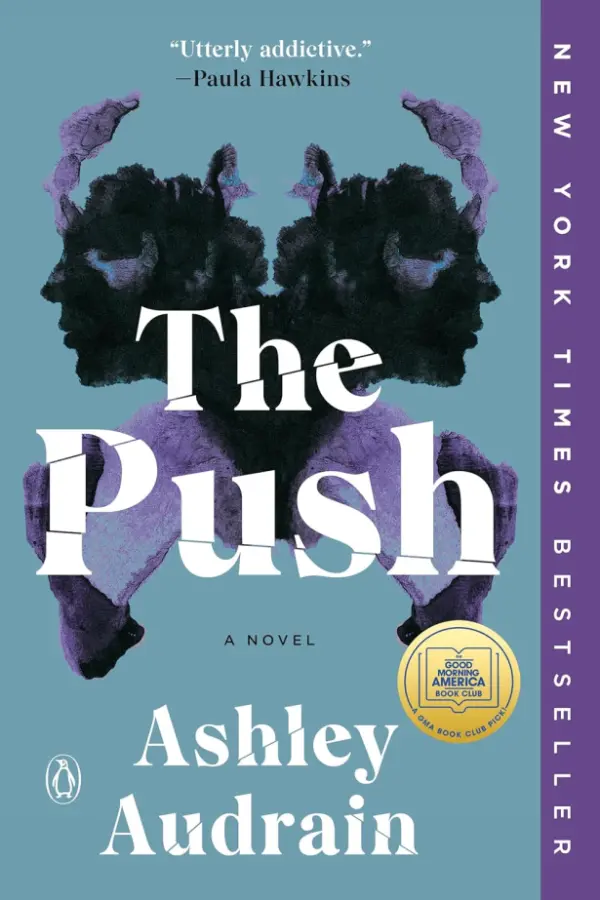
Ashley Audrain
Average Goodreads rating4.0
New York Times bestselling author of psychological suspense thrillers, including The Good Girl and Local Woman Missing, with over five million copies sold worldwide.
Books, series and tropes by Mary KubicaOccasional emails with new recommendations, series news and trope round-ups.