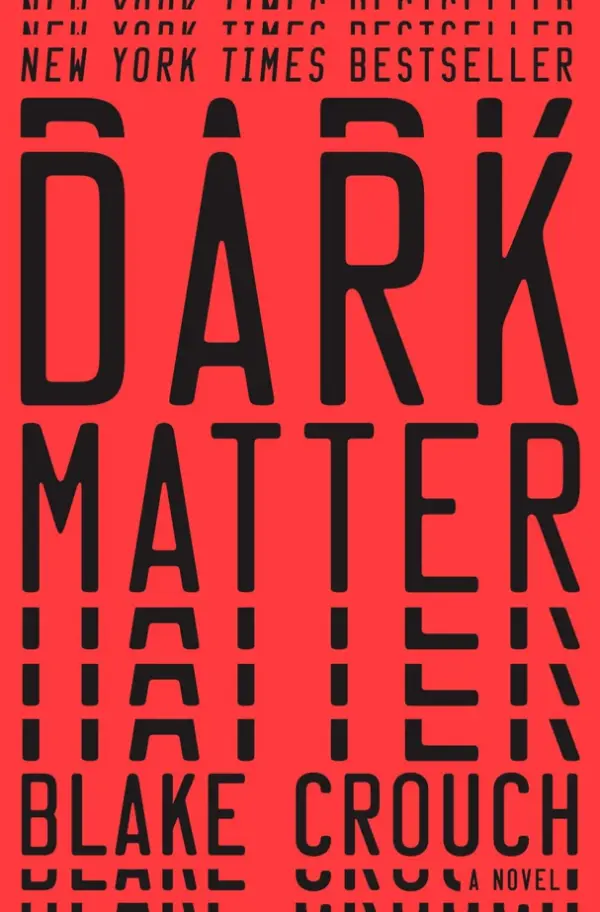
Dark Matter
Blake Crouch
Average Goodreads rating4.3
- Existential Dread
- Parallel Universes

Book trope · 10 books
Some of the most gripping moments in fiction aren't battles or betrayals — they're the quieter, more agonising instants when a character must choose between two options and neither of them is clean.
More about the Morally Grey Choices trope7 are tagged with Morally Grey Choices individually. The others belong to a series tagged with it, which doesn’t mean every book in it features the trope, so they’re marked “Matched via its series”.
Updating books…
10 books found
Blake Crouch
Average Goodreads rating4.3

Cormac McCarthy
Average Goodreads rating4.4
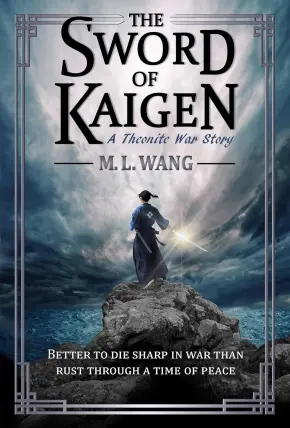
M. L. Wang
Average Goodreads rating4.6

M. L. Wang
Average Goodreads rating4.4
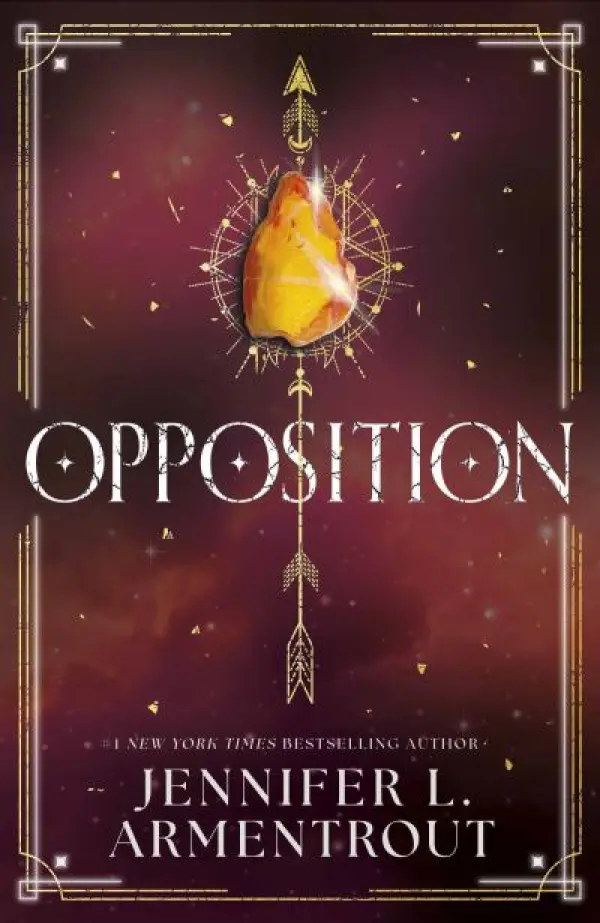
Jennifer L. Armentrout
Lux, book 5
Average Goodreads rating4.2
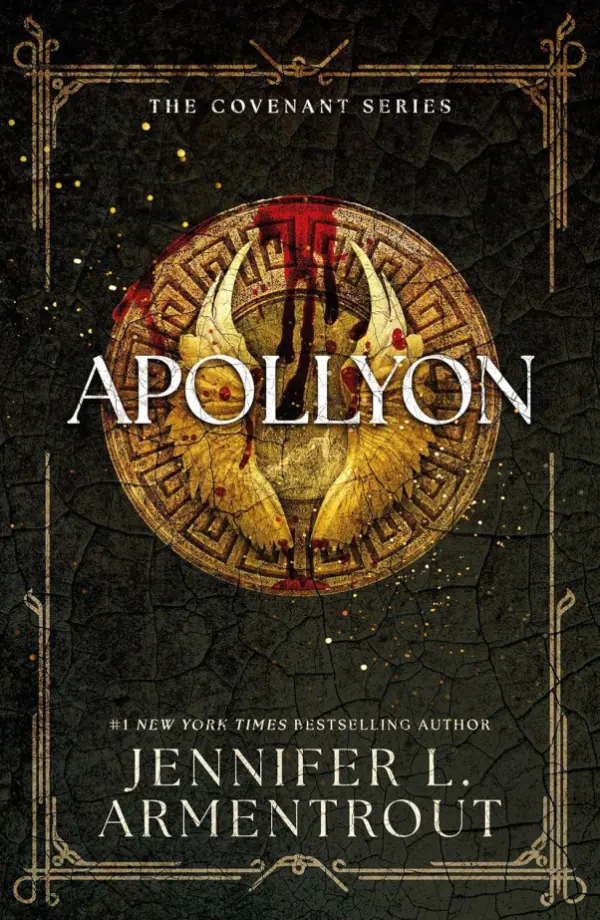
Jennifer L. Armentrout
Covenant, book 4
Average Goodreads rating4.3
Jennifer L. Armentrout
A Wicked Trilogy, book 2
Average Goodreads rating4.3
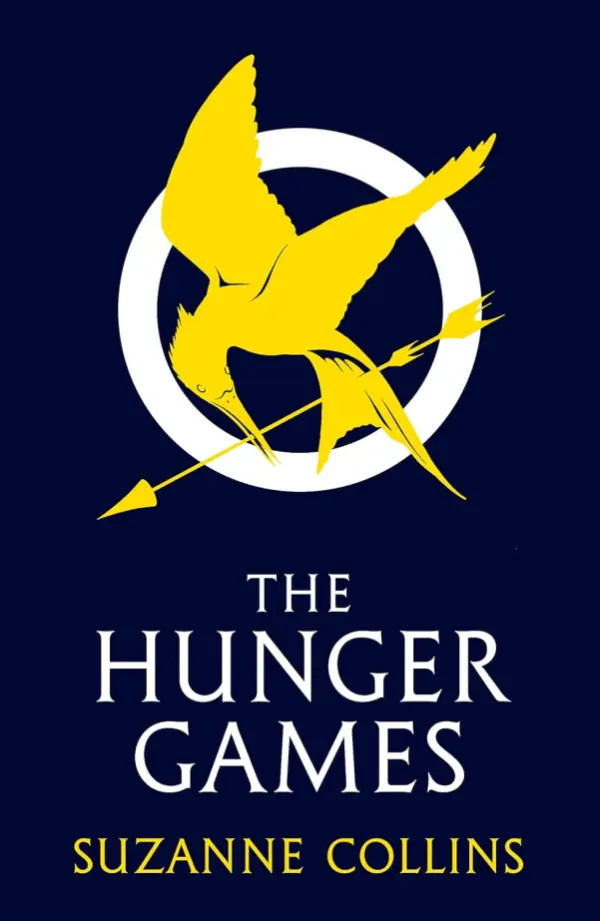
Suzanne Collins
Hunger Games, book 1
Average Goodreads rating4.7
Matched via its series
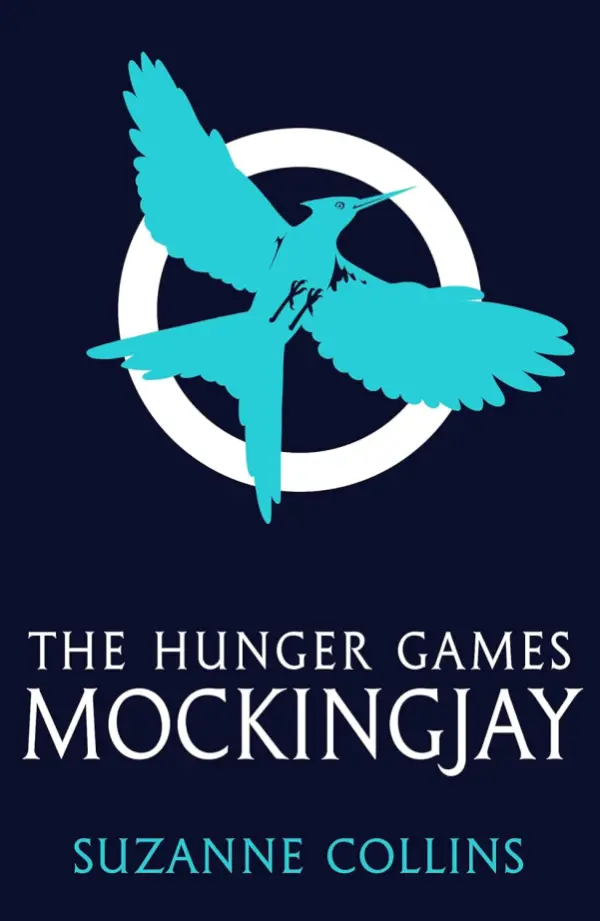
Suzanne Collins
Hunger Games, book 3
Average Goodreads rating4.6
Matched via its series
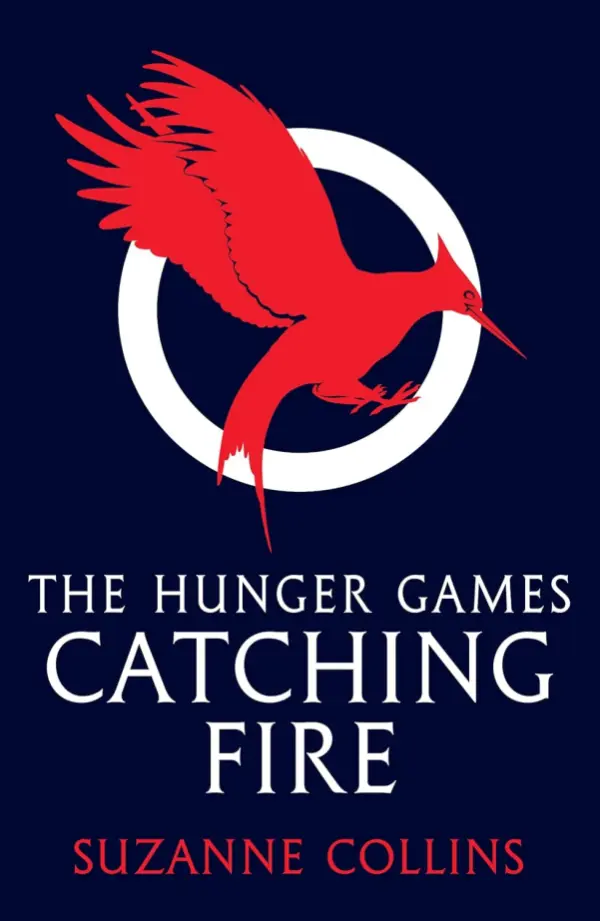
Suzanne Collins
Hunger Games, book 2
Average Goodreads rating4.7
Matched via its series
Tropes that share the most books with Morally Grey Choices
Some of the most gripping moments in fiction aren't battles or betrayals — they're the quieter, more agonising instants when a character must choose between two options and neither of them is clean. Morally grey choices are decisions where there's no clear right answer, where survival, loyalty, love, or justice pull in directions that can't all be satisfied at once. The character acts, and the reader is left sitting with the discomfort of understanding exactly why they did it.
This is a trope built on ambiguity. It refuses to let heroes be entirely heroic or villains be straightforwardly evil. Instead, it insists that the most honest thing a story can do is acknowledge that people — even good people, even people we root for — sometimes do things that are wrong, or necessary, or both.
There's something almost uncomfortably satisfying about a story that doesn't tell you how to feel. When a character sacrifices one person to save hundreds, or lies to protect someone they love, or chooses power because the alternative is powerlessness, readers feel the weight of that alongside them. It creates an intimacy that straightforward heroics rarely manage.
Fantasy and romance are particularly fertile ground for this. Fantasy builds worlds where the stakes are genuinely impossible — wars with no good side, magic with a cost, thrones that corrupt whoever sits on them. Romance, meanwhile, deals in the most human complications: jealousy, self-preservation, the gap between what someone deserves and what they need. In both genres, morally grey choices stop characters from feeling like archetypes and start making them feel like people.
Not every bad decision qualifies. A character making a foolish mistake isn't morally grey — it's just a mistake. What distinguishes this trope is the element of genuine conflict, a moment where the character (and the reader) can see the argument for more than one path, and where the chosen path carries real consequence. Often there's no redemption arc tidily waiting on the other side. The choice might haunt the character, or harden them, or change the course of everything — sometimes all three.
The trope appears at every scale. It can be a single scene: a healer choosing who gets the last of their supplies. Or it can be the spine of an entire series, where every book deepens the reader's understanding of why a character operates the way they do. Anti-heroes tend to live here permanently. So do rulers, rebels, and anyone who has ever loved someone they probably shouldn't.
Readers who love this trope often find themselves drawn to a few recurring flavours. There's the lesser-of-two-evils scenario, where every option causes harm and the character must decide how much and to whom. There's the betrayal-for-good-reason setup, where loyalty is broken not out of selfishness but out of a competing, equally valid loyalty. And there's the slow corruption arc, where a character makes one defensible choice, then another, until they look back and can barely recognise the person they started as.
Some stories use morally grey choices to interrogate institutions — what it means to follow orders, to uphold laws that are unjust, to fight for a cause that uses terrible methods. Others keep it intensely personal, zooming in on what one individual is willing to do for the people they care about. Both approaches hit differently, but the core appeal is the same: the refusal to pretend that goodness is simple.
If you find yourself arguing with a fictional character in your head long after you've closed the book, there's a reasonable chance a morally grey choice put them there.
Occasional emails with new recommendations, series news and trope round-ups.