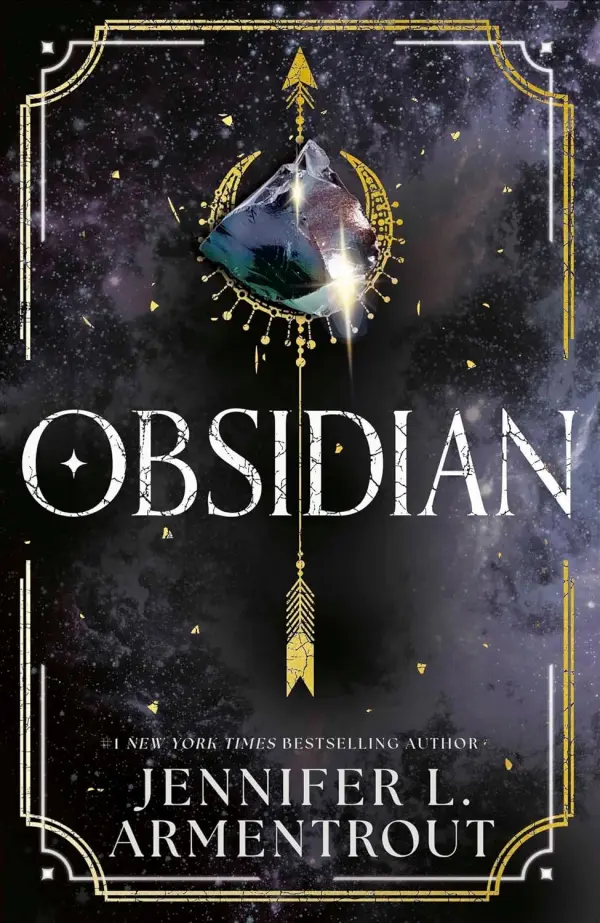
Obsidian
Jennifer L. Armentrout
Lux, book 1
Average Goodreads rating4.1
Matched via its series

Book trope · 34 books
The reluctant hero is someone who never asked to save the world. They're pulled into the story by circumstance, obligation, or sheer bad luck — not because they craved glory or believed themselves chosen.
More about the Reluctant Heroes trope0 are tagged with Reluctant Heroes individually. The others belong to a series tagged with it, which doesn’t mean every book in it features the trope, so they’re marked “Matched via its series”.
Updating books…
34 books found
Jennifer L. Armentrout
Lux, book 1
Average Goodreads rating4.1
Matched via its series
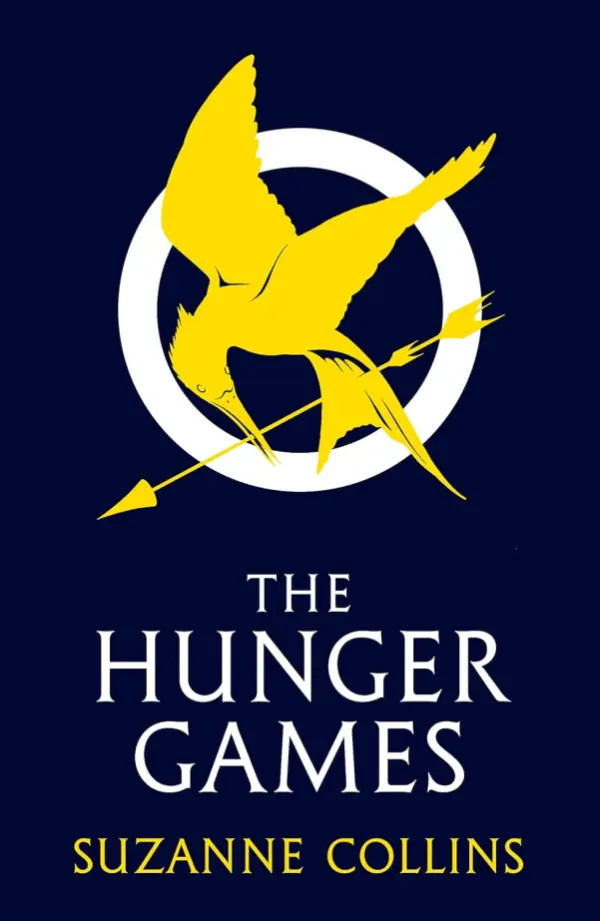
Suzanne Collins
Hunger Games, book 1
Average Goodreads rating4.7
Matched via its series
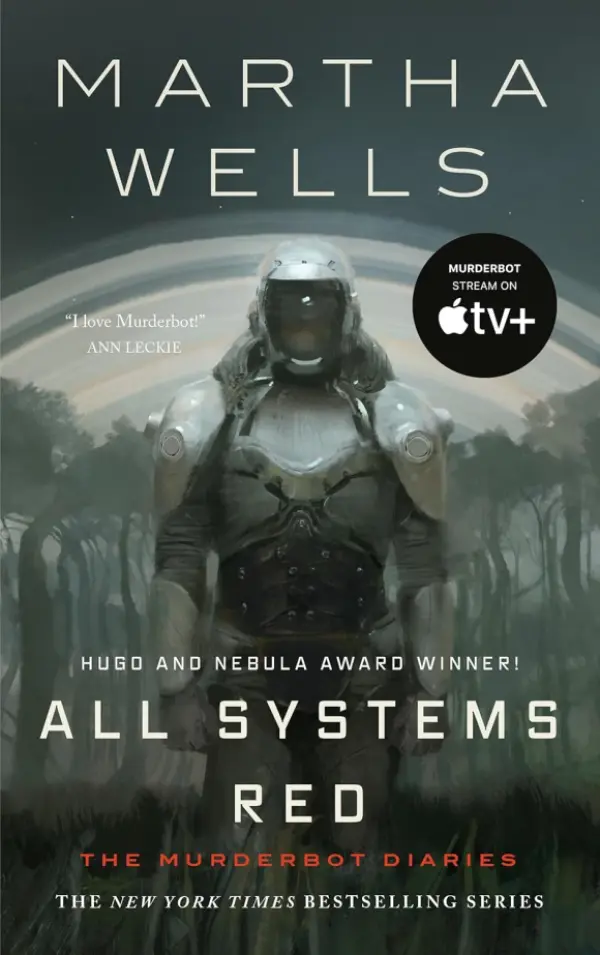
Martha Wells
The Murderbot Diaries, book 1
Average Goodreads rating4.4
Matched via its series

Christopher Ruocchio
The Sun Eater, book 1
Average Goodreads rating4.3
Matched via its series
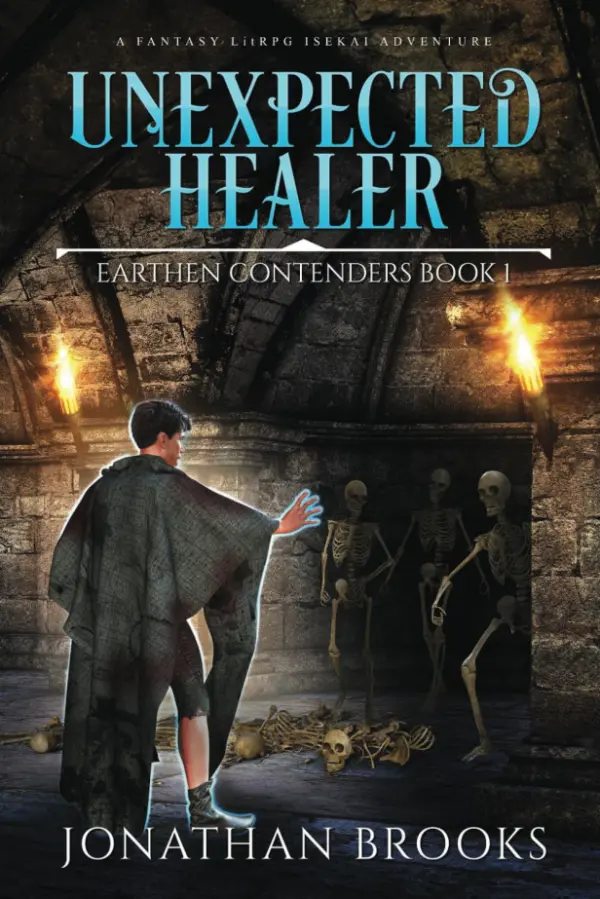
Jonathan Brooks
Earthen Contenders, book 1
Average Goodreads rating4.5
Matched via its series
Elly Blake
The Frostblood Saga, book 1
Average Goodreads rating4.3
Matched via its series

Neal Shusterman
Arc of a Scythe, book 1
Average Goodreads rating4.5
Matched via its series
Suzanne Collins
Hunger Games, book 3
Average Goodreads rating4.6
Matched via its series
Jennifer L. Armentrout
Lux, book 2
Average Goodreads rating4.1
Matched via its series
Suzanne Collins
Hunger Games, book 2
Average Goodreads rating4.7
Matched via its series
Jennifer L. Armentrout
Lux, book 3
Average Goodreads rating4.2
Matched via its series
Jennifer L. Armentrout
Lux, book 4
Average Goodreads rating4.3
Matched via its series
Jennifer L. Armentrout
Lux, book 5
Average Goodreads rating4.2
Matched via its series
Martha Wells
The Murderbot Diaries, book 2
Average Goodreads rating4.5
Matched via its series
Martha Wells
The Murderbot Diaries, book 5
Average Goodreads rating4.7
Matched via its series
Martha Wells
The Murderbot Diaries, book 3
Average Goodreads rating4.5
Matched via its series
Martha Wells
The Murderbot Diaries, book 4
Average Goodreads rating4.6
Matched via its series
Martha Wells
The Murderbot Diaries, book 6
Average Goodreads rating4.6
Matched via its series
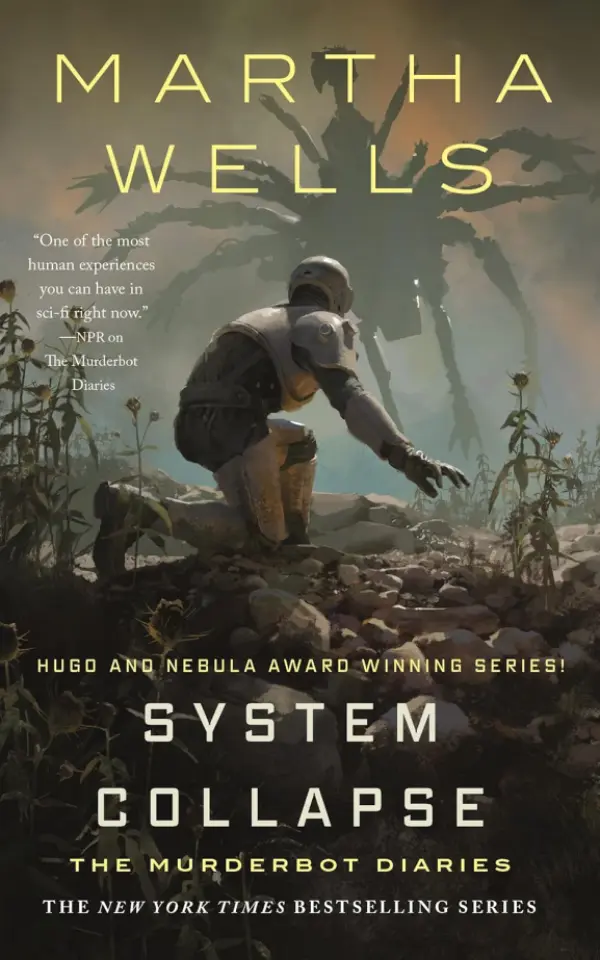
Martha Wells
The Murderbot Diaries, book 7
Average Goodreads rating4.5
Matched via its series
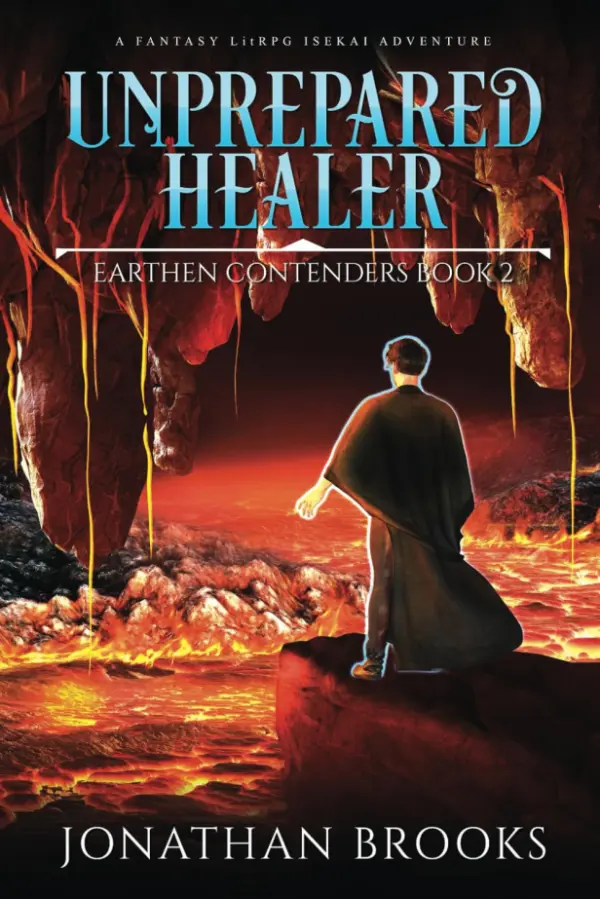
Jonathan Brooks
Earthen Contenders, book 2
Average Goodreads rating4.5
Matched via its series

Christopher Ruocchio
The Sun Eater, book 2
Average Goodreads rating4.4
Matched via its series
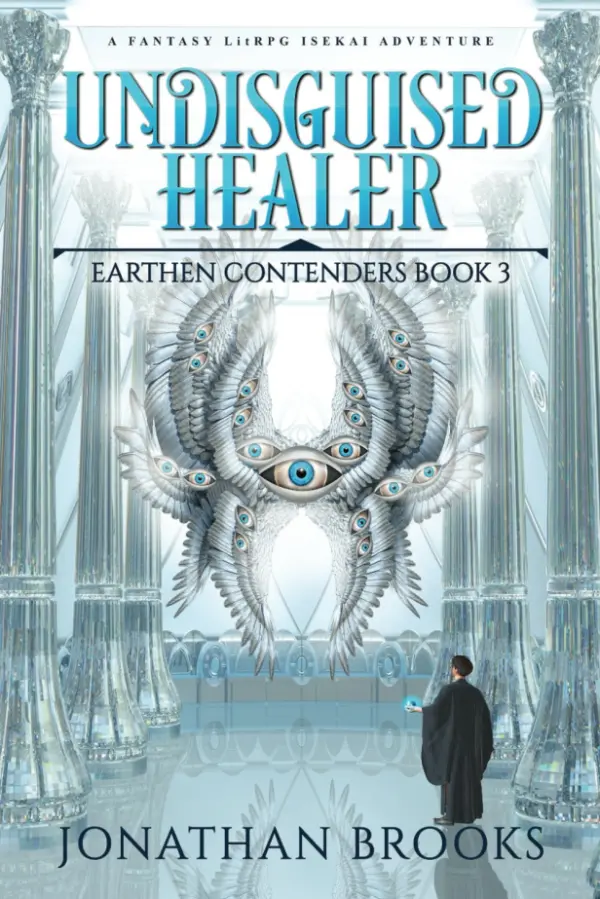
Jonathan Brooks
Earthen Contenders, book 3
Average Goodreads rating4.5
Matched via its series

Christopher Ruocchio
The Sun Eater, book 3
Average Goodreads rating4.6
Matched via its series
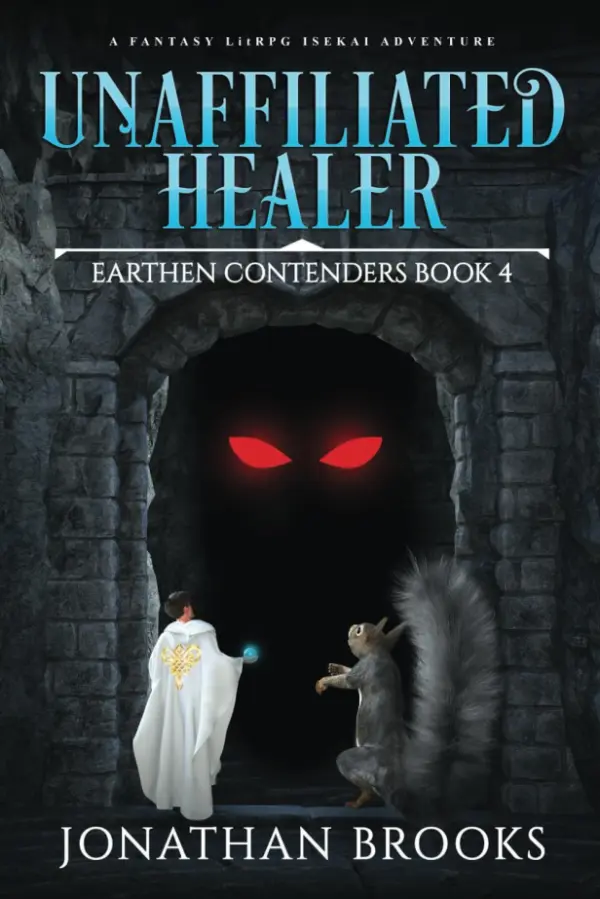
Jonathan Brooks
Earthen Contenders, book 4
Average Goodreads rating4.5
Matched via its series

Christopher Ruocchio
The Sun Eater, book 4
Average Goodreads rating4.5
Matched via its series

Christopher Ruocchio
The Sun Eater, book 5
Average Goodreads rating4.6
Matched via its series

Christopher Ruocchio
The Sun Eater, book 6
Average Goodreads rating4.6
Matched via its series
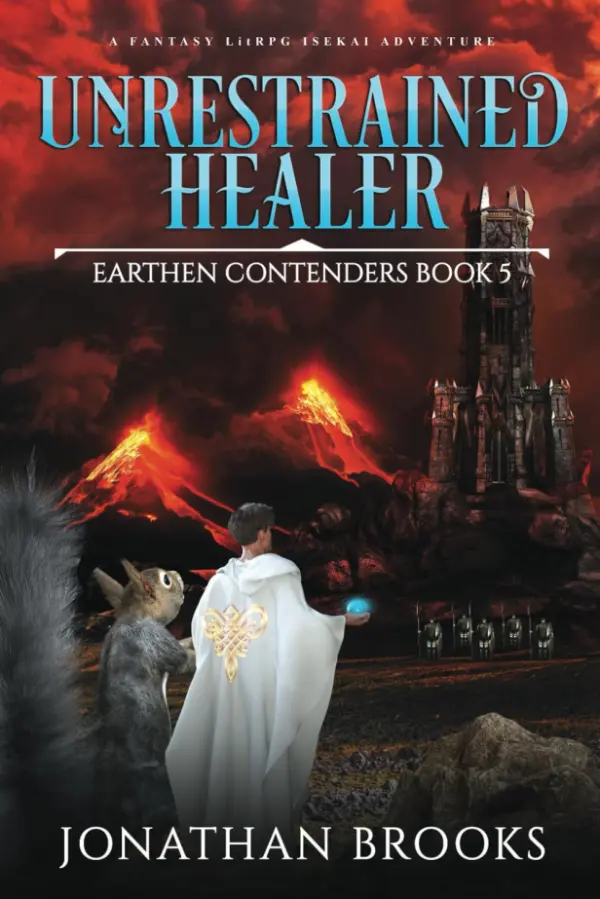
Jonathan Brooks
Earthen Contenders, book 5
Average Goodreads rating4.6
Matched via its series
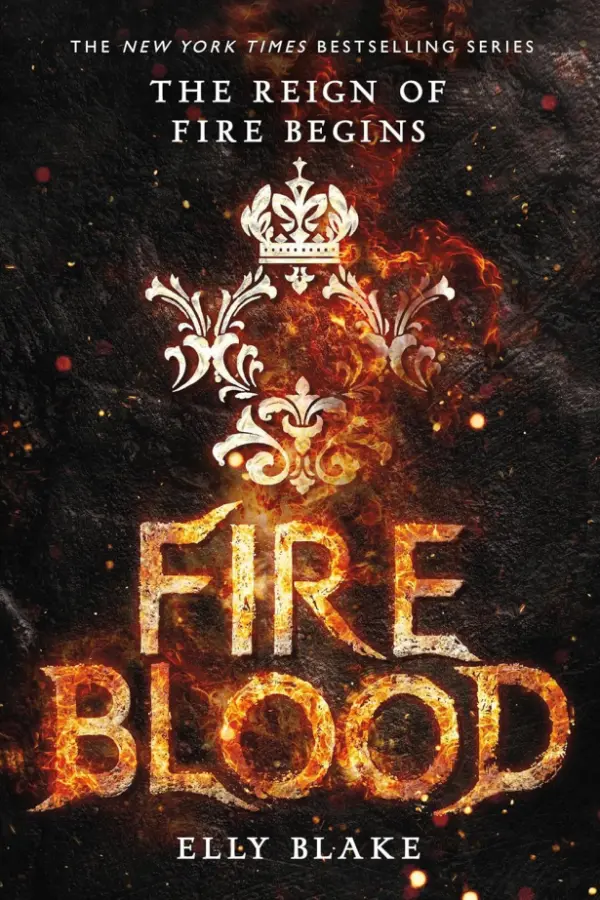
Elly Blake
The Frostblood Saga, book 2
Average Goodreads rating4.6
Matched via its series
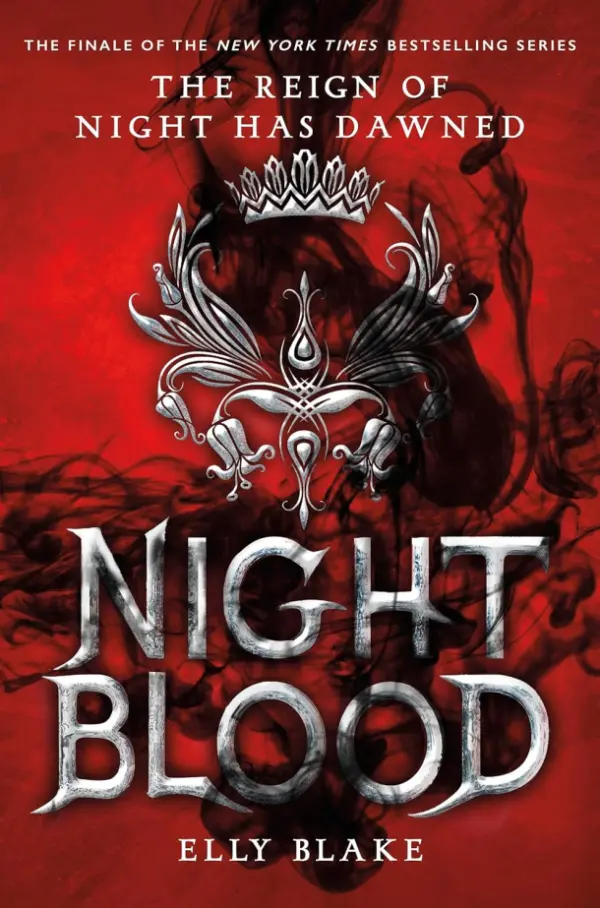
Elly Blake
The Frostblood Saga, book 3
Average Goodreads rating4.6
Matched via its series
Tropes that share the most books with Reluctant Heroes
The reluctant hero is someone who never asked to save the world. They're pulled into the story by circumstance, obligation, or sheer bad luck — not because they craved glory or believed themselves chosen. Where other heroes stride forward with purpose, the reluctant hero drags their feet, argues back, and frequently wonders whether someone else couldn't handle this instead.
It's one of fantasy's most enduring character dynamics, and for good reason. A protagonist who genuinely doesn't want the job is far easier to believe in than one who greets destiny with open arms.
There's something deeply satisfying about watching someone ordinary — or someone who simply wants to be left alone — get dragged into an extraordinary situation and slowly, grudgingly, rise to meet it. The reluctance itself creates tension. Every step forward feels earned rather than inevitable. Readers invest not just in whether the hero will succeed, but in whether they'll even try.
The trope also offers a particular kind of humour. A hero who mutters complaints, questions every instruction, and refuses to be impressed by magic or prophecy can lift the weight of a high-stakes narrative without undermining it. The eye-roll is a form of honesty.
The key distinction is internal resistance. A reluctant hero isn't merely humble or self-doubting — plenty of confident characters have moments of hesitation. The reluctant hero actively resists the role. They might try to leave, deflect responsibility onto someone more qualified, or spend a significant portion of the story arguing that they are entirely the wrong person for this.
That resistance can come from different places. Some reluctant heroes fear failure and what it would cost. Others have something — a quiet life, a family, a carefully built sense of normalcy — they're not willing to sacrifice. A few are simply exhausted by the idea that the world, once again, needs something from them. All of these read differently on the page, but they share the same essential quality: the heroism, when it comes, is chosen rather than assumed.
The trope appears across the full spectrum of fantasy and romance, often in combination with other dynamics. The chosen one who rejects the prophecy is one of the most common variants — someone marked by fate who refuses to play along until circumstances leave them no choice. The grumpy loner dragged back into a conflict they thought they'd escaped is another, particularly popular in grimdark and epic fantasy.
In romantic fantasy, reluctant heroes frequently resist emotional investment as fiercely as they resist the quest itself, which gives the trope an extra layer of tension. And in cosy or low-stakes fantasy, the reluctance often plays primarily for warmth and comedy — the ordinary person who just wanted a quiet week finding themselves neck-deep in something absurd.
Whatever the flavour, the trope endures because it insists that heroism is a decision, not a personality type. Anyone can be reluctant. Not everyone keeps going anyway.
Occasional emails with new recommendations, series news and trope round-ups.