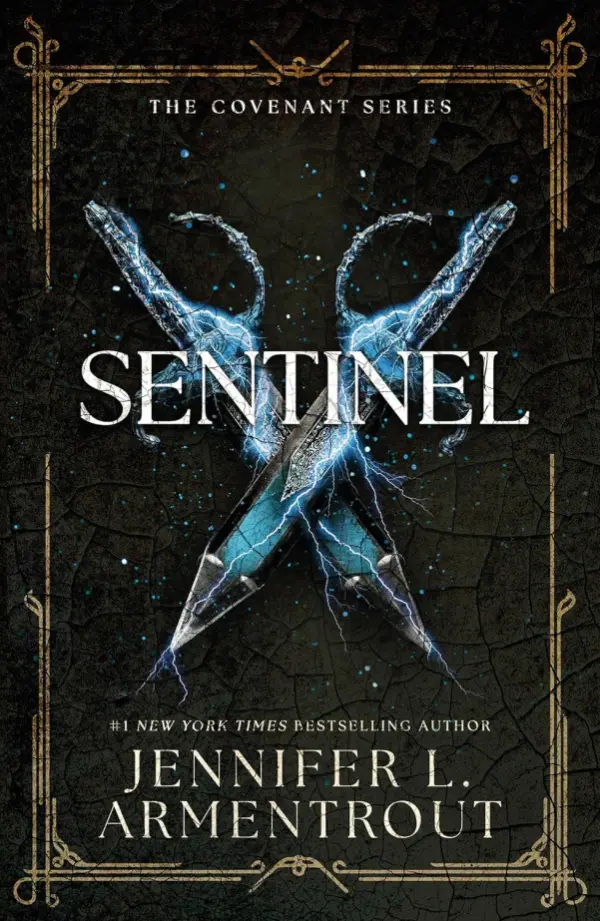
Sentinel
Jennifer L. Armentrout
Covenant, book 5
Average Goodreads rating4.4
- Good vs Evil
- Survival and Resilience

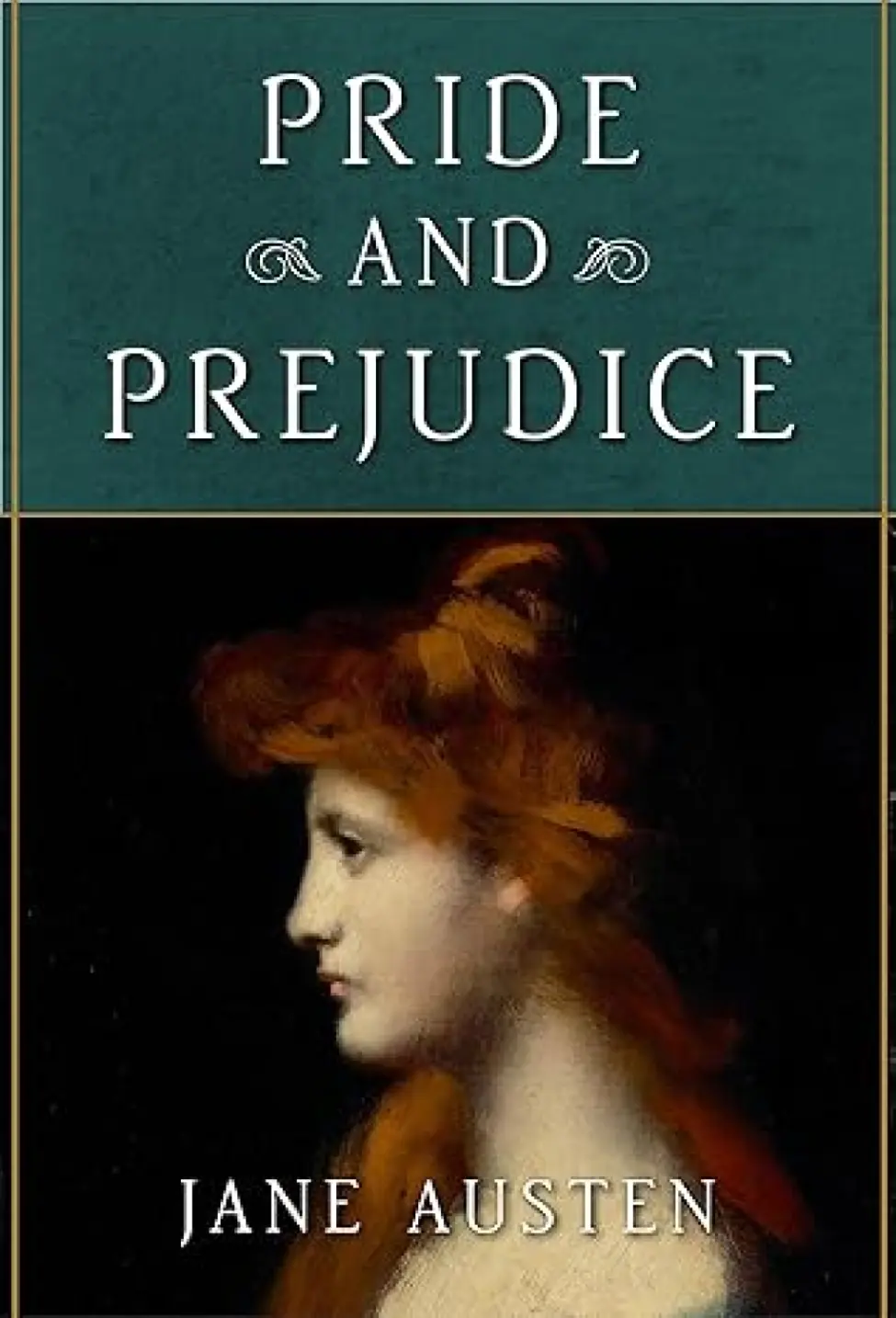
by Jane Austen
We independently select and recommend books. Purchases made through our links may earn us a commission, at no extra cost to you. Prices and availability are set by each retailer.
Pride & Prejudice by Jane Austen is a witty and enduring Regency romance following Elizabeth Bennet and the infuriating Mr Darcy. A masterclass in slow-burn tension, sharp dialogue, and class-conscious courtship.
Pride and Prejudice by Jane Austen is one of the most beloved novels ever written - a Regency romance published in 1813 that has never been out of print, never been out of fashion, and never quite lost its capacity to make readers feel, with great urgency, that Elizabeth Bennet and Mr Darcy absolutely must find their way to each other. It is, at its core, a novel about first impressions and the costs of trusting them: about pride that masquerades as dignity, and prejudice that masquerades as good judgement, and the deeply inconvenient process of discovering you were wrong.
Elizabeth Bennet is one of the great heroines of English fiction. The second of five daughters in a genteel but financially precarious Hertfordshire family, she is quick-witted, principled, and possessed of a clarity of moral vision that the society around her does not always reward. In a world defined by class struggle and the narrow economic realities facing women without independent means, Elizabeth's insistence on marrying for genuine feeling rather than financial security makes her simultaneously admirable and, in practical terms, something of a problem. Her mother's anxious pursuit of advantageous matches for her daughters is not mere comedy - it is a rational response to a system that offers women almost no other form of security - and Austen keeps that social commentary alive beneath the novel's sparkling surface throughout.
Into Elizabeth's orbit arrives Fitzwilliam Darcy: wealthy, well-connected, and possessed of a manner so perfectly calibrated to cause offence that their first encounter ends in mutual dislike. What follows is one of the great rivals to lovers romances in literary history - a slow-burn romance conducted almost entirely through misunderstanding, pride, and the gradual, reluctant revision of everything both characters believed they knew about the other. The witty banter and sharp dialogue between Elizabeth and Darcy is the engine of the novel: their exchanges are combative, charged, and layered with a subtext that readers can feel long before either character is willing to acknowledge it. Austen's comic timing is immaculate, and the pleasure of watching two people argue their way towards love is as immediate now as it was two centuries ago.
The opposites attract dynamic between them operates on multiple levels. Darcy's reserve and Elizabeth's openness; his social position and her relative obscurity; his first, disastrous attempt at expressing his feelings and her equally disastrous response - all of it is a study in the gap between how people present themselves and who they actually are. The complicated romance at the novel's heart earns its resolution precisely because neither character arrives there easily. Darcy must confront the arrogance woven into his self-image; Elizabeth must confront the comforting certainty of a judgement she formed too quickly. Austen makes both processes believable and, in their different ways, genuinely moving.
The wider cast of Pride and Prejudice is one of the richest in English fiction. Mr Bennet's dry, detached wit; Mrs Bennet's spectacular social anxiety; the insufferable Mr Collins and his oblivious condescension; the charming, unreliable Wickham; the warm and sensible Jane - together they form a world that is simultaneously a comedy of manners and a precise piece of political and social commentary on love vs duty in Regency England. Austen never simplifies the pressures her characters operate under. The forbidden romance quality of Darcy and Elizabeth's connection - across differences of temperament, status, and family - is not merely a romantic obstacle. It reflects something real about the way that class, expectation, and social performance shape who people are permitted to love.
Pride and Prejudice can be read as pure romantic entertainment, and it delivers on that promise completely. It can also be read as a sharp, funny, and occasionally melancholy portrait of a society in which intelligence and feeling are rarely enough on their own. Most readers find it is both at once - which is precisely why it has never stopped being read.
Jennifer L. Armentrout
Covenant, book 5
Average Goodreads rating4.4
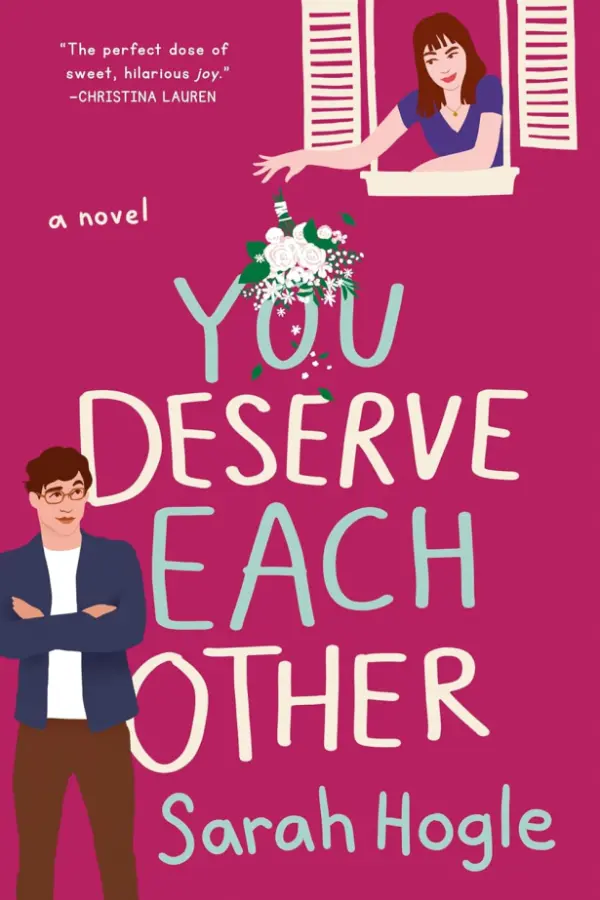
Sarah Hogle
Average Goodreads rating3.8
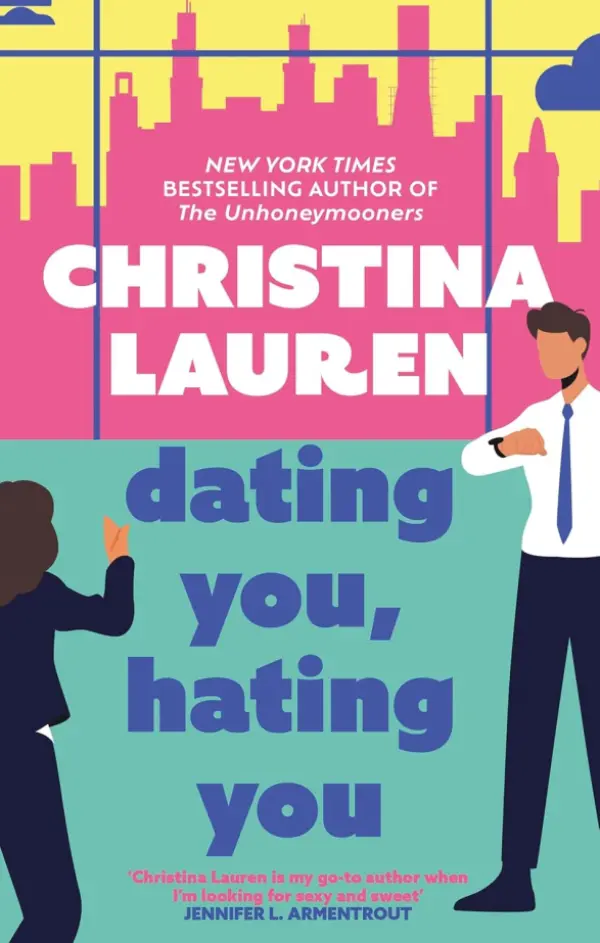
Christina Lauren
Average Goodreads rating3.6

Stephanie Garber
Caraval, book 1
Average Goodreads rating4.2
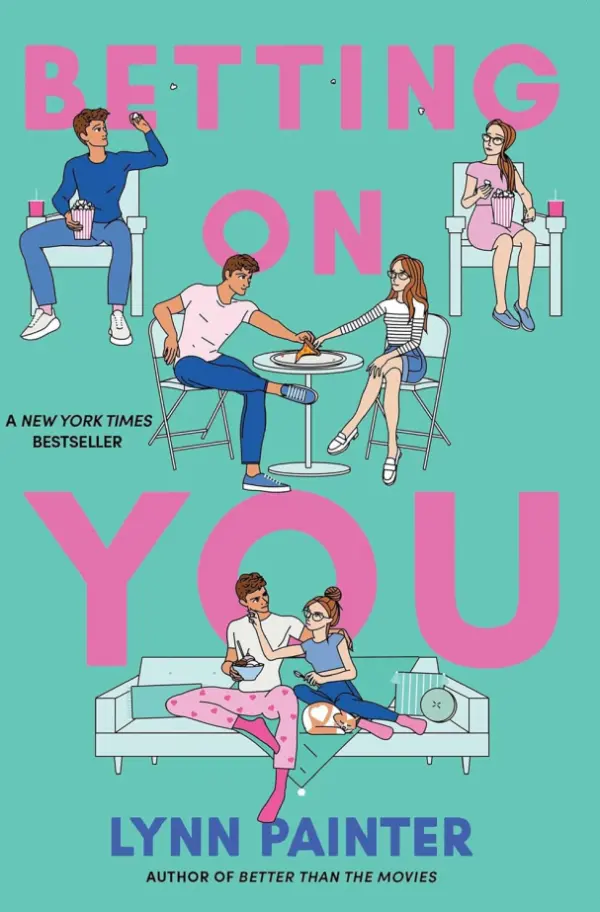
Lynn Painter
Average Goodreads rating4.1
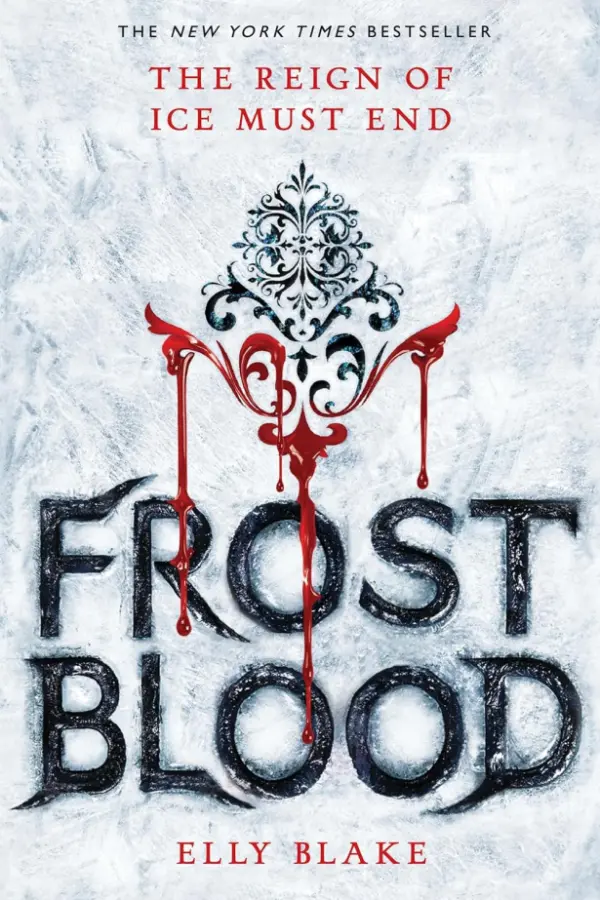
Elly Blake
The Frostblood Saga, book 1
Average Goodreads rating4.3
Still Looking?
Further down our similarity list, but still sharing tropes and genres with this book.
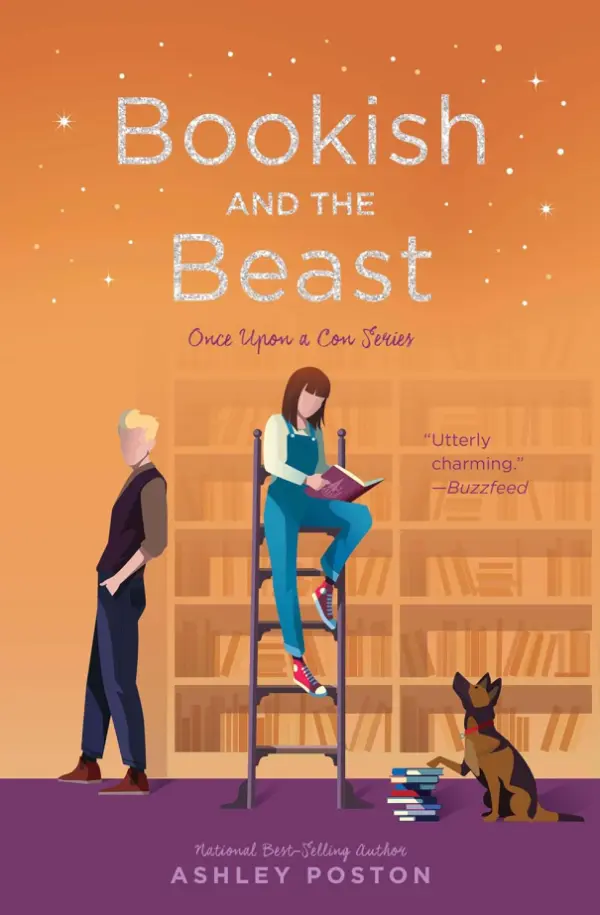
Ashley Poston
Once Upon A Con, book 3
Average Goodreads rating3.7
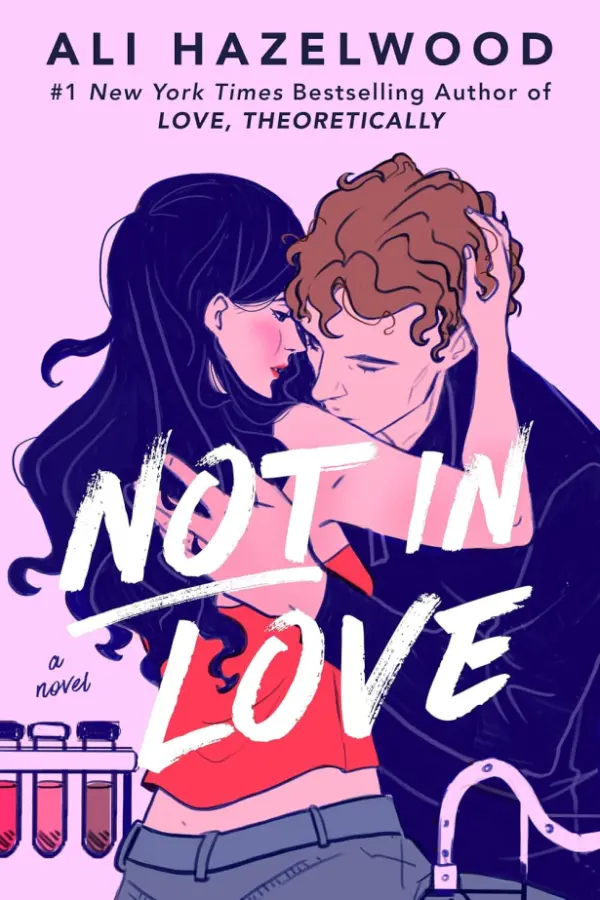
Ali Hazelwood
Average Goodreads rating3.6
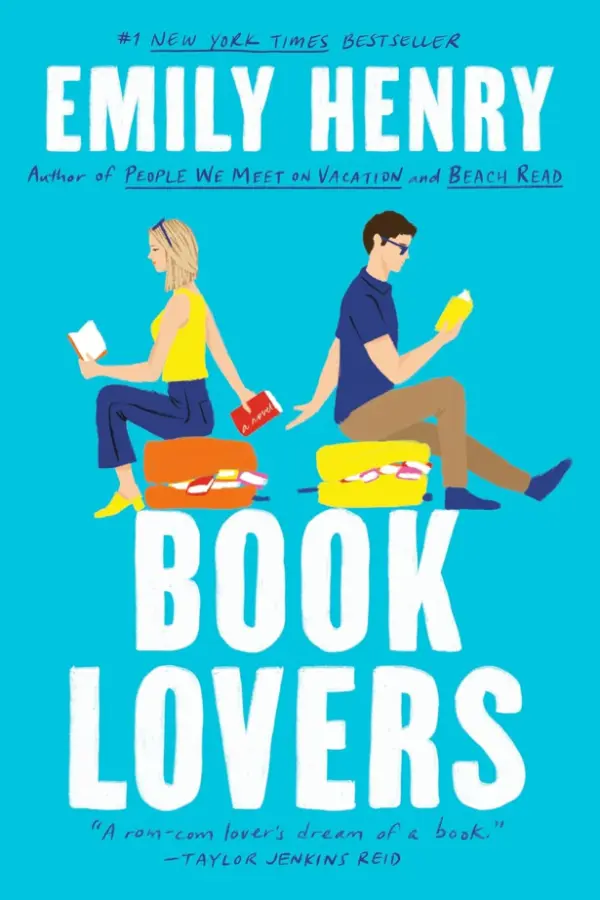
Emily Henry
Average Goodreads rating4.1
Jane Austen was an English novelist whose sharply observed comedies of manners defined Regency-era romance. Her six novels remain among the most beloved and widely read works in the English literary canon.
Books, series and tropes by Jane Austen
Because the slow burn is the point, and you know it. The best enemies-to-lovers books - from faerie courts to war colleges, workplaces to regency ballrooms.
Pride & Prejudice
Buy from Amazon (opens Amazon in a new tab)Occasional emails with new recommendations, series news and trope round-ups.